The world of gemstones involves various enhancement processes that have been developed over centuries to improve both the appearance and durability of precious stones. Among these treatments, impregnation and stabilization stand out as crucial techniques that have revolutionized how we can use and enjoy certain gemstones in jewelry. These processes have made it possible to transform otherwise unsuitable stones into durable pieces that can be worn and cherished for generations.
What is Gemstone Impregnation Treatment?
Gemstone impregnation is a widespread enhancement method where substances are introduced into a stone’s surface-reaching fractures and pores to improve its appearance and stability. This technique has evolved significantly from ancient oil treatments to today’s sophisticated resin-based processes, becoming an essential part of modern gemstone preparation.
- The impregnation process begins with thorough cleaning of the stone, followed by placement in a vacuum chamber with the chosen filling material. Under negative pressure, air is removed from the stone’s pores and cracks, allowing the enhancement material to penetrate deeply into the structure. This process can take anywhere from several hours to several days, depending on the stone’s porosity and the specific treatment being used.
- Modern impregnation materials include optically-matched epoxy resins, specifically engineered to match the refractive index of the host stone. These resins provide superior clarity enhancement compared to traditional oils and can last several years before requiring retreatment. The optical matching is crucial as it makes the treatment nearly invisible to the naked eye while significantly improving the stone’s appearance.
- Natural oils, including cedar oil, jojoba oil, and Canada balsam, are still used for some stones, particularly emeralds. These traditional treatments typically last 6-18 months and are often preferred by purists because they can be completely removed and reapplied without damaging the stone. However, they require more frequent maintenance than modern resin treatments.
- Clarity enhancement through impregnation can increase a stone’s value by making otherwise unmarketable specimens suitable for jewelry. However, the presence of treatment must be disclosed, and treated stones are generally valued lower than untreated stones of similar appearance. The value difference can range from 20-50% depending on the extent of treatment and the type of stone.
The impact of gemstone impregnation on the jewelry industry has been transformative, making many beautiful stones accessible that would otherwise be unsuitable for use. While the treatment requires disclosure and occasional maintenance, it represents a valuable tool in modern gemology, allowing more people to enjoy these natural treasures while ensuring their longevity and beauty.
What is Gemstone Stabilization Treatment?
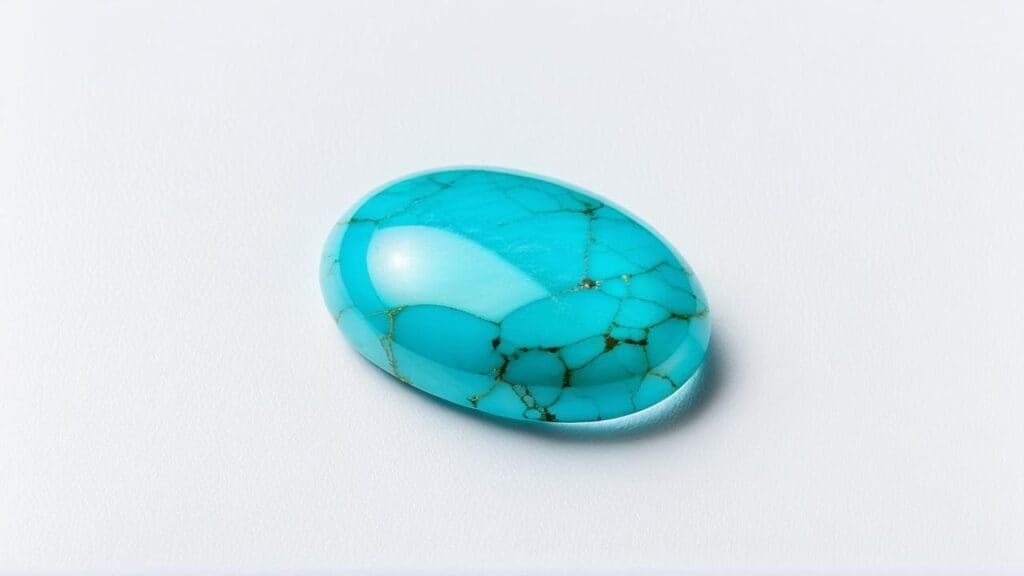
Stabilization represents a more permanent and comprehensive treatment than impregnation, fundamentally altering a gemstone’s physical structure to enhance its durability. Unlike surface treatments, stabilization affects the entire stone matrix, creating a more robust material that can withstand the rigors of daily wear while maintaining its natural beauty.
- The stabilization process involves placing the raw stone in a high-pressure chamber filled with specialized polymer or resin. This material is forced into the stone’s structure under carefully controlled conditions of pressure, temperature, and vacuum. The process can take anywhere from 24 hours to several weeks, depending on the stone’s porosity and size. The treatment penetrates the entire stone, not just surface-reaching areas, creating a unified and strengthened structure.
- Different stones require different stabilizing compounds, with modern treatments using advanced polymers specifically formulated for each type of gemstone. For example, turquoise typically uses colorless acrylic polymers that bond with the stone’s natural matrix, while opal often requires silica-based compounds that prevent crazing and maintain the stone’s play of color. These materials are chosen based on their ability to chemically bond with the host stone while maintaining its natural properties.
- The physical improvements from stabilization are significant and measurable. Properly stabilized stones can show up to 10 times greater resistance to compression and impact compared to their untreated counterparts. The treatment can increase a stone’s effective hardness by 1-2 points on the Mohs scale, though this improvement is primarily in crush resistance rather than scratch resistance.
- Color stability is a major benefit of the process, particularly for porous stones like turquoise and lapis lazuli. The stabilizing compound helps prevent natural color changes that can occur from exposure to light, oils, and environmental factors. This color preservation is permanent, unlike surface treatments that may wear off over time.
- Identification of stabilized stones requires specific testing methods, as the treatment is designed to be permanent and integrate completely with the stone. Professional gemologists use techniques such as specific gravity testing (as treated stones are often slightly denser), UV fluorescence examination (many treatments show distinctive fluorescence patterns), and advanced spectroscopic analysis for definitive identification.
The evolution of stabilization techniques has revolutionized the gemstone market, particularly for traditionally problematic stones that were once too fragile or unstable for regular use in jewelry. This process has made it possible to create durable, long-lasting pieces from stones that would historically have been unsuitable for jewelry applications, while maintaining their natural beauty and character. The permanent nature of proper stabilization means these enhanced stones can be enjoyed for generations without requiring periodic retreatment.
Common Gemstones That Are Often Treated
Understanding which gemstones commonly undergo impregnation or stabilization helps consumers know what to expect when shopping for specific stones. Different gems require different approaches to enhancement, and some stones are rarely found in jewelry without some form of treatment to improve their durability or appearance.
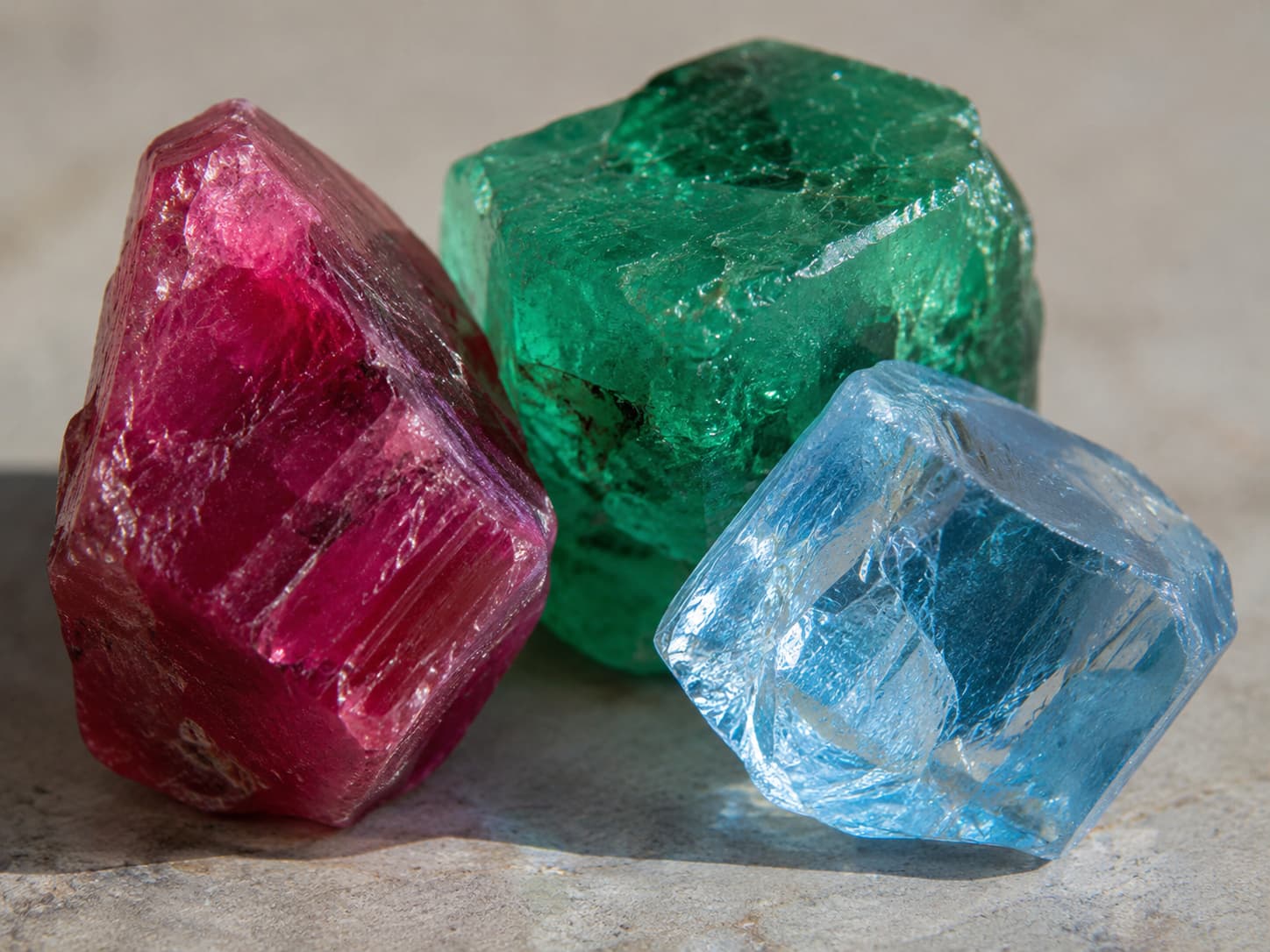
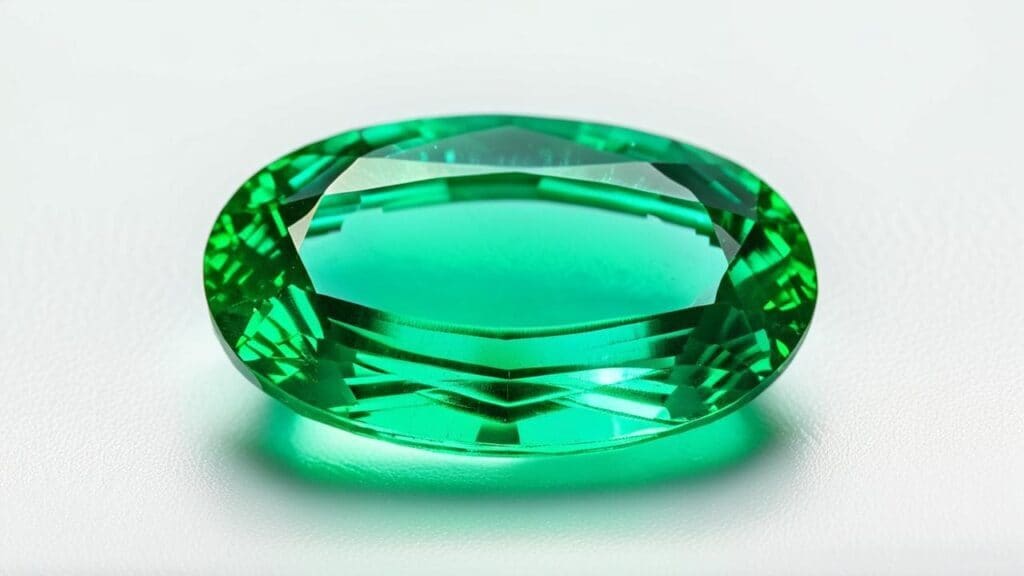
- Emeralds are the most widely impregnated gemstones in the market, with an estimated 90-95% receiving some form of clarity enhancement. Traditional emerald treatments use natural oils like cedar oil, while modern treatments often employ specialized resins. These treatments fill surface-reaching fissures, improving clarity and stabilizing the stone. High-quality emeralds might show minor enhancement, while more included stones often receive more extensive treatment. The treatment’s extent significantly affects both the stone’s value and its care requirements.
- Turquoise represents the most common example of stabilization in the gem market. Natural, untreated turquoise is often too soft and porous for jewelry use, potentially changing color or crumbling over time. Stabilization transforms this traditionally fragile stone into a durable gem suitable for daily wear. The treatment penetrates the entire stone, hardening its structure while preserving its natural color and pattern. Quality stabilized turquoise maintains its appearance indefinitely with proper care.
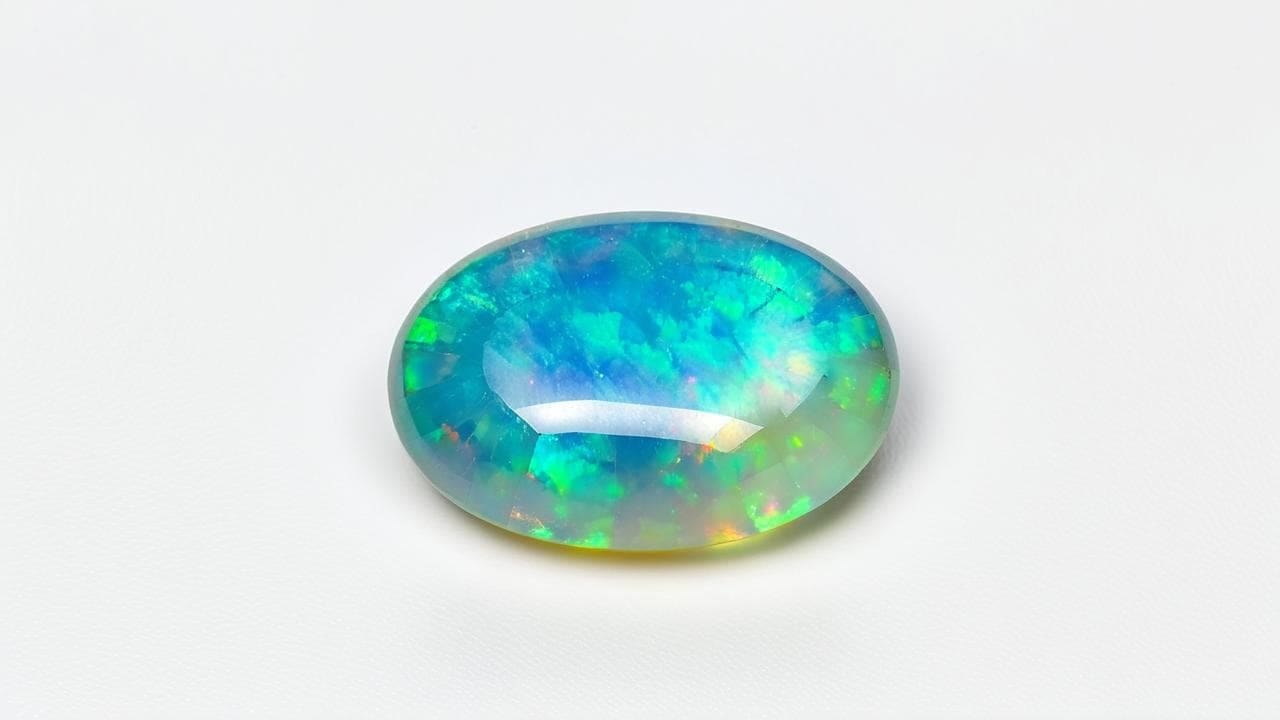
- Ethiopian opals frequently undergo stabilization to prevent crazing (internal cracking) and improve durability. These opals are naturally hydrophane, meaning they can absorb water and temporarily change appearance. Stabilization helps maintain consistent appearance and prevents the internal stress that can lead to crazing. The treatment has made Ethiopian opals more practical for jewelry use, though they still require careful handling and specific care instructions.
- Jade undergoes both impregnation and stabilization, with different treatment levels designated by letters A through C. Type A jade is untreated, Type B indicates bleaching and polymer impregnation (which can significantly affect durability), and Type C denotes both treatment and dyeing. These designations help consumers understand the extent of treatment and adjust their expectations for both value and durability accordingly.
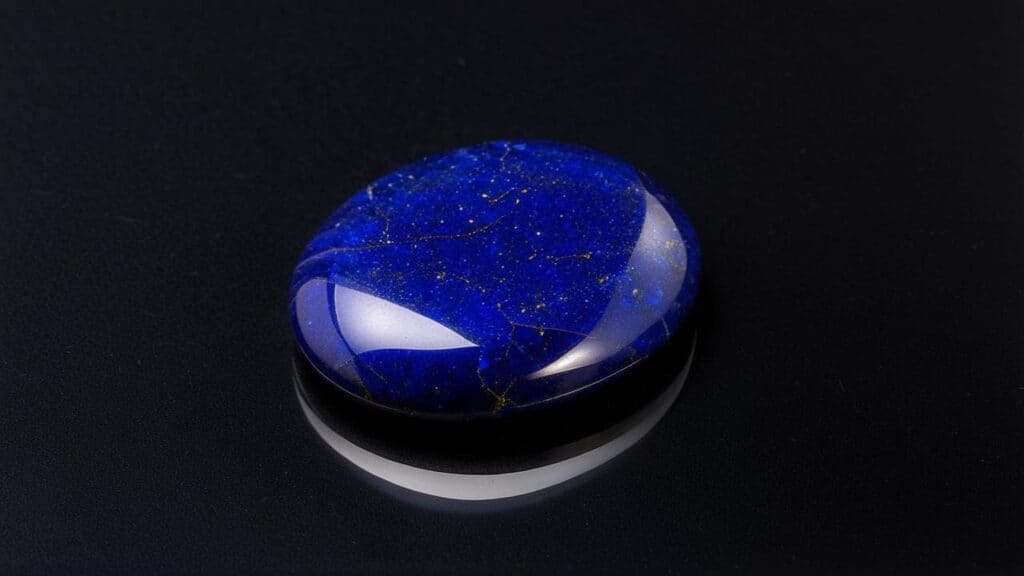
- Lapis Lazuli often receives stabilization treatment to enhance its durability and prevent the natural material from breaking along mineral boundaries. The treatment helps hold the various minerals that compose lapis together more securely, making it more suitable for jewelry use. Quality stabilized lapis maintains its rich blue color and characteristic gold pyrite inclusions while gaining significant durability.
The treatment of these popular gemstones illustrates how enhancement processes have made many beautiful stones more accessible and practical for jewelry use. While treatment affects value, it often represents the difference between a stone that can be enjoyed in jewelry and one that would be too fragile or unstable for practical use. Understanding these common treatments helps consumers make informed decisions and properly care for their gemstone jewelry.
Signs of Treated Gemstones
The identification of impregnation and stabilization differs from other gemstone treatments, as these enhancements are specifically designed to integrate with the stone’s structure. Understanding the distinct characteristics of these two treatment types helps in differentiating them from both untreated stones and other enhancement methods.
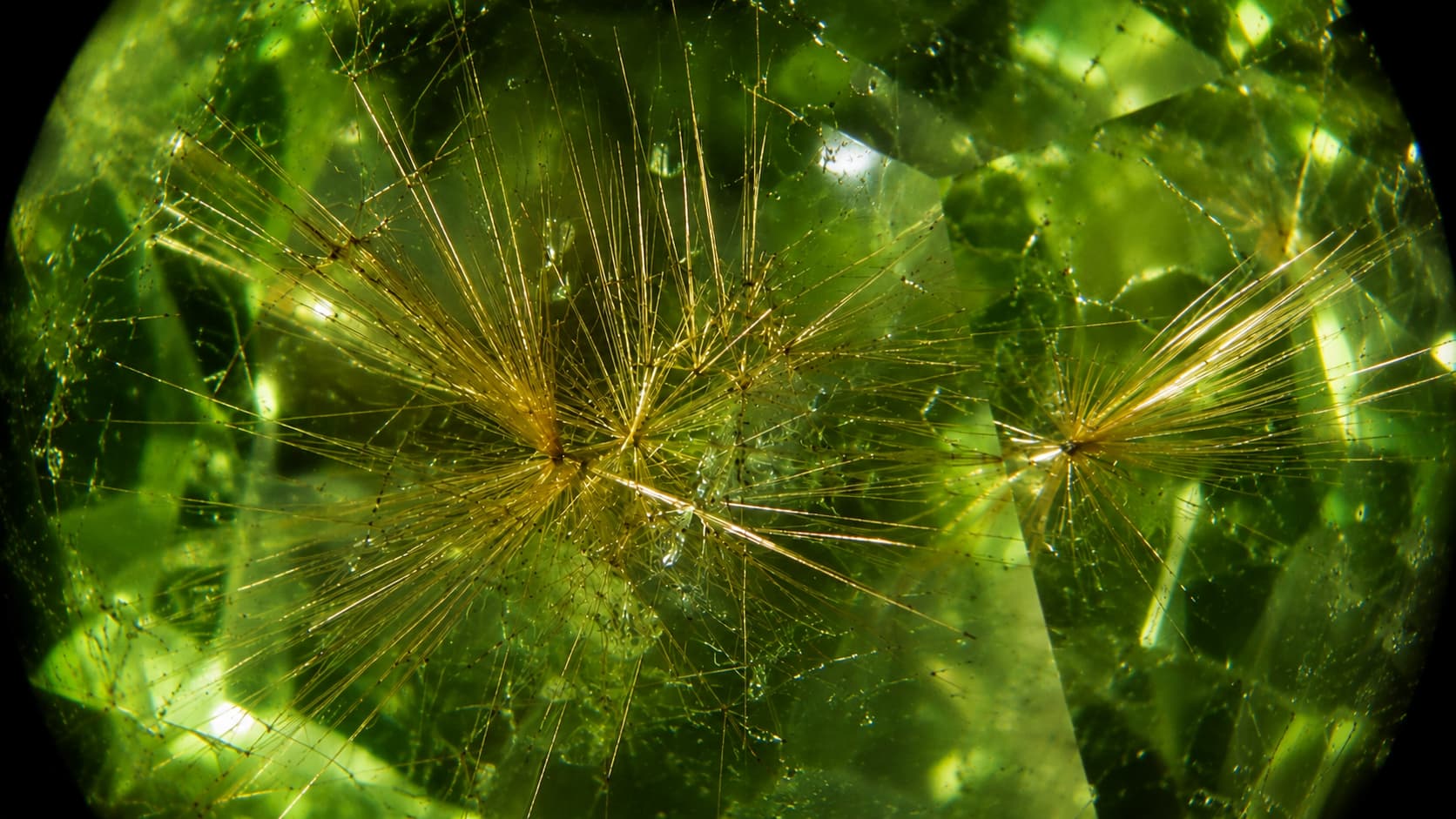
- Impregnation identification focuses primarily on surface-reaching features. Under magnification (10x or higher), impregnated stones show distinctive flash effects in filled areas, particularly when the stone is rotated under bright light. These effects appear as subtle color flashes different from the stone’s natural play of color and are most visible in fractures that reach the surface.
- The presence of stabilization compounds creates specific changes in a stone’s optical properties. Stabilized stones often show increased transparency compared to their natural counterparts, particularly visible in traditionally opaque stones like turquoise. The treatment creates a more uniform appearance throughout the stone, sometimes making natural matrix patterns appear slightly muted.
- Testing the surface hardness of potentially stabilized stones can provide valuable clues. Stabilized stones typically show more consistent hardness across their surface, while untreated porous stones may show varying hardness levels when tested with proper equipment. This is particularly noticeable in stones like turquoise, where natural material often shows varying hardness between different areas.
- Heat testing (performed only by professionals) can help identify both treatments. Impregnation materials often react differently to heat than the host stone, while stabilized stones show more uniform heat response throughout. However, this testing should never be performed on valuable specimens as it can potentially damage the stone.
The identification of these specific treatments requires careful examination and professional expertise. While some indicators may be visible to trained observers, definitive identification often requires laboratory testing, particularly for high-value stones where treatment status significantly affects value.
Common Myths About Treated Gemstones
The world of gemstone treatments is often surrounded by misconceptions and misunderstandings. Understanding the reality behind impregnation and stabilization treatments helps consumers make informed decisions and appreciate these processes for what they truly offer - a way to make more gemstones suitable for jewelry use.
- The most persistent myth is that treated stones are “fake” or “artificial.” This is incorrect - both impregnation and stabilization work with natural gemstones, merely enhancing their existing properties. The base material remains a natural stone; the treatment simply makes it more suitable for jewelry use. For example, most natural emeralds contain internal features that benefit from impregnation, but this doesn’t make them any less natural.
- There’s a common belief that all treatments drastically reduce a stone’s value. While treated stones generally cost less than comparable untreated specimens, many stones would be unsuitable for jewelry without treatment. A treated stone that’s durable and beautiful often has more practical value than an untreated stone that’s too fragile to wear. The key factor is proper disclosure and pricing that reflects the treatment.
- Some believe that treated stones don’t require special care. This is false - while stabilization and impregnation can make stones more durable, they still need appropriate care. Impregnated stones, in particular, may need periodic retreatment, especially if exposed to harsh chemicals or extreme temperatures. Even stabilized stones, though more durable, aren’t indestructible and benefit from proper care.
- A widespread misconception is that modern treatments are a recent invention to deceive buyers. In reality, gemstone enhancement has a history spanning thousands of years. Ancient civilizations used natural oils to improve emeralds’ appearance, and many traditional treatment methods have simply evolved with technology. Modern treatments are generally more effective and longer-lasting than historical methods.
- Some customers believe that “untreated” always means “better.” This oversimplified view ignores the practical benefits of treatments. Many stones, particularly porous varieties like turquoise or opal, may actually perform better in jewelry when properly treated. The treatment can prevent natural deterioration that might occur in untreated stones exposed to normal wear.
Understanding these myths and facts helps place gemstone treatments in their proper context. These processes, when properly disclosed and appropriately priced, serve a valuable role in the jewelry industry by making more varieties of gemstones available and practical for use in jewelry. The key is transparency in the marketplace and understanding that treatment status is just one of many factors that determine a stone’s overall value and desirability.
Maintenance Tips for Treated Gemstones
Properly cared for, treated gemstones can maintain their enhanced properties for many years. Both impregnated and stabilized stones require specific care approaches that differ from untreated stones, as certain conditions can affect their treatment materials and potentially compromise their improved properties.
- Heat exposure presents the most significant risk to impregnated stones. High temperatures can cause filling materials to expand, contract, or deteriorate, potentially damaging the stone or reducing treatment effectiveness. Avoid exposing these stones to high heat (above 120°F/50°C), including hot water, steam cleaning, and prolonged direct sunlight. This is particularly crucial for emeralds, where heat can cause the filling material to seep out or change color.
- Ultrasonic and steam cleaners should never be used on impregnated stones and should be avoided for most stabilized stones. The vibrations from ultrasonic cleaners can weaken or dislodge fillings, while steam can cause thermal shock and potentially damage both types of treatments. Even stabilized stones, despite their improved durability, can be affected by these aggressive cleaning methods.
- Chemical exposure needs careful consideration. Household cleaners, cosmetics, perfumes, and even some hand sanitizers can potentially react with treatment materials. Both impregnated and stabilized stones should be removed before using such products. In particular, acetone (found in nail polish remover) can damage many types of stone treatments and should always be avoided.
- The safest cleaning method for treated stones involves gentle wiping with a soft, slightly damp cloth using room temperature water. If additional cleaning is needed, use mild soap (like unscented dish soap) and room temperature water, gently cleaning the stone with a soft brush. Always rinse thoroughly and dry completely with a soft, lint-free cloth.
- Storage requirements include keeping treated stones separate from other jewelry to prevent scratching. Store them in soft cloth pouches or separate compartments in a jewelry box, away from direct sunlight and heat sources. For impregnated stones particularly, avoid plastic bags or containers that might trap moisture and potentially affect the filling materials.
- Professional inspection is recommended every 12-24 months for impregnated stones, particularly valuable pieces like emeralds. This allows early detection of any treatment deterioration and timely retreatment if necessary. Stabilized stones generally don’t require such frequent professional attention but should still be checked if any changes in appearance are noticed.
The longevity of treated stones depends largely on how well these care instructions are followed. While the treatments can significantly improve a stone’s durability and appearance, they don’t make the stones indestructible. Proper care ensures that these enhancements continue to serve their purpose, maintaining the stone’s beauty and wearability over time.
Treated Gemstones: Ethics and Disclosure
The proper disclosure of gemstone treatments represents a fundamental aspect of ethical business practices in the jewelry industry. As treatments become more sophisticated, transparency about enhancement processes becomes increasingly important for maintaining consumer trust and ensuring fair market practices.
- Treatment disclosure in the jewelry industry follows specific guidelines set by organizations like the Federal Trade Commission (FTC) and major gemological laboratories. For both impregnation and stabilization, sellers must disclose the presence of treatment, its permanence, and any special care requirements. This isn’t just a legal requirement - it’s an ethical obligation that helps consumers make informed decisions and properly care for their stones.
- Value considerations play a crucial role in treatment disclosure. While treated stones typically cost less than comparable untreated specimens, the price difference should reflect the type and extent of treatment. For example, a traditionally-oiled emerald might command a higher price than one treated with modern resins, even though both are enhanced. This pricing structure needs to be clearly communicated to customers.
- Laboratory reports from reputable gemological institutions play a vital role in treatment disclosure. These reports typically indicate whether a stone is treated, the type of treatment detected, and whether the treatment is considered permanent. For valuable stones, especially those where treatment significantly affects value, such independent verification provides crucial documentation.
- The challenge of detecting new treatment methods makes ongoing education essential for industry professionals. Sellers have an ethical obligation to stay informed about treatment developments and update their disclosure practices accordingly. This includes understanding both traditional and emerging enhancement methods and being able to explain them clearly to customers.
- Consumer education forms a critical part of ethical treatment disclosure. Sellers should be prepared to explain why treatments are used, how they affect the stone, and what care requirements exist. This information should be provided proactively, not just when customers specifically ask about treatments. Clear, understandable explanations help build trust and ensure customers can make informed decisions.
The ethical handling of gemstone treatments extends beyond mere legal compliance to fundamental principles of fair dealing. When treatments are properly disclosed and explained, they represent a valuable tool for making beautiful gemstones more accessible to consumers while maintaining market integrity. This transparency helps ensure the long-term health of the gemstone market and protects both buyers and sellers.
Conclusion
Gemstone impregnation and stabilization represent crucial advancements in modern jewelry, making many beautiful stones more accessible and practical for everyday wear. These treatments, when properly disclosed and performed, serve an important purpose in the gem trade by enhancing the durability and appearance of natural stones that might otherwise be unsuitable for jewelry use. From emeralds to turquoise, these processes have become standard practice in the industry, allowing more people to enjoy these natural treasures while ensuring their longevity.
Understanding these treatments helps consumers make informed decisions about their jewelry purchases and care. While treated stones generally command lower prices than their untreated counterparts of similar quality, they often provide excellent value and practicality for jewelry enthusiasts. The key lies in proper disclosure from sellers, appropriate care from owners, and realistic expectations about what these treatments can and cannot do. With this knowledge, buyers can confidently select and maintain treated gemstones that will bring them joy for years to come.