Sillimanite is one of nature’s most intriguing yet lesser-known gemstones, belonging to the aluminum silicate mineral group. While not as famous as many precious gems, this remarkable stone, with its unique physical properties and rich geological history, has earned its place in both scientific study and jewelry making. Its discovery in 1824 marked an important milestone in mineralogy, opening new understanding about metamorphic mineral formation processes.
What is Sillimanite?
Sillimanite represents a fascinating chapter in mineralogy, formed deep within the Earth under intense pressure and temperature conditions. This aluminum silicate mineral, with its chemical formula Al2SiO5, emerges from metamorphic processes that require specific geological conditions, typically found in regions where rocks have undergone significant transformation. Named after the American mineralogist Benjamin Silliman, who first documented it in 1824, sillimanite continues to intrigue both scientists and gemologists with its unique properties.
- Sillimanite forms exclusively in metamorphic rocks under extreme conditions, requiring temperatures above 400°C and high pressure environments. This specific formation process makes it valuable as a metamorphic index mineral, helping geologists understand the conditions under which rocks were formed and transformed.
- The mineral’s composition of aluminum silicate (Al2SiO5) creates a unique crystal structure that forms long, needle-like crystals, leading to its alternative name “Fibrolite.” This fibrous nature is so distinctive that it serves as one of the key identifying features of the mineral in both raw and polished forms.
- Major deposits of gem-quality sillimanite are found in specific geological regions worldwide, with the most significant sources being India (particularly in Tamil Nadu), Sri Lanka, Myanmar, and Brazil. Each location produces sillimanite with slightly different characteristics due to varying formation conditions and surrounding minerals.
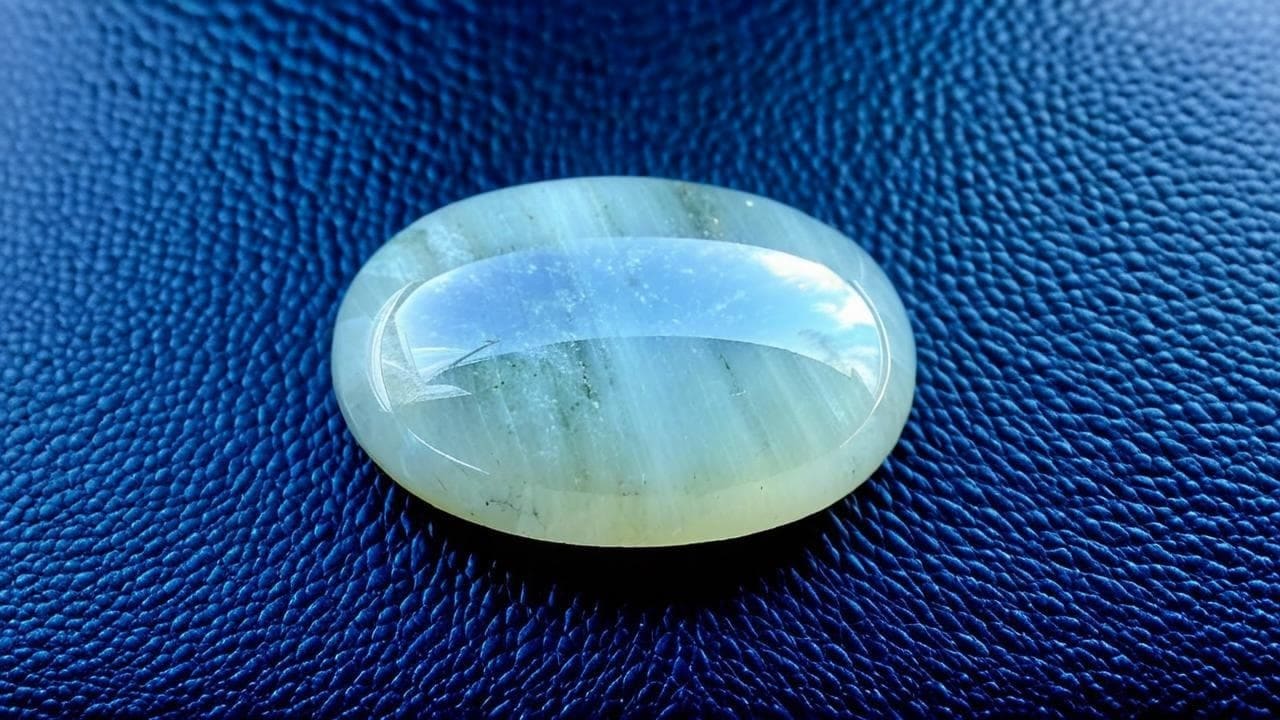
- Natural sillimanite exhibits a range of colors from completely colorless to brown, gray, and green, with the coloration caused by trace elements present during formation. The most valuable specimens often show a cat’s eye effect (chatoyancy) due to the parallel arrangement of fibrous crystals.
Understanding sillimanite’s formation and characteristics helps appreciate its value in both scientific study and decorative applications. Its unique properties, from its distinctive fibrous structure to its variety of colors, make it an important mineral for both geological research and gemstone applications. While less common in commercial jewelry than many other gemstones, its durability and unique optical properties ensure its continued significance in both mineralogy and jewelry making.
Physical Properties of Sillimanite Stone
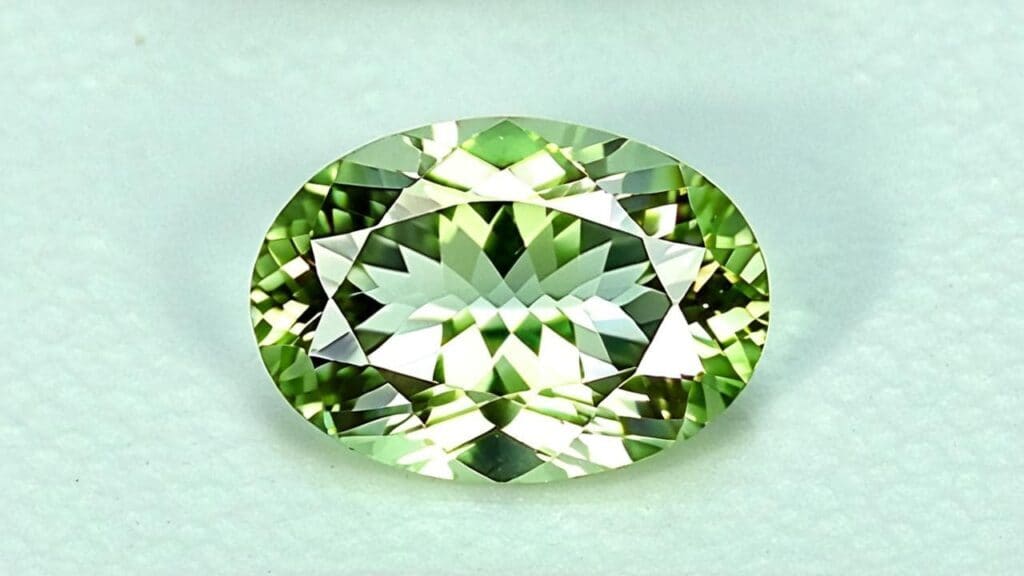
The physical properties of sillimanite make it particularly distinctive among gemstones, combining durability with unique optical characteristics. Its structure and composition create specific features that not only determine its appearance but also influence how it can be used in jewelry and how it must be handled during cutting and setting.
- Sillimanite demonstrates remarkable durability with a Mohs hardness of 6.5-7.5, making it resistant to scratching and everyday wear. However, its perfect cleavage in one direction means it requires careful handling during cutting and setting to prevent splitting along this natural weakness plane.
- The mineral’s optical properties are distinctive, exhibiting a refractive index between 1.657-1.682. This creates a vitreous to silky luster when polished, and in some specimens, produces a striking cat’s eye effect (chatoyancy) due to the parallel arrangement of fibrous crystals.
- Density plays a crucial role in identification, with sillimanite having a specific gravity of 3.23-3.27. This relatively high density contributes to its solid feel and helps distinguish it from similar-looking materials.
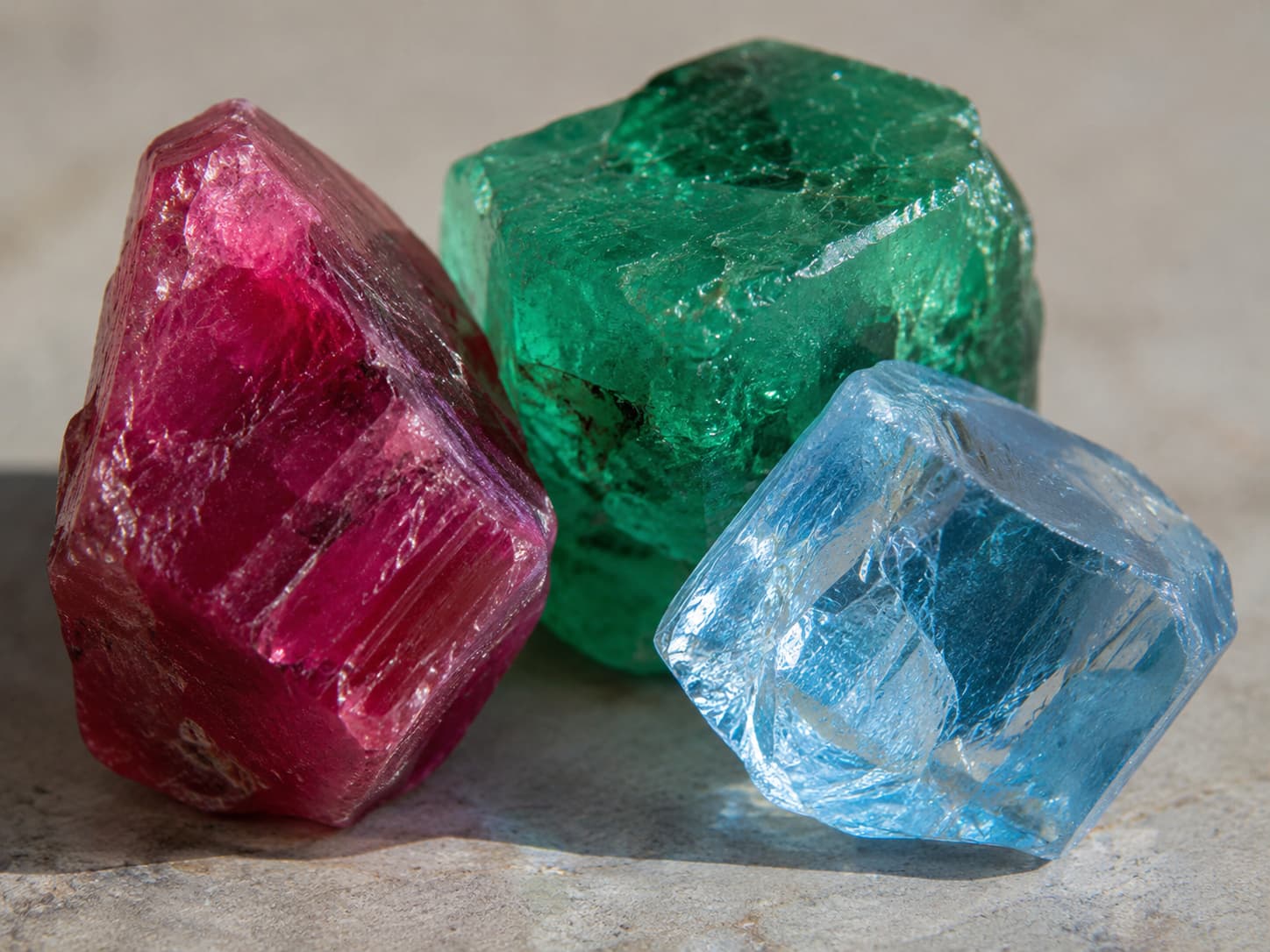
- Crystal formation in sillimanite follows the orthorhombic system, creating elongated, prismatic crystals that often appear in fibrous masses. This distinctive crystal structure influences both its appearance and physical properties, including its tendency to form parallel aggregates.
- The stone’s pleochroism (showing different colors when viewed from different angles) ranges from colorless to pale brown or green, depending on the viewing direction. This property can be particularly noticeable in larger, transparent specimens.
- While pure sillimanite is colorless, natural specimens commonly appear in various shades including brown, gray, green, and white. The color variations result from trace elements and inclusions present during formation, with iron being a common color-causing element.
The combination of these physical properties makes sillimanite both scientifically interesting and challenging to work with in jewelry applications. Its unique structure requires specific cutting and setting techniques to maximize its beauty while ensuring durability. Understanding these properties is crucial for anyone working with or collecting sillimanite, as they directly influence both its value and proper care requirements.
Identifying Real Sillimanite
Identifying sillimanite requires careful observation and understanding of its distinctive characteristics. As a mineral that can sometimes be confused with other similar-looking stones, proper identification involves both visual examination and, when necessary, standard gemological testing methods. While some features can be observed with the naked eye, others require specialized equipment for confirmation.
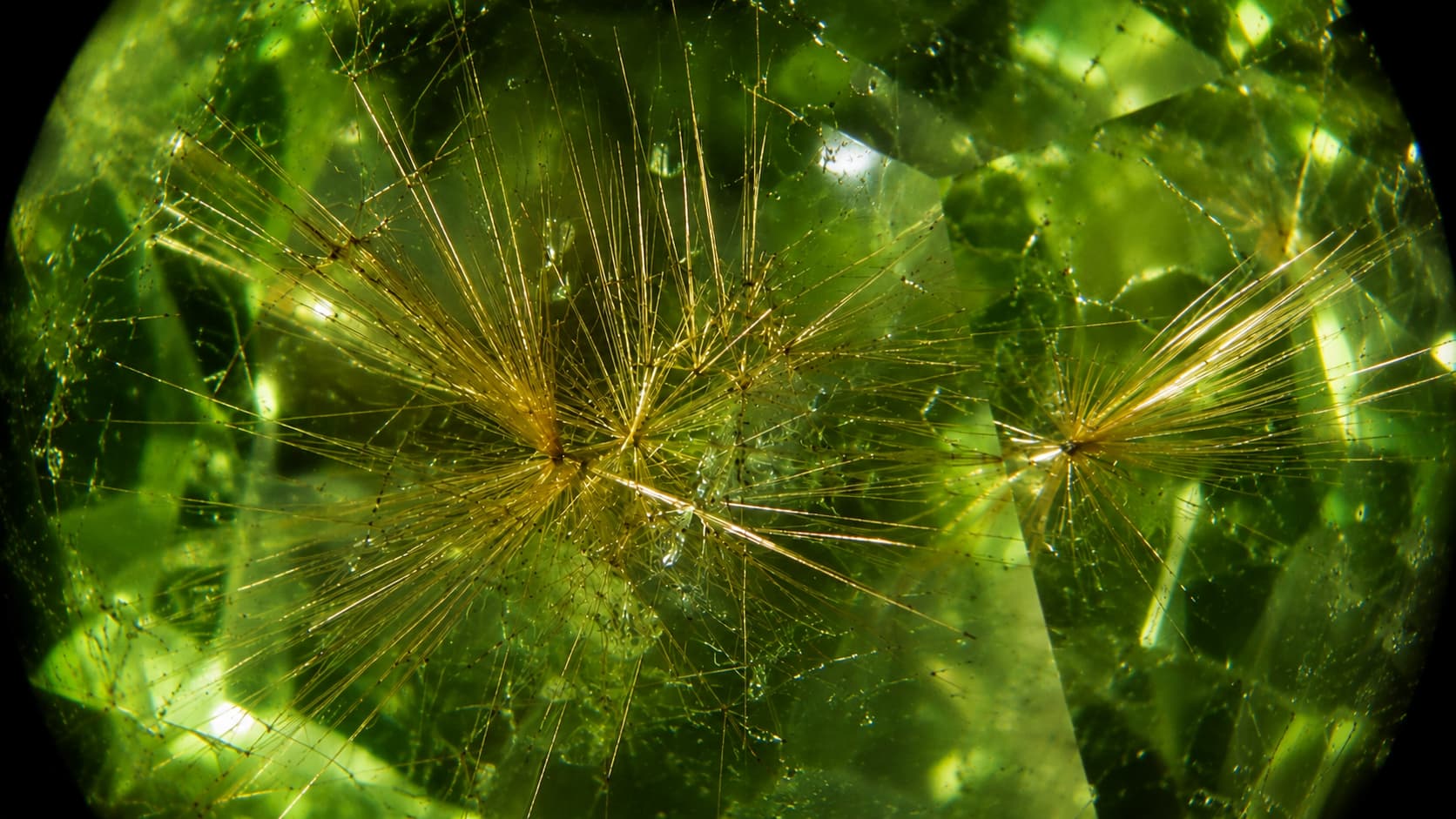
- The most distinctive identifying feature of sillimanite is its fibrous structure, visible under magnification. These parallel fibers create a silky appearance and sometimes produce a chatoyant effect visible even to the naked eye. Looking for these aligned fibers is often the first step in identification.
- Standard gemological testing reveals specific properties unique to sillimanite: a refractive index of 1.657-1.682, biaxial optical character, and perfect cleavage in one direction. These properties help distinguish it from similar-looking minerals like kyanite or fibrous quartz.
- Observation under a polariscope shows strong pleochroism - the stone appears to change color slightly when viewed from different angles. This optical property is particularly noticeable in transparent specimens and serves as an important identifying characteristic.
- Natural inclusions in sillimanite often appear as parallel tubes or channels, following the crystal structure. These inclusions create distinct patterns that can help experienced gemologists identify the stone, though they should not be used as the sole means of identification.
- Specific gravity testing shows consistent results between 3.23-3.27, which can be measured accurately using a hydrostatic balance. This property helps distinguish sillimanite from lighter or heavier look-alike materials.
- Authentication of sillimanite sometimes requires advanced testing methods like Raman spectroscopy or X-ray diffraction, particularly for high-value specimens or when traditional testing methods yield inconclusive results.
Professional identification of sillimanite combines multiple testing methods to ensure accuracy. While some characteristics can be observed by collectors and enthusiasts, definitive identification often requires examination by a qualified gemologist with access to proper testing equipment. The combination of visual examination and scientific testing provides the most reliable means of identifying genuine sillimanite and distinguishing it from similar materials.
Understanding Sillimanite Quality and Value
The value and quality assessment of sillimanite involves multiple factors that contribute to its market worth and desirability. Understanding these factors is crucial for both buyers and sellers, as they directly impact the stone’s commercial value and collectible status. While less commonly traded than many mainstream gemstones, sillimanite has its own specific quality criteria that determine its value.
- Chatoyancy (cat’s eye effect) is one of the most significant value factors in sillimanite. Specimens displaying a sharp, well-defined cat’s eye effect command premium prices, particularly when this optical phenomenon is strong and centered. The quality of the chatoyancy depends on the alignment of the fibrous structure and the stone’s overall clarity.
- Color plays a major role in valuation, with the most desirable specimens showing strong, even coloration. While sillimanite occurs in various colors, those with rich brown or green hues typically command higher prices than grayish or pale specimens. The evenness of color distribution also significantly impacts value.
- Size and clarity are interrelated value factors, with larger, cleaner specimens being particularly rare and valuable. Natural sillimanite often contains inclusions, so specimens with high clarity, especially in sizes over 5 carats, can command significant premiums in the market.
- The quality of cutting directly affects value, particularly in cabochon-cut stones. Well-executed cuts that maximize optical effects while maintaining optimal proportions are more valuable. The orientation of the cut relative to the crystal structure is crucial, especially for displaying chatoyancy.
- Origin can influence value, with stones from certain historic or renowned localities sometimes commanding higher prices. However, this factor typically has less impact on sillimanite’s value compared to more famous gemstones like rubies or sapphires.
- Market availability fluctuates, affecting prices accordingly. Fine quality sillimanite remains relatively scarce in the commercial market, which can lead to higher prices for exceptional specimens when they become available.
The valuation of sillimanite requires understanding these various quality factors and how they interact. While not as standardized as the market for diamonds or other precious gems, sillimanite’s value is determined by a combination of its physical beauty, optical phenomena, and rarity. The stone’s relatively limited market presence means that exceptional specimens often find their greatest appreciation among collectors and connoisseurs who understand its unique characteristics.
Sillimanite in Jewelry
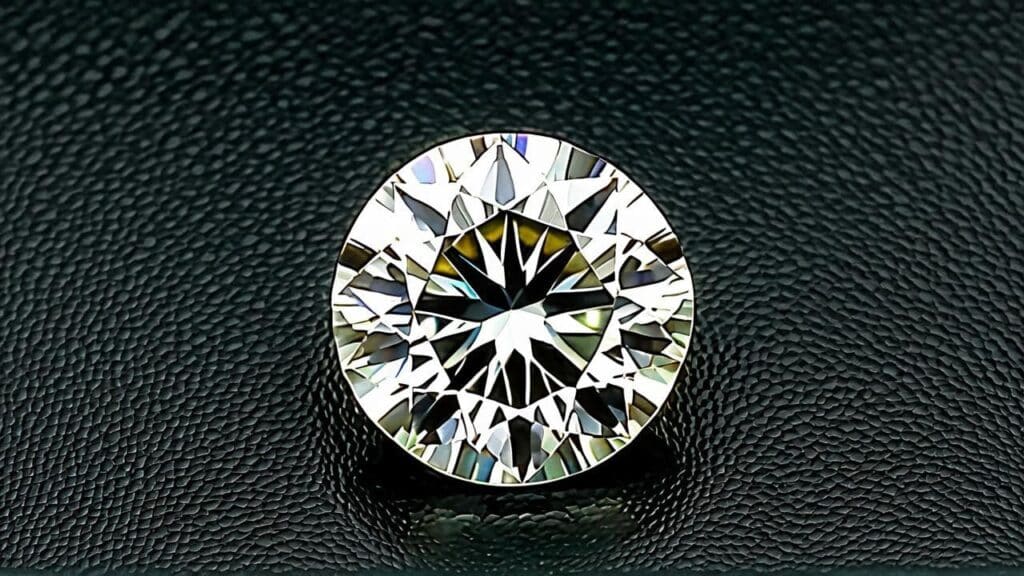
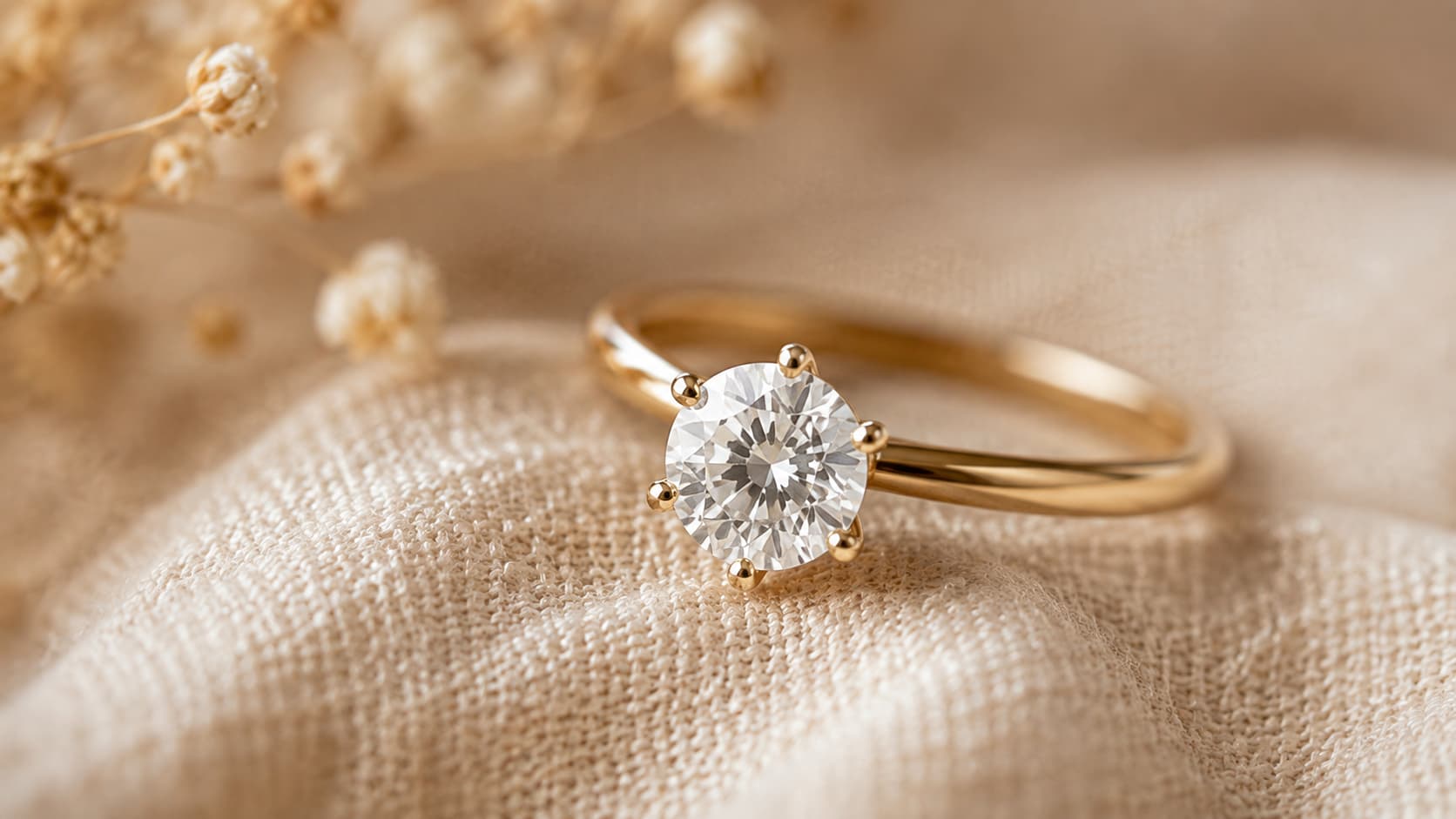
Sillimanite’s use in jewelry represents a perfect balance between durability and aesthetic appeal. While not as commonly known as mainstream gemstones, its unique optical properties and reasonable hardness make it an interesting choice for various jewelry applications. Understanding how to best utilize this stone in jewelry settings requires knowledge of both its strengths and limitations.
- Cabochon cutting is the most common and effective way to showcase sillimanite in jewelry, particularly for specimens exhibiting chatoyancy. The rounded, smooth surface of a cabochon cut maximizes the cat’s eye effect when present and helps protect the stone’s natural cleavage plane from damage.
- Setting choices are crucial for sillimanite jewelry, with protective bezels being the most secure option. This style of setting shields the stone’s edges from impact and helps prevent splitting along the cleavage plane, while still allowing enough of the stone to be visible to display its unique optical properties.
- The gemstone performs particularly well in pendants, earrings, and brooches where it experiences less direct impact than ring settings. When used in rings, protective designs that minimize exposure to knocks and bumps are essential for long-term durability.
- Sillimanite’s natural fibrous structure can create interesting optical effects in jewelry pieces, particularly when the stone is cut to align with these fibers. This can produce subtle shifts in luster and color as the piece moves, adding dynamic visual interest.
- Color matching in jewelry design is versatile due to sillimanite’s range of natural colors. The most common brown and gray specimens work well with both yellow and white metals, while greener varieties can create striking contrasts with rose gold settings.
- The stone’s hardness of 6.5-7.5 makes it suitable for daily wear jewelry, though it requires more careful handling than sapphires or diamonds. This durability, combined with its unique appearance, makes it an interesting alternative for customers seeking something different in their jewelry.
Sillimanite’s role in jewelry continues to evolve as more designers discover its unique properties and potential. While it may never achieve the mainstream popularity of traditional precious gems, its distinctive characteristics and durability make it a valuable option for those seeking unique and meaningful jewelry pieces. The key to successful use of sillimanite in jewelry lies in understanding and working with its natural properties rather than trying to force it into unsuitable designs.
How to Care for Sillimanite
Proper care and maintenance of sillimanite jewelry is essential for preserving both its beauty and structural integrity. While the stone’s reasonable hardness makes it suitable for jewelry use, its perfect cleavage in one direction requires specific care considerations to prevent damage. Understanding these care requirements helps ensure the longevity of sillimanite pieces.
- Daily care should focus on protecting the stone from impacts and harsh chemicals. Remove sillimanite jewelry before engaging in activities that might expose it to knocks or bumps. Despite its good hardness, the stone’s cleavage plane makes it vulnerable to splitting if struck at the wrong angle.
- Cleaning sillimanite safely requires gentle methods using mild soap and lukewarm water. A soft brush can be used to clean around settings, but aggressive scrubbing should be avoided. After cleaning, dry the piece thoroughly with a soft, lint-free cloth. Never use ultrasonic cleaners, as the vibrations can potentially cause damage along cleavage planes.
- Storage requirements are specific - sillimanite jewelry should be kept separately from other pieces to prevent scratching and damage. Individual soft pouches or compartmentalized jewelry boxes work best. The stone’s hardness of 6.5-7.5 means it can be scratched by harder gems like sapphires or diamonds if stored together.
- Environmental factors can affect sillimanite jewelry. Avoid exposure to extreme temperature changes, which can stress the stone. Keep pieces away from direct sunlight for extended periods, as prolonged exposure might affect color stability in some specimens.
- Professional maintenance should be scheduled periodically, particularly for frequently worn pieces. A professional jeweler can check settings, clean the piece safely, and inspect for any signs of wear or damage that might need attention.
- Chemical exposure should be strictly limited. Remove sillimanite jewelry before swimming in chlorinated pools, using household cleaners, or applying cosmetics and perfumes. These substances can potentially damage both the stone and its setting over time.
Regular attention to these care guidelines helps maintain sillimanite jewelry’s appearance and structural integrity. While the stone is durable enough for regular wear, its unique properties require thoughtful maintenance practices. Understanding and following these care instructions will help ensure that sillimanite pieces remain beautiful and structurally sound for generations to come.
Sillimanite Metaphysical Properties and Beliefs
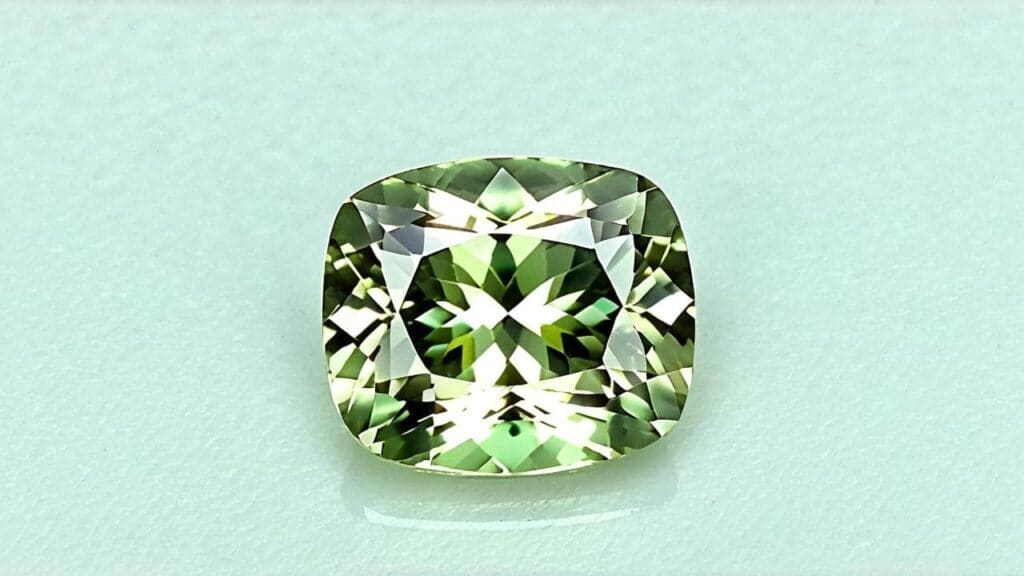
The metaphysical properties attributed to sillimanite reflect a blend of traditional beliefs and modern interpretations in crystal healing and spiritual practices. While these properties are based on cultural and traditional beliefs rather than scientific evidence, they represent an important aspect of how various cultures have viewed and used this mineral throughout history.
- In traditional crystal healing practices, sillimanite is believed to be a stone of spiritual transformation and inner strength. Practitioners associate it with the ability to overcome obstacles and navigate life changes, particularly during periods of significant personal growth or transition.
- Energy healers often link sillimanite to the third eye and crown chakras, suggesting it aids in enhancing intuition and spiritual awareness. The stone’s fibrous nature is said to help in directing and focusing energy, though these claims are based on traditional beliefs rather than scientific evidence.
- Historical records indicate that various cultures used sillimanite as a protective stone. Ancient civilizations, particularly in regions where the stone naturally occurs, incorporated it into protective amulets and ceremonial objects, believing it could ward off negative energies.
- Modern crystal practitioners suggest that sillimanite may assist in mental clarity and decision-making processes. They attribute this to the stone’s clear, fibrous structure, though these associations are purely metaphysical in nature.
- Some traditional healing systems associate sillimanite with physical vitality and strength, particularly relating to the skeletal system and muscle tissue. However, it’s important to note that these beliefs should not replace proper medical care.
- Contemporary crystal workers often use sillimanite in meditation practices, believing its linear structure helps in focusing thoughts and achieving mental clarity. The stone’s grounding properties are said to help maintain balance between physical and spiritual awareness.
Understanding the metaphysical properties attributed to sillimanite provides insight into its cultural significance and traditional uses. While these beliefs remain an important part of various spiritual and healing traditions, it’s essential to approach them from a cultural and historical perspective rather than as scientifically verified properties. The value of these beliefs lies in their cultural and spiritual significance rather than any proven physical effects.
Tips for Buying Quality Sillimanite
Purchasing sillimanite requires careful consideration of various factors to ensure you acquire a quality specimen that meets your needs and expectations. Whether buying for jewelry, collection, or metaphysical purposes, understanding what to look for and what questions to ask can help make an informed decision. This knowledge becomes particularly important given sillimanite’s unique characteristics and relative rarity in the market.
- Authenticity verification is crucial when purchasing sillimanite. Request certification from reputable gemological laboratories, particularly for higher-value pieces. The certificate should detail the stone’s key characteristics and confirm its identity as natural sillimanite. Given the stone’s relative rarity, be particularly cautious of deals that seem too good to be true.
- Quality assessment should focus primarily on the stone’s optical effects and structural integrity. Examine the stone under different lighting conditions to evaluate any chatoyancy (cat’s eye effect) if present. Look for clean specimens without visible fractures along cleavage planes, as these can affect the stone’s durability.
- When evaluating color, look for stones with even, attractive coloration. While sillimanite occurs naturally in various colors, the most valuable specimens typically show rich, consistent hues. Be wary of stones with unusual or unnaturally vivid colors, as these might indicate treatment or misidentification.
- Setting considerations are particularly important for sillimanite jewelry. Given the stone’s perfect cleavage, ensure the setting provides adequate protection. Bezel settings often offer the best protection for sillimanite, particularly in rings or bracelets that may experience impact.
- Price evaluation should consider the stone’s size, quality, and any special characteristics like strong chatoyancy. Compare prices across multiple reputable dealers to understand the market value. Remember that exceptionally large or high-quality specimens can command premium prices due to their rarity.
- Source reliability is crucial - purchase only from reputable dealers who can provide detailed information about their stones, including origin if known. Established jewelry stores, certified gemologists, and recognized online dealers with strong reputations are generally the safest sources.
Understanding these buying considerations helps ensure a satisfactory purchase of sillimanite. Whether you’re looking for a unique jewelry piece or adding to a mineral collection, taking time to evaluate these factors can help you make an informed decision. Remember that patience in finding the right piece often leads to better long-term satisfaction with your purchase.
Conclusion
Sillimanite represents a fascinating intersection of geological wonder and gemological value. Its unique formation process, distinctive physical properties, and varied applications in jewelry make it a noteworthy addition to the world of precious stones. While less known than many commercial gemstones, its durability, unique optical effects, and natural beauty have earned it a special place among collectors and jewelry enthusiasts who appreciate its distinctive characteristics.
For those considering sillimanite for either jewelry or collection purposes, understanding its properties, care requirements, and value factors is essential. Whether you’re drawn to its potential chatoyancy, interested in its geological significance, or attracted to its use in jewelry, sillimanite offers a unique combination of beauty and durability that sets it apart from other gemstones. With proper care and attention to quality when purchasing, sillimanite can provide lasting beauty and value for generations to come.