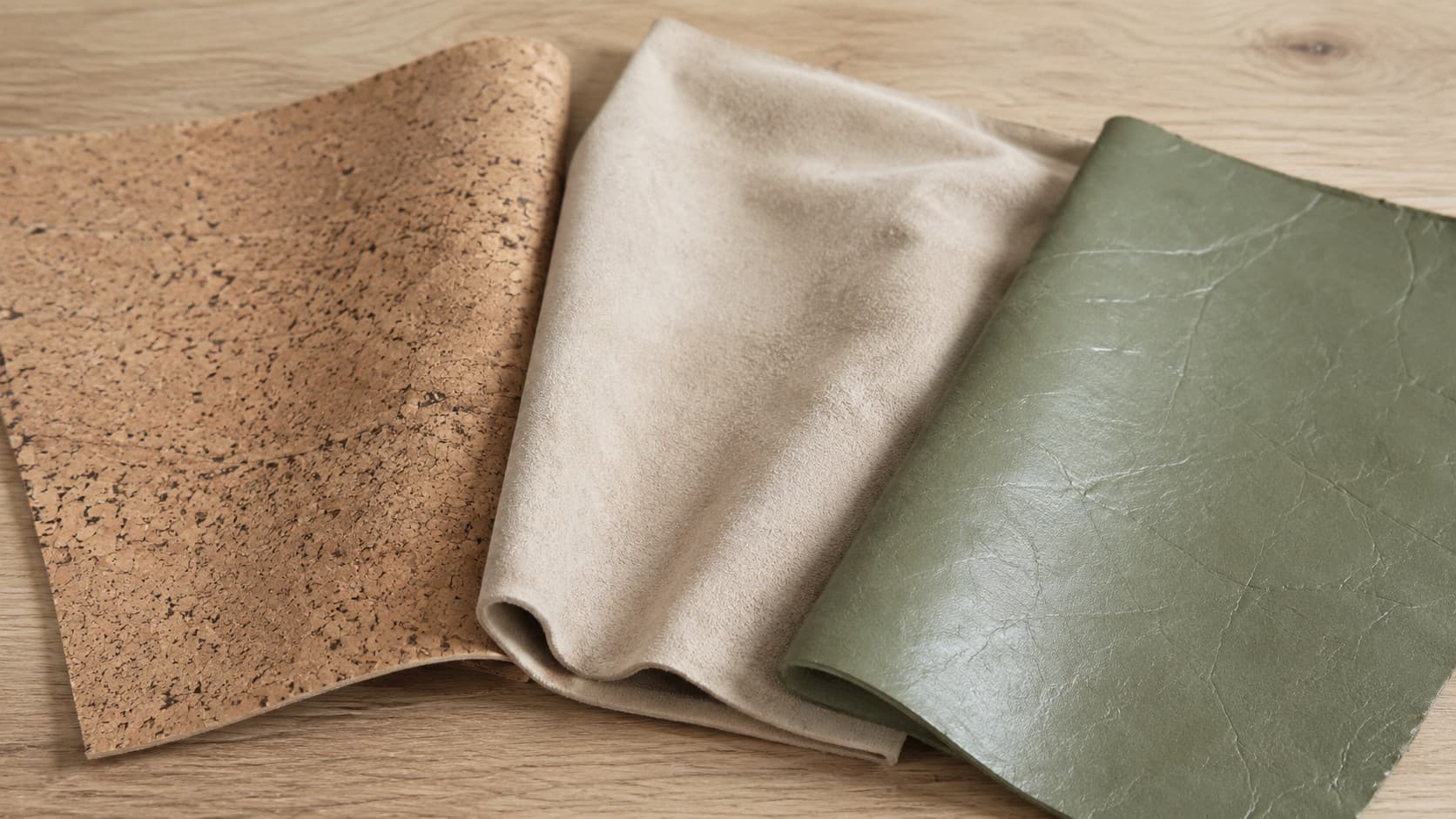
When people hear “vegan leather,” they usually picture plastic. And for a long time, that was fair — most fake leather was just polyurethane or PVC dressed up to look fancy. But over the last several years, a new group of materials has shown up that skips plastic almost entirely and instead grows leather-like fabric out of tree bark, mushrooms, and cactus plants. These materials look and feel a lot like real leather, but they come from plants and fungi instead of animals, and they’re changing what bags, wallets, and shoes can be made from.
What Is Vegan Leather?
Vegan leather is any material designed to look and act like animal leather but made without animal skin. The three plant-and-fungi versions covered here are cork leather, mushroom leather, and cactus leather.
Older vegan leathers were almost always plastic-based, made from polyurethane (PU) or polyvinyl chloride (PVC). Those still exist and are cheap, but they don’t break down in landfills and they’re made from petroleum. Cork, mushroom, and cactus leather are different because their main ingredient grows in the ground or on a tree, not in an oil refinery. Most of them still need some backing fabric or a thin coating to make them strong enough for bags and shoes, so calling them “100% natural” isn’t always accurate — but the bulk of the material comes from a plant or fungus rather than a barrel of chemicals.
What Is Cork Leather?
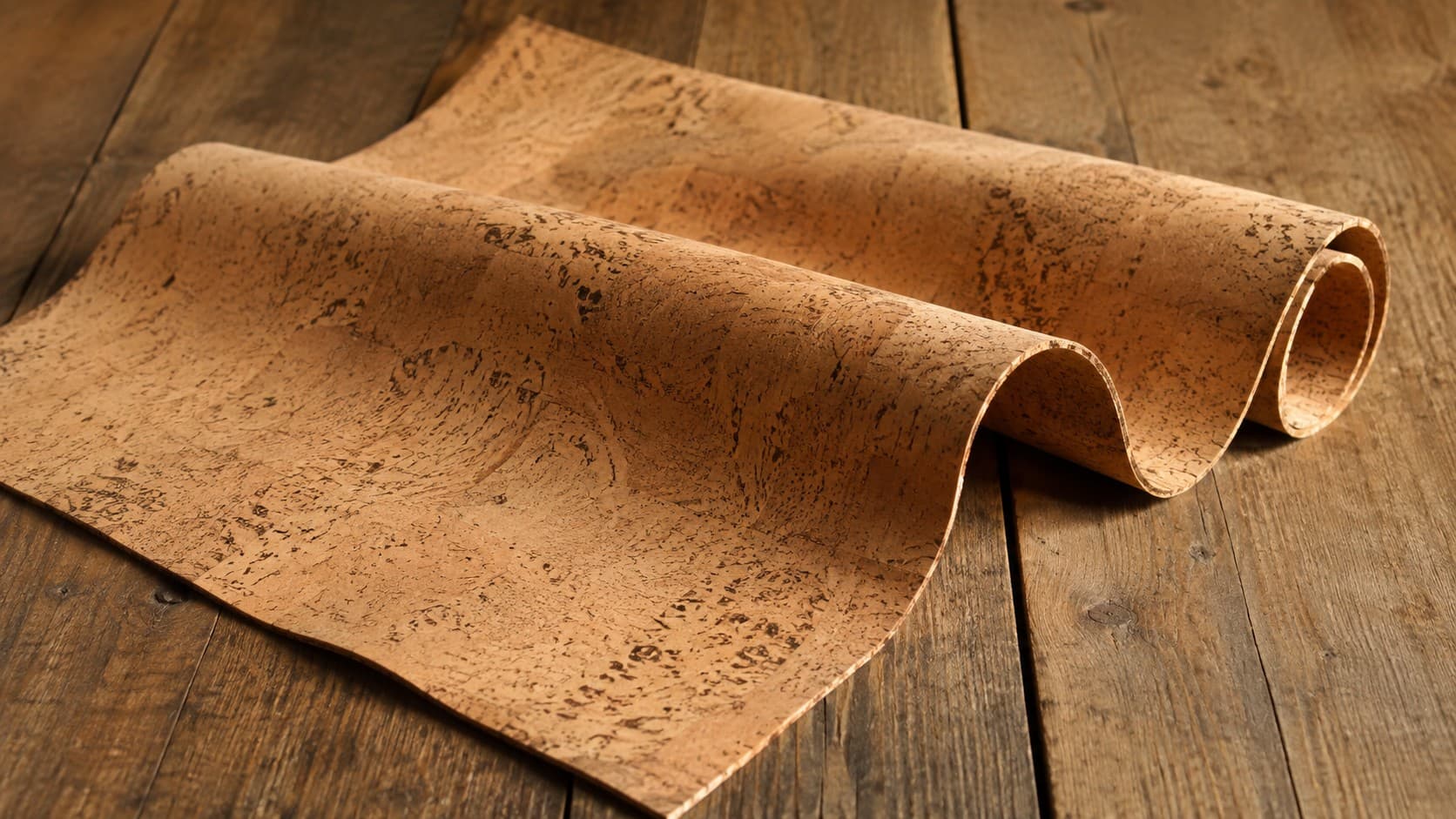
Cork leather comes from the bark of cork oak trees, which is stripped off, dried, boiled, and sliced into thin sheets that get glued onto a fabric backing. The tree isn’t cut down or killed in the process.
Cork oak trees grow mostly around the Mediterranean, and their bark regrows completely about every nine years, which is what makes cork such a renewable material. Once the bark is harvested, workers let it dry outdoors for months, then boil it to soften it and flatten out its natural curve. After that, it gets cut into thin, flexible sheets and bonded to a cotton or fabric backing so it holds together as a wearable material, similar to how suede or nubuck get backed for bags.
What makes cork interesting is its structure. Roughly half of its volume is actually tiny pockets of air, similar to a honeycomb, which is why cork products feel so light to hold. That same air-pocket structure also makes cork naturally water-resistant, since a waxy substance called suberin coats each cell and blocks moisture from getting through. Cork is also fairly scratch- and stain-resistant, and it tends to develop a smoother, slightly shinier look the more it’s handled, kind of like how leather develops a patina over time.
Cork has been used by humans for thousands of years, mostly for sealing wine bottles, long before anyone thought to turn it into a fabric.
Cork has a few other properties that make it useful beyond just looking like leather. It’s naturally fire-resistant, doesn’t absorb dust easily, and works as a decent insulator against heat, cold, and even sound, which is part of why cork also shows up in flooring and yoga mats, not just bags. Cork also comes in different grades depending on how smooth and blemish-free the bark is, so two cork products can look noticeably different depending on the quality of cork used.
Common uses include wallets, small bags, shoes, and watch straps, since cork is thinner and less stretchy than a full cowhide, so it tends to appear more in smaller accessories than in large structured handbags.
What Is Mushroom Leather?
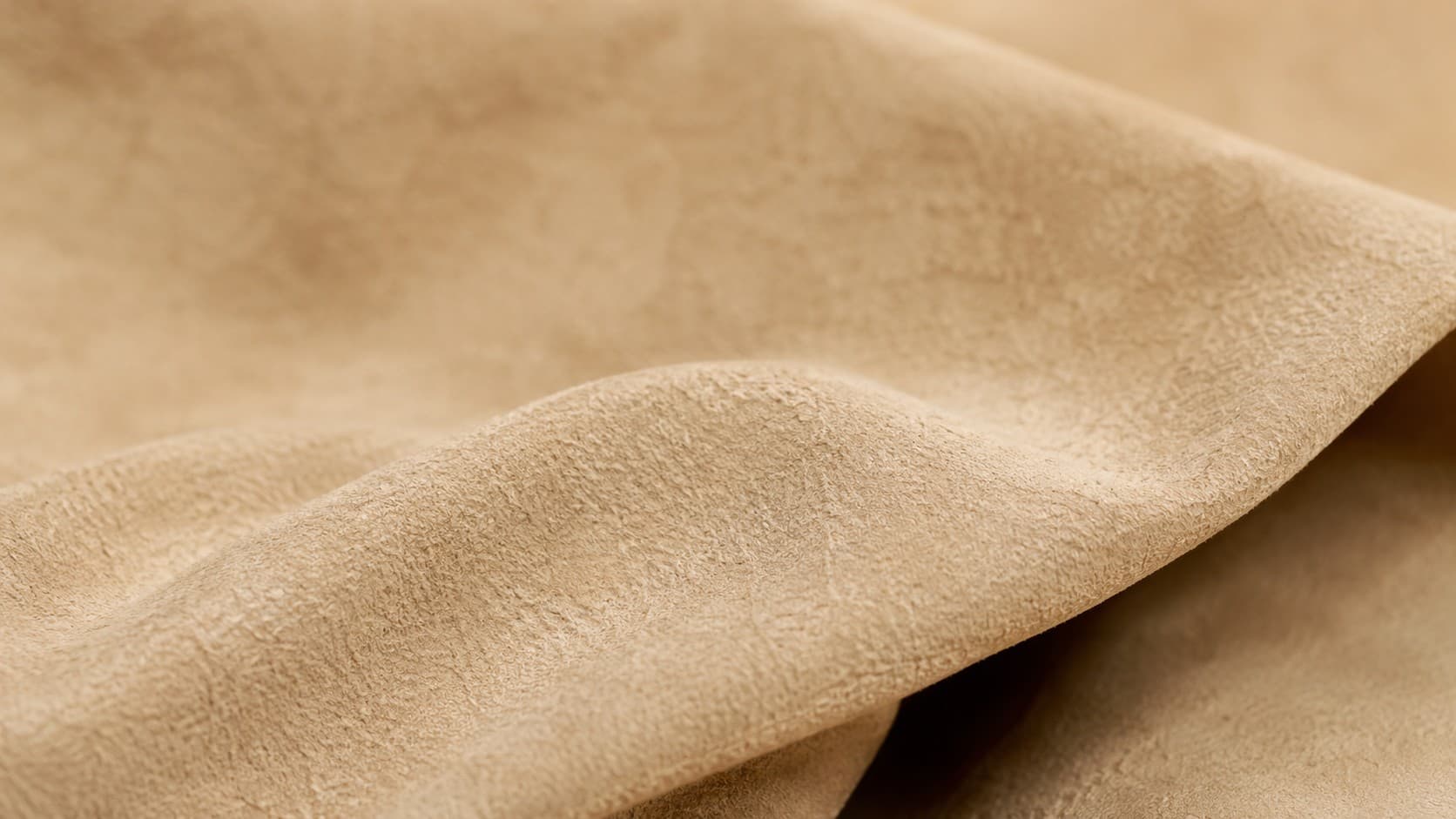
Mushroom leather is grown from mycelium, the thread-like root network of a fungus, which is fed on things like sawdust until it forms a dense mat that can be pressed, dried, and treated to feel like leather.
Mycelium is the part of a mushroom that’s rarely seen, since it’s the web of tiny threads that spreads underground or through wood. It’s technically the “body” of the fungus, while the mushroom cap most people recognize is just the part that pops up to release spores. To make mushroom leather, companies feed mycelium a diet of agricultural waste, like sawdust or crop leftovers, in trays or vats under controlled temperature and humidity. Over one to two weeks, the mycelium threads grow and tangle together into a spongy, foam-like sheet. That sheet is then harvested, flattened, dyed, and treated with a mix of processing steps to make it flexible and durable enough for bags or shoes.
A few names come up a lot in this space. Mylo, developed by a company called Bolt Threads, grows mycelium fed on sawdust and other organic material, and was famously used by designer Stella McCartney for early mushroom-leather fashion pieces. MycoWorks, based in San Francisco, makes a product called Reishi using a method they call Fine Mycelium, where the mycelium is engineered as it grows rather than just compressed afterward. And MuSkin, made by the Italian company Grado Zero Espace, actually uses the cap of a large wild mushroom called Phellinus ellipsoideus rather than lab-grown mycelium, giving it a texture closer to soft suede.
Mushroom leather tends to be lightweight, flexible, and fully biodegradable at the end of its life, since it’s essentially a natural fiber structure rather than a plastic film. The tradeoff is that pure mycelium sheets on their own aren’t as strong as cowhide, so most mushroom leathers include a backing layer or extra processing to boost their tear resistance for real-world use in bags and shoes.
Mycelium’s properties are also considered “tunable,” meaning manufacturers can make it more stretchy or more stiff just by changing what the fungus is fed and how it’s grown. That flexibility is a big reason so many companies are experimenting with it, though the industry is still young — Mylo, for example, has run into funding and production challenges, and isn’t consistently available to shop as a finished consumer product the way cork or cactus leather often is.
What Is Cactus Leather?
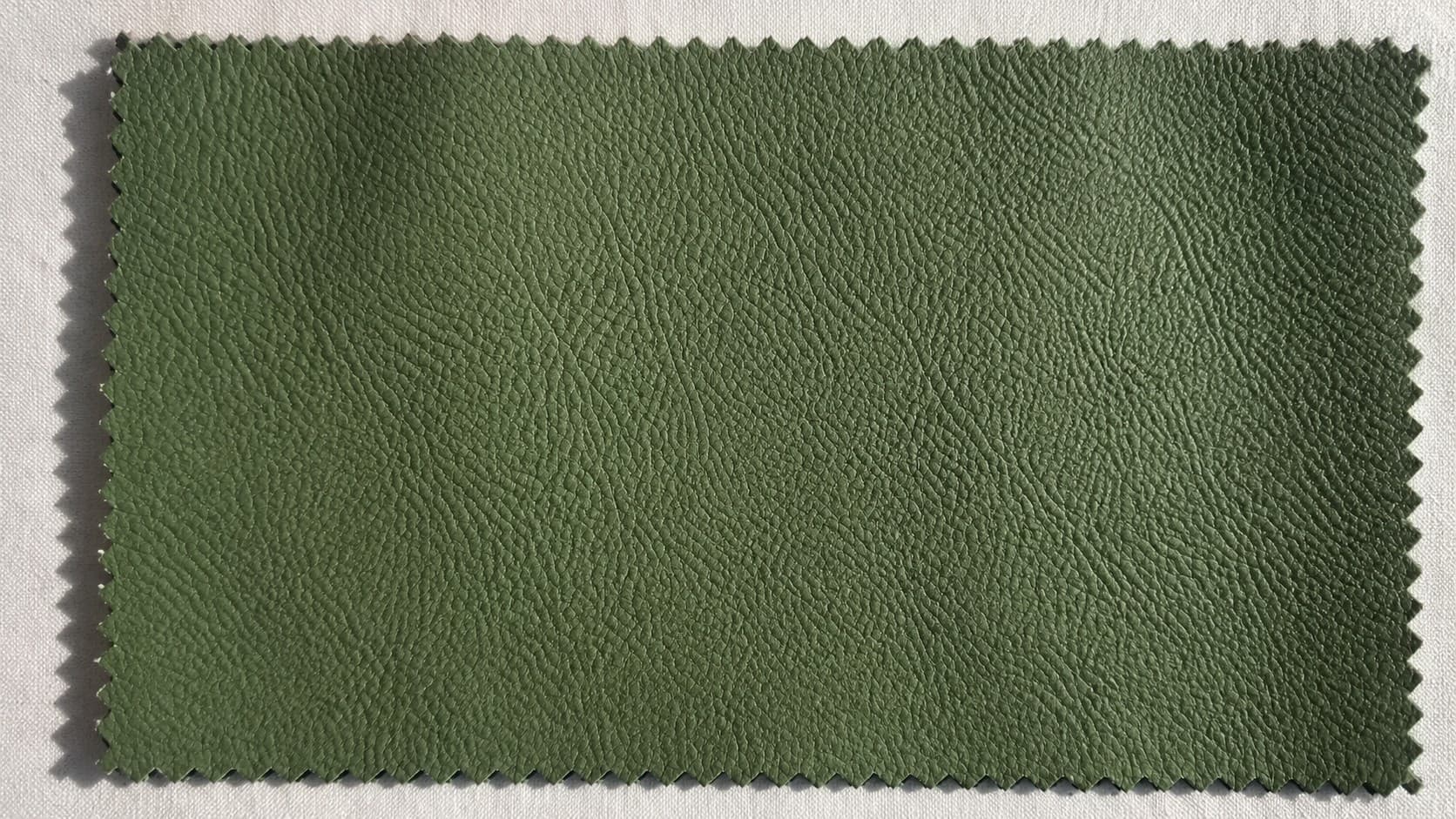
Cactus leather is made by harvesting mature leaves, or pads, from the nopal (prickly pear) cactus, drying them in the sun for several days, then processing them into a leather-like fabric with a backing layer.
The best-known cactus leather is called Desserto, created in Mexico by Adrián López Velarde and Marte Cázarez, who launched it in 2019 after around two years of development. Nopal cactus grows naturally across much of Mexico and barely needs any watering beyond normal rainfall, which is a big part of why this material gets called sustainable — the plant survives fine in dry land that wouldn’t support most crops. Farmers harvest only the mature outer leaves every six to eight months, which lets the same cactus plant keep growing and producing new leaves for years, rather than harvesting the whole plant at once.
After the leaves are cut, they’re cleaned, mashed, and dried in the sun for a few days to remove excess moisture, then combined with other ingredients and backed onto a fabric layer to create a flexible, leather-like textile. The finished material is described as smooth, breathable, and partly biodegradable, with an estimated lifespan of around ten years under normal use — similar to how long a mid-range leather product might last with decent care.
The farming behind Desserto is notably organized. The company works with cactus ranches across the Mexican states of Zacatecas and San Luis Potosi, where the plants grow with little to no irrigation since local rainfall is enough. Roughly 3 kilograms of harvested cactus produces about 1 meter of finished material, and because only the mature outer leaves are cut, the same plants keep being harvested year after year instead of being replaced.
Cactus leather has been picked up by a wide range of companies for shoes, bags, apparel, and even car interiors, since it’s flexible enough to be cut and sewn much like a traditional hide. Brands including Adidas, Fossil, H&M, and Mercedes-Benz have all used Desserto’s cactus leather in various products, which reflects how close it has gotten to matching what traditional leather can do.
Comparing Cork, Mushroom, and Cactus Leather
| Material | Made From | Feel | Water Resistance | Estimated Lifespan | Typical Uses |
|---|---|---|---|---|---|
| Cork Leather | Bark of the cork oak tree | Slightly textured, firm | Naturally water-resistant | Many years, ages like real leather | Wallets, small bags, shoes, straps |
| Mushroom Leather | Mycelium (fungus root network) | Soft, suede-like | Varies by brand and treatment | Varies; younger, less-tested category | Bags, shoes, apparel, accessories |
| Cactus Leather | Nopal cactus leaves | Smooth, flexible | Naturally somewhat water-resistant | Around 10 years with normal use | Bags, shoes, apparel, car interiors |
None of these three is automatically “the best,” since they behave differently and the right choice depends on the intended use. Cork is the toughest against scuffs and water. Mushroom leather usually has the softest, most suede-like hand feel. Cactus leather stretches and cuts the most like traditional cowhide, which is part of why big fashion and car brands have been quick to try it.
Is Vegan Leather as Durable as Real Leather?
It depends on the specific material and how it’s made, but generally these plant-based leathers hold up well for years with normal care, even if they don’t always match the multi-decade lifespan of high-quality animal leather.
Cork is genuinely one of the toughest plant-based leathers around, thanks to its dense cell structure, and cork products can realistically last for many years of regular use. Cactus leather has an estimated lifespan of around a decade, which puts it in a similar range to many mid-tier leather goods. Mushroom leather is a bit more of a mixed bag — some studies have found that mycelium-based sheets can be weaker under stretching and tearing than real leather unless manufacturers add extra treatments or backing layers to strengthen them. In short, none of these materials are automatically less durable than animal leather, but quality varies a lot depending on the brand, the thickness, and how the material was processed.
Are These Materials Actually Better for the Environment?
Mostly yes, though “vegan” and “eco-friendly” aren’t automatically the same thing, so it’s worth knowing what each material actually saves — and what it doesn’t.
Traditional leather production uses a huge amount of water and involves tanning chemicals to stop the hide from decomposing, plus it depends on raising livestock, which has its own large environmental footprint. Producing traditional leather can use up to around 20,000 liters of water for every kilogram of finished material, while cork requires very little irrigation since cork oak forests largely rely on natural rainfall. Cork, mushroom, and cactus leather generally use far less water and don’t require raising or killing animals. Cork harvesting doesn’t harm the tree at all, since only the bark is removed, and cork oak forests are known to store extra carbon after harvesting. Cactus leather relies on a plant that survives on rainfall alone in dry regions. Mushroom leather can be grown in a matter of days to weeks from agricultural waste products.
That said, these materials usually aren’t 100% plant matter — most need a backing fabric (often cotton or a small amount of synthetic polymer) to hold together, so a small percentage of most finished products still isn’t purely biodegradable. If a brand claims a material is “100% natural” or “fully biodegradable,” it’s worth double-checking exactly what the backing and coating are made from before assuming the whole product will break down in a compost bin.
Frequently Asked Questions
Is cactus leather actually made from cactus, or mostly plastic?
Genuine cactus leather, like Desserto, is made primarily from dried, processed nopal cactus leaves combined with a backing layer, not from plastic pretending to be plant-based. Some coating or backing material is usually added for durability, but the core ingredient really is cactus.
Does mushroom leather smell or feel like a mushroom?
No. Once mycelium is dried, dyed, and processed into sheets, it doesn’t smell earthy or “mushroomy” — it typically has a soft, suede-like texture and can be finished to look glossy or matte depending on the treatment.
Can cork leather get wet?
Yes, cork leather handles moisture better than most fabrics because its natural waxy coating repels water, which is part of why cork has historically been used to seal wine bottles. Drying it off and avoiding long soaks is still recommended, the same as with real leather.
Is vegan leather cheaper than real leather?
Not always. Cork, mushroom, and cactus leather often cost more to produce than plastic-based faux leather because growing and processing them takes time, land, or lab space, so finished products made from them can be priced similarly to mid-range genuine leather goods rather than cheap synthetic alternatives.
Which vegan leather lasts the longest?
Cork tends to have the strongest reputation for long-term durability thanks to its dense, air-filled cell structure, while cactus leather is estimated to last around a decade. Mushroom leather’s lifespan varies more by brand, since some producers add extra strengthening treatments and others don’t.
Conclusion
Cork, mushroom, and cactus leather each solve the “no animals, no plastic” problem in a different way — cork by using bark that regrows on its own tree, mushroom leather by growing mycelium into a dense fabric in a matter of days, and cactus leather by turning sun-dried nopal leaves into a flexible, cuttable material. None of them behaves exactly like cowhide, and none of them is flawless, since most still rely on some backing fabric to hold their shape. But between cork’s water resistance, mushroom leather’s soft feel, and cactus leather’s stretch and durability, there’s now a plant-based option that can reasonably stand in for traditional leather in almost any accessory, from a wallet to a full-sized bag.