A bench jeweler is the skilled artisan behind the jewelry we cherish, working at a specially designed bench with specialized tools to create, repair, and modify jewelry pieces. These craftspeople represent the fundamental backbone of the jewelry industry, combining artistic vision with technical precision to transform raw materials into wearable art. Whether crafting a custom engagement ring, restoring a family heirloom, or repairing a broken chain, bench jewelers apply techniques refined over centuries while also embracing modern technology to meet contemporary demands.
What Bench Jewelers Actually Do
Bench jewelers are the hands-on craftspeople who transform designs and raw materials into finished jewelry through various fabrication techniques, repairs, and modifications. They perform a wide range of tasks that require both technical skill and artistic sensibility, working directly with precious metals and gemstones to create, maintain, and restore jewelry pieces that hold both monetary and sentimental value.
- Jewelry fabrication involves creating pieces from raw materials like sheet metal, wire, and casting grain. Jewelers cut, form, and join metals using techniques such as sawing, filing, soldering, and forging to create rings, necklaces, bracelets, and other jewelry either from original designs or following established patterns. This process requires understanding metal properties and how they respond to different manipulations.
- Stone setting requires securing gemstones into metal settings with precision and security. Bench jewelers must master various setting styles—prong, bezel, channel, pavé, flush, tension—each requiring different approaches and tool sets. This skill demands knowledge of both gemstone properties (hardness, fragility, shape) and metalworking techniques to create secure settings that showcase stones effectively.
- Ring sizing is one of the most common bench jeweler tasks, involving cutting a band and either adding or removing material before rejoining the metal and restoring the original finish. This seemingly simple task requires understanding metal flow, proper soldering techniques, and careful finishing to ensure the modification is invisible and maintains structural integrity.
- Repair work encompasses fixing broken chains, replacing missing stones, restoring damaged prongs, rebuilding worn settings, and repairing clasps and mechanisms. This requires problem-solving abilities, as each repair presents unique challenges based on the piece’s age, materials, and construction methods.
- Finishing techniques transform raw metal surfaces into polished, textured, or matte finishes through processes like filing, sanding, buffing, hammering, and chemical treatments. The jeweler must understand how different metals respond to various finishing methods to achieve the desired aesthetic effect.
- Custom design work involves translating concepts into wearable art. Modern bench jewelers often combine traditional skills with computer-aided design (CAD) and 3D printing technologies to create models before producing final pieces, requiring both technical knowledge and artistic vision.
- Quality assessment involves checking stone security, clasp functionality, structural integrity, and overall finish quality. Expert bench jewelers develop an eye for spotting potential weaknesses or flaws before pieces reach customers.
Bench jewelers bridge the gap between artistic vision and technical execution in the jewelry industry. They combine ancient techniques with modern technology to create pieces that will last for generations. Their expertise transforms raw materials into treasured possessions, making them essential to both retail jewelry stores and custom design studios. The best bench jewelers develop a signature style while maintaining the versatility to work across different jewelry categories and repair challenges.
Essential Tools Every Bench Jeweler Uses

The bench jeweler’s workspace is a carefully organized ecosystem of specialized tools, equipment, and materials designed for working with precious metals and gemstones at a small scale. This specialized workshop allows for precision work that combines scientific principles of metallurgy with artistic expression, creating an environment where jewelers can both problem-solve technical challenges and express creativity.
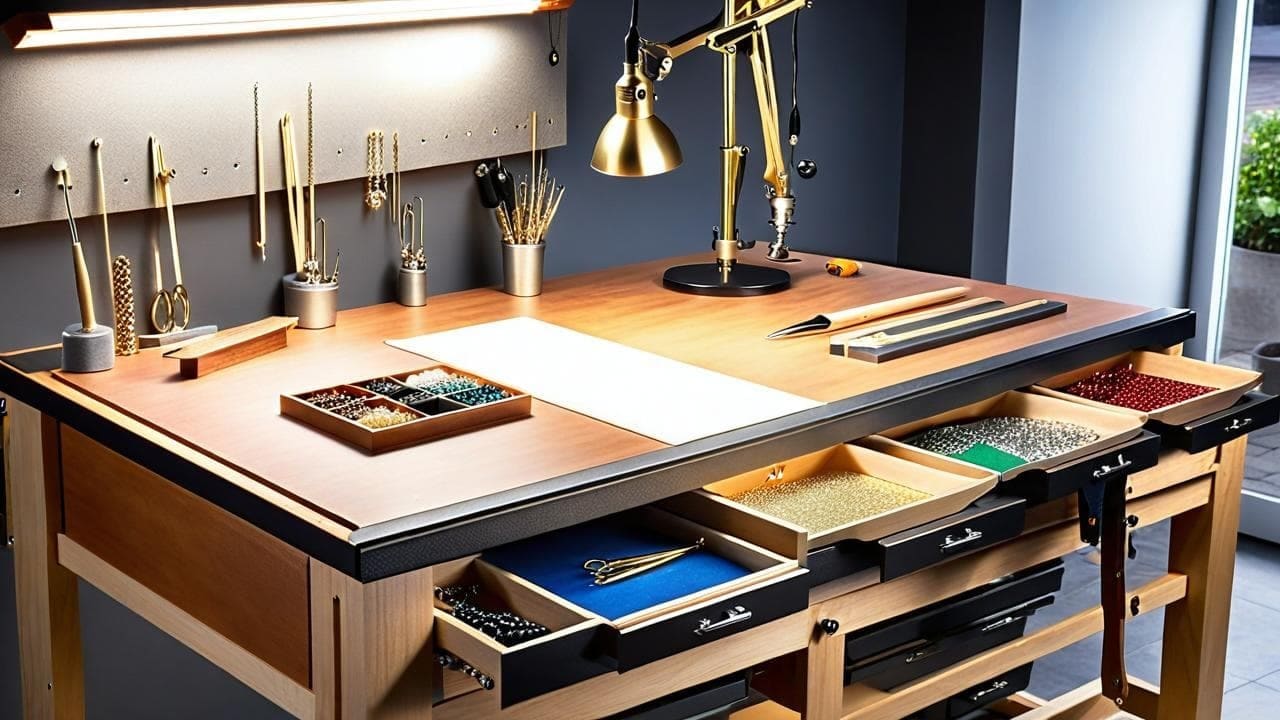
- The jeweler’s bench serves as command central for all work, typically featuring a semicircular cutout where the jeweler sits, a wooden bench pin for supporting work during sawing and filing, a fireproof soldering area, skin (leather apron attached to the bench to catch precious metal filings), adjustable lighting, and organized storage for tools and materials. The bench design has remained largely unchanged for centuries because of its ergonomic efficiency.
- Hand tools form the cornerstone of a jeweler’s toolkit and include various pliers (flat, round, chain, and stepping pliers), files of different shapes and cuts, gravers for engraving, hammers for forming metal, mandrels for shaping rings, drawplates for making wire, and hundreds of specialized implements developed for specific techniques. Many bench jewelers develop custom tools for particular applications.
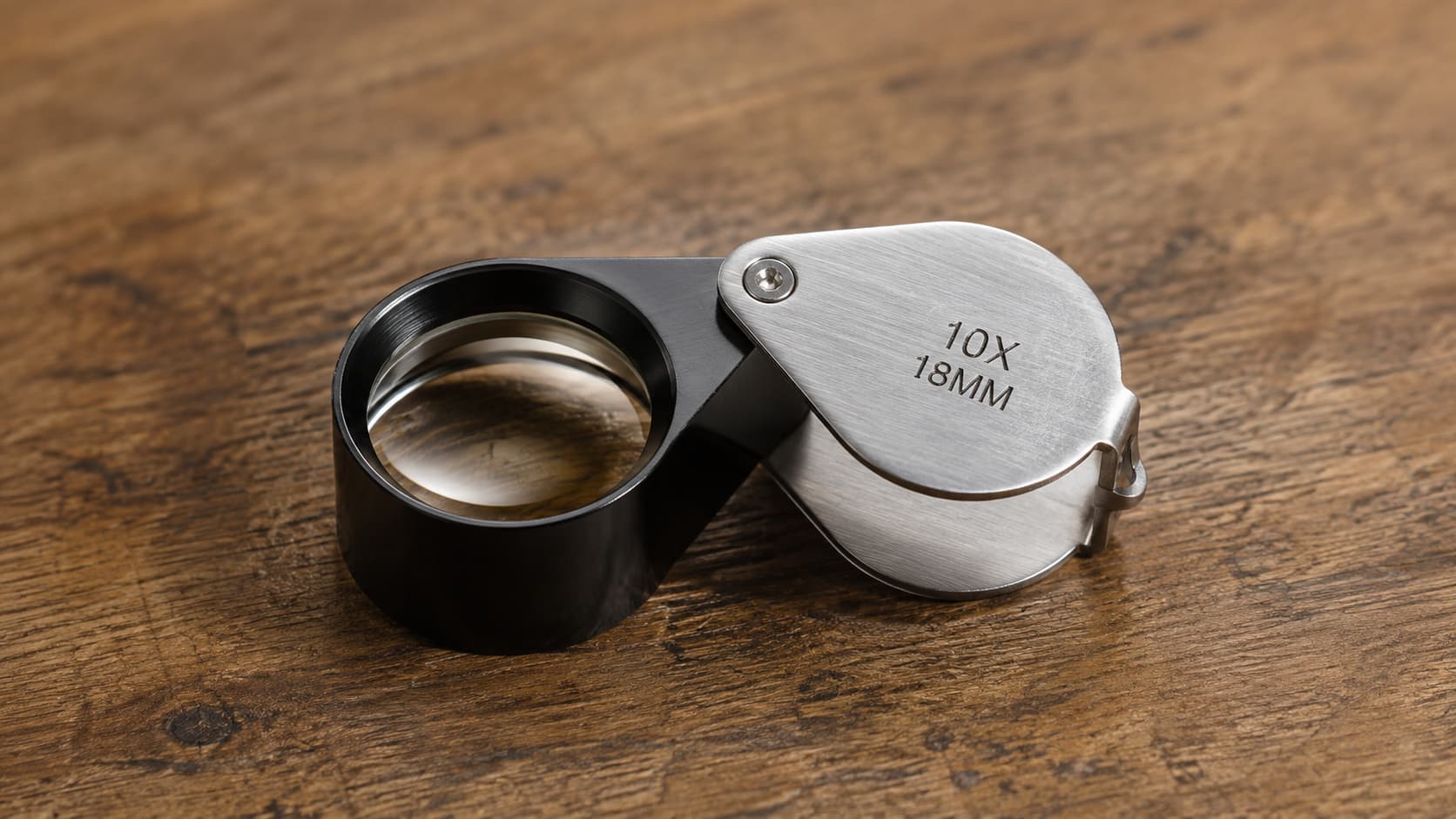
- Measuring and marking tools include calipers, ring sizers, stone gauges, dividers, rulers, and other devices that ensure precision in both fabrication and repair work. Accurate measurement is critical when working with expensive materials and ensuring proper fit for wearable items.
- Soldering equipment consists of torches (ranging from small butane models to larger oxygen/acetylene systems), soldering picks, tweezers, charcoal blocks, firebricks, flux, and various formulations of solder (with different melting points). Modern jewelers may also use laser welders for precision joining of metals, especially near heat-sensitive gemstones.
- Cutting tools include jeweler’s saws with extremely fine blades, separating discs, burs, drills, and in advanced workshops, laser cutting systems. These tools allow jewelers to create intricate designs and make precise modifications to existing pieces.
- Stone setting tools are highly specialized and include burs for creating seats for stones, prong pushers, beading tools, burnishers, and various specialized pliers and picks designed for specific setting styles. The variety reflects the many different approaches to securing gemstones in jewelry.
- Polishing and finishing equipment typically includes flex-shaft machines (versatile rotary tools with interchangeable bits), polishing motors with various buffs and compounds, magnetic tumblers, ultrasonic cleaners, and steam cleaners—all used in the final stages to give jewelry its professional appearance.
- Metalworking equipment such as rolling mills (for creating sheet metal and wire), drawplates (for sizing wire), dapping blocks (for forming domes and curves), and stakes (for forming larger metal pieces) allow jewelers to transform raw metal into precisely shaped components.
The bench jeweler’s workshop represents a significant investment in specialized equipment, with complete professional setups easily costing tens of thousands of dollars. However, the fundamental techniques remain similar to those used centuries ago, even as new technologies supplement traditional methods. This combination of time-honored craftsmanship and modern innovation enables today’s bench jewelers to create and repair jewelry with a level of precision and creativity unimaginable to their historical counterparts.
How to Become a Bench Jeweler
Becoming a skilled bench jeweler requires a comprehensive education in both technical skills and artistic principles, with different pathways available based on learning preferences, budget considerations, and career goals. This educational journey combines theory with extensive hands-on practice, developing fine motor skills and problem-solving abilities that can take years to fully master.
- Formal educational programs at technical schools, community colleges, and art institutes offer structured learning environments with dedicated facilities and professional instruction. These programs typically run from six months to four years and cover fundamental techniques, materials science, gemology, design principles, and business practices. Respected institutions include the Gemological Institute of America (GIA), New Approach School for Jewelers, and various art colleges with metalsmithing departments.
- Apprenticeships provide hands-on learning under the guidance of an experienced master jeweler, following the traditional model that has trained jewelers for centuries. Apprentices typically start with basic tasks like polishing and simple repairs before progressing to more complex techniques. While formal apprenticeships with contracts have become less common, many jewelers still learn through informal mentorship arrangements at established jewelry businesses.
- Self-directed learning has become increasingly viable with the growth of online resources, including video tutorials, forums, and distance learning programs. Many successful bench jewelers combine self-teaching with workshops and short courses, gradually building their skills and tool collection. This approach requires significant motivation but offers flexibility for those who cannot attend full-time programs.
- Continuing education remains essential throughout a bench jeweler’s career, with workshops, masterclasses, trade shows, and manufacturer training sessions providing opportunities to learn new techniques and technologies. Organizations like the Jewelers of America and Manufacturing Jewelers & Suppliers of America offer certification programs that validate skills and knowledge.
- Specialized training in specific techniques such as engraving, stone setting, enameling, or CAD design allows established jewelers to expand their capabilities and differentiate themselves in the marketplace. These advanced skills often command premium rates and open doors to higher-end jewelry work.
- Business and entrepreneurship education becomes important for bench jewelers who aim to establish their own studios or retail operations. Understanding pricing, marketing, customer service, and legal requirements complements technical skills and helps jewelers create sustainable careers beyond employment by others.
The journey to becoming a proficient bench jeweler typically takes several years of dedicated practice, regardless of the educational path chosen. Most successful jewelers describe their education as ongoing throughout their careers, with each new project presenting learning opportunities. While formal credentials can help secure positions, the jewelry industry ultimately values demonstrated skill over paper qualifications, with a jeweler’s portfolio of completed work serving as their most important credential.
Different Types of Bench Jewelers and Their Specializations
The bench jewelry field encompasses diverse specializations, each requiring different skills, tools, and approaches. While some jewelers develop broad capabilities across multiple areas, others focus intensively on particular techniques or market segments, developing exceptional expertise within their chosen niche.
- Production jewelers work in manufacturing environments creating multiple identical pieces, often following established patterns and procedures. They typically specialize in particular production steps like casting, stone setting, or polishing, becoming highly efficient at repeating consistent processes with speed and precision. This specialization is common in larger jewelry companies producing standardized collections.
- Custom design jewelers create one-of-a-kind pieces from scratch, often working directly with clients to translate personal visions into wearable art. They must excel at both technical execution and interpersonal skills, helping customers articulate and refine their ideas while managing expectations about what’s physically possible. These jewelers typically command premium prices for their unique creations.
- Repair specialists focus on fixing, restoring, and modifying existing jewelry, requiring broad knowledge of different construction methods, materials, and historical techniques. They must problem-solve issues ranging from simple chain repairs to complex restoration of antique pieces, often working with irreplaceable heirlooms that hold significant sentimental value.
- Stone setters specialize exclusively in placing gemstones securely into jewelry settings using various mounting styles (prong, bezel, channel, pavé, etc.). Master stone setters develop extraordinary precision and steady hands, often handling stones worth thousands of dollars where mistakes could be catastrophically expensive.
- Model makers create the original prototypes for jewelry designs, working from sketches or digital files to produce master models that will be replicated through casting or other production methods. With the rise of CAD/CAM technology, many modern model makers combine traditional hand-carving skills with digital design expertise.
- Restoration jewelers specialize in historical pieces, developing expertise in period-specific techniques, materials, and styles. They must balance authentic restoration methods with modern durability concerns, often researching historical manufacturing processes to accurately recreate elements of antique jewelry.
- Technical specialists focus on particular processes like engraving, enameling, mokume gane, granulation, or other specialized techniques that require intensive practice and specialized equipment. These artisans often serve as resources for other jewelers who need these specialized skills for particular projects.
- Retail bench jewelers work in jewelry store environments, handling a mix of repairs, modifications, and sometimes custom work. They need versatility, customer service skills, and the ability to work efficiently under time pressure, often balancing quality with the practical realities of commercial pricing.
The diversity of specializations within bench jewelry allows craftspeople to develop careers aligned with their particular strengths and interests. Many jewelers begin with general training before discovering which specialties best match their aptitudes and preferences. Regardless of specialization, the most successful bench jewelers continually expand their skills while developing a reputation for quality work within their chosen niche.
Bench Jeweler Career Path
A bench jeweler’s career trajectory offers numerous possibilities for advancement, specialization, and personal growth, with development paths that can span decades of progressive skill-building and increasing responsibilities. Understanding these potential pathways helps aspiring jewelers make informed decisions about their professional development and long-term goals.
- Entry-level positions typically begin with basic preparatory work, polishing, simple repairs, and assisting more experienced jewelers. These roles provide foundational experience while developing fundamental skills and work habits. Entry-level bench jewelers usually earn between $25,000-$40,000 annually depending on location and the type of establishment.
- Mid-career advancement comes with demonstrated competence in a range of techniques and the ability to work independently on most common jewelry tasks. At this stage, many jewelers develop specializations or niches that distinguish them in the marketplace. Mid-career jewelers typically earn $40,000-$65,000, with significant variation based on specialization and geographic location.
- Master jeweler status represents the highest level of technical achievement, typically reached after 10+ years of dedicated practice. Master jewelers can handle the most complex projects, often develop innovative techniques, and frequently train others. Their income ranges widely from $65,000-$120,000+, with some top craftspeople in luxury markets earning significantly more.
- Business ownership becomes an option for many experienced bench jewelers, whether opening independent studios, repair shops, or full retail operations. This transition requires developing business acumen alongside technical skills. Successful jewelry business owners can earn substantial incomes, though they often trade bench time for management responsibilities.
- Specialization vs. versatility represents a key career decision. Some jewelers focus intensively on particular techniques (like stone setting or engraving), becoming highly sought specialists commanding premium rates. Others maintain broader skill sets, handling diverse projects and often finding steadier employment options across different market segments.
- Industry diversification includes teaching roles at jewelry schools, writing for trade publications, demonstrating for tool manufacturers, developing jewelry-related products, or working with technology companies advancing digital jewelry design and production. These alternative career paths leverage bench experience in different contexts.
- Geographical considerations significantly impact career opportunities and compensation. Major jewelry markets like New York, Los Angeles, and Miami offer more specialized positions and typically higher pay scales, while smaller markets might provide fewer opportunities but lower competition and living costs.
- Technology adaptation increasingly influences career advancement, with jewelers who master CAD design, 3D printing, laser welding, and other emerging technologies often finding expanded opportunities. However, traditional hand skills remain valued and essential, creating a hybrid environment where both technological aptitude and traditional craftsmanship matter.
The bench jewelry field offers remarkable career longevity, with many practitioners working well into their senior years as their accumulated knowledge and experience become increasingly valuable. While physically demanding, the profession allows for adaptation as jewelers age, often shifting toward design, teaching, or supervisory roles. The most successful careers typically combine technical mastery with business acumen, customer relationship skills, and the flexibility to evolve with changing market demands and technological developments.
Pros and Cons of Being a Bench Jeweler
The bench jeweler profession presents a distinctive combination of challenges and satisfactions that shape the daily experience and career satisfaction of those who pursue this craft. Understanding these realities helps aspiring jewelers determine if the field aligns with their temperament and goals while preparing them for the practicalities of jewelry making as both an art form and a livelihood.
- Physical demands include eyestrain from prolonged focus on miniature details, back and neck issues from maintaining specific postures, hand fatigue from repetitive motions, and respiratory concerns from metalworking processes. Professional jewelers develop ergonomic workstations, take regular breaks, use proper magnification, and implement dust collection systems to mitigate these issues.
- Technical challenges arise from working with expensive materials where mistakes can be costly. Precious metals and gemstones leave little room for error, requiring meticulous attention and technical precision. Jewelers must develop problem-solving strategies for unexpected complications that inevitably arise during complex projects.
- Customer expectations can create pressure, particularly when working on emotionally significant pieces like engagement rings or family heirlooms. Bench jewelers must balance artistic vision with practical constraints while managing client assumptions about timeframes, costs, and what’s physically possible with different materials.
- Market fluctuations affect both material costs and consumer demand, creating business uncertainties that can impact income stability. Precious metal prices can change daily, while economic downturns typically reduce discretionary spending on luxury items like jewelry, requiring financial adaptability.
- Creative satisfaction represents one of the field’s greatest rewards, with bench jewelers enjoying the privilege of creating objects of beauty and significance that often commemorate life’s most important moments. The transformation of raw materials into treasured possessions provides profound fulfillment rarely found in other professions.
- Tangible results provide immediate feedback and visible accomplishment, with each completed piece representing concrete evidence of skill and effort. Unlike many modern occupations with abstract outcomes, jewelry making produces physical objects that demonstrate craftsmanship and artistic expression.
- Emotional significance of jewelry creates meaningful connections with clients, as bench jewelers often create or restore pieces that mark significant life transitions or embody cherished memories. This adds purpose beyond commercial transactions, with jewelers participating in customers’ life celebrations and milestones.
- Creative independence increases with experience, allowing established jewelers significant autonomy in their work approach and artistic expression. While client requirements and practical constraints always exist, skilled bench jewelers typically enjoy more creative freedom than many other technical professions.
The most fulfilled bench jewelers typically possess natural patience, intrinsic attention to detail, and genuine satisfaction in meticulous craftsmanship. They find the physical and technical challenges worth overcoming for the creative and personal rewards the profession offers. While not the highest-paying skilled trade, jewelry making provides a rare combination of artistic expression, technical challenge, and the creation of objects that hold both material and emotional value—qualities that create deep career satisfaction for those suited to this unique craft.
How to Find and Choose a Skilled Bench Jeweler
Establishing a productive relationship with a skilled bench jeweler can significantly enhance your jewelry experience, whether you need repairs, custom designs, or modifications to existing pieces. Finding the right professional and understanding how to communicate effectively ensures better results and more satisfying experiences with your precious items.
- Finding qualified bench jewelers begins with research through multiple channels including personal recommendations, online reviews, professional associations like Jewelers of America, and portfolios of completed work. Look beyond convenient retail locations to find jewelers with specific expertise relevant to your needs, particularly for complex projects or valuable pieces.
- Evaluating skill and expertise requires examining examples of previous work, asking about specific training and experience, and starting with smaller projects before entrusting valuable pieces. Look for bench jewelers who ask detailed questions, explain processes clearly, and show enthusiasm for their craft rather than treating repairs as routine transactions.
- Understanding specializations helps match your needs with the right expert. Some bench jewelers excel at intricate stone setting, others at antique restoration, while some focus on custom design or particular jewelry styles. Finding someone with relevant expertise for your specific project typically yields better results than working with a generalist.
- Clear communication about expectations, timeline, budget, and concerns forms the foundation of successful jewelry projects. Bring reference images for custom work, explain the history and sentimental value of pieces needing repair, and discuss your priorities regarding preservation versus modification of existing jewelry.
- Documentation and insurance become particularly important with valuable pieces. Professional bench jewelers should provide detailed receipts, explain their insurance coverage while your pieces are in their possession, and document the condition of items upon receipt, particularly with antique or high-value jewelry.
- Understanding pricing factors helps manage expectations and budget appropriately. Bench jeweler rates reflect expertise level, materials costs, time required, risk involved, equipment needed, and regional market rates. Custom work and complex repairs naturally cost more than simple tasks, with pricing reflecting both materials and skilled labor.
- Maintenance relationships with bench jewelers provide ongoing benefits, as regular cleaning, inspection, and minor repairs can prevent more serious problems and extend the life of your jewelry. Established jewelers who know your collection can also offer tailored advice about care, storage, and potential enhancements.
- Intellectual property considerations become relevant with custom designs. Discuss expectations about whether designs remain exclusive to you or if the jeweler may create similar pieces for others. Professional jewelers should be transparent about their policies regarding design ownership and reproduction rights.
The most productive client-jeweler relationships develop over time through mutual respect and clear communication. Good bench jewelers appreciate clients who value craftsmanship and understand the realities of working with precious materials, while clients benefit from the jeweler’s accumulated expertise and attention to detail. This collaboration ensures that your jewelry receives appropriate care and that custom pieces truly reflect your vision while benefiting from the jeweler’s technical knowledge and artistic insight.
Conclusion
Bench jewelers represent the essential bridge between jewelry design concepts and wearable reality, combining ancient techniques with modern innovation to create, repair, and transform precious objects. Their unique blend of technical precision and artistic sensitivity allows them to work with some of Earth’s most valuable materials, crafting pieces that often mark life’s most significant moments and may be treasured for generations.
As the jewelry industry continues to evolve with technological advances like CAD design, 3D printing, and laser applications, the fundamental skills of bench jewelers remain irreplaceable. While machines can perform certain aspects of jewelry production with increasing sophistication, the human judgment, adaptability, and artistic sensibility of skilled bench jewelers continue to distinguish fine jewelry from mass-produced alternatives. This enduring relevance speaks to the profound human connection to handcrafted objects and the value we place on items made with exceptional skill and care.
For those considering jewelry purchases, custom designs, or repairs, understanding the bench jeweler’s craft provides valuable perspective on the work, expertise, and time invested in quality jewelry. This appreciation helps consumers make informed decisions about jewelry investments and develop productive relationships with the skilled artisans who create and maintain these precious possessions. Whether working behind the scenes in manufacturing environments or directly with clients in custom studios, bench jewelers remain the heartbeat of the jewelry industry—the skilled hands that transform precious materials into wearable art that commemorates our most cherished connections and celebrations.