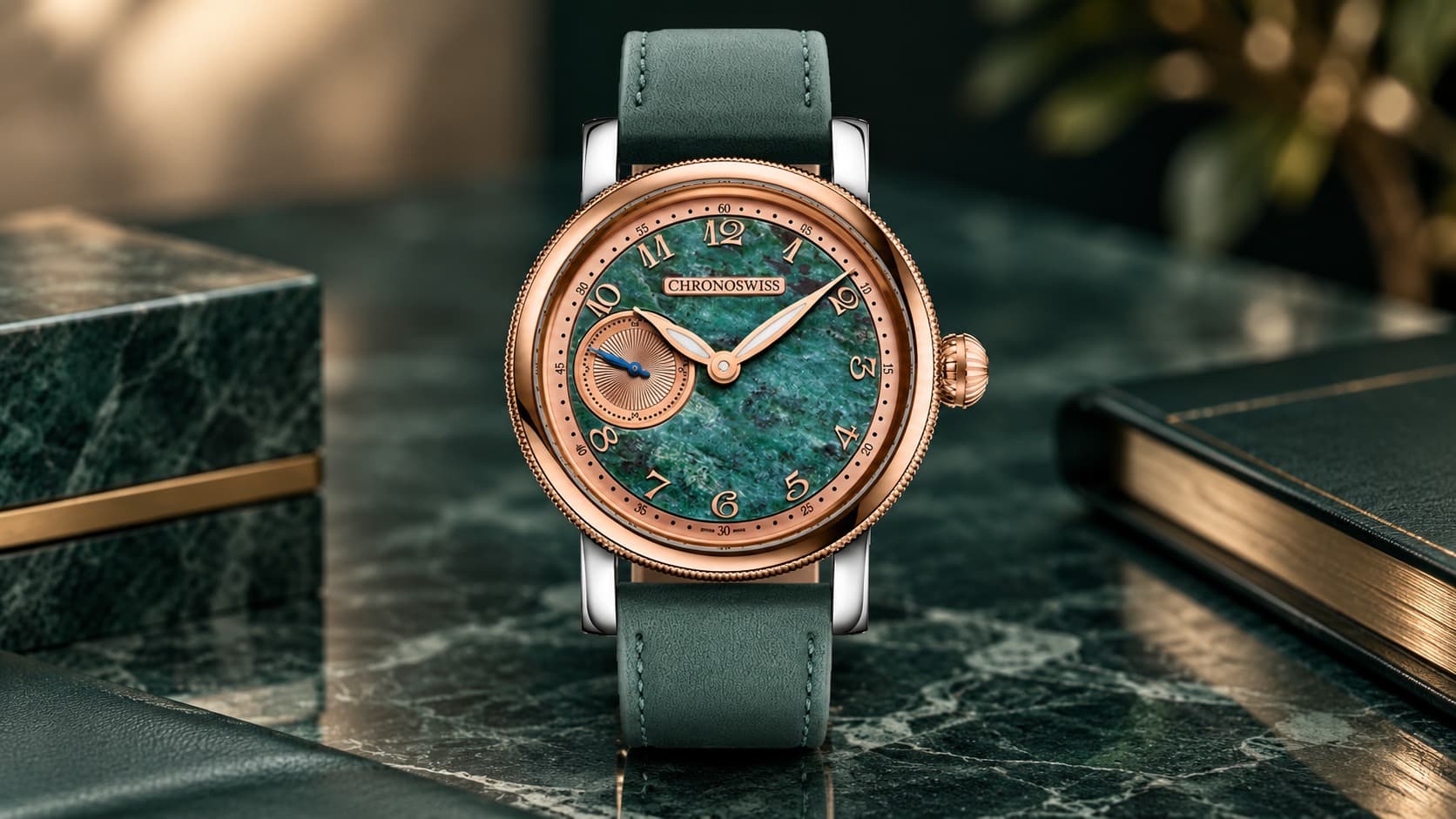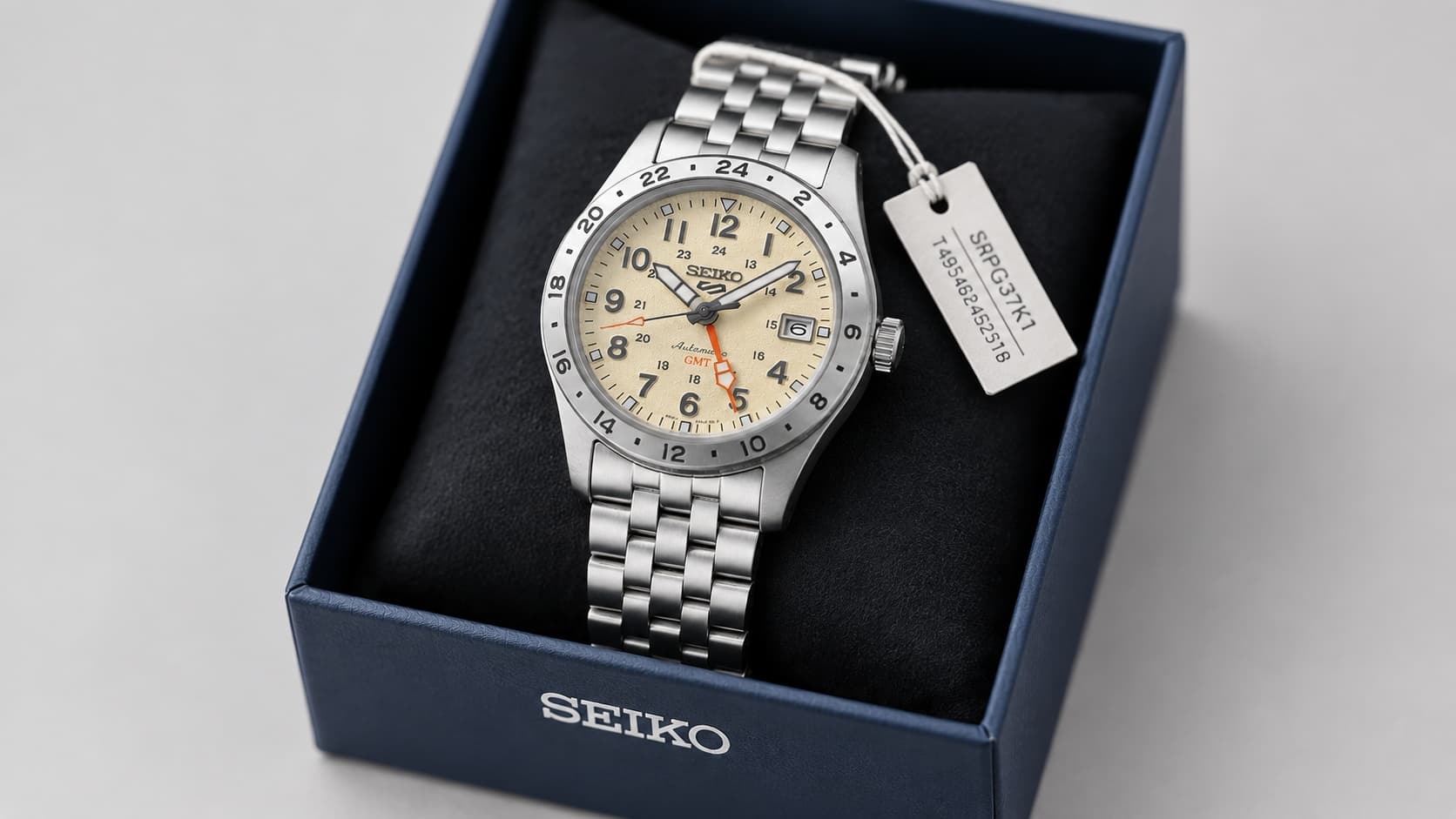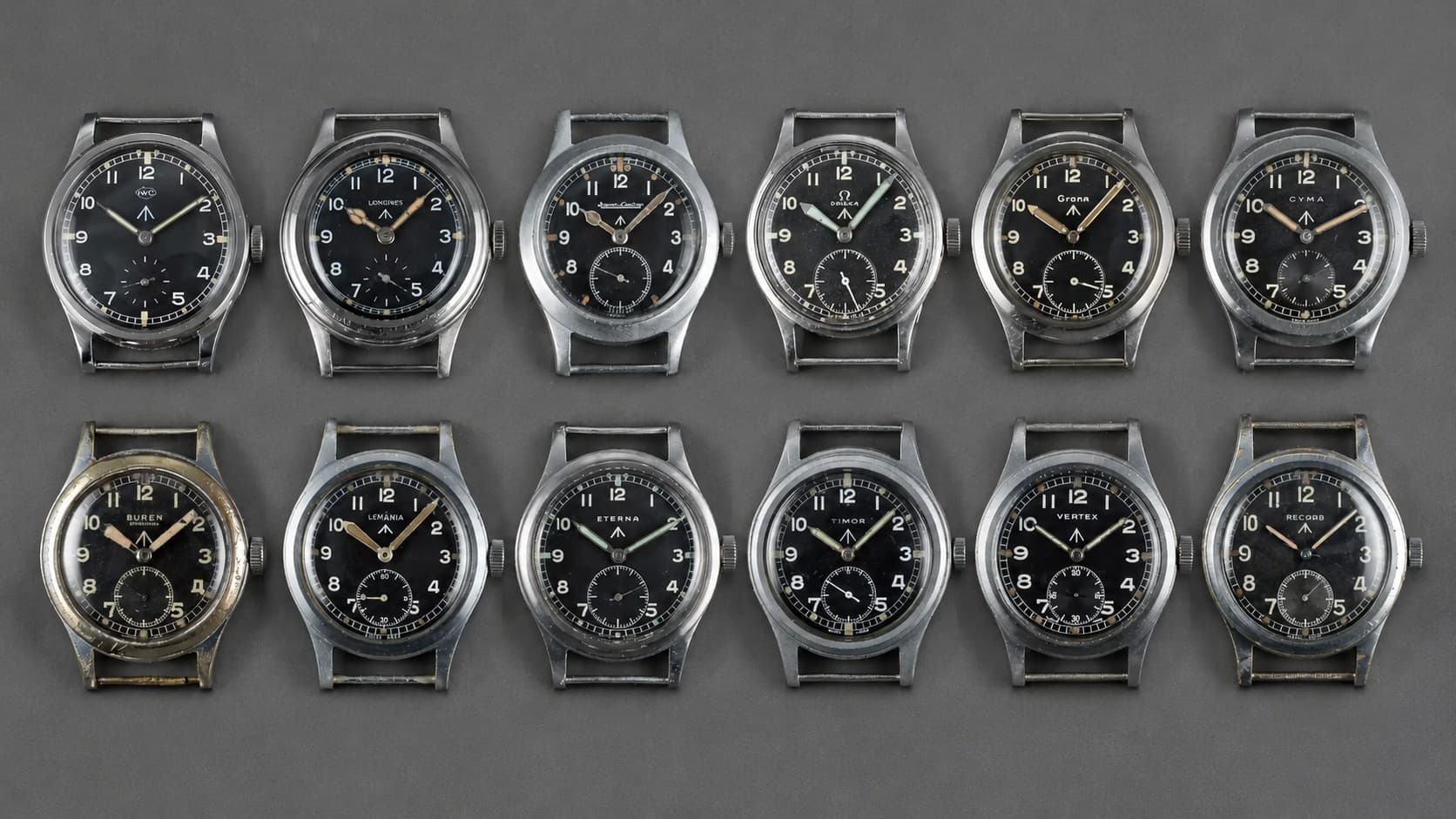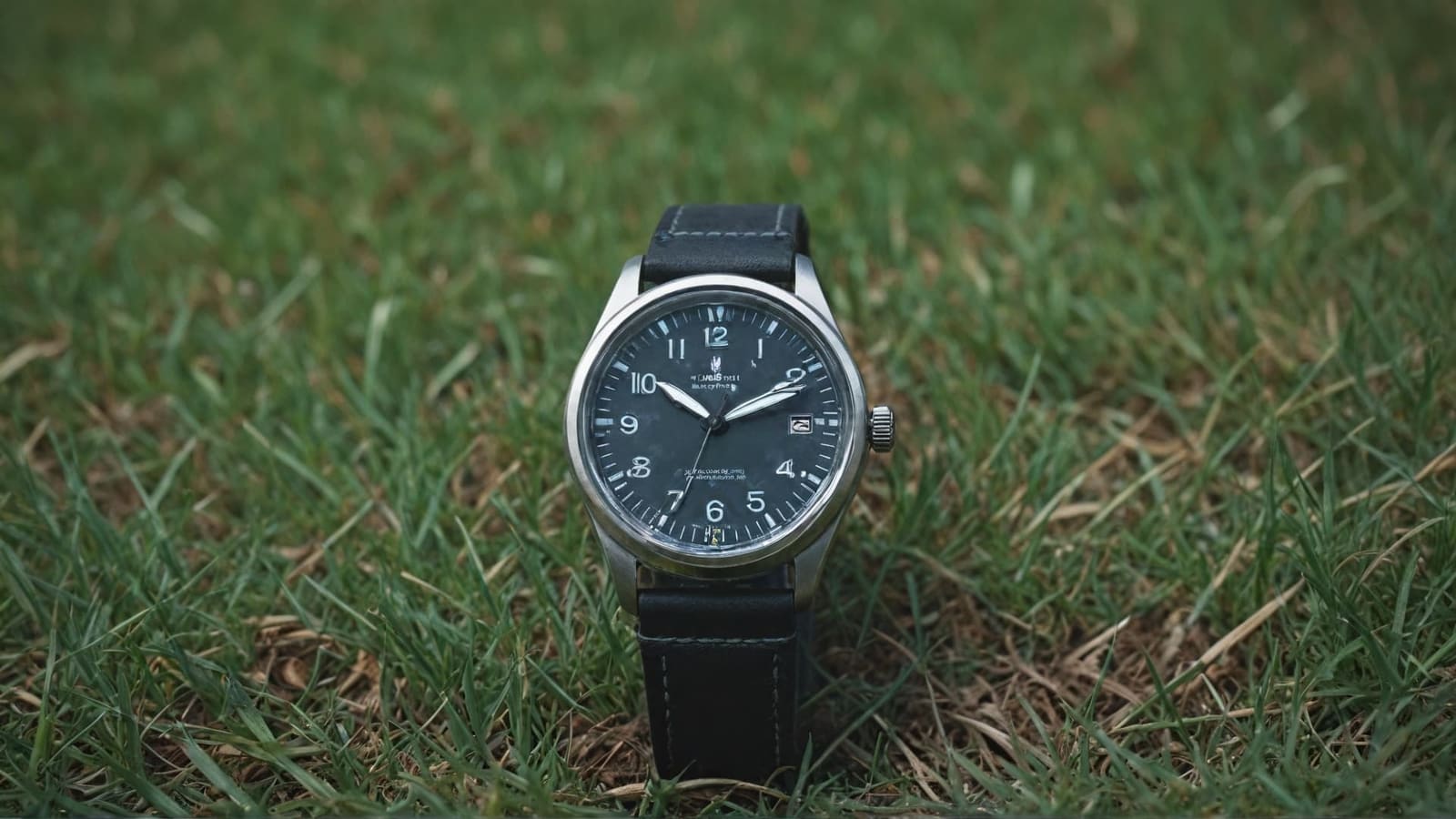
Field watches represent one of the most practical and enduring watch designs in horological history. Born from the brutal necessities of trench warfare during World War I, these timepieces evolved from a desperate need for soldiers to coordinate military operations with split-second precision. What began as converted pocket watches strapped to wrists in muddy trenches has transformed into one of today’s most beloved and versatile watch categories. Field watches embody a philosophy that values function over form, creating timepieces that prioritize readability, durability, and reliability above all else. Unlike ornate dress watches or complex diving instruments, field watches strip away unnecessary complications to focus on their primary mission: delivering accurate time in harsh conditions. This utilitarian approach has made them enduringly popular not just among military personnel, but also outdoor enthusiasts, professionals, and anyone who appreciates honest, well-designed tools that perform their intended function without pretense.
Understanding Field Watches
A field watch is a military-inspired timepiece that prioritizes practical functionality and rugged reliability over decorative elements. These watches earned their name from their original purpose of being worn “in the field” by soldiers during combat operations, where harsh environmental conditions and the need for instant time reading could mean the difference between life and death. The design philosophy centers on three fundamental principles: maximum legibility, exceptional durability, and operational simplicity.
- Field watches emerged from the transformation of warfare tactics during World War I, when synchronized military operations required soldiers to coordinate artillery bombardments, infantry assaults, and cavalry charges with precise timing, making wristwatches an essential piece of military equipment rather than a luxury accessory.
- The core design elements include high-contrast dials typically featuring white numerals on black backgrounds for maximum visibility, large Arabic numerals positioned at key hour markers for quick reference, and luminous hands and markers treated with phosphorescent compounds to enable time reading in complete darkness or low-light combat conditions.
- Construction requirements dictate that field watches must withstand extreme environmental stresses including temperature fluctuations from arctic cold to desert heat, physical shock from combat activities, moisture exposure from rain and humidity, and magnetic interference from military equipment while maintaining accurate timekeeping within acceptable military tolerances.
- Traditional field watches feature clean, uncluttered dial layouts that eliminate visual confusion, simple three-hand configurations showing hours, minutes, and seconds without unnecessary complications, and case sizes typically ranging from 36-42mm to balance readability with comfortable wrist wear during extended use.
- Movement specifications historically favored reliable, field-serviceable mechanisms including hand-wound mechanical movements that could be repaired by military technicians in field conditions, and later quartz movements valued for their superior accuracy, shock resistance, and minimal maintenance requirements in harsh operational environments.
- Strap systems utilize practical materials such as canvas, leather, or nylon that can withstand environmental degradation, resist moisture and dirt accumulation, and be easily replaced when worn out without requiring specialized tools or professional service, with many featuring the distinctive NATO-style single-piece construction for maximum security.
The enduring appeal of field watches lies in their honest, no-nonsense approach to timekeeping that strips away superfluous features to concentrate on essential functionality. This design philosophy has proven so effective that modern field watches continue to follow the same basic principles established nearly a century ago, proving that excellent design transcends fashion trends and technological changes.
History of Field Watches
The evolution of field watches represents one of the most dramatic transformations in horological history, driven entirely by the brutal realities of modern warfare. Before World War I, the concept of men wearing wristwatches was virtually unthinkable in most societies, as these timepieces were considered delicate feminine accessories called “wristlets.” Men of status and practicality carried substantial pocket watches, often stored in waistcoat pockets and attached by chains. However, the emergence of trench warfare during the Great War would fundamentally reshape both military tactics and civilian timekeeping habits in ways that continue to influence watch design today.
- World War I Origins and the Birth of Trench Watches: The transformation began during the Boer War (1899-1902) when British officers first experimented with wrist-mounted timepieces for practical battlefield use, but it was World War I that created the urgent military necessity for widespread adoption. The development of synchronized artillery bombardments, coordinated infantry assaults, and cavalry charges required precise timing that could mean the difference between tactical success and catastrophic failure, making accurate timekeeping an essential element of military strategy rather than personal convenience.
- Practical Battlefield Requirements: Soldiers quickly discovered that fumbling with pocket watches in cramped, muddy trenches while handling weapons and equipment was not only impractical but potentially deadly, leading to the rapid adoption of converted pocket watches strapped to wrists with improvised leather bands or wire brackets. These early “trench watches” needed to withstand extreme environmental conditions including constant moisture from rain and mud, physical shock from explosions and combat activities, and temperature fluctuations from freezing nights to scorching days.
- Technical Innovations Driven by War: Manufacturers responded to battlefield demands by developing revolutionary features including luminous radium paint applied to hands and hour markers for nighttime visibility, “unbreakable” celluloid crystals that replaced fragile mineral glass, and protective metal grilles or “shrapnel guards” that covered the crystal to prevent damage from debris and impacts while still allowing time reading.
- Military Standardization and Mass Production: By 1916, military handbooks listed luminous wristwatches with unbreakable glass as essential officer equipment, ranking them above revolvers and field glasses in importance, while companies like Omega, Longines, Elgin, and others began producing millions of virtually identical watches featuring white enamel dials, large Arabic numerals, and simple three-hand configurations designed for maximum battlefield utility.
- Post-War Civilian Adoption and Cultural Shift: Returning veterans continued wearing their military wristwatches in civilian life, transforming these tools of war into symbols of masculinity and bravery that gradually replaced pocket watches in popular culture. The sight of battle-hardened soldiers wearing wristwatches created a fashion revolution that spread through society, with manufacturers quickly adapting military designs for civilian markets and establishing the foundation for modern watch industry practices.
- World War II Refinement and the A-11 Legacy: The Second World War saw the development of even more sophisticated military timepieces, most notably the American A-11 specification that required 15-jewel movements with hacking seconds, dustproof and waterproof cases, and extreme accuracy standards of within 30 seconds per day. Produced by Elgin, Waltham, and Bulova in massive quantities, these watches earned the nickname “the watch that won the war” and established design principles that continue to influence field watch manufacturing today.
The historical journey from feminine jewelry to essential military equipment to beloved civilian timepiece illustrates how extreme circumstances can fundamentally reshape entire industries. Field watches represent a rare example of military technology that successfully transitioned to civilian use without losing its core identity, proving that excellent functional design transcends its original purpose and continues to serve new generations of users who appreciate honest, reliable tools.
Essential Field Watch Characteristics and Design
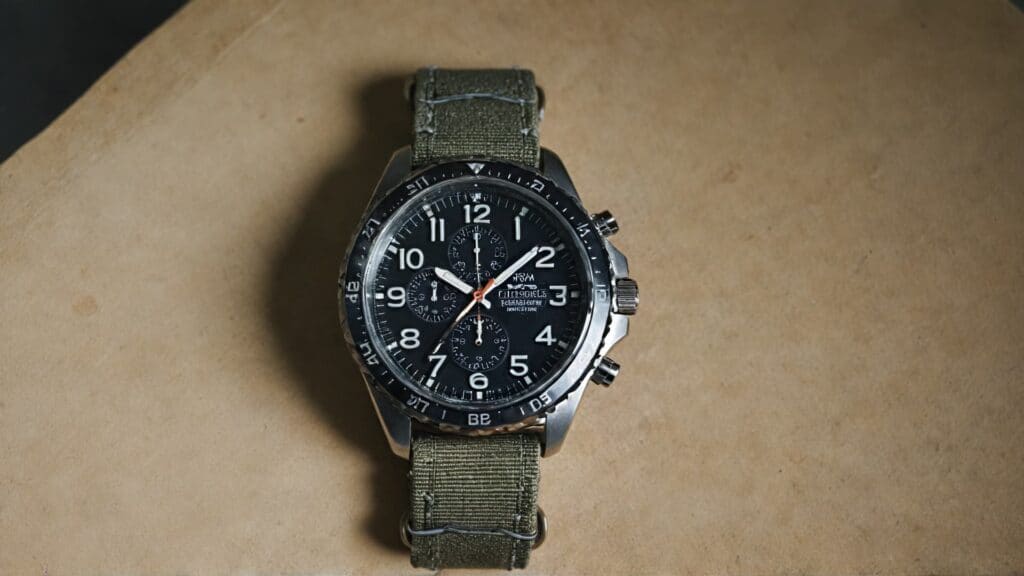
The defining characteristics of field watches emerge directly from their military origins, where survival often depended on a timepiece’s ability to perform reliably under extreme conditions. These features were not arbitrary design choices but carefully developed solutions to specific battlefield challenges that soldiers faced during combat operations. The essential elements that make field watches so effective have remained largely unchanged for nearly a century, proving their enduring value.
- Field watches achieve maximum legibility through high-contrast dial designs that typically feature stark white or cream numerals against deep black backgrounds, creating visual separation so dramatic that soldiers could read time instantly even in poor lighting conditions, dust storms, or while wearing protective gear that partially obscured vision. Large Arabic numerals positioned at key hour markers replace smaller Roman numerals or simple indices, while bold, simple hands without ornate decorations ensure they stand out clearly against the dial background without creating visual confusion during stressful combat situations.
- Luminous technology represents one of the most crucial battlefield requirements, with modern field watches incorporating sophisticated compounds like Super-LumiNova or tritium gas tubes applied to hands and hour markers that allow accurate time reading in complete darkness without external light sources. This night-reading capability evolved from early radium-painted dials used during World War I, when military operations frequently occurred during nighttime hours and traditional pocket watches would be completely useless in trenches where artificial lighting could reveal positions to enemy forces.
- Robust construction ensures field watches can withstand severe physical punishment including shock from explosions, drops onto hard surfaces, and constant vibration from vehicles and machinery, typically utilizing stainless steel cases that resist corrosion from moisture, salt, and chemical exposure while maintaining structural integrity under extreme temperature fluctuations from arctic conditions to desert heat. Case designs often feature coin-edge bezels or smooth surfaces that resist snagging on equipment, while crystal protection may include recessed mounting or even protective grilles that prevent shattering from debris impacts.
- Simple, reliable movements prioritize consistent timekeeping over complex complications, with field watches traditionally featuring either robust hand-wound mechanical movements that can be serviced in field conditions using basic tools, or modern quartz movements valued for their superior accuracy, shock resistance, and minimal maintenance requirements during extended operations. Many field watches include hacking seconds functionality that stops the second hand when the crown is pulled, allowing precise synchronization between multiple timepieces for coordinated military operations.
- Practical strap systems utilize materials like canvas, leather, or nylon that can withstand environmental degradation, resist moisture and dirt accumulation, and be easily replaced when worn out without requiring specialized tools or professional service. NATO-style single-piece construction became particularly popular because it threads through both spring bars, ensuring the watch remains attached to the wrist even if one spring bar fails during combat activities.
- Water resistance capabilities typically range from basic splash protection to substantial submersion resistance, designed to handle everything from heavy rain and river crossings to accidental immersion in mud or water obstacles that soldiers might encounter during operations. Modern field watches often exceed original military specifications, with many offering 100 meters or more of water resistance despite their primary terrestrial focus.
These carefully engineered characteristics work together to create timepieces that excel in demanding environments while remaining comfortable and practical for everyday civilian use. The enduring popularity of these features demonstrates how military-driven innovation often produces designs that serve broader human needs for reliable, functional tools.
Types of Field Watches
Field watches have evolved far beyond their original military specifications while maintaining the core design principles that made them essential battlefield tools. Modern manufacturers offer diverse interpretations that honor the historical legacy while incorporating contemporary materials, movements, and styling approaches. These different styles cater to various preferences, budgets, and intended uses while preserving the fundamental characteristics that define field watch identity.
- Classic military-style field watches remain faithful to original World War II specifications, featuring authentic design elements like 30-34mm cases that replicated the compact dimensions necessary for soldiers wearing heavy gear and equipment. These traditional models typically showcase white or cream dials with bold black Arabic numerals, simple three-hand configurations without date complications, and distinctive inner 24-hour tracks that allowed military personnel to easily read time in both civilian and military formats during coordinated operations.
- Modern military-inspired designs expand the classic formula with contemporary sizing, typically ranging from 38-42mm to accommodate modern wrist preferences while maintaining the essential visual characteristics that define field watch identity. These updated versions often incorporate sapphire crystals for superior scratch resistance, improved water resistance ratings exceeding 100 meters, and enhanced luminous compounds that provide brighter, longer-lasting visibility compared to historical radium or early Super-LumiNova applications.
- Heritage recreation models represent faithful reproductions of specific historical timepieces, with companies like Hamilton, Marathon, and CWC producing watches that closely replicate famous military contracts including the A-11, GG-W-113, and British W10 specifications. These recreation pieces often use period-correct case dimensions, dial layouts, and hand styles while upgrading internal components with modern movements that offer superior reliability, accuracy, and serviceability compared to vintage originals.
- Contemporary outdoor adventure styles expand the field watch concept beyond military applications, targeting hiking, camping, and outdoor sports enthusiasts who appreciate rugged reliability combined with modern functionality. These models may feature enhanced water resistance, shock protection systems, and specialized materials like titanium cases or carbon fiber elements that reduce weight while maintaining durability standards essential for active outdoor use.
- Urban tactical designs blend field watch DNA with metropolitan styling, creating timepieces suitable for professional environments while retaining the practical benefits of military-inspired construction. These watches often feature refined finishing, subdued color schemes, and slimmer profiles that work equally well in boardrooms and weekend adventures, proving that field watch principles translate effectively to civilian applications.
- Limited edition and collaboration models celebrate specific military units, historical events, or partnerships with outdoor brands, often incorporating unique dial colors, case finishes, or commemorative engravings that appeal to collectors and enthusiasts interested in particular aspects of military or outdoor history. These special releases frequently sell in limited quantities and may feature premium materials or movements not typically found in standard production models.
- Budget-friendly interpretations from companies like Timex and Casio make field watch styling accessible to entry-level buyers, utilizing reliable quartz movements, durable polymer or steel cases, and practical nylon straps that deliver essential field watch characteristics at affordable price points. These models prove that effective field watch design doesn’t require expensive materials or complex movements to provide years of dependable service.
The diversity of modern field watch styles demonstrates how a design born from military necessity has successfully adapted to serve countless civilian applications while preserving the fundamental characteristics that made these timepieces indispensable tools for soldiers. Whether seeking historical authenticity, modern performance, or budget-conscious practicality, contemporary field watch offerings ensure that this iconic style continues to evolve while honoring its distinguished heritage.
How to Choose a Field Watch
Selecting the right field watch requires careful consideration of several key factors that will determine how well the timepiece serves your specific needs and preferences. Unlike more specialized watch categories that have rigid requirements, field watches offer considerable flexibility while maintaining their core identity as practical, reliable instruments. The decision-making process involves balancing historical authenticity with modern functionality to find the perfect match.
- Case size considerations must balance historical authenticity with modern comfort preferences, as original military field watches typically measured between 30-36mm to minimize weight and bulk for soldiers carrying heavy equipment, while contemporary versions usually range from 38-42mm to accommodate larger modern wrists and current style preferences. Smaller case sizes around 36-38mm provide authentic vintage proportions and exceptional comfort under shirt cuffs, making them ideal for those who appreciate historical accuracy or prefer understated presence, while larger 40-42mm cases offer improved dial legibility and contemporary aesthetics that work well for casual wear and outdoor activities.
- Movement selection involves choosing between mechanical charm and quartz practicality, with hand-wound mechanical movements offering the closest connection to historical field watches and requiring daily winding rituals that many enthusiasts find satisfying, while automatic movements provide convenience through self-winding capability and typically feature longer power reserves of 40-80 hours. Quartz movements deliver superior accuracy with minimal maintenance requirements, making them ideal for users who prioritize reliability and convenience over mechanical fascination, while solar-powered quartz variants eliminate battery replacement concerns entirely.
- Budget considerations span an enormous range from affordable entry-level options to luxury alternatives, with excellent field watches available starting around $50 from brands like Timex featuring reliable quartz movements, mineral crystals, and durable construction that provides genuine field watch functionality without significant financial investment. Mid-range options between $200-800 from manufacturers like Hamilton, Seiko, and CWC offer upgraded materials including sapphire crystals, enhanced water resistance, and Swiss or Japanese automatic movements that justify higher prices through improved durability and refinement.
- Water resistance requirements should match intended usage patterns, as basic field watches often provide 50-100 meters of protection sufficient for rain exposure and casual water contact, while enhanced models may offer 200 meters or more for users who engage in swimming, snorkeling, or water sports activities. Modern field watches frequently exceed original military specifications in this regard, with many contemporary models providing dive watch-level water resistance that expands their utility beyond traditional terrestrial applications.
- Crystal and case material choices significantly impact durability and long-term appearance, with mineral crystals offering adequate scratch resistance at budget price points while sapphire crystals provide exceptional hardness that maintains perfect clarity for decades despite heavy use. Stainless steel cases represent the most popular choice for their corrosion resistance and moderate weight, while titanium alternatives reduce weight significantly for users who prioritize comfort during extended wear, and specialized coatings like DLC can enhance scratch resistance and reduce reflectivity.
- Strap and bracelet options affect both comfort and versatility, with traditional NATO straps providing authentic military heritage, exceptional security through single-piece construction, and easy interchangeability to match different outfits or activities. Leather straps offer classic appeal and comfortable wear but require eventual replacement due to moisture and wear, while metal bracelets provide durability and refined appearance at the cost of increased weight and higher replacement costs.
- Brand heritage and service considerations influence long-term ownership experience, with established manufacturers like Hamilton, Seiko, and Marathon offering extensive service networks, readily available parts, and proven track records of customer support. Newer microbrand alternatives may provide exceptional value and innovative features but potentially limited service options, making them better suited for users comfortable with independent watchmaker services or disposable pricing strategies.
The ideal field watch balances these various factors according to individual priorities and intended use patterns. Whether seeking an affordable daily beater, a historically accurate collector piece, or a refined modern interpretation, understanding these selection criteria ensures you choose a field watch that delivers the reliability, functionality, and satisfaction that defines this enduring watch category.
How to Care for Field Watch
Proper care and maintenance ensure that field watches continue providing reliable service for decades, honoring their military heritage of dependable performance under demanding conditions. Unlike delicate dress watches that require cautious handling, field watches are designed to withstand regular use and abuse, but they still benefit significantly from thoughtful care that preserves their functionality and appearance. Basic maintenance principles help owners protect their investment while maintaining the rugged reliability that defines this watch category.
- Daily care practices focus on protecting field watches from accumulated damage that can compromise their long-term performance, starting with regular cleaning using a soft, lint-free microfiber cloth to remove dirt, sweat, salt, and oils that can corrode metal components or degrade strap materials over time. After each wearing session, particularly during outdoor activities or exercise, wiping down the case, crystal, and bracelet prevents buildup of contaminants that can work their way into case joints and crown mechanisms, potentially causing water resistance failures or movement contamination.
- Water resistance maintenance requires understanding that even robust field watches need periodic attention to maintain their protective seals, as rubber gaskets naturally deteriorate over time regardless of usage patterns. Crown operation should always be performed with clean, dry hands, ensuring the crown is fully screwed down after any adjustments to prevent moisture intrusion during unexpected water exposure, while regular inspection of gasket integrity becomes crucial for watches used in wet or humid environments where seal failure could cause catastrophic movement damage.
- Movement-specific care varies significantly between quartz and mechanical field watches, with quartz models requiring battery replacement every 2-3 years using proper tools and techniques that prevent case damage or gasket displacement during service. Mechanical field watches demand more sophisticated attention including daily winding for hand-wound models using smooth, consistent crown rotations that avoid overwinding stress, while automatic versions benefit from regular wearing or watch winder use that maintains mainspring tension and lubricant distribution throughout the movement.
- Storage considerations become particularly important for field watch collections, as proper storage prevents magnetic exposure from household electronics, temperature extremes that can affect lubricants and seals, and humidity levels that promote corrosion or crystal fogging. Individual watch boxes or soft pouches prevent scratches during storage while maintaining air circulation, while climate-controlled environments protect against expansion and contraction cycles that can stress case joints and crystal seating over extended periods.
- Strap and bracelet maintenance extends overall watch longevity by preventing failures that could result in watch damage or loss during active use, with NATO straps requiring regular washing in mild soap solution to remove accumulated dirt and salt that can weaken nylon fibers. Leather straps need conditioning treatments that prevent cracking and maintain flexibility, while metal bracelets benefit from periodic deep cleaning using soft brushes and appropriate solvents that remove accumulated debris from link joints and adjustment mechanisms.
- Professional servicing schedules vary based on movement type and usage intensity, with mechanical field watches typically requiring complete service every 3-5 years to replace dried lubricants, inspect worn components, and restore factory performance specifications. Quartz field watches need less frequent attention but benefit from seal replacement and movement cleaning every 4-6 years, while any watch showing timing irregularities, crown difficulties, or water resistance concerns should receive immediate professional attention regardless of service intervals.
- Environmental protection involves understanding field watch limitations despite their rugged construction, avoiding extreme temperature exposure that can affect lubricant viscosity and cause condensation issues, magnetic fields from speakers and electronics that can disrupt mechanical movement regulation, and chemical exposure from cleaning products or industrial environments that can damage seals and coatings. Recognizing these limitations allows users to enjoy their field watches fully while avoiding unnecessary damage.
Proper maintenance transforms field watches from temporary tools into lifetime companions that can serve multiple generations of users. The combination of daily care, appropriate storage, and professional servicing ensures these practical timepieces continue delivering the reliable performance that made them essential military equipment while preserving their value and functionality for years of dependable service.
Best Field Watch Brands
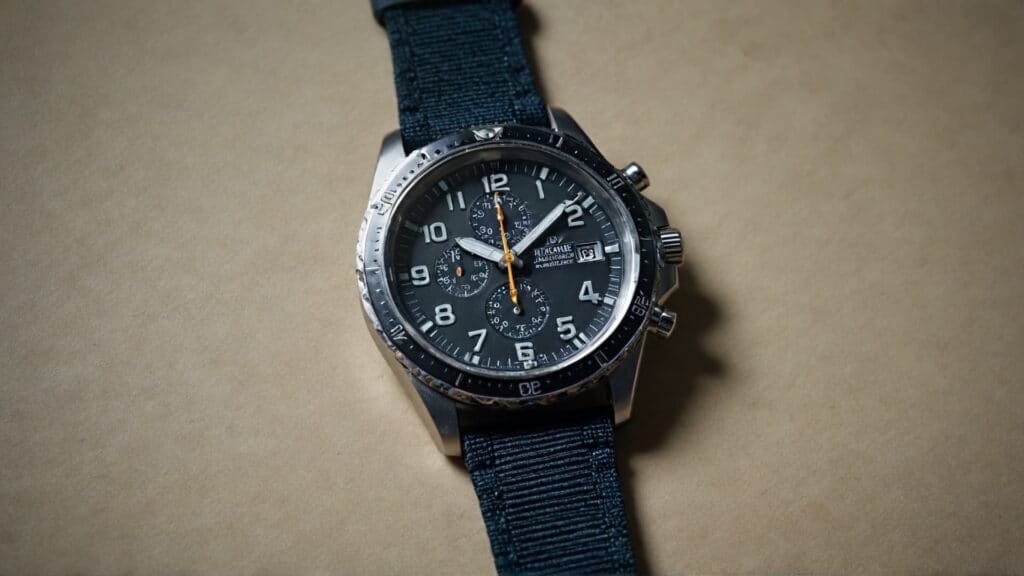
The contemporary field watch market encompasses a diverse range of manufacturers, from heritage brands with authentic military contracts to modern companies creating innovative interpretations of classic designs. Each brand brings its own approach to field watch design, whether emphasizing historical accuracy, modern innovation, or value-oriented accessibility. Knowing the different specialties of major field watch producers helps buyers navigate the extensive options available.
- Hamilton represents the quintessential American field watch heritage, tracing its military timepiece production back to World War I when the company supplied pocket watches and early wristwatches to Allied forces, continuing through World War II with significant contracts for navigation timepieces and field watches. Modern Hamilton Khaki Field collections honor this legacy through faithful recreations of military specifications while incorporating contemporary materials and Swiss ETA movements, offering models ranging from hand-wound mechanical versions that closely replicate historical designs to automatic variants with enhanced water resistance and modern conveniences like date functions.
- Marathon maintains active military contracts as the current official supplier of timepieces to U.S. and Canadian armed forces, producing field watches that meet contemporary military specifications including the MIL-PRF-46374G standard for general purpose mechanical timepieces. The company’s General Purpose Mechanical watch features authentic military construction with composite fiber shell cases, tritium illumination for superior night visibility, and reliable Seiko NH35 movements housed in compact 34mm cases that maintain traditional military proportions while delivering modern performance standards.
- CWC (Cabot Watch Company) specializes exclusively in military timepieces for British forces, establishing its reputation through decades of official contracts that produced iconic models like the G10 quartz watch and W10 mechanical timepiece issued to British military personnel. Contemporary CWC offerings include faithful recreations of these classic designs alongside modern interpretations that maintain military specifications while incorporating updated materials like sapphire crystals and enhanced water resistance, appealing to collectors and military personnel who appreciate authentic British military watch heritage.
- Seiko approaches field watches from a civilian outdoor perspective, creating models like the Alpinist series that target mountain climbers and outdoor enthusiasts rather than military personnel, resulting in distinctive features like inner rotating compass bezels and enhanced water resistance that exceed typical field watch requirements. The company’s field watch designs emphasize practical outdoor functionality combined with Japanese manufacturing excellence, offering reliable automatic movements with extended power reserves and superior luminous materials that provide exceptional visibility in demanding conditions.
- Timex democratizes field watch accessibility through affordable pricing strategies, producing expedition and weekender models that deliver essential field watch characteristics including high-contrast dials, reliable quartz movements, and durable construction at price points starting around $30-60. The brand’s Indiglo illumination technology provides unique night reading capability that rivals more expensive luminous systems, while simple, robust construction ensures these watches can withstand significant abuse without requiring expensive repairs or replacement.
- Swiss luxury manufacturers like Tudor and IWC create premium field watch interpretations, combining traditional military aesthetics with high-end materials, in-house movements, and sophisticated finishing that appeals to collectors willing to invest in exceptional quality and brand prestige. These watches typically feature sapphire crystals, robust water resistance, and refined details that elevate field watch functionality into luxury territory while maintaining the essential characteristics that define the category.
- Microbrand manufacturers like Boldr, Nodus, and Vaer offer innovative modern interpretations, utilizing contemporary materials like titanium cases, advanced luminous compounds, and unique design elements that push field watch boundaries while respecting core principles of legibility, durability, and practical functionality. These smaller companies often provide exceptional value through direct-to-consumer sales models and limited production runs that create exclusivity without traditional luxury brand premiums.
- Military surplus and recreation specialists like MWC (Military Watch Company) focus on authentic military reproductions, creating faithful recreations of specific historical timepieces including A-11, GG-W-113, and other famous military specifications using period-correct dimensions, dial layouts, and movement types that appeal to collectors and military history enthusiasts seeking maximum authenticity.
The diversity of field watch manufacturers ensures options exist for every budget, preference, and intended use case. Whether seeking authentic military heritage, modern innovation, luxury refinement, or basic functionality, understanding each brand’s strengths and specialties guides buyers toward field watches that best serve their specific needs while honoring the practical legacy that defines this enduring watch category.
How to Style a Field Watch
Field watches offer exceptional versatility in styling applications, seamlessly bridging the gap between rugged functionality and refined aesthetics that makes them suitable for diverse occasions and dress codes. Their military heritage provides a foundation of practical design that adapts naturally to both casual and semi-formal environments, making them among the most versatile timepieces available. Knowing how to properly style field watches enhances their natural adaptability while respecting both their origins and contemporary fashion sensibilities.
- Casual styling applications showcase field watches at their most natural, pairing perfectly with weekend attire including dark jeans, flannel shirts, canvas sneakers, and outdoor jackets where their military aesthetic enhances rather than competes with relaxed clothing choices. Denim combinations work particularly well because both materials share similar durability-focused origins, while earth-tone color palettes in olive, khaki, and brown create cohesive looks that honor field watch heritage without appearing overly themed or costume-like.
- Business casual environments provide ideal opportunities for field watch sophistication, where these timepieces complement chinos, oxford button-down shirts, blazers, and leather shoes without appearing too formal or overly casual for professional settings. The key lies in choosing field watches with refined finishing, quality leather straps in brown or black, and avoiding overtly military details like camouflage patterns or tactical case coatings that might seem inappropriate in corporate environments.
- Professional boundaries require careful consideration, as traditional business formal dress codes typically favor classic dress watches over field watches, though modern workplace casualization has made quality field watches more acceptable in many professional contexts. Conservative industries like banking or law may still prefer traditional timepieces, while creative fields, technology companies, and outdoor-related businesses often embrace field watches as appropriate professional accessories that reflect practical sensibilities.
- Strap selection dramatically influences styling versatility, with leather straps in brown or black providing the most formal appearance suitable for business casual and some professional environments, while maintaining the durability and comfort that field watch wearers expect. NATO straps offer authentic military heritage and exceptional comfort but lean heavily casual, making them ideal for weekend activities, outdoor adventures, and relaxed social gatherings where their practical benefits outweigh formal considerations.
- Metal bracelet options elevate field watch formality, transforming utilitarian timepieces into more sophisticated accessories suitable for business casual environments and semi-formal occasions where leather straps might appear too casual or NATO straps would be inappropriate. Quality steel bracelets provide durability, water resistance, and professional appearance while maintaining field watch character through their robust construction and practical design elements.
- Seasonal styling considerations affect both comfort and appropriateness, with lighter NATO straps and perforated leather options providing superior comfort during summer months when heavy leather or metal bracelets might become uncomfortable in heat and humidity. Winter styling allows for heavier straps and larger watch faces that complement layered clothing, while spring and fall transitions offer opportunities to experiment with different strap colors and materials that match changing seasonal wardrobes.
- Color coordination principles help field watches integrate seamlessly with existing wardrobes, focusing on complementary rather than exact matching that allows these versatile timepieces to enhance outfits without demanding excessive coordination effort. Earth tones naturally pair with field watch aesthetics, while black and white combinations provide classic contrast that works across multiple clothing styles and color schemes.
- Social occasion appropriateness varies considerably, with field watches being excellent choices for casual social gatherings, outdoor events, sporting activities, and informal dining situations where their practical nature aligns with relaxed atmospheres. However, formal events like black-tie occasions, weddings, or high-end business dinners typically call for more traditional dress watches that better complement formal attire expectations and social conventions.
- Personal style integration allows field watch wearers to express individual preferences, whether embracing full military-inspired aesthetics with coordinated clothing choices, incorporating field watches into preppy or Americana styles, or using them as contrast pieces within more urban or contemporary wardrobes. The key lies in understanding personal style goals and choosing field watch characteristics that enhance rather than conflict with individual fashion sensibilities.
The fundamental appeal of field watch styling lies in their honest functionality that transcends temporary fashion trends while providing reliable service across diverse wearing situations. Whether paired with outdoor gear for weekend adventures or integrated into professional wardrobes for daily wear, field watches offer timeless style that adapts to changing needs while maintaining the practical heritage that originally defined their design and purpose.
Common Questions About Field Watches
Field watch ownership often raises practical questions about appropriate usage, maintenance requirements, and styling limitations that reflect both their military heritage and modern civilian applications. These frequently asked questions help potential buyers make informed decisions while addressing concerns that arise during ownership, ensuring field watches serve their intended purpose as reliable, versatile timepieces. The practical nature of these inquiries reflects how field watches prioritize function over fashion.
- Are field watches suitable for formal occasions? Field watches work well for business casual environments, semi-formal gatherings, and most social occasions where their clean, understated design complements rather than conflicts with dress codes. However, traditional black-tie events, formal weddings, and conservative business environments typically favor classic dress watches over field watches, as their military aesthetic may appear too casual for these highly formal contexts where subtle elegance takes precedence over rugged practicality.
- How accurate are field watches? Accuracy expectations vary significantly based on movement type, with quartz field watches typically maintaining accuracy within seconds per month and requiring minimal user intervention beyond occasional battery replacement every 2-3 years. Mechanical field watches, whether hand-wound or automatic, generally achieve accuracy within 10-30 seconds per day when properly maintained, though this can vary based on individual movement quality, service history, and wearing patterns that affect automatic winding efficiency.
- Can you swim with a field watch? Swimming compatibility depends entirely on the specific watch’s water resistance rating rather than its field watch classification, with many modern field watches offering 100-200 meters of water resistance that makes them suitable for swimming, snorkeling, and even recreational diving activities. However, vintage or budget field watches may only provide basic splash resistance around 30-50 meters, making them unsuitable for submersion, so checking individual specifications before water exposure remains essential for preventing damage.
- Do field watches need special care? Field watches require minimal special care beyond basic maintenance practices including regular cleaning with soft cloths, proper crown operation to maintain water resistance seals, and periodic professional servicing every 3-5 years for mechanical movements or battery replacement for quartz models. Their rugged construction means they can withstand daily wear and outdoor activities better than delicate dress watches, though avoiding extreme impacts, magnetic fields, and chemical exposure helps preserve long-term functionality and appearance.
- Are field watches too casual for work environments? Modern workplace casualization has made quality field watches increasingly acceptable in professional contexts, particularly in creative industries, technology companies, and outdoor-related businesses where their practical sensibilities align with company cultures. Conservative industries like banking, law, or high-end consulting may still prefer traditional dress watches, but business casual environments generally welcome field watches when paired with appropriate straps and avoiding overtly military styling elements like camouflage patterns.
- What strap options work best with field watches? Field watches offer exceptional strap versatility, with leather options providing the most formal appearance suitable for business settings, NATO straps delivering authentic military heritage and comfort for casual wear, and metal bracelets elevating the overall formality while maintaining durability for active use. The key lies in matching strap choice to intended occasion, with darker leather working best for professional environments and colorful NATO straps being ideal for weekend activities and outdoor adventures.
- How long do field watches typically last? Well-maintained field watches can provide decades of reliable service, with quality mechanical movements potentially lasting lifetimes when properly serviced every 3-5 years, while quartz movements typically operate trouble-free for 10-20 years before requiring replacement. The robust construction that defines field watches means they often outlast more delicate timepieces, making them excellent long-term investments that can serve multiple generations when cared for appropriately.
- Are expensive field watches worth the investment? Higher-priced field watches justify their cost through superior materials like sapphire crystals, enhanced water resistance, refined movements with longer power reserves, and better finishing that improves both durability and aesthetic appeal. However, excellent field watches exist at every price point, with budget options from brands like Timex delivering essential functionality, while premium models from Hamilton, Seiko, or Swiss manufacturers offer enhanced features and prestige that appeal to serious collectors and enthusiasts.
These common questions reflect the practical nature of field watch ownership, where functionality and versatility matter more than fashion trends or status symbols. Understanding these considerations helps owners maximize their field watch experience while making informed decisions about usage, care, and styling that honor both the watches’ military heritage and modern civilian applications.
Conclusion
Field watches represent one of the most successful translations from military necessity to civilian popularity in horological history. What began as essential battlefield tools for World War I soldiers has evolved into versatile timepieces that serve modern users across countless applications, from outdoor adventures to professional environments. Their enduring appeal lies in honest, functional design that prioritizes reliability and legibility over decorative elements, creating watches that deliver genuine utility while maintaining timeless aesthetic appeal that transcends fashion trends and technological changes.
The diversity of contemporary field watch offerings ensures options exist for every budget, preference, and lifestyle requirement. Whether seeking authentic military heritage through faithful recreations of historical specifications, modern innovation through updated materials and movements, or simply reliable daily wear watches that can handle abuse without complaint, field watches provide solutions that honor their practical legacy while serving contemporary needs. This versatility explains their popularity among watch enthusiasts who appreciate timepieces that work as hard as they do.
Understanding field watch history, characteristics, and proper care enables owners to make informed decisions that maximize their investment while preserving these timepieces for future generations. From entry-level options that deliver essential functionality at accessible prices to premium models that showcase exceptional craftsmanship and materials, field watches continue proving that excellent design rooted in genuine purpose creates lasting value. Their military heritage ensures they remain relevant as long as people value reliability, durability, and honest functionality in their everyday tools.