Barite stands out among minerals for its surprising weight and beautiful crystal formations. Though rarely seen in everyday jewelry because of its softness, this distinctive mineral captivates collectors and gemstone enthusiasts worldwide. The striking heaviness you feel when holding barite, combined with its diverse colors and crystal shapes, makes it immediately memorable. While many people have never heard of barite, those familiar with mineral specimens often prize it for both scientific interest and natural beauty—qualities that extend far beyond conventional gemstones.
What Is Barite?
Barite is a naturally occurring mineral composed primarily of barium sulfate (BaSO₄), recognized for its surprising heaviness and variety of crystal formations. As the principal ore of the element barium, this mineral has been known since ancient times and derives its name from the Greek word “barys,” meaning “heavy”—an apt description of its most distinctive characteristic. Despite limited use in everyday jewelry due to its relative softness, barite’s scientific importance and natural beauty make it a prized possession for serious mineral collectors.
- Barite’s chemical composition is barium sulfate (BaSO₄), containing 65.7% barium oxide and 34.3% sulfur trioxide when pure, making it the main source of barium for industrial applications worldwide.
- The mineral typically crystallizes in the orthorhombic system, forming tabular, prismatic or bladed crystals that can grow into spectacular formations including rosettes, clusters, and concretions that are highly valued by collectors.
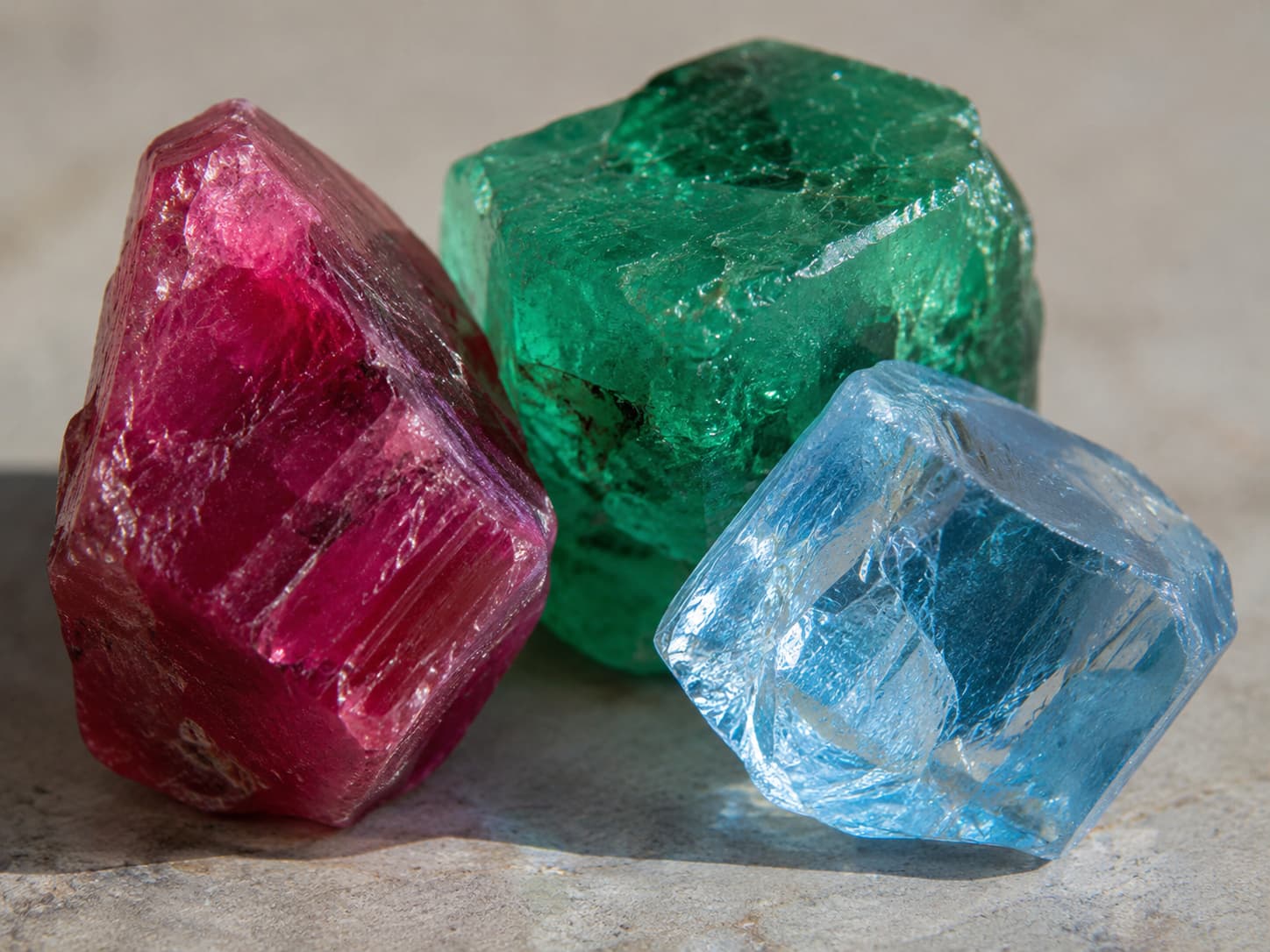
- Barite occurs in multiple colors including colorless, white, yellow, blue, green, red, and brown, with coloration caused by various mineral impurities and trace elements that replace barium in the crystal structure.
- It’s remarkably heavy with a specific gravity between 4.3 and 5.0, making it about three times heavier than average rocks of similar size—a property that makes it immediately recognizable even to novice collectors.
- Barite has a low hardness of 3 to 3.5 on the Mohs scale, coupled with perfect cleavage in three directions, which makes it relatively fragile and challenging to use in everyday jewelry without protective settings.
While barite may not share the fame of diamonds or emeralds, its scientific significance cannot be overstated. Its exceptional weight, wide color range, and distinctive crystal habits make it immediately recognizable to geologists and mineral enthusiasts. Though challenging to use in jewelry due to its softness and perfect cleavage, carefully cut specimens can create unique gemstones that showcase nature’s diversity beyond the common precious stones.
Physical Properties of Barite
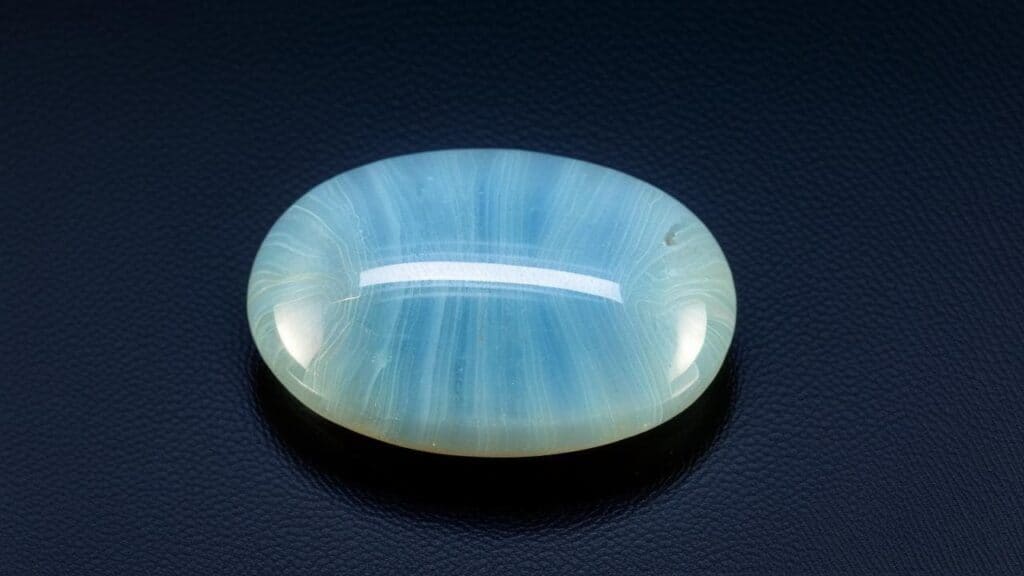
The physical properties of barite distinguish it from many other minerals, with its remarkable density being the most immediately noticeable characteristic. When holding a specimen of barite, most people are surprised by its weight—a property that historically helped miners and geologists identify it in the field long before modern analytical techniques. These distinctive physical attributes not only define the mineral but also determine its suitability for various applications from industrial uses to limited gemstone cutting.
- Barite ranks only 3 to 3.5 on the Mohs scale, making it much softer than quartz (7) or topaz (8), which means it scratches easily and requires careful handling when used in jewelry or kept in mineral collections.
- With a specific gravity range of 4.3 to 5.0, barite’s exceptional density makes it one of the heaviest non-metallic minerals that a person might commonly encounter, often described as feeling “unnaturally heavy” when picked up.
- Barite forms in the orthorhombic crystal system, typically creating tabular crystals, but also appearing as prismatic, nodular, fibrous, or massive forms depending on the conditions during formation.
- The mineral exhibits perfect cleavage in three directions (one perfect, two good), meaning it breaks along flat planes when struck, creating smooth surfaces that can be both aesthetically pleasing and problematic for durability.
- Barite displays a vitreous (glass-like) to pearly luster on crystal faces, while fractured surfaces may appear more resinous, contributing to its visual appeal when properly polished.
- Specimens range from completely transparent to translucent or opaque, with the most prized examples showing high clarity that allows light to play through the crystal structure.
- Regardless of the crystal’s color, barite always produces a white streak when scratched across a porcelain plate, which helps distinguish it from similar-looking minerals.
These physical properties collectively make barite instantly recognizable to experienced collectors and challenging for jewelers working with the material. While its low hardness and perfect cleavage limit everyday jewelry applications, these same properties allow for spectacular display specimens when the mineral is left in its natural crystal form. For those who appreciate minerals beyond traditional gemstones, barite’s unique combination of properties offers a fascinating study in mineralogy.
Where Is Barite Found?
Barite deposits occur worldwide in diverse geological settings, from hydrothermal veins to sedimentary beds and as gangue material in various ore deposits. The mineral’s global distribution has made it accessible throughout human history, though certain localities have become famous for producing specimens of exceptional quality, size, or distinctive characteristics. Today’s commercial mining focuses primarily on massive deposits for industrial applications, while collector specimens often come from more specialized localities known for aesthetic crystals.
- China leads global barite production, accounting for approximately 35-40% of world supply, with major deposits in Guangxi, Guizhou, and Hunan provinces that primarily serve industrial demands.
- The United States hosts significant deposits in Nevada, Georgia, Missouri, Tennessee, and Arkansas, with the Elk Creek Mine in South Dakota renowned for producing exceptional golden barite crystals prized by collectors worldwide.
- Morocco’s deposits near Oujda and Jbel Ouichane yield high-purity barite used both industrially and as source material for mineral specimens with attractive crystal formations.
- Mexico’s Mapimí region in Durango state is famous for its exceptional blue barite crystals, some of which display natural transparency and color rivaling fine aquamarine gemstones.
- England’s classic localities in Cumbria (particularly Frizington) have produced historically important specimens featuring honey-colored crystals that established many type specimens for mineral collections.
- Peru’s Cerro Huacacorral mine has yielded some of the world’s finest transparent golden to amber barite crystals, often on contrasting matrix that makes for spectacular display specimens.
- Brazil’s deposits in Minas Gerais produce distinctive blue barites that are highly sought after by serious mineral collectors for their color saturation and crystal quality.
- Romania’s Baia Mare district has produced noteworthy specimens featuring barite crystals associated with other minerals like sphalerite and galena, creating dramatic mineral assemblages.
The global distribution of barite means that almost every country has some deposits, though the quality, accessibility, and economic viability vary dramatically. Commercial mining focuses on regions with massive deposits that can be extracted economically for industrial uses, while specimen mining targets areas known for aesthetic crystals, even if the total volume is relatively small. For collectors, the provenance of barite can significantly affect both its scientific importance and market value.
Barite Colors and Varieties
Barite displays a remarkable range of colors and crystal habits, making it one of the more visually diverse minerals in collections worldwide. The color variations result primarily from trace impurities or elements substituting for barium in the crystal structure, while different formation environments create distinctive crystal shapes and arrangements. For collectors and those interested in barite as a potential gemstone, understanding these varieties helps in appreciating the mineral’s natural diversity and relative value.
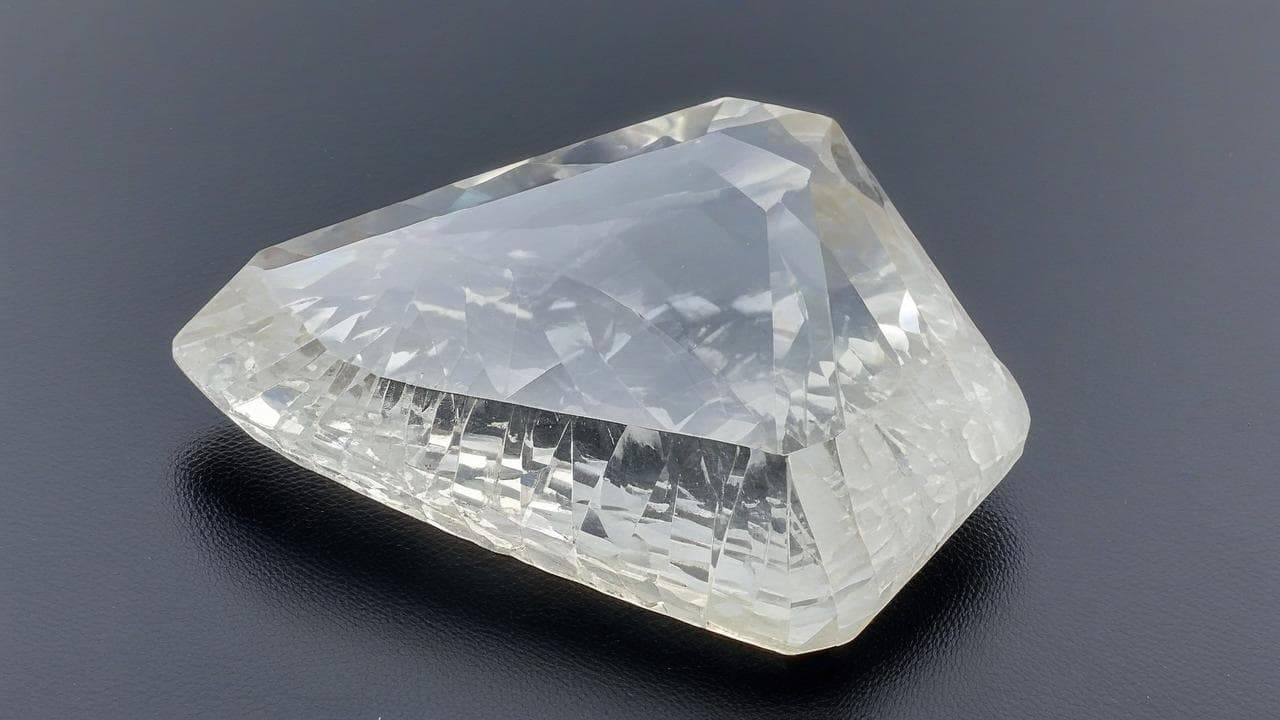
- Colorless or white barite represents the purest form of the mineral, with transparent specimens sometimes faceted as collector gemstones despite their softness and perfect cleavage.
- Blue barite, ranging from pale sky blue to deep cobalt, derives its color primarily from trace amounts of strontium replacing barium in the crystal structure, with the most prized specimens coming from Mexico and Brazil.
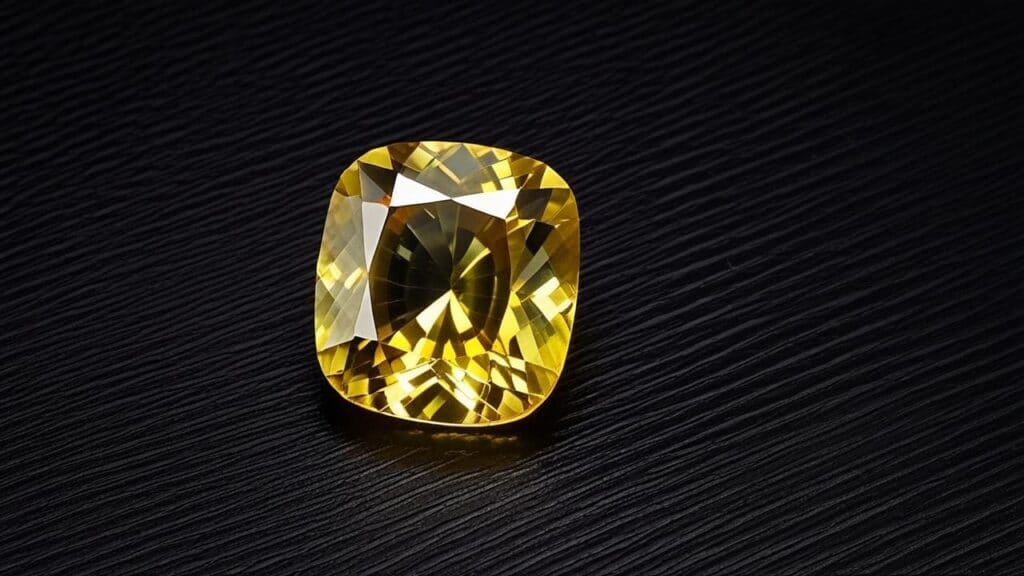
- Golden or amber barite displays yellow to honey-brown tones caused by iron oxide inclusions, with specimens from South Dakota’s Elk Creek Mine being particularly renowned for their exceptional color and clarity.
- Green barite, relatively uncommon, typically obtains its color from chlorite inclusions or other mineral contaminants, creating specimens that range from pale sage to deep forest green.
- Red to reddish-brown varieties contain iron impurities, with some specimens from Oklahoma displaying rich red hues that make them particularly desirable to collectors.
- “Desert rose” formations occur when barite crystallizes in a rosette pattern similar to gypsum desert roses, though barite versions are significantly heavier and often show a more pronounced crystalline structure.
- Cockscomb barite features crystals arranged in a structure resembling a rooster’s comb, typically forming along fractures in rock where hydrothermal solutions have deposited the mineral.
- Barite concretions form when the mineral precipitates around a nucleus within sedimentary rocks, sometimes creating spherical or elliptical specimens with concentric growth rings visible when cut and polished.
The variety of colors and formations makes barite a versatile addition to mineral collections, with specialists often focusing on acquiring examples showing different hues and crystal habits. While color strongly influences collector value, crystal quality, luster, and association with other minerals also play important roles in determining a specimen’s desirability and price. For those considering barite as an unconventional gemstone, the transparent blue and golden varieties typically offer the most aesthetic potential when properly cut.
What Is Barite Used For?
Despite its limited application in mainstream jewelry, barite serves numerous important functions across multiple industries, with its high density and chemical properties making it particularly valuable. From practical industrial applications to specialized uses in art and collection, barite’s versatility demonstrates how minerals can be valuable beyond their ornamental qualities. Understanding these applications helps appreciate why this mineral, though not traditionally precious, remains economically important and commercially mined worldwide.
- The petroleum industry consumes approximately 80% of global barite production as a weighting agent in drilling muds, where its high density helps control pressure and stabilize oil and gas wells during drilling operations.
- Medical applications utilize barite’s opacity to X-rays for barium meals and enemas, where patients ingest barium sulfate suspensions to create contrast in radiographic imaging of the digestive tract.
- Paint manufacturers incorporate barite as a filler and white pigment extender, taking advantage of its chemical stability, whiteness, and ability to increase a paint’s weight and opacity.
- Radiation shielding applications employ barite-loaded concrete and plasters in medical facilities, nuclear installations, and other settings requiring protection from radiation, utilizing the mineral’s ability to block harmful rays.
- Paper production uses barite as a high-density filler and coating material, particularly for glossy papers requiring smooth surfaces and opacity.
- Glass manufacturing incorporates barite to increase the refractive index of specialty glasses, creating products with enhanced optical properties for specific technical applications.
- Collector specimens represent a small but high-value market for exceptional crystals, with particularly fine examples commanding prices from hundreds to several thousand dollars based on size, color, clarity, and crystal formation.
- Limited gemstone use occurs primarily among enthusiasts of unconventional gemstones, with faceted transparent specimens occasionally appearing in custom jewelry designed to showcase unusual materials.
While industrial applications drive commercial mining operations, collector specimens represent the highest value per weight, with exceptional examples preserved for their scientific and aesthetic importance rather than being processed for industrial use. For jewelry purposes, barite remains a curiosity rather than a mainstream material, limiting its presence in commercial jewelry but making it appealing to collectors of unique and uncommon gemstones.
Can Barite Be Used in Jewelry?
Barite presents significant challenges as a jewelry stone, primarily due to its physical properties that make it vulnerable to damage during everyday wear. Despite these limitations, creative jewelers occasionally incorporate this unusual mineral into artistic pieces, particularly when the goal is to showcase rare or unconventional materials. Understanding barite’s limitations and best applications helps appreciate the specialized approach needed when working with this mineral in decorative contexts.
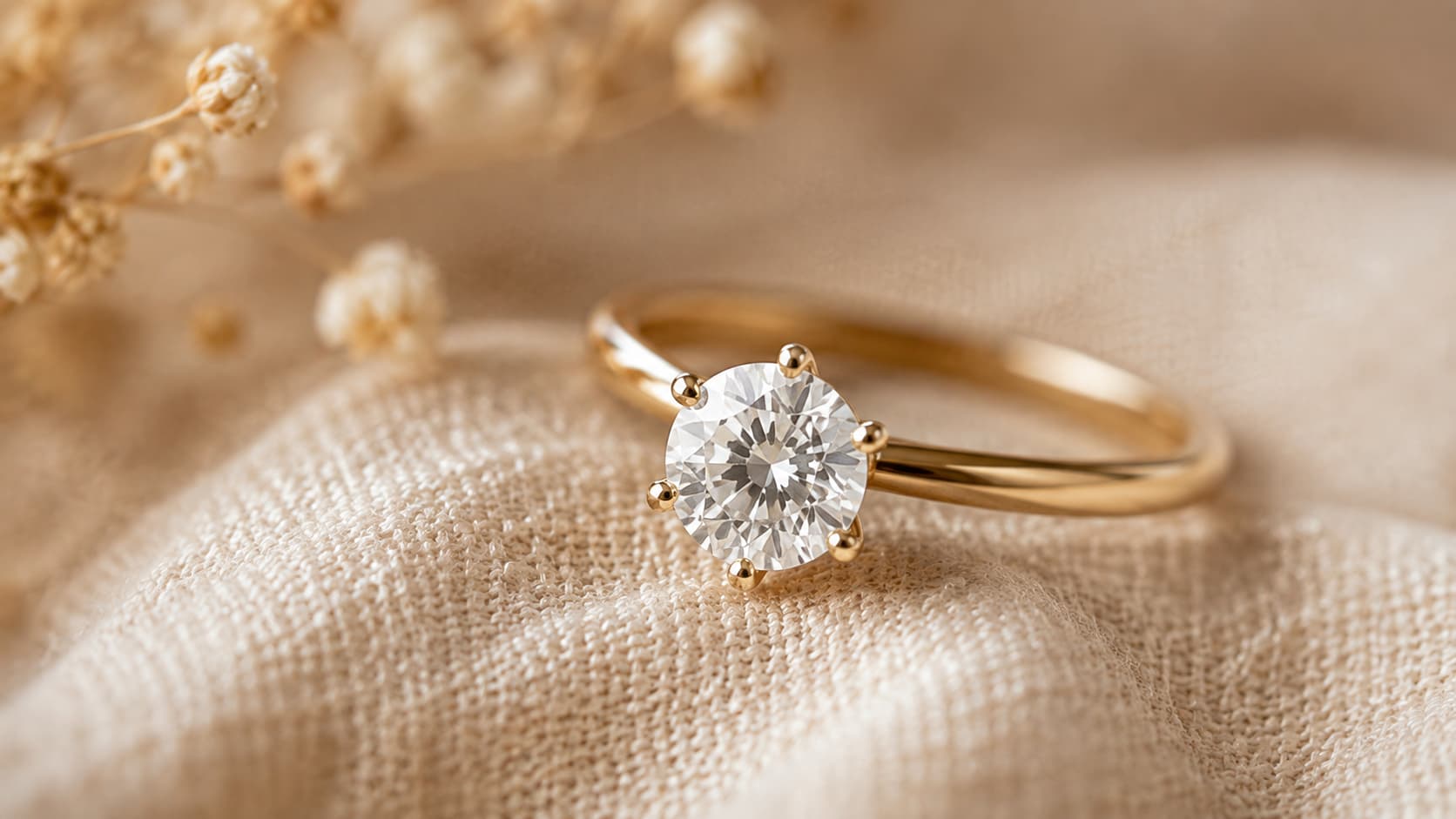
- Barite’s low hardness (3-3.5) makes it susceptible to scratching from everyday objects, limiting its suitability for rings or bracelets that frequently contact surfaces during normal wear.
- The perfect cleavage in three directions creates vulnerability to breaking when subjected to impact or pressure, requiring protective settings that shield the stone from mechanical stress.
- Protective settings like full bezels or custom cages help shield barite gemstones from direct contact, minimizing the risk of damage while still allowing the stone’s beauty to be displayed.
- Pendant designs represent the safest application for barite in jewelry, as necklaces typically experience less impact and abrasion than rings or bracelets.
- Earrings offer another relatively safe setting for barite, particularly when designed to hang freely without rubbing against clothing or hair.
- Custom collectors’ pieces often feature barite in its natural crystal form rather than faceted, highlighting the mineral’s natural beauty while minimizing the risk of damage during cutting.
- Transparent blue and golden varieties are most commonly selected for jewelry applications, as their color and clarity can produce attractive gemstones despite the technical challenges.
- Jewelry featuring barite typically commands higher prices for the craftsmanship and custom settings rather than for the material itself, reflecting the specialized skill required to work with this challenging mineral.
For those interested in barite jewelry, understanding its limitations helps set appropriate expectations for durability and wear. Unlike diamonds or sapphires that can withstand decades of daily wear, barite pieces should be considered occasional-wear jewelry to be enjoyed carefully rather than everyday accessories. This context makes barite more appropriate for collectors of unusual gemstones and mineral enthusiasts rather than for those seeking conventional fine jewelry.
How to Identify Barite
Identifying barite involves several characteristics that, when considered together, distinguish it from similar-looking minerals. Both professionals and amateur collectors can learn to recognize this mineral through a combination of simple tests and observation of key properties. While laboratory analysis provides definitive identification, many distinctive features of barite can be assessed without specialized equipment, making field identification accessible to enthusiasts with basic knowledge.
- The “heft test” provides the most immediate clue—barite feels noticeably heavier than most minerals of similar appearance, with its high specific gravity making it about three times heavier than common rocks.
- Three-directional cleavage creates distinctive flat surfaces when the mineral breaks, often forming rhombic fragments with smooth, reflective faces that distinguish it from minerals with different cleavage patterns.
- Hardness testing shows barite can be scratched with a copper coin (3-3.5 on Mohs scale), differentiating it from harder look-alikes like calcite (which can be scratched with a knife but not a fingernail).
- Unlike calcite, barite does not effervesce (bubble) when exposed to dilute hydrochloric acid, providing a simple chemical test to distinguish between these sometimes similar-appearing minerals.
- Crystal habit observation can reveal characteristic tabular or prismatic forms typical of barite, with some specimens showing distinctive “bladed” aggregates or rosette formations.
- UV light examination typically shows little to no fluorescence in pure barite, though some specimens may display weak responses due to impurities or trace elements.
- Associated minerals often provide contextual clues, as barite frequently occurs alongside fluorite, calcite, quartz, and various sulfide minerals in specific geological settings.
- Professional identification may employ X-ray diffraction, specific gravity measurement, or optical properties examination to confirm barite, particularly when distinguishing it from similar barium minerals like celestine (strontium sulfate).
Amateur collectors can usually identify barite with reasonable confidence using non-destructive tests focused on weight, hardness, and crystal form. For valuable specimens or when absolute certainty is required, professional mineralogical testing provides definitive confirmation. The combination of these identifying characteristics makes barite relatively straightforward to recognize once you’ve become familiar with its distinctive properties.
Barite for Collectors
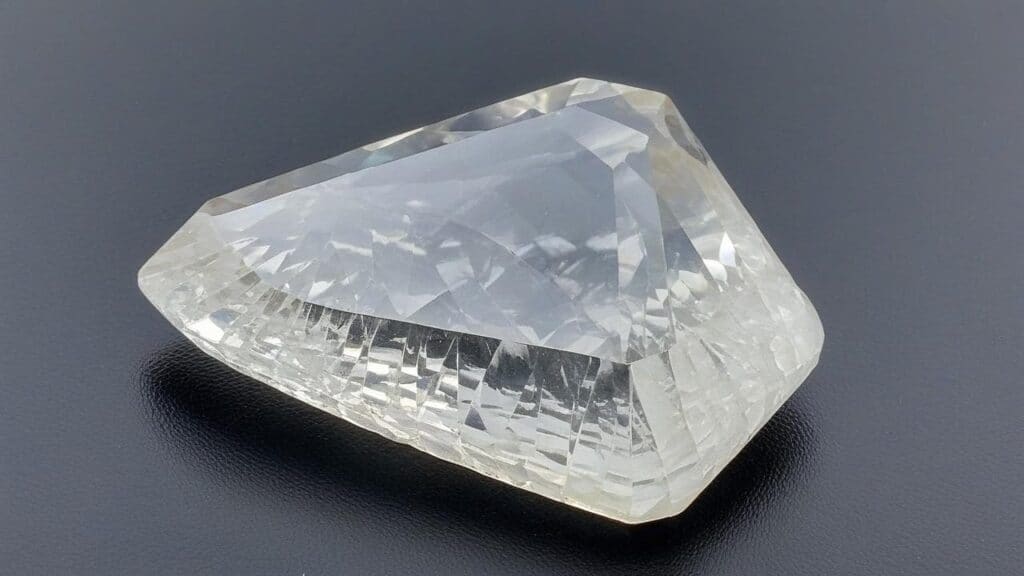
The market for barite specimens operates on different principles than those governing precious gemstones, with value determined by aesthetic qualities, rarity of form or color, and scientific significance rather than standardized grading. For collectors, understanding what makes certain barite specimens valuable helps in building a meaningful collection and making informed purchasing decisions. Whether acquiring specimens for scientific study or aesthetic appreciation, knowing value factors guides effective collecting strategy.
- Exceptional crystal clarity and size typically command premium prices, with large, transparent crystals being particularly sought after regardless of color.
- Distinctive colors, especially saturated blue specimens from Mexico and Brazil or golden examples from South Dakota, generally fetch higher prices than common white or pale varieties.
- Crystal groupings with aesthetic arrangements, such as “flower” formations or dramatic clusters on contrasting matrix, often command higher prices than single crystals of similar quality.
- Locality significance affects value, with specimens from classic or historically important mining regions like England’s Cumbria district or certain exhausted mines carrying premium prices due to their provenance.
- Size-to-quality ratio influences pricing, with smaller specimens of exceptional quality often commanding higher per-gram prices than larger but less perfect examples.
- Association with other minerals can enhance value, particularly when barite forms aesthetic combinations with contrasting or complementary species like fluorite, calcite, or metallic sulfides.
- Collector-grade specimens typically range from $50-$100 for decent examples to several thousand dollars for museum-quality pieces with exceptional characteristics.
- Investment potential remains limited compared to precious gemstones, with barite primarily valued for scientific and aesthetic qualities rather than as financial assets with standardized valuation.
For serious collectors, focusing on quality rather than quantity typically yields the most satisfying collection and better long-term value. Museum-quality specimens from famous localities often appreciate in value over time, particularly as certain mining districts become depleted or inaccessible. However, most collectors acquire barite for personal enjoyment and scientific interest rather than as financial investments, placing greater emphasis on aesthetic and mineralogical significance than potential resale value.
How to Care for Barite
Proper care of barite specimens requires understanding the mineral’s physical vulnerabilities and taking appropriate precautions to prevent damage. Whether preserving natural crystals for a mineral collection or maintaining the few examples of barite used in jewelry, these care principles help ensure specimens remain in optimal condition for years to come. The mineral’s relative softness and perfect cleavage make proper handling and storage particularly important for long-term preservation.
- Dust barite specimens gently using a soft, dry brush rather than cloths that might catch on crystal edges, minimizing the risk of breaking delicate formations along cleavage planes.
- Avoid ultrasonic cleaners and steam cleaning entirely, as the vibration and heat can cause internal fractures along cleavage planes even if no external damage is immediately visible.
- Clean specimens only when necessary, using room temperature distilled water and mild soap if required, avoiding chemicals and commercial jewelry cleaners that might damage the mineral.
- Store specimens in padded containers with individual compartments to prevent pieces from contacting each other, using cotton or foam to provide cushioning against impacts.
- Display cases should maintain moderate humidity levels between 40-60%, as extremely dry conditions can potentially cause minor surface crazing in some specimens over many years.
- Handle specimens minimally and always over a soft surface, supporting larger pieces from underneath rather than gripping edges or protruding crystals that might break along cleavage planes.
- Temperature stability matters for larger specimens, as significant temperature fluctuations can potentially cause internal stress leading to fractures, particularly in specimens with inclusions or internal flaws.
- Keep specimens away from direct sunlight for extended periods, as some colored varieties (particularly blue) may gradually fade with prolonged exposure to strong UV light.
With proper care, barite specimens can remain beautiful indefinitely, preserving both their scientific value and aesthetic appeal. For the rare examples of barite used in jewelry, additional caution is warranted—these pieces should be considered special-occasion items rather than everyday wear, stored separately from harder gemstones, and removed before activities that risk impact or abrasion. This careful approach ensures that these uncommon specimens will continue to be enjoyed by future generations of collectors and enthusiasts.
Conclusion
Barite stands as a fascinating example of how minerals with limited conventional gemstone potential still hold significant value for collectors, scientists, and those who appreciate natural beauty. Its extraordinary weight, diverse crystal forms, and range of colors make it instantly recognizable and scientifically important despite its challenges in jewelry applications. While not a mainstream precious gemstone, barite’s unique properties have secured its place in mineral collections worldwide and in specialized industrial applications where its distinctive characteristics provide unmatched utility.
For the curious explorer of the mineral world, barite offers an accessible entry point—specimens are relatively affordable, visually distinctive, and connect the collector to geological processes and scientific principles in tangible ways. Whether appreciated for its golden crystals from South Dakota, blue treasures from Mexico, or classic specimens from historic European localities, barite demonstrates that a mineral’s value extends far beyond conventional definitions of “precious” to encompass scientific significance, aesthetic beauty, and natural wonder.