Cameo jewelry represents one of the most enduring art forms in personal adornment, combining sculptural precision with wearable beauty. These distinctive pieces feature raised relief designs set against contrasting backgrounds, creating miniature works of art that tell stories through portraits, mythological scenes, and decorative motifs. Whether you’re a jewelry enthusiast, a potential collector, or simply curious about these historical treasures, understanding cameos offers a window into centuries of artistic tradition and craftsmanship that continues to captivate modern admirers.
What Is Cameo Jewelry and How Is It Made?
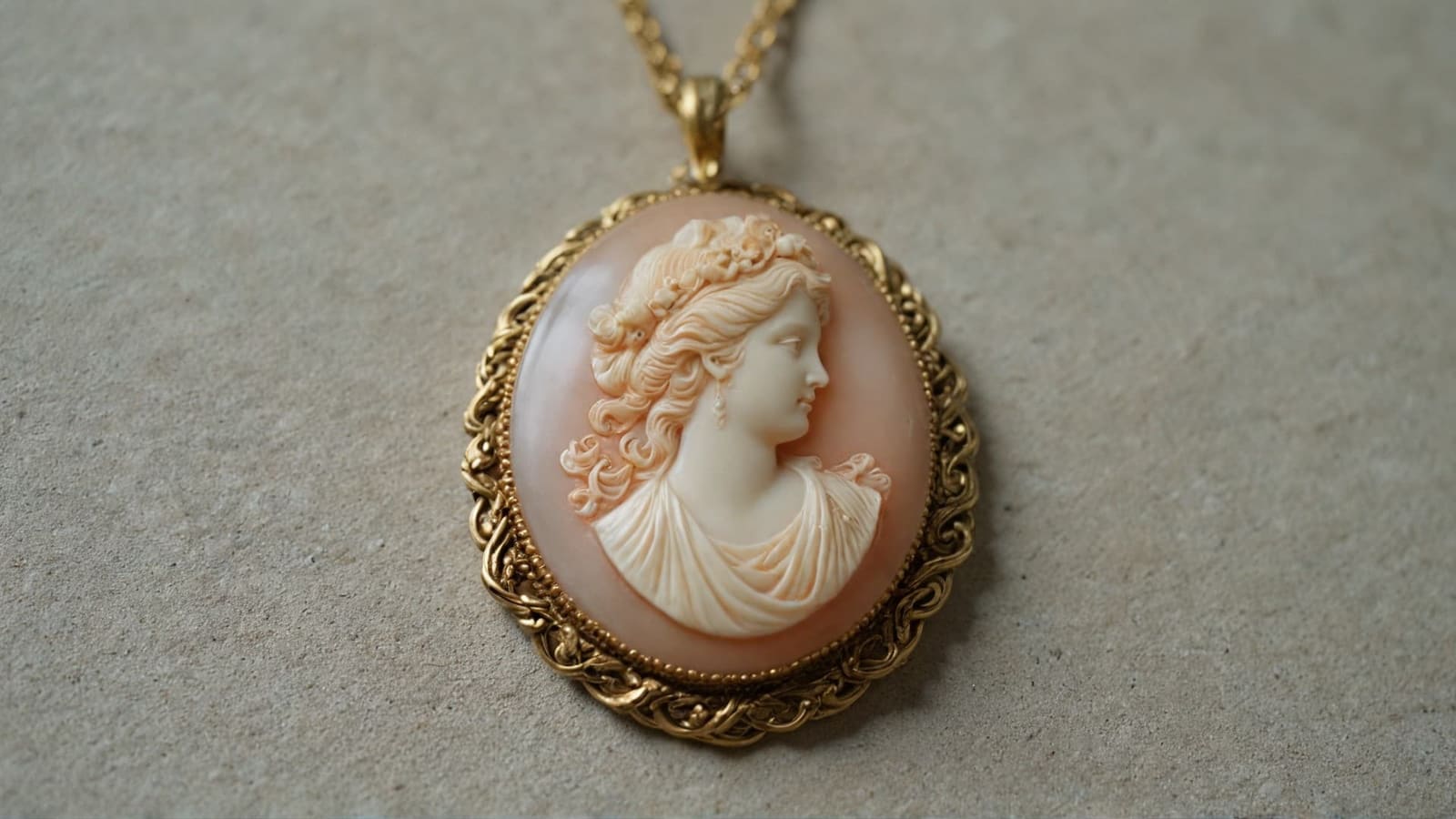
Cameo jewelry features carved relief images where the design stands prominently above a contrasting background, creating a three-dimensional effect that showcases the artisan’s skill and the beauty of layered materials. Most commonly depicting profiles of faces, mythological figures, or nature scenes, cameos achieve their distinctive appearance through the careful removal of material to reveal a raised design that appears to emerge from its base layer. The visual contrast between the foreground and background creates the cameo’s signature aesthetic that has been cherished across cultures and centuries.
- Cameos are relief carvings where the design projects outward from a flat background, distinguished from intaglios which feature designs carved inward into the material. This raised carving technique creates the dimensional effect that makes cameos instantly recognizable as miniature sculptures you can wear.
- Traditional cameos utilize materials with natural color layers, typically featuring a light-colored raised design against a darker background. This natural contrast between layers is what gives cameos their distinctive visual impact and highlights the intricate details of the carving.
- The most common subjects depicted in cameos include women’s profiles (often representing Greek goddesses, Roman emperors’ wives, or idealized beauties), mythological scenes, religious figures, and nature motifs. The subject matter often reflects both the artistic trends and cultural values of the period when they were created.
- While historically associated with formal jewelry like brooches and pendants, cameos have evolved to appear in virtually every jewelry form including rings, earrings, bracelets, necklaces, cufflinks, and even contemporary pieces like belt buckles and decorative objects.
- The term “cameo” originated from the medieval Latin word “cammaeus,” though the art form itself significantly predates this terminology. By the Renaissance, the word was widely used to describe these miniature relief carvings regardless of material.
- Beyond their decorative value, cameos historically served as portable art with significant symbolic meaning—from political propaganda in ancient Rome to sentimental remembrances in Victorian England, making them cultural artifacts that document changing artistic tastes and social values.
The enduring appeal of cameo jewelry lies in its unique combination of sculptural art and personal adornment. Unlike flat or uniformly three-dimensional jewelry, cameos tell stories through their detailed imagery, serving as both decorative pieces and miniature sculptures that connect wearers to historical artistic traditions while offering endless possibilities for personal expression through carefully selected designs and materials.
Historical Development of Cameo Jewelry
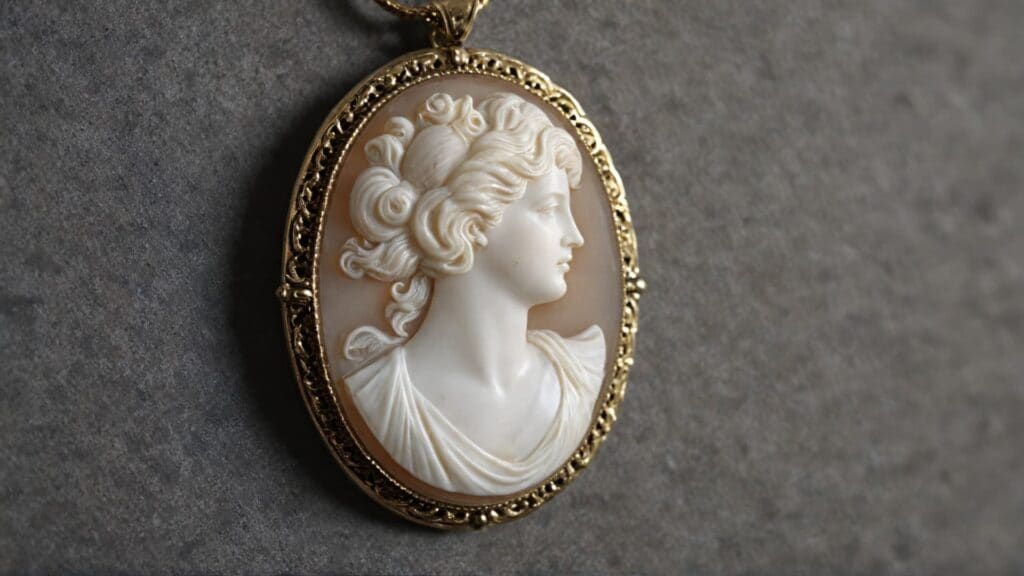
The history of cameo jewelry spans over two millennia, evolving from ancient talismans and political symbols to fashionable accessories that have graced royal collections and modern jewelry boxes alike. This art form has experienced multiple revivals throughout history, each adding new techniques, materials, and cultural significance that expanded the cameo’s artistic heritage while maintaining its fundamental character as a relief carving that captures stories in miniature form.
- The earliest documented cameos appeared around the 3rd century BCE in Alexandria, Egypt, where skilled artisans carved sardonyx and other layered stones to create religious symbols and portraits of deities. These early pieces were valued not just for their beauty but for their supposed mystical or protective properties.
- Ancient Roman aristocracy transformed cameos into powerful status symbols between the 1st century BCE and 3rd century CE. Emperor Augustus commissioned monumental pieces like the Gemma Augustea (a sardonyx cameo over 7 inches wide) depicting himself as Jupiter alongside family members, establishing cameos as tools of imperial propaganda.
- After declining during the early Middle Ages, cameo art experienced a dramatic revival during the Renaissance (14th-17th centuries) when European nobility rediscovered classical antiquity. The Medici family of Florence amassed impressive collections, and Pope Paul II was known to be an enthusiastic collector of cameos and other gems.
- The 18th century brought significant innovations when shell began replacing precious stone as the primary cameo material. The Gulf of Naples emerged as a production center, with workshops creating cameos from conch and helmet shells whose natural layers were ideal for carving. This made cameos popular souvenirs for wealthy Europeans on Grand Tours.
- Queen Victoria’s passionate interest in cameos during her reign (1837-1901) catapulted them into widespread fashion. Her preference for shell cameos with sentimental and romantic themes made these once-exclusive items accessible to the growing middle class as manufacturing techniques improved and more affordable materials became available.
- The early 20th century saw cameos incorporated into Art Nouveau designs before falling from mainstream fashion after World War I. The Great Depression and changing fashion sensibilities pushed cameos into the realm of “grandmother’s jewelry” for several decades.
- Contemporary cameo artisans, particularly in Torre del Greco, Italy (which remains the world center for hand-carved shell cameos), continue the tradition while introducing modern subjects and styles. Today’s cameos range from faithful reproductions of classical designs to innovative interpretations featuring contemporary figures and abstract patterns.
Cameo jewelry remains significant not just as decorative pieces but as tangible connections to artistic and cultural history. The evolution from exclusive royal treasures to widely appreciated art forms demonstrates how cameos have adapted through centuries while preserving the core carving techniques that define them. Modern collectors value both antique pieces for their historical significance and contemporary cameos that reinterpret this ancient art form for today’s wearers.
Cameo Carving Process: Tools, Techniques, and Materials
The creation of cameo jewelry involves specialized techniques that transform layered materials into intricate relief sculptures. Whether hand-carved by master artisans or produced with modern technology, the process requires careful planning to utilize the material’s natural color layers effectively while preserving delicate details that give cameos their distinctive character and artistic value.
- The cameo creation process begins with material selection, choosing pieces with distinct layers of different colors—typically a light layer over a darker background. Shell cameos commonly use shells like sardonyx conch or helmet shell, while stone cameos utilize layered minerals like agate, onyx, or sardonyx.
- For hand-carved cameos, which command the highest value, artisans first prepare the raw material by cutting it into an appropriate shape, then grinding and polishing the surface to reveal the different color layers that will create the desired contrast between design and background.
- The carving process starts with sketching the design directly onto the material’s surface. Master carvers visualize how to utilize the varying thickness of the top layer to create dimensional effects, planning which elements will stand in high relief and which will be more subtly modeled.
- Traditional carving tools include bulinos (fine steel needles), small chisels, and specialized burins that allow artisans to remove material with extraordinary precision. A master carver may use dozens of different tools to achieve varying textures and details within a single cameo.
- The actual carving requires removing material in stages, working from the highest points of the relief downward. The most skilled artisans can create multiple levels of relief within a tiny space, giving the illusion of depth and dimension that makes fine cameos appear almost lifelike despite their small size.
- A hand-carved cameo can require anywhere from several days to several months of work depending on size, complexity, and level of detail. Master carvers train for years to develop the steady hand and artistic vision necessary to work in this challenging medium.
- Modern production methods include ultrasonic cutting, laser carving, and molded reproductions that make cameo-style jewelry more affordable. While these pieces lack the subtlety and individual character of hand-carved cameos, they have made this historical art form accessible to wider audiences.
The creation of fine cameos represents a perfect marriage of technical skill and artistic vision, requiring artisans to think in reverse—removing material to reveal what remains rather than adding elements to build a design. This subtractive process demands exceptional planning and precision, which is why truly fine cameos continue to be valued as miniature masterpieces that capture extraordinary detail within a small format. The best examples showcase not just technical proficiency but artistic expression that brings their subjects to life through subtle modeling and thoughtful composition.
Common Cameo Materials
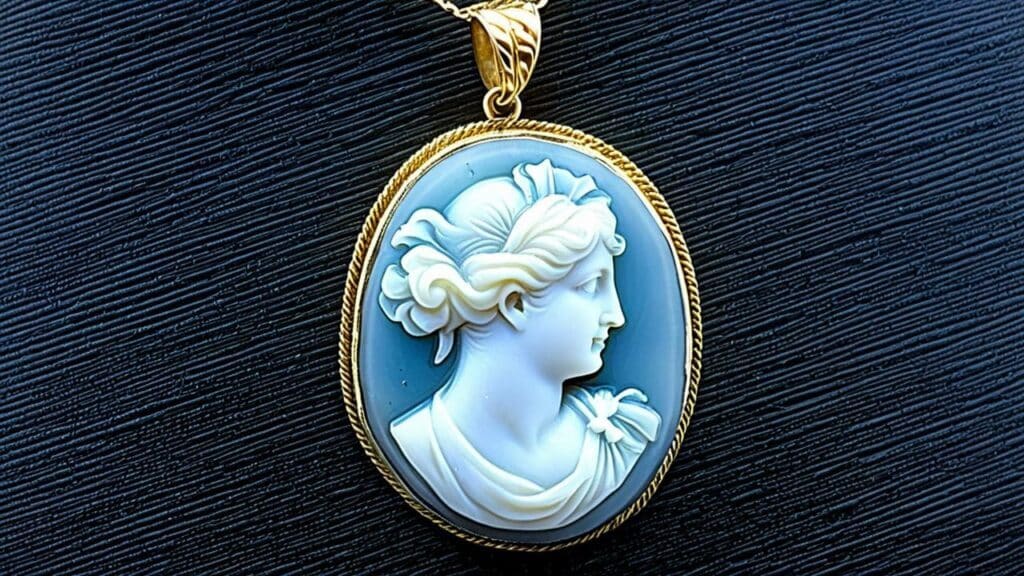
Cameo jewelry has been crafted from a diverse range of materials throughout history, with each offering unique aesthetic qualities, durability characteristics, and carving possibilities. The choice of material significantly influences both the appearance and value of the finished piece, with some materials prized for their rarity while others are valued for how they showcase the carver’s skill.
- Shell cameos remain the most common and commercially viable type, particularly those made from helmet shells (Cassis rufa) and conch shells (Cassis madagascariensis). These shells naturally feature a white or cream-colored outer layer over a darker orangish-brown or pinkish background, providing ideal contrast for carving. Shell cameos are lighter in weight than stone versions and can feature extremely fine details due to the material’s consistent texture.
- Sardonyx—a variety of onyx with alternating layers of white and reddish-brown chalcedony—was the preferred material for ancient Roman cameos. These stone cameos are significantly harder than shell (7 on the Mohs scale compared to shell’s 3.5), making them more durable but also more challenging to carve with fine detail. Genuine antique sardonyx cameos command premium prices due to their historical significance and rarity.
- Agate cameos utilize the natural banding of this semi-precious stone to create striking color contrasts. Blue agate with white bands became particularly fashionable in the late 18th and early 19th centuries, producing cameos with a distinctive cool color palette that contrasted with the warmer tones of shell and sardonyx pieces.
- Coral cameos, carved from precious Mediterranean red coral, were especially popular during the Victorian era. Their distinctive warm red color created striking monochromatic designs that couldn’t be achieved in other materials. Due to environmental concerns and coral protection laws, genuine antique coral cameos have become increasingly rare and valuable.
- Glass cameos emerged in the 19th century as an affordable alternative to carved natural materials. These pieces feature a white glass layer fused over colored glass, then carved or molded to create a cameo effect. While some fine hand-carved glass cameos exist, many were mass-produced using molds, making them less valuable than their hand-carved counterparts in natural materials.
- Modern materials including acrylic, resin, and various composites are used to create cameo-style jewelry at accessible price points. While lacking the historical significance and often the craftsmanship of traditional materials, these contemporary interpretations have helped keep the cameo aesthetic relevant in modern jewelry design.
- Unusual materials occasionally used for cameos include lava (especially from Mount Vesuvius, popular as Grand Tour souvenirs), ivory (now restricted due to conservation concerns), mother-of-pearl, jet, and even porcelain, each offering distinctive visual qualities and carving challenges.
The material of a cameo not only affects its appearance and value but often provides important clues about its age, origin, and authenticity. Knowledgeable collectors recognize that each material has its historical period of peak popularity and regional associations—shell cameos from Italy, hardstone cameos from Germany, and glass cameos from Bohemia, for example. This material diversity has allowed cameo art to evolve across centuries while maintaining its essential character as a carved relief that captures beauty in dimensional miniature.
Traditional and Modern Cameo Designs
Cameo designs have evolved considerably over centuries, reflecting changing artistic movements, fashion trends, and cultural values. While certain classical motifs have endured throughout cameo history, each era has introduced distinctive subjects and styles that make cameos valuable not just as jewelry but as miniature documents of art history and cultural symbolism.
- Female profiles dominate cameo imagery across all historical periods, though their specific features reflect changing beauty ideals. Classical Roman-inspired profiles with straight noses, defined chins, and hair arranged in elaborate updos became the quintessential cameo image, particularly during the Neoclassical revival of the late 18th and early 19th centuries.
- Mythological subjects feature prominently in higher-quality cameos, with specific deities chosen for their symbolic associations: Bacchus (wine and revelry), Diana (hunting and chastity), Apollo (arts and medicine), and Venus (love and beauty) rank among the most frequently depicted. These figures are typically identifiable by traditional attributes like Diana’s crescent moon headdress or Bacchus’s grape vine crown.
- The “Three Graces”—representing charm, beauty, and creativity in Greek mythology—became an especially popular non-profile cameo design during the Neoclassical period. This composition showing three female figures in graceful poses allowed carvers to demonstrate their skill in creating multiple figures and conveying motion within a small space.
- Religious themes appeared frequently in cameos from the Byzantine era through the Renaissance, with Madonna and Child depictions and portraits of saints created for devotional purposes. These sacred subjects gradually gave way to more secular imagery as cameos became fashion accessories rather than religious items.
- Flora and fauna motifs gained popularity during the Victorian era (1837-1901), with roses, lilies, birds, and butterflies sometimes replacing human figures entirely or appearing as decorative elements surrounding a central portrait. These nature-inspired designs aligned with the Victorian language of flowers, where specific blooms conveyed symbolic messages.
- Memorial and sentimental cameos emerged as significant categories during the 19th century. These often featured idealized portraits of deceased loved ones or symbolic imagery like weeping willows, urns, or broken columns representing grief and remembrance, making cameos important elements of Victorian mourning jewelry.
- Portrait cameos depicting actual individuals (rather than idealized or mythological figures) became fashionable in the late 18th century. While royalty and aristocrats commissioned personalized portrait cameos from master carvers, the middle classes sometimes purchased stock designs that resembled family members or commemorated famous figures like Napoleon or Queen Victoria.
- Contemporary cameo designs have expanded beyond traditional imagery to include modern subjects from pop culture figures to abstract designs, though the classical female profile remains the most commercially successful and widely recognized cameo image even in today’s market.
The evolution of cameo imagery reflects broader cultural currents while maintaining technical traditions. The tension between innovation and classical references has allowed cameos to remain relevant across centuries while retaining their distinctive character. For collectors and enthusiasts, understanding these design traditions provides crucial context for appreciating both the artistic merit and historical significance of these miniature sculptures, whether they depict ancient gods or modern interpretations of timeless themes.
How to Identify Real Cameo Jewelry
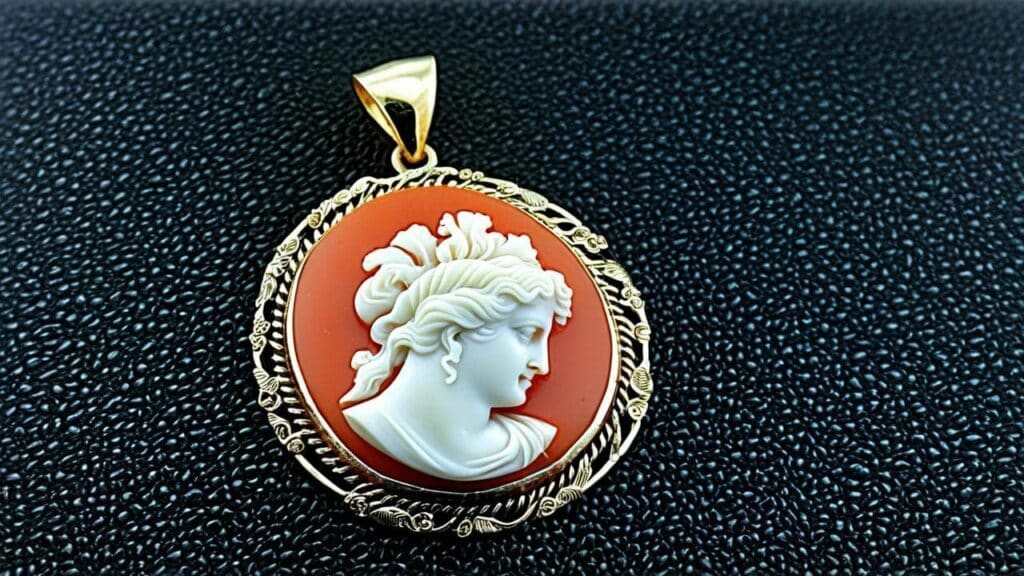
Distinguishing authentic, high-quality cameos from mass-produced imitations requires attention to specific details of craftsmanship, materials, and construction. Whether you’re considering a purchase or evaluating a family heirloom, these identification techniques will help you recognize the characteristics that determine a cameo’s authenticity, age, and value.
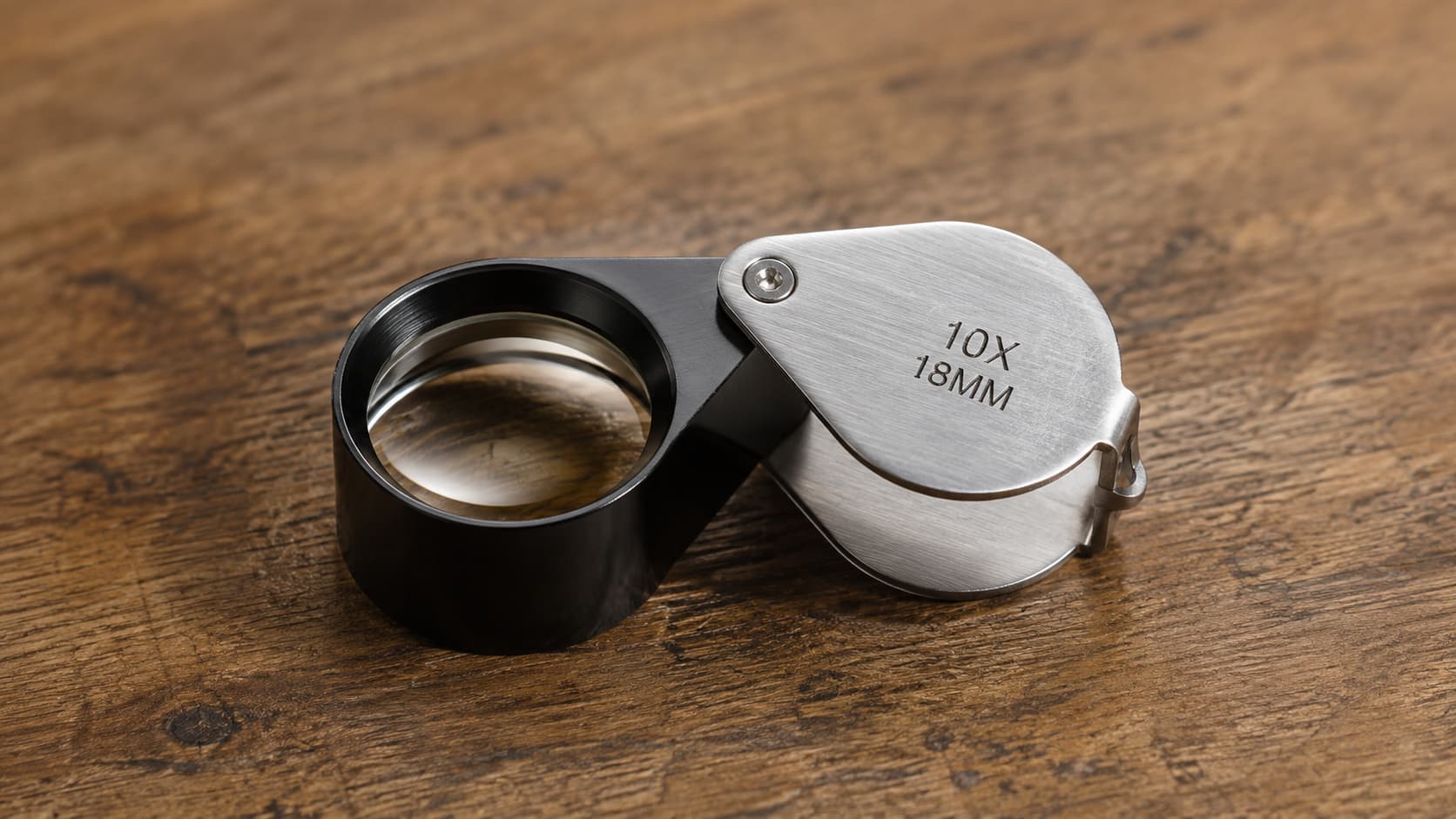
- Examine the material closely, ideally with a magnifying glass or jeweler’s loupe. Genuine shell cameos show subtle variations in color and texture within both the relief and background, while plastic imitations typically have a uniform appearance throughout. Stone cameos like sardonyx should show natural banding patterns that continue through the carving.
- Study the carving quality, paying particular attention to details in faces, hair, clothing folds, and any decorative elements. Hand-carved cameos feature smooth transitions between different levels of relief, precise facial features with dimensional qualities, and naturalistic details. Machine-made or molded cameos often show less dimension and more uniform, repetitive patterns.
- Check for depth and dimensionality in the carving. Fine cameos utilize multiple levels of relief to create a truly three-dimensional effect, with the highest points (typically the nose in profile designs) standing significantly above the deepest background areas. Lower-quality pieces often have shallower, flatter carving with less dramatic dimensional contrast.
- Assess the setting materials and construction methods for age-appropriate characteristics. Antique cameo settings typically feature handcrafted elements with slight irregularities, while modern settings show machine-precise details. Gold content marks (14K, 18K, etc.) should match the expected standards for the cameo’s supposed period and origin.
- Examine the back of the cameo, which often reveals important clues about authenticity. Shell cameos typically have a concave back that follows the natural curve of the shell, while many plastic imitations have flat or inconsistently shaped backs. Stone cameos may show natural variations in color or texture on their reverse sides.
- Consider the subject matter and style in relation to the cameo’s purported age. Certain themes and carving styles were popular in specific eras—for example, high-necked, complex hairstyles in Victorian pieces versus lower necklines and simpler hair in earlier Neoclassical designs. Anachronistic design elements often indicate reproduction pieces.
- Look for signs of age-appropriate wear. Genuine antique cameos typically show some evidence of their age, such as slight yellowing in shell cameos, minor wear to high points of the carving, or patina on metal settings. Pieces claiming to be antique but appearing pristine may be modern reproductions artificially aged to appear older.
- Consult reference materials showing documented authentic pieces from various periods to develop your eye for genuine characteristics. Museums, auction catalogs, and specialized books on cameo jewelry provide valuable comparative examples that can help you recognize authentic stylistic elements and craftsmanship standards.
Authenticating cameos combines art historical knowledge with material assessment skills. While certain technical tests can be performed by professionals (such as testing gold content in settings or examining shell structure under magnification), developing a trained eye through careful observation of confirmed authentic pieces provides the best foundation for evaluating cameos. For valuable antique pieces, consulting with a specialized jewelry appraiser who has expertise in cameos can provide definitive authentication and proper valuation based on material, age, artistic quality, and historical significance.
How to Care and Maintenance Cameo Jewelry
Proper care is essential for preserving cameo jewelry, particularly since many pieces are crafted from relatively delicate materials that require specific maintenance approaches. With appropriate handling and storage, cameos can remain beautiful for generations, but improper care can lead to irreversible damage to these often irreplaceable carved treasures.
- Handle cameos with clean, dry hands, avoiding contact with lotions, perfumes, oils, and cosmetics that can discolor both the carved material and metal settings. Always hold cameo jewelry by its frame rather than touching the carved surface directly to prevent oils from your skin transferring to the porous materials.
- Clean shell cameos—the most common type—gently using only a soft, slightly damp cloth to remove surface dust. Avoid soaking in water or using any cleaning solutions, as shells are porous and can absorb liquids that cause discoloration or structural damage. Never use ultrasonic cleaners, steam, or harsh chemicals on any cameo.
- For stone cameos like sardonyx or agate, cleaning should be equally gentle. While these materials are harder than shell, they may contain natural fissures that can trap moisture or cleaning agents. A soft brush with very fine bristles can be used to remove dust from detailed areas, but avoid applying pressure to delicate carved sections.
- Polish metal settings separately from the cameo itself using appropriate methods for the specific metal (gold, silver, etc.). Apply metal polish carefully with a small brush or cotton swab, keeping it away from the cameo surface, and remove any residue completely to prevent transfer to the cameo over time.
- Store cameos flat in fabric-lined jewelry boxes with separate compartments to prevent scratching or pressure damage. For brooches with sharp pins, use pin covers to protect both the cameo and other jewelry. Never stack cameos on top of each other, as this can cause pressure damage to the carved surfaces.
- Protect cameos from extreme temperature changes and prolonged exposure to direct sunlight or strong artificial light, which can fade colors in some materials (particularly coral and certain shells) and potentially cause cracking due to expansion and contraction.
- Consider the humidity of your storage environment, as both excessive dryness and dampness can damage cameos. Shell cameos in particular can crack if exposed to very dry conditions for extended periods, while excessive moisture can promote organic growth or mineral changes in some materials.
- Have antique or valuable cameos inspected periodically by a professional jeweler familiar with these pieces. They can check for loosening settings, developing hairline cracks, or other issues that might require preventive conservation before serious damage occurs.
Preserving cameo jewelry requires understanding the specific vulnerabilities of these miniature sculptures. Unlike many jewelry types that consist primarily of durable metals and gemstones, cameos incorporate organic or semi-precious materials with unique fragilities. Their three-dimensional relief carving creates high points that are particularly susceptible to wear or breakage. By treating these pieces with appropriate care—appreciating them as both jewelry and artwork—you can ensure that their delicate beauty and historical significance endure for future generations to enjoy.
Modern Ways to Wear Cameo Jewelry
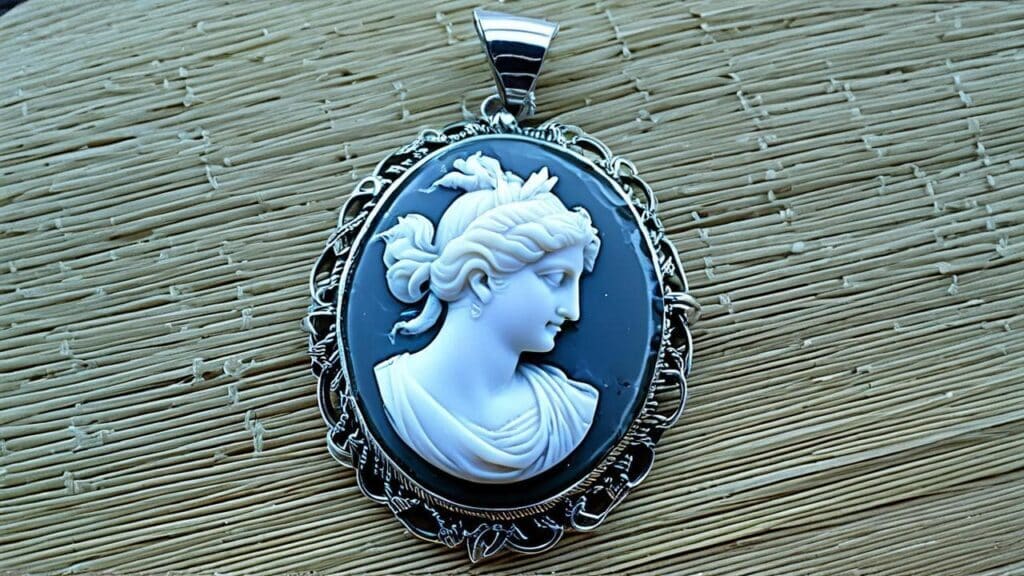
Styling cameo jewelry successfully means balancing their classical elegance with contemporary fashion sensibilities. These historically rich pieces can add distinctive character to modern wardrobes when thoughtfully incorporated into both casual and formal looks. With strategic styling approaches, cameos transition seamlessly from heirloom treasures to relevant, personal fashion statements.
- Contrast cameos’ traditional elegance with casual attire for unexpected sophistication. A shell cameo brooch pinned to a denim jacket or a cameo pendant worn with a simple white t-shirt creates striking juxtapositions that highlight both the cameo’s detailed artistry and your personal style flexibility.
- Layer cameo necklaces with other chains of varying lengths for a contemporary multi-dimensional look. Mixing a cameo pendant with minimalist gold chains or delicate pearl strands creates textural interest while keeping the cameo as the focal point of your layered arrangement.
- Repurpose vintage cameo brooches as versatile accessories beyond lapels. Pin them to hat bands, handbags, belts, or even shoes for unexpected touches of classical art. Some collectors convert brooches to pendants using removable converters that preserve the original piece’s integrity while adding wearing options.
- Incorporate cameos into modern office attire by using them as sophisticated collar accessories or scarf pins. Their classical imagery lends gravitas to professional looks while demonstrating personal style that extends beyond conventional corporate jewelry.
- Consider the cameo’s color palette when styling. Shell cameos with peachy-pink backgrounds complement warm skin tones and pair beautifully with coral, peach, and gold accents. Blue agate cameos work well with cool-toned wardrobes featuring silver, blue, and purple elements.
- Mix historical periods by pairing Victorian cameos with contemporary fashion pieces. This anachronistic approach creates visual interest through the tension between different eras—a 19th-century carved shell portrait might be perfectly complemented by 21st-century architectural clothing with clean lines and minimal detailing.
- For special occasions, embrace cameos’ romantic heritage by incorporating them into wedding attire or formal evening wear. A cameo brooch securing a bridal veil or a statement cameo choker with a simple black dress creates memorable, photographable looks with historical resonance.
- Consider scale when styling cameos—larger pieces make dramatic statements when worn individually, while collections of smaller cameos can be grouped together on a lapel or collar for a curated, collector’s approach to personal style.
The timeless appeal of cameo jewelry lies in its ability to transcend passing trends while adding distinctive character to any ensemble. Unlike mass-produced contemporary pieces, cameos carry historical narratives and artistic heritage that invite conversation and connection. By approaching these classical pieces with a modern styling sensibility, you transform potential museum pieces into living fashion that bridges centuries of design tradition. Whether you’re honoring family history by wearing an heirloom or incorporating newly acquired pieces into your personal collection, cameos offer unique opportunities to express individuality through wearable art with enduring cultural significance.
Value and Collecting Cameo Jewelry
Collecting cameo jewelry combines appreciation for miniature sculptural art with investment potential, though market values vary dramatically based on multiple factors. Understanding what determines cameo value helps collectors make informed decisions whether building a serious collection or simply acquiring pieces that bring personal joy through their beauty and historical connections.
- Craftsmanship quality represents the primary value factor for cameos. Hand-carved pieces by skilled artisans command significantly higher prices than machine-made or molded examples. Exceptional pieces show remarkable detail, anatomical accuracy, dimensional depth, and artistic composition that transcends merely decorative status to achieve fine art quality.
- Age and provenance significantly impact value, with documented historical pieces from significant periods often commanding premium prices. Georgian (1714-1837) and early Victorian (1837-1860) cameos typically sell for higher prices than later examples due to their rarity and historical significance. Documented provenance connecting a piece to notable owners or historical events can multiply its market value substantially.
- Material affects both value and collectibility, with hardstone examples like sardonyx generally valued above shell cameos of similar quality and age. Rare materials like fine Mediterranean coral and unusual stones attract specialized collectors willing to pay premium prices for uncommon examples that complete material-focused collections.
- Subject matter influences value beyond basic craftsmanship, with unusual scenes, multiple figures, and allegorical compositions typically commanding higher prices than standard female profiles. Mythological subjects with detailed attributes, historical scenes, and religious imagery attract collectors interested in specific thematic areas, potentially driving prices higher for particularly desirable subjects.
- Setting quality and materials matter significantly in overall valuation. Cameos set in high-karat gold with fine craftsmanship, especially those with additional decorative elements like seed pearls, fine filigree work, or small diamonds, command premium prices over similar cameos in simpler settings or non-precious metals.
- Size affects value non-linearly, with exceptionally large or unusually small finely carved examples commanding premium prices. Mid-sized pieces (approximately 1-2 inches) represent the most common size range, while masterfully carved miniatures or impressive large cameos suitable for museum display fall into higher value categories.
- Condition significantly impacts value, with intact pieces free from cracks, chips, repairs, or discoloration commanding the highest prices. Damaged cameos, even those of fine quality and significant age, typically sell at substantial discounts unless they represent extremely rare examples important for their historical significance despite condition issues.
- Market trends influence cameo values over time, with periodic revivals of interest in Victorian jewelry, Classical themes, or specific collectors’ categories affecting auction results and retail prices. Knowledgeable collectors often acquire undervalued pieces during market lulls rather than following current fashion-driven demand.
Building a meaningful cameo collection begins with education—studying museum examples, auction catalogs, reference books, and online resources to develop an understanding of quality markers, historical periods, and value factors. Many collectors focus their acquisition strategy around specific themes like mythological subjects, time periods, materials, or regional carving styles. This focused approach creates collections with internal coherence and potentially greater long-term value than random accumulation of unrelated pieces. Whether investing significantly in museum-quality examples or collecting more affordable pieces that bring personal pleasure, the cameo collector participates in preserving an ancient art form while enjoying the unique satisfaction of owning miniature sculptural portraits that connect present ownership to centuries of artistic tradition.
Conclusion
Cameo jewelry stands as a remarkable intersection of art history, craftsmanship, and wearable beauty. From ancient Egyptian talismans to contemporary fashion statements, these miniature relief sculptures have adapted to changing tastes while maintaining their essential character as dimensional portraits carved from layered materials. Whether crafted from precious sardonyx, delicate shell, or modern alternatives, cameos preserve artistic traditions spanning millennia while offering modern wearers a distinctive way to incorporate historical elegance into their personal style.
Collecting and wearing cameos connects us to generations of artistry and cultural heritage. Each piece, whether a museum-quality antique or contemporary interpretation, represents countless hours of skilled craftsmanship and artistic vision. By understanding how to identify, care for, style, and value these miniature sculptures, today’s enthusiasts ensure that the cameo tradition continues to thrive, allowing these timeless pieces to tell their stories for generations to come.