Gemstone pleochroism is one of nature’s most fascinating optical phenomena, where certain crystals display different colors when viewed from different angles. This distinctive property adds depth, character, and value to many popular gemstones. Unlike the more commonly known color-change effects seen under different lighting conditions, pleochroism presents multiple colors simultaneously, creating a dynamic visual experience that captivates both collectors and casual admirers alike.
Understanding the Pleochroic Effect in Colored Gemstones
Pleochroism is an optical property where a gemstone shows different colors when viewed from different directions or angles. This phenomenon occurs because of the way the crystal structure selectively absorbs light wavelengths based on the direction of light travel through the gem. When you rotate a pleochroic gemstone, you’ll notice color shifts ranging from subtle tints to dramatically different hues.
- Pleochroism only occurs in anisotropic crystals (non-cubic crystal systems), which includes most colored gemstones like sapphire, tanzanite, and tourmaline. This property is absent in isotropic minerals like garnet, diamond, and spinel because their cubic crystal structure allows light to travel at the same speed in all directions.
- The strength of pleochroism varies dramatically between gemstones - some like iolite show such dramatic color changes (from deep blue to clear yellowish) that they appear to be completely different gems when viewed from different angles, while others like ruby may show only subtle shifts from purplish-red to orangey-red.
- Gemologists formally classify this property as dichroism (two colors in uniaxial crystals) or trichroism (three colors in biaxial crystals), which is determined by the crystal system of the mineral and can be precisely measured using a specialized instrument called a dichroscope.
- Pleochroism is a constant property under any single light source - unlike color-change gems like alexandrite that require different lighting conditions to show their color shift, pleochroic gems display their multiple colors simultaneously when rotated under the same light.
- This phenomenon directly impacts how gemstones are cut and oriented, with cutters often choosing to either maximize or minimize the pleochroic effect depending on market preferences and the specific colors displayed.
Understanding pleochroism is essential for proper gemstone identification, impacts cutting decisions, and allows collectors to appreciate the unique optical characteristics that make each gemstone special. For jewelry wearers, it means your gemstone might show different colors as it moves with you, creating a dynamic piece of jewelry that changes throughout the day.
Why Do Certain Gemstones Display Pleochroism?
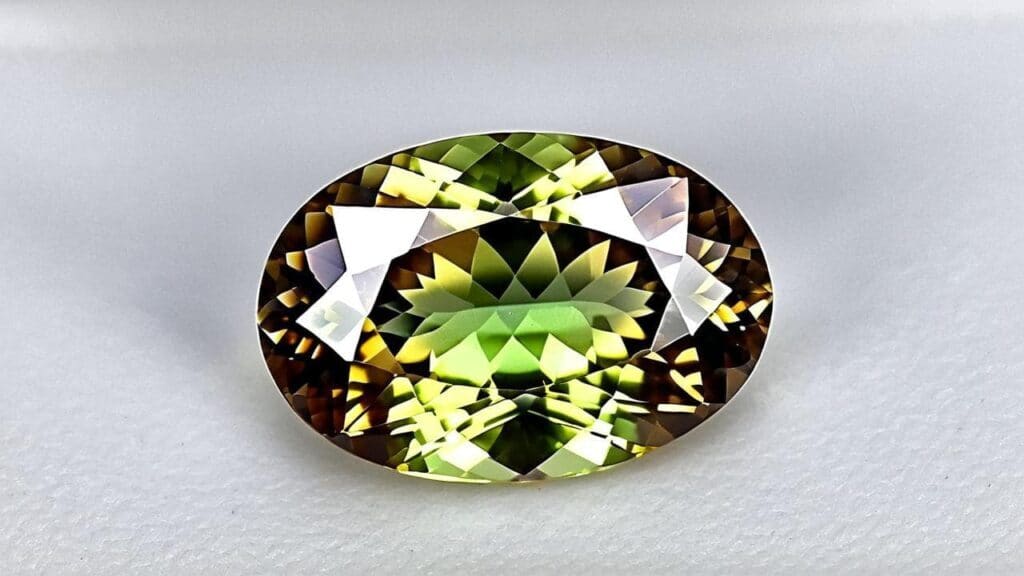
Pleochroism results from the fundamental way that light interacts with a gemstone’s crystal structure. When light enters an anisotropic crystal (one with different physical properties in different directions), it splits into separate rays that travel at different speeds and are absorbed differently, creating the multiple colors we observe when viewing the stone from various angles.
- Crystal structure is the primary determinant of pleochroism. Gemstones with non-cubic crystal systems (tetragonal, hexagonal, trigonal, orthorhombic, monoclinic, and triclinic) can exhibit pleochroism because they have atomic arrangements that create directionally dependent optical properties. The more asymmetrical the crystal system, the stronger the potential pleochroic effect.
- Color-causing transition metal ions like chromium, iron, vanadium, and titanium within the crystal are responsible for selective light absorption. Their positioning within the crystal structure means they interact differently with light traveling along different crystallographic axes, absorbing specific wavelengths more strongly in certain directions.
- When light enters a pleochroic crystal, it splits into two components (in uniaxial crystals) or three components (in biaxial crystals) that vibrate perpendicular to each other. Each of these components experiences different absorption as it travels through the crystal, resulting in different colors visible from different viewing directions.
- The thickness of the gemstone significantly affects how noticeable the pleochroism is. Thicker specimens generally display stronger pleochroic effects because there’s more crystal material for the light to interact with, allowing for greater selective absorption of wavelengths.
- Chemical impurities and structural defects in the crystal can intensify pleochroic effects by creating additional absorption bands or by distorting the crystal structure in ways that enhance directional light absorption.
This directional absorption of light is what makes pleochroic gemstones so special and dynamic. The property is intrinsic to the crystal structure itself, meaning it cannot be created artificially in stones that don’t naturally possess it. For gemologists, pleochroism is an important diagnostic feature for identification, while for jewelry lovers, it creates stones that seem alive with color that shifts and changes as the gem moves.
Types of Pleochroism: Dichroism & Trichroism
Pleochroism is categorized into two main types based on the crystal structure of the gemstone and how many different colors can be observed when viewing the stone from different directions. Understanding these distinctions helps in both gemstone identification and appreciation of their unique optical properties.
- Dichroism occurs in uniaxial crystals (tetragonal, hexagonal, and trigonal crystal systems) where light splits into two rays traveling at different speeds. These gemstones show two distinct colors when viewed from different angles. Sapphire is a classic example of a dichroic gem, showing blue and greenish-blue or violetish colors depending on the viewing direction.
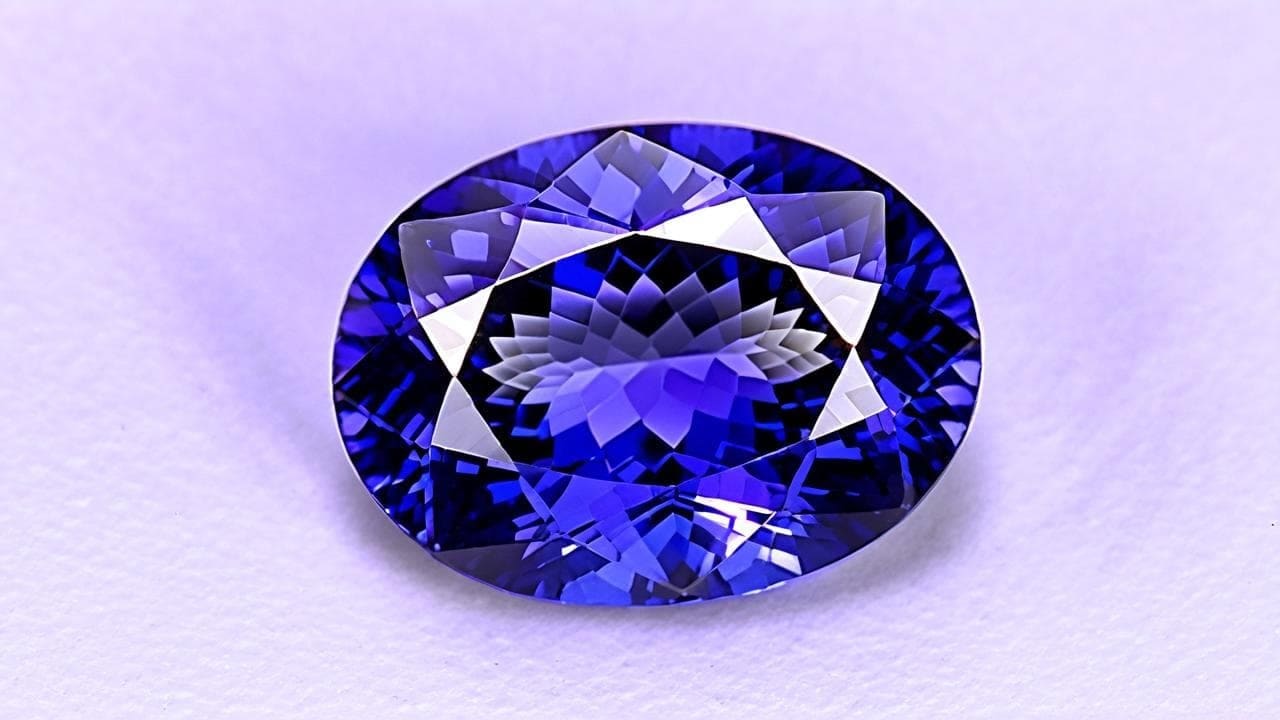
- Trichroism is found in biaxial crystals (orthorhombic, monoclinic, and triclinic crystal systems) where light splits into three rays traveling at different speeds. These gemstones can display three different colors when viewed along their three crystallographic axes. Tanzanite is a famous trichroic gemstone, showing purple, blue, and burgundy colors from different viewpoints.
- The optical axis of a crystal is crucial in understanding pleochroism. When viewing a dichroic stone along its optical axis, you’ll see only one color because the light doesn’t split. It’s only when viewing perpendicular to this axis that the dichroic effect becomes visible.
- The intensity of pleochroism varies tremendously among gemstones. Some minerals like iolite (also called cordierite) show such strong pleochroism that they were historically used as “Viking compasses” to determine the sun’s position on cloudy days, while others like emerald may display only subtle differences in green hues.
- The crystal orientation during cutting dramatically affects how pleochroism appears in the finished gemstone. Cutters must decide whether to orient the stone to maximize a single preferred color or to showcase the pleochroic effect.
Pleochroism serves as both a beautiful phenomenon and a useful diagnostic tool in gemology. In jewelry, it adds value through uniqueness and visual interest, as the stone appears to change as it moves with the wearer. This natural light show is one of the many reasons that pleochroic gemstones hold special appeal for collectors and enthusiasts who appreciate the complex optical properties of fine minerals.
Top Pleochroic Gemstones and Their Color Combinations
Many popular gemstones exhibit pleochroism, but some stand out for their particularly dramatic or beautiful color changes. These gemstones are often sought after specifically for this optical property, which adds an extra dimension of beauty and interest to jewelry pieces.
- Tanzanite is perhaps the most famous pleochroic gemstone, displaying trichroism with blue, purple, and burgundy colors. When properly cut, tanzanite appears predominantly blue-violet when viewed face-up, but reveals its other colors when tilted. This pleochroism is so integral to tanzanite that stones are routinely heat-treated to enhance this effect.
- Iolite (cordierite) exhibits one of the strongest dichroic effects of any gem material, showing sapphire-blue when viewed in one direction and clear yellowish-gray or light brown in another. This dramatic color shift earned it the nickname “water sapphire” and made it valuable to Viking navigators who allegedly used thin pieces as polarizing filters to locate the sun on cloudy days.
- Kunzite displays strong pleochroism between pink and colorless, which presents a challenge to cutters who must orient the stone carefully to maintain its desirable pink color when viewed face-up. The pleochroic effect is so pronounced that poorly cut kunzite can appear almost completely colorless from certain angles.
- Andalusite shows remarkable pleochroism with green, brown, and reddish-brown colors that can create a fascinating display in well-cut stones. When cut properly, andalusite can show multiple colors simultaneously, creating a unique visual effect.
- Tourmaline, particularly the blue-green variety called indicolite, shows strong dichroism between different shades of blue and green. Some bi-color or parti-color tourmalines combine pleochroism with natural color zoning, creating stones with extraordinary complexity.
- Sapphire displays dichroism that varies by color variety - blue sapphires show blue and violet-blue colors, while green sapphires may show green and yellowish-green. This pleochroism must be considered during cutting to maximize the preferred blue color in fine gems.
- Alexandrite, famous for its color-change properties under different lighting, also exhibits pleochroism, showing green, orange, and purple-red colors from different angles. This combines with its color-change effect to create an exceptionally dynamic gemstone.
These remarkable gemstones demonstrate nature’s ability to create complex optical phenomena through crystal structure. For collectors and jewelry enthusiasts, pleochroic gems offer a dynamic beauty that shifts and changes with movement and viewing angle, providing an interactive experience unlike more optically simple gemstones. This property makes these stones particularly suitable for pieces that move with the wearer, like dangling earrings or pendants.
Simple Ways to Detect Pleochroism in Colored Stones
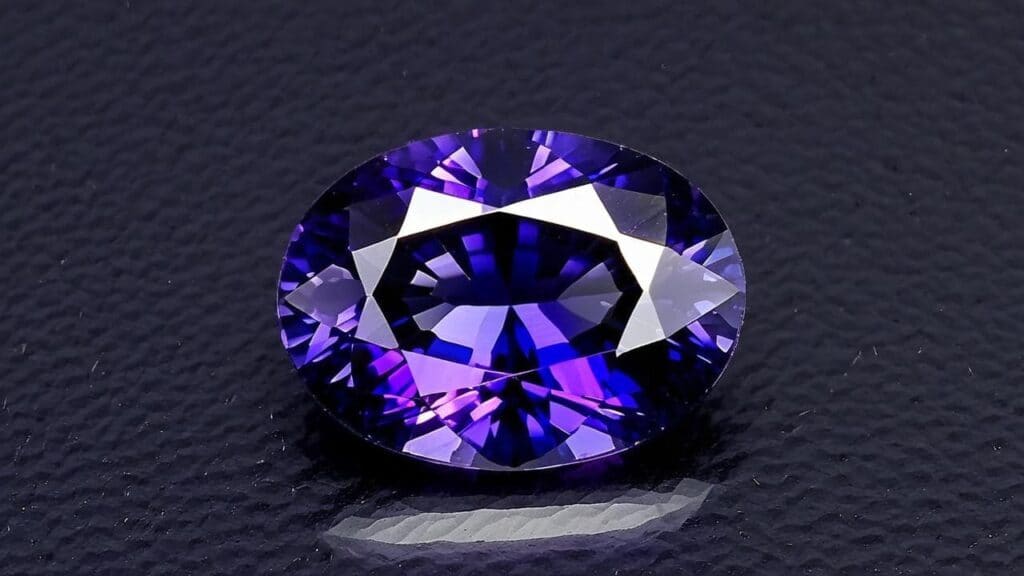
Observing pleochroism requires the right techniques and sometimes specialized tools to fully appreciate the color variations. Whether you’re a gemologist identifying stones or a collector admiring your gems, these methods will help you see pleochroic effects clearly.
- The simplest method for observing pleochroism is to rotate the loose gemstone slowly under consistent lighting while looking through it (if transparent). As you turn the stone, watch for color shifts that indicate pleochroism. This works best with strongly pleochroic stones like iolite or tanzanite.
- A dichroscope is the professional tool designed specifically for observing pleochroism. This small handheld instrument separates the two or three different colors of a pleochroic gemstone, allowing you to see them simultaneously side by side. Basic dichroscopes are relatively affordable and essential for serious gemstone enthusiasts.
- Natural daylight or neutral white light provides the best conditions for observing pleochroism. Colored light sources or those with strong yellow tints (like traditional incandescent bulbs) can mask or alter the pleochroic effects you’re trying to observe.
- For mounted stones, pleochroism can be more difficult to detect since movement is restricted, but you can often still observe it by viewing the gemstone from different angles as you tilt either your head or the jewelry piece. Look especially at the edges and corners of faceted stones.
- Pleochroism is often strongest when looking through the thickest part of the gemstone. In faceted stones, try looking through the pavilion (bottom portion) where the light path through the crystal is longer and absorption differences become more pronounced.
- Digital photography can sometimes help document pleochroism, especially if you use a macro lens and take multiple photos of the same stone from different orientations under identical lighting conditions. Comparing these images side by side can reveal color differences that might be subtle to the naked eye.
Learning to observe pleochroism adds another dimension to gemstone appreciation. While casual observers might simply notice that a stone “seems to change color,” understanding the crystallographic basis for these shifts allows for a deeper connection with the natural processes that created these beautiful optical phenomena. For jewelry lovers, it provides insight into why certain gems were cut in particular orientations and how to best display and wear pleochroic stones to showcase their dynamic nature.
How Pleochroism Affects Gemstone Cutting Decisions
The presence of pleochroism significantly influences how gemstones are cut and oriented. Lapidaries (gem cutters) must make critical decisions about how to showcase or minimize this optical property based on market preferences, the specific colors displayed, and the rough crystal’s shape and size.
- For most pleochroic gemstones, cutters typically orient the stone to show the most desirable color when viewed face-up in jewelry. For blue sapphires, this means positioning the table facet perpendicular to the c-axis to maximize the blue color and minimize the secondary greenish-blue component.
- In some strongly pleochroic stones like tanzanite, cutters might deliberately orient the stone to display color change during movement rather than showing just one color. This makes the pleochroism a featured selling point rather than something to be minimized.
- The rough crystal’s shape often limits cutting options, forcing compromises between ideal pleochroic orientation and maximum yield (weight retention). Since colored gemstones are valued by weight, cutters sometimes sacrifice perfect orientation to maintain size.
- Window shopping for pleochroic gems requires viewing stones from multiple angles. A stone that appears vibrant from one angle might look pale or off-color from another if the cutter didn’t account for pleochroic effects properly.
- Traditionally cut iolite often shows its darker blue color face-up in jewelry, but modern designers sometimes deliberately orient these stones to show the color change, creating jewelry that shifts dramatically as it moves with the wearer.
- Fantasy cuts with curved facets can sometimes showcase pleochroism by reflecting different colors from different parts of the same stone, creating a multi-colored effect even from a single viewing angle.
- Cabochon cuts (smooth, rounded stones without facets) often minimize pleochroic effects because they don’t allow for looking through the stone as easily as faceted cuts. However, highly transparent cabochons of strongly pleochroic materials can still show these effects.
The art of cutting pleochroic gemstones represents a delicate balance between science and aesthetics. A well-cut pleochroic gem makes deliberate use of the crystal’s optical properties, either to create a single vivid color or to showcase the stone’s natural color variations. For consumers and collectors, understanding these cutting considerations helps in appreciating the craftsmanship involved and in selecting stones that display either consistent color or dynamic color changes, depending on personal preference.
How Pleochroism Differs from Other Color-Changing Effects
Pleochroism is often confused with other color-changing phenomena in gemstones, but they have different causes and characteristics. Understanding these distinctions helps in proper gem identification and appreciation of their unique optical properties.
- Pleochroism is direction-dependent color variation visible under constant lighting conditions when the gemstone is rotated or viewed from different angles. This occurs due to the crystal structure selectively absorbing different wavelengths of light traveling along different crystallographic axes.
- Color change (as seen in alexandrite, color-change sapphire, or color-change garnet) is a different phenomenon where the stone displays different colors under different lighting conditions (typically daylight versus incandescent light). This occurs due to unusual absorption bands in the visible spectrum that respond differently to varying light sources.
- The “alexandrite effect” specifically refers to gems that appear green in daylight and red in incandescent light due to their unique absorption spectrum. Unlike pleochroism, all viewers looking at the stone under the same lighting will see the same color, regardless of viewing angle.
- Labradorescence (seen in labradorite) and adularescence (seen in moonstone) are iridescent phenomena caused by light interference within the stone’s structure, creating flashes of color that shift with viewing angle. These effects result from structural features rather than directional light absorption.
- Play-of-color (as in opal) comes from light diffraction through a regular arrangement of silica spheres, creating rainbow-like color flashes. This differs from pleochroism in both appearance and cause.
- Some gemstones can exhibit multiple optical phenomena simultaneously. For example, certain sapphires can be both pleochroic and show color change between different lighting conditions, creating particularly complex and interesting visual effects.
- Asterism (star effect) and chatoyancy (cat’s eye effect) are phenomena caused by reflections from oriented inclusions within the stone. These can sometimes mask or enhance pleochroic effects depending on the stone’s orientation and cutting style.
Distinguishing between these phenomena requires careful observation under controlled conditions. For collectors and jewelry enthusiasts, understanding these differences enhances appreciation for the complex interactions between light and crystal structure. Where pleochroism is concerned with direction and crystal structure, color change focuses on light source, and phenomena like asterism relate to structural inclusions. Each creates its own form of beauty and interest in the fascinating world of gemstones.
hat to Look for When Buying Pleochroic Gemstones
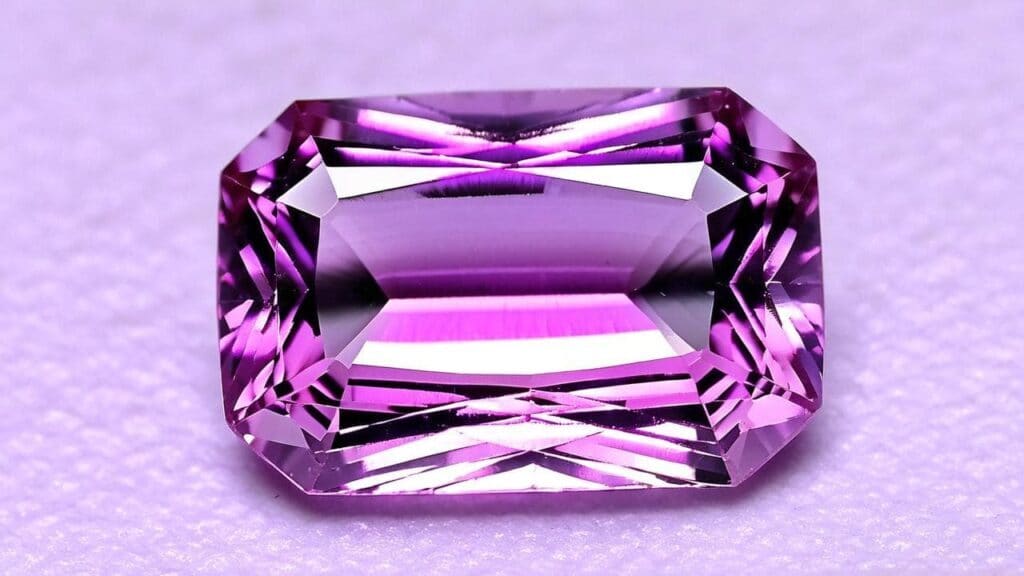
Building a collection of pleochroic gemstones allows enthusiasts to explore the fascinating world of directional color in crystals. Whether for investment, aesthetic appreciation, or scientific interest, these dynamic gems offer unique collecting opportunities.
- When starting a pleochroic gemstone collection, consider beginning with strongly pleochroic varieties like iolite, tanzanite, and kunzite that clearly demonstrate the phenomenon. These showcase dramatic color shifts that are easily observable even to beginners.
- Documentation is particularly important for pleochroic gem collections. Keep records of each stone’s colors along different viewing directions, preferably with photographs taken from multiple angles under standard lighting to capture the full range of color variation.
- Quality considerations for pleochroic gems include not only traditional factors like clarity and cut quality but also the strength and attractiveness of the pleochroic colors. Some specimens may show more dramatic or aesthetically pleasing color combinations than others of the same mineral type.
- Specialized lighting setups with neutral white light sources help in evaluating and displaying pleochroic collections. Consider small rotating displays that allow viewers to observe color changes without handling the stones.
- For scientific collectors, pairing microscopic specimens showing crystal structure with faceted gems of the same material creates educational displays that connect crystallography with optical properties. This approach highlights how atomic arrangement creates the pleochroic effect.
- Investment-focused collectors should note that strong, attractive pleochroism can add significant value to certain gemstones, particularly in varieties where this property is highly desired. Tanzanite with strong blue-purple pleochroism typically commands premium prices over stones with weaker color saturation.
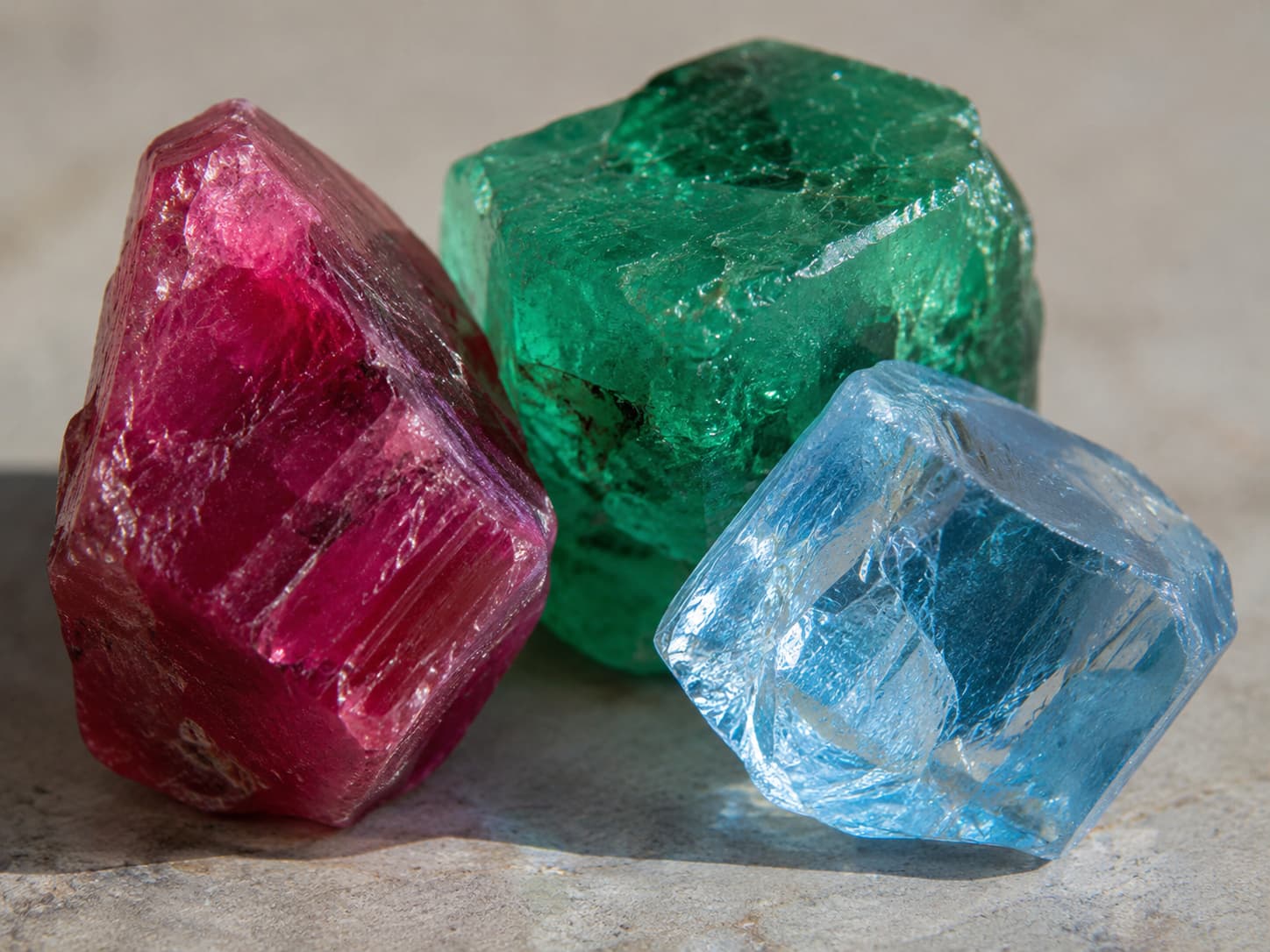
- Rough crystal specimens often display pleochroism more dramatically than cut stones because they allow light to pass through along more angles and directions. Including both rough and cut examples of the same material creates a more comprehensive collection.
Collecting pleochroic gemstones offers a unique opportunity to explore the relationship between crystallography, physics, and beauty. Unlike static collections, these gems create an interactive experience as each viewing angle reveals different aspects of the stone’s character. For serious collectors, understanding the scientific basis of pleochroism adds depth to the collecting experience, while casual enthusiasts can simply enjoy the natural color show these remarkable stones provide.
How to Clean and Care for Pleochroic Gemstones
Pleochroic gemstones require specific care considerations to maintain their optical properties and physical integrity. While the pleochroic effect itself is permanent as long as the crystal structure remains intact, proper care ensures these gems continue to display their color-changing beauty for generations.
- Cleaning pleochroic gemstones should be done gently with warm water, mild soap, and a soft brush. Avoid ultrasonic cleaners for gemstones like tanzanite and kunzite, as their crystal structures can be sensitive to vibration and heat that might cause fractures that disrupt the pleochroic effect.
- Storage considerations are important because many pleochroic gems are relatively soft or prone to cleavage. Store each stone separately to prevent scratching, and keep them away from harder gemstones like diamonds that could damage their surfaces. Scratched surfaces can interfere with light transmission and reduce the visibility of pleochroic effects.
- Heat exposure can permanently alter the pleochroism in certain gemstones. While some gems like tanzanite are intentionally heat-treated to enhance their pleochroism, uncontrolled heat exposure (like leaving jewelry in hot cars or near heaters) can damage or change their optical properties in undesirable ways.
- Certain pleochroic gemstones like kunzite and morganite can fade with prolonged exposure to strong light, affecting both their overall color and their pleochroic effects. Store these gems away from direct sunlight and display them in low-light conditions when not being worn.
- Chemical exposure (including perfumes, hairsprays, cleaning products, and chlorinated water) can damage the surface polish of many gemstones, making pleochroism less visible. Always remove gemstone jewelry before swimming or using household chemicals.
- Regular professional inspections are recommended for valuable pleochroic gemstones, especially those in settings where stress might be placed on the stone. Loose settings can allow unwanted movement that may lead to chipping or breaking along cleavage planes.
- When having pleochroic gemstones reset or remounted, inform your jeweler about the nature of the stone so they can take appropriate precautions during the process, particularly regarding heat exposure during metalwork near the stone.
With proper care, pleochroic gemstones will maintain their fascinating optical properties indefinitely. Their unique ability to show different colors from different angles makes them particularly rewarding to care for properly, as well-maintained specimens continue to reveal their full range of colors. For jewelry that gets regular wear, periodic professional cleaning and inspection helps ensure that these dynamic gems continue to display their remarkable color variations at their best.
Conclusion
Gemstone pleochroism represents one of nature’s most fascinating optical phenomena, where the atomic arrangement of crystals creates an enchanting display of directional color. From the dramatic blue-to-yellow shifts of iolite to the subtle variations in sapphire, these color-changing effects add depth, character, and interest to both rough crystals and finished jewelry.
Understanding pleochroism enriches our appreciation of gemstones beyond their basic color or clarity. It reminds us that these natural treasures are complex three-dimensional structures whose beauty changes with perspective—literally offering different views depending on how we look at them. For collectors, jewelers, and everyday wearers alike, pleochroic gemstones offer a dynamic beauty that static gems cannot match.
The next time you encounter a gemstone that seems to shift colors as it moves, take a moment to observe it from different angles. That color dance isn’t just a trick of the light but a window into the crystal’s atomic structure—a visual representation of how light waves interact with matter on a fundamental level. In this way, pleochroic gemstones offer not just beauty but a tangible connection to the elegant physics and chemistry that shape our natural world.