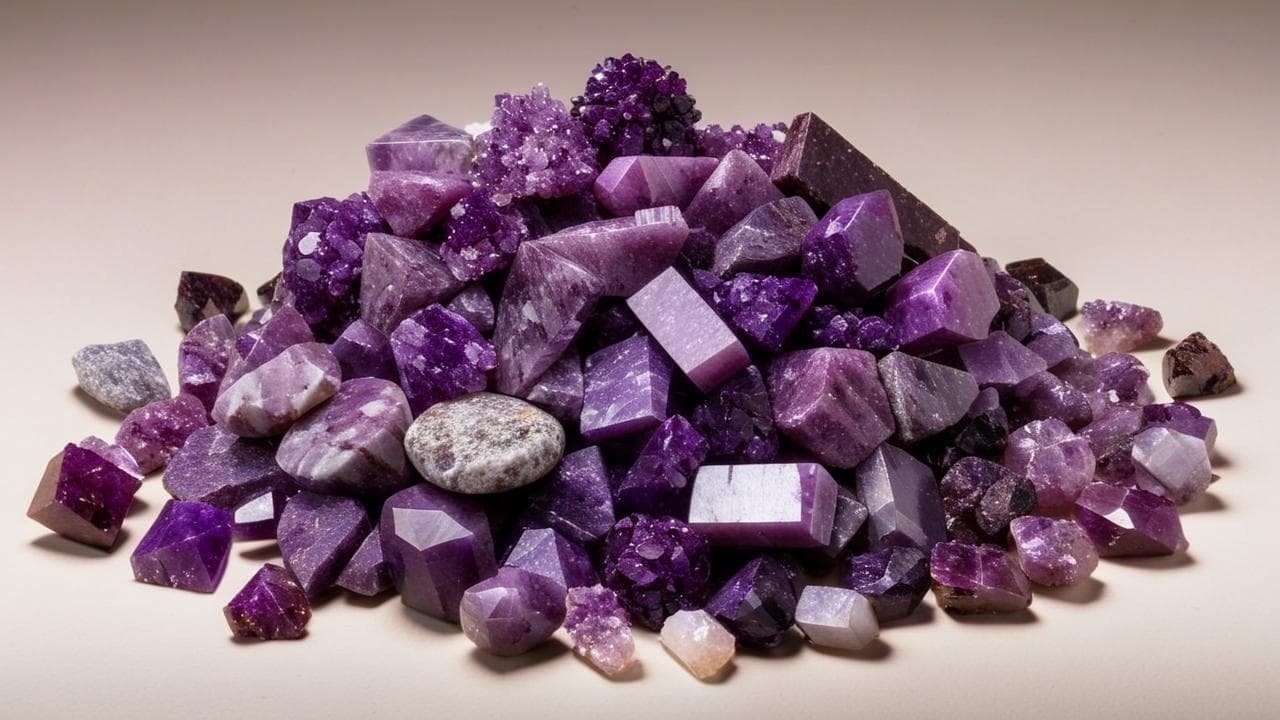
Lepidolite stands out in the mineral world with its beautiful lavender to purple hues and shimmering, flaky appearance. This member of the mica family has gained popularity not only for its aesthetic appeal but also for its rich lithium content and reported calming properties. Whether you’re a jewelry enthusiast, crystal collector, or simply curious about this distinctive stone, understanding lepidolite’s properties, formation, and uses can help you appreciate its unique place among gemstones and minerals.
Understanding Lepidolite
Lepidolite is a lithium-rich mica mineral known for its distinctive purple to pink coloration and pearly, sheet-like structure. This relatively soft stone gained its name from the Greek word “lepidos,” meaning “scale,” which perfectly describes its layered, flaky appearance. Unlike many gemstones that have been treasured since ancient times, lepidolite was only officially identified and named in the 18th century, making it a more recent addition to the recognized world of minerals.
- Lepidolite belongs to the mica group of minerals with the chemical formula K(Li,Al)₃(Si,Al)₄O₁₀(F,OH)₂, containing significant amounts of lithium, potassium, aluminum, and silicon, which gives it both its beautiful appearance and commercial value as a lithium source.
- The distinctive purple to pink coloration primarily comes from manganese content within its crystal structure, with color variations ranging from pale lavender to deep purple, and occasionally appearing in pink, gray, or rarely colorless forms depending on specific chemical compositions and impurities.
- Lepidolite forms in thin, sheet-like layers that can be easily separated (perfect basal cleavage), creating a book-like or stacked appearance similar to other mica minerals, which makes it instantly recognizable to experienced collectors.
- This mineral typically occurs in lithium-rich pegmatites, forming during the final stages of magma crystallization where rare elements become concentrated, often alongside other valuable minerals like tourmaline, quartz, spodumene, and various feldspars.
- As one of the primary commercial sources of lithium, lepidolite has gained industrial importance beyond its aesthetic appeal, being used in ceramics, glass production, and historically in lithium extraction before more efficient sources were discovered.
As a mineral that combines beauty with practical applications, lepidolite occupies a special place in both the collector’s cabinet and industrial processing. Its distinctive appearance and interesting physical properties make it appealing to mineral enthusiasts, jewelry designers, and those drawn to its reported metaphysical qualities, while its lithium content continues to make it relevant in a world increasingly dependent on lithium-based technologies.
Lepidolite Properties and Characteristics
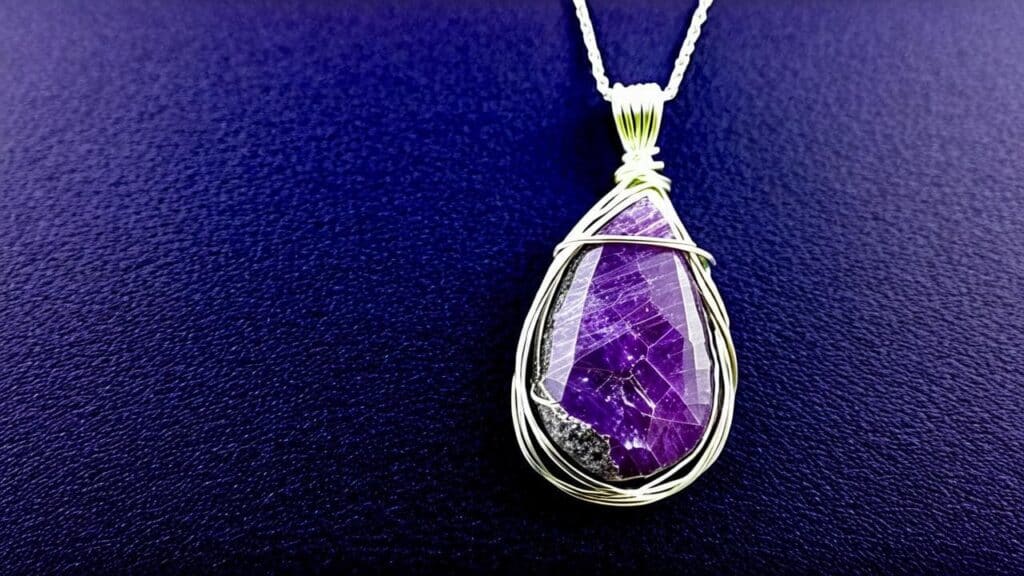
Lepidolite possesses a unique set of physical and chemical properties that distinguish it from other minerals. Its soft nature combined with its striking appearance makes it instantly recognizable to those familiar with the stone. The characteristics of lepidolite not only determine its appearance but also influence how it can be used in jewelry and other applications.
- Lepidolite ranks between 2.5 and 3 on the Mohs hardness scale, making it quite soft and easily scratched—comparable to a fingernail (2.5) and significantly softer than common gemstones like quartz (7), which limits its use in everyday wear jewelry like rings but makes it easy to shape for decorative pieces and cabochons.
- Perfect basal cleavage allows lepidolite to split into extremely thin, flexible sheets that can be as thin as a few micrometers, a characteristic property shared with other mica minerals that makes large specimens appear like stacked books with pages that can be peeled apart.
- The luster varies from pearly to vitreous (glass-like), with the pearly shimmer most prominent on cleavage surfaces, creating an attractive play of light that enhances its appeal in polished specimens and jewelry pieces.
- While its specific gravity of 2.8 to 2.9 makes lepidolite heavier than water but lighter than many gemstones, its most distinguishing physical feature is the combination of its purple color with its flaky, sheet-like structure that sets it apart from similar-looking stones.
- Lepidolite contains between 3-6% lithium oxide, making it one of the richest lithium-bearing minerals in nature and historically an important source for lithium extraction before the discovery of more efficient sources like lithium brines and spodumene.
- The purple color intensity varies greatly depending on the manganese content, with the most prized specimens showing a rich, consistent lavender to medium-purple hue throughout the crystal structure.
- When heated, lepidolite displays a distinctive red flame coloration due to its lithium content, which provides a reliable identification method for mineralogists and can help distinguish it from similar-looking minerals.
The combination of these properties makes lepidolite both scientifically interesting and aesthetically appealing. Its unique physical characteristics allow experienced collectors to identify it easily, while its beautiful appearance ensures its continued popularity in decorative applications despite its relative softness compared to other gemstones.
Geological Origins of Lepidolite
The formation of lepidolite is a fascinating geological process that occurs in very specific conditions, creating deposits in limited locations around the world. Understanding how and where lepidolite forms gives us insight into not only this specific mineral but also broader geological processes involving rare elements like lithium. The distinctive formation requirements explain why high-quality lepidolite isn’t found everywhere.
- Lepidolite primarily forms in lithium-rich pegmatites, which are extremely coarse-grained igneous rocks that develop during the final stages of magma crystallization when water and rare elements become concentrated in the remaining liquid, creating ideal conditions for large crystal growth.
- The slow cooling process deep underground allows lepidolite crystals to grow to impressive sizes, sometimes forming books or masses several inches across, with the extensive cooling time contributing to the well-defined crystalline structure.
- Brazil’s Minas Gerais region is world-renowned for producing exceptional lepidolite specimens, often occurring alongside tourmaline and other gem-quality minerals in pegmatites that have been forming for millions of years, creating some of the most vibrant purple specimens on the market.
- The United States has significant lepidolite deposits in California (particularly San Diego County and the famous Pala district), Maine, and South Dakota, with the Pala mines historically producing specimens that appear in museum collections worldwide.
- Other important global sources include Mozambique, Zimbabwe, and Portugal, where commercial mining operations extract lepidolite both for its mineral specimen value and, historically, for lithium production before more efficient sources were developed.
- The Czech Republic’s historic mines near Rožná have produced distinctive lepidolite specimens that often show interesting associations with other rare minerals, making them particularly valued by serious collectors.
- Australia’s Western Australia region contains commercial lepidolite deposits that have been important in the country’s mineral industry, particularly as interest in lithium resources has increased with growing battery technology demands.
- Lepidolite often occurs alongside other valuable minerals in these pegmatite formations, including tourmaline, spodumene, kunzite, and various rare feldspars, creating spectacular mixed mineral specimens that are highly prized by collectors.
These geological formations took millions of years to develop, with each deposit having its own unique characteristics based on the specific conditions during formation. The limited number of locations where high-quality lepidolite is found contributes to its value among collectors and its special place in the mineral world. The ongoing interest in lithium as a critical battery component has renewed attention to these historic lepidolite deposits, though more efficient lithium sources are typically used for commercial extraction today.
Lepidolite History and Cultural Significance
Lepidolite has a fascinating history that, unlike many gemstones with ancient origins, primarily begins in the modern scientific era. Its discovery and subsequent cultural significance reflect changing human understanding of minerals and their properties, from scientific categorization to metaphysical beliefs. This relatively recent historical timeline gives lepidolite a unique place in the story of human interaction with minerals and gemstones.
- Lepidolite was first scientifically described in the 1790s by the German mineralogist M.H. Klaproth, who named it after its scaly appearance, though local miners had likely encountered it earlier without formal identification or understanding of its unique composition.
- The mineral gained scientific importance in the 19th century when it was discovered to contain lithium, an element that was relatively new to science at the time, having only been isolated in 1817 by Swedish chemist Johan August Arfwedson.
- During the early 20th century, lepidolite became commercially important as one of the primary sources for lithium extraction before more efficient methods were developed, playing a key role in early lithium production for industrial applications.
- The Moravian region of what is now the Czech Republic was one of the first areas where lepidolite was mined commercially, with operations dating back to the early 1900s that significantly contributed to scientific understanding of the mineral.
- In the late 20th century, lepidolite transitioned from primarily industrial importance to becoming valued in the growing crystal healing and metaphysical communities, where it gained a reputation as a stone of calm and emotional balance.
- Historical lepidolite mining operations have left important geological and mineralogical collections in museums worldwide, with some of the finest historical specimens coming from mines that are no longer in operation.
- Unlike ancient gemstones with centuries of folklore, lepidolite’s cultural associations have largely developed in recent decades, particularly in Western alternative healing traditions rather than in ancient cultural practices.
- Contemporary indigenous artisans in regions where lepidolite is found, particularly in Brazil and parts of Africa, have incorporated the stone into modern interpretations of traditional crafts, creating a new cultural heritage around this relatively recently recognized mineral.
Lepidolite’s historical journey from scientific discovery to industrial resource to metaphysical tool demonstrates how human relationships with minerals evolve over time. While it lacks the ancient legends associated with stones like jade or diamond, lepidolite has created its own historical significance through scientific discovery and changing cultural values around minerals. This more recent historical development makes lepidolite particularly interesting as we can trace its entire journey from discovery to various applications in human society.
Using Lepidolite in Jewelry
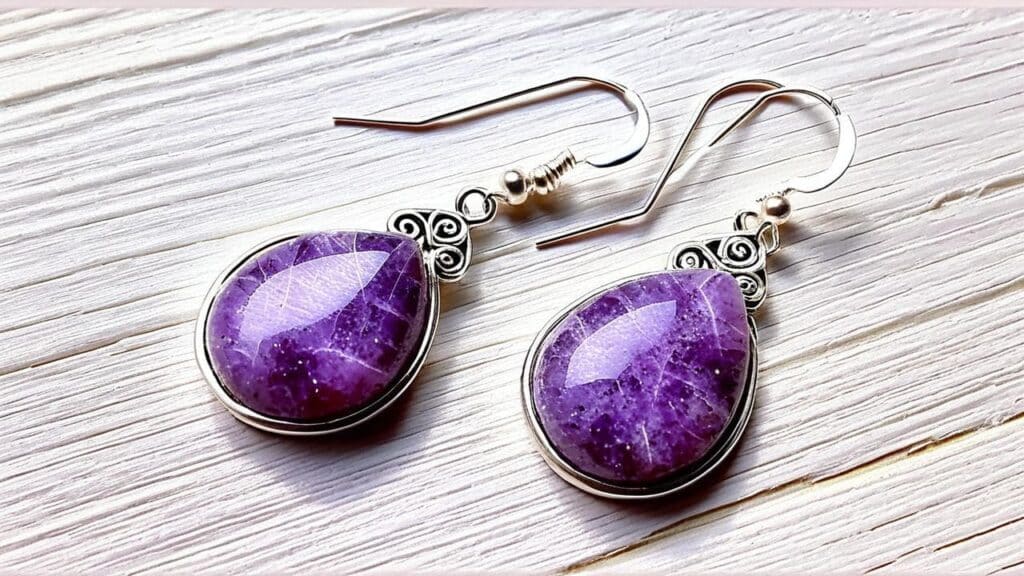
Lepidolite presents both unique opportunities and challenges for jewelers who work with this distinctive purple stone. Its softness requires special consideration in jewelry design, yet its beautiful color and interesting texture make it appealing for certain types of pieces. Understanding how lepidolite performs in jewelry helps consumers make informed decisions about purchasing and caring for pieces made with this delicate mineral.
- Due to its relatively low hardness (2.5-3 on the Mohs scale), lepidolite is best suited for jewelry that receives minimal impact, with pendants, earrings, and carefully designed brooches being far more practical than rings or bracelets that would quickly show wear from daily use.
- Jewelers typically use lepidolite in cabochon form (smoothly polished with a rounded top) rather than faceted cuts, as its perfect cleavage makes precise faceting difficult and its layered structure is often showcased beautifully through the cabochon style.
- Protective settings that shield the stone’s edges are essential for lepidolite jewelry, with bezel settings (which completely surround the stone’s perimeter with metal) being particularly popular as they provide maximum protection against chips and breaks.
- Lepidolite is sometimes used in inlay work, where thin sections are carefully cut and incorporated into designs alongside harder materials that provide structural integrity, creating beautiful purple accents within more durable jewelry pieces.
- The stone requires gentle cleaning methods, with warm water and mild soap being safest, while ultrasonic cleaners, steam cleaning, and harsh chemicals should always be avoided as they can damage the stone’s structure and affect its appearance.
- Lepidolite jewelry should be stored separately from harder stones to prevent scratching, ideally in soft pouches or compartmentalized jewelry boxes where it won’t come into contact with potentially damaging materials.
- Some jewelers combine lepidolite with complementary stones like amethyst, rose quartz, or clear quartz to create pieces that showcase color harmonies while allowing the harder stones to take positions more exposed to wear.
- Custom jewelry designers often select lepidolite specifically for clients interested in its reported metaphysical properties, creating pieces that are designed both for aesthetic appeal and for the stone’s purported calming effects.
- High-quality lepidolite specimens with vibrant, consistent purple coloration and minimal inclusions command higher prices in jewelry, with specimens from Brazil’s Minas Gerais region being particularly sought after for their exceptional color intensity.
Lepidolite jewelry offers a distinctive purple option that differs visually from more common purple stones like amethyst, with its unique shimmering quality adding special interest to designs. When properly set and cared for, lepidolite can maintain its beauty in jewelry for many years, though owners should always understand its delicate nature. The growing interest in alternative gemstones and minerals has increased lepidolite’s popularity in contemporary jewelry design, particularly in pieces that emphasize natural materials and unique character over traditional precious gemstones.
Lepidolite Healing Properties and Metaphysical Uses
In the realm of crystal healing and metaphysical practices, lepidolite has gained a reputation as a stone of tranquility and emotional balance. While these properties aren’t scientifically proven, they represent significant cultural beliefs about this mineral that have influenced its popularity and use in recent decades. The reported metaphysical attributes of lepidolite are closely connected to its physical composition, particularly its lithium content.
- Lepidolite contains natural lithium, which is chemically similar to the lithium used in some mood-stabilizing medications, leading many crystal enthusiasts to associate the stone with emotional balance, stress reduction, and relief from anxiety or depression.
- In crystal healing traditions, lepidolite is frequently recommended for those experiencing times of transition or change, with practitioners suggesting it helps ease worry and provides support during challenging periods by promoting a sense of deep calm.
- Many practitioners place lepidolite in meditation spaces or bedrooms to create what they consider a serene environment, believing that the stone’s energy helps dispel negativity and fosters peaceful sleep by reducing electromagnetic stress.
- Lepidolite is often associated with the crown and third eye chakras in Eastern-inspired energy work, with practitioners suggesting it enhances spiritual awareness, supports deep meditation, and facilitates access to higher consciousness or intuitive insights.
- Crystal healers frequently combine lepidolite with complementary stones like amethyst for spiritual work, rose quartz for emotional healing, or clear quartz as an amplifier, creating what they consider energetically balanced arrangements for specific purposes.
- Some metaphysical traditions consider lepidolite particularly beneficial during full moons and high-energy periods, suggesting it helps stabilize emotions that might otherwise become overwhelming during times of heightened sensitivity.
- In modern spiritual practices, lepidolite is sometimes used in grid work (geometric arrangements of stones) designed to create protective or healing energy fields, with practitioners placing it at key points to incorporate its reported calming influence.
- Contemporary crystal books and resources often recommend carrying lepidolite during times of stress or emotional turmoil, suggesting that even small tumbled stones can provide a calming influence when kept in a pocket or purse for occasional handling.
While scientific evidence doesn’t support these metaphysical claims, the cultural beliefs surrounding lepidolite have significantly influenced how people interact with and value this mineral. For many collectors and users, these reported properties are an important aspect of lepidolite’s appeal, regardless of their scientific validity. The popularity of lepidolite in metaphysical communities has created a distinct market for this stone beyond traditional gemstone collectors, demonstrating how cultural beliefs can shape the value and uses of minerals in society.
Lepidolite vs Similar Purple Stones
Distinguishing lepidolite from similar-looking purple minerals can sometimes be challenging, especially for those new to gem and mineral identification. Several other stones share color similarities or textural qualities with lepidolite, but each has distinctive characteristics that help with proper identification. Understanding these differences helps consumers make informed purchasing decisions and helps collectors accurately identify specimens.
- Lepidolite can be distinguished from amethyst (purple quartz) by its perfect cleavage and softer nature—amethyst is significantly harder (7 on the Mohs scale), doesn’t show mica-like layering, and typically forms in crystal points or geodes rather than flaky masses.
- Charoite, another purple stone, shows swirling patterns and a more fibrous structure compared to lepidolite’s sheet-like appearance, with charoite’s distinctive chatoyancy (cat’s-eye effect) and marble-like patterns being absent in lepidolite specimens.
- Purple fluorite might be confused with lepidolite due to color similarity, but fluorite typically forms in cubic or octahedral crystals with perfect cleavage in four directions, unlike lepidolite’s sheet-like structure, and fluorite often shows color zoning or banding not present in lepidolite.
- Sugilite, with its deep purple coloration, lacks the shimmery, layered structure of lepidolite and instead has a more opaque, sometimes granular appearance, typically occurring in massive form rather than in sheets or books.
- Other mica minerals like muscovite can sometimes be confused with lepidolite when they take on unusual colorations, but standard muscovite typically appears silver to clear rather than purple, though the sheet-like structure is similar.
- Purple jade (officially lavender jadeite) has a smooth, solid appearance without the flaky or sheet-like quality of lepidolite, and is significantly harder (6.5-7 on the Mohs scale) with a more uniform texture throughout the stone.
- Some purple-tinted lithium micas that are closely related to lepidolite can be virtually indistinguishable without chemical testing, with minerals like polylithionite sometimes being sold under the lepidolite name due to their similar appearance and properties.
- A simple field test for lepidolite involves observing its perfect cleavage into thin, flexible sheets—a property shared with other micas but not with many other purple minerals—along with noting its distinctive red flame coloration when heated, which results from its lithium content.
Understanding these distinguishing characteristics helps both casual buyers and serious collectors identify genuine lepidolite. The mineral’s unique combination of purple coloration and mica-like structure makes it relatively easy to identify once you’re familiar with its distinctive properties. For those uncertain about identification, consulting with a knowledgeable gemologist or mineral specialist can provide confirmation, particularly for valuable specimens or when making significant purchasing decisions.
How to Choose Quality Lepidolite
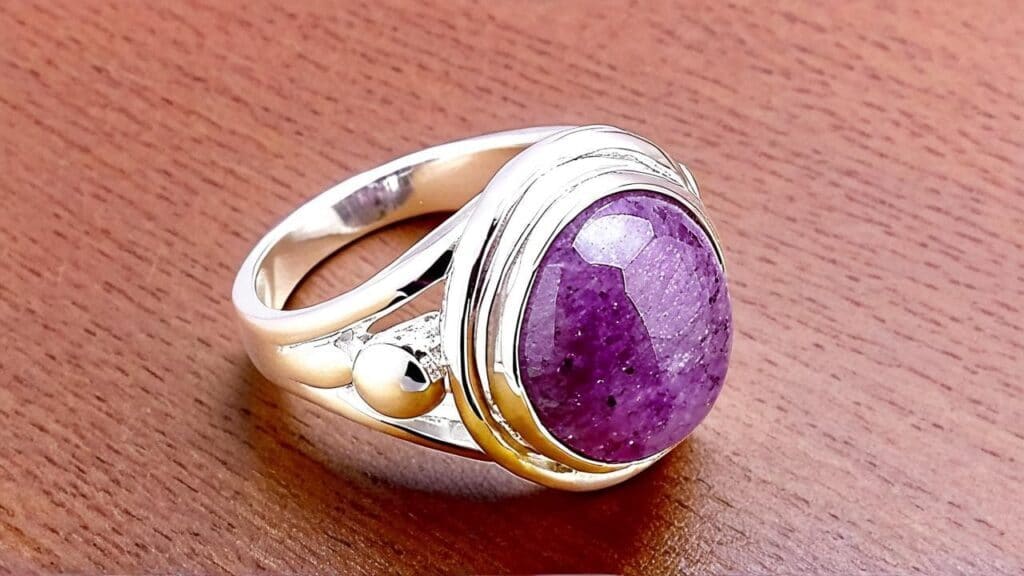
When purchasing lepidolite, whether as a mineral specimen, jewelry piece, or for metaphysical purposes, understanding quality factors and market considerations helps ensure you get the best value for your investment. Like any natural material, lepidolite varies widely in quality and appearance, with several factors determining its desirability and price. This guide will help you make informed decisions when adding lepidolite to your collection.
- The most valuable lepidolite specimens typically display a rich, consistent purple color throughout, with minimal color zoning or fading, as vibrant coloration indicates optimal manganese and lithium content that collectors prize.
- Crystal formation quality significantly impacts value, with well-formed “books” of lepidolite (showing clear, distinct layers) or large, intact crystal clusters commanding premium prices compared to massive or granular forms.
- For jewelry purposes, stability of the specific piece is crucial—examine lepidolite cabochons for any signs of flaking, cracks, or poor polish, as these issues will worsen over time due to the stone’s relatively soft nature.
- Size impacts price exponentially for high-quality specimens, with large, intact crystal formations being considerably rarer and more valuable than smaller pieces, particularly for collection-grade minerals rather than for metaphysical use.
- Origin affects both quality perception and price, with Brazilian lepidolite from Minas Gerais typically commanding premium prices due to its exceptional color intensity and crystal formation, followed by specimens from California’s famous Pala district.
- When purchasing for metaphysical purposes, many practitioners prefer specimens with minimal matrix (surrounding rock) and good energy “feel,” though these subjective qualities should be balanced against objective factors like color, clarity, and condition.
- Ethical sourcing has become increasingly important in the mineral market—reputable dealers should be able to provide information about their supply chain, with Fair Trade or artisanal mining sources being preferred by many conscious consumers.
- Price ranges vary widely depending on quality and size—small tumbled pieces may cost just a few dollars, while exceptional museum-grade crystal formations can command hundreds or even thousands of dollars from serious collectors.
- For jewelry containing lepidolite, examine the setting design carefully to ensure it properly protects the stone, with bezel settings generally offering better protection than prong settings for this relatively fragile material.
- Reputable dealers will accurately represent their lepidolite, including any treatments or enhancements, while providing proper identification—be wary of sellers who make exaggerated claims about rarity or healing properties without addressing the stone’s physical qualities.
Whether you’re drawn to lepidolite for its beautiful purple color, its interesting crystal structure, its reported metaphysical properties, or simply as an addition to a mineral collection, applying these guidelines will help you select quality specimens that provide lasting satisfaction. As with any natural material, part of lepidolite’s appeal lies in its variations and unique characteristics, so personal preference should ultimately guide your selection among specimens that meet basic quality standards.
How to Care for Lepidolite
Proper care is essential for preserving the beauty and integrity of lepidolite, whether it’s in jewelry, display specimens, or stones used for metaphysical purposes. Due to its relatively soft nature and perfect cleavage, lepidolite requires more careful handling than many harder gemstones. Following these care guidelines will help ensure your lepidolite remains in excellent condition for years to come.
- Clean lepidolite gently using only lukewarm water and mild soap if absolutely necessary, avoiding harsh chemicals, alcohol-based cleaners, or acidic solutions that can damage the stone’s surface or affect its color over time.
- Never use ultrasonic or steam cleaners on lepidolite jewelry, as the vibrations and heat can cause the layered structure to separate or crack, potentially destroying the stone beyond repair.
- Store lepidolite separately from harder gemstones and metals to prevent scratches and damage, ideally in soft pouches, wrapped in anti-tarnish cloth, or in compartmentalized jewelry boxes with padded sections.
- Avoid exposing lepidolite to prolonged direct sunlight or heat sources, as some specimens may fade with extended UV exposure, and heat can potentially cause separation along the cleavage planes.
- Remove lepidolite jewelry before swimming, bathing, exercising, cleaning, or applying cosmetics and perfumes, as exposure to chemicals and physical impacts can quickly damage this delicate stone.
- Handle display specimens carefully, particularly larger pieces with pronounced layering, as the perfect cleavage of lepidolite makes it susceptible to splitting along layer lines if dropped or mishandled.
- For lepidolite in metaphysical collections, many practitioners recommend periodic “cleansing” by placing the stone on a clear quartz cluster or briefly in moonlight, though these practices reflect spiritual beliefs rather than physical maintenance needs.
- If a lepidolite specimen begins to show signs of flaking or deterioration, some collectors apply a tiny amount of clear nail hardener or specialized mineral stabilizer to the affected area, though this should be approached with caution as it permanently alters the specimen.
- Display lepidolite specimens in stable environments with moderate humidity levels, as extreme dryness or moisture can potentially affect the crystal structure or encourage deterioration over long periods.
With proper care, lepidolite can maintain its beauty for many years, though it will naturally show some wear if used in jewelry that receives regular handling. The delicate nature of this mineral is part of its character and charm, requiring an appreciation for its unique properties rather than expecting it to perform like harder gemstones. Collectors who understand and respect these care requirements will enjoy the distinctive beauty of lepidolite while preserving its condition for future appreciation.
Conclusion
Lepidolite stands as a fascinating mineral that bridges multiple worlds—from its scientific importance as a lithium-bearing mica to its aesthetic appeal in jewelry and its cultural significance in metaphysical communities. Though relatively new to human awareness compared to ancient gemstones, lepidolite has quickly established its own unique place in the mineral kingdom. Its distinctive purple color, pearly luster, and unusual properties make it instantly recognizable to those familiar with it, while its reported calming qualities have endeared it to crystal enthusiasts worldwide.
Whether you’re drawn to lepidolite as a collector, jewelry lover, or for its reputed metaphysical properties, this beautiful purple stone offers something special that transcends its humble geological origins. As awareness of lithium’s importance grows in our technology-driven world, lepidolite serves as a tangible reminder of the crucial role minerals play in both our natural history and human innovation. Its journey from scientific curiosity to valued gemstone illustrates how our relationship with Earth’s materials continues to evolve, finding new beauty and meaning in the remarkable processes that have shaped our planet over millions of years.