Pinchbeck is a copper-zinc alloy that became one of history’s most successful gold imitations, fooling even experienced jewelers for centuries. Created in early 18th-century London by clockmaker Christopher Pinchbeck, this remarkable metal offered middle-class families access to beautiful, golden-colored jewelry without the astronomical cost of real gold. Unlike today’s obviously fake costume jewelry, Pinchbeck was so convincing that it was often mistaken for low-karat gold, making it a respectable choice for those who wanted luxury without the price tag. The alloy’s unique properties allowed it to maintain its golden appearance for decades, developing an attractive patina that many modern collectors actually prefer to shiny new gold.
Who Invented Pinchbeck and When?
Christopher Pinchbeck’s invention emerged from the practical needs of Georgian society, where social status demanded fine jewelry but economic reality made gold unaffordable for most families. His workshop on Fleet Street became synonymous with quality and innovation, creating a new category of respectable jewelry that bridged the gap between expensive luxury and obvious imitation.
- Christopher Pinchbeck was a London clockmaker and toymaker working on Fleet Street who developed his famous alloy around 1720. He initially used this golden-colored metal for watch cases and small mechanical toys before realizing its potential for jewelry. His workshop became one of the most respected businesses in London, known for quality craftsmanship and innovative designs that rivaled expensive goldsmiths.
- The original Pinchbeck formula remained a closely guarded family secret for over a century, with only Christopher and later his son Edward knowing the exact proportions of copper and zinc needed to achieve the perfect golden color. This secrecy helped maintain the alloy’s reputation and prevented inferior copies from flooding the market, protecting both the family business and customers who trusted the Pinchbeck name.
- During the 18th century, genuine gold was extremely expensive and often cost more than a working person’s annual salary, making it completely out of reach for most families. Social pressure to appear prosperous and fashionable created huge demand for affordable alternatives that still looked respectable in polite society, which Pinchbeck satisfied perfectly by offering genuine beauty at roughly one-tenth the cost of gold.
- The Pinchbeck workshop developed an excellent reputation among London’s middle class and even attracted wealthy customers who appreciated the practical benefits of wearing Pinchbeck for everyday activities while saving their precious gold pieces for special occasions. This acceptance by upper-class customers helped legitimize Pinchbeck as a respectable choice rather than a cheap imitation.
- Peak popularity occurred during the Georgian era from 1714 to 1830, when elaborate jewelry was highly fashionable but financial reality prevented most families from affording solid gold pieces. Pinchbeck allowed middle-class families to participate in fashionable society by wearing beautiful, well-made jewelry that looked appropriately luxurious without causing financial hardship.
- The business remained successful for several generations, with the Pinchbeck family workshop becoming famous throughout Europe and supplying jewelry to merchants, professionals, and even some nobility who valued the combination of beauty, durability, and affordability that genuine Pinchbeck offered.
The success of Pinchbeck reflected broader social changes in 18th-century Britain, where a growing middle class wanted to display prosperity and good taste without bankrupting themselves. Christopher Pinchbeck’s invention gave these families exactly what they needed—beautiful, durable jewelry that let them participate in fashionable society while keeping their finances intact. This innovation helped establish the concept that beautiful, well-made jewelry didn’t necessarily require precious metals, paving the way for modern jewelry-making techniques and materials that prioritize design and craftsmanship over material value alone.
Pinchbeck Metal Composition
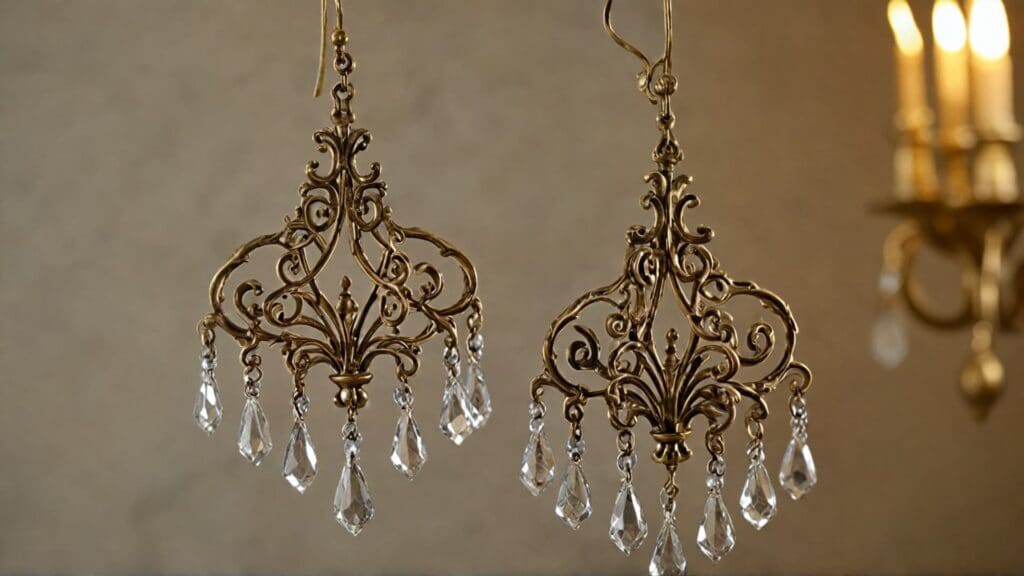
Pinchbeck consists of a carefully balanced mixture of copper and zinc that creates its distinctive golden appearance through precise metallurgical properties. The specific composition and manufacturing techniques explain why this alloy was so successful at imitating gold and why it developed such a devoted following among jewelry enthusiasts across different social classes.
- The classic Pinchbeck formula contains approximately 83% copper and 17% zinc, though exact proportions varied slightly among different makers and time periods. This specific ratio produces a warm, golden color that closely resembles 14-karat or 15-karat gold, making it virtually indistinguishable from real gold to the casual observer. The copper provides the warm, reddish undertones while the zinc adds brightness and helps prevent the greenish tint that pure copper develops over time.
- The manufacturing process required skilled metalworkers who understood how to achieve consistent color and durability through proper heating and cooling techniques. The metals had to be melted together at precise temperatures and mixed thoroughly to ensure even distribution of both elements throughout the alloy. Poor mixing or incorrect temperatures could result in streaky coloring or weak spots that would reveal the deception.
- Different makers experimented with slight variations in the copper-to-zinc ratio to achieve specific color effects or improve working properties. Some added tiny amounts of other metals like tin or lead to make the alloy easier to work with or to create subtle color variations that matched different types of gold popular in their regions.
- The alloy’s golden color comes from the way light interacts with the mixed metals at the molecular level, creating optical properties similar to low-karat gold. Unlike gold plating or gold fill, where a thin layer of gold covers a base metal, Pinchbeck’s color goes all the way through the metal, meaning scratches and wear don’t reveal a different colored core underneath.
- Pinchbeck develops a natural patina over time as the copper content slowly oxidizes, creating a deeper, more complex color that many collectors find more attractive than shiny new gold. This aging process happens gradually over decades and can actually make antique Pinchbeck pieces more valuable than when they were new.
- The zinc content helps prevent the green corrosion that pure copper develops when exposed to moisture and air, making Pinchbeck much more stable and wearable than other copper-based alloys used for jewelry. This stability meant that Pinchbeck jewelry could be worn daily without causing skin discoloration or requiring constant maintenance.
The metallurgical success of Pinchbeck demonstrates the sophisticated knowledge of alloy properties that 18th-century craftsmen possessed, even without modern scientific equipment. The careful balance of copper and zinc created a material that not only looked like gold but also behaved like gold in terms of durability and aging characteristics. This combination of visual appeal and practical performance explains why Pinchbeck remained popular for over a century and why antique pieces continue to fascinate collectors who appreciate both the technical achievement and the social history these pieces represent.
How to Identify Pinchbeck Jewelry
Authentic Pinchbeck jewelry possesses distinctive characteristics that developed during its long history and can help collectors determine both authenticity and approximate age. Learning to recognize these subtle markers requires examining multiple aspects of a piece, from its physical properties to construction details that reflect historical manufacturing techniques.
- Authentic Pinchbeck has a specific warm, slightly orange-tinted golden color that differs from the bright yellow of high-karat gold or the pale color of white gold alloys. The color should appear consistent throughout the piece, without any areas where different colored metal shows through, since genuine Pinchbeck is solid alloy rather than plated base metal. Under natural lighting, good Pinchbeck should closely resemble 14-karat or 15-karat gold.
- Age-related patina provides one of the most reliable identification markers, as genuine antique Pinchbeck develops a deep, rich coloration over decades of wear and exposure to air. This patina appears as darker golden or bronze tones in recessed areas and around joints, while raised surfaces may retain more of the original bright golden color from handling and natural polishing through wear.
- Weight differences help distinguish Pinchbeck from gold, as the copper-zinc alloy is noticeably lighter than solid gold of the same size. A piece that looks like gold but feels surprisingly light in your hand may well be Pinchbeck, especially if it shows other characteristic signs like appropriate aging and construction techniques typical of 18th or 19th-century jewelry.
- Construction methods reveal important clues about authenticity, as genuine Pinchbeck jewelry typically shows hand-fabrication techniques like filed joints, hand-engraved details, and slightly irregular elements that indicate individual craftsmanship rather than machine production. Look for tool marks, slight asymmetries, and finishing details that reflect the hand-work common in pre-industrial jewelry making.
- Most authentic Pinchbeck jewelry dates from approximately 1720 to 1900, with the majority of surviving pieces created between 1750 and 1850 during the height of its popularity. Pieces claiming to be Pinchbeck but showing modern construction techniques, machine-made elements, or contemporary design styles should be viewed with suspicion.
- Maker’s marks or stamps can help verify authenticity, though many genuine Pinchbeck pieces bear no markings at all since hallmarking wasn’t required for non-precious metals. When present, look for period-appropriate stamps, maker’s names, or quality marks that correspond to known Pinchbeck manufacturers and their time periods of operation.
- The metal should show appropriate wear patterns for its claimed age, with gentle erosion at contact points like clasps and chain links, and slight softening of originally sharp edges and details. Brand-new looking pieces claiming great age should be examined carefully, as genuine antique Pinchbeck almost always shows some signs of its long history.
Successful identification of genuine Pinchbeck requires combining multiple indicators rather than relying on any single characteristic, since skilled modern reproductions can mimic individual aspects of authentic pieces. The overall impression should align with what’s known about historical Pinchbeck production and the specific time period when the piece was supposedly made. Experience handling many pieces helps develop the intuitive feel that expert collectors rely on, though consulting with knowledgeable dealers or appraisers provides valuable confirmation for questionable items.
Comparing Pinchbeck and Gold
The relationship between Pinchbeck and gold illustrates how successful this alloy was at providing an alternative to precious metal jewelry while maintaining distinct characteristics that become apparent with careful examination. These differences help explain both the historical success of Pinchbeck and why modern collectors value authentic pieces for their unique properties rather than viewing them as inferior substitutes.
- Color variations become more obvious over time, as Pinchbeck tends to develop warmer, more orange-tinted golden tones compared to the consistent yellow color of pure gold. Real gold maintains its color indefinitely, while Pinchbeck’s appearance evolves through oxidation and patina development, often becoming more attractive and complex with age rather than simply deteriorating.
- Weight represents the most immediately noticeable difference, with gold being significantly heavier than Pinchbeck due to gold’s much higher density. A gold ring and a Pinchbeck ring of identical size will have dramatically different weights, with the gold piece feeling substantially heavier in your hand. This density difference makes weight testing one of the most reliable quick identification methods.
- Durability patterns differ significantly between the two materials, as gold resists tarnishing and corrosion almost completely while Pinchbeck can develop surface oxidation and color changes over decades of exposure to air and moisture. However, well-made Pinchbeck proves surprisingly durable for daily wear and often outlasts many modern jewelry alloys in terms of structural integrity.
- Value considerations show enormous differences, with even low-grade gold commanding much higher prices than the finest Pinchbeck due to gold’s intrinsic precious metal value. Pinchbeck’s worth comes primarily from its historical significance, craftsmanship quality, and collector interest rather than material value, making exceptional antique Pinchbeck pieces valuable for entirely different reasons than gold jewelry.
- Hallmarking practices provide another distinction, as gold jewelry typically bears official marks indicating purity and maker information, while Pinchbeck rarely carries any stamps since it wasn’t subject to precious metal regulations. The absence of hallmarks on an otherwise high-quality golden-colored antique piece often suggests Pinchbeck rather than unmarked gold.
- Aging characteristics show different patterns, with gold remaining chemically stable and showing only mechanical wear from use, while Pinchbeck develops chemical changes that alter its surface appearance and can create beautiful patinas that collectors specifically seek. These aging differences mean that very old Pinchbeck and very old gold will look quite different even if they started with similar appearances.
- Working properties affect how jewelry pieces were originally constructed, as Pinchbeck could be worked more easily than gold and allowed for different decorative techniques. Some elaborate decorative work found on Pinchbeck pieces would have been prohibitively expensive to execute in solid gold, meaning certain design elements can actually indicate Pinchbeck rather than suggesting gold.
The historical context reveals that Pinchbeck was never intended to deceive buyers into thinking they were purchasing gold, but rather to provide an acknowledged alternative that offered similar beauty at accessible prices. Both materials served different social and economic needs, with gold representing ultimate luxury and investment value while Pinchbeck democratized access to beautiful, well-made jewelry for families who valued appearance and craftsmanship over precious metal content.
What Jewelry Was Made from Pinchbeck?
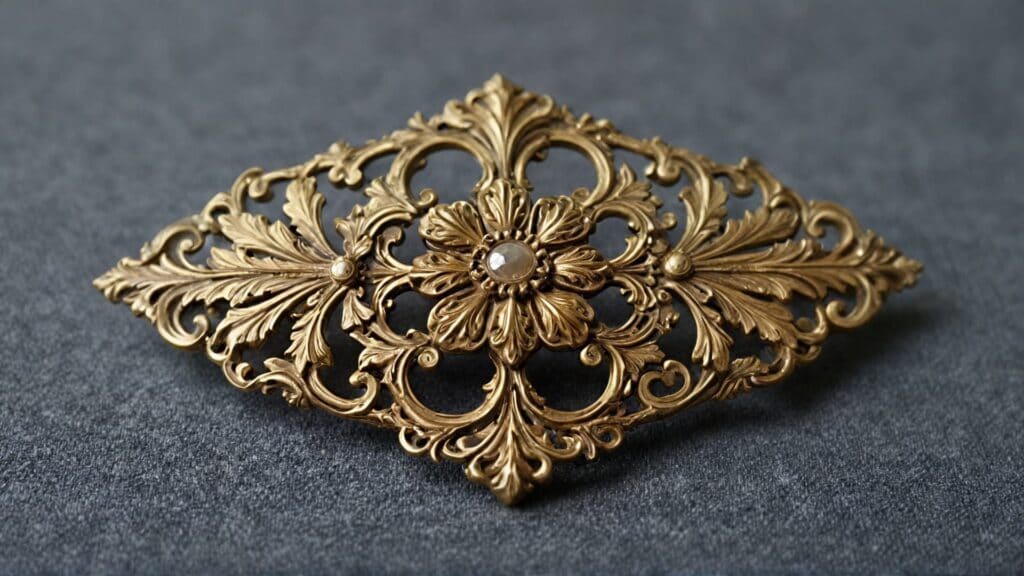
Pinchbeck craftsmen created an impressive variety of jewelry forms that reflected both the versatility of the alloy and the diverse needs of Georgian and Victorian society. The range of items produced demonstrates how thoroughly Pinchbeck penetrated the jewelry market, serving practical, decorative, and social functions across different economic levels.
- Pocket watches and watch chains represented some of the most common and practical Pinchbeck items, as these pieces needed to look respectable for business and social situations but faced daily wear that made expensive gold impractical. Watch cases, chains, fobs, and seals were frequently made in Pinchbeck, often featuring elaborate engraving and decorative elements that would have been prohibitively expensive in solid gold.
- Brooches and pins became popular Pinchbeck items during the Victorian era when these accessories were essential elements of fashionable dress. Mourning brooches, floral designs, geometric patterns, and portrait settings were commonly executed in Pinchbeck, allowing middle-class women to follow fashion trends without straining family budgets. Many featured additional materials like paste stones, enamel work, or small pearls.
- Chains and necklaces in various lengths and link styles provided versatile accessories that could be worn alone or used to display pendants and lockets. Guard chains, which were long chains worn draped across the body, became particularly popular in Pinchbeck since their length would have made gold versions extremely expensive. These chains often featured decorative elements like tassels, slides, or ornamental links.
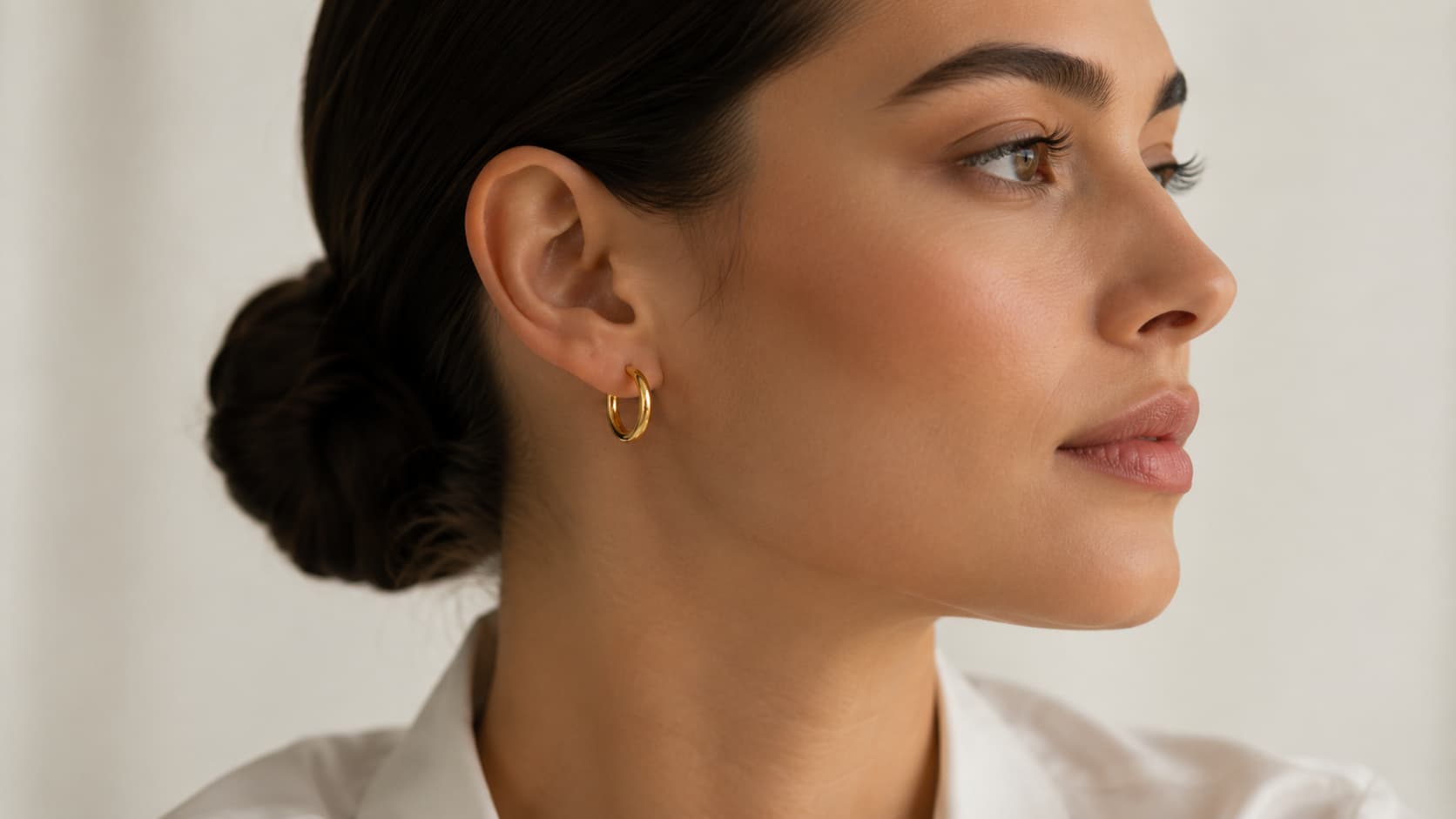
- Earrings ranged from simple drops to elaborate chandelier styles, with Pinchbeck allowing for larger, more dramatic designs than would have been practical in heavy gold. Girandole earrings with multiple dangling elements, cluster designs with multiple stones, and long pendant styles all appeared frequently in Pinchbeck during periods when such elaborate ear jewelry was fashionable.
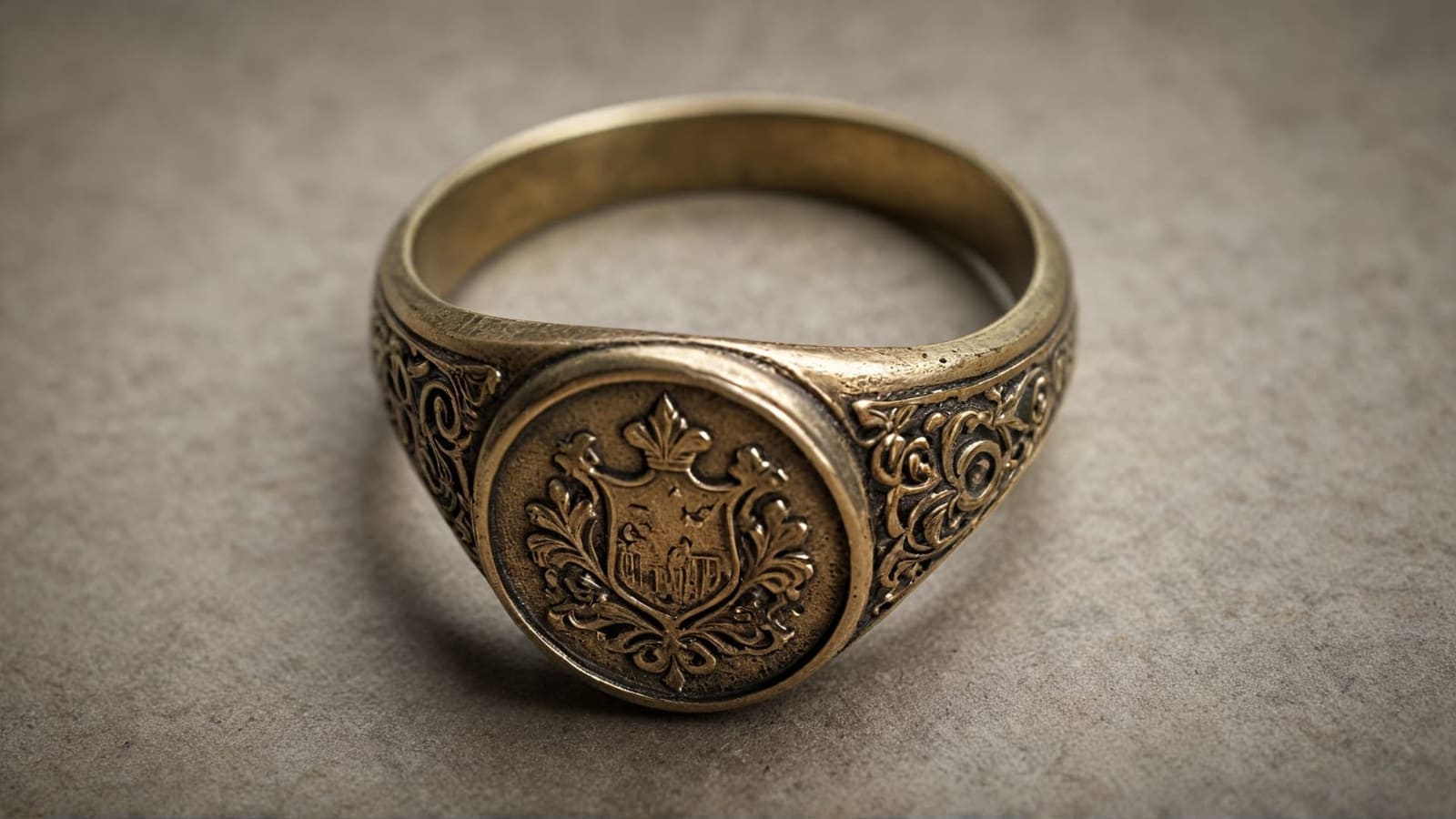
- Rings in Pinchbeck included both simple bands and more elaborate designs with stone settings, though rings were less common than other Pinchbeck jewelry types due to the wear patterns that finger jewelry experiences. Signet rings, mourning rings with compartments for hair, and decorative band rings with engraved or embossed patterns represented typical ring styles executed in the alloy.
- Buckles and functional jewelry items like shoe buckles, belt buckles, and cloak clasps provided practical accessories that needed to look elegant while withstanding regular use. These items often featured the most elaborate decorative work since their functional nature meant they were constantly visible and needed to convey the wearer’s sense of style and social position.
- Lockets and pendants allowed for personal and sentimental jewelry that could incorporate hair work, miniature portraits, or religious imagery. The lower cost of Pinchbeck made it possible for more families to own personalized jewelry pieces that would have been luxury items if executed in gold, democratizing access to meaningful personal adornment.
The variety of Pinchbeck jewelry types reflects both the material’s adaptability and the social functions it fulfilled in providing attractive, well-made accessories for a broad range of customers. The specific forms that Pinchbeck jewelry took often followed the same design trends as contemporary gold jewelry, but the lower material cost allowed for experimentation with size, complexity, and decorative techniques that might have been too expensive to attempt in precious metals. This freedom to innovate without prohibitive material costs contributed to some of the most creative and elaborate jewelry designs of the Georgian and Victorian periods.
How to Care for Pinchbeck Jewelry
Proper maintenance of Pinchbeck jewelry requires gentle techniques that preserve both its physical integrity and the valuable patina that gives antique pieces their distinctive character. The copper-zinc composition responds differently to cleaning and storage than precious metals, making specialized care essential for maintaining these historical pieces.
- Cleaning should always use the gentlest methods possible, starting with soft, dry brushing using a clean toothbrush or specialized jewelry brush to remove surface dirt and debris. For more thorough cleaning, use warm soapy water with mild dish soap, avoiding harsh detergents or chemicals that could damage the metal’s surface or accelerate unwanted chemical reactions that alter the color.
- Avoid commercial jewelry cleaners designed for gold or silver, as these often contain acids or abrasives that can damage Pinchbeck’s surface and remove the valuable patina that authentic antique pieces have developed over centuries. Never use ultrasonic cleaners, steam cleaning, or any mechanical cleaning methods that could stress the metal or loosen period construction elements.
- Drying requires immediate attention after any water exposure, as moisture left on the surface can promote oxidation and create spotting or discoloration. Use soft, lint-free cloths to thoroughly dry all surfaces, paying special attention to crevices, joints, and decorative elements where water might collect and cause problems over time.
- Storage should protect Pinchbeck pieces from moisture, extreme temperatures, and contact with other metals that might cause chemical reactions. Individual soft pouches or compartments prevent scratching and tangling, while silica gel packets in storage containers help control humidity levels that could promote unwanted oxidation or corrosion.
- Handling practices can significantly affect the longevity of Pinchbeck jewelry, as the copper content makes it softer and more susceptible to scratching and denting than harder precious metals. Always handle pieces gently, avoid dropping or knocking them against hard surfaces, and put on Pinchbeck jewelry after applying cosmetics, perfumes, or hair products that might contain chemicals harmful to the metal.
- Professional conservation should be considered for valuable or damaged Pinchbeck pieces, as specialized conservators can perform repairs or cleaning that preserve historical integrity. Avoid letting general jewelers work on important Pinchbeck pieces, as techniques appropriate for modern jewelry might damage or devalue antique items.
- Regular inspection helps catch developing problems before they become serious, looking for signs of loose settings, worn joints, or areas where the metal might be developing stress cracks or excessive wear. Early intervention can often prevent minor issues from becoming major repairs that could affect the piece’s value or structural integrity.
The goal of caring for Pinchbeck jewelry should focus on preservation rather than restoration, recognizing that the natural aging and patina development are part of these pieces’ historical character and collector value. Aggressive cleaning or inappropriate maintenance can destroy decades or centuries of accumulated history, making conservative care approaches essential for maintaining both the physical condition and the historical authenticity that gives antique Pinchbeck its distinctive appeal and market value.
Pinchbeck as a Collectible
The contemporary market for Pinchbeck jewelry reflects a complex interplay of historical appreciation, aesthetic appeal, and practical collecting considerations that make these pieces attractive to various types of buyers. Market dynamics have evolved significantly as collectors have gained greater appreciation for the craftsmanship and social history these pieces represent.
- Current market values vary widely based on age, condition, craftsmanship quality, and rarity, with exceptional 18th-century pieces commanding premium prices while more common 19th-century items remain relatively affordable. Simple Pinchbeck chains or basic jewelry might sell for under $100, while elaborate Georgian-era pieces with documented provenance or exceptional artistic merit can reach several thousand dollars at auction.
- Factors affecting value include historical period, with earlier pieces generally worth more than later ones, and rarity of design or maker attribution. Pieces with clear maker’s marks, unusual decorative techniques, or association with known Pinchbeck workshops command higher prices than unmarked examples. Condition plays a crucial role, as damage, repairs, or missing elements significantly reduce value.
- Authentication challenges make expert knowledge essential for serious collectors, as modern reproductions and pieces falsely attributed to the Pinchbeck period appear regularly in the marketplace. Reputable dealers who specialize in antique jewelry provide the best sources for authenticated pieces, though they typically command higher prices than unverified items from general antique dealers or online auctions.
- Geographic markets show different preferences and price levels, with British and European collectors generally paying premium prices for documented English Pinchbeck pieces, while American collectors often focus more on decorative appeal and condition than strict provenance. Regional auction houses and specialty jewelry dealers offer different opportunities for both buying and selling Pinchbeck items.
- Investment potential exists for exceptional pieces, particularly those with clear attribution to known makers or representing rare decorative techniques, though Pinchbeck should be viewed primarily as a collecting interest rather than a financial investment strategy. The market remains relatively small and specialized, meaning liquidity can be limited for sellers.
- Documentation importance cannot be overstated for valuable pieces, as provenance, previous auction records, or expert attributions significantly enhance both value and marketability. Collectors should maintain detailed records of their acquisitions, including purchase sources, condition assessments, and any expert opinions about authenticity or dating.
- Reproduction awareness helps collectors avoid costly mistakes, as skilled modern craftsmen have created Pinchbeck-style pieces that can fool inexperienced buyers. Learning to recognize period construction techniques, appropriate aging patterns, and authentic materials helps collectors distinguish genuine antique pieces from modern reproductions.
The collecting market for Pinchbeck reflects broader trends in antique jewelry appreciation, where historical significance, craftsmanship quality, and aesthetic appeal combine to create value beyond simple material worth. Successful collectors typically develop expertise through study and hands-on experience, building relationships with knowledgeable dealers who can provide reliable attribution and market guidance. The relatively accessible entry level for Pinchbeck collecting, combined with the potential for discovering exceptional pieces, continues to attract new collectors who appreciate both the historical significance and the distinctive beauty of these remarkable jewelry pieces.
Is Pinchbeck Still Made Today?
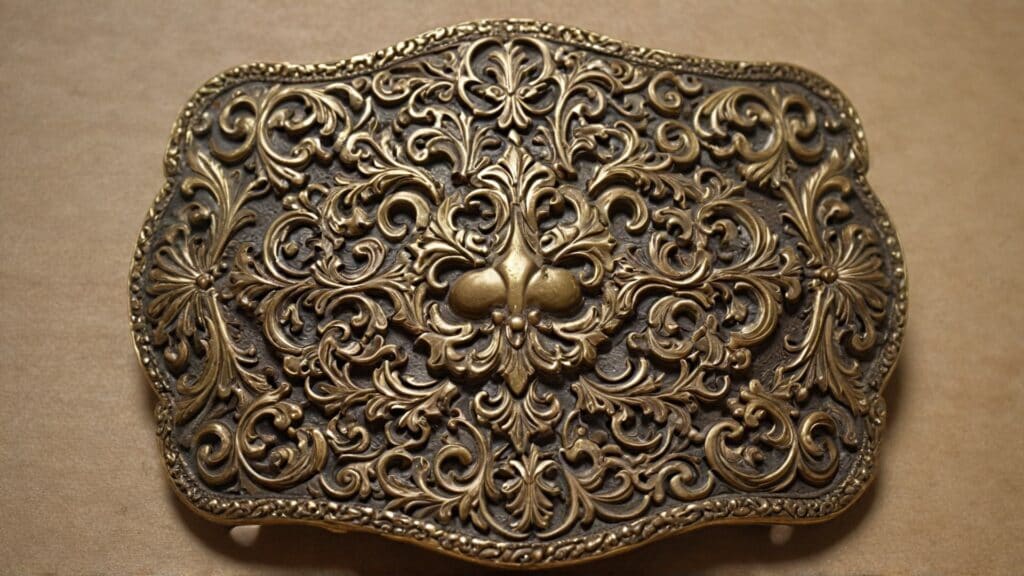
Contemporary production of true Pinchbeck has virtually disappeared, though various brass alloys continue to serve similar functions in modern jewelry making. The evolution from historical Pinchbeck to modern alternatives illustrates changing technology, market preferences, and manufacturing capabilities that have transformed affordable jewelry production over the past century.
- Original Pinchbeck production effectively ended in the late 19th century as improved gold-filled and gold-plated techniques provided better alternatives for affordable golden jewelry. The Pinchbeck family workshop closed, and the secret formula was never widely shared, meaning most modern “Pinchbeck” is actually brass or other copper alloys that approximate the appearance without matching the exact composition.
- Modern brass alloys used in contemporary jewelry often resemble Pinchbeck but typically contain different proportions of copper and zinc, sometimes with additional metals like tin or nickel to improve working properties or color stability. These modern alloys may look similar to antique Pinchbeck when new but age differently and lack the specific characteristics that make authentic Pinchbeck valuable to collectors.
- Gold-filled and gold-plated alternatives largely replaced the need for Pinchbeck-type alloys by the early 20th century, as these techniques could provide genuine gold surfaces over base metals at competitive prices. These modern alternatives offer better color stability and longer-lasting appearance than solid brass alloys, making them more practical for contemporary jewelry production.
- Specialized reproduction makers occasionally create brass jewelry using historical techniques to supply collectors, museums, and historical reenactment markets, though these pieces are typically clearly marked as modern reproductions rather than attempting to deceive buyers about their age. Some craftsmen research historical alloy formulas to create more accurate reproductions for educational or museum purposes.
- Modern costume jewelry utilizes various brass alloys, bronze, or other copper-based metals that may superficially resemble Pinchbeck but are produced for entirely different markets and price points. These contemporary pieces serve fashion purposes rather than attempting to replicate the quality and durability that made original Pinchbeck successful as a gold alternative.
- Laboratory analysis can definitively distinguish authentic antique Pinchbeck from modern alloys through precise compositional analysis and metallurgical examination techniques that weren’t available to historical makers. This scientific approach provides the most reliable authentication method for valuable pieces where traditional expertise might not be sufficient.
- Collecting implications suggest that genuine antique Pinchbeck will likely become increasingly rare and valuable as time passes, since no new authentic pieces are being produced and existing examples face ongoing deterioration. This scarcity makes proper identification and preservation of authentic pieces increasingly important for both collectors and museums.
The discontinuation of original Pinchbeck production marks the end of a remarkable chapter in jewelry history, where skilled craftsmen created beautiful, durable alternatives to precious metals using techniques and formulas that remain mysterious today. While modern technology offers superior alternatives for affordable jewelry, the historical significance and unique characteristics of authentic Pinchbeck ensure its continued appreciation among collectors who value both technical achievement and cultural heritage. The legacy of Pinchbeck continues to influence modern jewelry design philosophy, demonstrating that beauty and quality craftsmanship can create lasting value independent of precious material content.
Frequently Asked Questions About Pinchbeck
Questions about Pinchbeck jewelry arise regularly among collectors, antique enthusiasts, and people who inherit or discover pieces that might be authentic examples. These common inquiries reflect both practical concerns about identification and care, as well as broader interest in the historical and cultural significance of this remarkable jewelry material.
Is Pinchbeck valuable today?
Authentic antique Pinchbeck can be quite valuable, with prices ranging from modest amounts for common pieces to several thousand dollars for exceptional examples. Value depends primarily on age, rarity, condition, and craftsmanship quality rather than material worth, since the copper and zinc have minimal intrinsic value. The historical significance and collector interest drive current market prices.
How can I tell if my jewelry is genuine Pinchbeck?
Authentic Pinchbeck identification requires examining multiple factors including appropriate age (typically 1720-1900), consistent golden color throughout the piece, period-appropriate construction techniques, and natural aging patterns. The metal should feel lighter than gold but heavier than modern costume jewelry, and should show hand-fabrication details typical of pre-industrial jewelry making.
Is Pinchbeck safe to wear regularly?
Well-preserved antique Pinchbeck is generally safe for occasional wear, though the copper content may cause skin discoloration in sensitive individuals or during extended contact with moisture. The zinc content helps prevent the green staining that pure copper causes, but people with metal allergies should test carefully before wearing Pinchbeck jewelry for extended periods.
Why did people stop using Pinchbeck for jewelry?
Pinchbeck production declined because improved gold-filled and gold-plated techniques developed in the late 1800s provided better alternatives that offered genuine gold surfaces at competitive prices. These newer methods gave superior color stability and durability compared to solid brass alloys, making them more practical for mass production and consumer satisfaction.
Can Pinchbeck be repaired or restored?
Pinchbeck can be repaired by skilled metalworkers familiar with brass alloys, though finding replacement metal that matches the original color and composition can be challenging. Major restoration should be undertaken carefully, as aggressive cleaning or inappropriate repair techniques can damage the valuable patina and reduce the piece’s historical integrity and collector value.
How should I store my Pinchbeck jewelry?
Store Pinchbeck pieces in dry conditions away from moisture, using individual soft pouches or compartments to prevent scratching and tangling. Avoid storage materials containing sulfur or acids that could accelerate tarnishing, and consider using silica gel packets to control humidity in storage containers.
What’s the difference between Pinchbeck and regular brass?
Original Pinchbeck used specific copper-to-zinc ratios designed to closely imitate gold color and had superior working properties and aging characteristics compared to regular brass. The Pinchbeck family’s secret formula created an alloy that was more stable and attractive than standard brass, though modern brass jewelry is often incorrectly called “Pinchbeck” in casual usage.
These common questions highlight the continuing fascination with Pinchbeck jewelry and the practical considerations that face both serious collectors and casual owners of these historical pieces. The answers reveal both the technical complexity and cultural significance of this remarkable material, helping people appreciate the achievement that Pinchbeck represented in its time and the legacy it continues to maintain in today’s antique jewelry market.
Conclusion
Pinchbeck represents one of the most ingenious solutions to the eternal challenge of making luxury accessible to ordinary people. Christopher Pinchbeck’s invention transformed jewelry ownership in the 18th and 19th centuries, allowing middle-class families to participate in fashionable society without financial hardship. The careful balance of copper and zinc created an alloy that not only looked like gold but aged gracefully, developing the beautiful patinas that make antique pieces so desirable today. This achievement demonstrates how technical innovation and social awareness can combine to create products that serve genuine human needs while maintaining quality and dignity.
The decline of Pinchbeck production in the late 1800s marked the end of an era, but the pieces that survive continue to fascinate collectors and historians who appreciate both their craftsmanship and cultural significance. Each authentic Pinchbeck piece tells a story about the people who wore it, the society that valued it, and the craftsmen who created it with such skill that their work remains beautiful and relevant centuries later. The fact that these pieces were made from relatively common metals yet achieved such lasting appeal proves that true value in jewelry comes from design excellence, manufacturing quality, and historical meaning rather than material preciousness alone.
For modern collectors and jewelry enthusiasts, Pinchbeck offers unique rewards that combine historical appreciation with aesthetic pleasure. The relatively accessible market provides opportunities to own genuinely significant pieces of jewelry history while supporting the preservation of traditional craftsmanship techniques and cultural heritage. Whether viewed as historical artifacts, decorative objects, or wearable art, authentic Pinchbeck pieces continue to demonstrate that the best human creations transcend their original purpose to become lasting treasures that connect us with the ingenuity and aspirations of previous generations.