Rhinestone jewelry has captivated fashion enthusiasts for centuries with its affordable glamour and diamond-like sparkle. These dazzling imitation gemstones have adorned everything from royal crowns to costume jewelry, creating accessible luxury for people from all walks of life. Whether you’ve admired them on vintage brooches, modern accessories, or stage costumes, understanding what makes rhinestones special helps you appreciate their unique place in the jewelry world.
What is Rhinestone Jewelry?
Rhinestone jewelry consists of accessories featuring man-made stones designed to imitate diamonds through their cut, clarity, and light-reflecting properties. These sparkly embellishments offer the appearance of luxury at a fraction of the cost of genuine gemstones. While originally made from rock crystals found in the Rhine River (hence the name), today’s rhinestones are manufactured using various materials and techniques to create affordable yet eye-catching accessories that have become a staple in both costume and fashion jewelry.
- Rhinestones are imitation gemstones primarily made from glass, acrylic, or crystal that simulate the appearance of diamonds when cut with facets. Unlike natural gemstones that form over millions of years, rhinestones are manufactured through industrial processes specifically designed to maximize their light-reflecting properties.
- The name “rhinestone” originated from rock crystals gathered from the Rhine River in Europe, though modern versions are manufactured rather than naturally occurring. These original Rhine crystals were highly prized for their clarity and sparkle before manufacturing techniques were developed to create similar effects.
- Georg Friedrich Strass, an 18th-century Alsatian jeweler, pioneered early rhinestone development by inventing a special glass coating technique that created a diamond-like shine. His innovation involved applying metal powder to the back of glass crystals, dramatically enhancing their reflective qualities and laying the foundation for modern rhinestone production.
- Unlike diamonds (rated 10 on the Mohs hardness scale), rhinestones typically range between 6-7, making them durable enough for jewelry but susceptible to scratches over time. This relative softness is one of the key differences between rhinestones and genuine gemstones, affecting their longevity and care requirements.
- Most rhinestones feature a metallic backing (often aluminum or silver) that enhances their reflective qualities and creates their characteristic sparkle. This foil backing helps compensate for the lack of natural light dispersion that makes diamonds so brilliant.
- Rhinestones differ from cubic zirconia and crystal in their composition and manufacturing process, though all three serve as diamond alternatives. While cubic zirconia is a synthesized crystalline material designed to mimic diamonds at the molecular level, rhinestones rely more on their cut and backing for their sparkling effect.
Rhinestone jewelry represents the democratization of glamour, allowing anyone to enjoy the sparkle of diamond-like accessories without the steep price tag. Their versatility makes them perfect for both special occasions and everyday wear, while their rich history connects modern wearers to centuries of fashion tradition. Whether set in vintage-inspired pieces or contemporary designs, rhinestones continue to evolve while maintaining their essential appeal: bringing accessible brilliance to the jewelry world.
Different Types of Rhinestones Used in Modern Jewelry
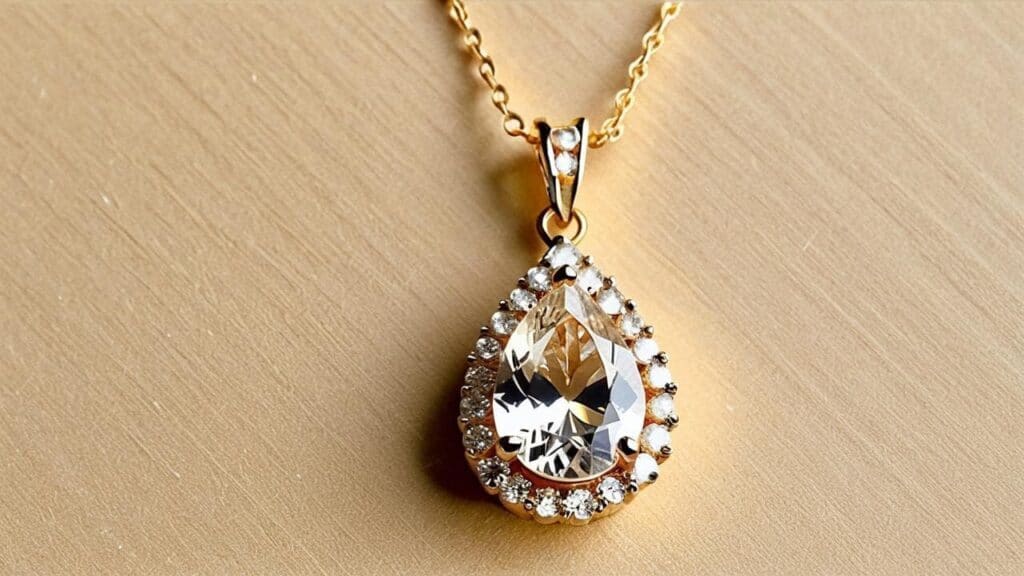
The world of rhinestones extends far beyond simple glass imitations, encompassing a diverse range of materials, qualities, and manufacturing techniques. Each type offers different visual effects, durability, and price points, allowing consumers to choose options that best suit their needs and preferences. From mass-produced acrylic versions to premium crystal varieties, the different types of rhinestones each have unique characteristics that determine their appearance, longevity, and value.
- Glass rhinestones are the original and traditional type, made by cutting glass into faceted shapes and adding reflective backing. These rhinestones offer excellent clarity and a weight similar to genuine gemstones, with better scratch resistance than plastic varieties. Quality glass rhinestones maintain their sparkle for years and resist yellowing, though they can chip if dropped on hard surfaces.
- Crystal rhinestones, particularly those made by brands like Swarovski, contain lead oxide which increases their refractive index and creates superior brilliance and light dispersion. Premium crystal rhinestones undergo precise cutting with specialized machinery to create multiple perfectly angled facets (typically 12-16 facets) that maximize light reflection and create rainbow-like prism effects when exposed to light.
- Acrylic rhinestones (sometimes called plastic rhinestones) are the most affordable and lightweight option, making them ideal for children’s accessories, costume applications, or projects requiring large quantities. While less brilliant than glass or crystal varieties, modern manufacturing has improved their appearance significantly, and their durability makes them practical for everyday wear.
- Swarovski crystals, though technically a brand rather than a separate type, deserve special mention as the industry gold standard. These premium Austrian crystals are made with precise cutting techniques and proprietary formulas containing lead oxide (or lead-free alternatives in newer lines) that create exceptional clarity and fire. Their AB (Aurora Borealis) coating, developed in collaboration with Christian Dior in the 1950s, produces a rainbow iridescent effect that’s highly sought after.
- Korean rhinestones (sometimes called “Korean crystal”) have emerged as a high-quality alternative to European varieties. These machine-cut glass or crystal rhinestones offer impressive clarity and brilliance at a more accessible price point, making them increasingly popular in mid-range jewelry production.
- Rhinestones come in various mounting options that determine how they’re attached to jewelry pieces: foil-backed (for gluing), point-back (for traditional setting), and flat-back (for easy application to flat surfaces). These different backing styles make rhinestones versatile enough for numerous applications beyond traditional jewelry.
- Special effect rhinestones include opal rhinestones (with milky, color-shifting qualities), cat’s eye rhinestones (with a reflective band similar to the gemstone effect), and AB-coated rhinestones (with iridescent coating). These specialty varieties create unique visual effects beyond simple sparkle, allowing designers to achieve specific aesthetic goals.
Rhinestones’ diversity makes them incredibly versatile for designers and accessible to consumers at various price points. While high-end crystal rhinestones approach genuine gemstones in their visual impact, affordable acrylic versions make sparkly accessories available to everyone. This range of options has helped rhinestones maintain their popularity across centuries, adapting to changing fashion trends while remaining a staple in decorative accessories. Understanding these differences helps consumers make informed choices based on their needs for durability, appearance, and budget.
How Are Rhinestones Made?
The manufacturing process behind rhinestones transforms simple materials into dazzling imitations of diamonds through specialized techniques developed over centuries. Modern production methods combine traditional craftsmanship with technological innovation to create stones that capture and reflect light brilliantly. This fascinating process involves multiple precise steps that determine the final quality, appearance, and durability of the rhinestones we see in jewelry.
- The basic rhinestone manufacturing process begins with the creation of the base material—typically glass, crystal, or acrylic. For glass and crystal rhinestones, this involves melting the raw materials (silica sand, lead oxide for crystal, and other minerals) at extremely high temperatures until they form a molten mass that can be shaped and processed.
- For premium crystal rhinestones like Swarovski, proprietary formulas with precisely measured ingredients are used to create the base material. The exact compositions remain closely guarded trade secrets, but they typically include lead oxide (or lead-free alternatives in newer formulations) to increase refractive properties that create superior sparkle and light dispersion.
- Once the base material is created, it’s formed into large blocks or rods that will later be cut into individual stones. For acrylic rhinestones, the process involves injection molding where liquid plastic is poured into molds with faceted patterns already incorporated into the design.
- The cutting process is critical for creating rhinestones’ signature sparkle. Traditional glass and crystal rhinestones are precision-cut using specialized machinery that creates multiple facets (typically 8-16 depending on quality) at specific angles designed to maximize light reflection. Higher-quality rhinestones feature more facets cut with greater precision.
- After cutting, rhinestones undergo the crucial metallization process—applying a reflective backing that enhances their sparkle. This typically involves coating the flat underside with a thin layer of silver, aluminum, or another reflective metal using vacuum deposition technology. This mirrored backing is what gives rhinestones their characteristic brilliance by reflecting light back through the stone.
- For colored rhinestones, manufacturers either add pigments to the base material during initial formation (for mass-produced varieties) or apply specialized coatings to the facets (for higher-end products). Premium colored rhinestones may use multiple layers of metallic oxides to create complex, multidimensional color effects.
- Final processing includes quality control inspection, where stones are checked for proper cutting, clarity, and reflective properties. Premium rhinestones undergo more rigorous inspection, with substandard pieces being rejected before packaging and distribution.
The manufacturing of rhinestones represents a fascinating blend of art and science, with techniques refined over centuries to create increasingly convincing diamond substitutes. While mass-production has made rhinestones widely accessible, the highest quality versions still require considerable expertise and precision machinery to produce their exceptional sparkle. Understanding this complex process helps explain the wide range in quality and price among different rhinestone varieties, from simple acrylic versions to premium crystal rhinestones that rival genuine gemstones in their brilliance and fire.
Popular Rhinestone Jewelry Types
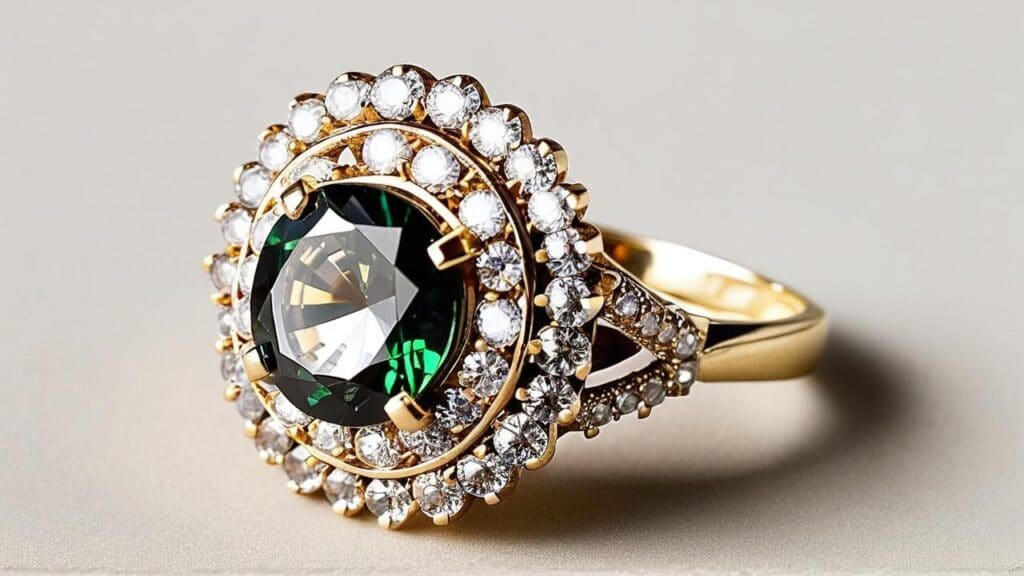
Rhinestone jewelry has found its way into countless fashion contexts, from everyday accessories to high-end costume designs and theatrical productions. The versatility, affordability, and eye-catching sparkle of rhinestones make them ideal for a wide range of applications, crossing boundaries between fine and costume jewelry. Their presence across different fashion domains reflects their enduring appeal and practical advantages in various settings.
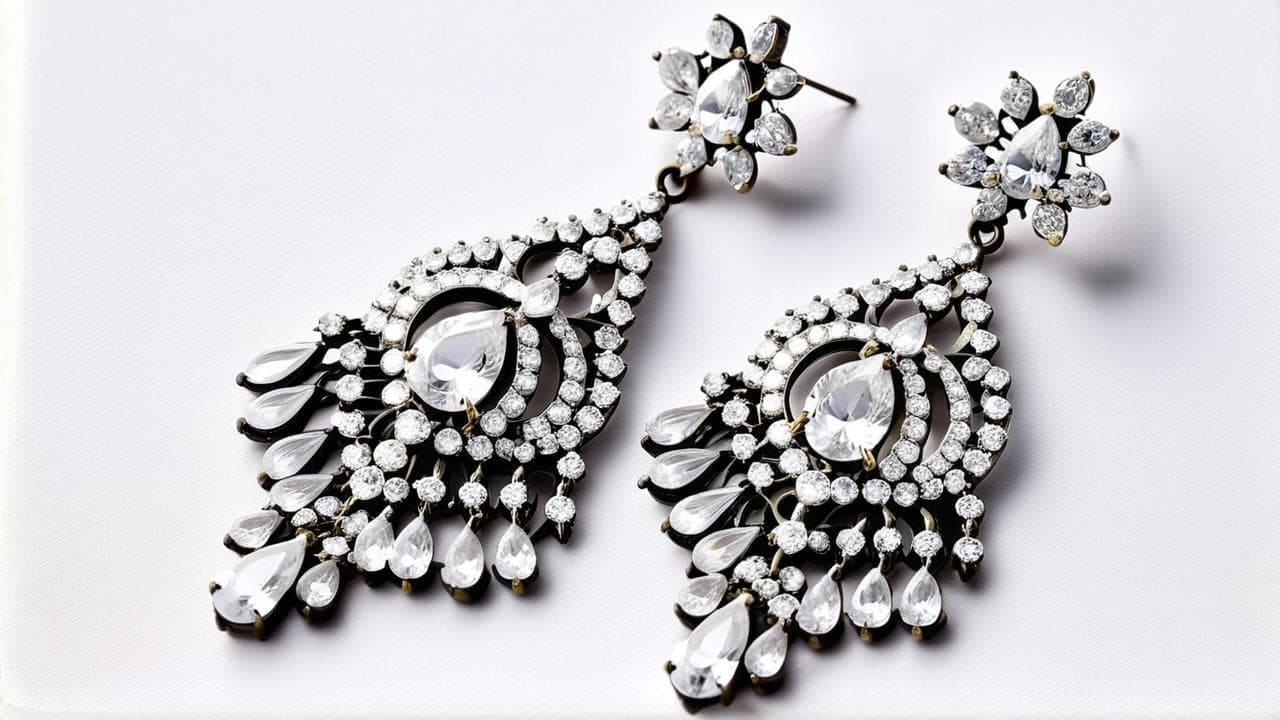
- Statement necklaces and chandelier earrings frequently incorporate rhinestones to create maximum impact without the prohibitive cost of genuine gemstones. These bold pieces use multiple rhinestones in various sizes and arrangements to catch light from all angles, creating dramatic sparkle that draws attention to the wearer’s face and neckline.
- Bridal and special occasion jewelry represents one of the most significant markets for high-quality rhinestone pieces. Tiaras, hair accessories, drop earrings, and elaborate necklaces featuring premium crystal rhinestones offer brides and formal event attendees the glamour of diamonds at a fraction of the cost, allowing for larger, more elaborate designs than would be possible with genuine gemstones.
- Fashion jewelry brands across all price points incorporate rhinestones into their seasonal collections, from mass-market retailers to high-end designers. These pieces often follow current trends, with rhinestones providing an affordable way to achieve the latest looks without investing in precious materials for styles that may be temporary.
- Performance costumes for dance, theater, figure skating, and competitive events frequently feature rhinestones for their ability to catch stage lighting and remain visible to distant audiences. The theatrical world embraces rhinestones not just for their affordability but for their superior ability to reflect stage lighting compared to many genuine gemstones.
- Vintage and retro-inspired jewelry often incorporates rhinestones, particularly designs echoing the Art Deco period (1920s-30s) and the costume jewelry boom of the 1950s. Collectors seek out vintage pieces from designers like Eisenberg, Trifari, and Weiss who elevated rhinestone jewelry to an art form during the mid-20th century.
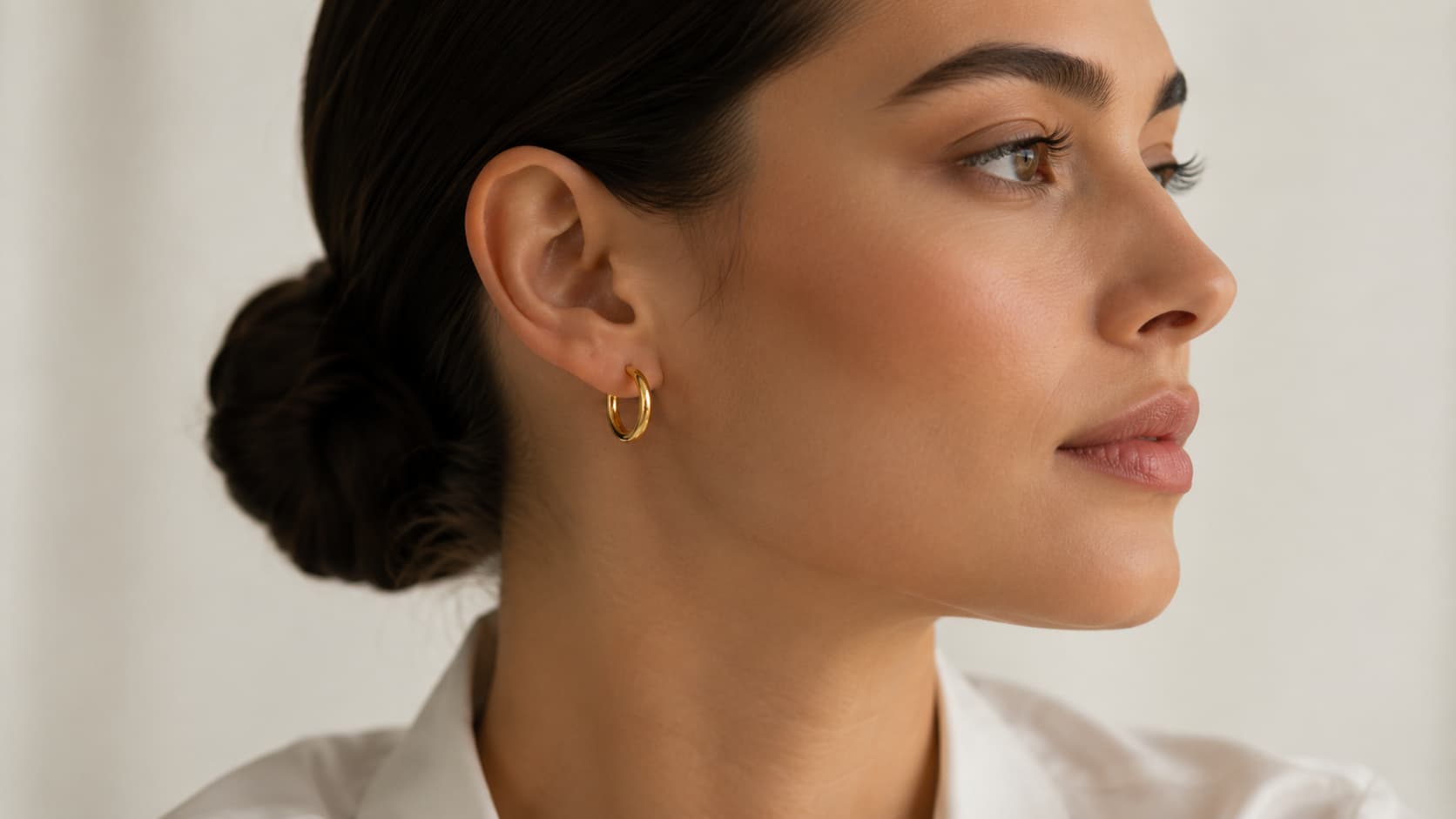
- Everyday accessorizing increasingly includes rhinestone elements in watches, small earrings, delicate pendants, and rings that add a touch of sparkle to casual outfits. Modern minimalist designs often feature just a few high-quality rhinestones as accents rather than the elaborate clustered arrangements of traditional costume jewelry.
- Custom and DIY applications have surged in popularity as rhinestones are readily available for crafters and jewelry makers. Their ease of application with adhesives or settings makes them popular for personalized accessories, from embellished phone cases to customized denim jackets.
Rhinestones bridge the gap between everyday affordability and special occasion glamour, making them one of the most versatile elements in the jewelry world. Their ability to mimic the appearance of diamonds while offering practical advantages in weight, cost, and design flexibility ensures their continued popularity in both personal jewelry collections and commercial fashion. Whether subtly incorporated into everyday pieces or boldly displayed in statement designs, rhinestones fulfill our desire for sparkle in accessible, creative ways that genuine gemstones often cannot match.
How to Clean and Maintain Rhinestone Jewelry
Proper care extends the life and maintains the brilliance of rhinestone jewelry, preserving its sparkle and structural integrity for years of enjoyment. Unlike diamond jewelry that’s nearly impervious to damage, rhinestone pieces require specific maintenance routines and handling precautions due to their more delicate construction and materials. With the right care approach, even vintage rhinestone pieces can maintain their dazzling appearance for generations.
- Cleaning rhinestone jewelry should be done gently using mild methods rather than harsh chemicals or ultrasonic cleaners that can damage the reflective backing. The safest cleaning method involves using a soft cloth slightly dampened with a mixture of mild soap and warm water, carefully wiping each stone and thoroughly drying the piece afterward with a clean, dry cloth.
- Avoid submerging rhinestone jewelry completely in water, as moisture can seep behind stones and degrade the adhesives or metallic backing that creates their sparkle. This is particularly important for vintage pieces or items where stones are glued rather than prong-set, as water can loosen the adhesive bonds over time.
- Store rhinestone jewelry separately from other pieces to prevent scratching, as rhinestones (typically 6-7 on the Mohs hardness scale) can be scratched by harder materials and can themselves scratch softer jewelry items. Ideally, each piece should be stored in its own soft pouch or compartment in a jewelry box with individual sections.
- Keep rhinestone jewelry away from chemicals including perfume, hairspray, lotions, and household cleaners, as these can cloud the stones, erode metallic backings, or damage the metal settings. Always apply personal care products before putting on your rhinestone jewelry, and remove pieces before swimming or using cleaning products.
- Handle rhinestone jewelry with clean, dry hands and hold pieces by their metal components rather than grasping the stones directly, which can transfer oils from your skin to the facets and diminish their sparkle. This is especially important for larger pieces with numerous stones that might loosen with improper handling.
- Inspect rhinestone jewelry regularly for loose stones or weakened settings, addressing minor issues before they become major problems. Small repairs, like tightening prongs or reapplying adhesive to a loose stone, are relatively simple if caught early but become more complex if multiple stones are lost.
- Consider professional cleaning for valuable or intricate rhinestone pieces every few years, choosing jewelers who specialize in costume or vintage jewelry and understand the specific needs of rhinestone pieces. Professional cleaning can restore brilliance to cloudy stones and address issues invisible to the untrained eye.
With thoughtful care, rhinestone jewelry can maintain its eye-catching sparkle and structural integrity for decades. The most important aspects of rhinestone maintenance involve gentle cleaning, proper storage, and protection from moisture and chemicals—practices that respect the more delicate nature of these pieces compared to fine jewelry made with precious gemstones. Whether preserving heirloom pieces or maintaining contemporary rhinestone accessories, these care practices help ensure your jewelry continues to shine brightly for years to come.
Identifying Good Rhinestone Jewelry
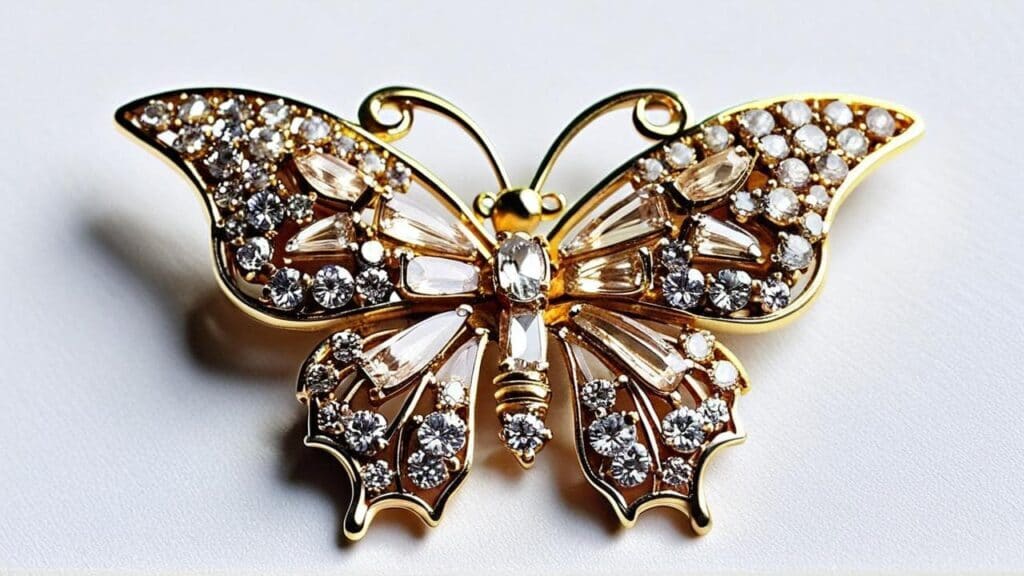
Distinguishing high-quality rhinestone jewelry from inferior pieces requires attention to several key factors that impact both appearance and durability. While rhinestones by definition are imitation gemstones, significant quality variations exist within the category, from mass-produced budget items to premium pieces that rival the beauty of diamond jewelry. Learning to recognize markers of quality helps consumers make informed purchasing decisions and appreciate the craftsmanship in superior rhinestone pieces.
- Examine the brilliance and light reflection of the stones, as higher-quality rhinestones display sharp, bright light return with clear, rainbow-like dispersion when moved under light. Premium rhinestones will sparkle distinctly from multiple angles rather than appearing flat or dull when viewed from certain positions, indicating superior cutting and backing.
- Check the clarity of individual stones, looking for rhinestones that are transparent and free from internal cloudiness, bubbles, or visible inclusions. Quality rhinestones should be completely clear unless intentionally colored, with no apparent imperfections that diminish their ability to transmit and reflect light effectively.
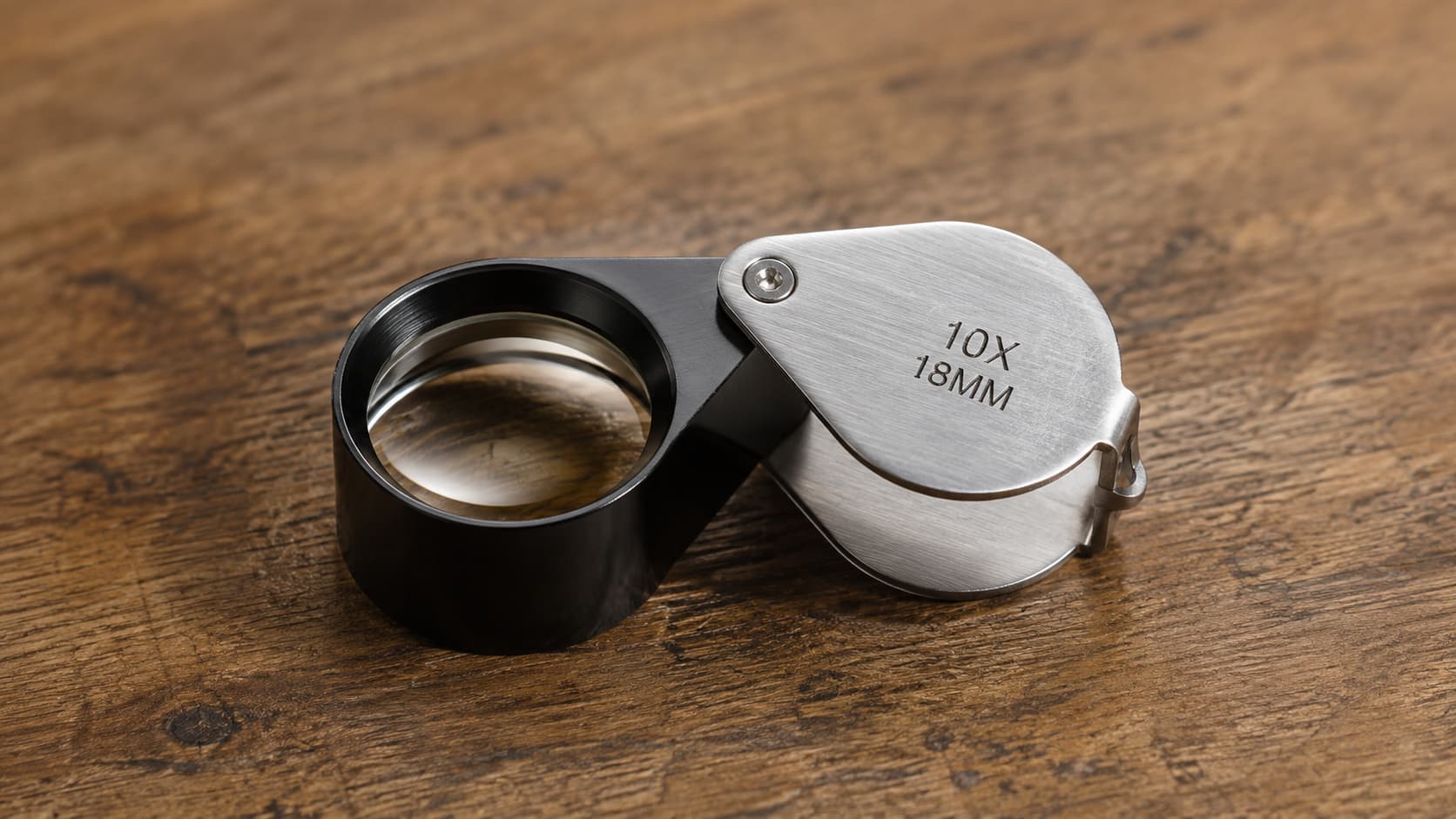
- Assess the precision and uniformity of faceting, as high-quality rhinestones feature multiple facets (typically 12-16) cut at consistent angles that create symmetrical light patterns. Under magnification, superior rhinestones reveal precise geometric facets with sharp edges, while lower-quality versions may show irregular or poorly defined facet patterns.
- Evaluate the setting quality by examining how the stones are secured to the metal framework. Premium pieces typically feature prong, channel, or pavé settings similar to those used in fine jewelry rather than simple glue mounting. The metal should hold stones securely with clean, precise workmanship visible in the setting details.
- Consider the quality of metal components, as better rhinestone jewelry uses substantial base metals with proper finishing and durable plating rather than thin, easily bent components. High-quality pieces often feature rhodium, gold, or silver plating over brass or other sturdy base metals, with consistent color and no visible flaws in the plating.
- Research the manufacturer or designer, as established names like Swarovski for crystals or vintage brands like Eisenberg, Weiss, or Trifari for completed jewelry pieces typically indicate superior quality. These recognized creators have reputations to maintain and historically produce rhinestone jewelry with better materials and craftsmanship.
- Examine the overall construction, looking for pieces with substantial weight appropriate to their size, smooth soldered joints, and attention to detail on both visible and hidden components. Quality rhinestone jewelry will feel solid rather than flimsy, with consistent workmanship throughout rather than just on the most visible areas.
The ability to identify quality rhinestone jewelry allows consumers to make smarter purchases and better appreciate the craftsmanship in superior pieces. While even the finest rhinestones remain imitation gemstones, premium examples represent significant artistry and technical skill in their creation. Whether collecting vintage rhinestone pieces or purchasing contemporary designs, these quality markers help distinguish exceptional rhinestone jewelry that will maintain its beauty and value over time from inferior imitations designed for short-term use.
Comparing Rhinestones vs. Other Crystal Jewelry
The jewelry market offers several similar-looking but technically different diamond alternatives, creating confusion among consumers about what exactly distinguishes rhinestones from other crystal and imitation diamond products. Each type has distinct manufacturing processes, optical properties, and appropriate uses that affect their appearance, durability, and price points. Understanding these differences helps consumers make informed choices based on their specific needs and expectations.
- Rhinestones differ from lead crystal (including Swarovski crystals) primarily in composition and light refraction properties. While traditional rhinestones are typically glass with metallic backing, lead crystal contains 24-30% lead oxide that increases the refractive index, creating superior brilliance and light dispersion. Many people use “rhinestone” as a generic term, but jewelers distinguish between basic rhinestones and premium crystal stones.
- Cubic Zirconia (CZ) represents a different category entirely, being a synthesized crystalline material with a chemical composition and crystal structure specifically designed to mimic diamond at the molecular level. Unlike rhinestones that rely on faceting and backing for their sparkle, CZ has inherent optical properties similar to diamond, with a refractive index of 2.15-2.18 compared to diamond’s 2.42 (and rhinestone’s typical 1.8-1.9).
- Austrian crystals (often synonymous with Swarovski) undergo proprietary manufacturing processes using precise cutting machinery and special coatings that create exceptional clarity and light performance. These premium crystals feature perfectly aligned facets cut with tolerances measured in microns, creating more consistent and brilliant light patterns than standard rhinestones.
- Czech crystals represent another high-quality category with a long manufacturing tradition dating back centuries in Bohemia (now part of the Czech Republic). These crystals typically offer excellent clarity and precise cutting at somewhat lower prices than their Austrian counterparts, making them popular in mid-range jewelry production.
- Moissanite, while sometimes grouped with imitation diamonds, is actually a lab-created silicon carbide that outperforms rhinestones and even CZ in brilliance, with a refractive index of 2.65-2.69 (higher than diamond). Unlike rhinestones designed primarily for costume jewelry, moissanite positions itself as a genuine fine jewelry alternative to diamonds.
- Acrylic or plastic “rhinestones” represent the lowest price point, offering the basic appearance of faceted sparkle without the optical properties of glass or crystal varieties. These lightweight alternatives serve well for craft projects, children’s accessories, or temporary fashion items where durability and optical performance are less critical.
- Glass pearls and opal glass represent related categories of imitation gemstones that, like rhinestones, seek to mimic natural materials at accessible price points. These alternatives often appear alongside rhinestones in costume jewelry collections, sometimes combined in single pieces to create varied textures and effects.
The distinctions between rhinestones and other crystal jewelry matter most to collectors, jewelry designers, and consumers seeking specific appearance or performance characteristics. While casual observers might group all sparkly imitation diamonds together, understanding these differences helps explain the wide price variations between seemingly similar products. Each category serves particular needs in the fashion jewelry ecosystem, from affordable mass-market accessories to high-end costume pieces that rival fine jewelry in their visual impact and craftsmanship.
History of Rhinestones in Fashion
The evolution of rhinestones in fashion tells a fascinating story of technological innovation, changing social attitudes toward jewelry, and the democratization of glamour. From their origins as river-sourced crystals to their prominent place in contemporary fashion, rhinestones have adapted to shifting aesthetic preferences while maintaining their essential appeal as accessible diamond alternatives. This rich history connects today’s rhinestone wearers to centuries of fashion tradition.
- The rhinestone story begins in the 18th century when jeweler Georg Friedrich Strass developed a revolutionary glass-coating process in Paris around 1724, applying a metallic powder backing to glass to create exceptional sparkle. These “paste jewels” or “strass” (as they’re still called in many European countries) became popular at the French court, where even wealthy aristocrats appreciated their impressive appearance and lighter weight compared to diamond-laden pieces.
- During the Victorian era (1837-1901), rhinestones found new popularity as advances in manufacturing made them more affordable and widely available. This period saw rhinestones used in elaborate brooches, hair ornaments, and buckles, often combined with other materials like jet, carved shell, and colored glass to create intricate designs reflecting the ornate Victorian aesthetic.
- The Art Deco period (1920s-30s) marked a golden age for rhinestone jewelry, with geometric designs featuring clean lines and dramatic contrasts perfectly suited to the light-reflecting properties of precisely cut stones. Hollywood embraced rhinestone jewelry during this era, with stars like Gloria Swanson and Joan Crawford showcasing dazzling pieces on and off screen, cementing the association between rhinestones and glamour.
- The post-World War II era saw another rhinestone boom when Swarovski partnered with Christian Dior to develop the Aurora Borealis (AB) coating in 1956, which added rainbow iridescence to crystal rhinestones. This innovation coincided with the rise of major costume jewelry designers like Eisenberg, Trifari, and Weiss, who elevated rhinestone jewelry to collectible art through exceptional design and craftsmanship.
- The 1960s-70s witnessed evolving rhinestone aesthetics, from mod-inspired geometric patterns to bohemian designs incorporating colorful rhinestones alongside natural materials. This era’s fashion freedom allowed rhinestones to appear in unexpected contexts, including men’s fashion through the flamboyant styles of performers like Elton John and Elvis Presley.
- The 1980s embraced rhinestone excess with bold, oversized pieces reflecting the decade’s “more is more” philosophy. Television shows like “Dynasty” showcased elaborate rhinestone jewelry as symbols of success and power, while performers like Michael Jackson (with his famous rhinestone glove) incorporated them into iconic stage costumes that influenced mainstream fashion.
- Contemporary rhinestone trends reflect a blend of vintage appreciation and modern minimalism, with high-quality crystal rhinestones appearing in both statement pieces and subtle accents. Modern manufacturing has improved rhinestone quality at all price points, while designer collaborations like Supreme with Swarovski demonstrate rhinestones’ continued relevance in fashion-forward contexts.
Rhinestones’ journey through fashion history demonstrates their remarkable adaptability and enduring appeal. From royal courts to runway collections, these sparkling imitation gemstones have consistently reinvented themselves to align with changing tastes while remaining fundamentally democratic in their ability to bring diamond-like brilliance to accessible jewelry. This rich heritage adds cultural depth to contemporary rhinestone pieces, connecting them to a centuries-long tradition of making glamour available to wider audiences through innovative materials and techniques.
Frequently Asked Questions About Rhinestone Jewelry
Common questions about rhinestone jewelry reveal both practical concerns and widespread misconceptions about these popular accessories. Addressing these questions helps consumers better understand how to select, wear, and maintain rhinestone pieces, ensuring they make informed decisions and get the most enjoyment from their jewelry. These frequently asked questions cover the essential information most rhinestone jewelry owners want to know.
Are rhinestones considered costume jewelry or can they be fine jewelry?
Rhinestones are traditionally associated with costume jewelry, but high-quality crystal rhinestones set in precious metals occasionally appear in the “bridge jewelry” category between costume and fine jewelry. While natural diamonds and gemstones define traditional fine jewelry, exceptional rhinestone pieces from renowned designers can be valuable collector’s items despite using imitation stones.
How can I tell if my vintage rhinestone jewelry is valuable?
Vintage rhinestone value depends on designer/manufacturer (pieces from Eisenberg, Trifari, Coro, or Weiss command higher prices), condition (intact stones, minimal wear to metal or plating), craftsmanship quality (precise settings, superior metalwork), rarity (limited production pieces are more valuable), and historical significance (pieces associated with notable design periods or cultural moments). Signatures, original tags, or boxes significantly increase value.
Do rhinestones tarnish or change color over time?
The stones themselves typically don’t tarnish, but the metallic backing can oxidize or deteriorate with age, affecting their brilliance. Lower-quality rhinestones may yellow or cloud with extended exposure to oils, moisture, or sunlight. Metal settings often tarnish or change color over time, particularly with base metals used in costume jewelry, though this patina is sometimes valued in vintage pieces.
Can I shower or swim while wearing rhinestone jewelry?
It’s not recommended, as water can seep behind stones, degrading adhesives and metallic backings. Chlorine, salt water, and bathing products can be particularly damaging. Hot water can expand metal slightly while leaving stones unchanged, potentially loosening settings. Remove rhinestone jewelry before bathing, swimming, or activities involving water exposure.
Are Swarovski crystals the same as rhinestones?
Swarovski crystals are a premium type of lead crystal rhinestone with superior optical properties due to their precise cutting and proprietary formulations. While all Swarovski crystals are rhinestones in the broader category sense, not all rhinestones are Swarovski crystals. The distinction is similar to how all champagnes are sparkling wine, but not all sparkling wines are champagne.
Can I replace missing rhinestones in vintage jewelry?
Yes, replacement is possible with careful matching of size, color, and type. For valuable vintage pieces, professional restoration using period-appropriate stones is recommended. For simpler repairs, craft stores and online retailers offer replacement rhinestones in various sizes and styles, though finding exact matches for older, unusual colors or cuts can be challenging.
Are rhinestones considered tacky or fashionable in modern jewelry?
Contemporary fashion embraces rhinestones in both subtle and statement designs, moving beyond outdated perceptions of rhinestones as merely “cheap” alternatives. Today’s approach focuses on intentional design and appropriate context—minimalist pieces with few high-quality rhinestones read as sophisticated, while well-designed statement pieces are fashion-forward rather than tacky. The perception depends largely on quality, design, and how the piece is styled.
Understanding these common questions helps rhinestone jewelry enthusiasts make better decisions about purchasing, wearing, and maintaining their collections. While rhinestones may not have the intrinsic value of diamonds, they offer unique aesthetic and practical advantages that have ensured their enduring popularity in fashion. By addressing misconceptions and providing practical information, consumers can better appreciate the special place rhinestones hold in the jewelry world and enjoy their sparkling beauty with confidence.
Conclusion
Rhinestone jewelry represents one of fashion’s most successful democratizing innovations, bringing diamond-like sparkle to accessible price points while developing its own rich aesthetic tradition. From their origins as river crystals to today’s precisely engineered crystal varieties, rhinestones have consistently evolved to meet changing tastes while maintaining their essential appeal as glamorous accessories available to everyone. Their remarkable journey through fashion history has transformed them from mere diamond substitutes into valued design elements with their own unique character and collectible status.
Understanding rhinestones—their types, manufacturing, care requirements, and quality variations—enhances appreciation for these versatile accessories and ensures better purchasing decisions. Whether you’re drawn to vintage costume pieces with their historical significance, contemporary fashion jewelry that incorporates high-quality crystals, or affordable everyday sparkle, rhinestone jewelry continues to fulfill our human desire for brilliance and beauty in accessible forms. With proper selection and care, these dazzling imitations can provide lasting enjoyment and self-expression through their timeless sparkle.