Shakudo is a remarkable Japanese metal alloy with a captivating history and distinct properties that have intrigued artisans for centuries. This traditional blend of copper with a small percentage of gold creates a material that, when properly treated, develops a stunning blue-black patina unlike any other metal. Originally used in Japanese sword fittings and decorative objects, shakudo has found its way into contemporary jewelry and art pieces, becoming increasingly appreciated worldwide for its unique aesthetic qualities and cultural significance.
What Is Shakudo Metal?
Shakudo is a specialized Japanese copper-gold alloy that transforms from a coppery color to a deep blue-black through a traditional patination process. This remarkable material exemplifies Japan’s meticulous approach to metallurgy and reveals how a precise combination of elements can create extraordinary visual effects.
- Shakudo typically contains 96-90% copper and 4-10% gold, with the most common composition being 96% copper and 4% gold. This specific ratio balances cost with the ability to develop the desired patina. While some historical pieces contain as little as 1% gold or as much as 10%, anything below 2% tends to produce inferior patina quality.
- The name “shakudo” combines two Japanese characters: “shaku” (meaning red) and “do” (meaning copper), which together represent this material’s transformation from coppery-bronze to black. Despite the name referencing red, the untreated alloy actually has a slightly darkened copper appearance, and its value comes from its potential for color transformation.
- Shakudo belongs to the “irogane” class of colored metals in Japanese metalworking tradition. This approach to metallurgy reflects a fundamental difference between Eastern and Western metal coloring techniques – where Western traditions rely on many coloring solutions applied to few alloys, Japanese craftspeople developed numerous alloys that react differently to a limited number of patination solutions.
- Small amounts of other metals like silver, tin, or arsenic were sometimes added to the traditional shakudo alloy to enhance specific qualities. In the Edo period, craftspeople often included “shirome” (a byproduct of copper production containing iron and arsenic) or used “nigurome” (a pre-made mix of copper and shirome) as a base material.
Understanding shakudo requires appreciating not just its composition but the philosophical approach behind its development. Unlike many decorative metal techniques that simply coat a surface, shakudo represents a holistic transformation of the material itself. This reflects a distinctly Japanese aesthetic that values the inherent properties of materials and embraces the subtle interplay between composition, process, and visual outcome – principles that continue to influence contemporary metalwork and jewelry design worldwide.
How Shakudo Gets Its Color
The true magic of shakudo emerges through the patination process, which transforms the metal from its natural coppery color to a lustrous blue-black. This ancient technique relies not on surface coatings but on an actual chemical transformation of the metal’s surface, producing a color that becomes an integral part of the material itself.
- The traditional Japanese patination process is called “niiro” (meaning “boiled color” or “cooked color”) and involves boiling the metal in a special solution. This process has been practiced for at least 600 years, with evidence suggesting that techniques for coloring metals like shakudo may extend back 900-1200 years.
- The primary ingredient in the patination solution is “rokusho,” a compound traditionally containing copper acetate and other minerals. Different formulations exist, with some containing copper sulfate, calcium carbonate, sodium hydroxide, or other copper compounds that react with the shakudo surface to produce the distinctive color.
- Before patination, the metal must be meticulously cleaned, as even the smallest impurity can affect color development. Traditional preparation includes scrubbing with grated daikon radish (a mild abrasive that also provides slight acidity), followed by careful washing. This cleaning step is crucial for both the quality and predictability of the final color.
- During the niiro process, the gold in the alloy remains largely unaffected while the copper surface undergoes controlled oxidation. This selective reaction is what creates the characteristic blue-black patina. The patina is not merely a surface coating but a transformation of the outer layer of the metal itself.
- The depth and exact shade can range from dark purple to violet-black or indigo, depending on gold content, patination time, solution composition, and temperature. Some historical texts describe high-quality shakudo patina as having the appearance of “dark grapes” or refer to it as “cormorant gold” (karasu-kin) for its resemblance to the iridescent black of a cormorant’s feathers.
- After patination, the piece may be washed in cold water, dried, and sealed with a light wax or resin coating to preserve the finish. Traditional craftspeople might use natural oils or waxes applied to the warm metal to protect and enhance the patina’s luster.
The niiro patination process represents the culmination of centuries of metallurgical knowledge, passed down through generations of Japanese craftspeople. What makes this technique particularly remarkable is its ability to transform multiple different alloys simultaneously, each developing its own distinct color in the same solution. This allowed artisans to create multi-metal compositions with striking color contrasts from a single patination treatment – a level of efficiency and precision that highlights the sophistication of traditional Japanese metalworking and continues to inspire contemporary metalsmiths exploring these ancient techniques.
The Origins and History of Shakudo Metal
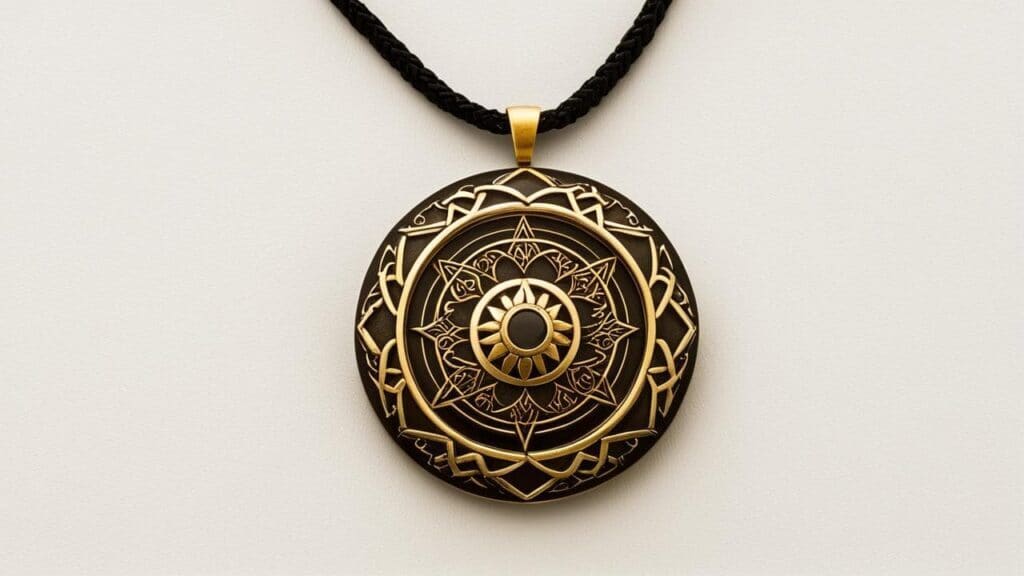
Shakudo has a history stretching back many centuries in Japan, evolving from functional applications to becoming a highly valued artistic medium. Its development reflects broader cultural exchanges and refinements in Japanese metallurgical arts over time.
- The earliest written mention of “shakudo” appears in records from Japan’s Nara period (710-794 AD), though its exact meaning at that time remains unclear. It may have referred to a form of copper or an early version of the alloy. Physically confirmed examples of shakudo metalwork date with certainty to at least the 12th century.
- Shakudo was traditionally used to construct or decorate Japanese sword fittings such as tsuba (hand guards), menuki (decorative hilt elements), and kozuka (small utility knife handles). It was also used for sliding door catches, small boxes, and other decorative objects where its lustrous black surface could create striking contrast with inlaid metals.
- Recent archaeological research suggests that shakudo-like alloys weren’t exclusively Japanese in origin. Similar decorative copper-gold alloys have been identified in artifacts from ancient Egypt, Greece, and Rome, indicating that these metallurgical techniques may have traveled eastward along trade routes over centuries before being refined in Japan.
- Shakudo was introduced to the Western world during the mid-19th century, primarily through Japanese exports during the Meiji period (1868-1912). At this time, Western audiences incorrectly believed the technique was unknown outside Asia, not realizing similar methods had once existed in their own ancient cultures.
- In earlier times, there were reportedly around fifteen different grades of shakudo, varying in gold content and resulting color quality. This gradation system demonstrates the sophisticated understanding Japanese metalworkers had developed of the relationship between composition and aesthetic result.
- The traditional knowledge of shakudo production was traditionally passed down within craft circles, with detailed techniques kept relatively secret. While some information was recorded during the middle of the Edo period (1603-1868), comprehensive documentation remained limited until the early 20th century.
The story of shakudo reflects the complex cultural exchanges that have shaped artistic traditions throughout history. What was once thought to be a uniquely Japanese innovation has deeper connections to ancient metalworking practices across multiple civilizations. This legacy continues today as contemporary artisans revive and reinterpret shakudo techniques. The alloy’s journey—from ancient origins, through centuries of refinement in Japan, to its modern global rediscovery—illustrates how metallurgical knowledge has traversed cultures and time, eventually returning to global appreciation in new contexts and applications.
How Shakudo Was Used in Traditional Japanese Crafts
Throughout its history, shakudo has been employed for specific decorative purposes where its unique properties and appearance could be showcased to best effect. Its applications reveal both practical considerations and aesthetic preferences in Japanese decorative arts.
- Sword fittings (koshirae) represent the most famous traditional application of shakudo. The black patina provided an elegant, subdued background for inlaid designs in gold, silver, or copper. Particularly notable were tsuba (sword guards), fuchi (collar mountings), kashira (pommel caps), menuki (decorative elements on the hilt), and kozuka (utility knife handles) created by master craftsmen for samurai swords.
- Small decorative objects such as netsuke (carved toggles used to secure pouches to kimono sashes), ojime (beads used as cordage stoppers), and inro (small compartmentalized cases for carrying medicines or seals) often incorporated shakudo elements to add contrast and visual interest.
- Architectural hardware including sliding door catches, drawer pulls, and decorative nail covers sometimes utilized shakudo, particularly in high-status residences, temples, or tea houses where its subdued elegance complemented minimalist aesthetic principles.
- Shakudo was frequently used in combination with other metals through inlay techniques. Gold (kin), silver (gin), copper (akagane), and shibuichi (a silver-copper alloy) were set against shakudo backgrounds to create striking pictorial scenes, patterns, or calligraphy. These techniques include zogan (metal inlay), nunome-zogan (textile-pattern inlay), and hira-zogan (flat inlay).
- Due to its gold content, shakudo was economically valuable and thus typically reserved for smaller decorative elements rather than larger objects. Claims of large vases or substantial items made entirely of shakudo are often misidentifications of other patinated metals or alloys.
- The contrast between shakudo’s dark surface and inlaid brighter metals was particularly effective in the dim lighting conditions of traditional Japanese architecture, where subtle details could be appreciated through changing light and shadow as objects were handled and examined.
These traditional applications of shakudo demonstrate the Japanese aesthetic principle of finding beauty in subtle contrasts and restrained elegance. Rather than showcasing gold’s brilliance in large expanses, Japanese metalworkers used it strategically within the shakudo alloy to achieve a refined patina that complemented other materials. This approach reflects broader cultural values of understatement and appreciation for nuanced effects that emerge through skilled craftsmanship and intimate interaction with objects. The traditional uses of shakudo have established a visual language that continues to influence metalwork and jewelry design, particularly in contexts where dramatic color contrasts and subtle surface qualities are desired.Retry
Shakudo in Modern Jewelry
Today, shakudo has experienced a revival among contemporary metalsmiths and jewelry designers who appreciate its unique aesthetic qualities and historical significance. This ancient alloy offers modern creators distinctive possibilities that align with growing interest in traditional techniques and materials with authentic cultural heritage.
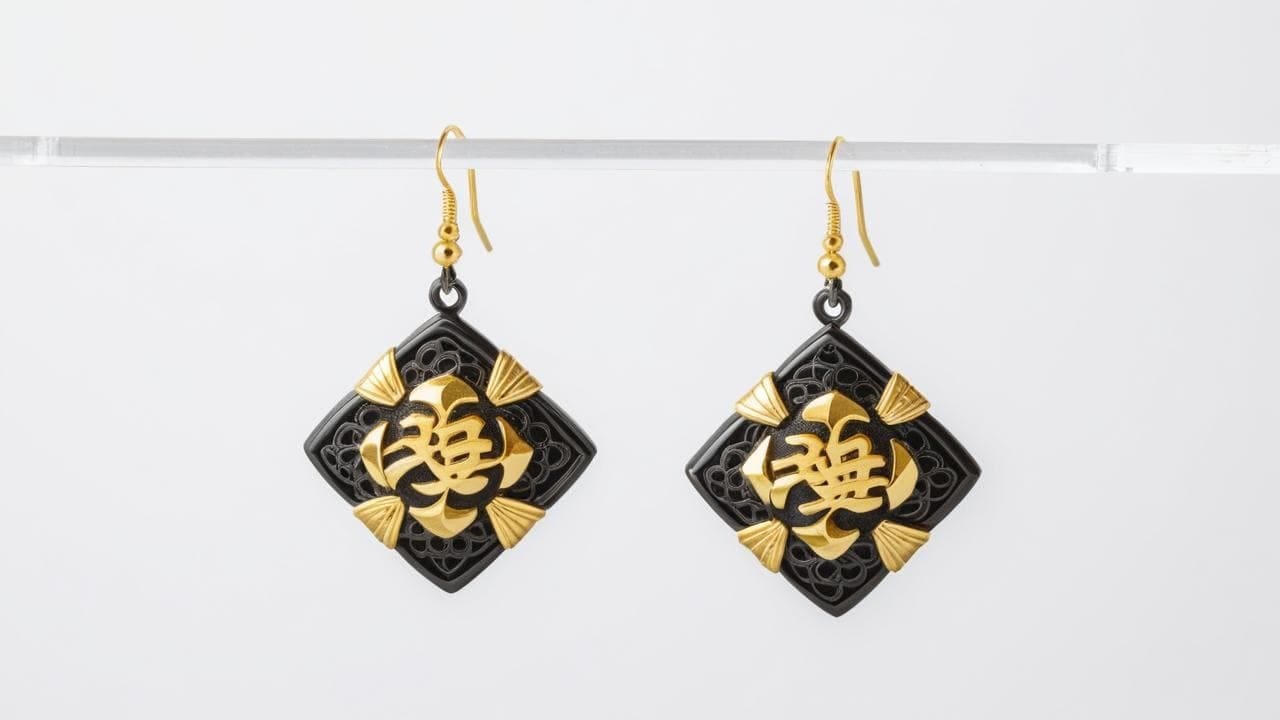
- Contemporary jewelry designers have embraced shakudo for creating pendants, earrings, rings, brooches, and other ornamental pieces. Its deep blue-black patina creates a dramatic backdrop for inlaid precious metals or gemstones, offering a unique alternative to oxidized silver or blackened metals.
- Modern mokume-gane techniques often incorporate shakudo as one of the laminated metal layers. When etched or carved, this creates striking patterns where the dark shakudo contrasts with brighter metals. The word mokume-gane means “wood grain metal,” and shakudo’s dark color enhances this effect by creating depth and definition similar to the grain in aged wood.
- Today’s metalsmiths sometimes modify traditional formulations to suit contemporary needs. While traditional shakudo contained 3-4% gold, some modern jewelers experiment with different percentages or even alternative formulations using other metals that can achieve similar patination effects at lower cost.
- Shakudo jewelry provides a distinctive option for consumers seeking pieces with historical significance and artistic merit. The material’s connection to traditional Japanese craftsmanship appeals to collectors and individuals interested in jewelry that embodies cultural heritage and specialized technique.
- Unlike mass-produced jewelry, each shakudo piece develops slightly different patination characteristics based on its exact composition and treatment, making every item unique. This variability appeals to consumers seeking one-of-a-kind handcrafted pieces in an age of mass production.
- Contemporary artisans often combine shakudo with modern design sensibilities, creating pieces that honor traditional techniques while expressing contemporary aesthetic values. This fusion approach helps keep ancient metalworking traditions alive in relevant, evolving contexts.
Modern applications of shakudo represent a meaningful connection between past and present, honoring traditional Japanese metallurgical knowledge while expanding its possibilities. As today’s consumers increasingly value authenticity, craftsmanship, and the stories behind their possessions, shakudo offers jewelry designers a material with genuine historical depth and technical distinction. The revival of this ancient alloy in contemporary contexts demonstrates how traditional knowledge can remain relevant and inspiring across centuries, continuing to evolve while maintaining its essential character and cultural significance.
How to Identify Authentic Shakudo
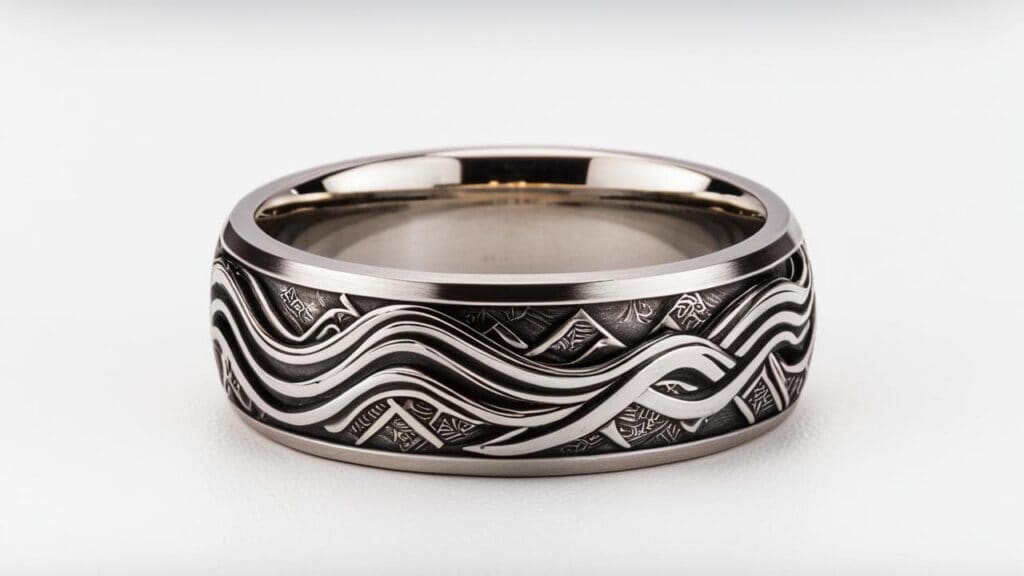
Distinguishing genuine shakudo from other dark-colored metals or imitations requires knowledge of its distinctive characteristics and typical applications. Whether examining antique pieces or contemporary work, understanding these identification points helps collectors and enthusiasts make informed assessments.
- Authentic shakudo has a distinctive blue-black patina that often exhibits subtle purple undertones or an iridescent quality when viewed under changing light. This differs from the appearance of blackened or oxidized silver, which tends toward a more neutral gray-black without the bluish or purplish cast.
- Examine the patina for evenness and depth. Quality shakudo patination should appear integral to the metal rather than like a surface coating. Areas of wear on genuine shakudo typically reveal a coppery substrate rather than silvery or white metal, which would indicate plated or otherwise treated non-shakudo material.
- Historic shakudo pieces were typically small due to the precious gold content of the alloy. Be suspicious of large objects claimed to be solid shakudo, as these are often misidentified bronze or copper with black patination. Traditional shakudo was typically reserved for sword fittings, small decorative elements, or inlay work rather than substantial objects.
- Shakudo is sometimes confused with damascened work, which involves inlaying gold or other metals onto an oxidized iron surface. True shakudo is an actual alloy of copper and gold, not merely a surface treatment or overlay technique. Understanding this distinction helps avoid misidentifications.
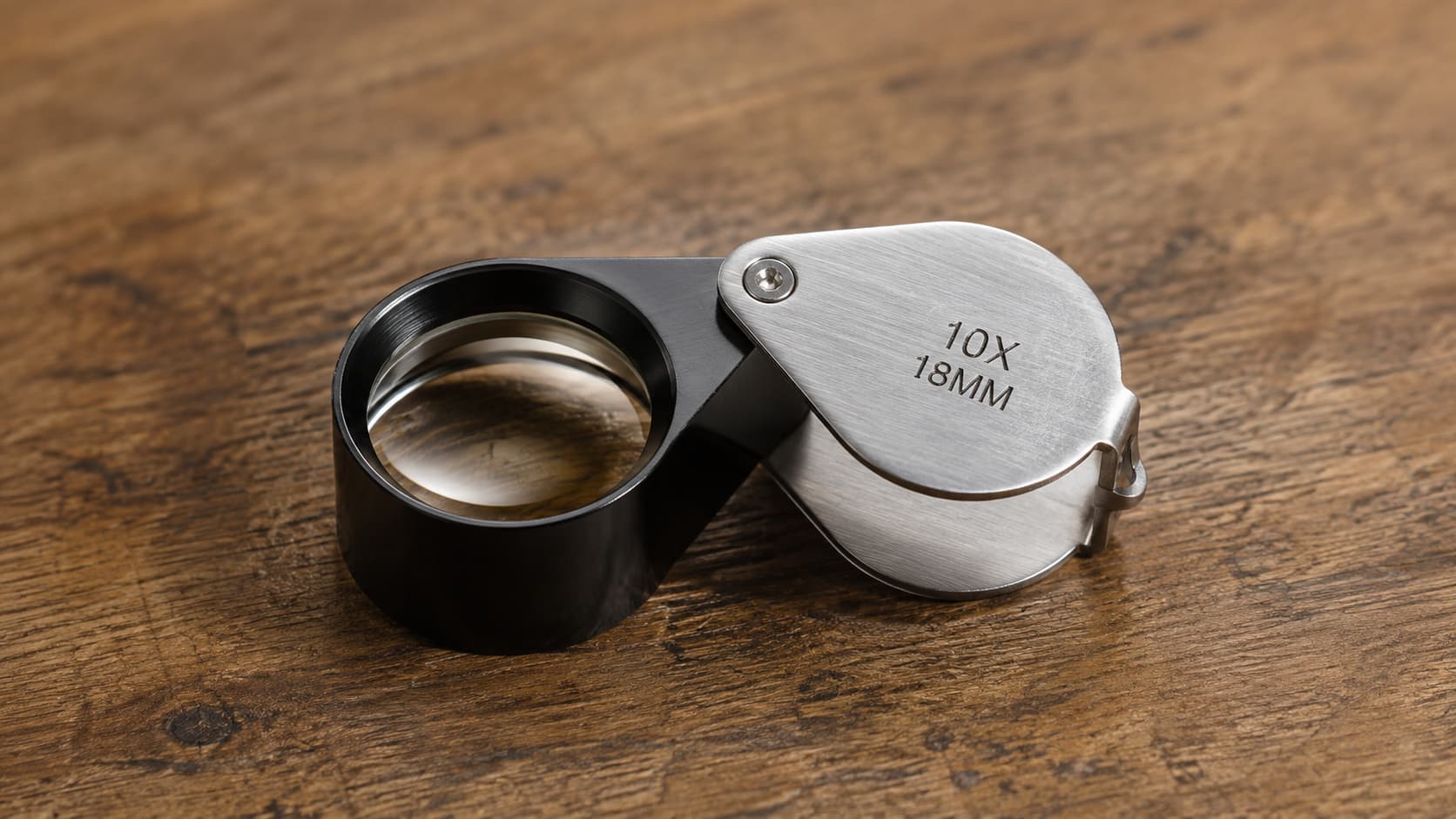
- Under magnification, authentic shakudo often reveals minute variations in the patina that reflect the molecular structure of the alloy. The interaction between the gold and copper creates subtle complexity in the surface appearance that differs from simple chemical blackening treatments.
- In antique pieces, look for traditional Japanese design motifs and construction techniques characteristic of the Edo or Meiji periods. Authentic shakudo work often features refined details, precise inlays, and subjects drawn from Japanese cultural themes like nature, mythology, or samurai imagery.
Identifying genuine shakudo requires not just visual assessment but an understanding of the material’s historical context and technical properties. As interest in this unique alloy continues to grow among collectors and jewelry enthusiasts, developing this knowledge becomes increasingly valuable. The ability to distinguish authentic shakudo from similar-looking materials or modern substitutes allows for proper appreciation of both historical pieces and contemporary work that faithfully employs traditional techniques. This discernment helps preserve the integrity of shakudo’s cultural heritage while supporting artisans who maintain and extend these specialized metallurgical traditions.
How to Care for Shakudo Jewelry
Shakudo’s distinctive patina requires appropriate care to maintain its beauty and integrity over time. While the patination is more stable than many other metal colorations, proper handling and maintenance will ensure that shakudo pieces retain their unique appearance for generations.
- Avoid exposing shakudo jewelry to harsh chemicals, including household cleaners, chlorinated water, perfumes, and cosmetics. These substances can potentially damage the patina or cause unwanted changes to the carefully developed surface coloration.
- Clean shakudo items gently using only mild soap and water, followed by thorough drying with a soft cloth. Never use abrasive polishes, ultrasonic cleaners, or aggressive polishing compounds, as these can remove the patina that gives shakudo its distinctive appearance.
- When not wearing shakudo jewelry, store it separately from other metal items to prevent scratching. Ideally, keep pieces in a soft pouch or lined jewelry box in a relatively stable environment, avoiding extreme humidity or temperature fluctuations that could affect the patina over time.
- Be mindful that shakudo is a copper-based alloy and therefore softer than many other jewelry metals like gold or platinum. Handle with appropriate care to avoid dents, deep scratches, or deformation that would be difficult to repair without affecting the patina.
- If the patina becomes damaged or worn in small areas, consult with a goldsmith or jeweler experienced in Japanese metalworking techniques. Attempting to re-patinate shakudo at home is challenging and risks creating an uneven appearance or damaging the piece.
- Some shakudo pieces may have been finished with a protective wax coating. This can be periodically renewed by applying a very thin layer of microcrystalline wax (available from conservation suppliers) using a soft cloth and buffing gently after the wax has dried.
With proper care, shakudo jewelry can maintain its distinctive appearance indefinitely. The stability of properly created shakudo patina is one of its remarkable qualities – a testament to the sophistication of traditional Japanese metalworking techniques. Unlike many Western metal colorations that deteriorate quickly with wear, shakudo’s patina becomes an integral part of the metal’s surface, providing lasting beauty with minimal maintenance. This durability, combined with shakudo’s unique aesthetic qualities, makes it both a practical choice for wearable art and a meaningful connection to centuries of metallurgical tradition.
Where to Find Shakudo Today
For jewelers, metalsmiths, and collectors interested in working with or acquiring shakudo, several options exist in today’s market. The availability of this specialized alloy has increased as interest in traditional Japanese metalworking techniques has grown internationally.
- Specialized jewelry supply companies now offer pre-made shakudo in various forms including sheet, wire, and small casting grain. These products typically contain the traditional 4% gold and 96% copper ratio, though some suppliers may offer variations with different gold percentages.
- Some metalsmiths prefer to create their own shakudo by alloying pure copper with 24K gold in the desired proportions. This approach allows for customization of the exact formulation and potentially higher quality control, though it requires proper metalworking equipment and knowledge of alloying techniques.
- Traditional patination compounds including rokusho are also commercially available through specialized suppliers catering to jewelers interested in Japanese metalworking techniques. These products make authentic shakudo patination accessible to contemporary craftspeople.
- For collectors, authentic shakudo pieces can be found through dealers specializing in Japanese antiques, particularly those focusing on sword fittings, netsuke, or Meiji period decorative arts. Auction houses occasionally offer fine examples of historical shakudo work, particularly in sales featuring Japanese art.
- Contemporary jewelry featuring shakudo can be purchased from artisan jewelers specializing in Japanese-inspired metalwork or traditional techniques. Many such artists can be found exhibiting at craft shows, through galleries specializing in art jewelry, or via online platforms dedicated to handcrafted work.
- Educational opportunities to learn shakudo techniques have expanded, with workshops, classes, and tutorials offered by experienced metalsmiths and educational institutions. These resources enable new generations of craftspeople to carry forward this specialized knowledge.
The increasing accessibility of shakudo materials, knowledge, and finished pieces represents a positive development for the preservation of this traditional craft. As global interest in specialized metalworking techniques continues to grow, shakudo has found new appreciation among diverse audiences. This expansion of the shakudo tradition beyond its Japanese origins helps ensure that this remarkable alloy and its associated techniques will continue to evolve and flourish. For those fascinated by its unique properties and aesthetic qualities, there has never been a better time to explore the world of shakudo, whether as a collector, practitioner, or simply an admirer of this extraordinary metallurgical achievement.
Conclusion
Shakudo stands as a testament to the remarkable intersection of art, science, and cultural tradition in the world of metallurgy. From its ancient origins and refinement in Japan to its contemporary revival in global jewelry and metalwork, this distinctive alloy continues to captivate with its unique properties and profound beauty. The transformation of ordinary copper through the addition of a small amount of gold, followed by the alchemical-like patination process, creates something far greater than the sum of its parts – a material that embodies both technical mastery and aesthetic refinement.
In today’s world of mass production and synthetic materials, shakudo offers something increasingly precious: authenticity, history, and the unmistakable mark of human craftsmanship. Each piece of shakudo jewelry or decorative art carries within it centuries of metallurgical knowledge, cultural exchange, and artistic tradition. Whether appreciated in antique Japanese sword fittings or contemporary artisan jewelry, shakudo continues to demonstrate how traditional knowledge remains relevant and inspiring across time and cultural boundaries.