Anyone spending time in a watch forum, on Instagram, or at a collector meetup will eventually hear someone bring up “flippers.” Sometimes it’s said with a shrug, sometimes with real annoyance. Watch flipping has been part of the hobby for decades, but it exploded into something much bigger over the last few years, turning ordinary buyers into part-time dealers and pushing prices on certain models into territory nobody expected. Understanding what flipping actually is, and why it causes so much debate, sheds light on why some watches sit on shelves while others are nearly impossible to find at retail.
What Is Watch Flipping?
Watch flipping means buying a watch with the specific goal of quickly reselling it for a profit, rather than buying it to wear or collect. The word “flip” comes from the same idea used in real estate or sneaker reselling: buy low, sell high, move on fast.
A person only counts as a flipper if turning a profit was the plan from the start. That distinction matters a lot to collectors. Someone who buys a watch, wears it for two years, and later sells it because their taste changed isn’t a flipper. Someone who buys a hyped watch at retail price with the plan to sell it the same week for double is.
The word gets used loosely, though, and that’s part of why it causes so much argument. Some people label anyone who resells a watch within a year or two as a “flipper,” even if the sale happened because of a job change, a shift in taste, or simply needing cash. Others reserve the term strictly for people who never intended to keep the watch in the first place. Neither definition is officially correct, but understanding the difference explains why the topic gets so heated in watch communities.
How Does Watch Flipping Work?
Flipping works because certain watches sell for far more on the resale market than their official retail price, and flippers exploit that price gap for profit. This gap exists because popular watch brands intentionally make some models hard to get, and demand ends up much higher than the limited supply.
The process generally follows four steps:
- A flipper buys a watch, either at full retail price from an authorized dealer, at a special discount, or secondhand for less than it’s worth.
- They hold onto it for a short time, sometimes only days.
- They resell it, usually through online marketplaces, watch forums, or private buyers, at a higher price than they paid.
- The difference between the buying price and the selling price is their profit.
Some sellers describe it more simply: flipping is buying valuable, in-demand watches with the intention of reselling them for a profit, rather than keeping them.
The tricky part is that this only works with specific watches. Nobody bothers flipping a watch that sells for the same price used as it does new. Flippers chase models where the retail price and the real market price are far apart.
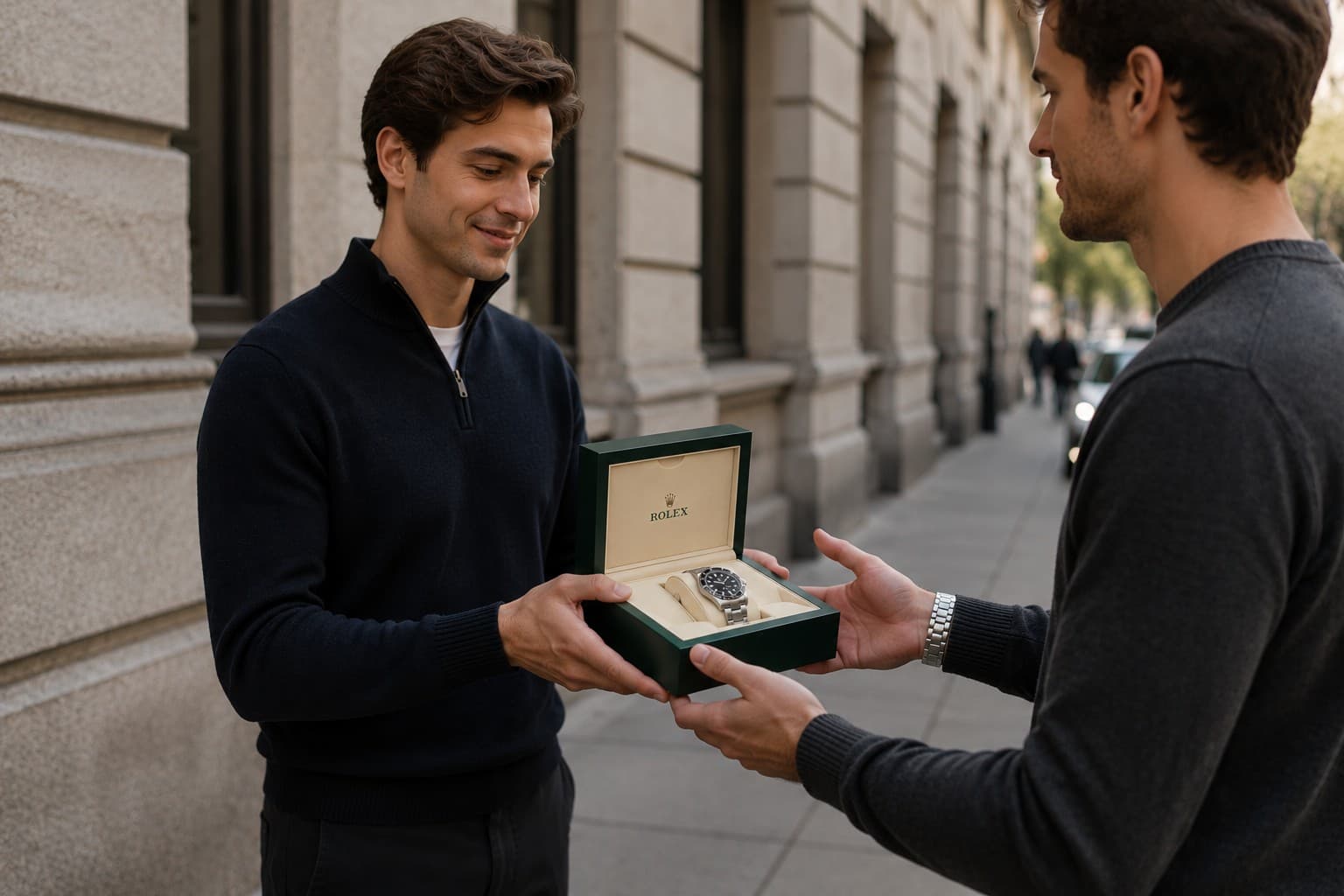
Sourcing the watch in the first place is usually the hardest part. Some flippers build relationships with authorized dealers over months or years so they get called first when a hot model arrives. Others buy from private sellers, estate sales, or dealers offering a discount, hoping the seller doesn’t fully realize what the watch is actually worth. A smaller group buys directly from other collectors who are impatient to sell quickly and willing to accept a lower price for a fast, no-hassle transaction.
There are usually a few tells when a listing is coming from a flipper rather than someone selling a watch they actually wore. A “brand new” watch listed for sale within days of its release, priced well above what it cost at retail, is the classic sign. So is a listing with no box, papers, or wear at all, paired with a seller who has several other similar high-demand watches for sale at the same time. None of that makes buying from a flipper wrong, since the watch itself is usually just as real and just as good, but it does explain why the price is higher than the sticker on the brand’s own website.
Why Do Certain Watches Get Flipped More?
Watches get flipped heavily when demand massively outpaces the number of units a brand actually makes, which creates artificial scarcity and long waiting lists. Big luxury brands like Rolex, Patek Philippe, and Audemars Piguet only produce a limited number of watches each year, even for their most popular models, and authorized dealers often have waitlists stretching years for the most wanted pieces.
This scarcity is not usually an accident. When a brand keeps a hot model’s official price well under what collectors are clearly willing to pay for it secondhand, the authorized dealers selling that watch know exactly how much value is being left on the table. Instead of raising prices to match demand, brands keep official prices lower and let their authorized dealers hand the best watches to their most loyal or highest-spending customers. That creates a huge financial incentive for the lucky few who do get access to sell for a quick profit instead of wearing the watch.
A textbook example is the Patek Philippe Nautilus reference 5711. Its retail price started around USD 30,000, but after Patek discontinued it in 2021, resale prices jumped roughly 25% almost overnight, and certain dial colors eventually traded for well over $100,000, with rare Tiffany-blue versions reaching into the millions at auction. That is the kind of price gap that pulls flippers into a market.
Rolex is another good example, and it works a little differently. Rolex’s so-called “waiting list” isn’t really a numbered queue at all; it functions more like a pool of interested clients, and each authorized dealer decides who gets the next available watch based on factors like purchase history and how strong the relationship with that customer is. That means a brand-new customer walking in off the street has almost no chance at a hot steel sports model, while a regular who has bought several watches, or even jewelry, from that same store over the years gets called first. It rewards loyalty, but it also means the watches most worth flipping tend to land with people who already have the deepest relationships with dealers, not necessarily the people who want to wear them most.
Is It Legal to Flip Watches?
Yes, watch flipping is completely legal. Buying a watch someone legitimately owns and reselling it for whatever price a buyer is willing to pay is a normal private sale, no different than reselling a car, a piece of furniture, or a used phone.
Flipping itself is not what crosses a legal line. The problems come from separate issues layered on top of it:
- Selling counterfeit or fake watches as authentic
- Lying about a watch’s condition, history, or authenticity to make a sale
- Fraud, such as taking payment and never shipping the watch
The market where a lot of flipped watches change hands, often called the gray market, is also legal. That term simply describes watches being bought and sold outside of a brand’s official dealer network, something collectors have done for as long as watches have carried resale value. For some people it stays a casual side interest; for others it turns into a real business. It just means the watch is being sold by someone other than an authorized dealer, not that anything shady is happening.
One thing that does matter, and gets overlooked a lot, is taxes. Someone who regularly buys and resells watches for profit may be treated as running a business rather than making a casual private sale, depending on the local rules where they live. That can mean profits are taxable income, not just a nice bonus. Anyone flipping watches often enough that it starts to look like a side business is generally better off checking local tax rules or speaking with an accountant rather than assuming a private sale is automatically tax-free.
Why Do Collectors Dislike Flippers?
Many serious collectors dislike flippers because they see them as taking watches away from genuine buyers purely to make money, without any real interest in the watch itself. The word “flipper” carries a negative charge in these circles precisely because it implies someone chasing an easy payday rather than a person who actually wanted to own and wear the piece.
The frustration usually comes down to allocation. Authorized dealers only get a small number of the most desirable watches. When a flipper scoops one up purely to resell at a markup, a genuine enthusiast who might have worn that same watch for the next twenty years misses out entirely. Multiply that by thousands of transactions a year and it starts to visibly shape which models are realistically available to buy at retail price.
That said, not everyone agrees flipping deserves the bad reputation. Some point out that reselling is a normal part of almost every collectible market, from sneakers to trading cards to art, and that the real root of the problem is brands deliberately underpricing watches relative to demand rather than the individual people willing to take advantage of that gap.
Can You Really Make Money Flipping Watches?
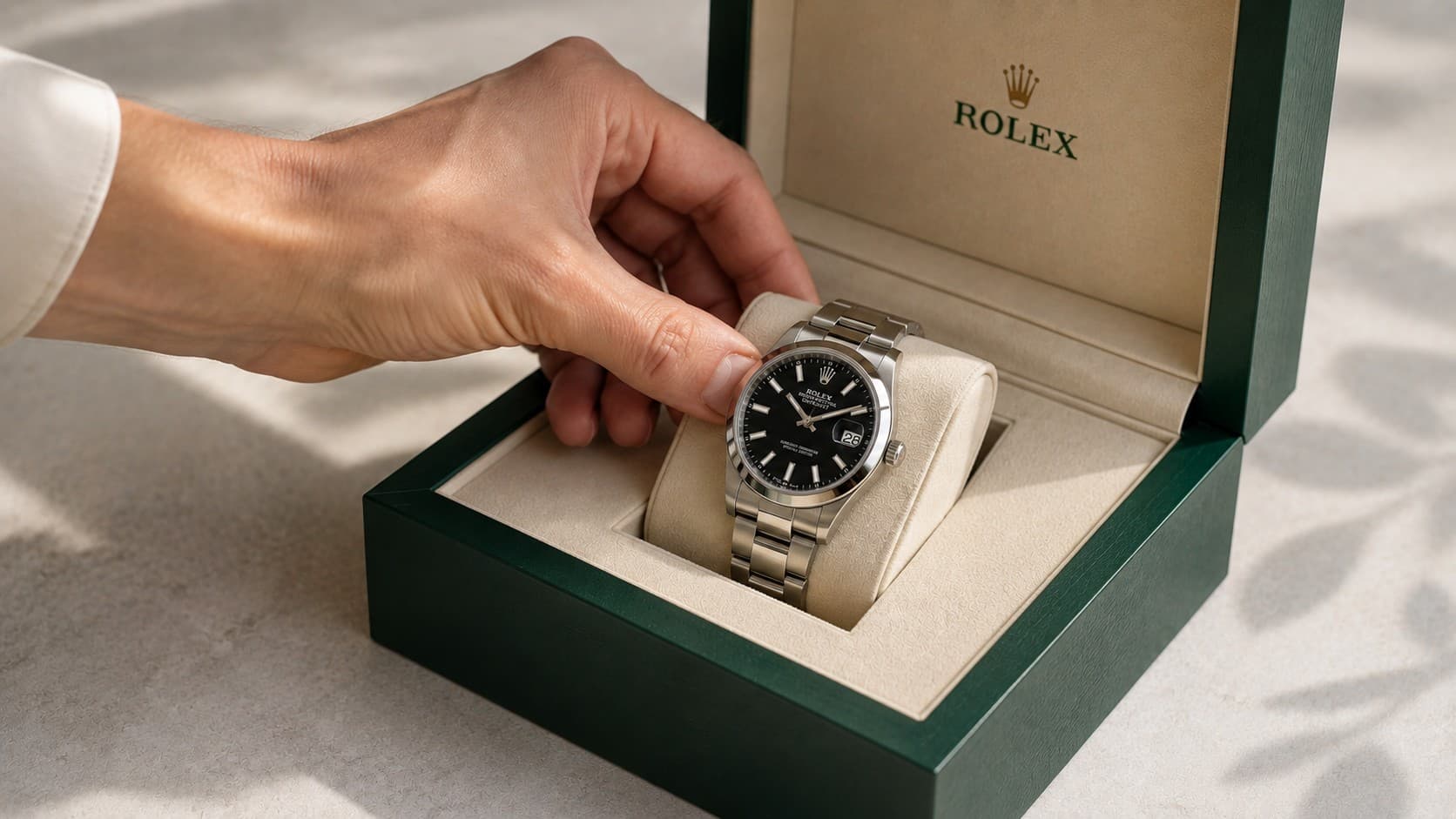
Watch flipping can be profitable, but it is far riskier and far less reliable than it looks from the outside, and the market has cooled significantly since its 2021-2022 peak. During the pandemic years, resale prices for hyped models like the Rolex Daytona and Patek Nautilus soared to three or four times retail, making flipping look like easy money.
That period didn’t last. One major industry benchmark, which tracks 60 watches from the ten biggest luxury brands, showed the overall secondary market losing close to 40% of its value measured against where it stood in 2022. Rolex, Patek Philippe, and Audemars Piguet models were hit especially hard. As dealers and private sellers who had bought during the boom rushed to unload references like the Daytona, the Nautilus, and the Royal Oak, one closely watched pricing index dropped by roughly a quarter in a single year.
That crash caught a lot of people off guard, especially newer flippers who bought near the top of the market expecting prices to keep climbing forever. It’s a good reminder that watch flipping behaves a lot like any speculative market: prices can fall as fast as they rise, and buying purely to resell always carries real financial risk.
More recently, the picture has looked a little steadier. Dealer inventory has been thinning out, and by early 2026, secondhand prices had ticked up roughly 4% over a six-month stretch while official retail prices climbed by about 7%, a trend that held even as other speculative markets, like cryptocurrency, were sliding. That doesn’t mean the old pandemic-era boom is coming back, but it does show the market finding more of a floor after years of decline, which matters a lot to anyone trying to time a purchase or a sale.
What Can Go Wrong When Flipping Watches?
The biggest risks in watch flipping are counterfeit watches, sudden price drops, and getting stuck holding an unsold watch while still paying for it. Buying a fake watch by mistake, and then unknowingly reselling it, can lead to serious financial loss and even legal trouble if it’s discovered later.
Several risks come up again and again for people who flip watches:
- Counterfeits: The secondhand watch world has no shortage of convincing fakes, and buying from unverified private sellers is the riskiest way to purchase.
- Market swings: Watches that seem like guaranteed money-makers can lose significant value within months if demand cools or a brand releases more supply.
- Holding costs: A watch that doesn’t sell quickly still needs to be insured, stored safely, and sometimes financed, all of which eats into any eventual profit.
- Damaged reputation: Being known as a flipper, rather than a collector, can make authorized dealers less willing to sell future watches at retail price.
- Shipping and payment scams: High-value private sales attract scammers, so payment methods without buyer protection or unverified shipping arrangements can lead to real financial loss.
Anyone buying a secondhand watch, whether for flipping or for keeping, should always check serial numbers, ask for papers or a box, and buy from a seller with a verifiable track record.
None of this means flipping is a bad idea across the board, but it does mean it’s closer to a speculative side activity than a guaranteed money-maker. The people who do it successfully over the long run tend to know specific brands and references extremely well, watch pricing trends closely, and treat it more like careful, patient trading than quick, easy money.
Frequently Asked Questions
Is watch flipping the same as reselling?
Yes, in practice they mean the same thing. Both terms describe buying a watch and selling it again, usually quickly, with the goal of making a profit rather than keeping it long-term.
Which watches get flipped the most?
Hyped, hard-to-get models from brands like Rolex, Patek Philippe, and Audemars Piguet get flipped the most, since these are the watches where the gap between retail price and real resale value tends to be largest.
Can I stop a watch from being flipped after I sell it?
Not really. Once a watch legally changes hands, the new owner is free to do whatever they want with it, including reselling it immediately. Some authorized dealers try to reduce flipping by asking buyers to sign agreements promising not to resell quickly, but these are difficult to enforce once a private sale happens.
Do authorized dealers know when they’re selling to flippers?
Sometimes. Many authorized dealers try to sell hot watches to loyal, long-term customers who have a purchase history with the store, partly as a way to reduce the chances of the watch being immediately resold for profit. It doesn’t always work, but it’s a common strategy in the industry.
Is flipping watches a full-time job for some people?
For a small number of dedicated resellers and dealers, yes, buying and selling watches is a real business. For most people who dabble in it, though, it functions more like an occasional side activity than a reliable income source, especially given how much resale prices can swing.
Conclusion
Watch flipping, at its core, is simply buying a watch to resell it for profit rather than to wear or collect it. It exists because certain brands create scarcity that pushes resale prices well above retail, and it has grown from a niche hobby into a market that regularly makes headlines when prices swing dramatically in either direction. Whether flippers are seen as savvy opportunists or as a nuisance crowding out genuine collectors, understanding how the buying-and-reselling cycle works explains why some models are nearly impossible to find at their official price while others sit quietly on shelves.