How to Authenticate Watches: Guide to Avoiding Counterfeits

Learn to authenticate luxury watches & spot fakes. Expert guide covers red flags, DIY checks & professional services to protect your investment.

We include products we think are useful for our readers. If you buy through links on this page, we may earn a small commission.

Read more

Affiliate Disclosure: This post may contain affiliate links, which means we may receive a commission if you click a link and purchase something that we have recommended. While clicking these links won't cost you any extra money, they help us keep this site up and running. We only recommend products or services that we genuinely believe will add value to our readers. Thank you for supporting us!

Transparency: We are a participant in various affiliate programs, including the Amazon Services LLC Associates Program, an affiliate advertising program designed to provide a means for us to earn fees by linking to Amazon.com and affiliated sites. Our editorial content is not influenced by affiliate partnerships, and we strive to provide honest and unbiased reviews and recommendations.

To learn more about our vetting process, please visit our Affiliate Disclosure Statement

Article Content

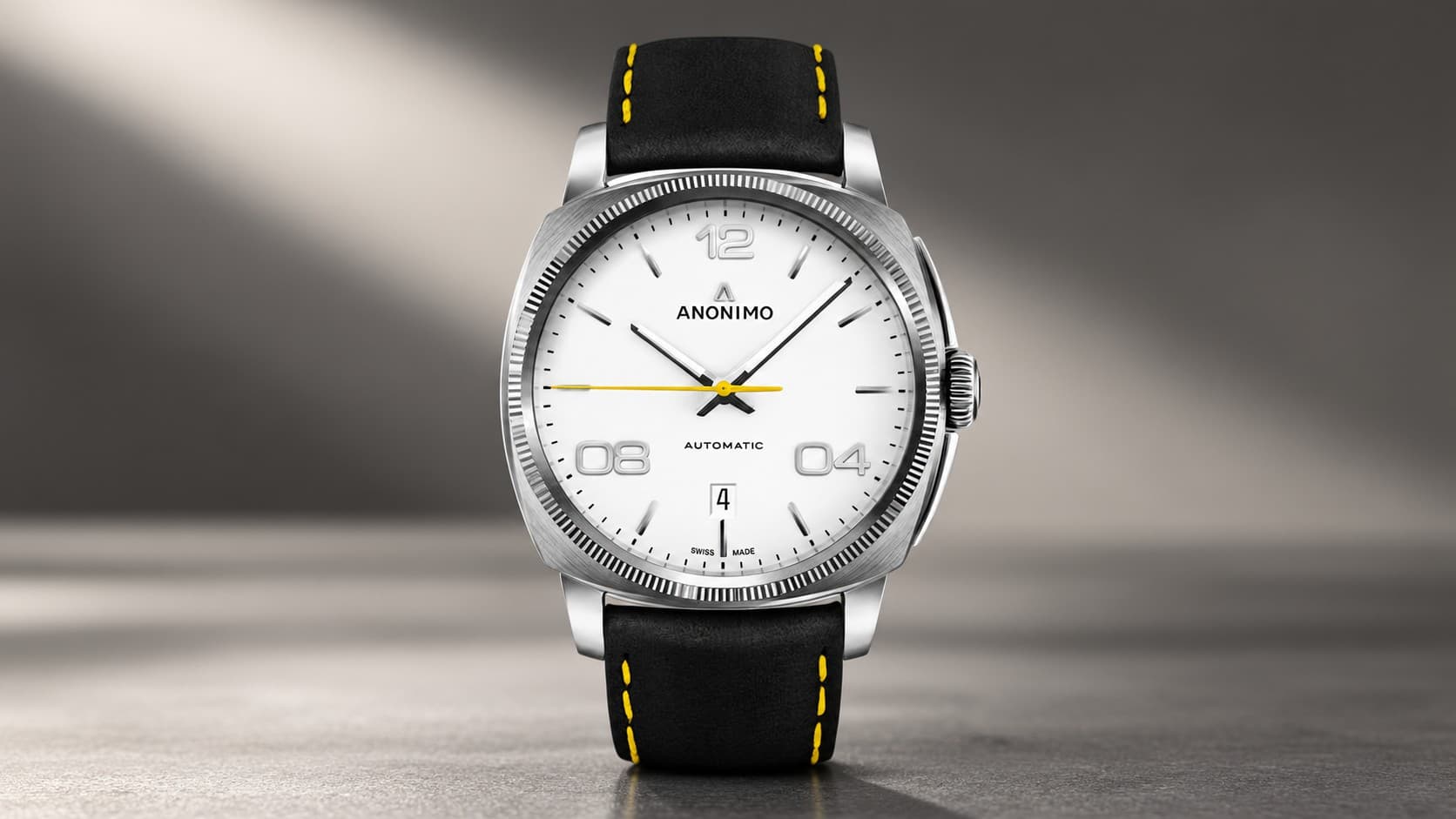
Elegant dress watch with black leather strap and minimalist white dial showing authentic luxury watch quality and construction

The luxury watch market has never been more popular, but this popularity brings a dangerous rise in sophisticated counterfeits that can fool even experienced collectors. Approximately 40 million fake Swiss watches are produced annually, compared to only 30 million authentic Swiss-made watches, representing a staggering $618 million in lost retail value. Modern counterfeiters use advanced manufacturing techniques, while professional authentication services now use up to 53 control points and AI-assisted technology to verify authenticity. Whether you’re buying your first luxury timepiece or adding to an established collection, understanding how to authenticate watches is crucial for protecting your investment and ensuring you’re getting genuine horological craftsmanship.

How Does Watch Authentication Work?

Watch authentication is a comprehensive verification process that confirms whether a timepiece is genuinely manufactured by its claimed brand or if it’s a counterfeit replica. This process involves examining every aspect of the watch, from its external appearance to its internal movement, comparing these elements against known specifications for authentic pieces.

  • Professional Multi-Point Inspection: Authentication services use the most precise process on the market with 53 control points, examining every component including the bezel, crown, hands, dial, movement, and providing a condition and authenticity score. This systematic approach ensures no detail is overlooked, as even the smallest inconsistency can indicate a fake.
  • Digital Documentation and Certification: Modern authentication includes blockchain technology that provides an immutable record of the watch’s provenance, service history, and ownership transfers, with many high-end brands now including a digital passport with each timepiece. This creates a permanent, tamper-proof record that follows the watch throughout its lifetime.
  • AI-Assisted Analysis: Advanced AI algorithms can now detect minute details and inconsistencies that might elude even the most trained human eye, with experts using AI-assisted tools to analyze high-resolution images of watch components against vast databases of authentic parts. This technology has revolutionized the speed and accuracy of authentication services.
  • Stolen Watch Database Verification: Professional authentication systematically includes checking if the watch has been reported stolen, providing proof of this verification in the certificate if the watch is clean. This protects buyers from unknowingly purchasing stolen merchandise and provides legal protection.

Authentication has evolved from simple visual inspection to a sophisticated process combining traditional expertise with cutting-edge technology. Professional services typically take 15 to 20 minutes for authentication, with costs starting around $200 depending on the brand and complexity. This investment in verification provides invaluable peace of mind and legal protection for buyers, while also maintaining the integrity of the luxury watch market by making it harder for counterfeiters to succeed.

Why Watch Authentication is Important

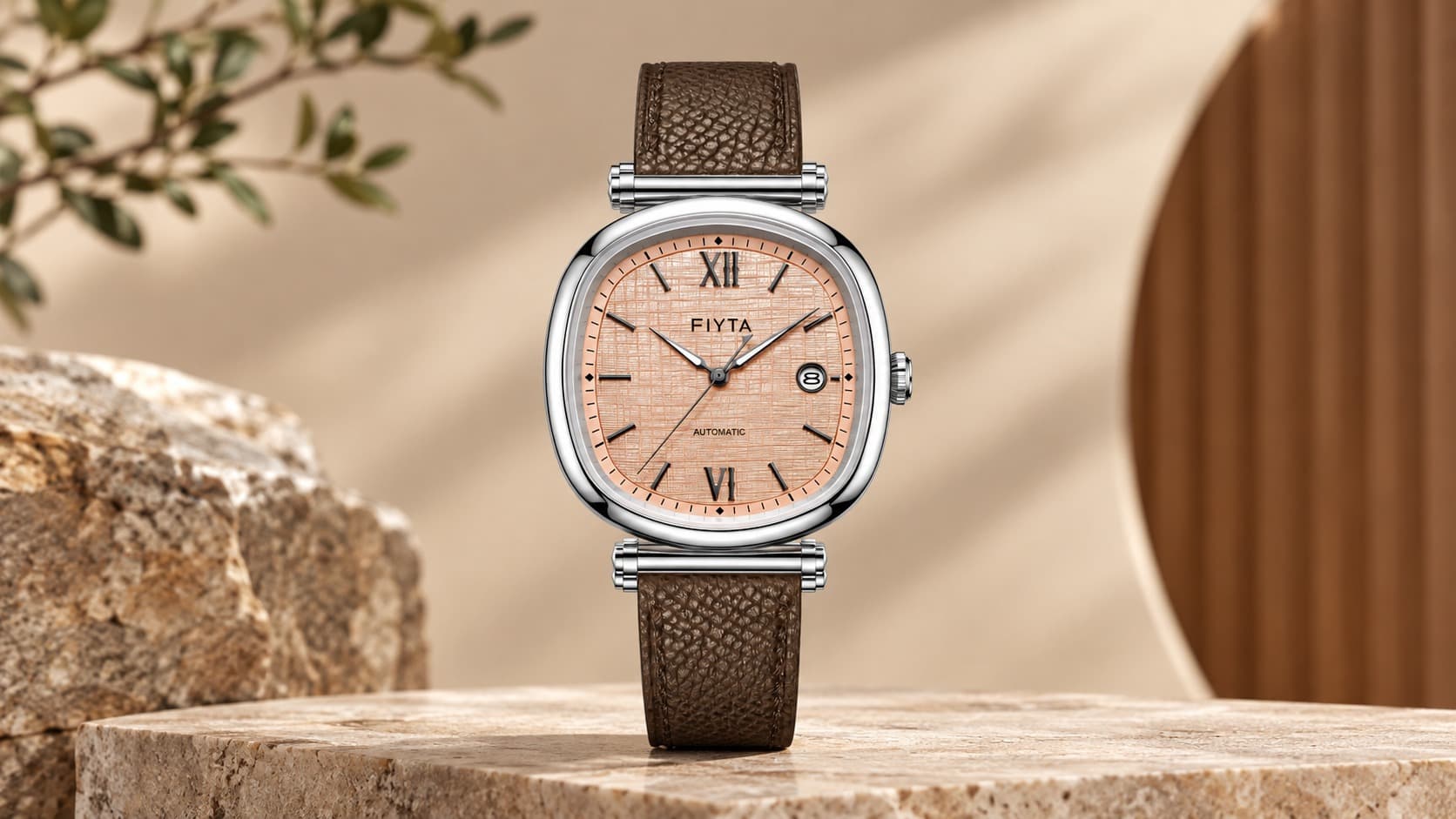
Clean white dial watch with brown leather strap featuring precise hour markers and quality case finishing for authenticity verification

Understanding the importance of watch authentication goes beyond simple verification – it’s about protecting significant financial investments, ensuring safety, and maintaining legal compliance. The consequences of buying counterfeit watches extend far beyond disappointment, affecting your wallet, health, and legal standing.

  • Massive Financial Protection: Genuine luxury watches are meticulously made to the most exacting standards using only fine materials in their construction, making them substantially more valuable than replicas that use cheaper materials. A single authentic Rolex, Patek Philippe, or Audemars Piguet can represent tens of thousands of dollars in value, while a convincing fake has essentially zero resale value once discovered.
  • Investment Value Preservation: Watches with verified serial numbers often command higher prices in the secondary market, as they offer buyers assurance of the piece’s legitimacy and provenance, with this verification becoming especially crucial for vintage or limited edition models where stakes and potential values are even higher. Authentication certificates become part of the watch’s permanent documentation, maintaining and potentially increasing its value over time.
  • Health and Safety Concerns: Counterfeit watches often contain unknown metals, chemicals, and materials that haven’t undergone proper safety testing. These can cause skin allergies, discoloration, or other health issues during extended wear. Authentic luxury watches use hypoallergenic materials and undergo rigorous quality control to ensure they’re safe for daily use.
  • Legal Protection and Insurance: Authentication certificates are recognized by insurance companies and provide legal protection in case of theft, with serial numbers being blacklisted by manufacturers and market players when reported stolen. Without proper authentication, insurance claims may be denied, and you could unknowingly purchase stolen merchandise.
  • Quality and Longevity Assurance: Because of the quality of materials used, genuine watches tend to be heavier than replica watches and are built to last decades with proper maintenance, while fakes typically fail within months or years due to inferior internal components. The precision engineering in authentic movements ensures reliable timekeeping and long-term durability that counterfeits simply cannot match.

The financial impact of the counterfeit market is staggering, with the legitimate Swiss watch industry losing over 2 billion euros annually to fakes. For individual buyers, the stakes are equally high – purchasing an unverified luxury watch is essentially gambling with your money. Professional authentication provides a safety net that protects not just your current investment, but also ensures the watch will retain its value and functionality for years to come, making it a crucial step in any serious watch purchase.

Fake Watch Warning Signs

Recognizing potential counterfeit watches requires understanding the subtle and not-so-subtle signs that distinguish authentic timepieces from even the most sophisticated fakes. Modern counterfeits have become increasingly convincing, but several key indicators can still reveal their true nature.

  • Suspiciously Low Pricing: When it comes to luxury watches, it’s possible to buy authentic pieces for less than official retail price, but savings of more than 10-25% of current market value should come as a red flag, as there’s a reason luxury watches are expensive due to high-quality materials and in-house manufacturing. If a deal seems too good to be true, it almost certainly is, especially for highly sought-after models with waiting lists.
  • Poor Quality Details and Finishing: Authentic luxury watches exhibit impeccable quality and craftsmanship with perfectly printed logos and markings, while counterfeits often show inconsistencies like blurry or uneven text, misaligned text, or subpar materials. Look closely at dial printing, logo clarity, and text alignment – genuine watches have flawless execution in every detail.
  • Weight and Material Inconsistencies: Luxury watches are typically made from high-quality materials such as stainless steel, gold, or platinum, which give them substantial weight, while counterfeit watches often use cheaper materials resulting in noticeably lighter weight. The difference is immediately apparent when handling both authentic and fake versions side by side.
  • Movement and Sound Issues: The second hand on a genuine mechanical watch will have a smooth, sweeping motion achieved through intricate engineering, whereas on a counterfeit watch it might tick or move jerkily, and authentic luxury watches with high-quality mechanical movements operate silently without audible ticking. These movement characteristics are difficult and expensive for counterfeiters to replicate accurately.
  • Incorrect or Poor Serial Numbers: All watch brands use complex systems of assigning and engraving watches with unique serial numbers, and specific serial number ranges are synonymous with specific design traits, allowing authenticators with expansive brand knowledge to spot fakes without consulting the brand directly. Fake serial numbers are often poorly engraved, incorrectly formatted, or recycled from authentic watches photographed online.
  • Crystal and Glass Quality: Luxury watches often use high-quality materials like sapphire crystal, which counterfeiters struggle to replicate accurately, with authentic sapphire crystal being virtually scratch-proof while fake crystals scratch easily and lack clarity. The anti-reflective coating on authentic crystals also differs significantly from cheaper alternatives used in fakes.
  • Packaging and Documentation Flaws: Authentic luxury watches come in high-quality packaging with meticulously printed documentation including certificates of authenticity, while counterfeit packaging often feels cheap with blurred printing and missing details. Pay attention to paper quality, printing sharpness, and the overall presentation of boxes and certificates.

The sophistication of modern counterfeits means that spotting fakes requires increasingly detailed knowledge and careful inspection. Counterfeit watches have evolved dramatically over the years, with early fakes from the 1970s-1990s being easily spotted due to poor quality, while modern replicas can be convincingly close to authentic pieces. However, counterfeiters still cut corners in areas they believe buyers won’t examine closely, and these shortcuts become the telltale signs that reveal their true nature. When in doubt, professional authentication remains the most reliable way to verify a watch’s authenticity.

How to Check Watch Authenticity at Home

While professional authentication remains the gold standard, there are several verification steps you can perform at home to assess a watch’s authenticity before making a purchase or seeking expert evaluation. These DIY methods won’t replace professional inspection but can help you identify obvious fakes and make more informed decisions.

  • Serial Number Verification and Cross-Referencing: Locate the serial number, usually engraved on the case back or between the lugs, and cross-check this number with the manufacturer’s records by contacting the brand or an authorized dealer, as many luxury brands maintain databases to confirm authenticity. For Rolex watches, the serial number is engraved on the case at the 6 o’clock end between the lugs, requiring bracelet removal to see it, with the model reference engraved at the 12 o’clock end. Use online databases and brand-specific resources to verify that your serial number matches the correct production period and model specifications.
  • Weight and Material Assessment: Counterfeit watches often use cheaper materials, making them noticeably lighter than genuine luxury watches crafted from stainless steel, gold, or other heavy metals, and authentic luxury watches typically have a more solid and durable build. Compare the watch’s weight to published specifications or similar authentic models – the difference should be immediately apparent if you’re handling a fake made with inferior materials.
  • Movement Inspection and Sound Tests: Genuine luxury watches with high-quality mechanical movements operate silently without ticking or other audible sounds, which is a hallmark of their precision craftsmanship, while authentic luxury watches typically have smooth, gliding second hand motion compared to counterfeiters’ choppier or uneven ticking. Several watch models feature transparent sapphire case backs offering a view of the intricate movement, and inspecting the movement can prevent purchasing counterfeits as fake watches frequently omit specific components or fail to replicate authentic movement craftsmanship.
  • Detailed Visual Inspection with Magnification: A brand-new luxury watch should exhibit flawless details with no imperfections, and when buying secondhand, carefully inspect for signs of wear while verifying the serial number, as well-maintained authentic watches show only minimal wear and retain quality over time. Use a magnifying glass or jeweler’s loupe to examine text clarity, logo precision, and engraving quality – authentic watches have razor-sharp details that counterfeiters struggle to replicate perfectly.
  • Documentation and Packaging Verification: Only buy from sellers who can produce complete paperwork including original purchase receipts, stamped warranty cards, service receipts providing proof of purchase from authorized dealers, and service paperwork detailing work done by manufacturer service centers. Examine the quality of certificates, boxes, and documentation – authentic materials use high-quality paper, precise printing, and consistent branding throughout.
  • Online Database Checks for Stolen Watches: A simple online search of the serial number on platforms dedicated to stolen watch reporting can yield critical insights, allowing you to determine whether the pre-owned watch has ever been reported as stolen. This verification provides invaluable peace of mind and legal protection, as purchasing stolen goods can result in loss of the watch and potential legal complications.

While these DIY methods provide valuable initial screening, they have limitations. It is virtually impossible to determine conclusively that a watch is genuine through photos alone, though certain participants may be able to determine conclusively that a watch is counterfeit with better and more detailed photos. The most sophisticated counterfeits may pass basic visual inspection, requiring professional expertise to identify subtle inconsistencies in movement finishing, material composition, or manufacturing techniques that only trained authenticators can detect.

Professional Watch Authentication Services

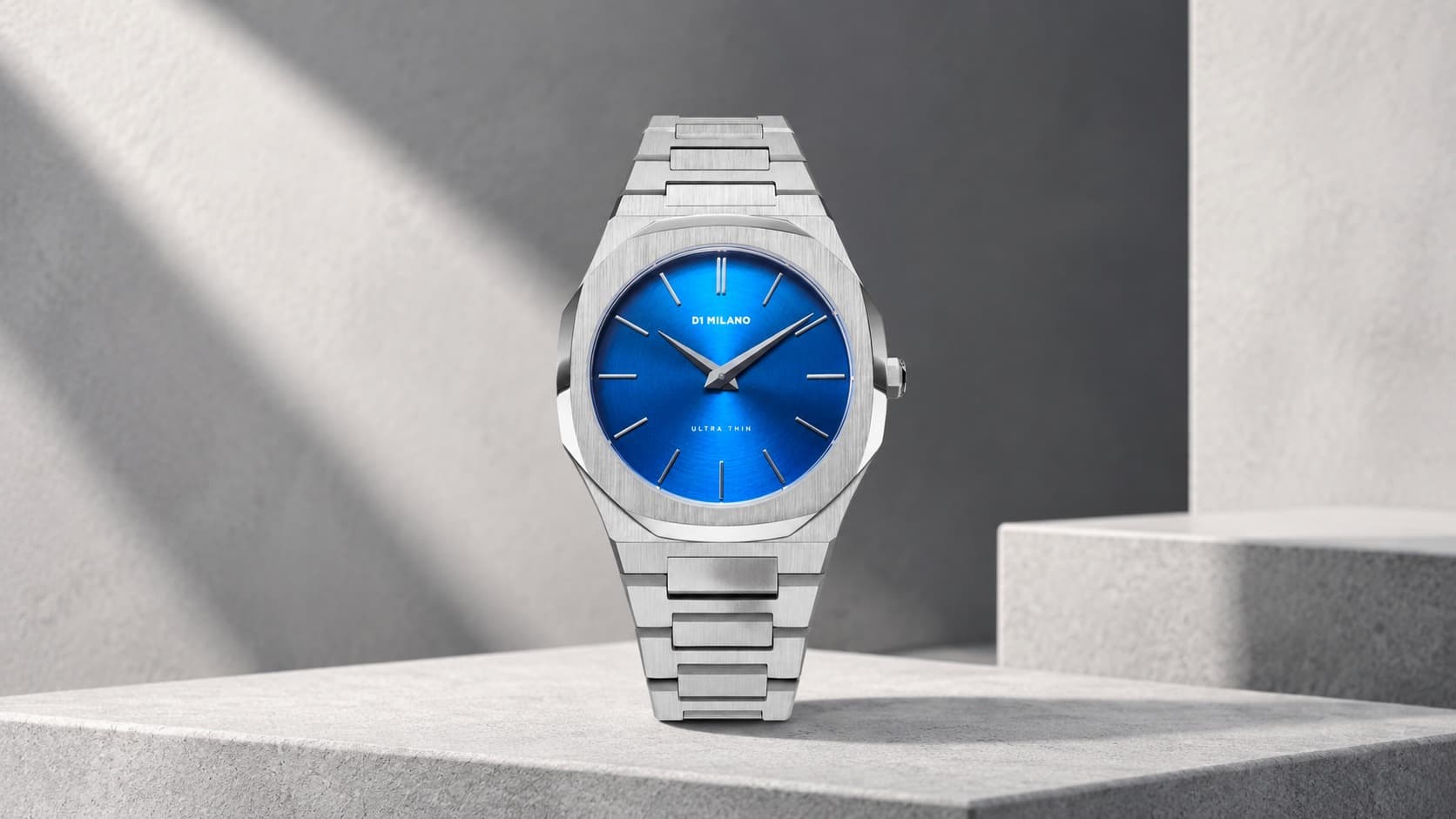
Black case minimalist watch with white dial and black leather strap showing authentic quality craftsmanship and proper finishing details

When dealing with high-value timepieces or when DIY methods leave you uncertain, professional authentication services provide the expertise and equipment necessary to definitively verify a watch’s authenticity. These services have become increasingly sophisticated, utilizing advanced technology and decades of expertise to combat modern counterfeiting techniques.

  • When Professional Authentication is Essential: For luxury watches that feature advanced complications like chronographs, perpetual calendars, or intricate moon phase displays, close inspection of these functions is crucial, as genuine high-end timepieces are engineered with incredible precision to execute even the most complex complications flawlessly. Professional authentication becomes mandatory for purchases over $10,000, insurance purposes, estate evaluations, or when buying from unfamiliar sellers, as the cost of authentication is minimal compared to the potential financial loss from acquiring a sophisticated fake.
  • Advanced Equipment and Technical Analysis: Artificial Intelligence has made significant strides in visual recognition, becoming an invaluable tool in watch authentication, with advanced AI algorithms detecting minute details and inconsistencies that might elude even trained human eyes. Professional authenticators use specialized equipment including high-powered microscopes, ultrasonic cleaning devices, timing machines, and digital calipers to measure components to microscopic tolerances that counterfeiters cannot match.
  • Comprehensive Multi-Point Inspection Process: The authentication process is designed to be completely safe for watches, with experienced professionals using utmost care and proper handling throughout examination, typically taking 15 to 20 minutes depending on current queue. Professional authenticators verify dozens of inspection points including movement, crown, bezel, dial, case, clasp/buckle, hands, end links, and serial number, with each verified timepiece receiving a unique authentication card with detailed information.
  • Movement Analysis and Internal Inspection: There’s a reason most watch authenticators begin inspection by removing the caseback, as one of the hardest components to fully replicate is a watch’s movement, requiring the greatest research and development to design and execute at high levels. On genuine luxury watches, movements exhibit immaculate finishing, precise engravings, and quality commensurate with brand standards, while counterfeiters may mimic exterior components but replicating intricate movements to finest details remains an immense challenge.
  • Cost Structure and Service Options: Watch authentication services start at $200, but costs can vary depending on brand and other factors, with accurate quotes requiring direct contact with customer service teams for specific watches. Major online marketplaces now offer authentication programs where watches priced $2,000 or more receive free authentication, while watches priced $500-$1,999.99 can add authentication service for $80 plus applicable taxes. Premium services may offer expedited processing, detailed condition reports, and insurance valuation documentation.
  • Certification and Documentation: If a watch is authentic, professional services provide certificates confirming authenticity along with the watch’s serial number, and for additional fees, insurance valuation documents ensure proper protection against loss. Digital passports designed according to Web3 best practices have obtained the highest security scores, providing immutable documentation that follows the watch throughout its lifetime.
  • Selecting Reputable Authentication Services: When authenticating used luxury watches, choosing established sellers with decades of experience in the industry who have cultivated reputations for expertise and integrity is highly recommended, with teams including Swiss-trained watchmakers possessing profound understanding of luxury watch movements and construction. Look for services accredited by major auction houses, endorsed by manufacturers, or certified by horological institutions to ensure you’re receiving legitimate professional evaluation.

Professional authentication services represent the final authority in watch verification, combining traditional horological expertise with cutting-edge technology to provide definitive answers about authenticity. While the cost may seem significant, it’s minimal insurance against the devastating financial loss of purchasing a sophisticated counterfeit, and the certification provided becomes a valuable part of the watch’s permanent documentation, enhancing its resale value and providing legal protection for years to come.

Brand-Specific Watch Authentication

Different luxury watch brands have unique characteristics, manufacturing techniques, and design elements that require specialized knowledge to authenticate properly. Understanding these brand-specific details can help you identify counterfeits more effectively and know what to look for when seeking professional authentication.

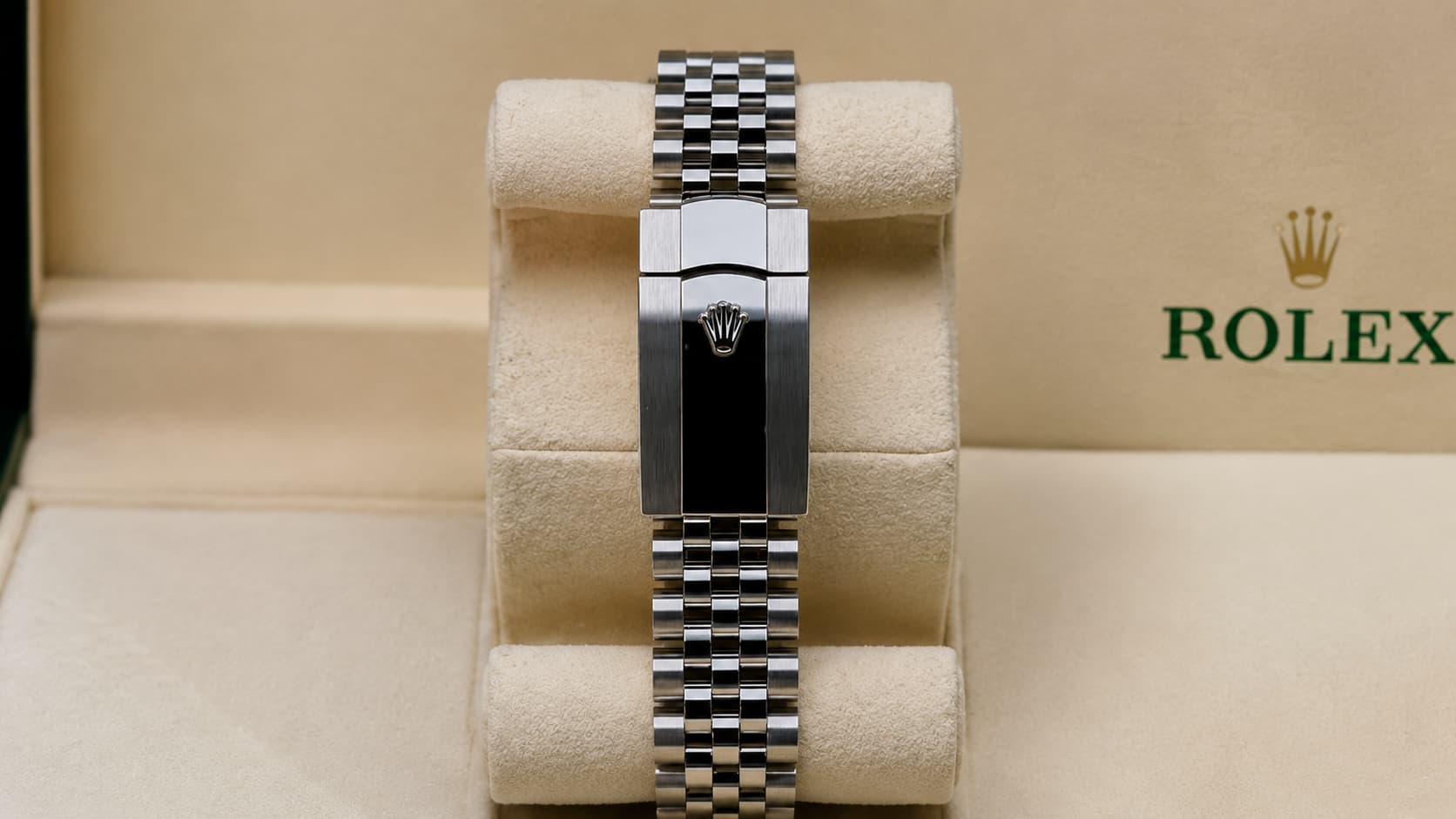
  • Rolex Authentication: The serial number is engraved on the case at the 6 o’clock end between the lugs, requiring bracelet removal to see it, with the model reference engraved at the same location at the 12 o’clock end, and as of August 2010, serial numbers for new Rolex watches are randomized, making it impossible to use numbers for dating purposes. Rolex displays their serial numbers on both the inside of the rehaut and between lugs, and model reference numbers play a significant role in authentication, as even the best fakes are sometimes lazily engraved with incorrect reference numbers. Authentic Rolex watches have distinctive crown details, cyclops lens magnification that should be 2.5x, and specific crown positions that align perfectly with case threading.
  • Omega Authentication: Omega counterfeits have improved significantly, but several key details separate authentic pieces from fakes, including caseback engravings (particularly the seahorse logo) showing exceptional depth and definition while counterfeits often appear flat-looking or have imprecise details. Recent Omega watches usually carry serial numbers somewhere on the back in extremely small laser-etched digits requiring a magnifier to read, while older Omega watches may only have serial numbers inside the watch, requiring a jeweler to open it. Authentic Omega bracelets feature solid end links with perfect fit to case, consistent brushing direction, and tight tolerances, while counterfeits often have slight gaps, inconsistent finishing, or looser tolerances.
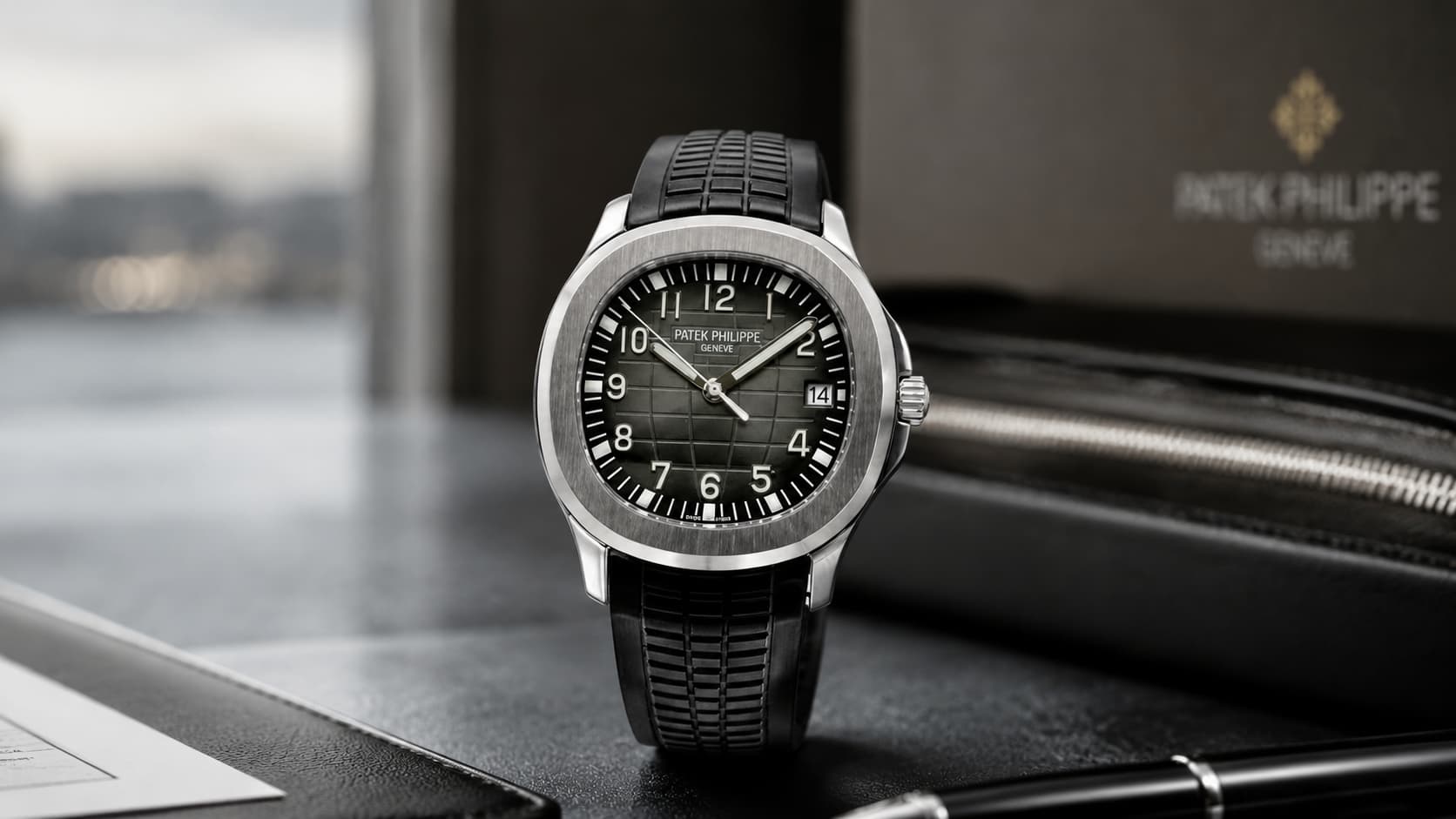
  • Patek Philippe Authentication: As one of the most prestigious watch manufacturers, Patek Philippe timepieces demand careful authentication with particular attention to caseback engravings, movement finishing, and documentation verification. Patek Philippe serial numbers are vital for collectors to verify authenticity and production year, typically found on the case back, with movement numbers stamped on the mechanism itself being separate from case numbers found inside the case back. The complexity of Patek Philippe movements and their finishing quality make them extremely difficult to counterfeit accurately, with authentic pieces showing museum-quality craftsmanship throughout.
  • Cartier and Other Luxury Brands: Different brands require specific authentication knowledge, with Cartier watches having particular dial text thickness requirements where thick black letters on certain models are usually red flags indicating counterfeits. Each major brand maintains distinct serial number formats, case construction methods, and movement characteristics that require specialized knowledge to verify properly.
  • Swiss Movement Verification: Swiss watch movements feature distinct characteristics that set them apart from other regions’ production, and counterfeit watches frequently omit specific components or fail to replicate intricate craftsmanship of authentic movements. Understanding the specific movement types used by each brand, their jewel counts, finishing techniques, and unique identifiers helps distinguish authentic pieces from sophisticated replicas that may look correct externally but use incorrect internal components.
  • Limited Edition and Special Model Authentication: For special or limited edition watches, the case back or movement should be engraved with edition numbers, and the actual edition number should match any included certificates to ensure authenticity. These pieces often have additional documentation requirements and unique identifiers that make authentication more complex but also provide additional verification points against counterfeiting.

Brand-specific authentication requires deep knowledge of each manufacturer’s history, production methods, and evolution over time. What appears authentic for one brand may be completely wrong for another, making specialized expertise crucial for accurate verification. Professional authenticators maintain extensive databases of brand-specific information and often specialize in particular manufacturers to provide the most accurate assessments possible.

Where Fake Watches Are Sold Most

Understanding where counterfeit watches are most frequently encountered helps buyers make informed decisions about where to shop and what precautions to take. The proliferation of sophisticated fakes across various sales channels means that vigilance is required regardless of where you’re purchasing.

  • Online Marketplaces and E-commerce Platforms: Consumers today are intentionally searching for fake watches, with 15-30% of watch-related searches directly aimed at looking for replica watches, and consumers are granted the opportunity to buy just about anything online with simple searches resulting in a multitude of options mixing original products alongside rogue websites and sellers on marketplaces. Major online platforms see significant counterfeit activity, though some have implemented authentication programs to combat this issue. Some platforms now offer authentication guarantee programs that cover watches priced $2,000 or more with professional authentication before delivery to buyers.
  • Social Media Sellers and Direct Sales: Legitimate sellers typically invest plenty of time and resources to build professional online presence including websites and social media accounts, while zero online activity should be a red flag requiring you to find another seller. Instagram, Facebook, and other social platforms have become popular venues for watch sales, but the lack of buyer protection and verification makes them particularly risky for counterfeit purchases.
  • Street Vendors and Tourist Areas: Traditional street markets, tourist destinations, and flea markets remain common sources of obvious counterfeits. While these are typically lower-quality fakes that are easier to identify, they contribute to the overall counterfeit market and can deceive inexperienced buyers who believe they’re getting legitimate “gray market” deals.
  • Fraudulent Online Retailers: One scam that can be surprising is the phenomenon of illegitimate vendors selling watches they do not have, happening frequently online since purchases are largely based on photographs with accompanying descriptions, with fraudulent sellers stealing watch images from legitimate sources to pretend they have watches in stock. These websites often appear professional and may even offer “authentication certificates” that are themselves counterfeit.
  • Secondary Market Complications: The vintage watch market sees misinterpretation of timepiece condition as the most common scam, with dishonest sellers photographing watches to explicitly hide flaws and selling “Frankenwatch” combinations where sellers fake specific design details to bump up prices of otherwise standard watch references. Estate sales, auction houses without proper authentication, and private collectors selling without verification can all be sources of problematic pieces.
  • Gray Market Dealers: While legitimate gray market dealers exist and provide authentic watches at competitive prices, this market segment also attracts fraudulent operators who mix authentic and counterfeit pieces or misrepresent watch conditions and origins. The lack of manufacturer warranty and support makes verification more challenging in this market segment.
  • Geographic Hotspots: Industry experts note that counterfeiters have now mastered ultra-complex movements, with almost every luxury Swiss watch brand dealing with the superfake phenomenon. Certain regions known for manufacturing operations have become centers for counterfeit production, with sophisticated fakes being distributed globally through various channels.

The key to avoiding counterfeits regardless of source is thorough verification and dealing with reputable sellers who stake their reputation on authenticity. When making significant purchases, it’s natural to expect top-notch service, and buyers should assess seller feedback and ratings across multiple platforms, looking for recent activity preferably less than 30 days old. Even legitimate platforms can be compromised, making individual seller verification and professional authentication essential for high-value purchases.

Authentication Documentation Requirements

Proper documentation serves as crucial evidence of authenticity and ownership, providing legal protection and maintaining a watch’s value throughout its lifetime. Understanding what documentation should accompany a luxury watch and how to verify its authenticity is essential for any serious collector or investor.

  • Essential Original Documentation: Authentic luxury watches should come with complete paperwork including original purchase receipts, stamped warranty cards providing proof of purchase from authorized dealers, and service paperwork detailing work done by manufacturer service centers showing routine maintenance crucial for complex mechanical watches. Warranty cards are particularly important as they contain matching serial numbers and often include dealer stamps or signatures that are difficult to counterfeit convincingly.
  • Certificates of Authenticity and Appraisals: Certificates for special editions and bespoke models guarantee limited edition numbering and verify authenticity directly with brands, while appraisal documents from qualified watchmakers provide professional assessment of authenticity and value. Professional authentication services provide certificates confirming authenticity along with the watch’s serial number, and for additional fees, insurance valuation documents ensure proper protection against loss. These certificates should include detailed photographs, technical specifications, and professional signatures or stamps.
  • Service Records and Maintenance History: Complete service documentation provides a timeline of the watch’s care and maintenance, which is particularly valuable for vintage or pre-owned pieces. Authentic service records from authorized service centers include specific details about work performed, parts replaced, and timing adjustments that help verify both authenticity and condition.
  • Original Packaging and Presentation: Authentic luxury watches come in high-quality packaging with meticulously printed documentation including certificates of authenticity, while counterfeit packaging often feels cheap with blurred printing and missing details. Original boxes, cushions, booklets, and hang tags all contribute to the complete provenance package and can significantly affect resale value.
  • Digital Documentation and Modern Verification: Many high-end brands now include a digital passport with each timepiece stored securely on blockchain, providing an immutable record of the watch’s provenance, service history, and ownership transfers. Digital passports designed according to Web3 best practices have obtained the highest security scores, providing long-term documentation that follows the watch throughout its lifetime. These modern systems provide tamper-proof documentation that’s nearly impossible to counterfeit.
  • Verifying Documentation Authenticity: Genuine documentation should be examined for paper quality, printing clarity, consistent fonts and logos, and proper spelling and grammar. Contact manufacturers or authorized dealers to verify warranty card numbers, service record authenticity, and certificate validity. Many brands maintain databases that can confirm whether specific documentation numbers correspond to authentic watches and authorized transactions.
  • Documentation for Insurance and Legal Protection: Authentication certificates are recognized by insurance companies and provide legal protection in case of theft, with serial numbers being blacklisted by manufacturers and market players when reported stolen. Proper documentation becomes essential for insurance claims, inheritance transfers, and legal disputes, making the maintenance of complete records throughout ownership crucial for protecting your investment.

Complete and authentic documentation transforms a luxury watch from simply a valuable object into a fully verified investment with clear provenance and legal protection. Missing documentation doesn’t necessarily indicate a fake watch, but it does reduce value and increase risk, making professional authentication even more important. For collectors and investors, maintaining and protecting original documentation is as important as caring for the watch itself, as both contribute significantly to the timepiece’s long-term value and authenticity verification.

How to Get Your Watch Authenticated

Watch with clear Arabic numerals on white dial and brown leather strap displaying proper font quality and alignment characteristics

When you need professional authentication for a luxury watch, understanding the process helps ensure you receive thorough evaluation and proper documentation. The authentication process has become increasingly sophisticated, combining traditional expertise with modern technology to provide definitive verification.

  • Choosing the Right Authentication Service: When authenticating used luxury watches, choosing established sellers with decades of experience who have cultivated reputations for expertise and integrity is highly recommended, with teams including Swiss-trained watchmakers possessing profound understanding of luxury watch movements and construction. Research potential services by checking their credentials, industry certifications, insurance coverage, and client testimonials. Look for services that specialize in your watch brand or have official recognition from manufacturers or major auction houses.
  • Preparing Your Watch for Authentication: Before sending your watch for authentication, document its current condition with detailed photographs from multiple angles, including close-ups of the dial, case back, bracelet, and any visible serial numbers. Remove any aftermarket modifications or non-original components if possible, and gather all available documentation including boxes, papers, receipts, and service records to accompany the watch.
  • Understanding the Authentication Timeline: The authentication of your watch generally takes 15 to 20 minutes, but duration can vary depending on current queue, with services keeping clients informed throughout the process about any changes or delays. More complex evaluations involving movement inspection, detailed research, or additional verification may require several days or weeks, particularly for vintage pieces or rare models requiring specialized expertise.
  • The Multi-Point Inspection Process: Professional authenticators verify dozens of inspection points including movement, crown, bezel, dial, case, clasp/buckle, hands, end links, and serial number through thorough physical inspection. The most precise authentication processes use 53 control points examining every part of the watch including bezel, crown, hands, dial, movement, providing condition and authenticity scores along with high-definition photos accessible to buyers. Authenticators also verify serial numbers against manufacturer databases and check stolen watch registries for additional security.
  • Technology Integration in Modern Authentication: Advanced AI algorithms can detect minute details and inconsistencies that might elude even trained human eyes, with experts using AI-assisted tools to analyze high-resolution images of watch components against vast databases of authentic parts. Professional services combine traditional hands-on inspection with digital analysis, timing machine testing, and microscopic examination of components and finishing quality.
  • Receiving Your Authentication Results: Once verified as authentic, each timepiece receives a unique authentication card with detailed information about the watch, providing comprehensive documentation of the verification process. If the watch is authentic, services provide certificates confirming authenticity along with the watch’s serial number, and additional insurance valuation documents can ensure proper protection against loss. If authentication reveals the watch is counterfeit, reputable services will provide detailed explanations of the specific issues identified and guidance on next steps.
  • Post-Authentication Documentation and Care: Maintain all authentication certificates and documentation in secure storage, as these become permanent parts of the watch’s provenance record. Digital passports and blockchain-based documentation provide immutable records that follow the watch throughout its lifetime, offering long-term authenticity verification. Keep authentication records updated with any subsequent service work or modifications to maintain complete documentation for future sales or insurance purposes.

The authentication process provides definitive answers about your watch’s authenticity while creating valuable documentation that enhances the timepiece’s value and provides legal protection. Professional authentication represents a small investment compared to the potential financial loss from owning an unverified counterfeit, making it an essential step for any serious watch transaction or collection management.

How to Buy Authentic Watches Safely

Smart purchasing strategies and careful verification procedures are your best defense against counterfeit watches and fraudulent sellers. Understanding how to evaluate sellers, verify authenticity, and protect your transaction helps ensure you’re investing in genuine timepieces while minimizing risk.

  • Authorized Dealers vs. Gray Market Considerations: Authorized dealers provide the highest level of authenticity assurance, manufacturer warranties, and after-sales support, but typically offer limited discounting from retail prices. Gray market dealers can offer significant savings on authentic watches but without manufacturer warranty coverage, making thorough verification even more critical. When buying luxury watches online, opt for reputable platforms and sellers with track records of authenticity, checking reviews and ratings to gauge credibility while ensuring you choose marketplaces with authorization to sell luxury watches from the brands.
  • Comprehensive Seller Verification: Check sellers’ public history on major watch platforms or forums to see if they specialize in watches rather than other luxury goods like handbags, shoes, or jewelry, as legitimate sellers typically invest time and resources building professional online presence including websites and social media accounts. Assess feedback and ratings across multiple platforms looking for recent activity preferably less than 30 days, as legitimate accounts on major platforms have been known to get hacked and taken over by scammers selling fake or non-existent watches.
  • Payment Protection and Transaction Security: Use payment methods that offer buyer protection such as credit cards, PayPal, or escrow services that can help recover funds if issues arise. Avoid wire transfers, cryptocurrency, or cash payments that offer no recourse if the transaction goes wrong. When making significant purchases, it’s natural to expect top-notch service, and legitimate sellers will accommodate reasonable requests for additional photos, documentation, or verification. Be wary of sellers who pressure for immediate payment or refuse to provide detailed information about the watch.
  • Return Policies and Guarantee Verification: Establish clear return policies before purchase, including time limits, condition requirements, and who pays return shipping costs. Major online platforms now offer authentication guarantee programs designed to help buyers shop with confidence and protect sellers with verified returns, with items that are lost or damaged during the authentication process covered by money back guarantees. Understand what constitutes acceptable return conditions and ensure any guarantees are provided in writing rather than verbal promises.
  • Documentation and Verification Requirements: Clear and accurate product descriptions are key, with blatant errors such as wrong model, reference number, or production era meaning that sellers either do not understand the watch or do not care, making it best to move on. Request detailed photographs of all components including dial, case back, movement (if visible), bracelet, and any documentation. Ask for serial number verification and cross-check this information against manufacturer databases or stolen watch registries before completing the purchase.
  • Professional Pre-Purchase Authentication: For high-value purchases, consider professional authentication before completing the transaction. Some sellers will accommodate sending watches to authentication services for verification before final payment, particularly for expensive pieces where the authentication cost is minimal compared to the purchase price. For expert validation, turn to watch authentication services where professional authenticators have tools and expertise to confirm watch legitimacy, examining intricate details like movement and craftsmanship.
  • Red Flag Recognition and Risk Assessment: One of the most common red flags is unrealistic pricing, as luxury watches such as Rolex, Patek Philippe, or Audemars Piguet are expensive for a reason—exceptional craftsmanship, high-quality materials, and brand prestige, so if the price seems too good to be true, it probably is. Be suspicious of sellers with limited history, vague descriptions, poor quality photos, or unwillingness to provide additional verification. Trust your instincts—if something feels wrong about the transaction, it’s better to walk away than risk purchasing a counterfeit or dealing with a fraudulent seller.

Smart purchasing requires balancing the pursuit of value with the need for security and authenticity verification. The most expensive mistake you can make is not spending enough time on due diligence before a major watch purchase. Professional authentication, seller verification, and secure payment methods represent small investments that can save you from devastating financial losses while ensuring you acquire genuine horological treasures that will maintain their value and provide years of enjoyment.

Found Out Your Watch is Counterfeit?

Discovering that your watch is counterfeit can be devastating, but taking prompt and appropriate action can help protect your interests and potentially recover some losses. Understanding your legal rights and options provides a roadmap for addressing this unfortunate situation effectively.

  • Immediate Documentation and Evidence Preservation: Document everything related to your purchase including all communications with the seller, payment records, shipping information, original listings or advertisements, and the authentication report confirming the watch is fake. Take detailed photographs of the counterfeit watch from multiple angles, focusing on areas that reveal its fake nature. This evidence becomes crucial for any legal action, insurance claims, or dispute resolution processes.
  • Payment Method Dispute and Chargeback Options: Contact your credit card company, PayPal, or payment processor immediately to file a dispute or chargeback claim if you’re within the allowable timeframe (typically 60-120 days depending on the provider). Many payment services offer buyer protection specifically for counterfeit goods, and acting quickly maximizes your chances of recovery. Provide all documentation showing the item is counterfeit and that you attempted to resolve the issue with the seller first.
  • Legal Rights and Consumer Protection: Selling counterfeit goods violates federal trademark and copyright laws, giving you legal grounds for recovery beyond simple breach of contract. Consumers lose trust in brands when they receive fake watches, and it is up to luxury watch brands to protect their intellectual property with both strong legal and tech strategies, with many survey respondents thinking it’s brands’ responsibility to remove fake items from online platforms. Contact local consumer protection agencies and consider consulting with an attorney specializing in intellectual property or consumer protection law for high-value losses.
  • Platform Reporting and Seller Accountability: Report fraudulent sellers to the platforms where you made the purchase, providing evidence of the counterfeit sale. Most major platforms have policies against selling counterfeit goods and will take action against violating sellers, potentially preventing others from being victimized. File complaints with relevant authorities such as the Better Business Bureau, state attorney general’s office, or local law enforcement if the loss is significant.
  • Insurance Claims and Coverage Options: Review your homeowner’s, renter’s, or personal property insurance policies to determine if counterfeit purchases are covered under theft or fraud provisions. Some policies provide protection against fraudulent transactions, though coverage varies significantly. Credit card companies sometimes offer additional purchase protection that may apply to counterfeit goods, so check all available coverage options.
  • Brand Notification and Industry Reporting: Contact the legitimate watch manufacturer to report the counterfeit, as brands maintain anti-counterfeiting departments that track fake products and sellers. Brands are losing out on a big chunk of their potential income and more importantly, consumers lose trust in their brand, which is the biggest long-term issue they’re currently facing. Your report helps brands build cases against counterfeiters and may provide additional resources for your recovery efforts.
  • Prevention of Future Victimization: Share your experience on watch forums, review platforms, and social media to warn other collectors about the fraudulent seller. Document the seller’s information, website details, and contact information to help others avoid the same scam. Consider this experience as valuable education that will help you make better purchasing decisions in the future, emphasizing the importance of authentication and seller verification.

While discovering your watch is fake is undoubtedly disappointing and potentially costly, taking systematic action can help minimize losses and contribute to broader efforts against counterfeiting. The key is acting quickly while evidence is fresh and within dispute timeframes, being persistent with recovery efforts, and using the experience to become a more informed buyer who prioritizes authentication and verification in future purchases.

Modern Watch Verification Methods

The watch authentication industry continues to evolve rapidly, incorporating cutting-edge technologies and innovative approaches to stay ahead of increasingly sophisticated counterfeiters. Understanding these emerging trends helps collectors and buyers prepare for the future of luxury watch verification and protection.

  • Blockchain and Digital Passport Integration: By 2025, blockchain technology has revolutionized the way we authenticate luxury watches, with many high-end brands now including a digital passport with each timepiece stored securely on blockchain, providing an immutable record of the watch’s provenance, service history, and ownership transfers. Digital passports designed according to Web3 best practices have obtained the highest security scores, providing tamper-proof documentation that follows watches throughout their lifetimes. This technology creates permanent, unalterable records that make counterfeiting significantly more difficult while providing buyers with unprecedented verification capabilities.
  • Artificial Intelligence and Machine Learning Advancement: Artificial Intelligence has made significant strides in visual recognition, becoming an invaluable tool in watch authentication, with advanced AI algorithms detecting minute details and inconsistencies that might elude even the most trained human eye. Future AI systems will likely incorporate vast databases of authentic components, manufacturing tolerances, and historical production data to provide instant authentication analysis through smartphone apps or online platforms, making professional-level verification accessible to individual buyers.
  • Enhanced Manufacturing Security and Anti-Counterfeiting: Watch manufacturers are implementing increasingly sophisticated security features including micro-engraving, proprietary materials, unique serial number systems, and embedded authentication chips that are nearly impossible to replicate. These features work in conjunction with digital verification systems to create multiple layers of protection against counterfeiting.
  • Real-Time Database Integration and Verification: Future authentication systems will likely provide real-time access to manufacturer databases, service records, and ownership history, allowing instant verification of authenticity, stolen status, and maintenance records. This integration will make it much harder for counterfeiters to create convincing fake documentation or recycle authentic serial numbers from other watches.
  • Democratization of Professional Authentication Tools: As noted in professional services trends, many corporate departments reported using advanced AI technologies, with business-oriented AI ranking as their most-used technology, indicating rapid adoption of AI tools across professional services industries. Similar trends suggest that authentication tools previously available only to professionals will become accessible to individual buyers through mobile apps, online platforms, and affordable hardware devices that can perform detailed analysis of watch components.
  • Global Regulatory and Legal Framework Development: As counterfeiting becomes more sophisticated and damaging to both consumers and brands, governments and international organizations are developing stronger legal frameworks and enforcement mechanisms. Future regulations may require stricter authentication standards for luxury goods sales, mandatory reporting of counterfeit activity, and enhanced penalties for counterfeiting operations.
  • Integration with Insurance and Financial Services: Authentication services are increasingly partnering with insurance companies and financial institutions to provide integrated verification and protection services. Future developments may include automatic authentication requirements for insurance coverage, blockchain-based ownership transfers for estate planning, and authentication-backed financing options for luxury watch purchases.

The future of watch authentication points toward a comprehensive ecosystem where technology, regulation, and industry cooperation work together to protect buyers and preserve the integrity of luxury timepieces. As we look towards the future, the process of authenticating pre-owned luxury watches will continue to evolve, with new technologies and methodologies making verification more accurate, accessible, and secure. These developments will make it increasingly difficult for counterfeiters to succeed while providing buyers with unprecedented confidence in their luxury watch investments.

Conclusion

Watch authentication has evolved from simple visual inspection to a sophisticated process combining traditional horological expertise with cutting-edge technology including AI analysis, blockchain documentation, and multi-point professional verification. With approximately 40 million fake Swiss watches produced annually compared to only 30 million authentic pieces, representing $618 million in lost retail value, authentication has become essential protection for anyone investing in luxury timepieces. Modern counterfeiters create increasingly sophisticated replicas that can fool even experienced collectors, making professional authentication not just recommended but necessary for high-value purchases.

The red flags we’ve discussed—from pricing that’s too good to be true to poor movement quality and documentation inconsistencies—provide your first line of defense against counterfeits. However, these DIY methods are no substitute for professional verification when dealing with significant investments, as even the most convincing fakes often reveal their true nature under expert scrutiny with proper equipment and knowledge.

The investment in proper verification represents minimal cost compared to the devastating financial impact of discovering your prized timepiece is counterfeit. As blockchain technology revolutionizes luxury watch authentication and AI algorithms detect details that might elude trained human eyes, the future of verification becomes more accessible and reliable. Whether you’re purchasing your first luxury watch or adding to an established collection, thorough authentication ensures your timepiece investment remains secure and valuable throughout its lifetime.

Nobbier logo

Subscribe To Our Weekly Newsletter

Get notified about new articles