Sapphires captivate jewelry lovers worldwide with their remarkable diversity of colors and exceptional durability. While many people associate sapphires exclusively with deep blue gems, these precious stones actually occur in virtually every color of the rainbow, each with its own distinct characteristics and appeal. From classic blues to rare padparadschas, colored sapphires offer something truly special for every taste and occasion.
What Are Sapphires?
Sapphires belong to the mineral species corundum, which is aluminum oxide (Al₂O₃) with trace elements that create their various colors. With a hardness of 9 on the Mohs scale, sapphires are exceeded in hardness only by diamonds, making them extremely durable and perfect for everyday wear. These gemstones form deep within the earth under intense heat and pressure, with their distinctive colors resulting from different trace elements present during crystallization. While blue remains the most traditional and recognized color, any corundum that isn’t red (which would be classified as ruby) falls under the sapphire category.
- Sapphires are composed primarily of aluminum oxide (corundum) and rank 9 on the Mohs hardness scale, making them extremely durable for everyday jewelry wear and second only to diamonds in hardness.
- The various colors in sapphires come from different trace elements: titanium and iron produce blue, chromium creates pink and purple hues, iron alone creates yellow, while various combinations of elements produce the entire spectrum of sapphire colors.
- Major sapphire sources include Madagascar, Sri Lanka, Myanmar (Burma), Thailand, Australia, Montana (USA), and Kashmir, with each location known for producing stones with particular color characteristics.
- Most sapphires undergo heat treatment to enhance their color and clarity, which is considered permanent and stable. Untreated natural sapphires command significantly higher prices in the market.
- Beyond their beauty, sapphires have historical significance in many cultures, symbolizing wisdom, nobility, and divine favor, which has made them popular choices for royal jewelry throughout history.
Throughout human history, sapphires have been treasured not only for their beauty but also for their perceived protective properties and spiritual significance. Their exceptional durability makes them ideal for heirloom pieces that can be passed down through generations. Whether chosen for their stunning beauty, remarkable hardness, or rich symbolism, sapphires remain among the most versatile and valued colored gemstones in the world of fine jewelry.
Different Sapphire Colors
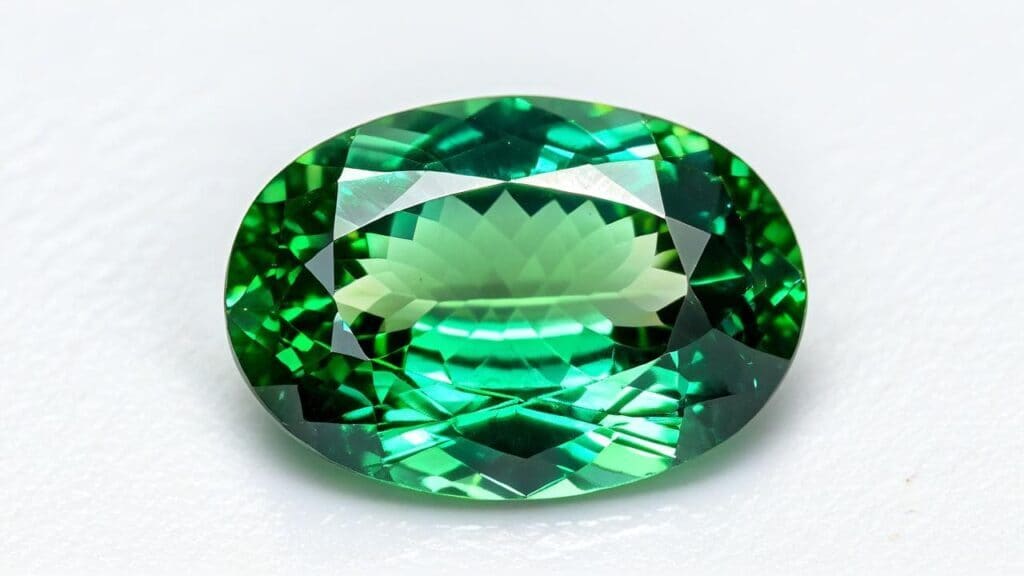
Sapphires occur in virtually every color of the rainbow, each with unique characteristics, value factors, and appeal. While blue remains the most recognized variety, the full spectrum of sapphire colors offers remarkable diversity for collectors and jewelry enthusiasts. From classic blues to rare padparadschas, each color variety has distinct beauty and market value. The specific qualities of each color significantly impact both appearance and worth in the gemstone market.
Blue Sapphires
Blue sapphires represent the most iconic and traditionally valued variety of this gemstone. The finest specimens display a rich, velvety blue to violet-blue color that’s vibrant and evenly distributed throughout the stone. This coveted hue results from the presence of titanium and iron within the crystal structure, with the most prized stones showing the perfect balance of tone and saturation – neither too dark nor too light, and free from grayish or greenish undertones.
- The most valuable blue sapphires come from Kashmir, Myanmar (Burma), and Sri Lanka (Ceylon), with Kashmir sapphires particularly prized for their “cornflower blue” color and velvety appearance due to tiny inclusions that scatter light.
- Color is the most important value factor for blue sapphires, with the most desirable stones displaying vivid, saturated blue with slight violet overtones and medium-dark tone (around 75-85% on the tone scale).
- Blue sapphires typically show pleochroism, appearing slightly different shades of blue when viewed from different angles, which skilled cutters must account for when faceting the stone.
- Clarity standards for blue sapphires are less strict than for diamonds - while eye-clean stones command premium prices, slight inclusions are accepted as long as they don’t significantly affect the stone’s brilliance or durability.
- Size dramatically impacts blue sapphire value, with prices increasing exponentially for larger stones. Fine quality blue sapphires over 5 carats are extremely rare and valuable.
- Famous blue sapphires include the 423-carat Logan Sapphire at the Smithsonian Institution, the 182-carat Star of Bombay, and the 12-carat sapphire in Princess Diana’s engagement ring now worn by Catherine, Princess of Wales.
Blue sapphires continue to be the most sought-after variety in the sapphire family, consistently fetching the highest prices at auction and remaining a favorite for engagement rings and significant jewelry pieces. Their timeless appeal, remarkable durability, and rich history make them a cornerstone of fine jewelry collections worldwide. Whether chosen for their traditional significance or simply for their breathtaking beauty, blue sapphires represent one of nature’s most magnificent gemstone creations.
Pink and Purple Sapphires
Pink and purple sapphires have surged in popularity in recent decades, offering a beautiful alternative to blue varieties while maintaining the same exceptional hardness and durability. These captivating gems range from delicate baby pink to deep magenta and from soft lavender to rich violet-purple. Their color comes primarily from chromium, the same element that gives rubies their red color, but in lower concentrations, creating the stunning pink to purple spectrum.
- Pink sapphires get their color from chromium, with the boundary between pink sapphires and rubies somewhat arbitrary - generally, when the color becomes a true red, the stone is classified as a ruby rather than a pink sapphire.
- The most valuable pink sapphires display a pure, vivid pink without brownish or purplish undertones, with stones from Madagascar and Sri Lanka particularly prized for their exceptional color.
- Purple sapphires contain both chromium and iron, creating colors ranging from light lavender to deep violet, with the most valuable showing strong color saturation without appearing too dark.
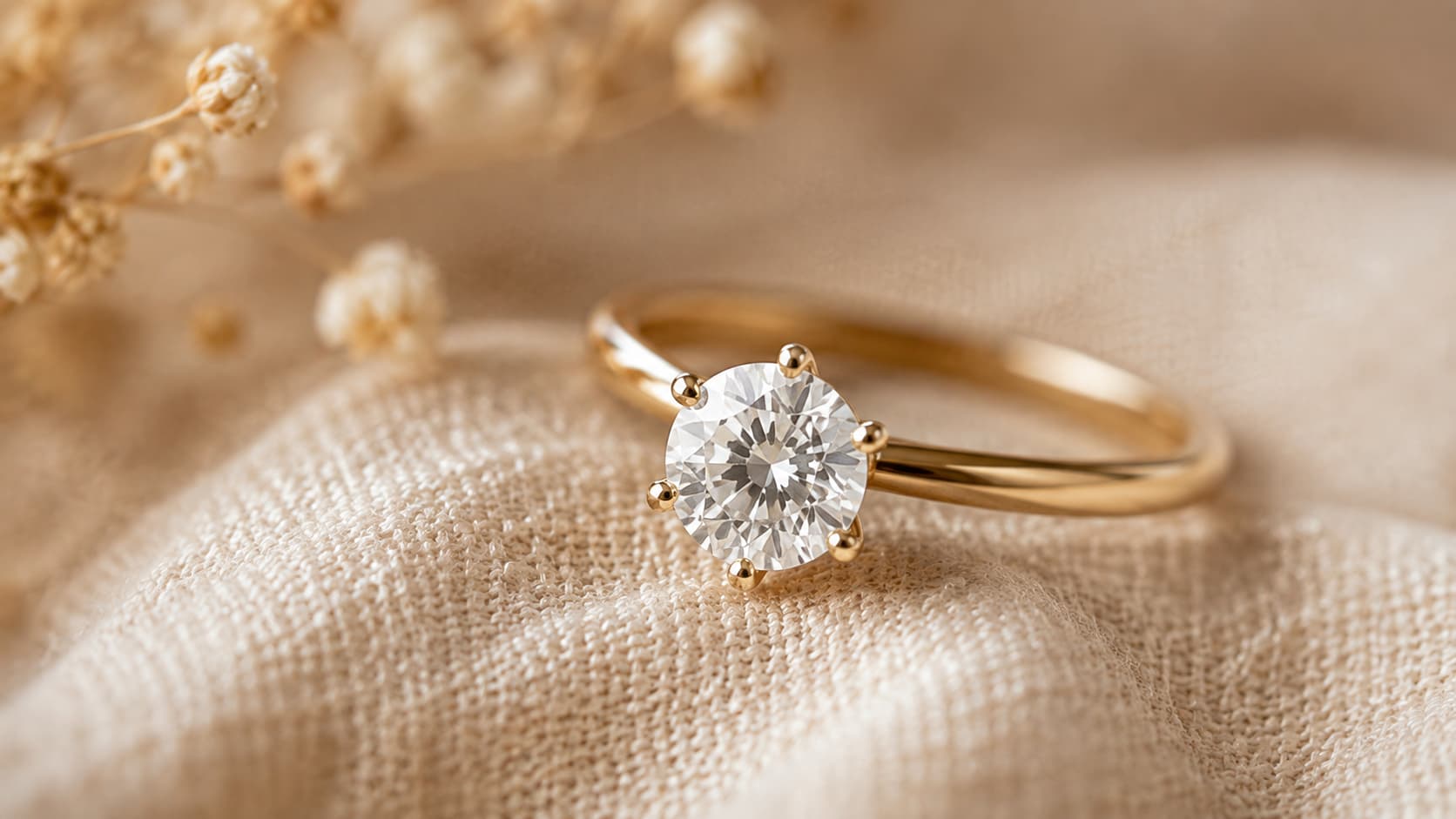
- Pink sapphires have become increasingly popular for engagement rings, offering a romantic alternative to traditional blue sapphires or diamonds.
- Heat treatment is common for pink and purple sapphires to intensify their color, though exceptionally fine untreated stones command significantly higher prices.
- Unlike blue sapphires, which are often cut to maximize depth of color, pink and purple sapphires are typically cut to maximize brilliance and minimize dark areas because color saturation is rarely an issue.
- Famous pink sapphires include the 12.45-carat “Pink Promise” which sold for $32.5 million in 2017, setting a record price-per-carat for pink sapphires.
Pink and purple sapphires offer exceptional value compared to similar-colored gems like pink diamonds, while providing comparable beauty and superior durability to many colored gemstones. Their versatility in jewelry design allows them to complement both traditional and contemporary settings. As appreciation for colored gemstones continues to grow, these vibrant sapphire varieties increasingly find themselves center stage in fine jewelry collections around the world.
Yellow and Orange Sapphires
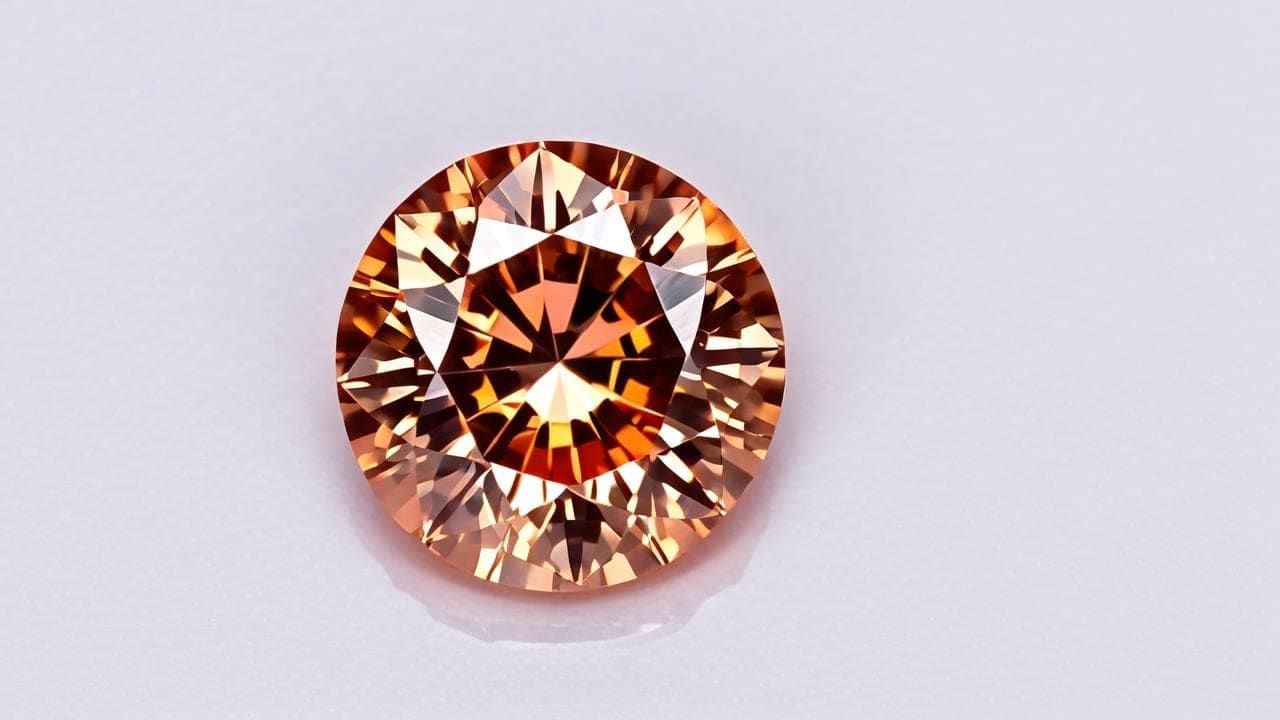
Yellow and orange sapphires offer sunshine-bright alternatives in the sapphire family, ranging from pale lemon yellow to deep golden amber and from soft peach to vivid tangerine. These cheerful gemstones derive their color primarily from iron impurities in the corundum crystal structure. While historically overshadowed by their blue cousins, yellow and orange sapphires have gained significant popularity in recent years for their warmth, brilliance, and relative affordability compared to other fine colored gemstones.
- Yellow sapphires range from pale lemon to deep golden amber, with the most valuable exhibiting a pure, saturated yellow without brownish or greenish undertones.
- Orange sapphires, sometimes called “padparadscha-like” when they approach salmon color, get their vibrant hue from a combination of iron and chromium in the crystal structure.
- The finest yellow sapphires often come from Sri Lanka, Thailand, and Madagascar, with Sri Lankan stones particularly prized for their bright, sunny color.
- Yellow sapphires frequently undergo heat treatment to improve their color, removing unwanted greenish or brownish tints to produce a more pure yellow.
- These sapphires offer excellent value compared to yellow diamonds of similar size and quality, while providing comparable beauty and exceptional durability.
- In many cultures, yellow sapphires hold special significance - in Vedic astrology, they’re associated with Jupiter and believed to bring wealth, wisdom, and good fortune.
- Yellow sapphires with exceptional color and clarity above 5 carats are considered rare and command premium prices, though still generally less than their blue counterparts.
Yellow and orange sapphires bring a warm, sunny brilliance to jewelry that perfectly complements both yellow and white metals. Their excellent hardness makes them ideal for everyday wear, including engagement rings. As consumers increasingly seek alternatives to traditional diamonds and blue sapphires, these vibrant gems continue to gain appreciation for their distinctive beauty, durability, and relative value. Whether set as a bold solitaire or surrounded by diamonds, yellow and orange sapphires make a bright, sophisticated statement in fine jewelry.
Green Sapphires
Green sapphires represent one of the more understated members of the sapphire family, offering subtle elegance with their range of hues from mint green to deep forest green. These distinctive gems get their color primarily from iron combined with trace elements like vanadium. While not as widely recognized as blue or pink varieties, green sapphires have developed a devoted following among collectors and jewelry designers who appreciate their unique color, exceptional durability, and comparative affordability.
- Green sapphires derive their color from iron combined with various trace elements, with the most valuable displaying a pure, medium-tone green without excessive yellow or blue secondary hues.
- The finest green sapphires typically come from Montana, Australia, and Thailand, with Montana’s Yogo Gulch producing some of the most consistent and beautiful teal to blue-green specimens.
- These sapphires are often unheated compared to other colors, as heat treatment can sometimes diminish rather than enhance their green color.
- Green sapphires show varying levels of saturation, from subtle mint green to deep forest green, with moderately saturated tones typically commanding the highest prices.
- They offer an excellent alternative to emeralds, providing superior durability (9 vs. 7.5-8 on the Mohs scale) and typically fewer inclusions, making them better suited for everyday wear.
- The demand for green sapphires has increased with growing interest in non-traditional engagement rings and colored gemstone jewelry.
- Value factors include purity of color (minimal secondary hues), even color distribution, clarity, and size, with eye-clean stones over 5 carats considered quite rare.
Green sapphires provide a sophisticated, understated alternative to more common gemstone choices while maintaining the exceptional durability that makes sapphires so practical for everyday jewelry. Their subtle color palette complements both traditional and contemporary designs and pairs beautifully with both white and yellow metals. For those seeking something unique but still classically elegant, green sapphires offer a perfect balance of distinction, durability, and value that continues to attract discerning gemstone collectors and jewelry enthusiasts.
White/Colorless Sapphires
White or colorless sapphires represent the purest form of corundum, completely free of the trace elements that create color in other sapphire varieties. These transparent gems offer brilliant clarity and exceptional hardness that makes them increasingly popular as diamond alternatives. With their icy brilliance and remarkable durability, white sapphires provide both beauty and practicality for those seeking a colorless gemstone with ethical sourcing and affordability benefits.
- White sapphires are completely colorless corundum, containing no trace elements that would create color, making them rare in their natural state.
- These gems score 9 on the Mohs hardness scale, making them extremely durable for everyday wear and second only to diamonds in scratch resistance among commonly used gemstones.
- While white sapphires possess excellent clarity and brilliance, they lack the fire (spectral colors) seen in diamonds due to different optical properties and a lower refractive index.
- The majority of commercial white sapphires undergo heat treatment to remove subtle color tints, with untreated natural white sapphires commanding premium prices due to their rarity.
- Main sources include Sri Lanka, Madagascar, and Australia, with Sri Lankan white sapphires particularly prized for their clarity and size.
- White sapphires over 3 carats with exceptional clarity are considered rare, as most natural corundum contains at least some color-causing elements.
- For identification, gemologists use characteristics like double refraction (which diamonds don’t have), different specific gravity, and the absence of diamond’s distinctive ultraviolet fluorescence.
White sapphires have carved out a significant niche as ethical, affordable alternatives to diamonds in engagement rings and other fine jewelry. Their exceptional durability makes them practical for everyday wear, while their natural origin appeals to those seeking earth-mined gemstones without the ethical concerns sometimes associated with diamond mining. While they offer a different optical performance than diamonds, their brilliant white appearance and remarkable hardness continue to make them an increasingly popular choice for conscious consumers seeking beauty, durability, and value.
Padparadscha Sapphires
Padparadscha sapphires stand as one of the most extraordinary and valuable varieties in the sapphire family. Their name derives from the Sinhalese word for lotus blossom, perfectly capturing their unique sunset-colored blend of pink and orange. These exceedingly rare gems exhibit a delicate balance of color that has captivated collectors and connoisseurs for centuries. With their one-of-a-kind appearance and extreme rarity, padparadscha sapphires represent the pinnacle of colored gemstone collecting.
- True padparadscha sapphires display a very specific color combination - a balanced blend of pink and orange often described as salmon or sunset-colored, reminiscent of a tropical lotus flower.
- These gems are extraordinarily rare, with fine specimens over 2 carats considered museum-quality and commanding prices comparable to the finest blue sapphires or even some diamonds.
- Traditional sources include Sri Lanka, Madagascar, and occasionally Tanzania, with Sri Lankan (Ceylon) padparadschas historically considered the standard for this variety.
- The color must be naturally balanced between pink and orange - stones that are predominantly orange with just pink undertones or predominantly pink with orange undertones don’t qualify as true padparadschas.
- Due to their extreme rarity and value, padparadscha sapphires face significant challenges from imitations, including beryllium-treated sapphires that can produce similar colors.
- Authentication typically requires advanced testing by gemological laboratories to confirm natural origin and absence of beryllium or other treatments that artificially create the padparadscha color.
- Famous padparadschas include the 23.13-carat untreated stone in the Smithsonian Institution and Princess Eugenie’s engagement ring featuring a padparadscha surrounded by diamonds.
The padparadscha sapphire represents the perfect convergence of rarity, beauty, and uniqueness in the colored gemstone world. Their distinctive color cannot be replicated by any other natural gemstone, making them truly one-of-a-kind. While they may not have the name recognition of blue sapphires or emeralds among the general public, those in the fine jewelry and gemstone collecting worlds recognize padparadschas as some of the most special and valuable colored gemstones on earth, treasured for both their exceptional beauty and extreme scarcity.
Star Sapphires
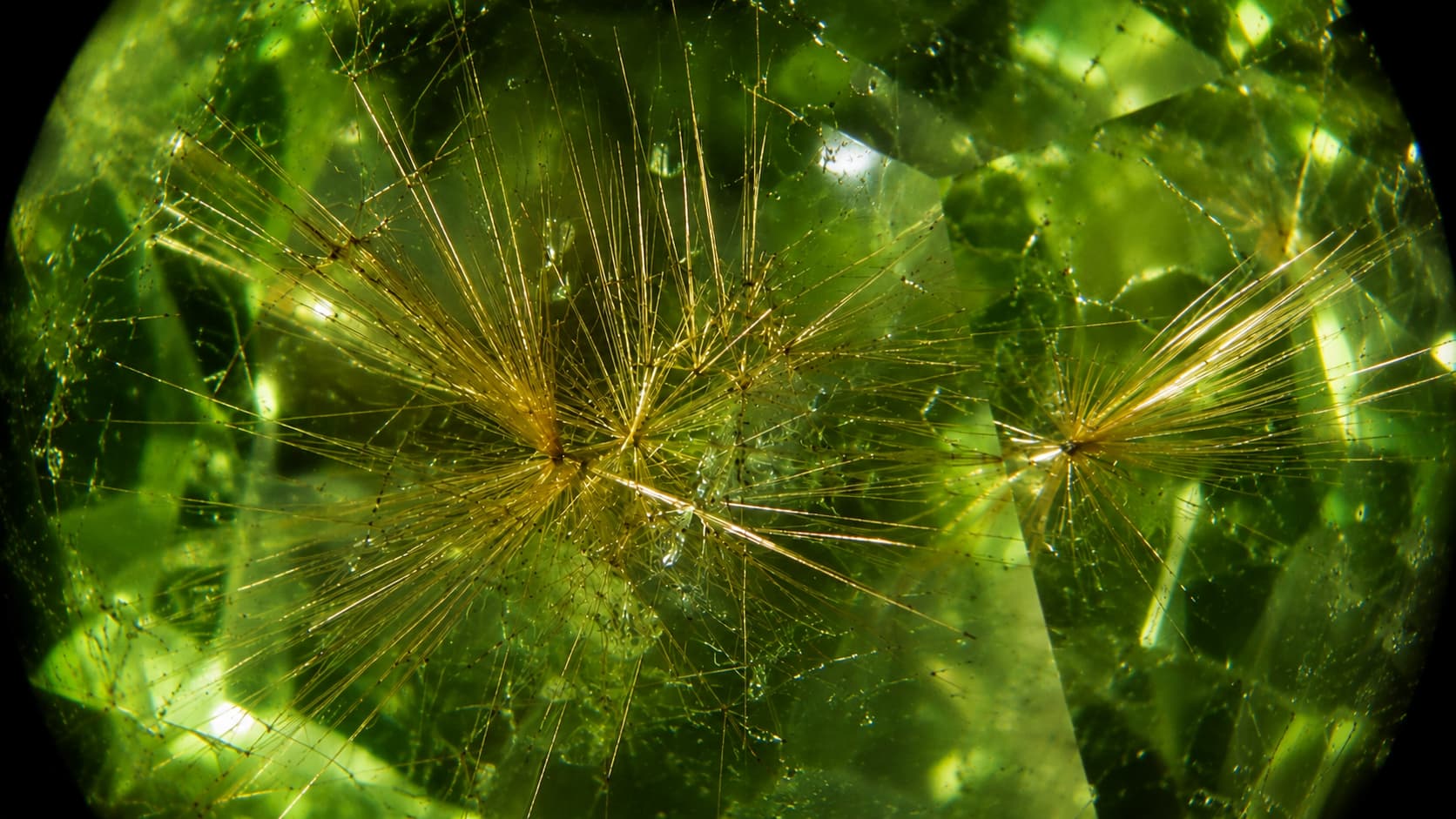
Star sapphires represent one of nature’s most magical optical phenomena in the gemstone world. These remarkable gems display a distinctive star-like pattern of light that seems to float across their surface when viewed under direct light. This mesmerizing effect, called asterism, results from tiny rutile needle inclusions arranged in a specific pattern within the crystal structure. Throughout history, star sapphires have been treasured not only for their beauty but also for their perceived mystical properties.
- Star sapphires display asterism – a star-like pattern with typically 6 rays (occasionally 12) that appears to float on the surface when viewed under direct light.
- This phenomenon occurs due to the presence of tiny rutile needle inclusions (sometimes called “silk”) arranged in a hexagonal pattern within the sapphire crystal structure.
- Star sapphires come in various colors including blue, black, purple, and yellow, with blue being the most common and black often showing the most pronounced and dramatic star effect.
- The most valuable star sapphires show a sharp, well-defined star centered on the dome of the stone, with rays of equal strength that move smoothly across the surface as the stone is rotated.
- Famous examples include the 563-carat “Star of India” (blue) at the American Museum of Natural History and the 1,404-carat “Black Star of Queensland.”
- Sri Lanka produces many of the world’s finest star sapphires, though they’re also found in Myanmar, Thailand, Madagascar, and Australia.
- Unlike faceted sapphires, star sapphires are always cut as cabochons (smooth domed stones) to best display the star effect, with the dome’s height and proportions carefully calculated to maximize the asterism.
Star sapphires combine the exceptional durability of corundum with a captivating optical phenomenon that has fascinated humans for centuries. In many cultures, they were believed to offer protection to travelers and guidance through life’s journey, as the moving star was thought to represent a guiding light. While they may not have the brilliance and fire of faceted sapphires, star sapphires offer something equally special – a moving celestial display captured within a gemstone. Their unique beauty and rich symbolism continue to make them prized additions to fine jewelry collections worldwide.
Color-Change Sapphires
Color-change sapphires represent one of the most fascinating phenomena in the gemstone world. These remarkable gems shift color depending on the lighting conditions – typically appearing blue or violet in daylight and purple, purplish-red, or magenta in incandescent light. This captivating effect occurs due to the presence of specific trace elements, primarily vanadium and chromium, that absorb and reflect different portions of the light spectrum depending on the illumination source. The dramatic transformation makes these gems particularly magical and sought-after by collectors.
- The color-change effect results from the presence of chromium and vanadium in specific ratios, causing the stone to absorb and reflect different wavelengths under different light sources.
- The most valuable color-change sapphires display a dramatic and complete transformation between distinctly different colors, rather than subtle shifts in tone or hue.
- While color-change corundum is very rare in general, the finest examples traditionally come from Tanzania, Sri Lanka, and Madagascar.
- The degree of color change can range from subtle to dramatic, with the most valuable specimens showing a near-complete shift between two pleasing and distinct colors.
- These sapphires are evaluated not only on the standard “four Cs” (color, clarity, cut, carat) but also on the strength and appeal of the color change itself.
- Some color-change sapphires may also display other optical phenomena like asterism (star effect) or chatoyancy (cat’s eye effect), though these combinations are extremely rare.
- Prices for fine color-change sapphires have increased significantly in recent years as collector appreciation for rare gemstone phenomena has grown.
Color-change sapphires offer something truly magical that few other gemstones can match – the ability to transform themselves depending on their environment. This chameleon-like quality, combined with sapphire’s exceptional durability, makes them particularly special additions to fine jewelry collections. While less well-known than their blue counterparts, color-change sapphires continue to attract discerning collectors who appreciate rare geological phenomena and unique beauty. For those seeking something truly distinctive in the world of colored gemstones, few options offer the conversation-starting enchantment of a fine color-change sapphire.
How to Clean and Maintain Colored Sapphires
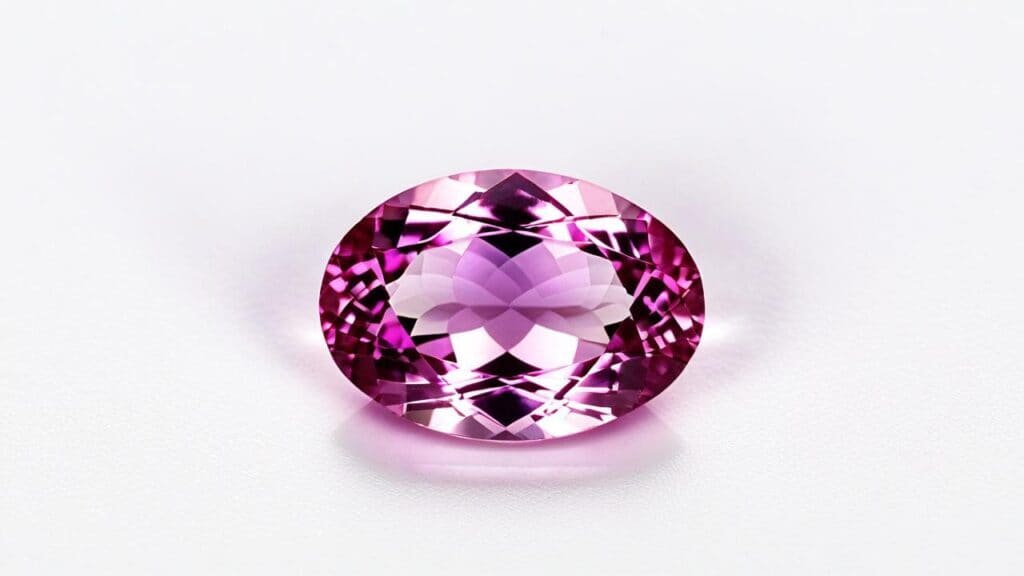
Colored sapphires, with their exceptional hardness of 9 on the Mohs scale, are among the most durable gemstones available, making them ideal for everyday wear. However, even these resilient gems benefit from proper care to maintain their beauty for generations. With some simple maintenance routines and precautions, your sapphire jewelry can remain as brilliant and beautiful as the day you acquired it, regardless of which color variety you own.
- Sapphires can be safely cleaned at home using warm water, mild dish soap, and a soft brush to gently scrub away dirt and oils that diminish brilliance.
- While sapphires themselves are extremely durable, settings and companion stones may be more delicate, so always consider the entire piece when cleaning or wearing.
- Avoid ultrasonic cleaners if your sapphire has been fracture-filled or if you’re unsure of treatments, as the vibrations can potentially damage treated stones or settings.
- Remove sapphire jewelry before activities involving harsh chemicals, including swimming in chlorinated pools, using household cleaners, or applying beauty products.
- Store sapphires separately from other jewelry pieces to prevent scratching softer gemstones, though sapphires themselves can only be scratched by diamonds or other sapphires.
- Have professional cleaning done yearly, especially for valuable pieces, as jewelers can reach areas difficult to clean at home and can check for any loose settings.
- While sapphires are heat-resistant, extreme or rapid temperature changes can potentially stress the stone, particularly if it contains natural inclusions, so avoid situations like moving directly from very cold to hot environments.
Despite their toughness, sapphires still benefit from thoughtful handling and occasional professional attention. By implementing these simple care practices, your colored sapphires can maintain their beauty for generations, making them true heirloom pieces. The exceptional durability of sapphires is one of their greatest advantages as jewelry stones, but even the hardest materials deserve respect and proper maintenance to ensure they remain as stunning as the day they were set into your treasured pieces.
Buying Tips for Colored Sapphires
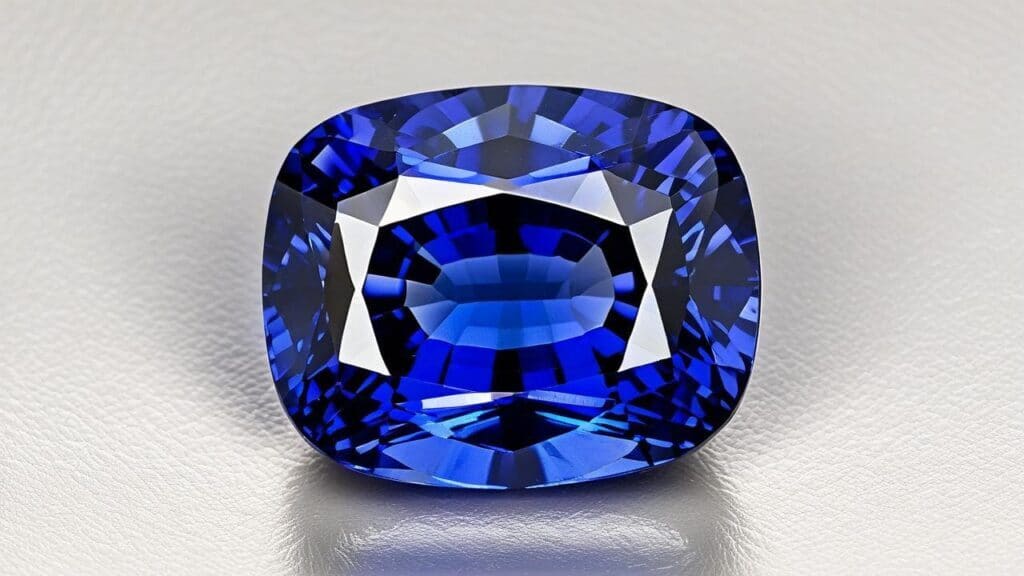
Purchasing colored sapphires involves considerations beyond those for traditional blue varieties, with each color presenting its own unique value factors and market dynamics. Whether you’re seeking a classic blue, rare padparadscha, or any other sapphire variety, understanding the essential evaluation criteria will help you make an informed decision. A knowledgeable approach to sapphire shopping ensures you’ll find a stone that delivers both beauty and value for your investment.
- Color is paramount in sapphire valuation – look for even, saturated color without dark areas or “windows” (overly light areas), with different colors having different ideal saturation levels.
- Clarity expectations vary by color: blue sapphires can contain some inclusions without affecting value significantly, while lighter colors like yellow should be relatively eye-clean.
- Almost all commercial sapphires undergo heat treatment to enhance color and clarity, which is permanent and accepted in the market – untreated stones command significant premiums but should always come with laboratory certification confirming their natural state.
- Be particularly careful with unusually vibrant orange-pink “padparadscha” sapphires, as some may be beryllium-treated to create this color artificially.
- Geographic origin affects value considerably, with Kashmir, Burma, and Sri Lanka commanding the highest premiums for blue sapphires, while other colors have their own preferred sources.
- When comparing sapphires to other gemstones, remember that their exceptional durability makes them more practical for everyday wear than softer stones like emeralds or tanzanite.
- Always request a certification from a reputable gemological laboratory (like GIA, AGL, or SSEF) for significant purchases, especially for stones sold as “unheated,” “natural color,” or with premium origin claims.
Selecting the perfect colored sapphire involves balancing personal preference with objective quality factors. While grading criteria provide important benchmarks, the most important consideration is how the stone looks to your eye and whether its color and brilliance speak to you personally. By combining technical knowledge with your aesthetic preferences and working with reputable dealers who provide proper documentation, you can confidently select a colored sapphire that will bring joy for generations to come.
Conclusion
Sapphires truly are nature’s rainbow gems, offering exceptional beauty, durability, and variety that few other gemstones can match. From the classic deep blues to the sunset hues of padparadscha, the mysterious color-changing varieties to the celestial beauty of star sapphires, these remarkable gemstones provide options for every preference and occasion. Their exceptional hardness makes them practical choices for everyday wear, while their rich history and symbolism add depth and meaning to their physical beauty.
Whether you’re drawn to sapphires for their stunning colors, their remarkable optical phenomena, or their unmatched durability, understanding the distinct characteristics of each variety helps you make informed choices when adding these treasures to your collection. With proper care, sapphires will maintain their beauty for generations, making them not just purchases but legacies that can be passed down through families. In a world where true quality often seems increasingly rare, sapphires stand as enduring symbols of nature’s most magnificent artistry.