A bottle of perfume looks simple: a bit of liquid, a nice cap, a spray nozzle. But what’s actually inside that bottle is the result of a long chain of decisions, from which flowers get picked and when, to how long a mixture is left to rest before it’s ready to sell. Perfume is part farming, part chemistry, and part art, and the process has changed far less than most people would guess since it first became a real industry centuries ago. Understanding how it’s made doesn’t just satisfy curiosity — it explains why some perfumes cost so much more than others, and why two bottles that smell similar in the store can be worth completely different prices.
Where Do Perfume Ingredients Come From?
Perfume ingredients come from two main places: nature and a lab. Natural ingredients are extracted from plants, flowers, wood, and even some animal sources, while synthetic ingredients are built from scratch by chemists to copy or invent smells.
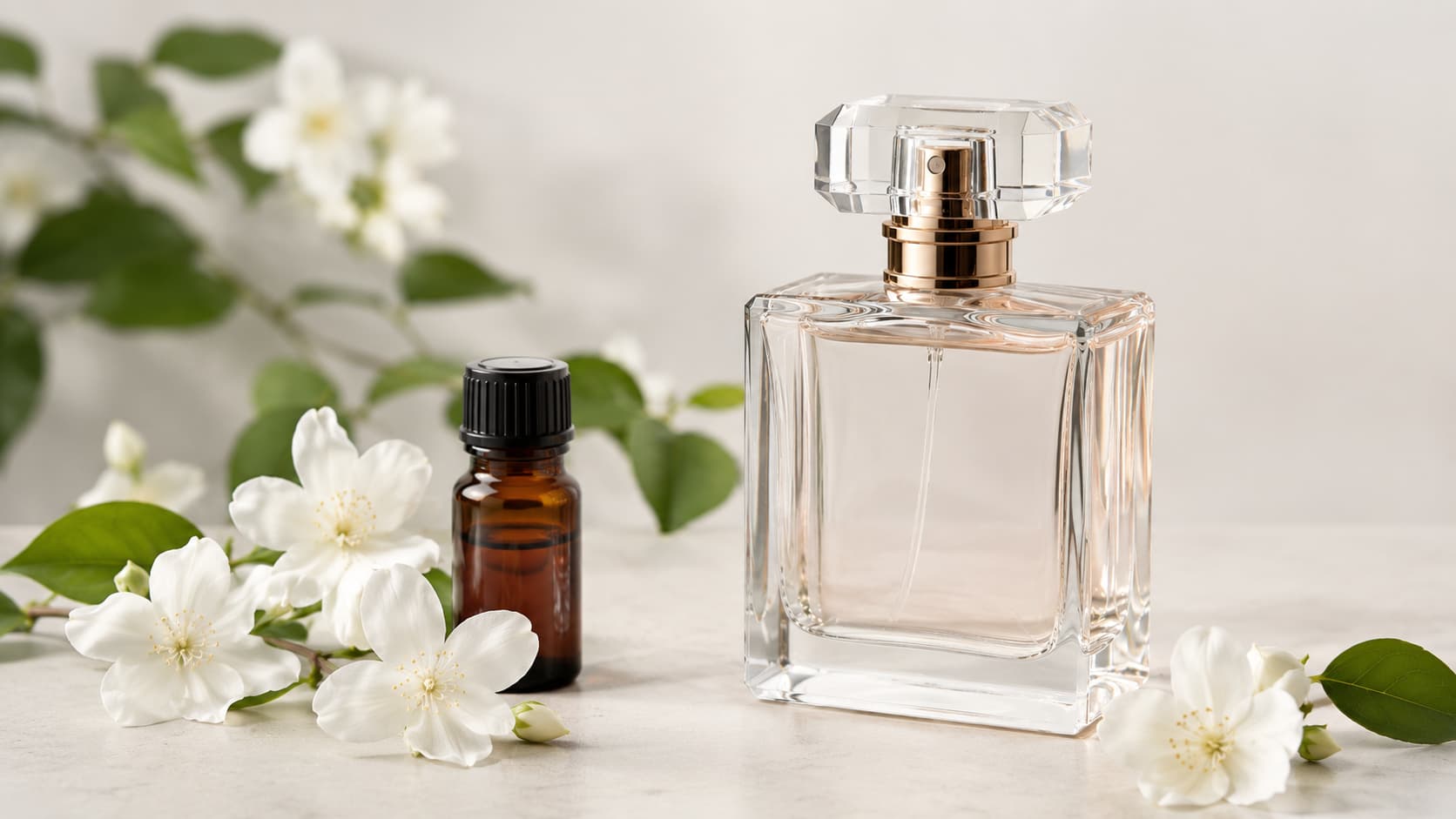
Natural raw materials include things like rose petals, jasmine flowers, sandalwood, citrus peels, vanilla pods, and vetiver roots. Growing and harvesting these is a huge part of the cost of perfume — a flower like jasmine has to be picked by hand, early in the morning before the sun gets strong enough to weaken its scent, and it takes an enormous number of flowers to produce even a small amount of usable oil. Rose oil is one of the most extreme examples: it can take thousands of pounds of rose petals to make a single pound of rose oil.
Synthetic ingredients get a bad reputation they don’t really deserve. Chemists in a lab can recreate the smell of a real flower using synthetic molecules, and they can also invent completely new smells that don’t exist in nature at all — things like the clean, “just washed” smell in a lot of modern perfumes, or the sparkling, almost metallic smell called “ozonic,” which doesn’t come from any single plant or animal. Synthetics also solve a big problem: some natural scents, like lily of the valley, can’t actually be extracted from the real flower in a way that’s usable, so a synthetic version is the only way to get that smell into a bottle at all.
Most modern perfumes are a blend of both. Even expensive, prestige fragrances almost always contain synthetic ingredients — they help a scent last longer, cost less to produce, and behave more predictably than natural oils, which can vary from harvest to harvest.
A small, older category of animal-derived ingredients also shaped perfume history: musk from deer, ambergris from sperm whales, civet from civet cats, and castoreum from beavers. These were once prized because they added warmth and staying power to a fragrance, acting almost like a glue that held the other notes together on skin. Today, nearly all of them have been replaced by synthetic versions for ethical and legal reasons — musk deer and civet cats are protected, and most countries restrict or ban using them commercially. Ambergris is the one exception still occasionally used in its natural form, since it’s a waxy substance that washes up naturally on beaches rather than being taken directly from a living whale.
How Scent Is Extracted From Raw Materials
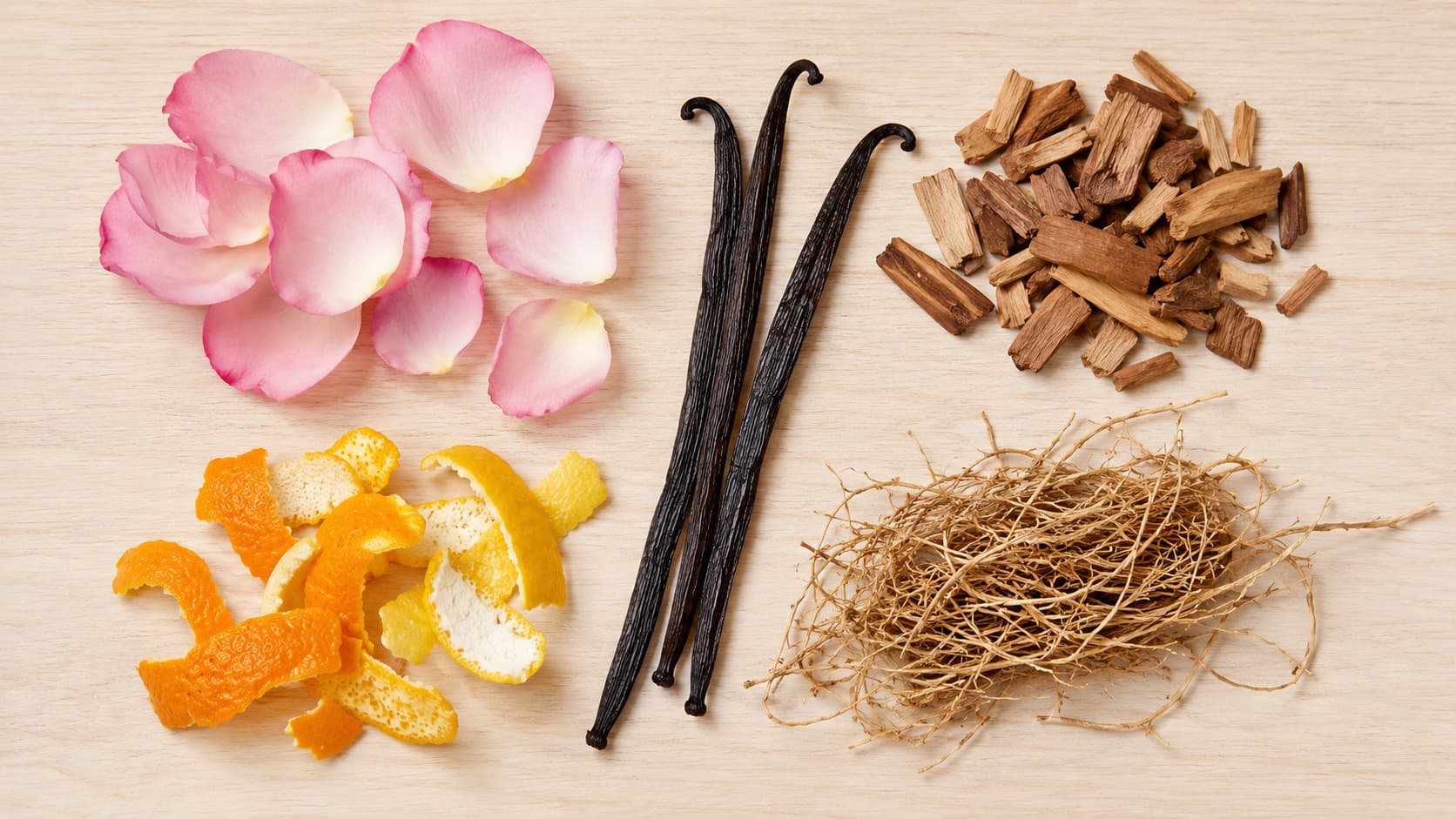
Scent is pulled out of raw plant material using one of a handful of methods, and the method used depends entirely on how delicate or tough the ingredient is. The main techniques are steam distillation, expression, enfleurage, and solvent extraction.
Steam distillation is the most common method and works well for tougher materials like wood, roots, and some flowers. Steam is passed through the plant material, which causes the tiny scent molecules to evaporate along with the steam. That mixed vapor is then cooled back down into liquid, and because oil and water don’t mix, the fragrant oil — called an essential oil — separates and floats to the top, where it can be skimmed off.
Expression is used almost exclusively for citrus fruits like lemon, orange, and bergamot. Instead of using heat, the peel is simply pressed or squeezed, similar to squeezing juice from a fruit, which releases the fragrant oils sitting just under the surface of the rind.
Enfleurage is an old, slow, and now rare method used for extremely delicate flowers that would be damaged or destroyed by heat, like jasmine or tuberose. The petals are laid onto a layer of odorless fat, which slowly absorbs the scent over days or weeks. Once the fat is fully saturated with fragrance, it’s washed with alcohol to pull the scent out of the fat and into a usable liquid. Because it’s so labor-intensive, almost no perfume houses still use true enfleurage today — it’s mostly kept alive by a small number of historic or luxury producers.
Solvent extraction is used for flowers too fragile for steam but not worth the enormous effort of enfleurage. A chemical solvent washes over the plant material and pulls out the scent along with some waxes and pigments, creating a waxy substance called a “concrete.” That concrete is then washed again with alcohol to isolate the pure fragrant liquid, known as an “absolute.” A newer, gentler version of this same idea uses pressurized carbon dioxide instead of a chemical solvent, which leaves behind an even cleaner, truer-to-the-flower scent.
A modern technique called headspace technology skips extraction altogether and captures a scent as data instead. A small device is placed around a live flower, still growing in the ground, and it samples the scent molecules floating in the air around it over time. Chemists then analyze that “smell fingerprint” and recreate it synthetically. This is how perfumers manage to bottle scents that can’t be extracted by any traditional method, like a flower that produces almost no usable oil, or smells that aren’t even plants at all, such as fresh rain, ocean air, or cut grass.
How Perfumers Turn Ingredients Into a Finished Fragrance
A perfumer — sometimes nicknamed a “nose” — turns raw ingredients into a finished scent by blending dozens or even hundreds of individual ingredients according to a formula, much like a chef follows a recipe. This is the most creative and skill-heavy part of the entire process.
Every perfume is built around what’s called a scent pyramid, made up of three layers:
- Top notes — the first scent to register, usually light ingredients like citrus or herbs, which fade within the first 15 minutes.
- Heart notes (or middle notes) — the “true” character of the perfume, often floral or spicy, which emerges as the top notes fade and can last a couple of hours.
- Base notes — the deep, long-lasting ingredients like wood, musk, or vanilla, which anchor the whole scent and can still be detected many hours later.
A perfumer trains for years, often at a specialized school, to memorize thousands of individual raw materials and understand how they behave when combined. Two ingredients that smell fine on their own can smell completely different — better or worse — once mixed together, so a huge part of the job is trial and error, testing tiny batches over and over until the formula feels right. Some famous fragrances went through hundreds of versions before the final one was approved.
To make this manageable, perfumers rarely think in single ingredients alone — they also work with “accords,” which are small combinations of a few raw materials blended together to create one recognizable effect, almost like a chord made of individual musical notes. A “leather accord,” for example, might combine several smoky and animalic ingredients to recreate the smell of leather without using any actual leather. Once a perfumer builds an accord they like, they can reuse it as a single building block in many different formulas, the same way a chef might keep a signature sauce on hand to use across several dishes.
How a Perfume Formula Becomes Liquid
Once a formula is finalized, it has to be turned into an actual liquid, which happens through a process called compounding, followed by a resting period called maceration.
Compounding is simply the careful, precise mixing of every ingredient in the formula, measured out in exact amounts, usually by weight rather than by volume for accuracy. This concentrated mixture is called the “juice” or the fragrance compound, and at this stage it’s extremely strong — far too strong to wear directly on skin.
After compounding, the mixture is blended with alcohol (and sometimes a small amount of water) to bring it down to a wearable strength, and then it’s left to rest during maceration. This resting period can last anywhere from a few weeks to several months. During maceration, the individual ingredients fully bond with the alcohol and with each other, which softens any harsh notes and lets the final scent settle into the smooth, balanced version that will eventually be bottled. Skipping or rushing maceration is one of the easiest ways to end up with a perfume that smells sharp, uneven, or “unfinished.”
Alcohol is used as the carrier for a few practical reasons: it evaporates quickly and cleanly off skin, it dissolves fragrance oils well, and it helps the different notes release at the right pace instead of all at once. The alcohol used in perfume is almost always ethanol that has been “denatured,” meaning a small amount of a bitter or unpleasant additive is mixed in to make it undrinkable, which is a legal requirement in most countries so that perfume isn’t taxed or regulated the same way as alcoholic beverages.
Filtration and Quality Checks
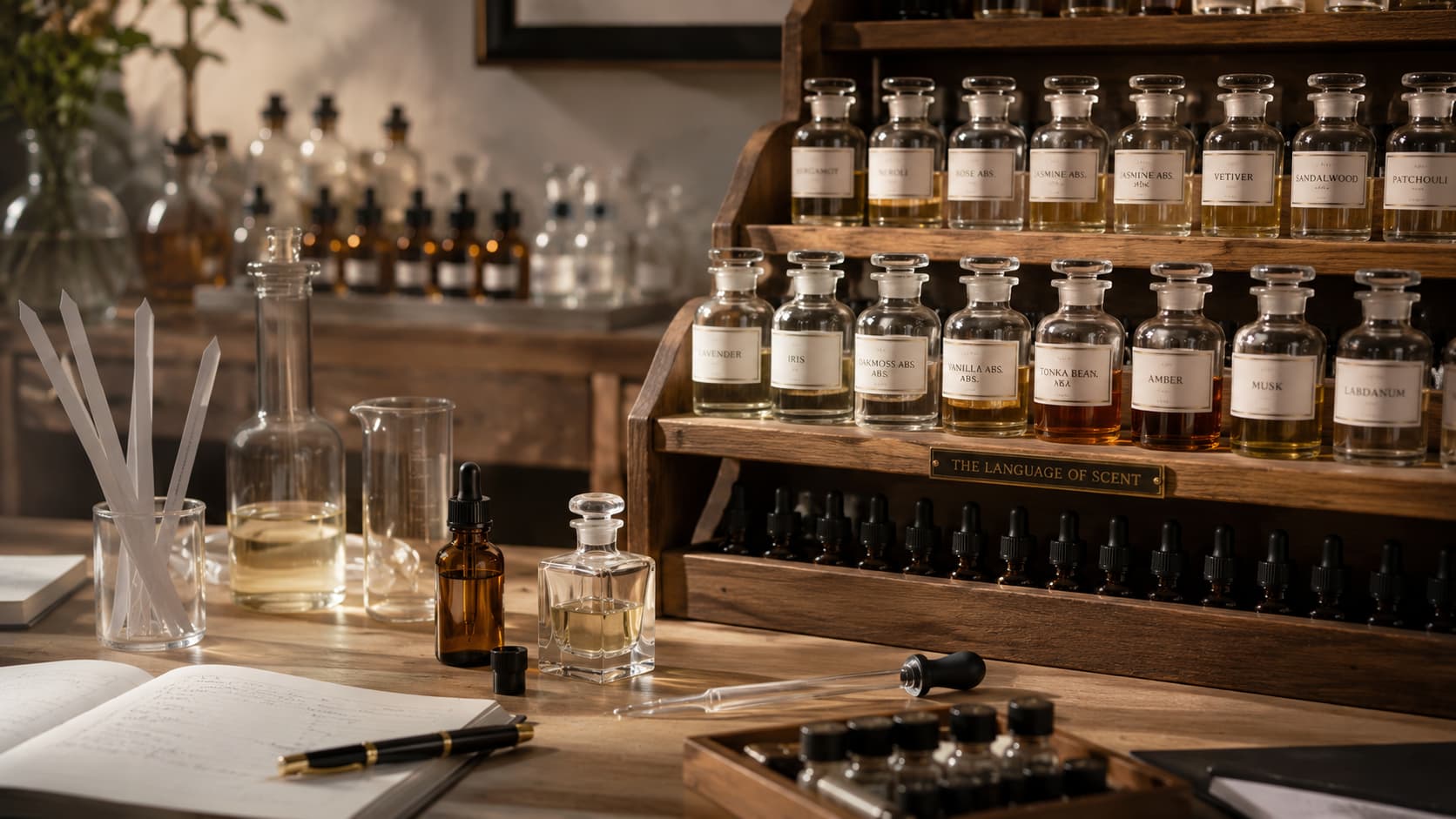
Filtration is the step where the finished liquid is filtered to remove any leftover particles, sediment, or cloudiness, making sure the perfume is perfectly clear before it goes into a bottle.
This usually involves passing the liquid through fine filters, sometimes more than once. Some perfumes also go through a cold filtration step, where the liquid is chilled to a low temperature first — this causes certain waxy compounds naturally present in some oils to solidify and become easier to filter out, which prevents the perfume from turning cloudy later if it’s ever exposed to cold temperatures, like being left in a car in winter.
Quality control also happens here. Trained testers smell and sometimes taste small samples to confirm the batch matches the original approved formula exactly, since even small changes in raw ingredient quality from one harvest to the next can shift how a batch smells.
Beyond just checking the smell, batches also go through stability testing before they’re approved for sale. Samples are deliberately exposed to heat, light, and cold over several weeks to see how the perfume holds up — this predicts whether it will discolor, separate, or smell different after sitting on a store shelf or in a customer’s bathroom for months. It’s also at this stage that labs confirm the perfume meets safety regulations, since certain natural ingredients, like some citrus oils, are restricted to specific maximum percentages because they can cause skin irritation in sunlight at higher concentrations.
Understanding Perfume Concentration Levels
Perfume concentration refers to how much fragrant oil is mixed into the alcohol base, and it’s the single biggest factor in how strong a perfume smells and how long it lasts on skin.
| Concentration | Approx. Oil Content | Typical Longevity |
|---|---|---|
| Parfum (Extrait) | 20–30% | 8+ hours |
| Eau de Parfum (EDP) | 15–20% | 6–8 hours |
| Eau de Toilette (EDT) | 5–15% | 3–5 hours |
| Eau de Cologne (EDC) | 2–4% | 2–3 hours |
| Eau Fraîche | 1–3% | 1–2 hours |
These percentages aren’t locked in stone across every brand — they’re general industry ranges — but the pattern holds true: more oil generally means a stronger, longer-lasting, and usually more expensive scent, since fragrant oil is by far the most costly ingredient in the bottle.
These terms aren’t strictly regulated the way food labels are, so one brand’s eau de toilette can occasionally be stronger than another brand’s eau de parfum. The labels are a reliable general guide, but they’re not a guarantee — the only way to really know how a specific perfume behaves is through direct testing, since the same formula can wear differently from one person’s skin to another’s.
Bottling and Final Packaging
Bottling is the last step, where the finished, filtered perfume is measured and sealed into its final bottle, fitted with its spray mechanism, and packaged for shipping.
This part of the process is often automated on large production lines, especially for mass-market brands, though smaller or luxury houses sometimes still fill and finish bottles by hand. Along with the liquid itself, this stage includes attaching the spray pump, sealing the cap, and adding the outer box — all of which are also tested to make sure the spray works correctly and the bottle doesn’t leak during shipping or storage.
The bottle itself is chosen with more thought than it might seem. Perfume degrades faster when it’s exposed to light and air, which is why many bottles are made from tinted or opaque glass, and why nearly every perfume also ships inside a cardboard box — that outer packaging isn’t just for branding, it’s genuinely there to block light during storage and shipping. Some brands also fill bottles with a small pocket of nitrogen gas instead of leaving the empty space as regular air, since nitrogen doesn’t react with the fragrance oils the way oxygen slowly does over time, which helps the scent stay true for longer once it’s sitting on a shelf.
Frequently Asked Questions
How long does it actually take to make a perfume?
From the first idea to a finished bottle on a shelf, it usually takes one to three years. That includes ingredient sourcing, formula testing, safety and regulatory approval, packaging design, and manufacturing, though the actual liquid production itself is a much smaller part of that timeline.
Are natural perfumes better than synthetic ones?
Not necessarily — they’re just different. Natural ingredients can offer complexity that’s hard to fully replicate, but they’re less consistent and often fade faster. Synthetic ingredients allow for scents that don’t exist in nature, better staying power, and more consistent quality from batch to batch.
Why do some perfumes smell different on different people?
Perfume interacts with a person’s natural skin chemistry, including oil levels, pH, and even diet, which can shift how top, heart, and base notes come through over time. That’s why testing a perfume directly on skin, rather than judging it from a paper strip, gives a far more accurate impression of how it will actually wear.
Why does perfume smell different right after spraying compared to a few hours later?
This happens because of the scent pyramid. The light top notes evaporate first and are the strongest smell immediately after spraying, then the heart notes take over, and finally the base notes are what remain hours later — so a single perfume can genuinely smell like three different stages of the same scent throughout the day.
Is more expensive perfume always better quality?
Not always. Price is affected by rare ingredient costs, brand marketing, packaging, and concentration level, not purely by craftsmanship. A well-formulated eau de toilette can be genuinely excellent, while an expensive parfum can be overpriced for what’s actually in the bottle.
Conclusion
Making perfume is a process that blends farming, chemistry, and creative skill, starting with raw ingredients that are carefully extracted through methods like distillation, expression, or solvent extraction, then blended by a trained perfumer, rested during maceration, filtered for clarity, and finally bottled at a chosen concentration. Every step affects the final result, from how long a scent lasts on skin to how much the bottle costs, which is exactly why two perfumes that smell similar on first spray can be worlds apart in quality and price. A single spray is a fleeting moment, but it represents months or even years of decisions that started long before the bottle ever reached a shelf.