A perfume sprayed on the wrist rarely smells the same an hour later as it did the moment it was applied. That’s not a flaw or a trick of the nose — perfume is built in layers, and those layers are called notes. Understanding how they work explains why a fragrance can open bright and citrusy and settle, hours later, into something warm and completely different, and it’s the key to picking a scent that holds up from morning to evening rather than one that fades or shifts into something unexpected.
What Are Fragrance Notes?
Fragrance notes are the individual scents — lemon, rose, vanilla, and thousands of others — that a perfumer blends together to build a finished perfume. Each note doesn’t arrive at the same time or last the same length of time, which is why a well-made fragrance actually changes character as the hours pass rather than smelling identical from first spray to last trace.
A perfume behaves less like a single flavor and more like a piece of music. A song isn’t one note held forever — it has an opening, a middle section, and an ending, with each part playing a different role. Perfume follows the same structure. Notes are grouped by how quickly they evaporate off the skin, and that grouping is what perfumers call the fragrance pyramid.
The Three Types of Fragrance Notes
Every perfume is generally built from three layers: top, middle, and base. Each layer takes over as the one before it fades, which is why a fragrance can smell sharp and citrusy in the first minutes and warm and woody hours later.
| Note Type | When It Appears | How Long It Lasts | Common Examples |
|---|---|---|---|
| Top Notes | Immediately | A few minutes to about an hour | Citrus, light herbs, mint |
| Middle Notes | After the top notes fade | A couple of hours | Rose, jasmine, cinnamon, lavender |
| Base Notes | Last, once things settle | Several hours, sometimes into the next day | Vanilla, musk, sandalwood, amber |
Top Notes: The First Impression
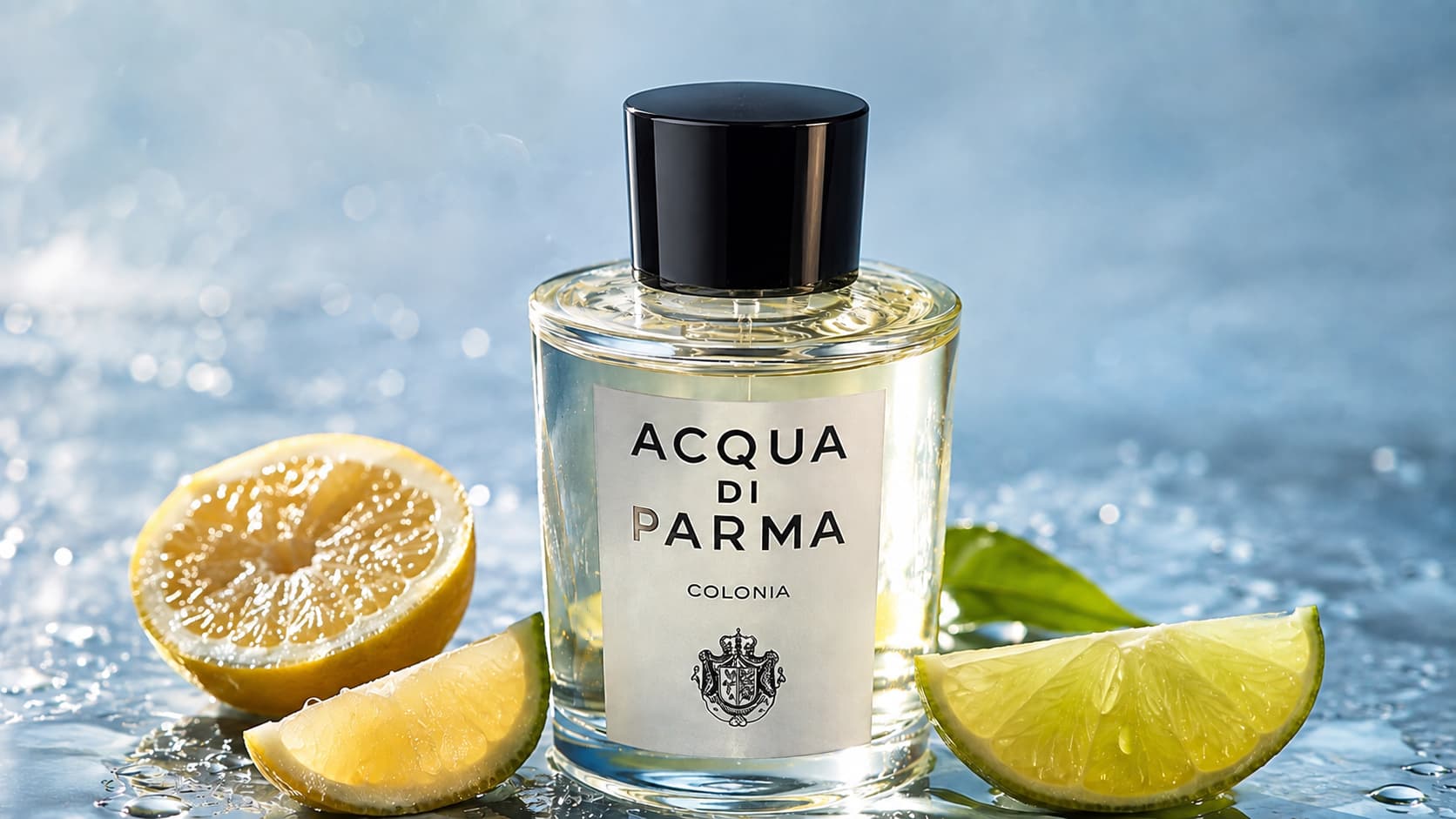
Top notes are the first scent released the moment perfume touches skin, and they’re usually the fastest to disappear. This opening layer is what convinces a shopper to buy the bottle in the first place, even though it isn’t the smell that will be worn for the rest of the day.
Made from small, light molecules that evaporate quickly, top notes typically last only fifteen minutes to an hour before stepping aside for the next layer. Citrus fruits such as bergamot, lemon, and grapefruit are among the most common, alongside light herbs like mint and basil, airy “ozonic” notes that resemble fresh sea air, tart fruits like green apple, and light spices such as pink pepper.
A perfume that smells wonderful for five minutes and unrecognizable an hour later has weak middle and base notes — the top notes did their job, but nothing was built to carry the scent forward.
Middle Notes: The Heart of the Scent
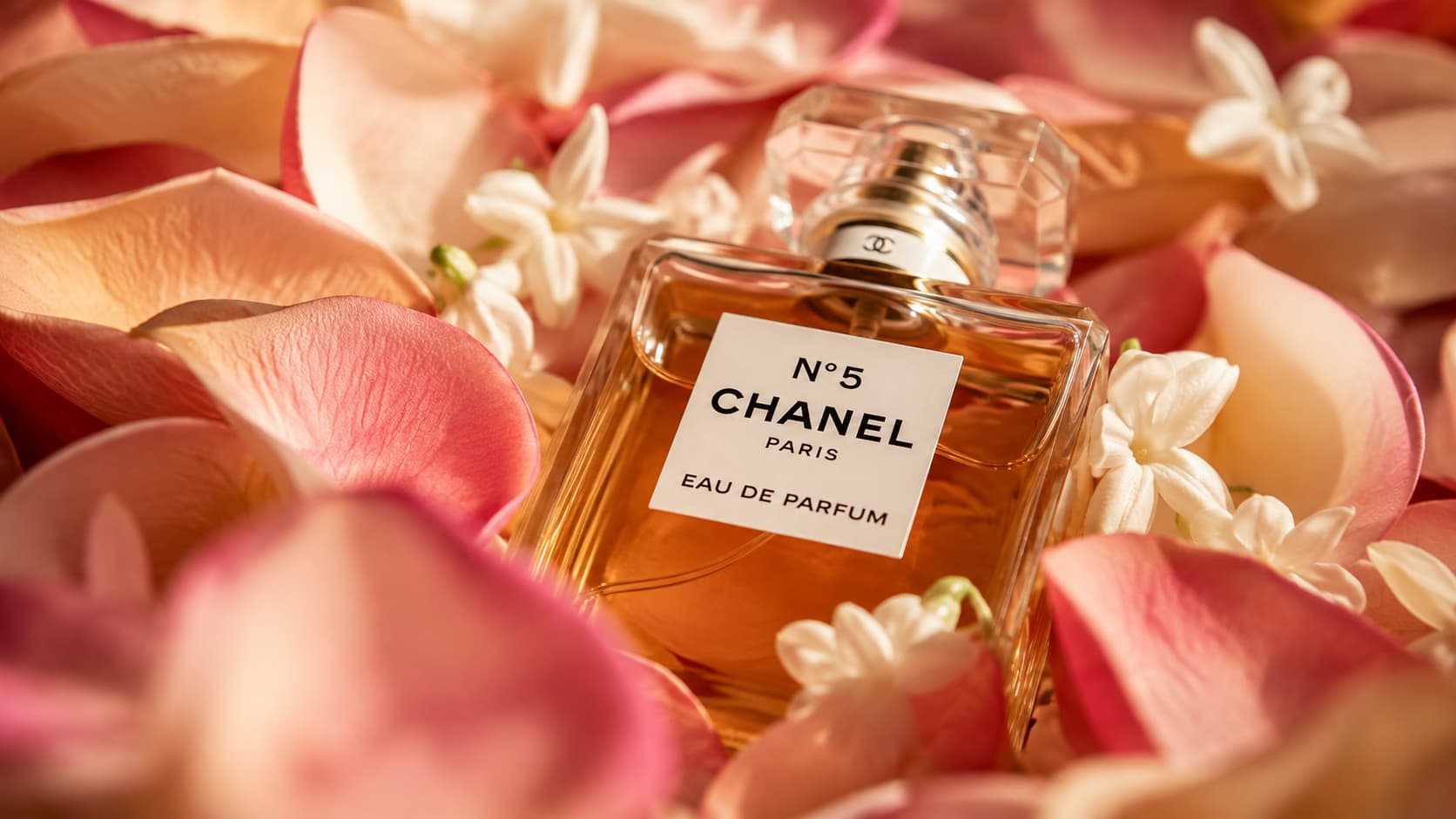
Middle notes, often called heart notes, take over once the top notes fade and form the true personality of the fragrance for the next couple of hours. Where the top note functions as the introduction, the middle note carries the main narrative of the scent.
These notes tend to be softer and rounder than the sharp citrus of the opening layer, and they quietly smooth the transition into the heavier base notes underneath, some of which can smell rough on their own before being blended in. Florals like rose, jasmine, geranium, and ylang-ylang dominate this category, alongside warm spices such as cinnamon, cardamom, and black pepper, green herbal notes like lavender, and darker fruits such as fig or plum.
Because they carry the main body of the scent, middle notes are often the largest and most complex layer of a perfume’s formula — a large part of why this layer is described as the heart of the fragrance rather than just another passing stage.
Base Notes: The Long-Lasting Layer
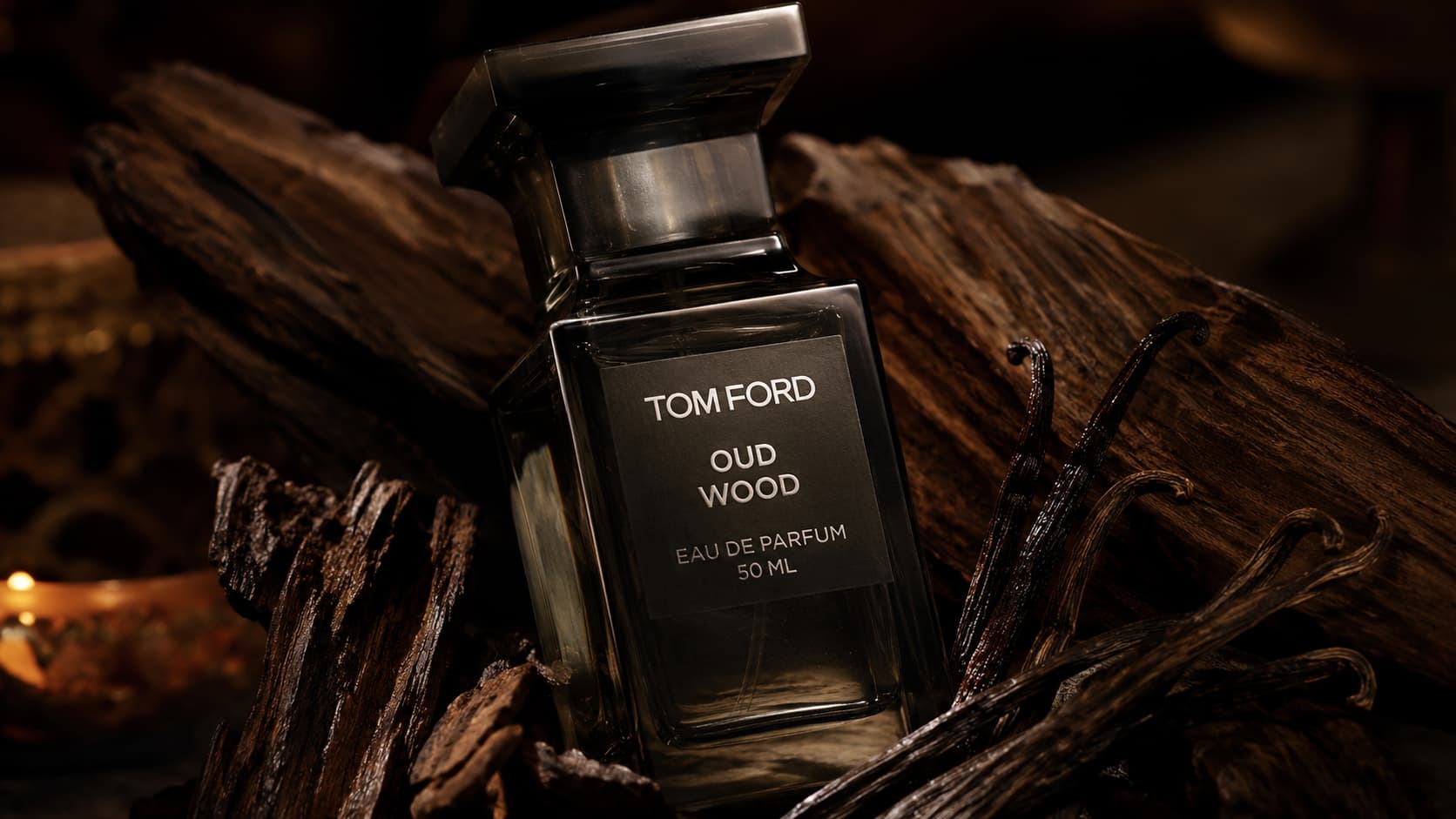
Base notes are the deep, rich scents that arrive last and linger the longest, sometimes six hours or more. This is the layer still noticeable late in the afternoon, long after the wearer has stopped thinking about the perfume applied that morning.
Made from heavier, slower-evaporating ingredients, base notes take longer to appear and longer to fade, acting as an anchor that keeps a fragrance recognizable even after the brighter top and middle notes have disappeared entirely. Vanilla and amber bring warmth and sweetness, musk supplies the soft, skin-like quality found in many modern perfumes, woods such as sandalwood, cedarwood, and oud add structure, and patchouli or moss contribute an earthy depth.
This final stretch of a fragrance’s life is sometimes called the dry-down — the settled, quieter version of the scent left once the earlier layers have faded, and often the version by which a perfume is ultimately judged over time.
How Fragrance Notes Blend Together
None of the three layers works in isolation. A fragrance is engineered so the notes hand off to one another smoothly, much like a relay race, so the switch from one smell to the next never feels abrupt.
In a well-balanced perfume, the top notes create a strong first impression before quickly fading, the middle notes ease in before that opening layer fully disappears so there’s no gap in the scent, and the base notes sit quietly present from the very start — too faint to notice at first — before slowly becoming the dominant voice as the lighter layers wear off. This overlap is why fragrances are tested over many hours during development rather than judged from a single sniff out of the bottle; a perfume that only impresses for its first ten minutes hasn’t really been finished.
How to Read a Fragrance’s Notes List
Most perfume listings group notes into top, heart or middle, and base. That structure reveals a great deal about how a scent will behave before it’s ever tested.
A fragrance leaning heavily on citrus and light herbs in the top and middle layers will generally feel fresh and energetic early on but fade faster than one built on heavier base notes. A perfume loaded with vanilla, amber, or musk in its base will typically last longer and smell warmer as the day progresses, even with a quieter opening. Neither approach is inherently better — the choice comes down to whether a light daytime scent or something that lingers into the evening is what’s needed. Because first impressions from a paper strip favor loud top notes, testing a fragrance on skin over a few hours remains the only reliable way to judge how its full structure actually unfolds.
How Perfume Strength Changes the Scent
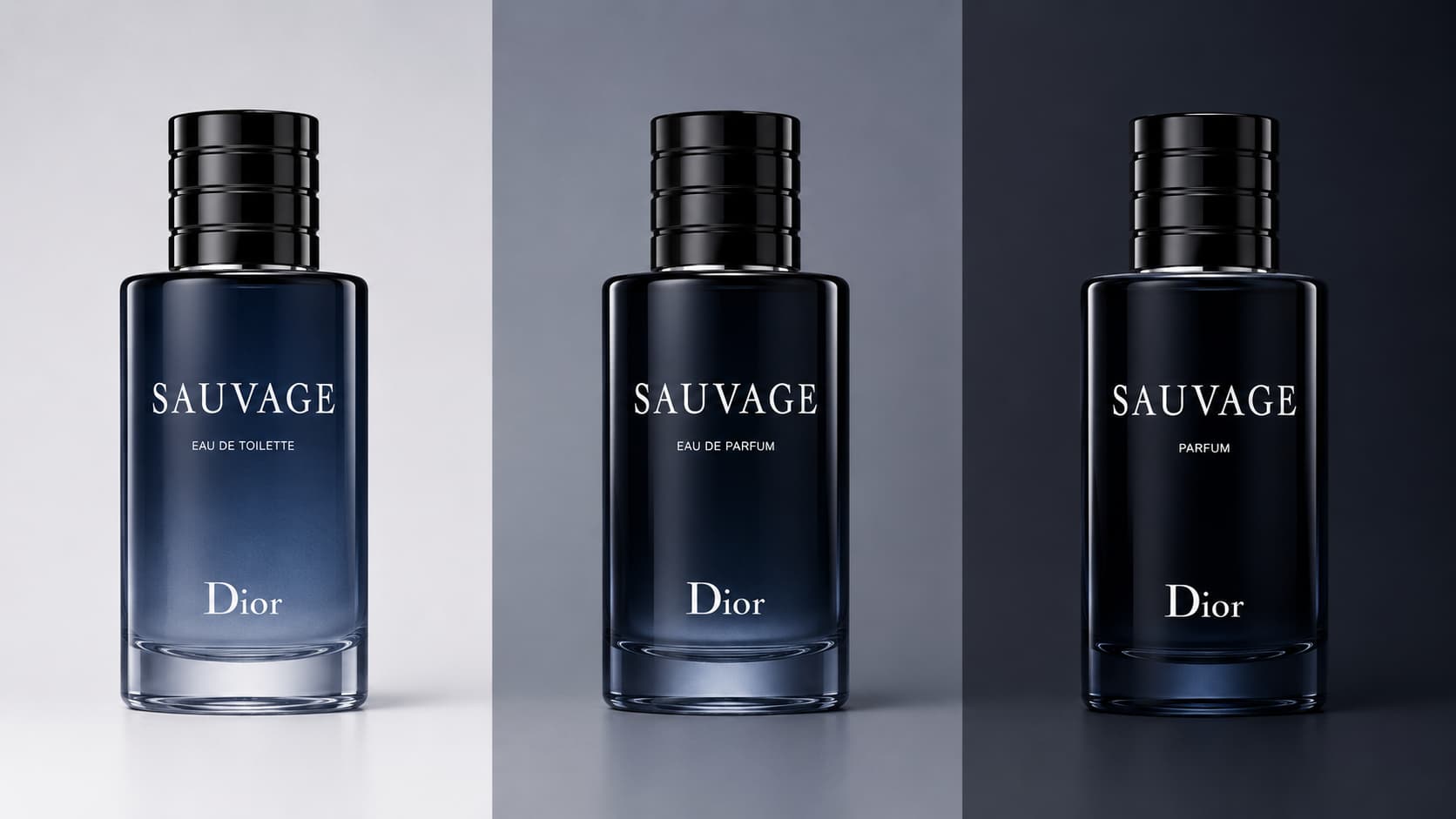
The words Eau de Toilette or Eau de Parfum on a bottle aren’t just fancy labeling — they indicate roughly how much fragrance oil is mixed into the formula, and that concentration directly affects which notes come through most strongly and for how long. These terms are industry conventions rather than figures set by any regulator, so exact percentages can vary somewhat between fragrance houses, but the general order and ranges below hold true across most of the market.
Eau de Toilette generally falls somewhere in the 5–15% fragrance oil range, giving it a brighter, more top-note-forward character that fades within roughly three to five hours. Eau de Parfum steps that up to somewhere around 15–20%, allowing the middle and base notes more room to develop and typically extending wear to six to eight hours. Parfum, sometimes labeled Extrait de Parfum, sits at the top with roughly 20–30% oil, leaning heavily on rich base notes and often remaining noticeable ten hours or more after application.
| Concentration | Typical Fragrance Oil Range | Typical Longevity | Notes That Stand Out Most |
|---|---|---|---|
| Eau de Toilette (EDT) | ~5–15% | 3–5 hours | Top notes |
| Eau de Parfum (EDP) | ~15–20% | 6–8 hours | Middle and base notes |
| Parfum / Extrait | ~20–30% | 8+ hours | Base notes |
The same fragrance name can therefore behave quite differently depending on which concentration is chosen. An Eau de Toilette version might read as mostly citrusy and fresh, while the Eau de Parfum or Parfum version of that identical scent can reveal a far deeper floral heart and warmer base.
Why Perfume Smells Different on Different People
Notes don’t smell identical from one person to the next, and that variation comes down to individual skin chemistry rather than any flaw in the perfume itself. Skin’s natural oil level plays a role, since oilier skin tends to hold onto notes — especially base notes — longer than dry skin does. Body temperature matters too, as warmer skin releases scent molecules faster, causing notes to appear and fade more quickly. Diet and general health can subtly shift skin’s natural chemistry, and weather plays a part as well, since heat and humidity generally amplify projection while cold, dry air mutes it.
This is why fragrance testing on skin, rather than judging a scent purely from a paper strip, remains the standard advice among perfume specialists. A paper strip reveals the notes; skin reveals the actual perfume as it will actually be worn.
Frequently Asked Questions
Why does perfume smell different a few hours after it’s applied?
Because the top notes have evaporated and the middle or base notes have taken over. This shift is normal and expected — a sign the perfume was built with multiple layers rather than a single, flat scent.
Which note lasts the longest in a perfume?
Base notes last the longest, often six hours or more, because they’re made from heavier molecules that take far longer to evaporate off the skin than the light molecules used in top notes.
Do all perfumes have top, middle, and base notes?
Most traditional fragrances are built this way, though some simpler scents or single-note perfumes skip the full three-layer structure. The notes list on a fragrance’s packaging or product page typically shows how a specific perfume is constructed.
What helps a fragrance last longer?
Applying perfume to pulse points such as the wrists and neck, and to moisturized rather than dry skin, generally helps notes — especially base notes — last longer, since dry skin causes fragrance to evaporate faster.
Does Eau de Parfum smell different from Eau de Toilette in the same fragrance line?
Often quite noticeably. Because Eau de Parfum contains more fragrance oil, it tends to bring out more of the middle and base notes, while the lighter Eau de Toilette version generally stays closer to the fresh, top-note-driven opening.
Is a strong top note a sign of a good perfume?
Not on its own. A strong, exciting top note is a good sign, but the real test of a well-made perfume is whether the middle and base notes carry the scent through the rest of the day rather than letting it fade after the opening.
Conclusion
Fragrance notes are not simply marketing language printed on a box — they form a genuinely useful map of how a scent behaves from the moment of application until hours later. Top notes deliver the opening impression, middle notes carry the true character of the fragrance, and base notes keep it going long after the brighter layers have disappeared. Understanding that structure turns choosing a perfume from a guessing game into a matter of knowing exactly what a given bottle will actually deliver over the course of a day.