Fragrance shopping gets confusing fast, since the same bottle often shows up sold under different names — Parfum, Eau de Parfum, Eau de Toilette, Eau de Cologne — sometimes even for the exact same scent. The difference actually comes down to one clear factor: each name marks how much real perfume oil is mixed into the bottle, and that single number changes almost everything about a fragrance, from how strong it smells to how long it lasts on skin and what it costs.
Understanding Fragrance Concentration
Fragrance concentration is just the percentage of pure perfume oil mixed into a bottle of alcohol and water. Every fragrance starts as a strong, concentrated oil, and brands dilute it down to different strengths before bottling it. A higher percentage of oil means a stronger smell that lasts longer on your skin, while a lower percentage means a lighter scent that fades faster.
Think of it a bit like making juice from concentrate. A little bit of concentrated syrup mixed with a lot of water makes a weak, watery drink. Add more syrup and less water, and you get something bold and full-flavored. Perfume works the same way, except the “syrup” is a blend of oils that can include things like flower extracts, wood, spices, and lab-made scent molecules.
The liquid that carries all that oil is usually a special high-purity alcohol, sometimes mixed with a bit of water, rather than something like rubbing alcohol from a drugstore. That alcohol does an important job: it evaporates quickly once it hits skin, which is what “releases” the scent into the air so both the wearer and people nearby can actually smell it. The oil left behind after the alcohol evaporates is what keeps releasing scent slowly over the following hours, which is why a higher-oil fragrance keeps performing long after it’s been sprayed.
The Fragrance Strength Ladder, From Weakest to Strongest
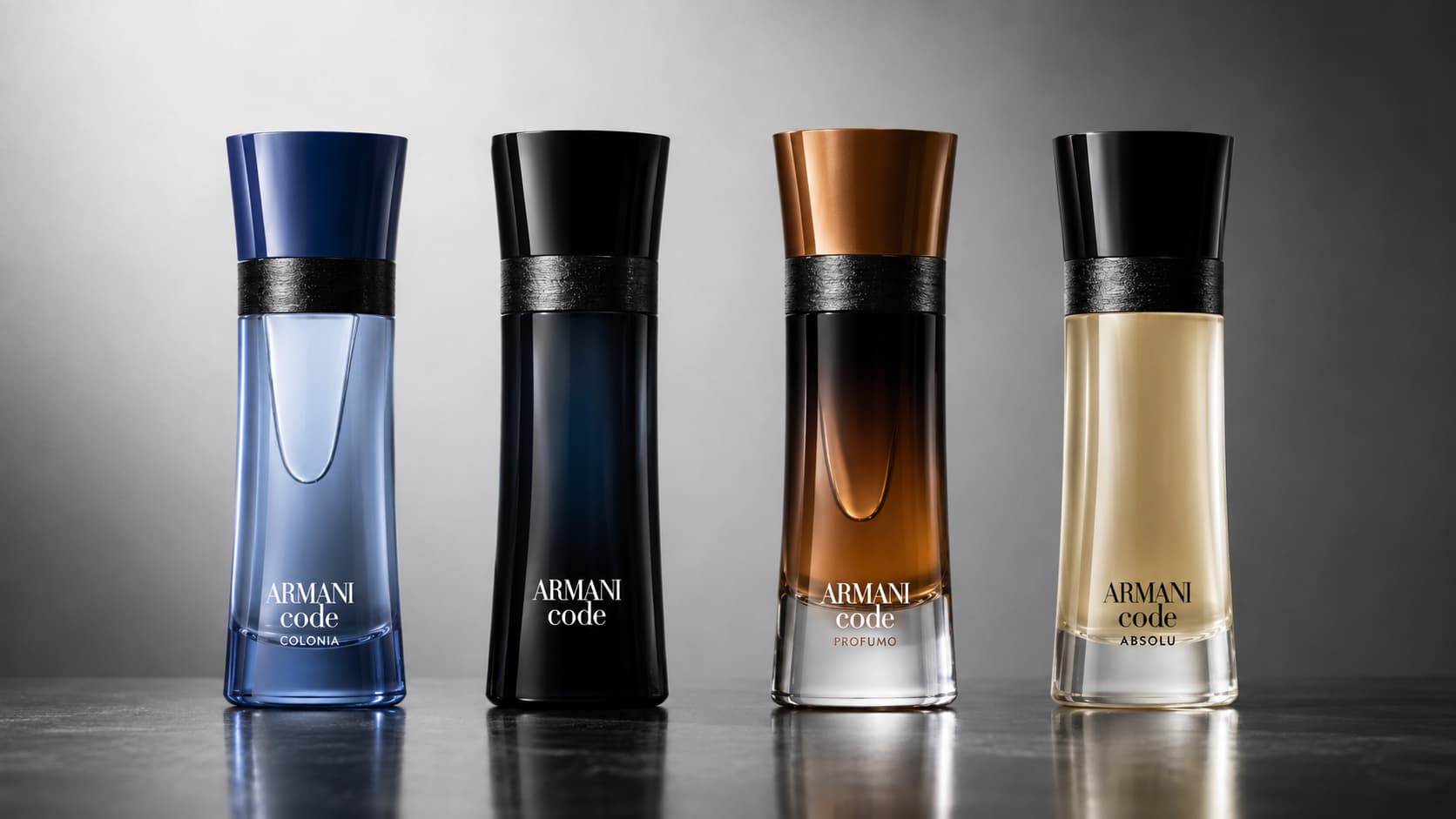
Fragrance strength runs on a simple scale, from the lightest splash to the most concentrated pour. The typical oil percentages and wear times follow a clear pattern, moving from Eau de Cologne up through Eau de Toilette and Eau de Parfum to Parfum at the top:
| Type | Oil Concentration | How Long It Lasts |
|---|---|---|
| Parfum (Extrait) | roughly 20 to 30 percent | 8–12+ hours |
| Eau de Parfum (EDP) | about 15 to 20 percent | 6–8 hours |
| Eau de Toilette (EDT) | about 5 to 15 percent | 4–6 hours |
| Eau de Cologne (EDC) | about 2 to 5 percent | 2–4 hours |
These numbers are industry norms, not strict laws. The percentages are conventions that vary a bit by brand, but the order of strength stays the same.
Parfum (Also Called Extrait de Parfum)
Parfum is the strongest, richest, and most expensive fragrance type on the market. It carries the highest fragrance oil concentration, usually 20 to 30 percent, which creates a rich, full-bodied smell that can stick around for 8 to 12 hours or longer.
Because so much of the bottle is pure scent oil rather than alcohol, Parfum doesn’t spray as far into the air the way lighter fragrances do. Instead, it tends to sit close to your skin, so people have to be pretty near you to notice it. That’s actually part of why perfume experts describe it as more personal and intimate rather than something meant to fill a whole room. A couple of small dabs on pulse points, like your wrists or neck, is usually all you need — spraying it like body spray would be a waste, since a little goes a long way.
Parfum isn’t a new trend, either. Extraits like this were once simply how perfume was sold, full stop, decades before the lighter EDP category was invented as a more wearable, everyday middle ground. Older perfume houses built their reputations on these full-strength blends, and many still treat Parfum as their flagship, most carefully composed version of a scent, often priced highest because it uses the most raw perfume oil per bottle.
Eau de Parfum (EDP)
Eau de Parfum, usually shortened to EDP, is the most popular strength sold today for a good reason: it’s strong enough to last most of the day without being overwhelming. Its higher concentration of fragrance oils, compared to lighter formulas, means it holds its scent longer, which makes it a solid pick for day-long events or special occasions.
EDPs also tend to change character the longer they’re worn. A fragrance built at this strength usually opens with whatever notes were designed to grab attention first, then shifts into a different, often deeper mood as the lighter molecules fade and the heavier ones take over. That shift is part of why a good EDP can smell noticeably different at ten in the morning than it does at six in the evening, even though nothing was reapplied in between.
Eau de Parfum has also become the go-to strength for new fragrance launches. Where a brand might once have released a scent across several strengths at once, today’s new releases tend to arrive as an EDP first and most often, with an EDT or Parfum version, if one shows up at all, following later or not at all.
Eau de Toilette (EDT)
Eau de Toilette, or EDT, is a lighter, fresher version of a fragrance that works well for everyday wear. With a fragrance oil concentration usually between 5 and 15 percent, it’s known for a refreshing, airy quality that’s often designed for daytime or casual settings where a more subtle scent is preferred.
EDT tends to be the version most people reach for at school, work, or the gym, because it’s noticeable up close without being loud across a whole room. It also tends to cost less than an EDP or Parfum version of the same scent, since it uses less of the expensive perfume oil. Because it fades faster, most people reapply an EDT once or twice during the day if they want the scent to stick around.
The name itself comes from an old French phrase, “faire sa toilette,” which simply meant getting washed, dressed, and groomed for the day — nothing to do with a bathroom fixture, despite how strange “toilette” sounds to English ears now. Fragrances used in that grooming routine centuries ago were light, alcohol-based scented waters, which is exactly the tradition EDT still follows today: something splashed on after washing up rather than a heavy, all-day statement scent.
Eau de Cologne (EDC)
Eau de Cologne is the lightest and most refreshing option on the list — and despite the name, it isn’t just “a fragrance for men.” The word “cologne” only became tied to masculinity through decades of advertising, not through anything in its actual chemistry or origin; the term itself describes a concentration, nothing more. Anyone can wear it.
Eau de Cologne sits at around 2 to 5 percent oil, which makes it refreshing but short-lived. It’s traditionally built around bright, zesty citrus notes like lemon, orange, and bergamot, which is why it feels like a splash of freshness rather than a deep, complex scent. Because it fades within a couple of hours, it’s a popular choice for a quick refresh during a hot day, right after a shower, or layered on top of a longer-lasting fragrance underneath.
The name has a real, traceable birthplace: it comes from the German city of Cologne, where an Italian perfumer named Giovanni Maria Farina created the original citrus-and-alcohol blend in 1709. Farina named it after his adopted hometown, and the fragrance became so fashionable among European royalty — reportedly including Napoleon — that “Eau de Cologne” eventually stopped meaning one specific perfume and became the general name for this entire light, citrusy style. That original recipe is still considered a closely guarded family secret today, more than 300 years later.
Less Common Fragrance Concentrations
Parfum, EDP, EDT, and EDC cover almost everything sold on a typical store shelf, but a couple of other concentrations turn up occasionally, usually from niche or luxury houses rather than mass-market brands.
Eau Fraîche
Eau Fraîche is the lightest fragrance concentration made, sitting at roughly 1 to 3 percent oil, with the rest of the formula mostly water rather than alcohol. That low oil content means the scent barely lasts an hour or two, more of a fleeting splash than a lasting fragrance.
Because it’s so diluted, Eau Fraîche is rarely a brand’s main release. It tends to show up as a lighter companion version of an existing fragrance, built for a quick cool-down on a hot day or a faint touch of scent layered under something stronger, rather than something meant to be worn on its own for lasting effect. Its heavier reliance on water instead of alcohol also makes it gentler on sensitive skin than other concentrations.
Esprit de Parfum
Esprit de Parfum sits in an unusual gap between Eau de Parfum and Parfum, generally landing somewhere around 15 to 30 percent oil depending on the house that makes it. It’s rich and long-lasting like a Parfum, but the term itself is used far less often across the industry.
The name is most associated with Dior, which built a small line of boutique-exclusive fragrances under this label in the 1980s and has occasionally revived the concept since. Because so few brands use the term, there’s no single agreed-upon percentage for it the way there is for EDT or EDP — each house that offers an Esprit de Parfum essentially sets its own definition, which is part of why the concentration stays rare and slightly mysterious even to people who follow fragrance closely.
Perfume Oils and Attars
Pure perfume oils, sometimes called attars, sit at the opposite extreme: 100 percent fragrance concentrate with no alcohol at all. They’re applied and worn differently from sprayable fragrances, usually dabbed on rather than sprayed, and tend to sit closer to the skin without projecting outward the way alcohol-based formulas do.
Does a Higher Concentration Mean a Better Scent?
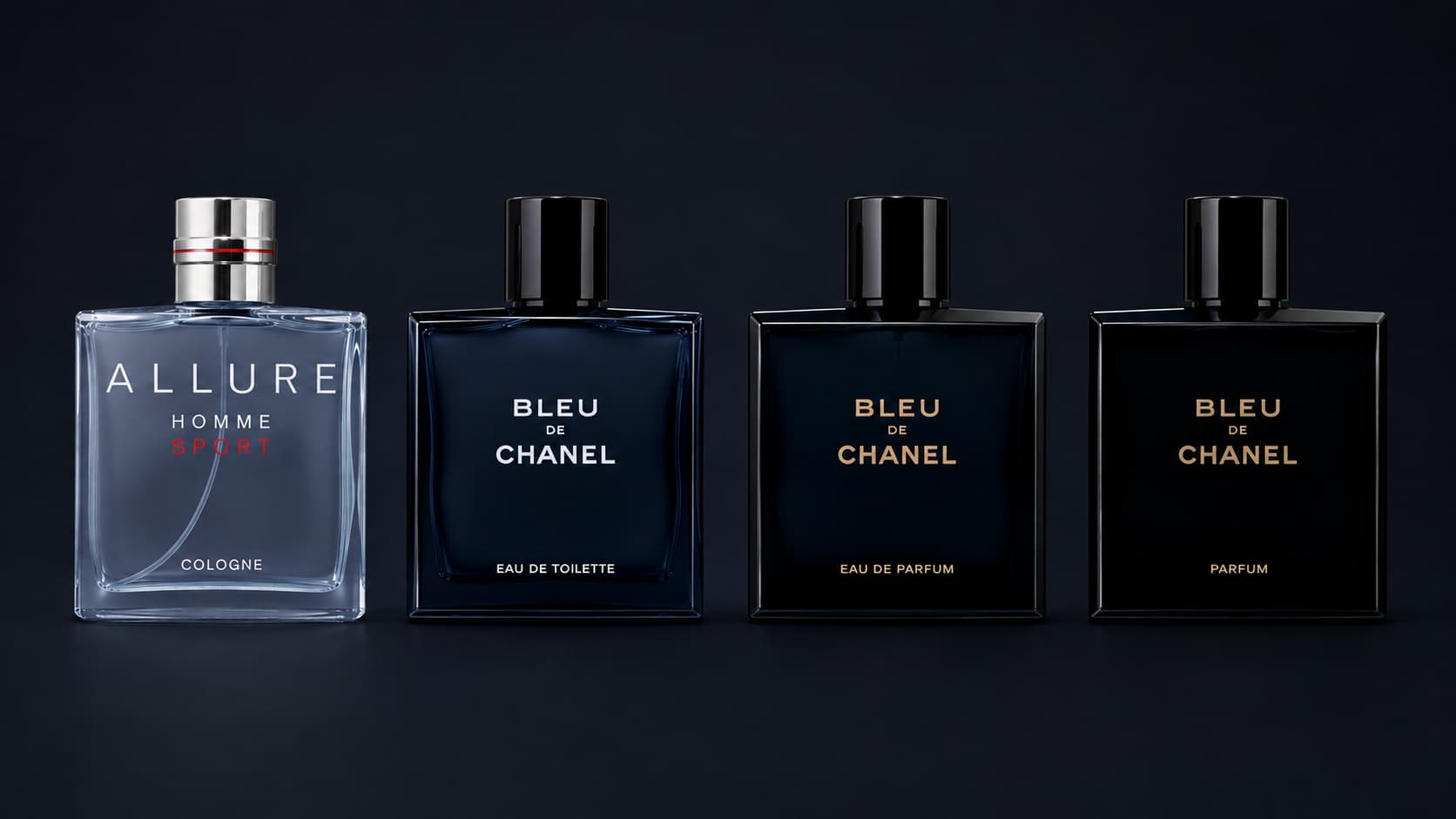
No — concentration only affects strength and staying power, not quality. A well-made Eau de Toilette can smell just as beautiful and well-crafted as an expensive Parfum; it simply won’t last as long or reach as far. There’s a common misconception that Eau de Parfum is automatically a heavy scent while Eau de Toilette or Eau de Cologne are always light and fresh, but that isn’t strictly true — the actual feel of a fragrance comes down to the notes a perfumer chooses, not just the concentration number on the box.
In other words, concentration is more like a volume knob than a quality rating. It tells you how loud and how long a scent will play, not whether the “song” itself is good.
It’s also worth knowing that the EDT and EDP versions of the same fragrance name aren’t always just “more water, less water.” Some brands genuinely tweak the recipe between versions, dialing certain notes up or down so the fragrance feels balanced at that particular strength, rather than simply pouring a stronger or weaker dose of the exact same blend. That’s part of why two people can smell the EDT and EDP of the same fragrance and describe them as smelling like close relatives rather than identical scents.
Which Fragrance Concentration Should You Choose?
Concentration choice depends on the setting, the season, and personal preference for how strong a scent should be. A few patterns tend to hold true:
- For school, the office, or being around a lot of people: EDT or EDC tend to work best since they’re noticeable up close without being overpowering to people nearby.
- For a night out, a date, or cooler weather: EDP or Parfum can shine, since cold air makes scents project less, so a stronger concentration helps it come through.
- For hot, humid weather: lighter concentrations like EDT or EDC often feel more comfortable, since heat naturally makes any fragrance smell stronger and spread further.
- For long days with no time to reapply: EDP or Parfum will get you through without needing a touch-up.
Reapplication is worth weighing too. A lighter concentration usually means carrying the bottle along or accepting that the scent will fade by afternoon, while a stronger one can carry from a morning meeting into an evening dinner without a second spray.
Frequently Asked Questions
Is Eau de Cologne the same as a men’s cologne?
No. “Eau de Cologne” specifically refers to a concentration level — around 2 to 5 percent oil, usually citrus-driven, with a very short wear time — not a fragrance made only for men. The word “cologne” gets used casually to mean any men’s fragrance, but that’s not its technical meaning.
Why does an EDP cost more than an EDT of the same fragrance?
The reason comes down to cost: perfume oil is by far the priciest ingredient in any bottle, so a formula with less of it built in is naturally cheaper to produce, even when the underlying scent recipe is identical between the two versions. That production gap is what usually shows up as a lower shelf price on the EDT.
Can I make a lighter fragrance last longer?
Yes. Applying it to well-moisturized skin helps it hold on longer, since perfume evaporates faster on dry skin. Spraying it into hair or clothing (when the fabric allows it) also extends wear time, since fabric holds onto scent longer than skin does. Carrying a travel-size bottle for a midday reapplication works well too, especially for lighter concentrations like EDT or EDC.
Is a stronger concentration always the more expensive option?
Usually, yes, but not always. Higher concentrations use more raw perfume oil, which tends to raise the price. That said, the ingredients themselves matter a lot too — a rare or complex EDT can still cost more than a simple, mass-produced Parfum, since rare raw materials and the story behind a fragrance also affect price, not just the oil percentage.
What’s the difference between Eau Fraîche and Eau de Cologne?
Eau Fraîche sits at around 1 to 3 percent oil, giving a faint scent that lasts less than two hours, making it one of the lightest fragrance types available. It’s even more diluted than Eau de Cologne, which makes it barely noticeable after a short while, more of a fleeting freshness than a lasting scent.
Conclusion
Once “Parfum,” “EDP,” “EDT,” and “EDC” are understood as simple markers of how much perfume oil sits in the bottle, the whole fragrance aisle stops being confusing. Parfum and EDP are built to last through long days and special occasions, while EDT and EDC give a lighter touch that suits everyday wear and warmer weather. None of them is objectively “better” — the right pick just comes down to how strong the scent should be, how long it needs to last, and what fits the moment.