Buying someone a fragrance is one of the riskiest gifts a person can give, right up there with clothes and shoes. Smell is deeply personal, tied to memory, mood, and even body chemistry, so a bottle that smells amazing on one person can smell completely wrong on another. Getting it right does not require being a perfume expert, though. It comes down to noticing a few clues about the recipient, understanding a little about how scent actually works, and avoiding a handful of mistakes that trip up most gift-givers.
Look at What Fragrance They Already Use
The fastest way to choose a fragrance someone will love is to notice what they already reach for. A person who wears the same perfume or cologne most days is not being boring, they are providing a clue. A bathroom shelf, a bag, or a car cupholder often holds the answer, and a mutual friend or family member can sometimes name the scent when a direct question would spoil the surprise.
Once that go-to scent is known, there are two safe paths forward. Buying a backup bottle of the exact same fragrance is always appreciated, since everyone eventually runs out. The other option is identifying which fragrance family that scent belongs to, such as woody, floral, or fresh, and choosing a different fragrance from that same family. This second route feels like a thoughtful discovery rather than a repeat gift, while still staying close to their established taste. When no clues turn up at all, a casual question about a current favorite scent, framed as general curiosity rather than a gift hint, usually does the trick without giving anything away.
Learn the Main Fragrance Families
Every fragrance falls loosely into a family based on its dominant character, and knowing these families in plain terms turns guesswork into an informed choice.
- Floral scents center on flowers like rose, jasmine, or lily. They tend to feel soft, romantic, and classic.
- Woody scents lean on notes like sandalwood, cedar, or vetiver. They feel warm, grounded, and often a little smoky.
- Fresh scents include citrus, aquatic, and green notes. They feel clean, energetic, and easy to wear in warm weather.
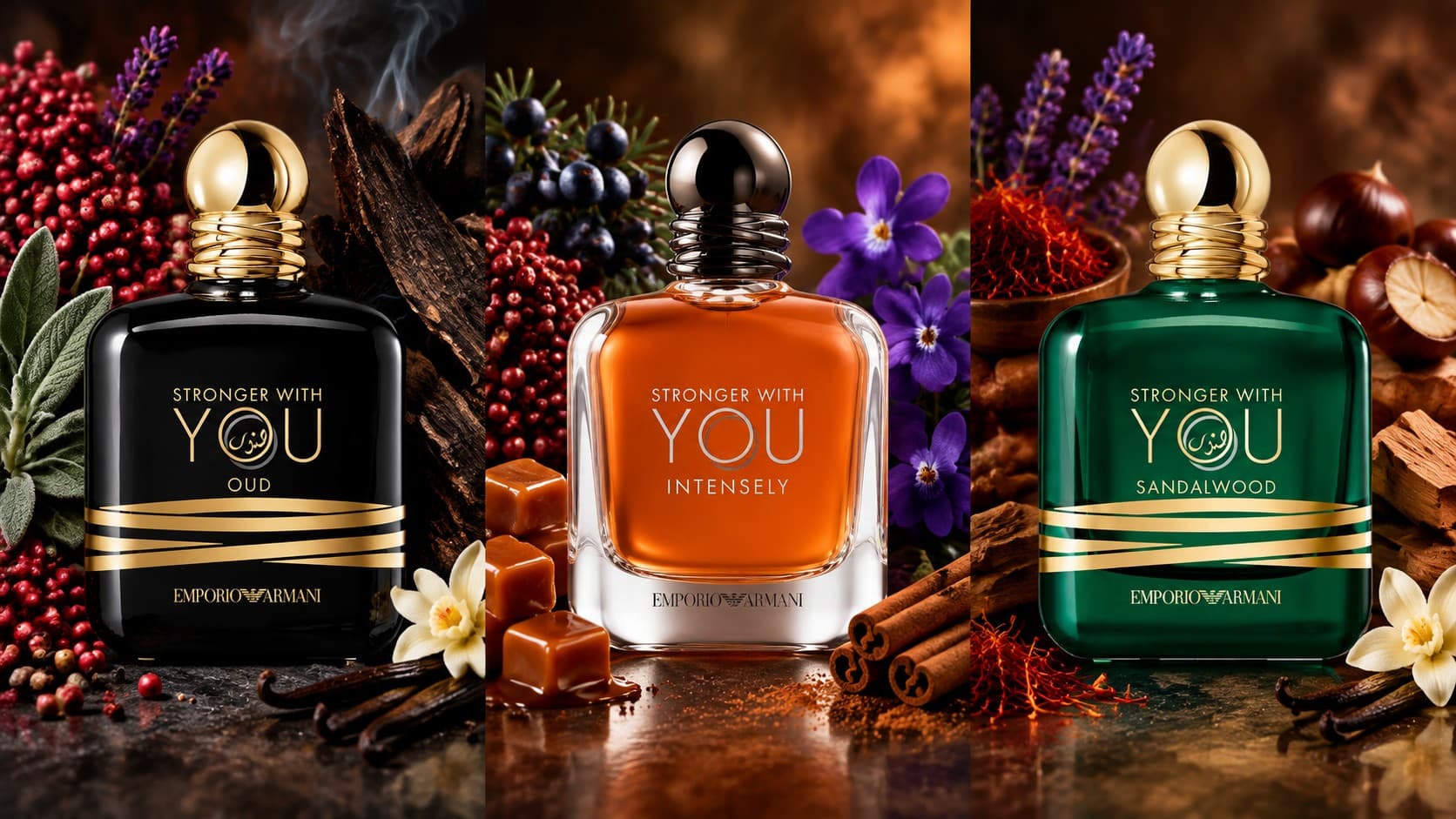
- Oriental or amber scents build around vanilla, spices, and resins. They feel rich, cozy, and bold, and they tend to last a long time on skin.
- Gourmand scents smell like dessert, think caramel, cocoa, or vanilla sugar, and feel sweet and comforting.
Someone who tends to wear a lot of black, dark denim, or leather jackets is often drawn to a woody or amber scent that fits their existing style. A wardrobe that leans bright, pastel, or breezy usually pairs better with something fresh or floral.
Matching a fragrance family to a recipient’s general style or personality is not a perfect science, but it is a far better starting point than picking whatever smells appealing on a store shelf in the moment.
Fragrance also does not smell the same all day. Every scent is built from layers called notes that show up in stages. Top notes appear the moment a fragrance is sprayed and fade within minutes, middle notes form the heart of the scent for the next hour or two, and base notes are what remain hours later once everything else has settled. This is why a perfume can smell citrusy and bright at first, then turn warmer and deeper by the evening, and it is why judging a fragrance in the first thirty seconds after a test spray rarely reflects what the wearer will actually smell like for most of the day.
Pick the Right Fragrance Strength
The word printed near a fragrance’s name, such as Eau de Toilette or Eau de Parfum, indicates how strong and long-lasting the scent will be, and it matters more than most gift-givers realize. These labels describe the percentage of fragrance oil mixed into the alcohol and water base.
Eau de Cologne sits at the light end, usually holding only a small percentage of fragrance oil, so it fades within a couple of hours. Eau de Toilette carries a moderate amount of oil, generally landing somewhere in the 5 to 15 percent range, and lasts a few hours before fading. Eau de Parfum holds more oil still, often in the 15 to 20 percent range, so it lasts noticeably longer and feels richer on skin. Above that sits Parfum, sometimes labeled Extrait de Parfum, which holds the highest concentration of oil among the common tiers and can last most of the day from just one or two sprays. No strict global rule governs these terms, so the percentages are best treated as a general guide rather than an exact science.
A recipient who lives somewhere hot, works in close quarters with others, or simply prefers a lighter presence is generally better served by an Eau de Toilette. Someone who runs cold, loves a scent that lingers, or wants a fragrance that carries from morning meetings into evening plans will get more out of an Eau de Parfum.
Fragrance Doesn’t Need to Be Gendered
Fragrance marketing still splits bottles into “men’s” and “women’s” sections, but nothing about a scent itself is inherently tied to gender. Many popular fragrances are marketed as unisex, and plenty of wearers happily choose scents from outside their assigned aisle simply because they like how it smells on them.
The scent profile a person gravitates toward matters far more than which section a bottle sits in. Someone who loves warm vanilla and amber notes might enjoy a fragrance marketed toward women regardless of their own gender, and the reverse holds just as often. Letting go of the gender label opens up a much wider range of genuinely good matches.
Think About When They’ll Wear It
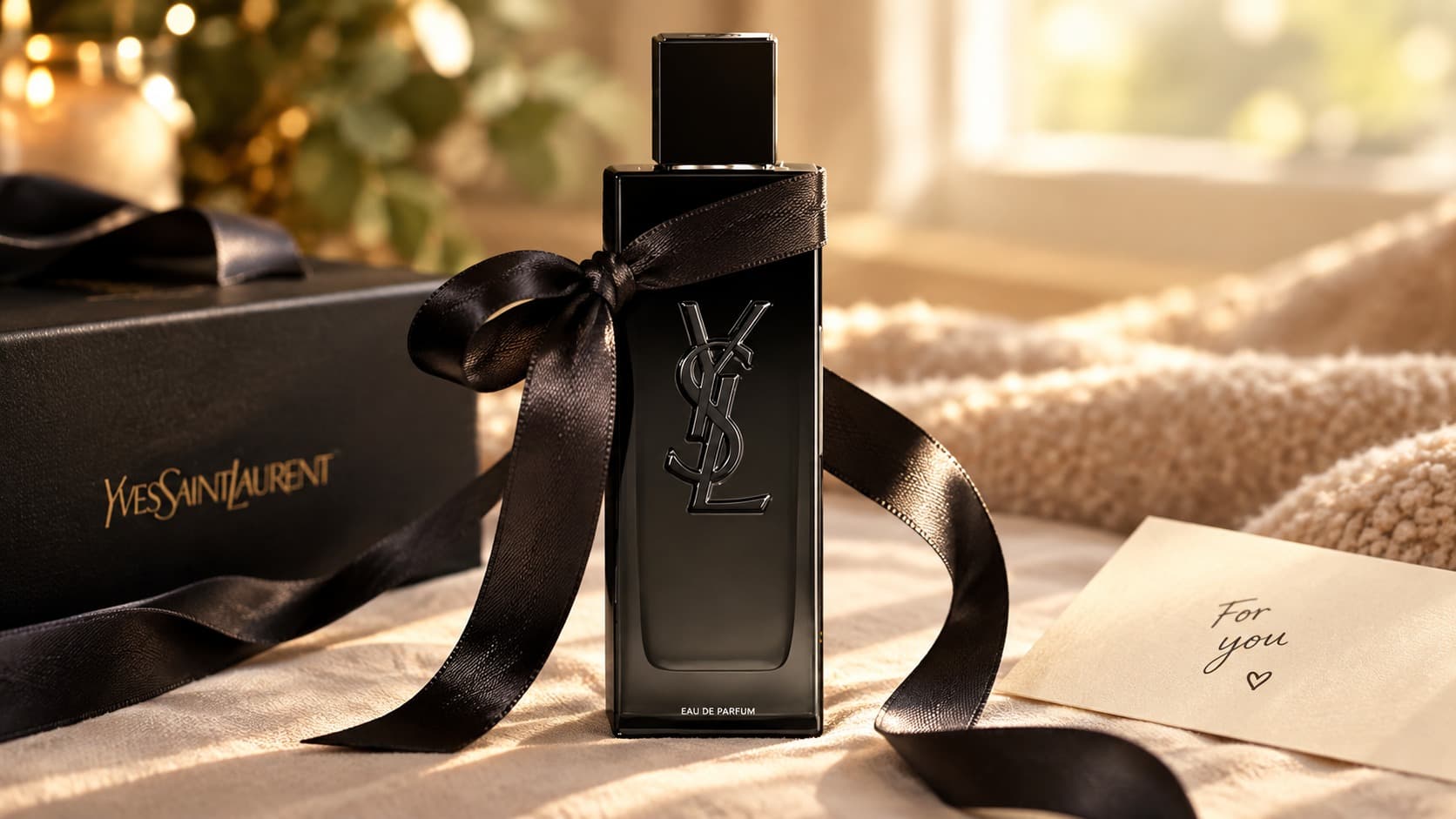
A fragrance suited to a Tuesday at the office is not always the one meant for a date night. The situations a recipient actually spends their time in shape which type of fragrance fits best.
- Daily wear at work or school tends to call for lighter fresh or clean scents, since they will not overwhelm people in close quarters.
- Evenings out or special occasions suit richer amber, woody, or gourmand scents, which feel more intentional and memorable.
- Active lifestyles and time outdoors pair better with fresh and citrus notes, which hold up against sweat and heat.
- Cozy indoor seasons like autumn and winter tend to favor warmer, spicier scents.
When the recipient’s habits are not clear, an Eau de Toilette in a fresh or lightly woody scent tends to be the safest all-purpose pick, since it performs reasonably well across most situations without dominating any one of them.
Decide Your Budget First
Fragrance prices vary enormously, and a bigger price tag does not automatically mean a better gift. Designer fragrances, niche or independent perfume house releases, and celebrity-branded scents can all sit at very different price points for reasons that include packaging, marketing, and the rarity of certain ingredients rather than pure quality.
A budget range decided before browsing helps guard against clever store displays or an enthusiastic upsell. A smaller, well-matched bottle from a brand the recipient already loves tends to land better than an expensive bottle in a scent that does not suit them. A smaller size or a travel-sized bottle of a nicer fragrance is also a completely reasonable choice on a tighter budget, since most recipients judge the thoughtfulness behind the pick far more than the size of the bottle.
Try a Sample First, If You Can
Any doubt about how a fragrance will land on the recipient’s skin is worth resolving with a sample sprayed on a paper strip, or better yet, tested by someone with similar skin chemistry to the recipient. Fragrance interacts with natural body oils and skin pH, so the exact same bottle can smell noticeably different from one person to the next.
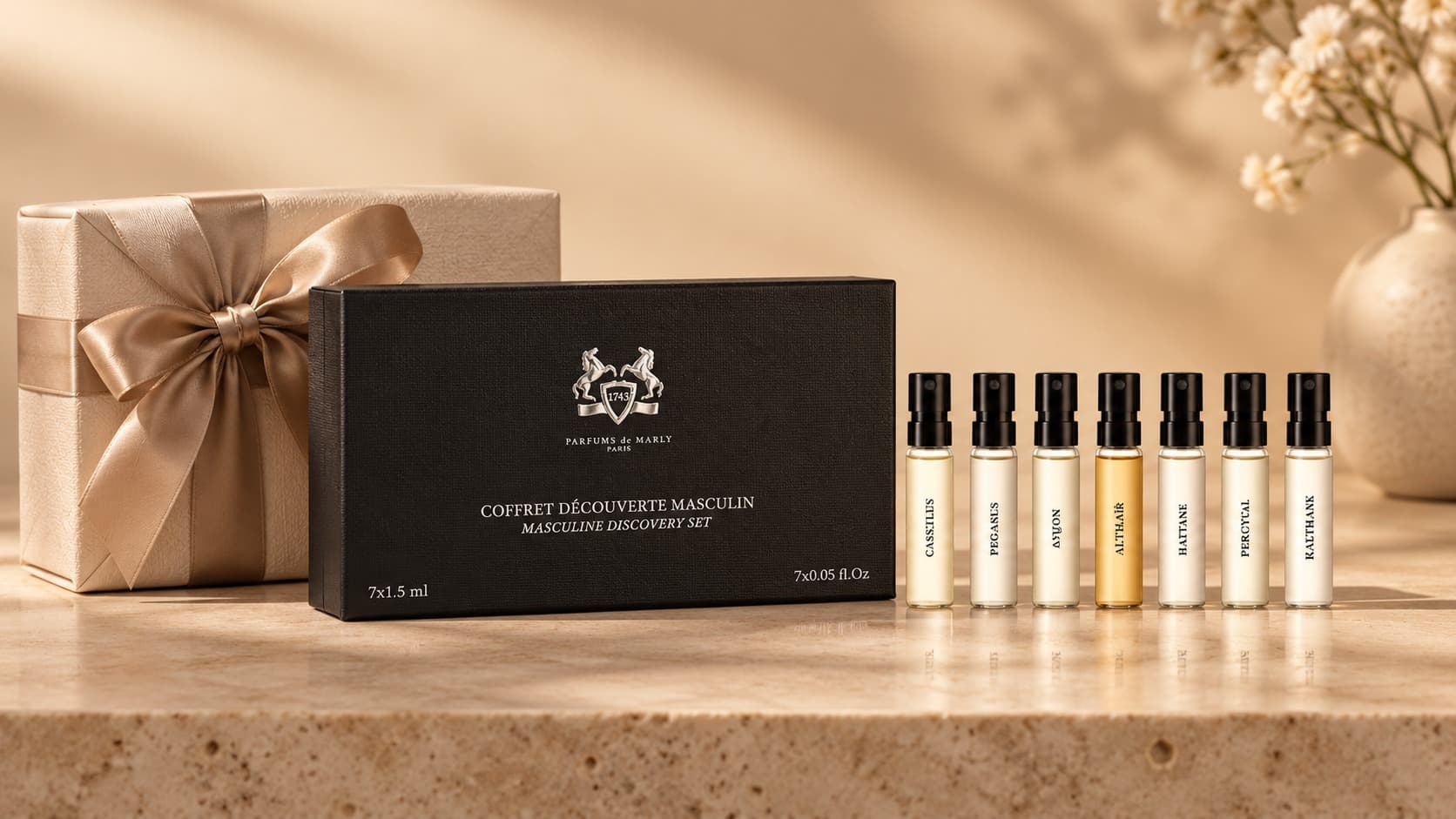
Many perfume counters and stores offer sample vials or testers specifically for this purpose. Retailers that sell a small sample size, or brands that offer a discovery set with several mini bottles, solve the same problem for online shopping. Handing the recipient a sample set rather than a single full-size bottle also turns the gift into a way for them to discover their own signature scent rather than inherit someone else’s guess.
A fragrance tested in a store is best judged after it has had time to settle rather than on the first whiff. Checking back on a test spray after twenty or thirty minutes, once the initial top notes have faded, reveals a scent much closer to what the recipient will actually wear for most of the day than a snap judgment taken straight from the bottle.
Frequently Asked Questions
What if there’s no idea what scent someone likes?
A widely loved, safe fragrance family like a light fresh or citrus scent tends to be the easiest for most people to wear comfortably. A discovery or sampler set with several mini bottles is another solid option, since it lets the recipient explore and settle on their own favorite.
Is it rude to give perfume as a gift?
No, giving fragrance is not rude, and it is a common, well-received gift when chosen thoughtfully. The idea that perfume makes a bad gift usually traces back to cases where the giver picked a scent based on their own taste rather than the recipient’s, which makes shopping with the other person in mind the real deciding factor.
Does a bigger bottle make the gift more generous?
Not necessarily. A smaller bottle in a scent that truly suits the recipient outperforms a large bottle in one that does not. Bottle size matters far less than the accuracy of the match, and a smaller size also leaves room for the recipient to decide whether to repurchase it themselves later.
Can a fragrance be returned or exchanged if it turns out to be wrong?
Return and exchange policies vary by retailer, and many stores limit returns on opened fragrance bottles for hygiene reasons. Checking the specific store’s policy ahead of time, and keeping the receipt and original packaging, is worth doing in case the fragrance does not work out.
Does the season matter when choosing a fragrance gift?
Yes. Lighter, fresher scents generally perform better in warm months since heat intensifies fragrance, while richer, warmer scents tend to shine in cooler months when they feel less overpowering.
The Bottom Line
Choosing a fragrance for someone else comes down to research rather than guesswork. Noticing what a person already wears, identifying which fragrance family fits their personality and wardrobe, and matching the concentration and scent strength to how and when they will actually use it covers most of the decision. A comfortable budget, a sample tested before committing, and a willingness to ignore gender labels on the bottle round out the rest. Get those pieces right, and a fragrance gift stops being a gamble and becomes one of the most personal, memorable presents a person can give.