Two people can spray the exact same perfume and walk away smelling completely different — one might smell warm and sweet, the other sharp and fresh. That’s not a faulty bottle or a bad nose. It’s skin chemistry, and it’s one of the strangest, most personal parts of wearing fragrance. Understanding what’s actually happening on your skin can help you pick scents that work with you instead of against you, and stop you from blaming a perfume that was never really “wrong” for you in the first place.
Why the Same Perfume Smells Different on Different People
Perfume smells different on different people because it mixes with your skin’s natural oils, moisture, warmth, and even bacteria before it fully develops into a scent. A fragrance in the bottle is only half the story — the other half is written by your body.
Think of perfume as a recipe and your skin as the oven. The fragrance oils are the same for everyone, but the “oven” changes the outcome. Oilier skin, drier skin, warmer skin, and cooler skin all bake that scent a little differently. That’s why a perfume counter tester can smell incredible on a stranger and feel totally different once it’s on your own wrist.
Does Skin pH Affect How Perfume Smells?
Skin pH plays a smaller role than most people think, and some fragrance researchers argue it barely matters at all compared to other factors like oil and temperature. Most human skin sits in a mildly acidic range, roughly between 4.5 and 5.5, and this narrow window doesn’t vary as wildly from person to person as skin oiliness or body heat does. That’s really the whole reason pH gets overrated: almost everyone’s skin is clustered in that same small acidic band, so there simply isn’t much difference for it to create between one person and the next.
You’ll find plenty of claims online that acidic skin “brightens” citrus notes while more alkaline skin “mutes” florals. There’s some logic behind the idea, since pH can influence how certain molecules break down. But because almost everyone’s skin sits in a similar acidic zone, pH alone doesn’t explain why perfume smells dramatically different from person to person. The bigger, more provable differences come down to two things: oil and heat.
How Skin Oil Changes the Way Perfume Smells
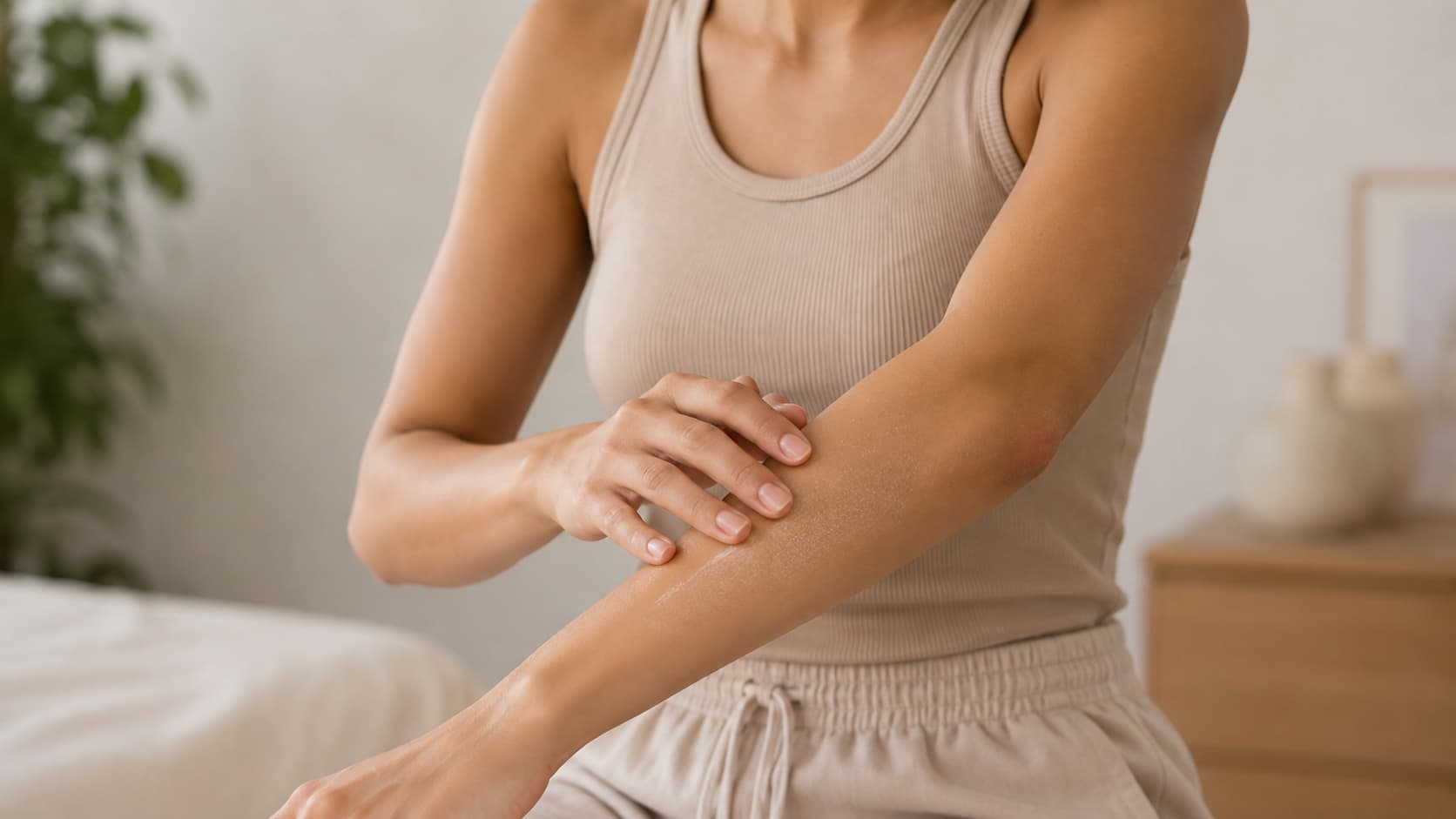
Oily skin holds onto fragrance longer and makes it smell stronger, while dry skin lets fragrance molecules evaporate faster, so the scent fades sooner and feels lighter. This is one of the most consistent, well-documented effects in fragrance science.
Your skin naturally produces an oil called sebum. Fragrance molecules — especially the heavier, richer ones found in base notes like musk, amber, or sandalwood — cling to that oil instead of evaporating straight into the air. That means someone with naturally oily skin often gets more projection (the scent trail people notice around them) and longer wear time from the exact same bottle a dry-skinned friend is using. If your skin runs dry, moisturizing with an unscented lotion before spraying perfume gives the fragrance something to hold onto, which can noticeably stretch out how long it lasts.
It’s worth knowing that oily skin isn’t a straightforward upgrade, though. Because oil holds onto molecules and slows down evaporation, it can also mute the crisp, sparkly quality of light top notes like citrus or fresh green accords, making them feel like they disappear into the base faster than intended. Dry skin, by contrast, often shows off a fragrance’s opening notes more clearly, just for a shorter amount of time. Neither skin type is “better” for perfume — they simply highlight different parts of the same fragrance.
How Body Heat Changes the Way Perfume Smells
Warmer skin speeds up evaporation, so a fragrance tends to hit harder in the first hour and then burn through its lifespan more quickly. Cooler skin slows evaporation down, so the fragrance releases more gradually and can last longer through the day.
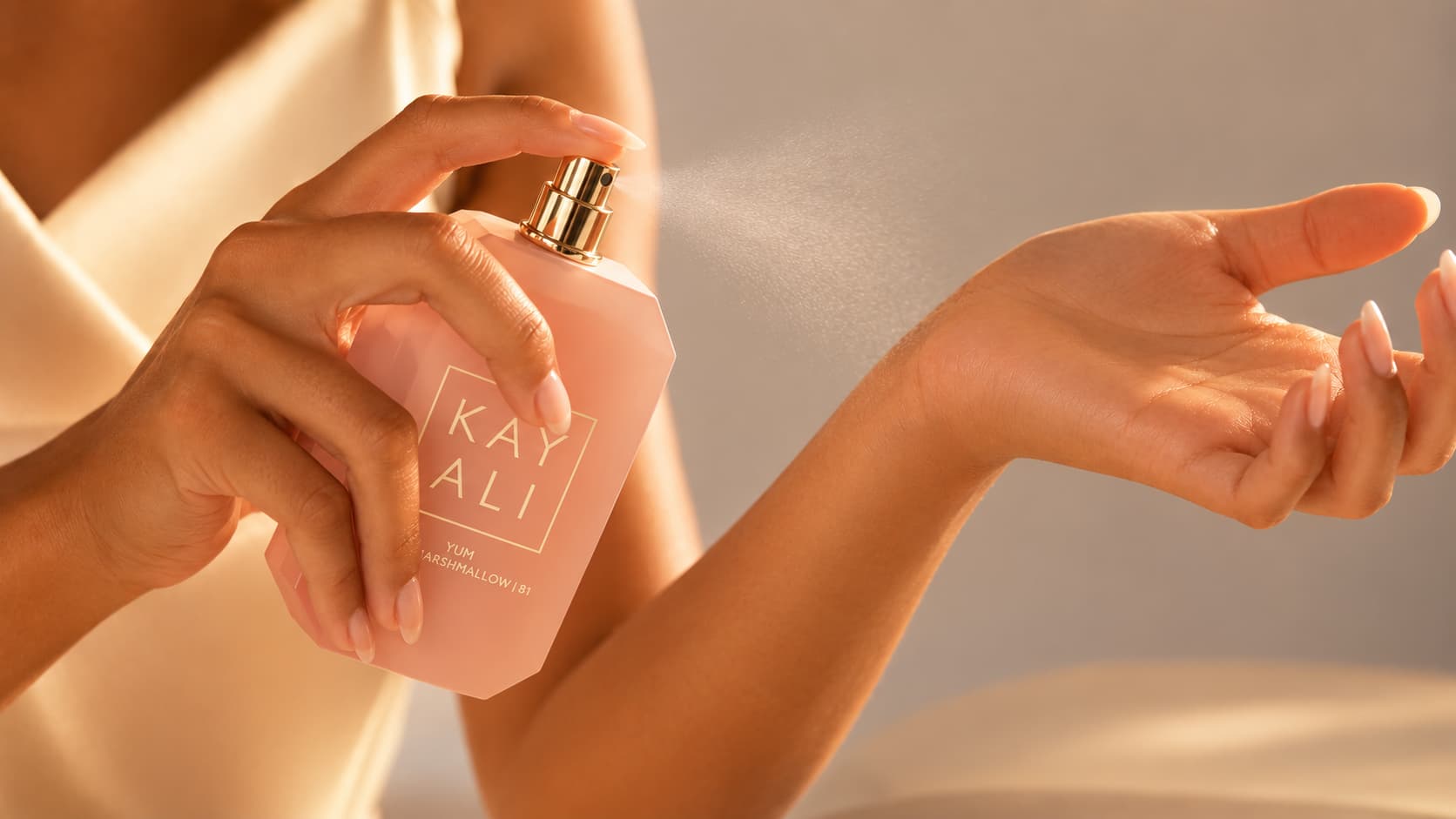
This is also the reason perfume is traditionally applied to pulse points — the wrists, the neck, and behind the ears. Blood vessels sit closer to the skin’s surface in these spots, so they run slightly warmer than the rest of your body. That warmth acts like a tiny engine, pushing fragrance molecules up and out into the air so people around you can actually smell them. It also explains why a perfume can smell totally different in a cold winter room versus a hot summer afternoon — the temperature of your skin, and the air around it, is doing real chemical work.
Can Diet or Hormones Change How Perfume Smells?
Yes — diet, hormone levels, medications, and even stress can subtly shift your natural body scent, which then blends with perfume to create a slightly different final result. None of this is dramatic enough to make a perfume unrecognizable, but it’s real.
Strongly flavored foods like garlic, onions, and spicy dishes can show up faintly in sweat and skin oils. Hormonal changes — during puberty, pregnancy, or over the menstrual cycle — can shift oil production and body temperature, both of which we now know directly affect fragrance. Certain medications and even high stress levels can change sweat composition too. None of these turn a floral perfume into something unrecognizable, but they explain why the “same” perfume you’ve worn for years can occasionally feel a little different from one season, or one week, to the next.
Pregnancy is one of the clearest examples of this in action. Many people report that familiar perfumes suddenly smell “off” or overwhelming during pregnancy, which lines up with the significant hormonal shifts, changes in body temperature, and heightened sense of smell that often come with it. Growing older changes things too — skin naturally produces less oil with age, which is part of why a signature scent that lasted all day in your twenties might need reapplying by mid-afternoon decades later. None of this means you need a new perfume every time your body changes, but it does explain why revisiting an old favorite occasionally feels like meeting it for the first time.
Why Perfume Smells Different at Home Than in Store
The perfume you tried in a shop almost certainly reacted with test paper, air conditioning, or a rushed five-second sniff — none of which reflect how it behaves on your actual skin over several hours. Retail environments are notoriously bad places to judge how a fragrance will really wear.
Stores are often cool, are filled with dozens of competing scents in the air, and staff frequently spray fragrance onto paper strips instead of skin, which skips the oil-and-heat reaction completely. A fragrance needs time — often 20 to 30 minutes just for the alcohol to evaporate and the top notes to settle — before it starts showing its true character. That’s why fragrance experts almost universally recommend testing a new scent on your skin and living with it for a few hours, rather than trusting a quick spritz under store lighting.
A perfume only tells the truth after it’s had time to warm up on your skin. The first ten minutes are rarely the real story.
Tips for Choosing the Right Perfume for Your Skin Type
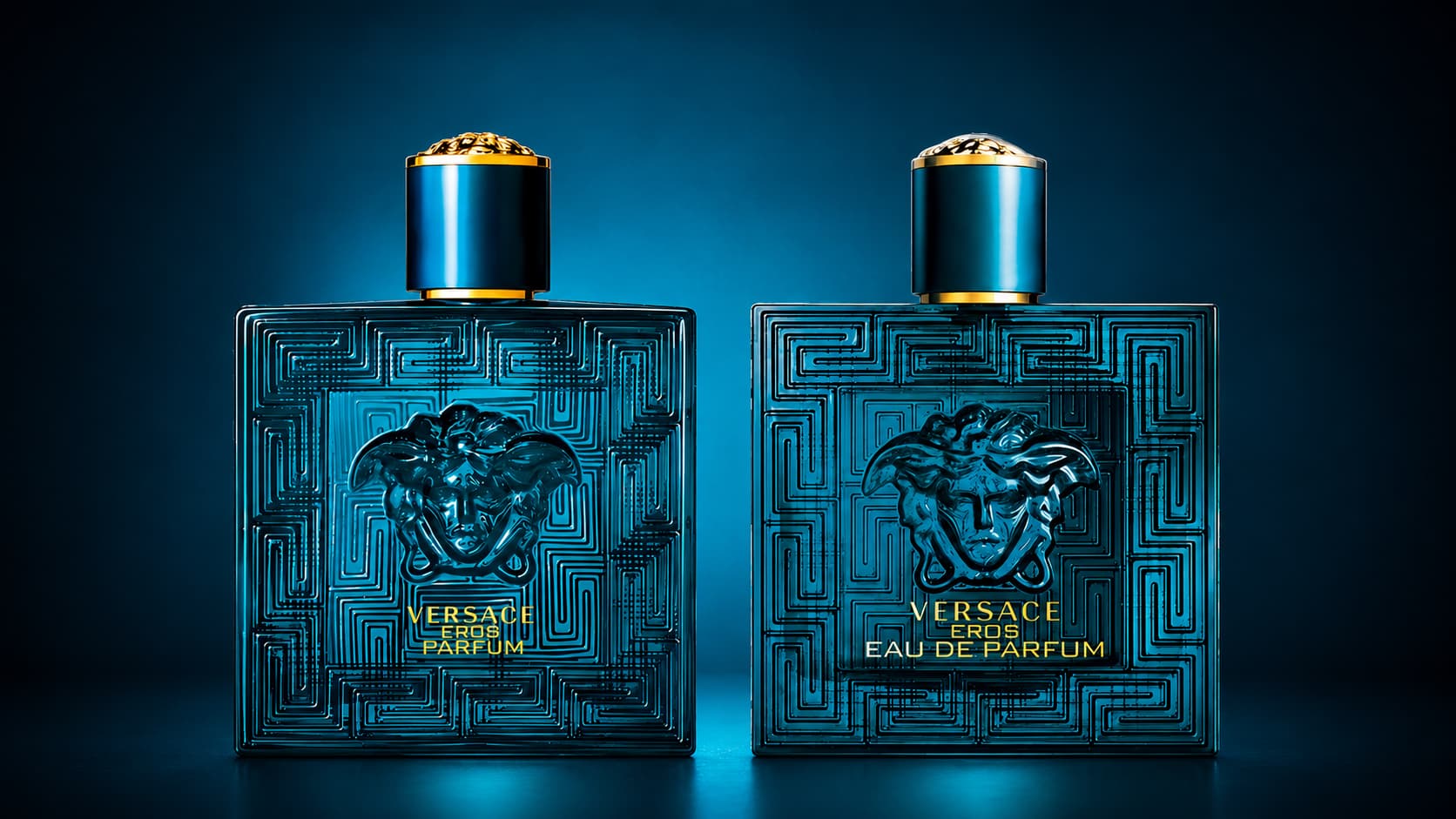
The most reliable way to pick a fragrance is to test it directly on your pulse points and wait several hours, rather than relying on how it smells on a card, on a friend, or in the first few minutes after spraying.
A few habits make this process easier and more accurate:
- Test one fragrance at a time. Spraying several scents on your skin at once muddies the results, since your nose can’t cleanly separate overlapping smells.
- Wait it out. Give a fragrance at least two to three hours before deciding, since top notes fade and the true heart and base notes take over.
- Moisturize first if your skin is dry. A fragrance-free lotion gives the scent something to hold onto, closer to how it would perform on naturally oilier skin.
- Apply to pulse points. Wrists, neck, and the inside of the elbows all generate the warmth that helps a fragrance open up properly.
- Avoid rubbing your wrists together. The friction and heat can actually break down delicate top notes faster, changing how the opening of the scent smells.
Your skin type can also point you toward the right fragrance concentration, not just the right scent family. Since dry skin lets fragrance evaporate faster, choosing a stronger concentration can help even out the odds against naturally oily skin, which already holds onto scent longer.
| Concentration | Typical Fragrance Oil % | Typical Wear Time | Best Suited For |
|---|---|---|---|
| Eau de Cologne (EDC) | 2–5% | 1–3 hours | Very dry skin, light daytime refresh |
| Eau de Toilette (EDT) | 5–15% | 3–6 hours | Warmer weather, everyday casual wear |
| Eau de Parfum (EDP) | 15–20% | 6–8 hours | Most skin types, all-day wear |
| Parfum / Extrait | 20–30%+ | 8+ hours | Dry skin, cooler weather, evening wear |
These percentages are industry norms rather than strict legal rules, so they can shift slightly from one perfume house to another. Still, the pattern holds up well enough to use as a genuine shopping shortcut: if you have dry skin and keep finding your Eau de Toilette has vanished by lunchtime, reaching for the same scent’s Eau de Parfum or Parfum version, if one exists, is a much more reliable fix than simply spraying more of what you already have.
Frequently Asked Questions
Why does my perfume smell different by the end of the day?
Fragrances are built in layers — top, heart, and base notes — that evaporate at different speeds. Lighter top notes fade first, so what you smell hours later is really the heavier base notes reacting with your skin’s oil and warmth, which can smell noticeably different from the fresh spray you started with.
Can two people wear the same perfume and both smell great in it?
Yes, absolutely. Skin chemistry changes the character of a scent, not necessarily whether it smells good. A fragrance can smell warmer on one person and crisper on another while still being flattering on both.
Does spraying more perfume make it last longer?
Not really — it mostly makes it smell stronger, not longer-lasting. Longevity depends more on your skin’s oil level, hydration, and the fragrance’s concentration (like Eau de Toilette versus Eau de Parfum) than on how many extra sprays you use.
Should I test perfume on paper or on my skin?
On your skin, whenever possible. Paper strips can’t replicate the oil, moisture, and warmth that shape how a fragrance actually develops, so a scent that seems perfect on a card can smell quite different once it meets your body.
Can changing my skincare routine change how perfume smells on me?
It can, in small ways. Switching to a heavier moisturizer, for instance, gives fragrance molecules more oil to bind to, which can make a scent last longer or feel slightly richer than it did on drier, unmoisturized skin.
Conclusion
Skin chemistry isn’t a myth or a marketing gimmick — it’s a real, measurable reason why the same bottle of perfume can smell like two different fragrances depending on who’s wearing it. Oil and body temperature do most of the heavy lifting, while pH, diet, hormones, and even the weather add their own quiet influence around the edges. The takeaway is simple: don’t judge a perfume by how it smells on someone else, on a paper strip, or in the first rushed minute after spraying. Test it on your own skin, give it time to settle, and trust what actually develops — because that, not the bottle, is the real fragrance you’re going to wear.