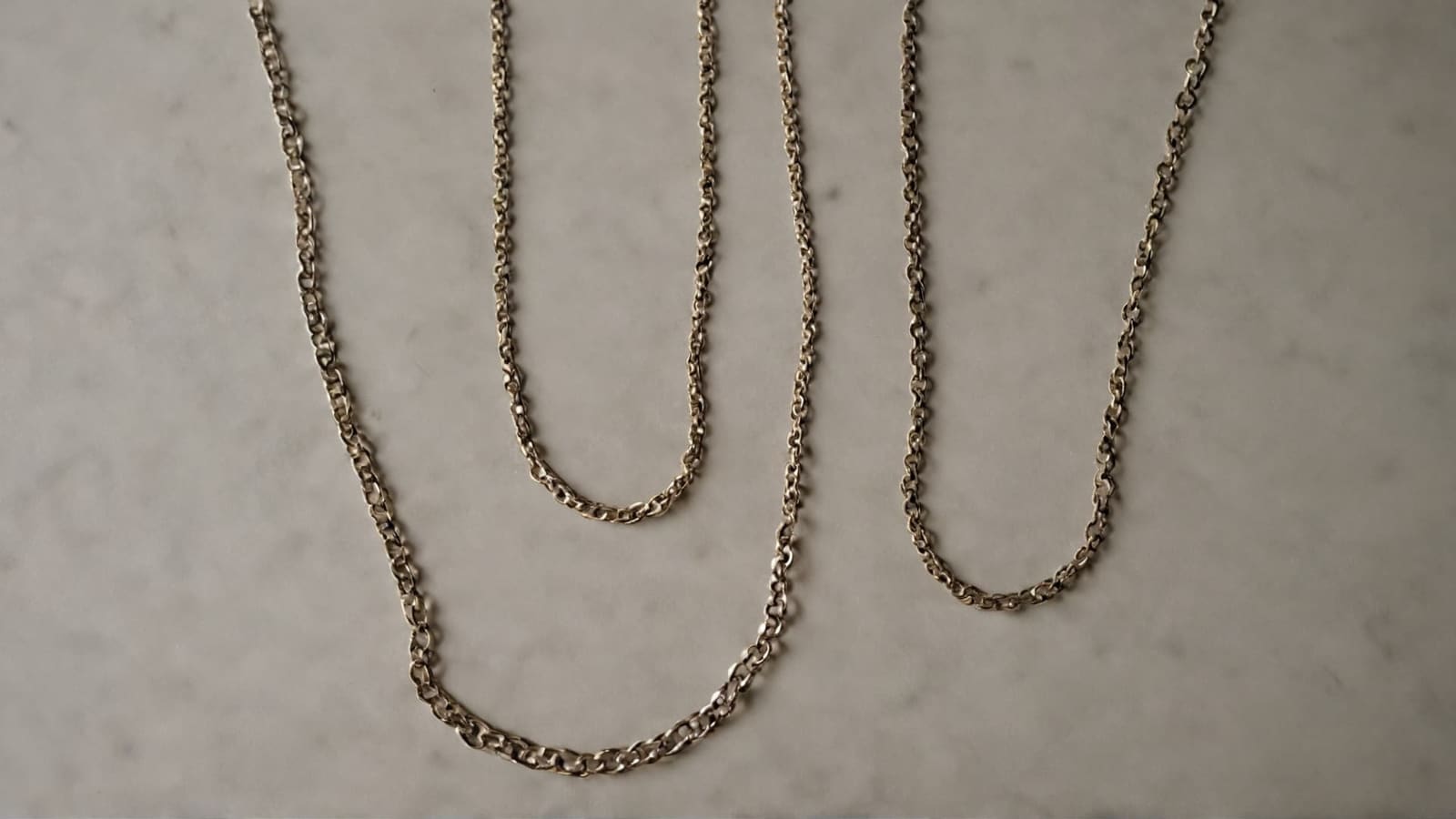
Making a necklace longer is a common jewelry modification that can breathe new life into pieces that no longer fit comfortably or suit your current style preferences. Whether you’re dealing with weight changes, inherited jewelry from family members with different proportions, or simply want to adapt a piece for layering with other necklaces, there are several reliable methods to extend your jewelry safely and effectively. The key is choosing the right technique based on your necklace’s material, value, and your specific needs. From simple DIY solutions using extender chains that cost just a few dollars to professional jeweler modifications that can seamlessly integrate additional links, each method offers distinct advantages. Understanding these options helps you make informed decisions about modifying your jewelry while preserving its integrity, appearance, and value.
Common Reasons to Extend Necklace Length
The need for necklace length adjustments arises from various life circumstances and style preferences that can make your favorite pieces feel uncomfortable or visually inappropriate. Physical changes throughout life - from weight fluctuations and muscle development to pregnancy and aging - significantly affect how jewelry fits and feels against your body. Beyond physical considerations, evolving fashion trends, inherited pieces from family members with different proportions, and the desire to create layered looks all contribute to situations where necklace extension becomes necessary. Recognizing the specific reasons behind your need for a longer necklace helps determine which modification approach will best serve your situation while preserving the piece’s value and aesthetic appeal.
- Weight fluctuations and body changes significantly affect how necklaces fit and feel, even with relatively small changes. Even a 10-15 pound weight gain can make a previously comfortable necklace feel tight around the neck, while muscle development in the chest and shoulder area can change how a necklace sits and drapes. Pregnancy creates temporary but significant changes in neck and chest measurements that often require necklace adjustments for comfort during different stages.
- Inherited jewelry frequently requires length adjustments because family members have different body proportions and lived in different fashion eras. A choker-length necklace that looked elegant on your grandmother might feel uncomfortably tight by today’s standards or on your body type, while pieces designed for smaller frames might need extension to achieve the intended drape and visual proportion.
- Modern layering trends demand precise length control to create visually appealing and functional combinations. Fashion-forward jewelry styling often involves wearing multiple necklaces at graduated lengths, requiring specific measurements to prevent tangling and achieve the desired cascading effect. A necklace that works perfectly alone might need adjustment to function properly as part of a layered look without competing for the same visual space.
- Professional and casual styling needs differ significantly, often requiring the same piece to work appropriately in multiple contexts. A statement necklace might need to sit higher for conservative professional settings but longer for casual wear, while delicate pieces might require different positioning depending on neckline choices and overall outfit coordination.
- Comfort considerations become increasingly important with age, health conditions, and lifestyle changes. Conditions like arthritis or sensitive skin can make certain necklace lengths uncomfortable, while active lifestyles might require adjustments to prevent interference with movement, sports activities, or work requirements.
The diverse reasons for needing longer necklaces reflect our changing bodies, lifestyles, and aesthetic preferences throughout life. Recognizing your specific motivation helps guide the choice between temporary solutions like extender chains and permanent modifications through professional jewelers. Whether driven by practical necessity or style evolution, extending a necklace allows you to continue enjoying pieces that hold sentimental or monetary value rather than storing them away unused.
Using Extension Chains to Make Necklaces Longer
Extender chains represent the most accessible entry point into necklace modification, offering immediate length adjustment without requiring special tools or permanent alterations. These devices work with virtually any necklace style, providing 1-4 inches of additional length through adjustable connection points. Their completely reversible nature makes them ideal for testing different lengths before committing to permanent modifications.
- Extender chains are small sections of chain, typically 2-4 inches long, that attach to your existing necklace clasp to provide adjustable additional length. They feature a lobster clasp or spring ring on one end that connects to your necklace’s existing clasp, while the other end has multiple jump rings or attachment points spaced about half an inch apart. This design allows you to choose the exact extension length you need in small increments. Most extenders come in standard jewelry metals including sterling silver, 14k gold-filled, gold-plated, and stainless steel options to match common necklace finishes.
- The installation process requires no tools, special skills, or permanent modifications to your original necklace. Simply open your necklace clasp and attach it to one of the loops on the extender chain at your desired length, then fasten the extender’s clasp around your neck as you would with any necklace. The extender sits at the back of your neck where the original clasp would be positioned, making it virtually invisible when worn and maintaining the necklace’s original appearance from the front.
- Quality extender chains cost between $8-30 depending on the metal type, construction quality, and brand reputation. Sterling silver extenders typically range from $12-20, while 14k gold-filled options cost $18-30 and provide better longevity and tarnish resistance. Gold-plated versions are the most affordable at $8-15 but may show wear more quickly with frequent use. Higher-end extenders often feature better clasp mechanisms and more durable construction.
- Extender chains work effectively on most necklace types but have some limitations with very heavy or delicate pieces. They’re ideal for pendant necklaces, chain necklaces, and beaded pieces weighing up to about 1 ounce. Very heavy statement necklaces may cause the extender clasp to show stress over time, while extremely delicate vintage pieces might be better served by professional modification to avoid any risk of damage to irreplaceable clasps or findings.
- The reversible nature of extender chains makes them perfect for people who want flexibility in their jewelry length options. You can easily remove the extender when you want the original length, use different extenders for different occasions, or even use the same extender on multiple necklaces in your collection. This versatility makes them particularly valuable for people who like to layer necklaces or frequently change their styling approach.
- Proper color and finish matching is crucial for maintaining a professional appearance. The extender should match your necklace’s metal as closely as possible - rose gold necklaces need rose gold extenders, white gold works with silver-toned extenders, and yellow gold requires gold-colored extenders. Mixed metals can work intentionally for certain modern styles, but accidental mismatching usually looks unfinished or cheap.
Extender chains represent the perfect balance of affordability, functionality, and reversibility for most necklace extension needs. Their non-permanent nature means you can experiment with different lengths without commitment, and their wide availability makes them accessible to virtually anyone. While they may not provide the seamless integration of professional modifications, their convenience and cost-effectiveness make them the ideal starting point for anyone looking to adjust their necklace length.
Adding Jump Rings to Extend Necklaces
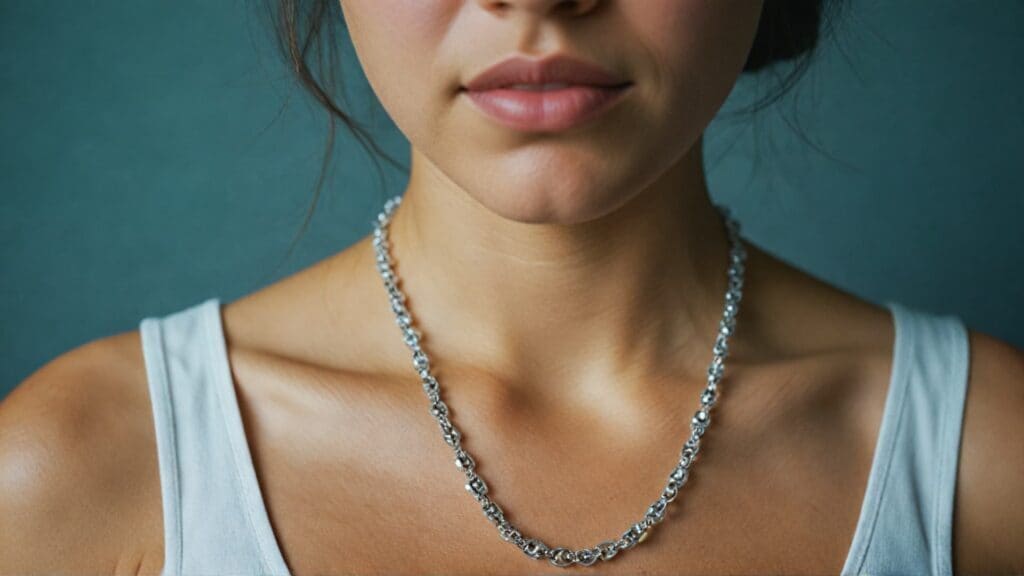
Jump rings offer a middle-ground approach between temporary extender chains and expensive professional modifications, creating permanent length additions that integrate seamlessly with chain-style necklaces. This method requires basic jewelry tools but produces results that blend naturally with the original construction when executed properly. Success depends heavily on proper technique and material selection.
- Jump rings are small metal circles that can be opened, connected to your necklace, and closed to create permanent length extensions. These rings typically measure 4-8mm in diameter and are available in various gauges (thicknesses) to match different necklace weights and styles. Quality jump rings are made from the same metals as fine jewelry - sterling silver, 14k gold-filled, or solid gold - ensuring they won’t tarnish differently than your original piece or cause skin reactions.
- The installation process requires basic jewelry tools including two pairs of needle-nose pliers or specialized jump ring pliers. To add jump rings, grip each side of the ring with your pliers and twist in opposite directions to open (never pull apart, as this weakens the metal), thread it through your necklace’s end link, add it to the chain where you want the extension, then twist back to close completely. Proper closure is critical - any gap left in the ring can catch on clothing or allow the necklace to separate.
- Jump rings work best on chain necklaces where they can blend seamlessly with the existing link structure. Cable chains, rope chains, box chains, and figaro chains readily accept jump ring additions without obvious visual disruption. The key is matching the jump ring size and style to your chain’s proportions - tiny jump rings on heavy chains look inadequate, while oversized rings on delicate chains appear clunky and can stress the original links.
- Cost considerations make jump rings extremely economical, with quality rings ranging from $0.50-3.00 each depending on metal and size. A typical necklace extension might require 4-8 jump rings to add 1-2 inches of length, making the total material cost $2-15. However, if you don’t own the necessary pliers, tool costs add $15-30, though these tools serve for multiple projects and general jewelry maintenance.
- Jump ring extensions become permanent modifications that can affect your necklace’s resale value and authenticity. Unlike extender chains, jump rings integrate into the necklace structure and aren’t easily reversible without leaving trace evidence of modification. For valuable or antique pieces, this permanence might negatively impact collectible value, making professional evaluation advisable before proceeding.
- Proper technique prevents damage and ensures long-lasting results. Using the correct gauge jump ring for your necklace’s weight prevents stress points that could cause failure. Opening and closing rings properly maintains their structural integrity - improper technique can create weak spots that fail under normal wear. Some jewelers recommend soldering jump rings closed for high-value pieces, though this requires professional equipment and skills.
- Quality considerations affect both appearance and durability of the finished extension. Cheap jump rings often have poor closure, leaving gaps that catch on clothing or skin, while low-quality metals may tarnish differently than your original necklace or cause allergic reactions. Investing in properly sized, high-quality jump rings from jewelry supply companies rather than craft stores ensures better long-term results.
Jump rings offer an excellent middle ground between the temporary nature of extender chains and the cost of professional modifications. They provide permanent length adjustment that maintains the necklace’s original aesthetic while requiring minimal investment in tools and materials. However, their permanent nature requires careful consideration for valuable pieces, and proper installation technique is essential for achieving professional-looking results that will last through regular wear.
Professional Necklace Extension Services
Professional jeweler modification represents the premium approach to necklace extension, delivering results that seamlessly integrate with your piece’s original construction. Skilled jewelers possess the expertise and material access necessary to create extensions that are virtually undetectable from the original work. This approach becomes essential when dealing with valuable pieces, complex constructions, or situations where modification mistakes could cause irreversible damage.
- Professional jewelers can add matching chain sections, individual links, or completely reconstruct necklace components to achieve precise length requirements. Skilled jewelers maintain extensive inventories of chain styles, wire gauges, and specialty findings that allow them to match virtually any necklace construction. They can source materials in the exact metal content and finish as your original piece, ensuring color consistency and preventing premature wear caused by metal incompatibility.
- The consultation process begins with detailed assessment of your necklace’s construction, materials, and value to determine the most appropriate modification approach. Jewelers examine factors including chain style, wire gauge, clasp type, metal purity, and any maker’s marks or signatures that might affect value. They’ll discuss your length goals, budget constraints, and timeline needs to develop a customized modification plan that balances your requirements with the piece’s integrity.
- Material sourcing ensures perfect matches that maintain your necklace’s original appearance and structural integrity. Professional jewelers can often obtain chain sections from the same manufacturers that produced your original piece, or they have the skills to fabricate matching components using traditional techniques. This attention to detail results in extensions that are virtually undetectable and maintain the necklace’s original design aesthetic.
- Professional modification costs typically range from $40-200 depending on the complexity, materials required, and jeweler’s location and reputation. Simple chain additions might cost $40-80, while complex reconstructions involving custom fabrication or rare materials can reach $150-200 or more. Solid gold modifications cost more than silver or gold-filled work due to material costs, and antique or designer pieces may require specialist expertise that commands premium pricing.
- Timeline considerations vary significantly based on the modification complexity and jeweler’s current workload. Simple extensions using readily available materials might be completed in 1-3 business days, while custom fabrication or hard-to-source materials could require 1-3 weeks. Rush services are often available for additional fees, but complex work shouldn’t be hurried as poor craftsmanship can permanently damage valuable pieces.
- Quality assurance includes structural testing, finish matching, and often warranty coverage for the modification work. Reputable jewelers test all connections under stress to ensure they’ll withstand normal wear, verify that new materials match existing finishes, and often provide 30-90 day warranties covering their workmanship. Many also photograph the work process to document the modification for insurance or resale purposes.
- Value preservation or enhancement is possible when modifications are executed by skilled craftspeople using appropriate materials and techniques. Well-executed professional modifications can actually increase a piece’s value by making it more wearable and versatile, particularly for inherited jewelry that wasn’t previously suitable for modern wear. Conversely, poor modifications can significantly reduce value, making jeweler selection critical.
- Antique and designer pieces require specialized expertise to maintain authenticity and value. Modifications to signed designer pieces, antique jewelry, or pieces with historical significance should only be undertaken by jewelers with specific experience in these areas. Some modifications might void authentication or certification, while others might be completely reversible if executed properly.
Professional jeweler modification represents the premium option for necklace extension, offering unmatched quality and seamless integration at a correspondingly higher cost. The investment often proves worthwhile for valuable pieces, frequently worn items, or situations where perfect appearance matters. Choosing an experienced jeweler with relevant expertise ensures results that enhance rather than diminish your jewelry’s beauty and value.
Using Converters to Make Necklaces Longer
Converters and enhancers provide innovative solutions that go beyond simple length adjustment, transforming how necklaces hang and distribute weight. These specialized tools excel with heavy statement pieces that cause neck strain or plain chains that would benefit from added visual interest. Their reversible nature combined with style transformation capabilities makes them appealing for people who enjoy varying their jewelry looks.
- Necklace converters are specialized jewelry tools designed to transform single-strand necklaces into multi-strand arrangements while providing adjustable length options. These devices typically feature multiple attachment points that allow you to create draped, cascading effects while distributing the necklace’s weight more evenly across your neck and shoulders. They work particularly well with longer necklaces that you want to wear shorter without permanent modification, essentially “doubling up” the chain for a layered look.
- Enhancer pendants serve dual purposes by adding decorative elements while functioning as length adjustment tools. These special pendants have openings or mechanisms that allow chains to pass through them, effectively shortening the necklace’s visual length while adding a focal point. They’re especially useful for plain chains that lack pendants, transforming simple pieces into statement jewelry while solving length issues simultaneously.
- Weight distribution benefits make converters particularly valuable for heavy or large pendant necklaces that create neck strain when worn at traditional lengths. By creating multiple hanging points or changing the necklace’s center of gravity, converters can make uncomfortable pieces wearable again. This is especially important for statement necklaces, large pendants, or pieces with significant metalwork that concentrate weight in a single area.
- Style versatility allows one necklace to serve multiple fashion purposes without permanent modification. A long strand of pearls can become a choker with a converter, while a simple chain can be transformed into an elaborate multi-strand piece. This versatility makes converters cost-effective investments for people who like to vary their jewelry looks without maintaining large collections.
- Installation typically requires no tools and can be accomplished in under a minute, making converters practical for daily use. Most converters use simple clasp mechanisms or slip-on designs that don’t require special skills or risk damage to your original necklace. The reversible nature means you can experiment with different looks without commitment and easily return to the necklace’s original configuration.
- Converter costs range from $15-60 depending on materials, design complexity, and brand reputation. Basic metal converters start around $15-25, while more elaborate designs featuring gemstones, intricate metalwork, or precious metals can cost $40-60 or more. Higher-end converters often double as attractive jewelry pieces in their own right, adding value beyond their functional benefits.
- Compatibility considerations ensure converters work effectively with your specific necklace type and style preferences. Converters work best with flexible chains and cord necklaces, while rigid or heavily structured pieces may not drape properly. The converter’s aesthetic should complement your necklace’s style - ornate converters can overwhelm delicate pieces, while simple converters might get lost on elaborate necklaces.
- Maintenance requirements are minimal but important for long-term functionality and appearance. Regular cleaning prevents buildup that can interfere with mechanisms, while periodic inspection ensures clasps and moving parts remain secure. Quality converters should maintain their finish and function through regular use, though cheaper versions may show wear more quickly.
Necklace converters and enhancers provide creative solutions that go beyond simple length adjustment, offering style transformation possibilities that can revitalize jewelry collections. Their ability to solve multiple problems - length, weight distribution, and style variation - while remaining completely reversible makes them valuable tools for jewelry enthusiasts. While they may not suit every necklace or style preference, converters excel in specific situations where traditional extension methods fall short.
Adding Decorative Elements to Extend Necklaces
Adding decorative elements creates length extension while enhancing your necklace’s visual appeal, turning a practical modification into an opportunity for creative personalization. This approach works particularly well for simple chains that would benefit from added character or when you want to incorporate meaningful personal elements. The method requires more planning than simple extensions but can significantly increase the piece’s uniqueness and visual impact.
- Charm and bead additions provide functional length extension while incorporating meaningful personal elements. You can add individual charms, beads, or small pendants between sections of chain to gradually increase length while telling your personal story. This method works particularly well with charm bracelets converted to necklaces, vintage pieces that can accommodate period-appropriate additions, or simple chains that benefit from added visual interest.
- Chain linking techniques allow you to incorporate contrasting or complementary chain styles for deliberate mixed-metal or textural effects. Adding a section of different chain - perhaps rope chain to cable chain, or adding a vintage-style section to a modern piece - creates visual interest while solving length issues. This approach works especially well when the contrast appears intentional rather than makeshift, requiring attention to proportion and style compatibility.
- Tassel and fringe additions provide dramatic length extension while creating movement and texture that enhances the necklace’s visual impact. Metal tassels, beaded fringe, or chain dangles can add 2-4 inches of length while transforming a simple necklace into a statement piece. These additions work particularly well with bohemian, vintage, or evening wear styles where dramatic flair is appropriate.
- Gemstone and crystal spacers offer length extension while potentially adding metaphysical or healing properties valued by many jewelry wearers. Adding carefully selected stones between chain sections allows for precise length control while incorporating colors and materials that complement your existing jewelry collection or personal beliefs about crystal properties. Quality gemstone beads range from $10-50 depending on stone type and size.
- Wire wrapping techniques enable custom creation of decorative connectors that seamlessly integrate with your necklace’s existing design. Using jewelry wire in matching metals, you can create custom spacers, bead caps, or linking elements that look intentionally designed rather than added afterthoughts. This approach requires basic wire working skills but produces highly customized results that perfectly complement your piece.
- Vintage findings and antique elements can enhance older pieces while providing needed length extension. Incorporating period-appropriate elements like vintage clasps, ornate links, or antique beads maintains historical integrity while solving practical problems. This approach requires knowledge of jewelry history and access to authentic vintage components, but results in modifications that enhance rather than detract from the piece’s character.
- Cost considerations vary widely depending on the materials chosen and complexity of the additions. Simple bead additions might cost $5-20, while high-quality gemstones, vintage findings, or custom wire work can range from $30-100 or more. The investment often proves worthwhile as decorative additions can increase the necklace’s perceived and actual value while solving practical problems.
- Skill requirements range from simple bead stringing that anyone can learn to advanced wire working and metalsmithing techniques. Basic additions require only stringing skills and simple tools, while more complex modifications might need jewelry-making experience or professional assistance. Many jewelry supply stores offer classes in basic techniques, making skill development accessible for interested beginners.
- Design cohesion ensures additions enhance rather than detract from your necklace’s original character. Successful decorative additions should appear intentional and complement the existing design language, color palette, and style period. Random additions often look makeshift, while thoughtfully chosen elements can transform a simple piece into a unique work of art that reflects your personal aesthetic.
Adding decorative elements represents the most creative approach to necklace extension, transforming a practical need into an opportunity for artistic expression and personalization. This method works particularly well for people who enjoy DIY projects, want to create truly unique pieces, or have necklaces that would benefit from additional visual interest beyond simple length adjustment.
Emergency Ways to Make Necklaces Longer
Temporary solutions provide immediate necklace extension options for emergency situations, special events, or when testing length preferences before committing to permanent modifications. While these methods require careful execution to maintain safety and appearance, they can provide valuable relief when proper solutions aren’t immediately available. Most temporary fixes should be used for hours rather than days due to safety and durability limitations.
- Ribbon and cord extensions offer quick, soft alternatives for situations where traditional metal extensions aren’t suitable or available. Silk ribbon, satin cord, or leather strips can be tied or sewn to necklace ends to provide immediate length relief. This approach works particularly well for casual settings, costume jewelry, or situations where the temporary nature isn’t problematic. Choose materials that complement your necklace’s style - silk for elegant pieces, leather for casual or bohemian styles.
- Safety pin emergency fixes can provide immediate relief when clasps fail or length becomes suddenly problematic. A small safety pin can temporarily connect necklace ends or attach an improvised extension, though this should only be used for very short periods due to safety concerns. The pin should be positioned to avoid skin contact and regularly checked to ensure it remains securely closed. This method works only for lightweight necklaces and emergency situations.
- Hair ties and elastic solutions work for very casual situations where appearance standards are relaxed. Clear elastic hair ties can be virtually invisible when used to extend simple chain necklaces for temporary relief. This approach should be limited to private settings or very casual environments, as the modification is usually detectable upon close inspection and may appear unprofessional in formal contexts.
- String and thread connections provide ultra-lightweight temporary solutions for delicate pieces where metal additions might cause damage. High-quality jewelry thread or fishing line can create nearly invisible temporary extensions for very light necklaces, though this requires careful attention to knot security and regular inspection for wear. The temporary nature makes this suitable for testing length preferences before permanent modifications.
- Fabric and scarf integration can transform necklaces into entirely different accessories while solving length issues. Weaving chains through scarves or incorporating them into fabric accessories creates new styling options while providing effective length adjustment. This approach works particularly well for bohemian or casual styles where mixed materials are aesthetically appropriate.
- Wire twist ties from jewelry packaging can provide short-term solutions when proper materials aren’t available. The plastic-coated wire ties that come with jewelry purchases can be twisted into temporary jump rings or connectors for emergency use. While not suitable for extended wear, they can provide relief until proper solutions are obtained. Always ensure the plastic coating is intact to prevent skin contact with bare wire.
- Time limitations require immediate replacement with proper solutions to prevent damage or injury. Most temporary solutions should be used for hours rather than days, as improvised materials often lack the strength, safety features, or appearance standards of proper jewelry components. Extended use of temporary fixes can damage both the necklace and your skin, while creating safety hazards from failed connections.
- Safety considerations must take priority over convenience when implementing temporary solutions. Any temporary fix that could break unexpectedly, cause skin irritation, or create sharp edges should be avoided or used only under constant supervision. Temporary solutions near the neck area require particular caution due to the proximity to airways and sensitive skin areas.
- Appearance management helps maintain professional standards even when using temporary solutions. Positioning temporary elements at the back of the neck, choosing materials that blend with the necklace’s style, and checking regularly for displacement helps maintain acceptable appearance standards. Consider whether the temporary solution’s visibility is appropriate for your current environment and activities.
Temporary solutions serve important roles in jewelry emergency situations and length testing, but their inherent limitations require careful consideration of safety and appropriateness. While they can provide valuable immediate relief, they should be viewed as bridges to proper solutions rather than long-term answers. Recognizing their capabilities and limitations helps you use them effectively while avoiding potential problems.
How to Choose the Best Necklace Extension Method
Selecting the most appropriate extension method requires careful evaluation of your necklace’s characteristics, your specific needs, and long-term goals. Factors like necklace value, material type, frequency of use, and budget constraints all influence which approach will provide the best results. Making the right choice ensures optimal outcomes that enhance rather than compromise your jewelry’s functionality and value.
- Necklace value and rarity should be your primary consideration when choosing between reversible and permanent modification methods. Expensive, antique, or irreplaceable pieces generally warrant professional evaluation before any modification, as improper changes can significantly reduce value or cause irreversible damage. Extender chains or converters provide safe options for valuable pieces, while permanent modifications like jump rings might be acceptable for everyday jewelry with primarily sentimental rather than monetary value.
- Material compatibility affects both the durability and appearance of your chosen extension method. Sterling silver necklaces work well with sterling silver extenders or jump rings, while gold pieces require matching karat weights and colors to prevent tarnishing differences or allergic reactions. Mixed metals can work intentionally for modern styling, but accidental mismatches usually appear unfinished and may cause skin sensitivities in people with metal allergies.
- Weight and structural considerations determine which methods can safely support your necklace without causing stress or failure. Delicate vintage chains may not support the additional stress of heavy extenders, while very heavy statement pieces might overwhelm lightweight extension methods. Professional modification often provides the strongest structural solutions, while extender chains work best for medium-weight pieces up to about one ounce total weight.
- Frequency of use influences whether permanent or temporary solutions provide better long-term value. Daily-wear pieces benefit from permanent modifications that won’t require repeated attachment and removal, while occasional-use jewelry might work well with extender chains that can be shared among multiple pieces. Consider how often you’ll need the extension and whether you prefer the convenience of permanent modification or the flexibility of removable options.
- Style compatibility ensures your extension method enhances rather than detracts from your necklace’s aesthetic appeal. Minimalist modern pieces work well with simple extender chains or professional modifications, while ornate vintage pieces might benefit from decorative additions that complement their existing character. Bohemian styles can accommodate creative solutions like mixed materials, while professional jewelry typically requires seamless, invisible modifications.
- Budget constraints help narrow your options to methods that provide the best value for your specific situation. Extender chains offer excellent cost-effectiveness for multiple pieces, while professional modification provides superior results but higher costs for single pieces. Consider the total cost of ownership - a $15 extender that works on multiple necklaces might provide better value than multiple $50 professional modifications.
- Timeline requirements affect which methods can meet your immediate needs versus long-term goals. Extender chains provide immediate solutions available the same day, while professional modifications might require days or weeks depending on complexity. Emergency temporary solutions can bridge timing gaps, but shouldn’t replace proper planning for important events or regular wear needs.
- Reversibility preferences depend on your comfort level with permanent changes and future flexibility needs. Some people prefer maintaining original configurations for sentimental or resale reasons, making extender chains or converters ideal choices. Others prioritize seamless integration and don’t mind permanent modifications that enhance daily wearability, making professional modification or jump ring additions appropriate.
- Skill level and tool availability influence whether DIY methods are realistic options for your situation. Simple extender chain attachment requires no special skills, while jump ring installation needs basic jewelry tools and technique knowledge. Complex decorative additions might require significant jewelry-making experience, while professional modification eliminates skill requirements but increases costs.
Choosing the right extension method involves balancing multiple factors unique to your situation, with no single approach being universally superior. The best choice considers your necklace’s specific characteristics, your personal preferences, and practical constraints to achieve results that meet your needs while preserving your jewelry’s integrity and value. Taking time to evaluate these factors carefully prevents costly mistakes and ensures satisfaction with your chosen solution.
Common Necklace Extension Mistakes to Avoid
Frequent errors in necklace extension can damage valuable jewelry while failing to achieve intended goals safely and attractively. Many mistakes stem from rushing the process, using inappropriate materials, or attempting modifications beyond one’s skill level. Learning about these common pitfalls helps prevent damage to both the original piece and extension materials while ensuring successful results.
- Using mismatched metals creates both aesthetic and chemical problems that can damage your necklace and irritate your skin. Mixing different metal types - such as sterling silver extenders on gold necklaces - often creates obvious color differences that appear unprofessional or unfinished. More seriously, different metals can cause galvanic corrosion when in contact with moisture, leading to tarnishing, deterioration, or even structural failure over time. Always match metal types as closely as possible, and research compatibility when exact matches aren’t available.
- Overextending beyond safe structural limits can cause permanent damage to delicate chains or clasps. Adding too much length creates stress points that can cause thin chains to stretch, break, or develop weak spots that fail unexpectedly. Most necklaces can safely accommodate 2-4 inches of additional length, but very delicate pieces should be limited to 1-2 inches maximum. Heavy additions on lightweight chains create particular risk, as the original construction wasn’t designed for the additional stress.
- Ignoring weight distribution can transform comfortable necklaces into unwearable pieces that cause neck strain or pulling. Adding significant weight through heavy extenders, multiple jump rings, or substantial decorative elements changes how the necklace hangs and feels when worn. This is particularly problematic with pendant necklaces, where additional weight can cause the pendant to flip backward or create uncomfortable pressure points on your neck and shoulders.
- Poor color matching makes extension modifications obvious and often unattractive, reducing the necklace’s overall appeal. Slight differences in gold color - such as yellow gold extenders on rose gold necklaces - become very obvious when worn and rarely look intentional. Even within the same metal family, differences in finish (matte versus shiny) or age (new bright metal versus patinated vintage) can create jarring contrasts that detract from the piece’s beauty.
- Attempting DIY modifications on valuable or irreplaceable pieces risks permanent damage that far exceeds any potential savings. Antique jewelry, family heirlooms, designer pieces, or high-value necklaces should always receive professional evaluation before modification. Amateur attempts at jump ring installation, clasp replacement, or chain addition can cause damage costing hundreds or thousands of dollars to repair, if repair is even possible.
- Using inadequate tools or improper technique can damage both the necklace and the extension materials. Opening jump rings by pulling apart rather than twisting weakens the metal and creates gaps that may not close properly. Using inappropriate pliers can scratch or dent jewelry metals, while insufficient pressure during closure leaves weak connections that fail under normal wear. Investing in proper tools and learning correct techniques prevents costly mistakes.
- Neglecting regular inspection and maintenance allows small problems to become major failures. Extension connections experience more stress than original necklace construction and require periodic checking for wear, loosening, or damage. Failed connections can result in lost jewelry, while worn extension points can damage original necklace components. Establishing regular inspection routines prevents most extension-related problems before they cause permanent damage.
- Choosing inappropriate temporary solutions for extended use creates safety hazards and appearance problems. Materials like hair ties, rubber bands, or improvised string connections aren’t designed for jewelry use and can break unexpectedly, cause allergic reactions, or look unprofessional in formal settings. Temporary solutions should remain truly temporary, with proper replacements obtained as quickly as practical safety and appearance requirements allow.
- Failing to consider the modification’s impact on necklace value can result in financial losses that exceed extension costs. Even well-executed modifications can reduce collectible value for certain pieces, while poor modifications almost always decrease worth significantly. Understanding your necklace’s current value and how modifications might affect it helps make informed decisions about whether extension is economically sensible compared to replacement or professional alternatives.
Avoiding these common mistakes requires careful planning, appropriate tools and materials, and honest assessment of your skills and the modification’s complexity. When in doubt, consulting with professional jewelers before proceeding can prevent costly errors while ensuring your extension achieves its goals safely and attractively. The small investment in professional advice often saves much larger costs from correcting mistakes or replacing damaged jewelry.
Cheap vs Expensive Necklace Extension Methods
The financial aspects of necklace extension vary dramatically depending on your chosen method, materials, and whether you opt for DIY or professional solutions. Costs range from under $10 for basic extender chains to over $200 for complex professional modifications. Planning your budget carefully helps you choose methods that provide the best value while meeting your specific needs and quality expectations.
- DIY extender chain solutions represent the most economical option, with total costs typically ranging from $8-35 depending on metal quality and quantity needed. Basic silver-toned extenders cost $8-15, sterling silver options range $15-25, while gold-filled extenders typically cost $20-35. Higher-end options with better clasps and more durable construction justify their premium pricing through longer service life and better appearance retention. Purchasing multiple extenders for different necklaces can reduce per-unit costs while providing flexibility across your jewelry collection.
- Jump ring modifications require minimal material investment but may need tool purchases that increase initial costs. Quality jump rings cost $0.50-3.00 each depending on size and metal, with typical projects requiring 4-8 rings for 1-2 inches of extension. However, if you don’t own needle-nose pliers, tool costs add $15-30 to the project. Consider this a one-time investment since the tools serve for multiple projects and general jewelry maintenance over many years.
- Professional jeweler services command premium pricing but often provide superior long-term value for frequently worn or valuable pieces. Simple chain additions typically cost $40-80, while complex modifications involving custom fabrication or precious metals can reach $150-250. Rush services often carry 50-100% surcharges, making advance planning economically beneficial. Many jewelers offer warranties on their work, providing additional value through guaranteed performance and repair coverage.
- Decorative addition methods span the widest cost range, from under $10 for simple bead additions to over $100 for quality gemstones or vintage components. Basic craft beads and findings might cost $5-15, while semi-precious stones, quality vintage pieces, or handcrafted elements can range $30-100 or more. The investment often proves worthwhile as decorative additions can increase the necklace’s perceived value while solving practical problems, essentially upgrading the piece while extending it.
- Converter and enhancer solutions typically cost $15-60 initially but provide ongoing value through repeated use with multiple necklaces. Quality converters justify their higher cost through durability, better mechanisms, and attractive designs that enhance rather than detract from your jewelry’s appearance. The ability to use converters with multiple pieces in your collection provides excellent per-use value over time, particularly for people who frequently change their jewelry styling.
- Hidden costs can significantly impact total project expenses and should be factored into budgeting decisions. Tool purchases, shipping fees for specialty materials, multiple attempts due to mistakes, and potential professional repair of DIY errors can double or triple initial estimates. Additionally, time investment for learning techniques, sourcing materials, and executing modifications represents opportunity cost that should be considered when comparing DIY versus professional options.
- Value preservation considerations affect the economic wisdom of different modification approaches for valuable pieces. Well-executed professional modifications can maintain or even increase necklace value by improving wearability, while poor modifications almost always reduce worth significantly. For pieces worth over $200, professional consultation costs often prove economical compared to potential value loss from inappropriate DIY attempts.
- Long-term ownership costs favor quality solutions that provide durability and continued satisfaction. Cheap extenders that tarnish quickly, break under normal use, or cause skin reactions often require replacement within months, making their apparent savings illusory. Quality materials and professional work typically last for years with proper care, providing better cost-per-wear value despite higher initial investment. Consider the total cost of ownership over 2-3 years when comparing options.
- Insurance considerations may affect modification choices for valuable pieces, with some policies requiring professional work or specific documentation. Homeowners or jewelry insurance policies sometimes exclude coverage for damage resulting from amateur modifications, while professional work often maintains full coverage. Check with your insurance provider before modifying valuable pieces, as policy requirements might influence the most economically sensible approach.
- Bulk purchasing and shared resources can reduce costs significantly for people with multiple pieces needing extension. Buying extender chains in sets of 3-5 often provides 15-25% savings over individual purchases, while sharing tool costs with friends or family makes professional-quality equipment accessible for occasional use. Jewelry-making classes often provide tool access and expert guidance at reasonable hourly rates, making complex techniques economically feasible for single projects.
Cost-effective necklace extension requires balancing immediate expenses against long-term value, quality expectations, and practical needs. While DIY solutions offer attractive initial savings, professional work often provides superior results that justify higher costs through durability, appearance, and value preservation. Careful budgeting considers total project costs, long-term ownership expenses, and the modification’s impact on your jewelry’s overall value and usability.
Extended Necklace Care and Maintenance Tips
Proper maintenance of necklace extensions ensures long-lasting performance while protecting both the original jewelry and added components from premature wear. Extended necklaces typically require slightly more attention than original pieces due to additional connection points and potential material interactions. Developing consistent care routines prevents most problems while extending the useful life of your modifications.
- Regular inspection schedules help identify potential problems before they cause jewelry loss or damage. Check extension connections monthly for signs of wear, loosening, or stress, paying particular attention to clasp mechanisms, jump ring closures, and attachment points where movement creates the most stress. Look for changes in color that might indicate metal incompatibility, corrosion, or tarnishing that could affect both appearance and structural integrity.
- Cleaning protocols must accommodate both original and extension materials to prevent damage from incompatible cleaning methods. Use the gentlest cleaning method suitable for all components in your extended necklace - if your necklace is sterling silver but uses a gold-filled extender, follow sterling silver cleaning guidelines to avoid damaging the more delicate component. Avoid ultrasonic cleaners for pieces with glued or mechanically attached extensions, as vibration can loosen connections.
- Storage considerations prevent tangling and stress while protecting extension components from damage. Store extended necklaces at their full length rather than coiled, as repeated bending at extension points can weaken connections over time. Use individual pouches or compartments to prevent tangling with other jewelry, and ensure extension chains don’t bear the full weight of heavy necklaces during storage by supporting the main piece separately.
- Lubrication of moving parts in extenders and converters maintains smooth operation and prevents premature wear. Apply tiny amounts of jewelry oil or silicone lubricant to clasp mechanisms and moving parts every 6-12 months, depending on use frequency. Avoid petroleum-based products that can attract dirt or react with certain metals, and always test lubricants on inconspicuous areas first to ensure compatibility.
- Wear pattern monitoring helps identify stress points that might require attention or modification. Pay attention to how your extended necklace moves and sits during normal activities, noting any areas where extension components rub against skin, clothing, or other jewelry. Excessive wear patterns often indicate that the extension method isn’t optimal for your specific use patterns and might benefit from professional adjustment or alternative approaches.
- Environmental protection becomes more critical with extended necklaces that have multiple metal types and connection points. Remove extended necklaces before swimming, showering, or exercising, as moisture and chemicals can accelerate corrosion at connection points where different metals meet. Store in low-humidity environments when possible, and consider using anti-tarnish strips in storage containers for pieces with mixed metal components.
- Professional maintenance schedules ensure optimal performance for frequently worn extended pieces. Have professionally modified necklaces inspected annually by qualified jewelers who can assess connection integrity, refinish worn areas, and make adjustments as needed. This preventive approach often proves more economical than emergency repairs when connections fail unexpectedly, particularly for valuable pieces where component replacement costs significantly exceed routine maintenance.
- Documentation of modifications helps with insurance claims and future maintenance needs. Keep records of extension methods used, materials added, and any professional work performed, including photographs showing the modification details. This documentation proves valuable for insurance purposes, helps jewelers understand the piece’s history during future service, and provides reference information if extensions need replacement or adjustment.
- Replacement planning acknowledges that extension components typically wear faster than original jewelry components. Budget for periodic replacement of extender chains, jump rings, or other added components every 2-5 years depending on use frequency and quality. Establishing relationships with jewelers or suppliers who can provide matching replacement components ensures continued serviceability throughout the necklace’s lifetime.
Proper maintenance of extended necklaces requires slightly more attention than original pieces but ensures reliable performance and appearance retention over time. The investment in regular care prevents most problems while extending the useful life of both original and added components. Developing consistent maintenance routines becomes particularly important for valuable pieces where component failure could result in significant loss or damage.
Common Questions About Making Necklaces Longer
People considering necklace extension often have similar concerns about safety, costs, and long-term implications of different modification methods. These questions arise from practical experience and represent the most important decision-making factors when choosing how to extend jewelry. Whether you’re worried about damaging a valuable piece, concerned about insurance implications, or simply trying to decide between multiple viable options, these common questions address the real-world considerations that affect extension success. The answers provide guidance based on jewelry industry standards and practical experience with different extension techniques.
- Can you make any necklace longer, regardless of its construction or materials? Most necklaces can be extended using appropriate methods, though some limitations apply based on construction, value, and structural integrity. Very delicate vintage pieces, necklaces with integrated clasps that can’t be modified, or pieces where extension would fundamentally alter the design intent might not be suitable candidates. Rigid necklaces like collar-style pieces or those with complex multi-strand constructions often require professional evaluation to determine feasible extension options.
- Will extending a necklace damage the original piece or affect its value? Reversible methods like extender chains don’t damage original pieces and allow return to original configuration at any time. Permanent modifications like jump ring additions or professional reconstruction can affect value, particularly for antique, designer, or collectible pieces. Well-executed professional modifications often maintain or increase practical value by improving wearability, while poor modifications almost always reduce both aesthetic and monetary worth.
- How much longer can you safely extend a necklace without causing structural problems? Most necklaces can safely accommodate 2-4 inches of additional length, though delicate pieces should be limited to 1-2 inches maximum to prevent stress damage. The safe extension limit depends on the original construction strength, added weight from extension materials, and how the extended piece will be worn. Very heavy statement necklaces might require professional assessment to ensure extension methods can support the additional stress.
- What should you do if extension materials don’t match the original necklace perfectly? Slight color variations within the same metal family often become less noticeable over time as pieces age together, particularly for jewelry that will be worn rather than displayed. For significant mismatches, consider professional modification using perfectly matched materials, or embrace intentional mixed-metal styling if appropriate for your aesthetic preferences. Some vintage pieces actually benefit from period-appropriate additions that complement rather than exactly match the original.
- Can extension modifications be reversed if you change your mind later? Extender chains, converters, and most decorative additions can be completely reversed without trace evidence of modification. Jump ring additions can often be reversed by removing added rings, though tiny tool marks might remain visible under magnification. Professional modifications range from easily reversible to permanent depending on the specific techniques used, making discussion of reversibility important during consultation.
- Do necklace extensions affect insurance coverage or warranty protection? Insurance policies vary significantly in their treatment of modified jewelry, with some excluding coverage for damage resulting from amateur modifications while others accept professional work without coverage changes. Always consult your insurance provider before modifying valuable pieces, and maintain documentation of any professional work performed. Manufacturer warranties typically become void with any modification, regardless of quality or professional execution.
- How do you choose between multiple extension methods when several options seem suitable? Consider your long-term goals, budget constraints, and comfort level with permanent changes when multiple methods appear viable. Reversible options like extender chains provide flexibility for people who like to vary their jewelry looks, while permanent modifications offer convenience for daily-wear pieces. Professional consultation can help evaluate options objectively, particularly for valuable pieces where the decision has significant implications.
- What tools and materials should beginners have for basic DIY necklace extension projects? Basic extension work requires two pairs of needle-nose pliers for jump ring manipulation, appropriate jump rings or extender chains in matching metals, and good lighting for detail work. Quality tools prove essential for achieving professional-looking results - cheap pliers often damage jewelry metals and create frustrating working conditions. Start with simple projects using inexpensive necklaces to develop skills before attempting modifications on valuable pieces.
- How often should extended necklaces be inspected for wear or damage? Monthly visual inspections help identify developing problems before they cause jewelry loss, with particular attention to connection points, clasp mechanisms, and areas showing unusual wear patterns. Professional inspections annually or bi-annually provide more thorough assessment for frequently worn pieces, particularly those with complex modifications or mixed materials that might develop compatibility issues over time.
These frequently asked questions reflect common concerns and decision points that arise when considering necklace extension. Understanding these issues helps people make informed choices about modification methods while avoiding common pitfalls that can result in damaged jewelry or unsatisfactory results. Professional consultation remains valuable for complex situations or when questions involve valuable pieces where mistakes carry significant consequences.
Conclusion
Extending a necklace successfully combines practical problem-solving with careful attention to aesthetics, safety, and value preservation. The six main methods covered - extender chains, jump rings, professional modification, converters, decorative additions, and temporary solutions - each offer distinct advantages depending on your specific needs, budget, and comfort level with permanent changes. Understanding these options empowers you to make informed decisions that enhance your jewelry’s wearability while maintaining its integrity and appeal.
The key to successful necklace extension lies in honest assessment of your piece’s value, construction, and your long-term goals for the modification. Reversible solutions like extender chains provide excellent starting points for most situations, offering immediate relief while preserving future options. Professional modifications deliver superior results for valuable pieces or complex requirements, while creative decorative additions can transform simple pieces into unique personal statements.
Remember that proper materials, appropriate techniques, and regular maintenance ensure lasting satisfaction with your chosen solution, while cutting corners often leads to disappointing results or damage that exceeds any initial savings. Whether you choose simple DIY approaches or invest in professional services, taking time to plan carefully and execute properly transforms a practical necessity into an opportunity to enhance and personalize your jewelry collection.