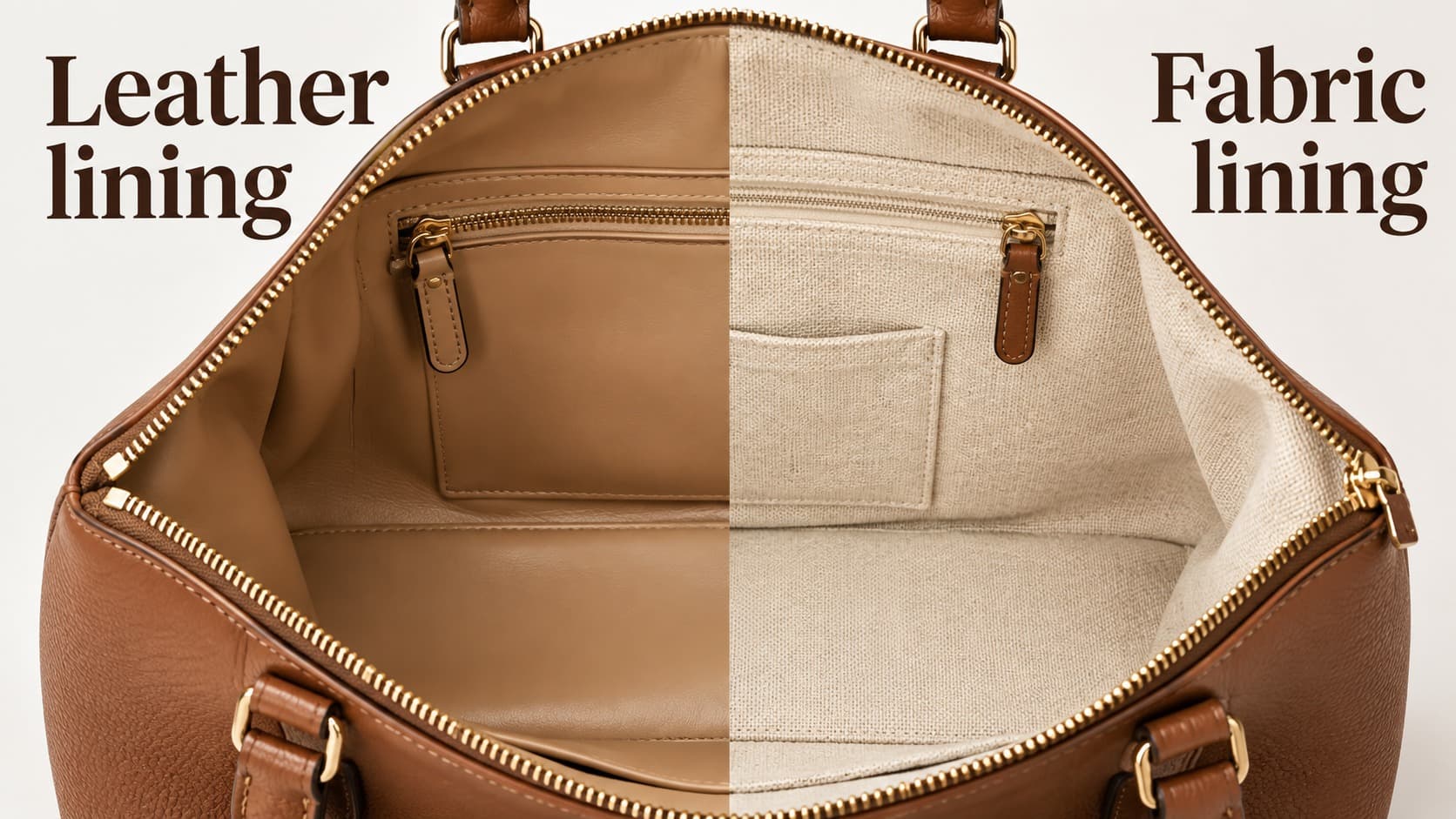
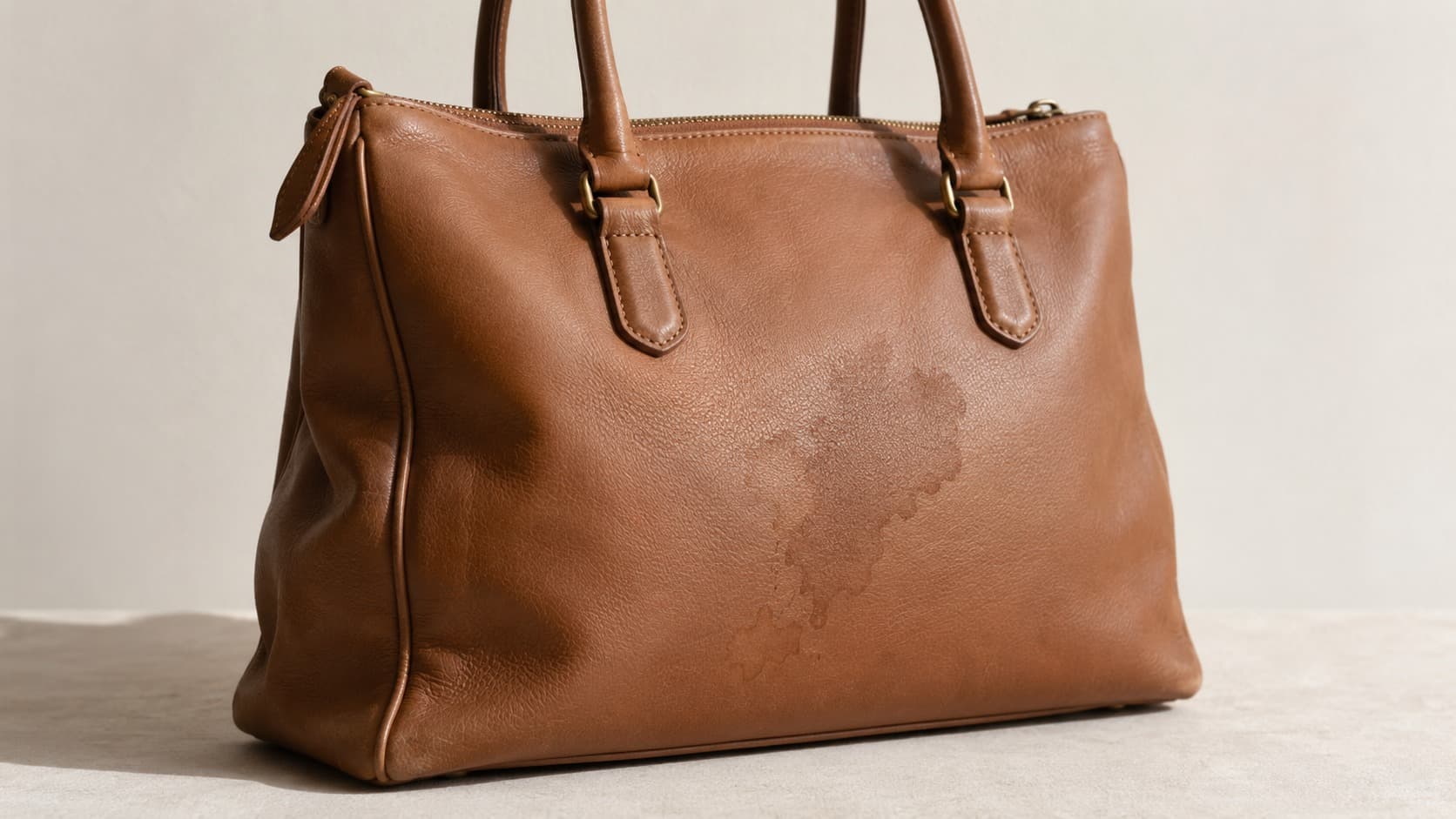
A stain on a favorite leather bag can feel like a small disaster, especially if the bag was expensive or has been carried for years. The good news is that leather is tougher and more forgiving than most people assume, and the vast majority of everyday stains can be treated at home with things already sitting in a kitchen cabinet. The trick is correctly identifying the stain, because the method that saves a bag from a water mark can actually make an oil stain worse, and vice versa.
Check the Leather Type Before You Start
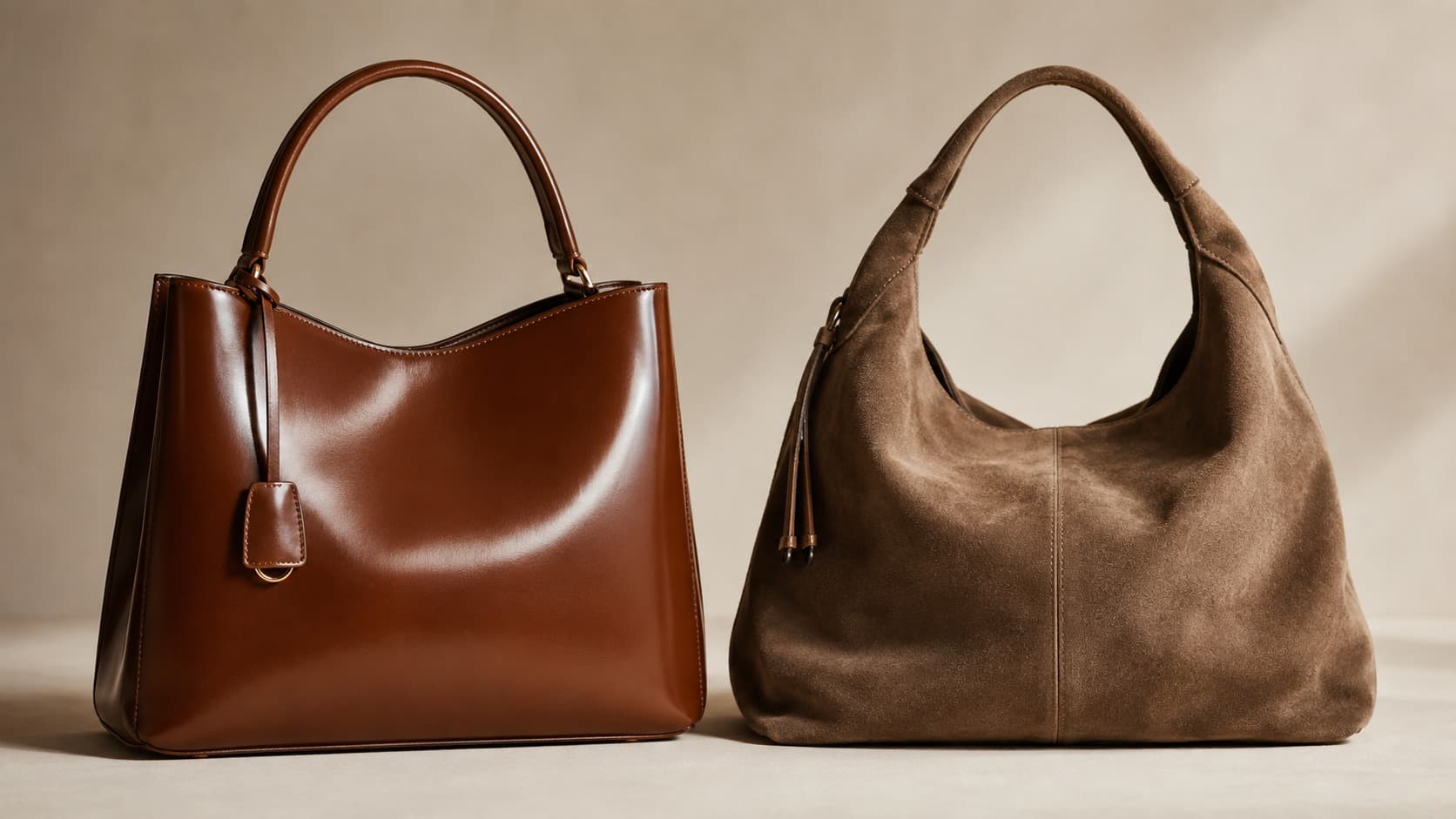
The single most important step is identifying the leather type before touching it with anything wet. Finished or “protected” leather (the smooth, slightly shiny kind most mass-market bags are made from) can usually handle a lightly damp cloth without any drama. Untreated leathers like suede, nubuck, or aniline leather are far more delicate, soak up liquid instantly, and almost always need dry cleaning methods instead of water-based ones.
A quick way to check: run a finger over a hidden section of the bag, like the inside of a strap or a seam allowance. If the surface feels smooth and slightly cool with almost no texture, it’s likely finished leather. If it feels soft, fuzzy, or velvety, it’s suede or nubuck, and different rules apply. When in doubt, treat the bag gently and test any cleaning method on that hidden spot first, waiting a few minutes to see if it changes color or texture before moving to the visible stain.
Never skip the patch test. A cleaning method that works perfectly on one bag can discolor another, even if both are labeled “leather,” because tanning and finishing processes vary a lot between brands.
How to Remove Water Stains From Leather
Water stains show up as dark rings or blotchy patches where a spill dried unevenly, and the fix is to re-wet the whole area evenly rather than trying to scrub out just the mark. Blot fresh spills immediately with a dry cloth, then let the bag air dry away from direct heat or sunlight, since heat sources like radiators or hairdryers cause the leather to stiffen and crack.
If a ring has already dried in, dampen a soft cloth (not soaking wet) with distilled water, not tap water, and gently wipe the entire panel — starting at the center of the stain and feathering strokes outward — so the leather dries at an even rate and the ring blends away. Tap water is worth avoiding here because it carries dissolved minerals that can leave their own faint residue behind, which is the same reason the original stain formed in the first place: as water evaporates, it carries dissolved minerals toward the edge of the wet area, and that concentrated buildup is what shows up as the visible ring. Re-wetting the whole panel removes the boundary between wet and dry, so there’s nowhere for a new tide line to form.
Once it’s dry, work in a leather conditioner using small circular motions with a soft cloth, since the water pulls natural oils out of the leather and the conditioner replaces them, preventing the surface from feeling stiff or looking dull afterward. For a fuller routine beyond just spot treatment, it helps to know how to clean and condition a leather handbag on a regular basis.
How to Remove Oil and Grease Stains From Leather
Oil stains need to be treated dry first, because adding water or soap to fresh grease usually pushes it deeper into the leather instead of lifting it out. As soon as a grease spot appears, blot (don’t rub) the excess with a dry, absorbent cloth or paper towel to soak up as much oil as possible before it has a chance to spread.
Next, sprinkle a light layer of cornstarch or plain talcum powder over the stain and leave it alone for several hours, or even overnight, so the powder can draw the oil up out of the leather fibers. Brush the powder away with a soft cloth once it’s had time to work; if a faint mark remains, a small amount of leather cleaner or mild, unscented soap on a barely damp cloth can lift the rest. Older, set-in grease marks may need several rounds of this cornstarch treatment, and stubborn cases are one of the few situations where a professional leather cleaner is genuinely worth the cost.
How to Remove Ink Stains From Leather
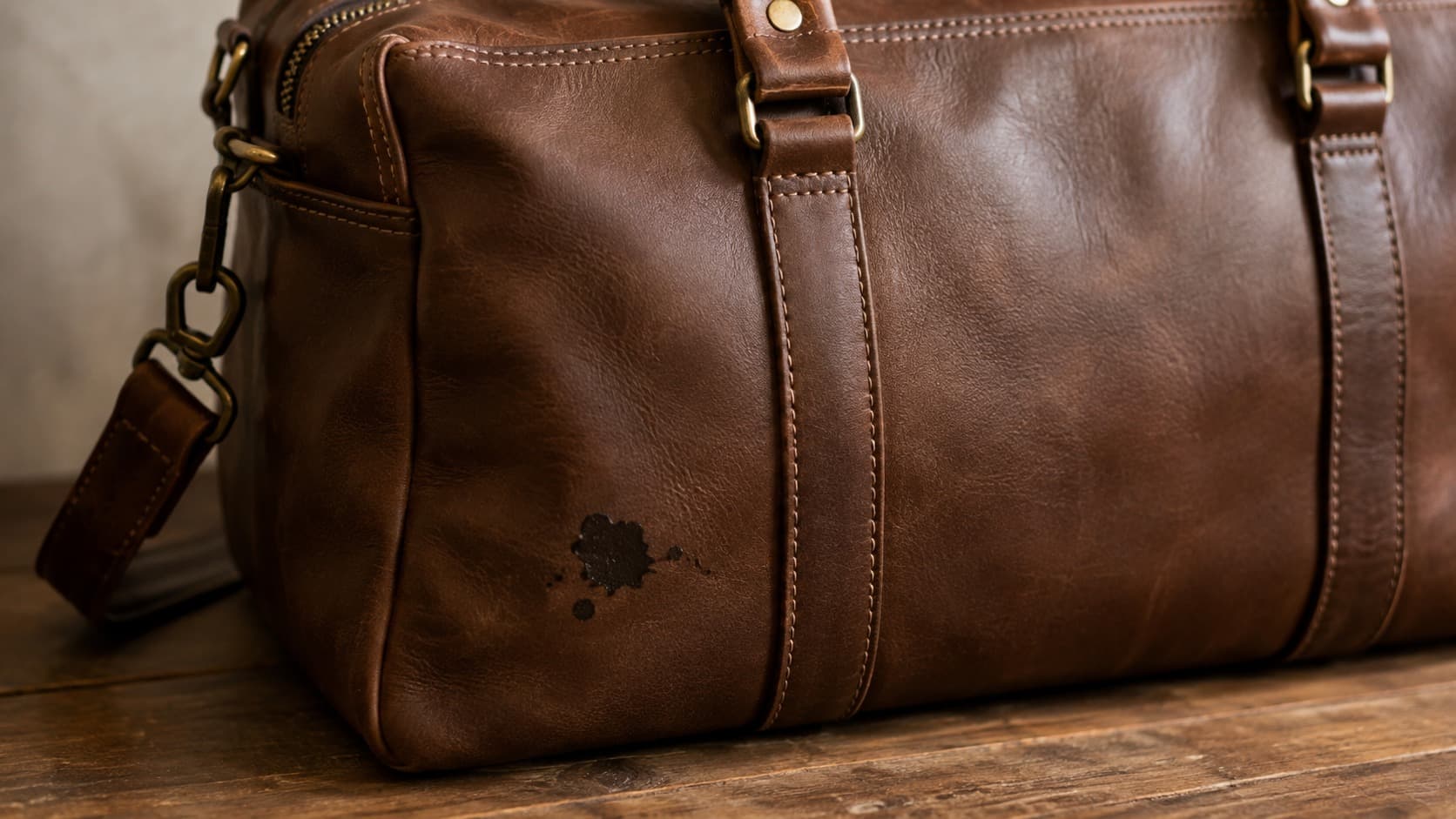
Fresh ballpoint ink can often be treated with diluted rubbing alcohol, but felt-tip or permanent marker is much harder and may need professional help. Mix equal parts rubbing alcohol and lukewarm water, dip a cotton swab (not a soaked cloth) into it, and gently dab — never rub — directly on the ink mark using small circular motions so the ink lifts rather than smears across clean leather.
Change to a fresh section of the swab often so the ink already lifted doesn’t get reapplied to the leather. Once the mark fades, wipe the area with a clean, barely damp cloth to remove any alcohol residue, let it air dry fully, and finish with leather conditioner, since alcohol is drying and will leave the spot feeling rough if it’s skipped. For ballpoint pen leaks inside a bag’s fabric lining, the same diluted alcohol works on the lining, but check first whether the ink has soaked through to the leather itself, because that usually calls for a specialist rather than a home fix.
How to Remove Makeup Stains From Leather
Makeup transfer — foundation, lipstick, or eyeshadow — is common on the inside of clutches and the corners of totes, and it responds best to a two-step approach that separates the oily base from the pigment. Start by scraping off any excess product gently with a dull edge, like the back of a butter knife or an old gift card, being careful not to press into the leather grain.
For the oily residue left behind, a light dusting of cornstarch left to sit for a couple of hours will absorb it the same way it does with grease stains; brushing it off afterward usually takes most of the mark with it. Any leftover color can be treated with a small amount of leather cleaner on a soft cloth, and a cotton pad barely dampened with micellar water can help with stubborn foundation, though it should always be tested on a hidden spot first since it can strip finish from some leathers.
How to Remove Dye Transfer From Leather
Dye transfer happens when color from clothing — most commonly dark denim — rubs off onto lighter leather, and it’s more about patience than aggressive scrubbing. It’s driven by three things working together: friction loosens dye particles sitting on the fabric’s surface, body heat makes those particles more active, and moisture (sweat, rain, or humidity) helps dissolve them so they can migrate onto the leather. That’s why a crossbody strap resting against jeans on a warm day is a near-perfect setup for a stain, while the same jeans brushing past a bag briefly in a closet usually isn’t. A leather cleaner formulated for the leather type, applied gently with a soft microfiber cloth in small circular motions, is the safest starting point, and it often takes several light passes rather than one heavy scrub to lift the color gradually.
Pressing hard or scrubbing quickly tends to push the dye further into the leather’s pores instead of lifting it out, so a slow, repeated, gentle approach genuinely works better here. If the transferred color hasn’t budged after a few careful attempts, it’s a sign the leather may need a professional treatment rather than a stronger home chemical, since harsher solvents risk stripping the bag’s own color along with the stain.
How to Remove Wine, Food, and Blood Stains From Leather
Wine and dark food stains respond well to a simple kitchen paste, but blood needs the opposite of what most people instinctively reach for. For red wine, coffee, or similar dark stains, mix equal parts cream of tartar and lemon juice into a paste, spread it over the stain, and leave it for about ten minutes before wiping it away with a damp cloth. Follow up with a mild soap or leather cleaner on a fresh cloth to lift any remaining residue, then let the area dry and condition it as usual.
Blood is different from the other stains here in one key way: temperature genuinely matters, and the water used must always be cold, never warm or hot. Heat causes the proteins in blood to bind and set permanently into the leather fibers, while cold water keeps them loose enough to lift out. Dab (don’t rub) the spot with a cloth dampened in cold water, working from the outside of the stain inward so it doesn’t spread, and repeat with a fresh section of cloth until the mark fades. For dried, older blood stains, a small amount of mild soap mixed into the cold water can help, but avoid hydrogen peroxide or enzyme cleaners made for fabric, since these are too harsh for leather’s finish.
Cleaning Products to Avoid on Leather
Certain common household cleaners do more harm than good on leather and should be avoided entirely, even for tough stains.
- Bleach — strips color and breaks down the leather fibers permanently.
- Ammonia-based cleaners — dry out and crack the surface over time.
- Baby wipes — often contain alcohol or fragrance additives that can discolor leather.
- Hairdryers or direct heat — speed up drying unevenly, which sets stains rather than removing them and can cause cracking.
- Undiluted rubbing alcohol — too harsh for most finishes and should always be diluted first.
Sticking to mild, leather-specific products and patience will get better results than reaching for whatever is under the kitchen sink.
A couple of stain-like problems fall outside this kind of one-time spot treatment. Mold and mildew, which show up as fuzzy or discolored patches after a bag has been stored somewhere damp, come from a humidity problem rather than a spill, and treating them usually means addressing moisture and airflow, not just wiping the surface. Salt stains, the pale, chalky marks left behind after leather comes into contact with road salt or seawater, work a bit like water stains but need their own approach since salt crystals keep abrading the fibers from inside if they aren’t fully rinsed out.
Frequently Asked Questions
Can toothpaste remove stains from a leather bag?
Toothpaste is not recommended for leather, even though it’s a popular internet tip; its abrasive ingredients are meant for tooth enamel, not leather fibers, and can scratch or discolor the surface. A proper leather cleaner or the cornstarch method is a safer route for most stains.
How long should I wait before conditioning a leather bag after cleaning a stain?
It’s best to let the leather dry fully first, which usually takes several hours to overnight depending on humidity, before applying conditioner. Conditioning damp leather can trap moisture underneath the surface and lead to a cloudy or uneven finish.
Is it safe to use a washing machine or submerge a leather bag in water?
No — leather should never be machine washed or fully submerged, since prolonged soaking breaks down the natural oils and structure of the hide, leading to stiffness, warping, or cracking that can’t be reversed. Spot cleaning with a barely damp cloth is always the safer approach.
Does suede need different stain treatment than smooth leather?
Yes, suede and nubuck are untreated leathers with a raised, fibrous texture, so they generally need dry methods — like a suede brush or eraser for scuffs, and dry towels or chalk for absorbing fresh spills — rather than water or liquid cleaners. Using a wet cloth on suede can create a permanent water mark instead of removing one.
When should I take a stained bag to a professional instead of treating it myself?
Deep-set oil stains, dye transfer that doesn’t respond to gentle cleaning, and any mark on delicate aniline or exotic leathers are good reasons to consult a professional cleaner rather than risk further damage. If a patch test shows any discoloration or texture change, that’s also a clear signal to stop and get expert help.
Conclusion
Most leather bag stains are manageable with the right combination of patience, the correct method for the specific stain, and a gentle hand rather than aggressive scrubbing. Water stains call for even re-wetting and conditioning, oil and makeup respond best to cornstarch’s absorbing power, ink needs diluted alcohol used sparingly, dye transfer requires repeated gentle passes rather than one hard scrub, and wine or blood each have their own specific fix — a lemon-and-cream-of-tartar paste for one, strictly cold water for the other. Knowing the leather type before starting, always patch testing first, and finishing every treatment with a proper conditioner will keep a bag looking cared for rather than damaged, no matter which of these common stains shows up next.