Leather is skin, and skin reacts to temperature the same way whether it is still attached to an animal or stitched into a handbag. A hot car trunk in July and a freezing porch in January might feel like opposite problems, but both pull moisture out of leather and leave it weaker than before. Understanding what is actually happening to the material helps explain why a bag can look fine one season and show cracks the next, and it makes the difference between leather that lasts decades and leather that falls apart in five years.
What Happens to Leather in Extreme Heat
Heat pulls the natural oils and fats out of leather, and once those oils are gone, the fibers dry out and turn stiff. Leather is made of tightly woven collagen fibers held flexible by natural fats and moisture. Once temperatures climb past about 120°F (49°C), a range easily reached inside a hot car, oil loss speeds up sharply and the fibers start to stick together instead of sliding smoothly against each other.
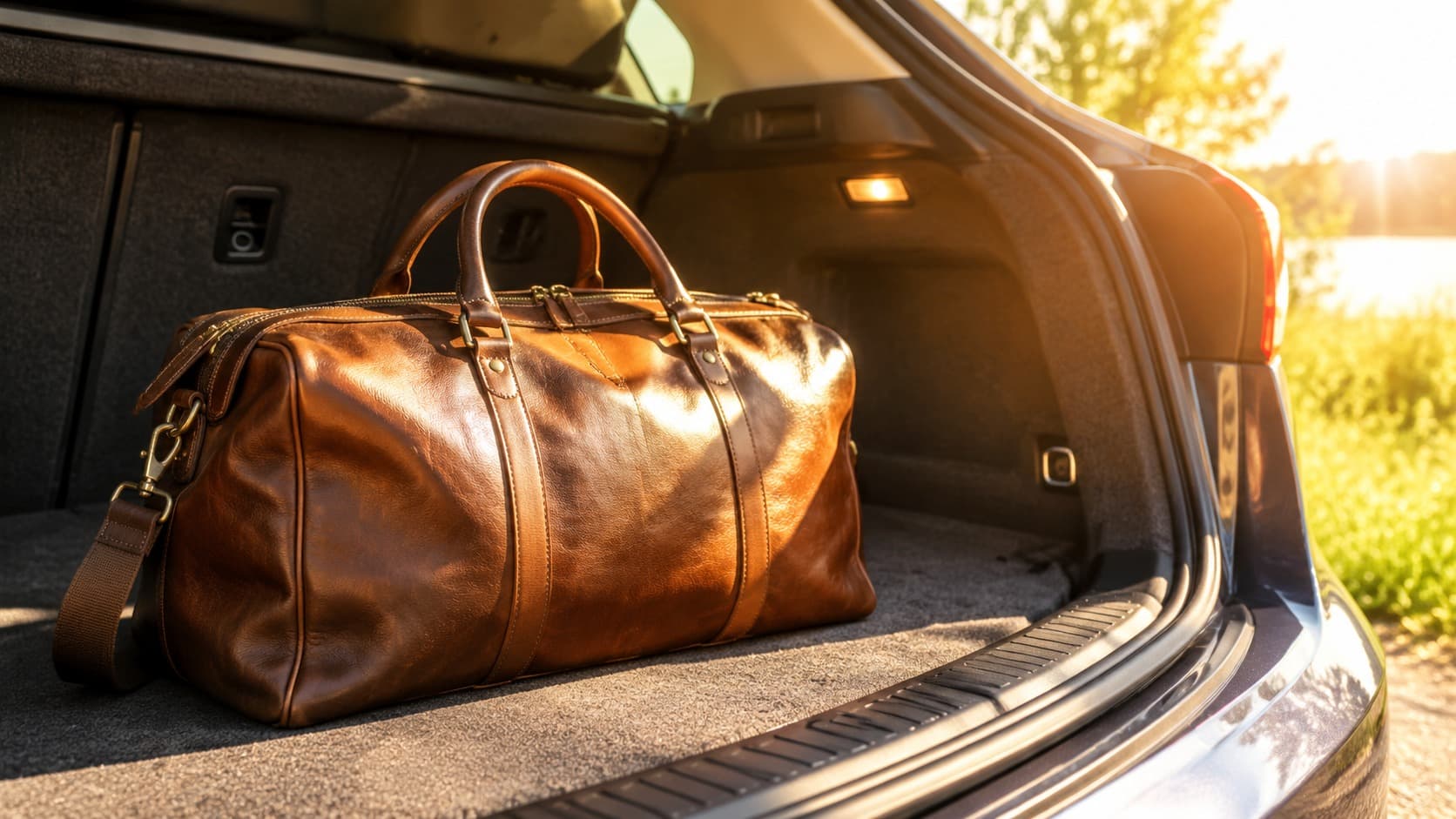
This is why a bag left in a hot car trunk for a weekend can come out feeling rougher than it went in. The surface loses its softness first, then fine lines appear, and eventually the leather can crack in the spots that flex the most, like handles and corners. Heat also softens the glue that holds many bags together, so seams can loosen or edges can start to peel in extreme cases.
A car trunk in direct sun can hit 150°F (65°C) or higher on a hot summer day, far beyond the 60-70°F (15-21°C) range leather experts recommend for storage.
Sunlight adds a second layer of damage on top of heat. Ultraviolet rays break down the dyes used to color leather, which is why bags left near a window or on a dashboard often fade unevenly, darker where they were shielded and lighter where the sun hit directly.
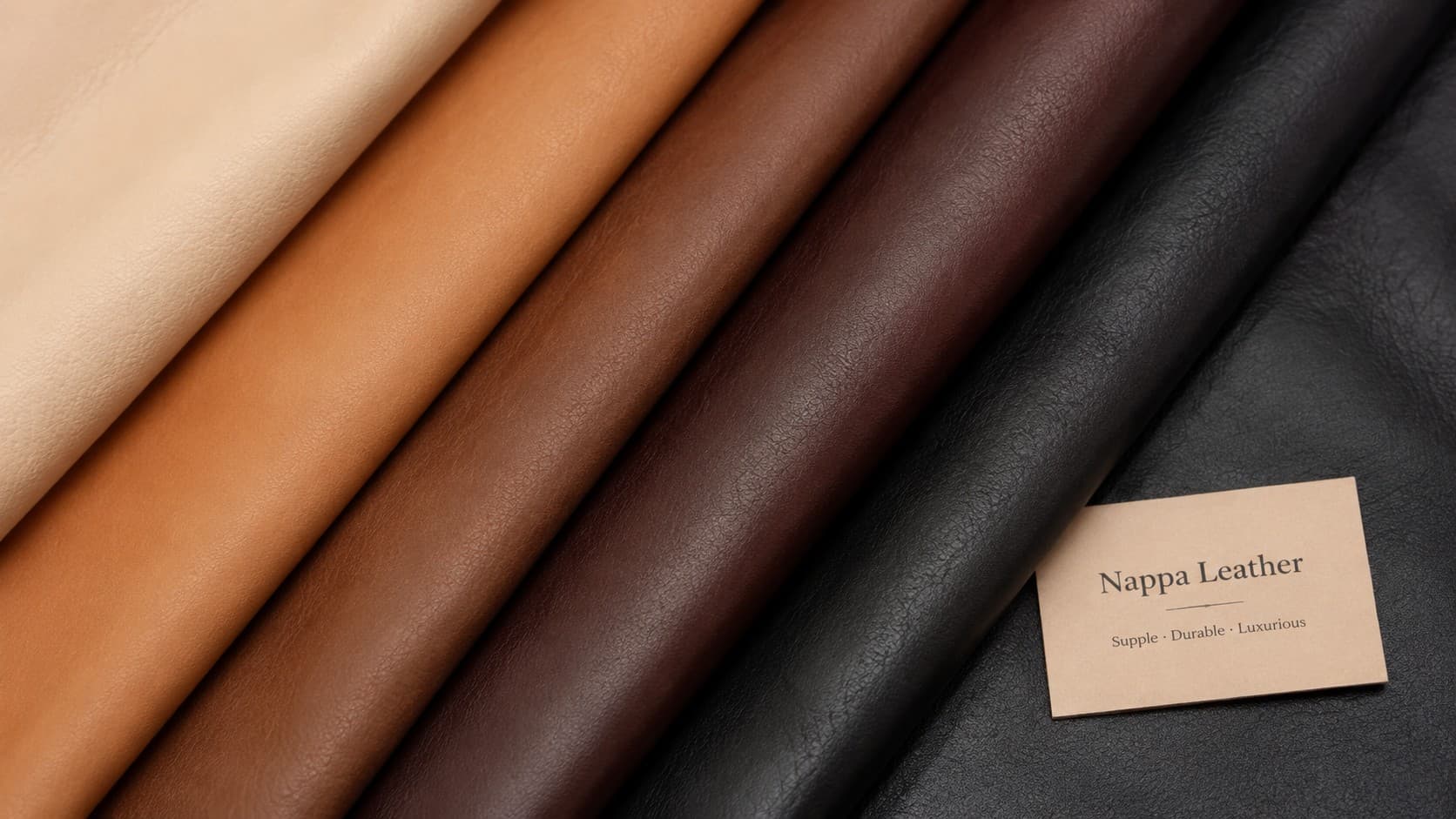
Not all leather reacts to heat the same way, and the difference comes down to how it was tanned. Vegetable-tanned leather, treated with plant-based tannins in a slow process, is more sensitive to heat and can harden or curl if it gets too hot. Chrome-tanned leather, treated with chromium salts in a much faster process, holds up better against short bursts of heat, which is one reason it is common in bags meant for daily, all-weather use. Neither type is heatproof, but knowing which type a piece uses helps explain how it will hold up under heat.
Why Humidity Makes Heat Worse
Hot and humid air is more damaging than hot and dry air because moisture gets trapped against the leather’s surface. That trapped moisture creates the perfect environment for mold and mildew, especially inside an enclosed space like a trunk or a sealed closet. Mold can appear within days on leather that was not fully clean and dry before it got hot.
Mold does not need much time to take hold once conditions are right. In a warm, enclosed space with trapped moisture, such as a sealed trunk or a plastic garment bag, mold can start growing within just a few days on leather that was not completely clean and dry beforehand. This is why leaving a slightly damp bag zipped inside a suitcase during a hot trip is riskier than it sounds, and why cotton dust bags, which let air move, are safer than plastic ones for both short trips and long-term storage.
Dry heat causes a different problem. Without any moisture in the air to slow things down, the leather dries out faster and becomes brittle sooner. Either way, the fix is the same: keep leather out of prolonged heat and out of sealed spaces where air cannot move.
How Cold Weather Damages Leather
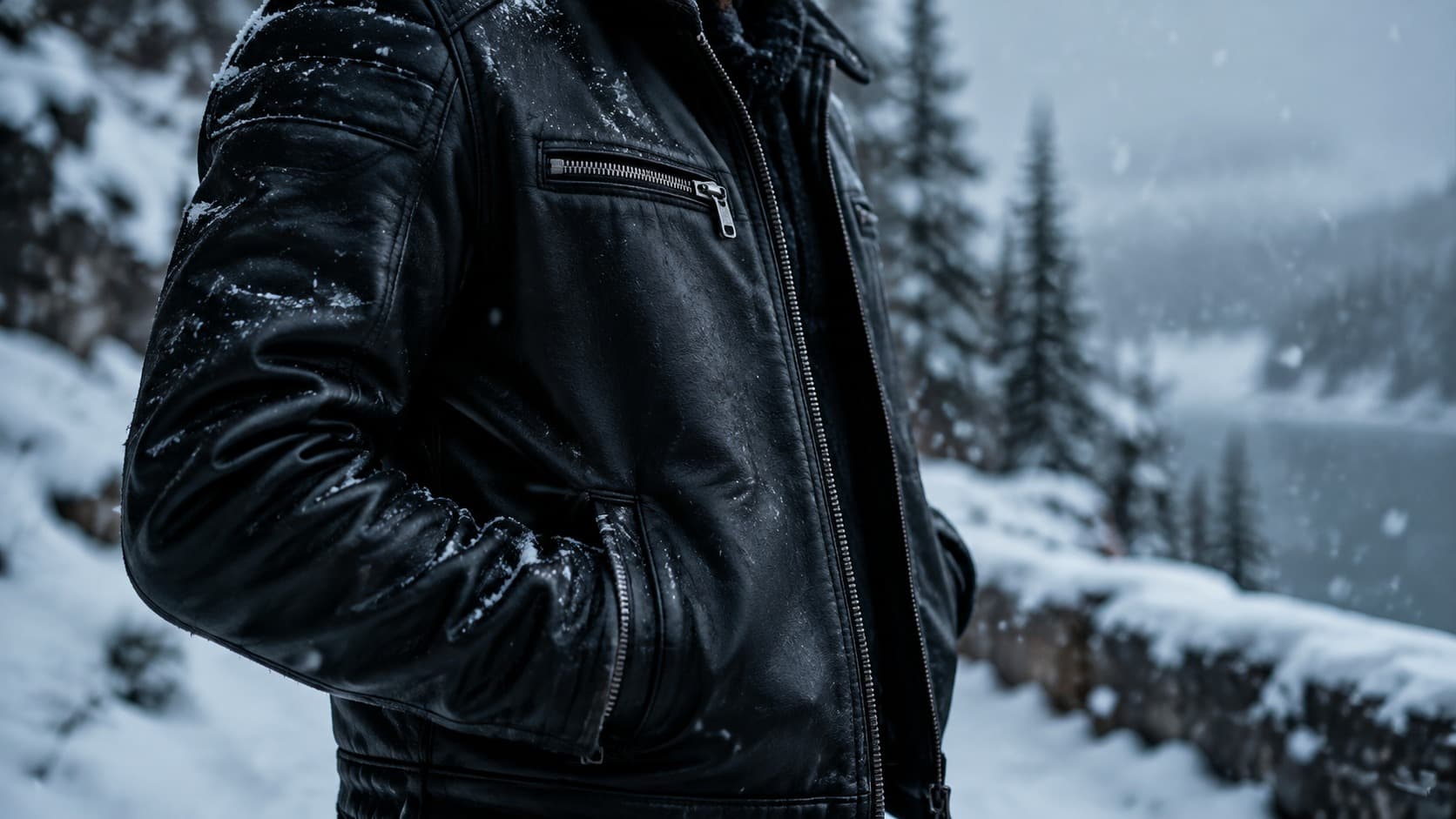
Cold makes leather stiff because the natural oils inside it thicken and stop moving freely, similar to how olive oil turns cloudy and slow in a cold refrigerator. This stiffness makes the material less flexible, so a leather jacket or bag creases more sharply when bent and is more likely to crack along those fold lines.
Genuine leather does not usually crack from cold alone in short bursts, since it behaves a bit like skin and can adjust once it warms back up. The real danger comes from repeated cycling between cold and warm. Walking a leather bag from a freezing car into a heated store and back out again, over and over during a winter, stresses the material each time and speeds up wear far more than one cold night ever would.
The type of tanning plays a role here too, though less dramatically than it does with heat. Because chrome-tanned leather stays more flexible in general, it tends to resist cold-related stiffness a little better than vegetable-tanned leather, which starts out firmer and can feel noticeably harder once temperatures drop. Either type benefits from the same simple rule: let it warm up slowly indoors before flexing, folding, or forcing a zipper shut. Patent leather is a special case worth knowing, since its glossy coating stiffens faster than the leather underneath and is more prone to visible cracking in freezing temperatures than plain leather finishes.
Why Dry Winter Air Damages Leather
Winter air holds less moisture than summer air, and indoor heating systems dry it out even further. That dry air pulls oils out of leather in much the same way summer heat does, just more slowly. This is why leather often looks dull, ashy, or slightly cracked by the end of winter even if it was never left outside in the cold for long.
Leather that goes through both a dry winter and a hot summer without conditioning ages faster than leather kept in a stable, moderate environment year-round.
Heat Damage vs. Cold Damage: Comparison
| Factor | Heat Damage | Cold Damage |
|---|---|---|
| Main cause | Oils evaporate out of the leather | Oils thicken and stop moving |
| Visible signs | Cracking, fading, stiffness, peeling glue | Stiffness, sharper creasing, brittleness |
| Speed of damage | Can happen in hours in extreme heat | Usually builds up over repeated exposure |
| Added risk | UV fading, mold in humid conditions | Cracking when flexed while cold |
| Best fix | Keep out of direct sun and enclosed hot spaces | Let it warm up before flexing or wearing |
How to Protect Leather From Heat and Cold
The single best thing anyone can do for leather is store it somewhere with a steady temperature, ideally between 60-70°F (15-21°C), away from direct sunlight and away from sealed hot or damp spaces. A few simple habits make this easy to manage even without a climate-controlled closet.
- Leaving a leather bag in a car trunk or on a dashboard for more than a short trip, especially in summer, causes some of the fastest damage.
- Loosely stuffing bags with acid-free tissue paper helps them hold their shape during storage.
- Conditioning leather every few weeks in extreme seasons replaces the oils that heat or dry cold pulls out.
- Allowing a cold bag or jacket to warm to room temperature before it gets bent, folded, or forced into a zipper closure prevents unnecessary cracking.
- Storing leather items in breathable cotton dust bags rather than plastic keeps heat and moisture from getting trapped.
- Wiping off snow, slush, or rain as soon as possible in winter keeps trapped moisture from combining with cold to speed up damage.
Conditioning matters more than most people realize because it is the direct replacement for what temperature extremes take away. A light leather conditioner or balm applied every two to four weeks during a harsh summer, or once a month through a dry winter, keeps the fibers supple enough to resist cracking.
Fixing Leather After Heat or Cold Damage
The safest approach is to bring the leather back to room temperature slowly, without using a hairdryer, radiator, or any other direct heat source to speed the process. Sudden temperature changes are exactly what caused the stress in the first place, so cooling a hot bag or warming a frozen one works best in a normal indoor space, away from vents and windows.
Once it returns to room temperature, a quick check is worth doing before anything else happens to it. A musty smell or dark spots are early signs of mold from trapped heat and moisture, and wiping those areas with a dry cloth right away stops the spread before it worsens. Stitching and corners are also worth checking for looseness, since softened glue from heat sometimes only becomes obvious once the bag cools back down.
If the leather feels dry, stiff, or rough after the exposure, that is the moment to condition it rather than wait. Applying conditioner to leather that has just lost oils to heat or cold replaces what evaporated or thickened, and catching it early prevents the fine lines that turn into permanent cracks. A single hot afternoon or cold commute rarely causes lasting harm on its own, but skipping conditioning after several exposures is usually what does.
Frequently Asked Questions
Can leather be ruined from one hot day in a car?
A single hot day usually will not ruin leather, but it can soften glue, cause slight fading, and leave the surface feeling rougher than before. Repeated exposure over many hot days is what causes lasting cracks and structural damage, so one afternoon is a warning sign more than a disaster.
Does cold weather crack leather immediately?
No, leather does not crack the moment it gets cold. It becomes stiffer and more prone to creasing, and cracks usually appear only after the leather is flexed or folded while still cold, or after many freeze-thaw cycles over a season.
Is it safe to store leather in a garage or attic?
Garages and attics often swing between temperature extremes throughout the year, making them poor choices for leather storage. A closet inside the main living space, away from windows and heating vents, holds a steadier temperature and is a much safer option.
Does leather conditioner really help with temperature damage?
Yes, conditioner replaces the natural oils that heat and cold both remove from leather over time. Regular conditioning keeps the fibers flexible, which reduces the chances of cracking whether the leather faces a heatwave or a cold snap.
Why do leather bags feel stiffer in winter than in summer?
Cold thickens the natural oils inside leather, which reduces flexibility until the item warms back up. This is normal and usually reverses once the leather returns to room temperature, though repeated cold exposure without conditioning can make the stiffness more permanent over time.
The Bottom Line
Heat and cold attack leather through the same basic mechanism, pulling moisture and natural oils out of the fibers, but they show up differently and call for different habits. Keeping leather out of hot trunks and direct sun protects it from fading and cracking in summer, while letting cold items warm up before flexing them and conditioning through dry winter months protects it from stiffness and creasing. A leather bag or jacket kept in a stable, moderate environment and conditioned a few times a season will outlast one that gets left in extreme conditions, no matter how well it was made to begin with.