Silver jewelry can fool almost anyone at first glance, because plated and fake pieces are made to look just like the real thing under store lights. Telling real silver from a convincing imitation doesn’t require a lab or a jeweler on call, since a handful of simple checks can be done with items already sitting around most homes. Knowing these tests matters whether the goal is buying a gift, checking a piece passed down in a family, or confirming that a purchase was worth its price.
Check for a Hallmark First
The fastest clue is a tiny stamp hidden somewhere on the piece, usually reading “925,” “Sterling,” or “S925.” This stamp means the item is made of 92.5% pure silver mixed with 7.5% of another metal, almost always copper, which is added because pure silver alone is too soft for everyday wear.
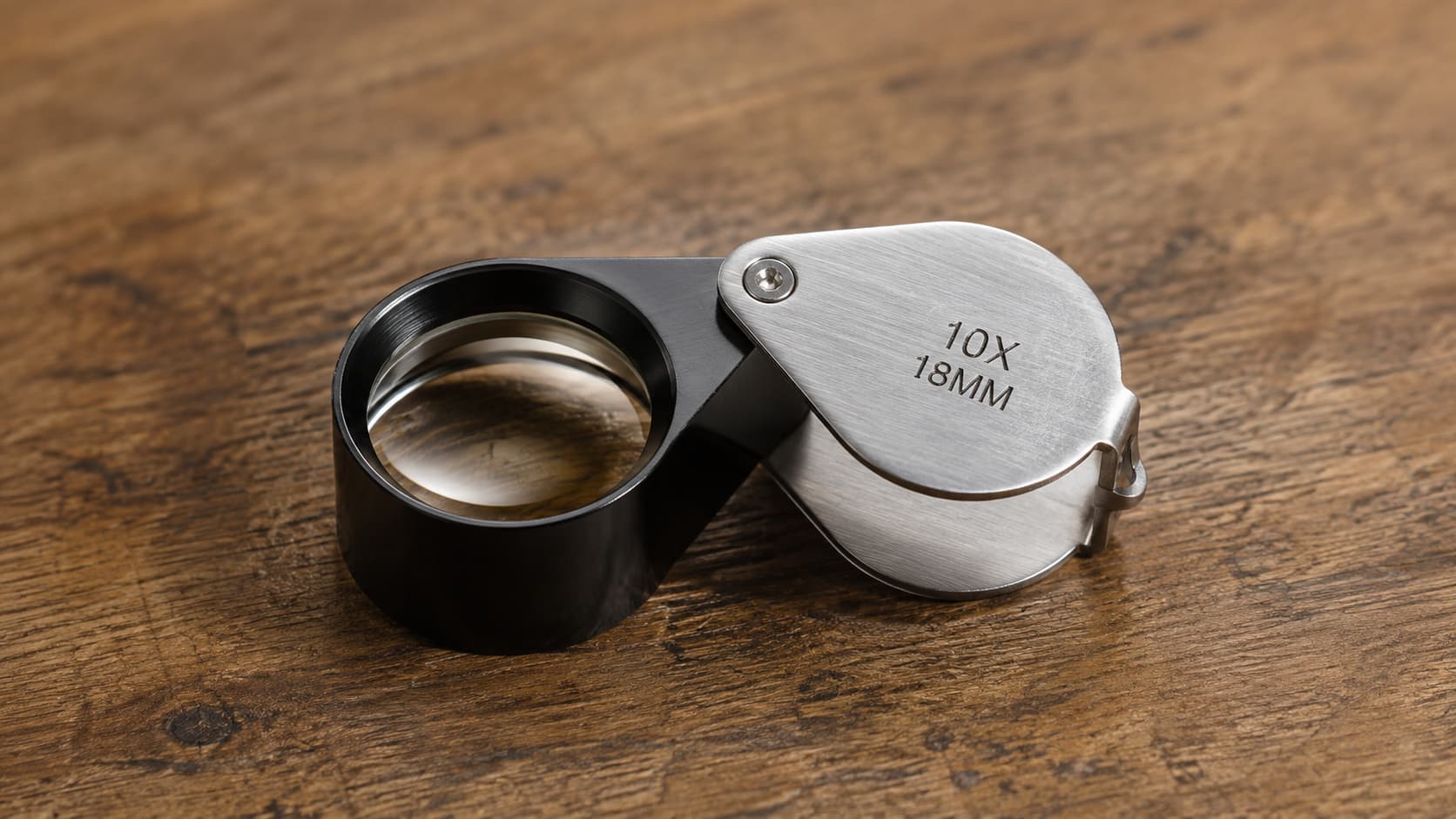
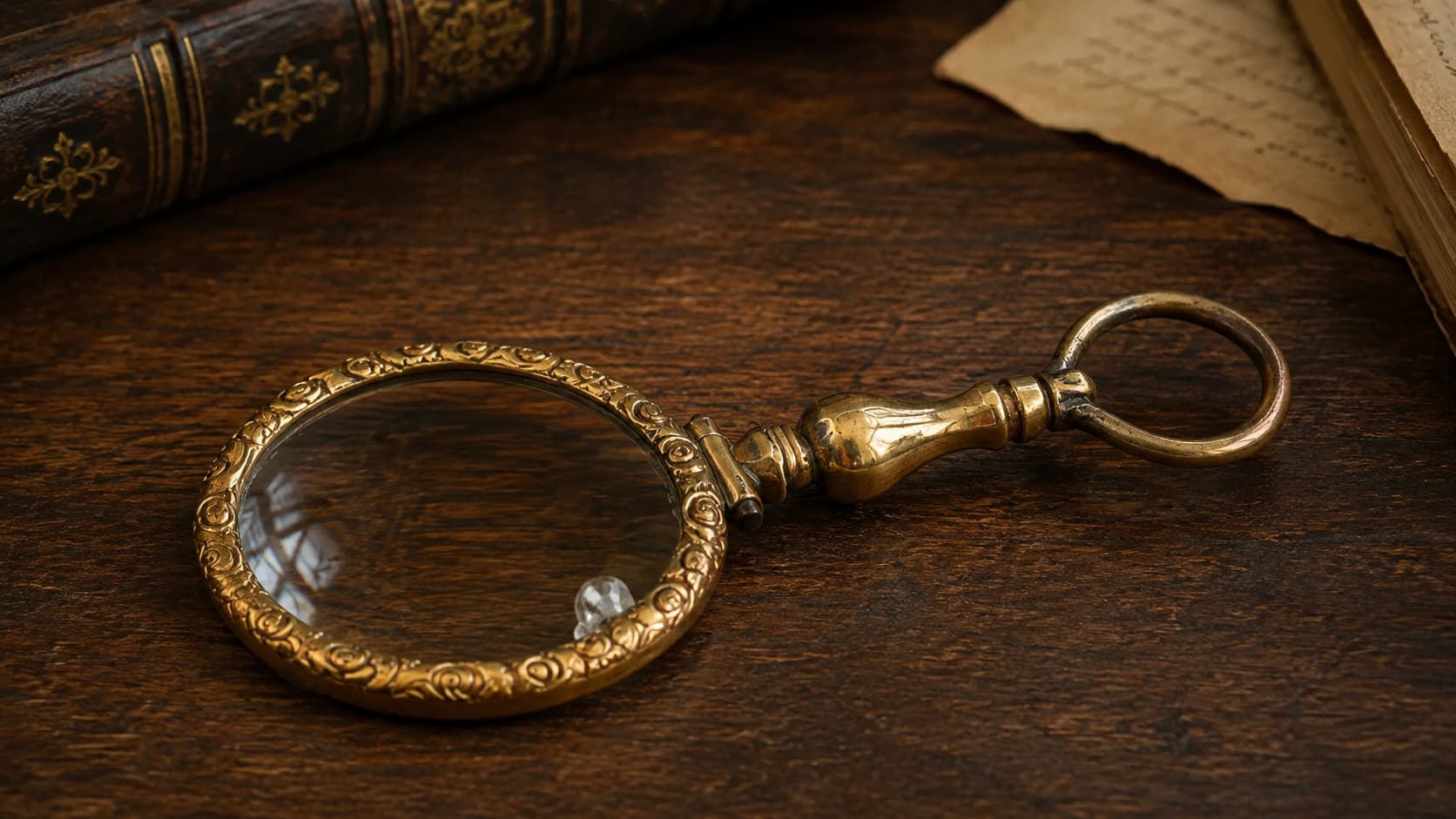
These marks tend to sit on the inside of a ring band, near the clasp of a necklace or bracelet, or on the post of an earring. A bright light or a magnifying glass often helps, since the stamps are frequently smaller than a grain of rice. Some pieces also carry “999” for fine silver, which is nearly pure, or older marks like “800” or “900” used in parts of Europe and elsewhere, which show a lower but still real silver content.
A hallmark is a strong clue, not a guarantee. Counterfeiters sometimes stamp fake “925” marks onto cheap metal, so pairing this check with at least one physical test is worthwhile, especially for higher-value purchases.
The exact stamp found can also depend on where a piece was made. British silver sometimes carries a small walking lion, called a lion passant, instead of or alongside a number. Russian silver may show a woman’s profile in a headdress, called a kokoshnik. Continental European pieces, especially from Germany, the Netherlands, or Scandinavia, are often marked “835” instead of “925,” while older Italian, Portuguese, and other Southern European silver commonly uses “800.” None of these lower numbers signal a fake — they simply follow a different national purity standard than sterling.
A missing stamp doesn’t automatically mean a piece is fake, either. Handmade jewelry, antique pieces, and items from certain regions are sometimes left unmarked on purpose, which is why the physical tests below matter most in those cases. One mark worth watching for, on the other hand, is “EPNS,” short for electroplated nickel silver — this label confirms a piece is plated rather than solid, regardless of how convincing it looks.
Look Closely at the Finish
Real silver has a soft, slightly warm grey-white glow, not the hard, mirror-bright shine seen on chrome or cheap plated metal. A piece that looks almost blindingly shiny and perfectly even all over can actually be a warning sign rather than a good one, since plated jewelry is often buffed to look flawless straight out of the factory.
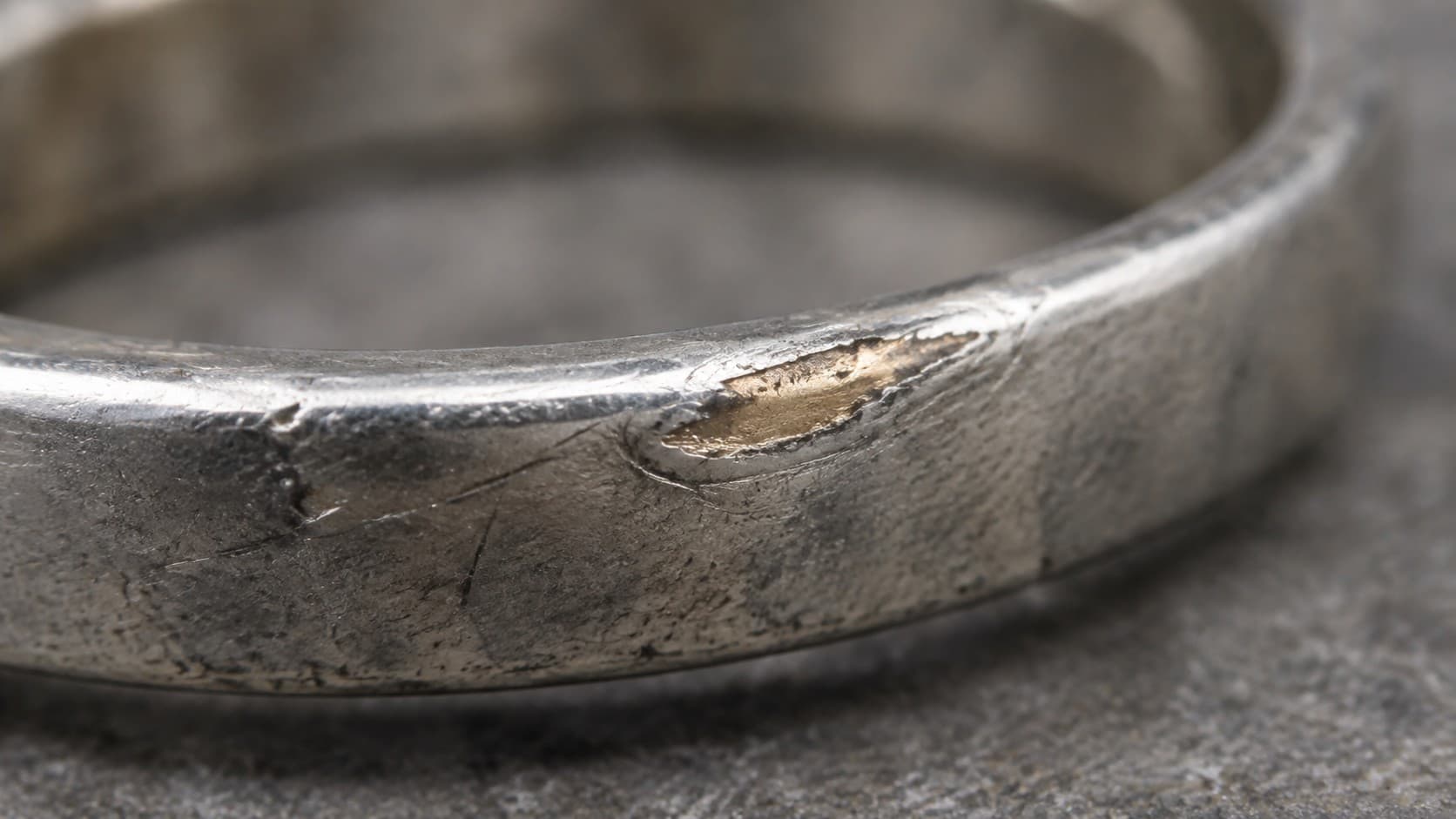
The spots that get the most rubbing tend to reveal the most: the inside of a ring, the back of a clasp, or the edges of a pendant where it touches skin or clothing. On a plated piece, this is usually where the coating wears thinnest first, showing a yellowish, pinkish, or dull grey color peeking through the surface. That color change is the base metal underneath showing itself, and it counts as one of the clearest plating signs visible to the naked eye.
Tiny bubbles, flaking, or an uneven texture around engravings or stone settings are worth a look as well. Solid silver is cast or shaped as one consistent piece, so its surface should feel and look uniform everywhere, while a plated coating can sometimes peel or bubble at the edges over time, similar to paint lifting off a wall.
Try the Magnet Test
Holding a strong magnet, such as one from a fridge or a small hobby magnet, close to the jewelry reveals a lot quickly. Real silver is not magnetic, so a genuine piece should not be pulled toward the magnet or stick to it at all.
This test is useful for ruling things out fast. A piece that jumps toward the magnet or clings to it is not solid silver. Cheap costume jewelry is often made from magnetic base metals like iron or steel underneath a shiny coating, and a magnet catches that instantly.
The test only works one way, however. Plenty of fake metals, including brass, aluminum, and some nickel alloys, are also non-magnetic, so a piece that fails to stick to a magnet still needs another check before being called real. The magnet test works best as a quick filter, not a final verdict.
Testing the main body of the piece matters more than testing the small extras. Spring clasps, earring backs, and jump rings are sometimes made from a slightly different, cheaper metal even on genuine silver jewelry, so those small parts can react a little differently to a magnet than the rest of the piece.
Do the Ice Cube Test
Placing an ice cube directly on the jewelry and watching how fast it melts reveals another clue. Silver conducts heat exceptionally well, so on genuine silver, the ice tends to start melting noticeably faster than it would on a table or on most other metals.
This happens because silver pulls heat from the surrounding air and the ice itself more efficiently than metals like nickel, brass, or silver-plated base metal. A side-by-side comparison, using a piece known to be real silver next to the item being tested, makes the difference easiest to see.
The test works best on larger, solid pieces like rings or bangles rather than thin, delicate chains, since enough metal needs to be present to actually conduct the heat. It is also less reliable on silver-plated jewelry, because the plated layer is often too thin to pull heat the same way solid silver does, which can produce a misleadingly fast melt.
Weigh It in Water
Real silver is denser than most of the metals used to fake it, meaning a genuine piece feels noticeably heavier than a same-sized fake made from aluminum, plastic, or a light alloy. Holding two similar pieces side by side, one in each hand, often reveals this difference immediately.
A more precise version of this check involves a measuring cup filled with water. Noting the water level, then gently lowering the jewelry in, shows how much the water rises. Silver is dense enough that even a small piece should displace a noticeable amount of water for its size. This method won’t produce an exact purity percentage without a scale and some math, but it serves as a useful backup, especially with solid rings, coins, and bangles where weight differences are easiest to feel.
Rub It with a White Cloth
Wiping the jewelry firmly with a clean white or light-colored cloth, then checking the fabric afterward, is one of the most telling tests available. A black or dark grey smudge left on the cloth is a good sign, since it means the piece is tarnishing the way real silver does.
Tarnish happens when silver reacts with sulfur compounds in the air, forming a thin black layer called silver sulfide on the surface. This is a completely normal part of owning silver, not a defect, and it can be polished away with a proper silver-cleaning cloth. Fake or silver-plated jewelry usually won’t leave this kind of mark, or it may flake, peel, or turn a greenish color instead as the coating wears through.
Myth to bust: tarnishing doesn’t mean jewelry is fake. It actually means the opposite — only real silver tarnishes this specific way.
The speed of tarnishing can hint at purity too. Fine silver, marked 999, tarnishes more slowly because it has almost no copper in it to react with the air. Sterling silver, marked 925, tarnishes a bit faster because of its higher copper content, which is why experienced collectors sometimes use tarnish speed as a rough clue to the type of silver in front of them.
Smell the Metal
Real silver has almost no smell at all, even after hours of wear, which makes a quick sniff surprisingly informative.
A strong metallic or “coin-like” odor, especially after contact with skin or sweat, often points to base metals like copper, nickel, or brass sitting close to the surface. This tends to appear on silver-plated pieces once the thin outer layer starts wearing down, exposing the metal underneath. The test is simple, but it works well for spotting plated jewelry that has seen months or years of wear.
Listen to the Sound It Makes
Gently tapping the piece against a hard surface, or tapping two pieces together, produces a sound worth paying attention to. Genuine silver tends to produce a clear, bright, almost musical ring, while base metals usually sound duller and flatter.
This test takes a little practice to trust, since it works best with a known real silver item for comparison. Tapping a known sterling silver spoon or ring next to the item in question and comparing tones makes the difference more obvious. It won’t provide a certain answer alone, but combined with the other checks described here, it adds one more useful data point.
Jewelers sometimes call this the “ring test.” It works because dense, uniform metals like silver vibrate more freely than layered or hollow fakes. A silver-plated piece, with its base metal core, tends to absorb the vibration and sound noticeably flatter, similar to the difference between tapping a coin and tapping a plastic button.
Types of Silver Jewelry Explained
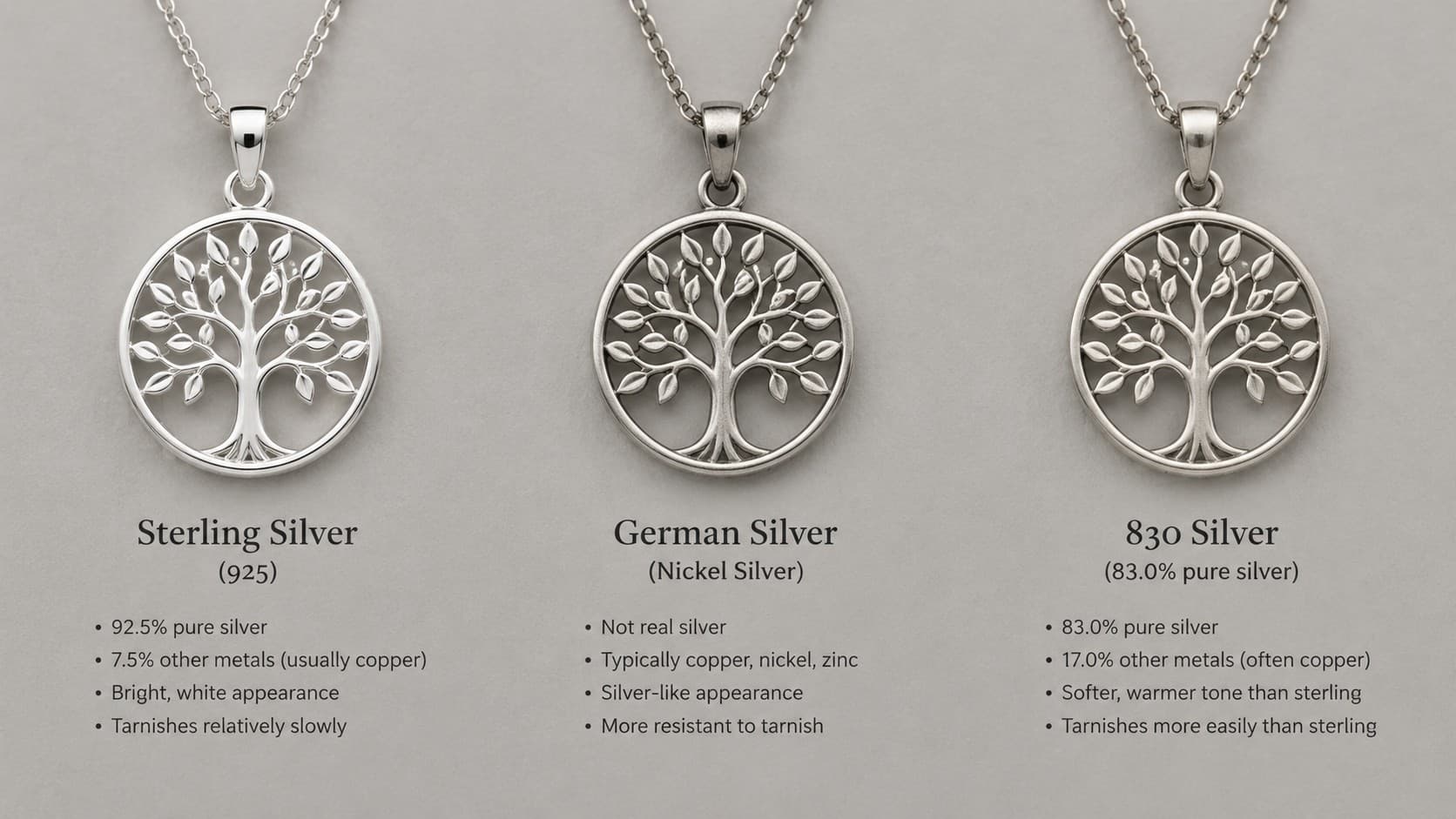
Not everything that looks like silver is designed to deceive. Several legitimate categories of silver-look jewelry exist, and understanding the difference clarifies what a given piece actually is.
| Type | What It Is | Real Silver Content |
|---|---|---|
| Sterling silver | 92.5% silver, 7.5% other metal (usually copper) | Yes |
| Fine silver | 99.9% pure silver, very soft | Yes |
| Silver-plated | Base metal core with a thin silver layer on top | Only on the surface |
| Nickel silver | Copper, zinc, and nickel alloy; contains no actual silver | No |
| Tibetan or “alloy” silver | Mixed metal, often containing little or no real silver | Usually no |
Silver-plated jewelry isn’t a scam by itself, since plenty of brands sell it honestly and clearly. The problem arises only when a seller charges sterling silver prices for a plated piece, or when a listing fails to mention plating at all.
When to Get a Professional Silver Test
Home tests are useful, but they have limits, and some situations call for an expert rather than a kitchen counter experiment. A jeweler can run a proper acid test or use an electronic silver tester, both of which give a far more precise reading than anything achievable at home.
A professional check becomes worthwhile when a piece is a family heirloom being considered for sale, when significant money is on the line, or when home tests produce mixed or unclear results. Most jewelers can test a piece in a few minutes, and many do it for free or for a small fee, a small price for real peace of mind on something valuable.
Two methods stand out among professionals. An acid test involves rubbing the piece on a testing stone and applying a drop of nitric acid to the mark left behind; the color the acid turns indicates roughly how pure the silver is. It’s accurate but does leave a tiny mark, so it’s usually performed on an inconspicuous spot. An XRF (X-ray fluorescence) machine, by contrast, scans the metal without touching or damaging it and produces an exact purity reading within seconds, which is why many jewelers and pawn shops now favor it for valuable or sentimental pieces.
Frequently Asked Questions
Can real silver jewelry have no hallmark at all?
Yes. Older pieces, handmade jewelry, and items from certain countries are sometimes left unstamped even though they’re genuine silver. Without a hallmark, the magnet, ice, and tarnish tests carry more weight, or a jeweler can confirm the metal directly.
Does tarnishing prove jewelry is real silver?
Tarnishing is a strong sign of real silver, since it happens when silver reacts with sulfur in the air, but it isn’t complete proof by itself. Some silver alloys with lower purity can also tarnish, so this check works best alongside a hallmark or another test.
Is silver-plated jewelry fake?
No, silver-plated jewelry is real in the sense that it carries a layer of genuine silver on the outside, though the core underneath is a different, cheaper metal. It only becomes a problem when sold or priced as if it were solid sterling silver.
Can a magnet test alone confirm silver is fake?
Not completely. A magnet correctly flags magnetic metals like steel as fake, but many non-silver metals, such as brass or aluminum, also aren’t magnetic. A piece passing the magnet test still needs at least one more check.
Why does a silver ring sometimes smell like metal?
A strong metallic smell usually means base metal, like copper or nickel, sits close to the surface. This is common on silver-plated jewelry once the outer layer thins from wear, allowing the metal underneath to react with skin.
The Bottom Line
Testing silver jewelry at home comes down to combining clues rather than trusting any single method. A hallmark offers a fast first read, the magnet and ice tests rule out obvious fakes, and the tarnish and smell checks confirm what real silver actually does over time. Two or three of these methods used together produce a confident answer for nearly any piece, and for anything expensive or uncertain, a quick visit to a jeweler for a professional test remains worth the few minutes it takes.