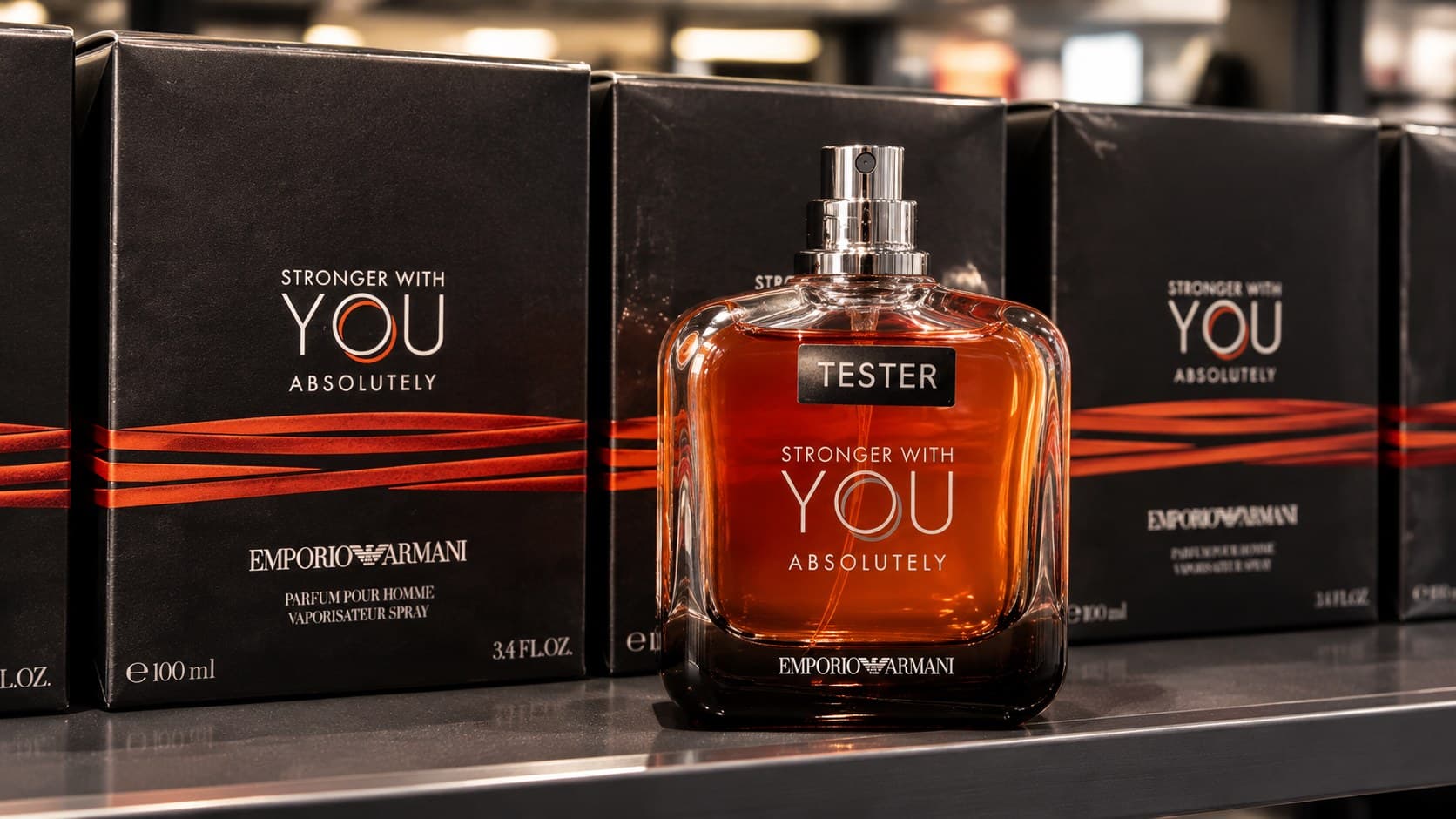
Walk into any perfume counter and try five scents in a row, and something strange happens: by the third or fourth spray, everything starts to smell the same. That fuzzy, indistinguishable feeling isn’t bad luck or a weak sense of smell. It’s a real, well-documented reaction called olfactory fatigue, and understanding how it works makes testing perfume far more accurate.
Why Your Nose Gets Tired When Testing Perfume
The nose gets tired because the brain filters out smells it has already registered, so it can pay attention to new information instead. This reaction is called olfactory fatigue, or “nose blindness,” and it happens to everyone, not just beginners. Smell receptors send signals to the brain, and when those receptors keep receiving the same signal over and over, the brain starts to tune it out the same way it tunes out a ticking clock or a humming fridge.
This isn’t a flaw. It’s a useful survival mechanism. A brain that reacted just as strongly to every smell all day would be overwhelmed by things like clothing, a home’s own scent, or morning coffee. The tradeoff is that this same filtering system kicks in the moment several perfumes get tested back to back, which is exactly why fragrance shopping gets harder the longer it goes on.
A more specific version of this, called self-adaptation, explains why a person often can’t smell their own perfume by midday even though people around them still can. The nose adapts strongly to whatever scent surrounds it continuously, while staying more sensitive to new, unfamiliar scents. That’s one reason skipping perfume or heavily scented lotion on days set aside for fragrance testing tends to produce clearer, more reliable results.
How Many Perfumes Should You Test at Once
Most people can accurately judge about three to five fragrances before the nose stops giving reliable results. Beyond that point, scents blend into a vague cloud instead of standing out as distinct smells. It isn’t a strict rule, but it’s a solid guideline for planning a store visit.
For an important decision, like a signature scent or a gift, narrowing the options down beforehand — using online reviews or listed notes — makes the actual store visit far more effective than sampling everything on the shelf in one sitting. Testing only a shortlist keeps the nose sharp for the fragrances that matter most.
Writing down or noting a quick word or two about each scent immediately after testing also helps, since scent memory fades almost as fast as the nose’s sensitivity does. Testing five fragrances in one trip without any notes makes it easy to forget which one had a citrus opening worth remembering versus one that felt too sweet, often leading to a second, unnecessary shopping trip just to re-test everything.
Where to Spray Perfume for an Accurate Test
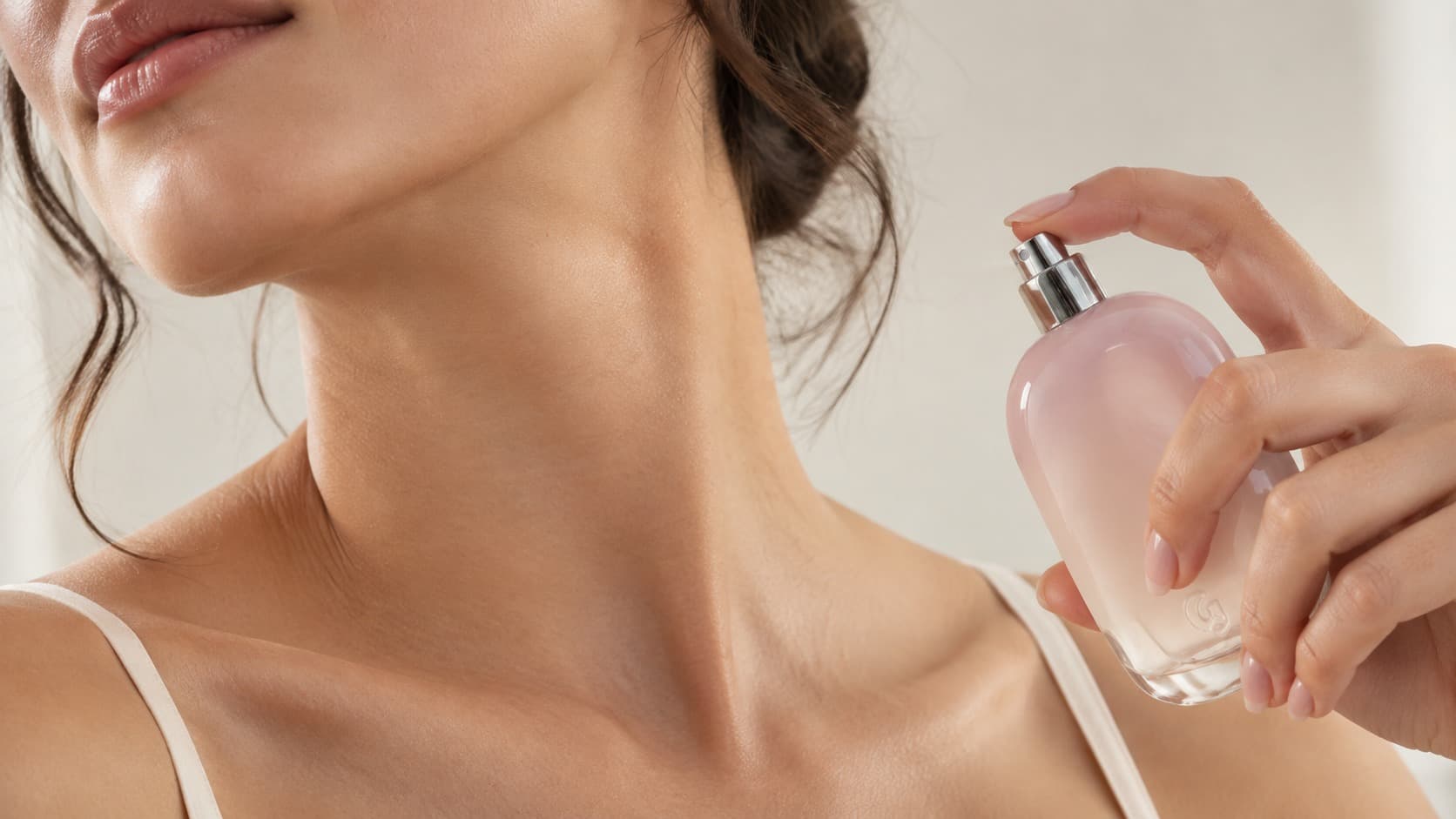
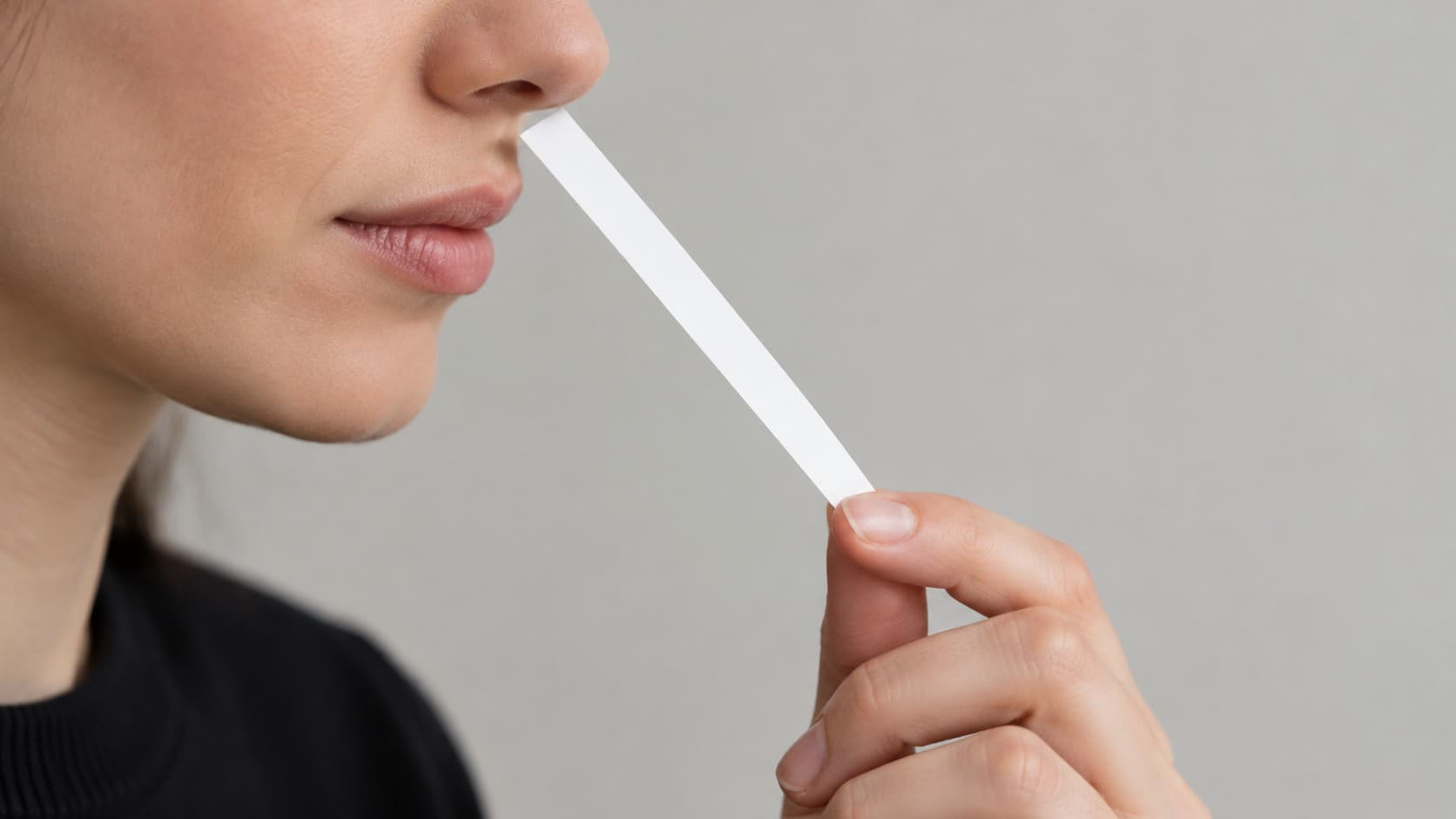
Perfume tested on skin, such as the wrist or the inside of the elbow, gives a more accurate impression than paper strips alone, since fragrance behaves differently on skin than on paper. Paper strips remain useful for a quick first impression, ruling scents out fast without committing them to skin. A fragrance only truly reveals itself on skin, though, where natural warmth and body chemistry interact with the oils in the perfume.
A few details affect accuracy at this stage:
- Spraying from about 5 to 7 centimeters away, rather than directly against the skin, gives a more even application.
- One test point per fragrance prevents scents from mixing on the same wrist.
- Different spots — one wrist, the other wrist, an elbow — keep several fragrances from blending into each other during a single visit.
- Rubbing the wrists together right after spraying is one habit worth breaking.
Rubbing doesn’t break down a fragrance on a chemical level, despite the popular belief. What actually happens is friction raising skin temperature, and warmer skin makes the lightest top-note molecules evaporate faster than intended. In practice, that means the opening of a fragrance can disappear before it’s properly registered, distorting the first impression. Letting a spray dry naturally on skin instead allows the scent to unfold the way the perfumer designed it.
Coffee Beans at Perfume Counters: Myth or Fact?
Coffee beans, a popular fixture at perfume counters, don’t meaningfully reset olfactory fatigue. Coffee is simply another strong smell, adding one more intense scent for an already-tired nose to process rather than clearing anything out. Fragrance experts increasingly treat the habit as a comforting ritual rather than an evidence-based fix.
A tired nose doesn’t need a stronger smell. It needs a break from smells altogether.
How to Actually Reset Your Sense of Smell
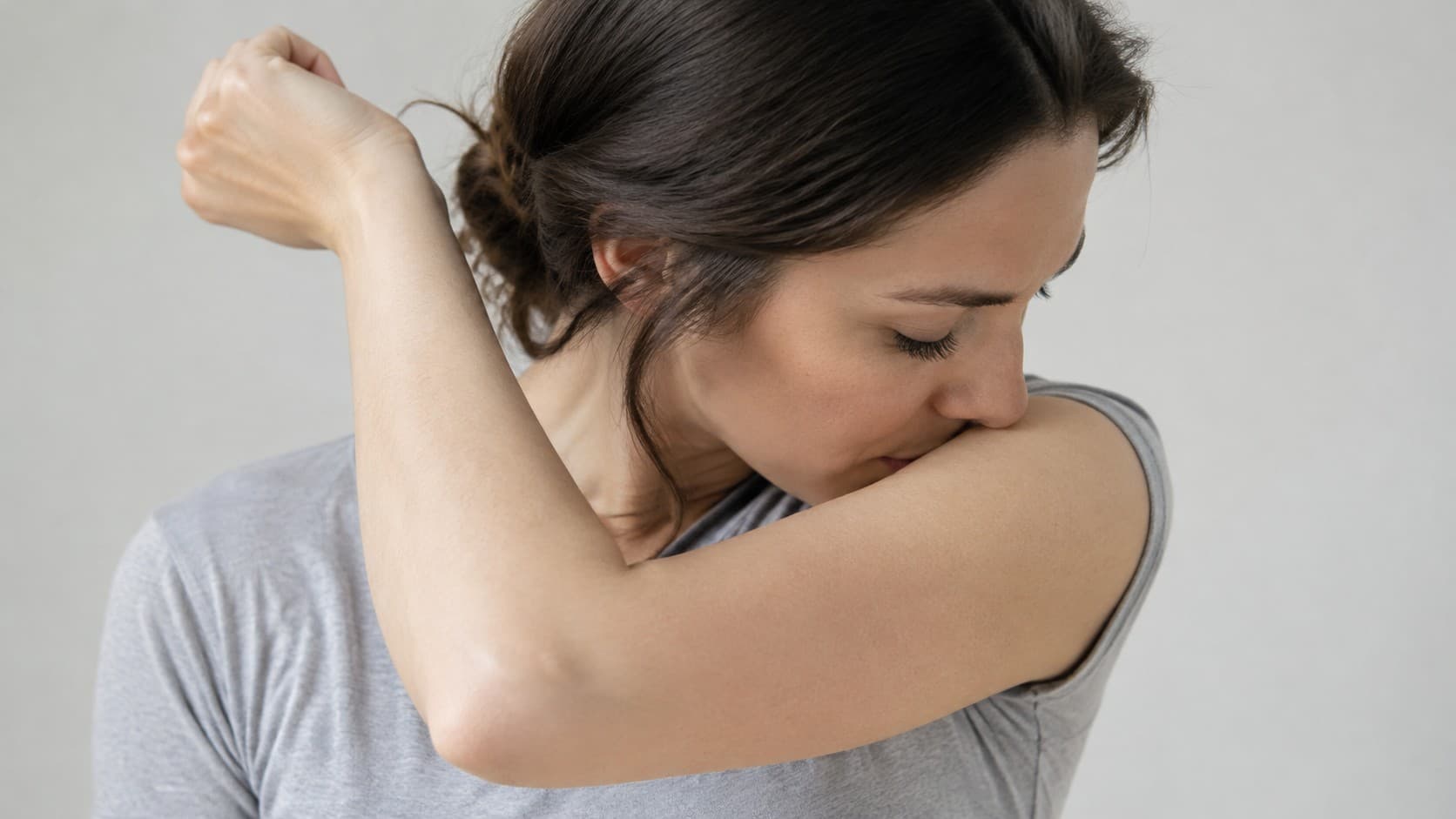
Fresh, neutral air is the most reliable way to reset a tired nose. Stepping outside, or simply moving away from a fragrance section for a few minutes, gives the smell receptors a genuine break from a constant stream of scent molecules. A short walk around the block or a few minutes near an open door can make a noticeable difference.
A few other techniques help as well:
- Smelling unscented skin, such as the inside of the elbow, provides a neutral baseline, since the brain already tunes out the body’s own natural scent.
- Staying hydrated keeps nasal passages working properly, and a sip of cold water offers a small, quick reset.
- A short break of two to five minutes restores basic sensitivity, though a longer break of ten to fifteen minutes works better after several fragrances in a row.
- Strong smells during a break, including scented lotion, cleaning products, or coffee, add to the overload rather than clearing it.
Why a Scented Store Makes Testing Harder
A heavily fragranced store speeds up olfactory fatigue before a single test spray even happens. Candle displays, scented diffusers near a counter, and lingering perfume from other customers all add to the same air being breathed, so the nose can already be partly worn down on arrival.
Testing away from the busiest, most heavily scented part of a counter, or visiting during quieter hours, reduces this effect. A well-ventilated space, with airflow near an entrance or an open door, also allows the nose to recover faster between tests than a small, closed-in area where scent has nowhere to go.
The Best Time of Day to Test Perfume
The sense of smell tends to be sharpest earlier in the day, before it’s worn down by meals, other scents, or general tiredness. Testing fragrance in the morning, on a relatively empty stomach, tends to produce the clearest results.
A big meal or general exhaustion right before testing can dull sensitivity noticeably. When fragrances start smelling muddled later in the day, that’s usually a sign to stop and return another time rather than push through and trust a judgment the nose can no longer back up.
Why You Should Wait Before Judging a Perfume
A perfume changes over time, so a single sniff right after spraying only tells part of the story. Fragrances are built in layers, often described as top, middle, and base notes, with each layer emerging at a different point as the perfume dries down on skin. A bright citrus or fruity opening can fade completely within half an hour, replaced by something warmer and entirely different.
A fair test allows at least 20 to 30 minutes before forming a real opinion, and ideally a few hours of actual wear. This is one more reason a shortlist beats a long list at the counter — five perfumes sprayed and abandoned within five minutes never get a real chance to show what they actually smell like.
How to Order Your Perfume Testing for Best Results
Lighter, fresher scents tested before heavier, stronger ones protect the nose from being overpowered too early. A rich oud or a sweet gourmand can dominate the senses far longer than a light citrus or a clean floral, making anything tested afterward seem muted by comparison.
| Testing order | Scent type | Reason |
|---|---|---|
| 1st | Citrus, fresh, aquatic | Lightest impact, easiest to move past |
| 2nd | Floral, green | Slightly stronger but still gentle |
| 3rd | Woody, spicy | Builds intensity gradually |
| 4th | Oud, gourmand, heavy amber | Strongest and longest-lasting |
Moving from lighter families to heavier ones, with breaks between each scent, gives every fragrance a fair chance to be judged on its own character instead of through the residue of whatever came before it.
Frequently Asked Questions
Is olfactory fatigue permanent or does it go away?
Olfactory fatigue is completely temporary. It’s the brain’s short-term response to repeated exposure, and the sense of smell returns to normal after a break from the scent, usually within minutes to a couple of hours depending on how much testing took place.
Can smelling too much perfume damage the nose?
No, normal fragrance testing causes no lasting damage to the sense of smell. Olfactory fatigue is a temporary, protective response rather than an injury, so there’s no risk of permanently dulling the nose through trying on perfume.
Why do all perfumes start smelling the same after a while?
This happens because olfactory receptors become overloaded and the brain starts filtering out the repeated signals. It’s a clear sign the nose needs a break, not evidence that the fragrances themselves are actually similar.
Should perfume be tested on paper or on skin?
Both have a place. Paper strips work well for a quick first impression and for narrowing down a long list, while skin testing gives a far more accurate picture, since body chemistry changes how a fragrance develops and smells over time.
How long should the gap be between testing different perfumes?
A gap of at least a few minutes between each fragrance makes a noticeable difference. A short break of two to five minutes helps restore basic sensitivity, while ten to fifteen minutes works better after several scents in a row.
The Bottom Line
Testing perfume well comes down to respecting how the nose actually works instead of fighting against it. A handful of fragrances per visit, proper application on skin, skipping the coffee beans, and real breaks with fresh air and water all protect accuracy far more than pushing through fatigue. Morning testing, a lighter-to-heavier order, and patience before judging any scent round out the approach. Followed together, these habits lead to a fragrance chosen clearly, rather than settled on because the nose simply gave up.