Perfume often smells strongest in the first few minutes after application, then fades noticeably by the middle of the day. That fade isn’t always a sign of a weak fragrance. A lot of it comes down to where on the body it’s sprayed. Skin temperature isn’t uniform, and fragrance behaves differently depending on the warmth, movement, and airflow at the spot chosen for application. Understanding a few basic rules about pulse points can get significantly more life out of a bottle of perfume, without using any more of it.
What Are Pulse Points?
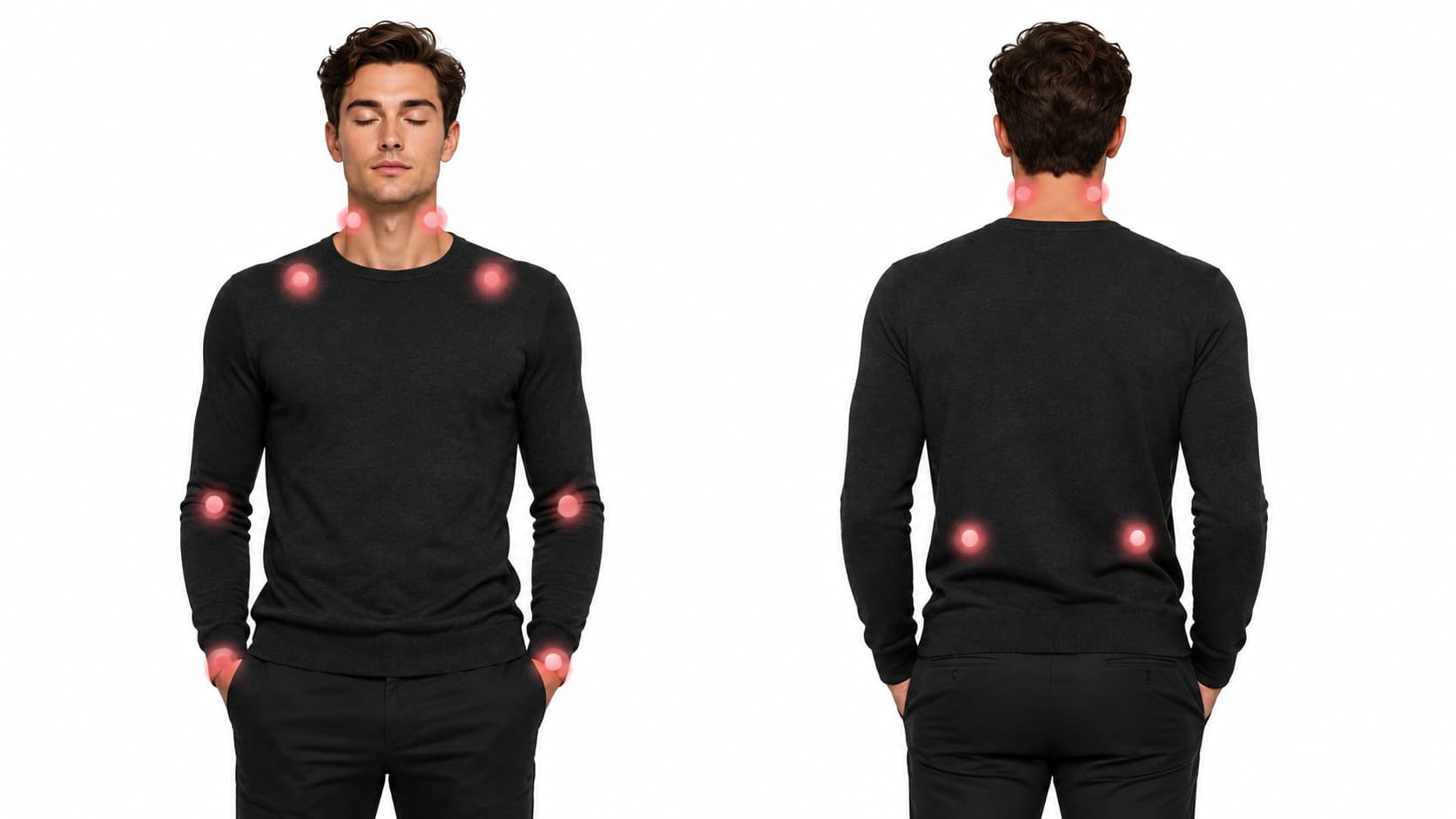
A pulse point is a spot on the body where a blood vessel runs close to the surface of the skin, which is why a heartbeat can be felt there with gentle pressure. Common examples include the wrists, the sides of the neck, and the inside of the elbows.
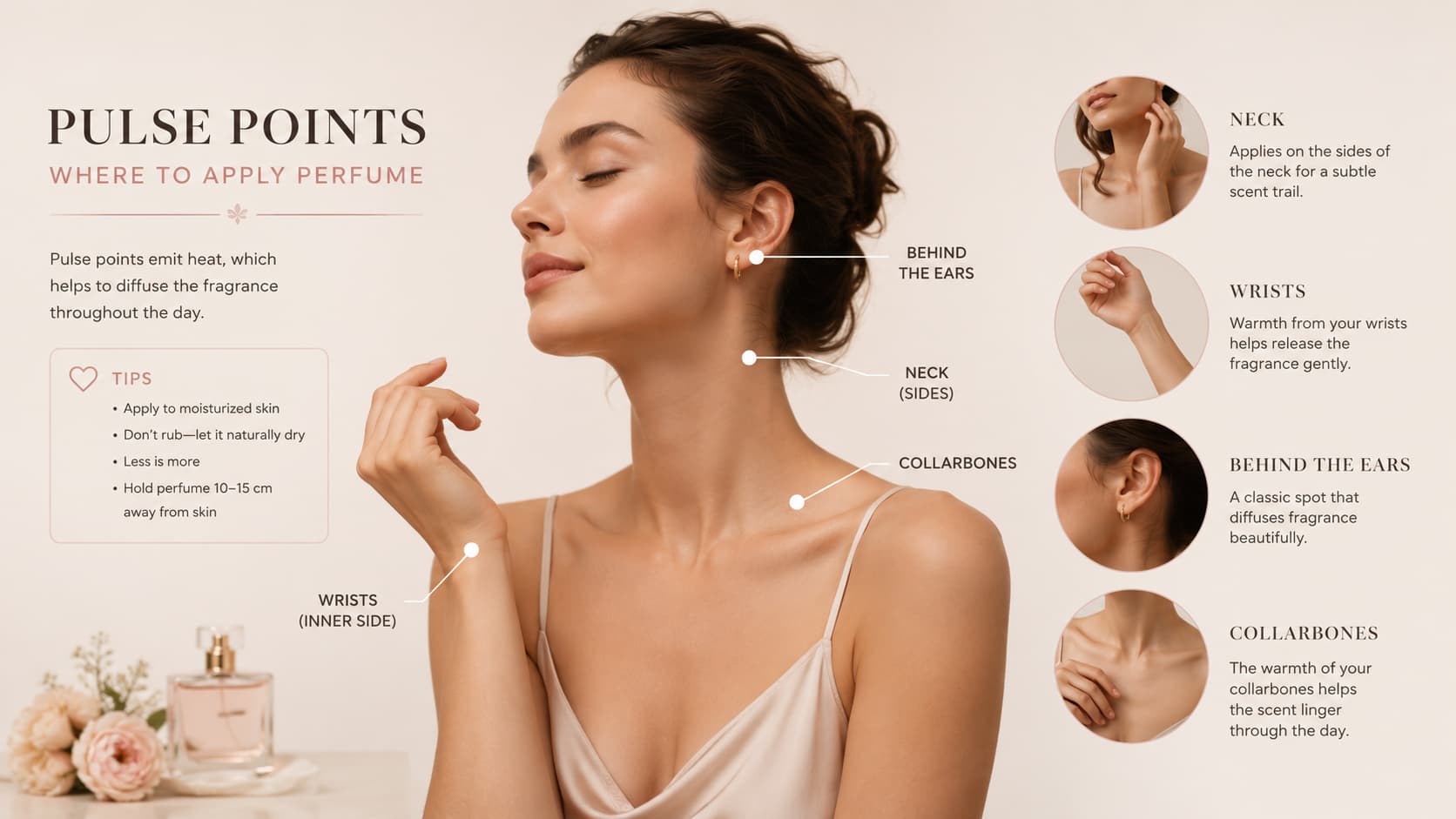
Because blood vessels sit so close to the surface at these spots, the skin there tends to run slightly warmer than skin elsewhere on the body. That warmth matters a lot for perfume. Fragrance is made of scent molecules that need heat to evaporate and disperse into the surrounding air, which is the only way a fragrance actually becomes noticeable. Perfume sprayed on a cooler, drier part of the body tends to sit on the skin instead of lifting off effectively. Applied to a warm pulse point, the scent releases steadily, developing over hours instead of fading within minutes.
Pulse points also affect how a fragrance evolves. Perfume is built in layers called top, middle, and base notes, and each layer needs a different amount of heat and time to show up. The bright, sharp top notes (often citrus or light florals) appear first and fade within the first half hour. The middle notes, sometimes called the heart, take over next and represent the main character of the scent. The base notes, usually woods, musks, or vanilla-type smells, are the slowest to develop and are what lingers hours later. Without enough warmth from a pulse point, some of those deeper base notes may never fully unfold, which is part of why a perfume can smell “flat” when it’s only sprayed on clothing or cooler skin.
Best Pulse Points to Apply Perfume
Wrists
The wrists are the most popular pulse point, and for good reason: they run warm, sit within easy reach, and stay in nearly constant motion throughout the day. Every gesture, keystroke, or scroll of a phone stirs the air around the wrists and carries the scent outward, a bit like a small fan.
One habit worth avoiding is rubbing the wrists together after spraying. Perfumers and fragrance experts commonly advise against it, arguing that the friction and heat can disrupt the lighter top notes and change how the scent was meant to develop. Not everyone agrees on how much difference it actually makes, but letting it air-dry undisturbed is the safer default and costs nothing to follow.
Neck
The sides of the neck sit close to major blood vessels and stay warm throughout the day, which is why perfume applied here tends to project outward and remain noticeable to people standing nearby. It’s also an area people naturally lean toward during a hug or close conversation, so it tends to leave a strong impression.
Spraying too close to the throat or directly under the chin is worth avoiding, since skin there can be more sensitive and jewelry or clothing may rub against it, causing irritation over time.
Behind the Ears
This is a classic spot for a reason. The skin behind the ears runs warm and is somewhat protected from wind and clothing, so scent tends to build there gently over the day rather than announcing itself all at once. It’s a good choice for a fragrance meant to feel personal and close, rather than one that fills a room the moment someone walks in.
Inner Elbows
The crease of the elbow, sometimes called the inner elbow or elbow bend, is one of the more overlooked pulse points, but it works well because it’s constantly moving. Each bend of the arm releases a little more fragrance into the air. It also tends to hold onto scent longer than more exposed areas like the wrists, since it’s partly shielded by a sleeve or the natural fold of the arm.
Behind the Knees
This one surprises a lot of people, but it’s a technique favored by fragrance enthusiasts who want scent to last without reapplying. Heat naturally rises, so perfume applied behind the knees slowly drifts upward over the course of the day, creating a soft trail of scent that renews itself with movement rather than fading all at once.
Chest
A small amount sprayed over the center of the chest, roughly where a necklace pendant would sit, is another option many people favor because it keeps the scent close and personal. It’s a subtler choice than the neck or wrists, since it’s usually covered by clothing, which helps trap and slowly release the fragrance rather than letting it disperse into open air.
Pulse Points Compared
Strength and character shift depending on which pulse point is used:
| Pulse Point | Scent Strength | Best For |
|---|---|---|
| Wrists | Strong, noticeable quickly | Everyday wear, easy touch-ups |
| Neck | Strong, projects outward | Making an impression, evenings out |
| Behind the Ears | Moderate, stays close | Subtle, personal scent |
| Inner Elbows | Moderate, releases with movement | Longer wear, protected from rubbing |
| Behind the Knees | Light, rises slowly over the day | All-day wear without reapplying |
| Chest | Light to moderate, stays contained | Understated, close-range scent |
Where Not to Apply Perfume
A few spots deserve caution rather than a spray. Perfume should never be applied near the eyes or directly onto mucous membranes, since alcohol in most fragrances can sting or irritate sensitive tissue. Broken, sunburned, or freshly shaved skin is also best avoided, as the alcohol content can cause stinging and irritation on skin that’s already compromised.
Light-colored or delicate fabrics like silk also call for caution, since a direct spray can leave a visible mark or, in rare cases, a stain that doesn’t come out. For scent on clothing, a light mist from a distance is safer than spraying point-blank onto fabric.
Tips for Applying Perfume Correctly
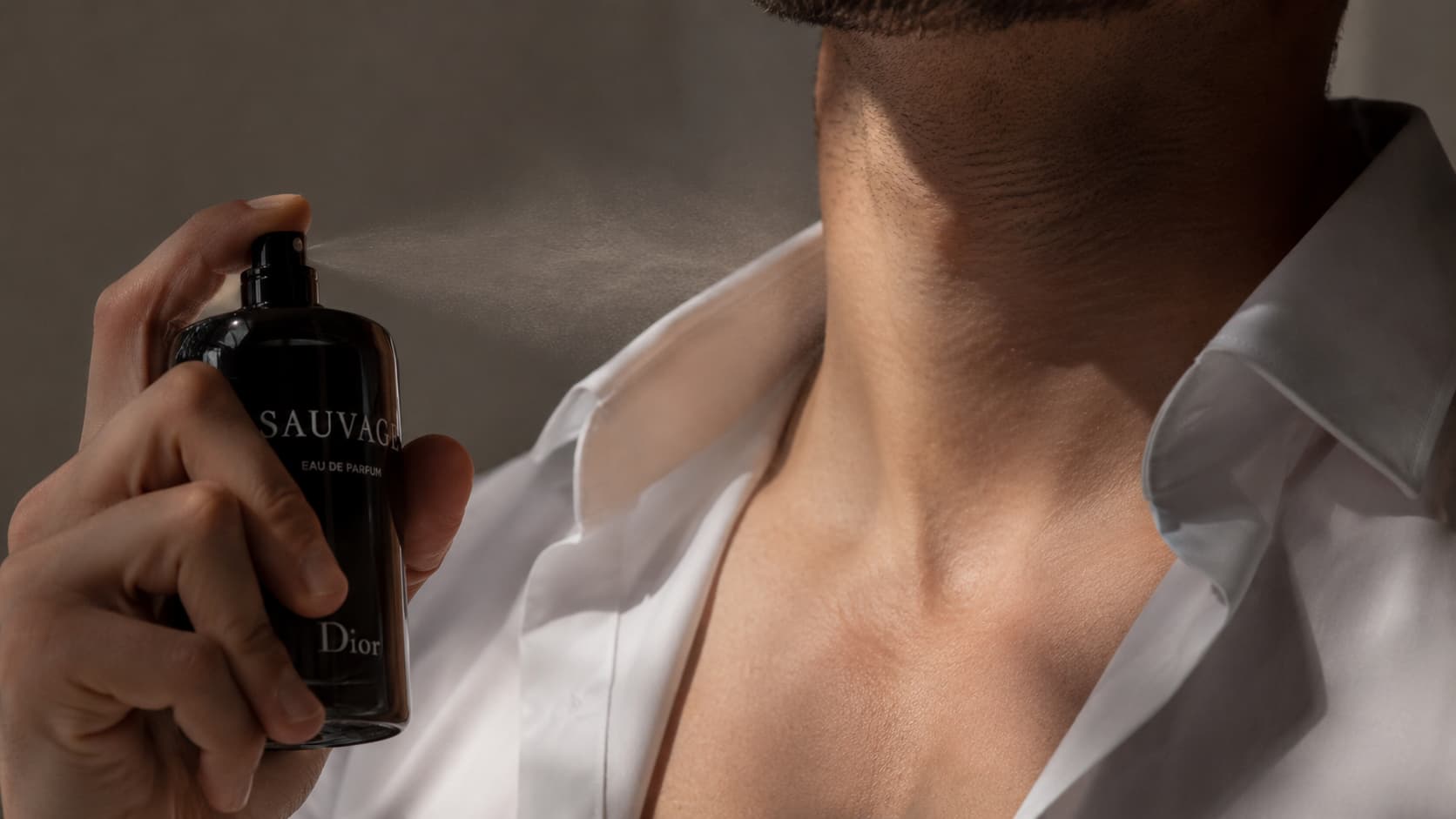
Knowing where to spray is only half the story. A few simple habits make a bigger difference in how long a perfume lasts than most people realize.
- Moisturize first. Dry skin doesn’t absorb or hold onto fragrance well, so scent fades faster on it. Perfume clings to the natural oils and hydration in the skin, which is why applying an unscented lotion first gives it something to hold onto.
- Spray from a short distance. Holding the bottle about 6 to 8 inches from the skin produces an even mist instead of one concentrated wet spot.
- Start small. One or two pulse points is usually plenty. More can always be added, but it can’t be taken back once it’s on.
- Let it dry naturally. Rubbing generates friction and heat that many perfumers say can disrupt the delicate top notes before they get a chance to develop properly, so it’s a habit worth skipping.
- Clothing and hair extend a fragrance too. A very light spritz on a scarf or on the ends of the hair (avoiding direct contact with colored or damaged hair) extends how long a scent remains noticeable throughout the day, since fabric and hair don’t process fragrance the way warm skin does.
- Layer with a matching, unscented, or complementary lotion. A fragrance-free or same-scent lotion applied before perfume gives the scent molecules something to cling to, which can meaningfully extend how long a fragrance lasts compared to spraying it directly on bare skin. A scented lotion should share a similar profile with the perfume (a vanilla lotion under a vanilla-based fragrance, for example) rather than clash with it.
- Jewelry goes on after perfume has dried, not before. Alcohol-based fragrances can dull certain finishes or affect softer gemstones over time if sprayed directly onto them, so applying perfume first and letting it settle for a minute or two before putting on rings, bracelets, or necklaces helps protect them.
- A few minutes should pass before judging the scent. Because top notes fade quickly and deeper notes take longer to appear, a perfume that seems weak or off right after applying it often smells completely different, and usually better, five to ten minutes later.
Does Perfume Type Matter by Pulse Point?
Not really, in the sense that any fragrance can technically go anywhere. But lighter, fresher scents like citrus or aquatic perfumes tend to show off best on pulse points with more airflow, like the wrists, since they’re designed to feel breezy and get noticed quickly. Heavier, richer scents with warm or woody notes often perform better on spots like the neck or chest, where the fragrance can build slowly and stay close throughout the day. This isn’t a strict rule, just a helpful starting point when experimenting with a new bottle.
Frequently Asked Questions
Why does my perfume smell different by the end of the day, or on different people?
Perfume is made up of layers called top, middle, and base notes, and they don’t all show up at once. The lighter top notes fade first, usually within the first 15 to 30 minutes, while the deeper middle and base notes take over as the day goes on, which is why a fragrance can smell noticeably different by evening than it did that morning. On top of that, skin’s natural oils, hydration level, and body chemistry all affect how those notes develop, which is exactly why the same perfume can smell different on two different people.
Is it bad to spray perfume directly on clothing instead of skin?
It’s not bad, but it changes how the scent behaves. Fabric doesn’t have body heat to help release the fragrance, so it tends to hold the scent longer in one static form rather than letting it evolve the way it would on skin. It can also leave marks on light-colored or delicate fabrics, so it’s worth testing on an inconspicuous spot first.
How many sprays of perfume is too many?
For most fragrances, two to three sprays on one or two pulse points is enough for all-day wear. Perfume concentration varies a lot between an eau de toilette and a stronger eau de parfum, so a good rule of thumb is to start light and add more only if the scent is no longer detectable after a few minutes.
Should I reapply perfume during the day?
For a fragrance to last through a long day or evening, a small touch-up on one pulse point, such as the wrist or neck, is usually enough. Less product is typically needed for a touch-up than for the first application, since it’s simply topping up a scent that hasn’t fully disappeared.
Does hot weather affect how perfume smells or lasts?
Yes. Heat speeds up how fast scent molecules evaporate, so on a hot day or in a warm room, perfume can smell stronger at first but also burn off faster than it would in cooler weather. In summer, many people find it helpful to apply slightly less perfume and reapply once midday rather than spraying heavily in the morning.
Conclusion
Where perfume is applied genuinely changes how it performs, not just how strong it smells at first, but how it develops and how long it lingers throughout the day. The wrists and neck remain the easy, reliable choices, while spots like behind the knees or the inner elbow are worth trying for a softer, longer-lasting trail. Pairing smart placement with simple habits like moisturizing first and letting the scent dry naturally gets noticeably more out of every bottle, without needing to use any more of it.