Most people can name a smell that instantly makes them think of someone else — a grandmother’s perfume, a dad’s aftershave, a friend who always smells the same way no matter where you run into them. That smell is a signature scent, and it works almost like an invisible name tag. It’s one of the few things about a person that can be recognized before they even say a word or walk fully into the room, which is part of why people put real thought into picking one instead of just grabbing whatever smells nice in the store that day.
What Is a Signature Scent?
A signature scent is a fragrance worn regularly enough that it becomes linked to a specific person in other people’s minds. It isn’t about owning one “correct” perfume forever — it’s about consistency. Wearing the same scent often trains the brain, both the wearer’s and everyone else’s, to file that smell under a particular name.
Smell is tied to memory more strongly than any other sense, and there’s an actual biological reason for that. Sight, sound, and touch all get routed through a part of the brain called the thalamus before they reach the areas that handle memory and emotion. Smell skips that step entirely — signals from the nose travel almost directly into the amygdala and hippocampus, the brain’s emotion and memory centers. That shortcut is why one whiff of something can pull up a whole memory before the smell has even been consciously identified. Researchers call this the Proust effect, named after the French writer Marcel Proust, who described how the smell and taste of a tea-soaked cookie instantly transported him back to his childhood.
A signature scent uses that shortcut on purpose. Instead of a memory forming by accident, the wearer decides in advance what memory to build in other people’s heads, every time they’re nearby. It’s also why a scent can outlast almost everything else about an encounter — details like what was said or how someone looked can fade, but the smell tends to stick.
This doesn’t mean settling on one bottle for life. Plenty of people have a “signature” for daytime and a different one for evenings, or they switch it up between seasons. The word “signature” just means it’s personal — chosen on purpose, worn on purpose, and recognizable.
Why a Signature Scent Matters
It works well precisely because most people don’t build a signature scent on purpose. Clothing, hairstyles, and voices are things everyone consciously curates, so they don’t stand out as much on their own — everyone’s already paying attention to those. Scent is quieter and easier to overlook, which is exactly why it registers more deeply when someone does pick up on it. It’s the kind of detail that gets noticed without anyone being able to explain why.
That quiet quality is also what makes it so portable. A signature scent doesn’t need the wearer in the room to do its job — someone catches a trace of it on a stranger in an elevator or a jacket left on a chair, and the association fires anyway. No other part of personal presentation works quite like that.
Why Perfume Smells Different Hours Later
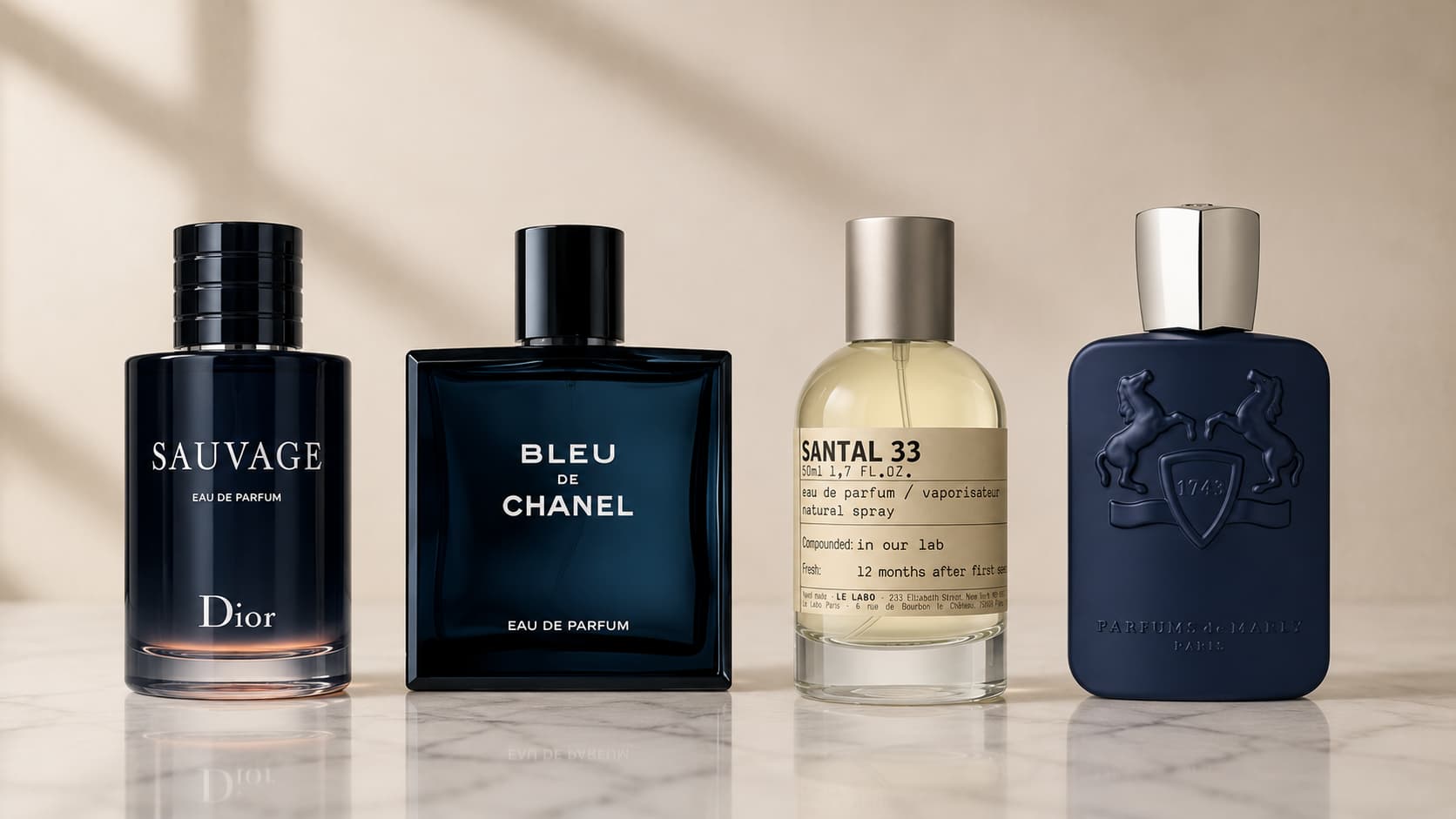
Every perfume is built from layers called notes, and understanding them makes it much easier to pick a scent that actually holds up over time, not just one that smelled good in the first ten seconds in a store.
Perfume doesn’t smell the same the whole time it’s being worn. It changes in three stages:
- Top notes — the first smell that comes through, usually light things like citrus, mint, or light florals. These show up immediately but fade within about 15–30 minutes.
- Middle notes (also called heart notes) — the main personality of the fragrance, often floral, spicy, or fruity. These take over once the top notes fade and can last a few hours.
- Base notes — the deep, long-lasting part, usually things like vanilla, wood, musk, or amber. These stick around the longest, sometimes for many hours after application.
A common mistake is judging a perfume only by how it smells the moment it’s sprayed. That’s just the top note talking. The real test of whether a scent is “you” is how it smells an hour later, once the middle and base notes have had time to show up.
The reason notes appear in this order comes down to basic chemistry, not design choice. Lighter, smaller fragrance molecules — like the ones in citrus oils — evaporate off skin almost immediately, which is why top notes are so fleeting. Heavier molecules, like the ones found in musk, sandalwood, or amber, take much longer to turn into vapor, so they hang around long after the lighter stuff has burned off. A perfumer is essentially building a fragrance in layers of weight, timing it so something new keeps appearing right as the previous layer fades out.
How Perfume Concentration Affects Longevity
The words on the bottle — Eau de Cologne, Eau de Toilette, Eau de Parfum, Parfum — describe how strong and long-lasting the scent is, and picking the right strength matters just as much as picking the right smell.
These labels refer to how much actual fragrance oil is mixed into the bottle, with the rest being alcohol and water:
| Type | Approx. Fragrance Oil | Typical Wear Time |
|---|---|---|
| Eau de Cologne (EDC) | 2–5% | 2–4 hours |
| Eau de Toilette (EDT) | 5–15% | 3–5 hours |
| Eau de Parfum (EDP) | 15–20% | 6–8 hours |
| Parfum / Extrait | 20–30%+ | 8+ hours |
Higher concentration doesn’t automatically mean “better” — it means stronger and longer-lasting, which isn’t always ideal for every setting. An Eau de Toilette can be perfect for the office or hot weather because it’s lighter and less likely to overwhelm people nearby, while a Parfum makes more sense for an evening out, where the scent needs to stay noticeable for hours.
Two related terms often get confused: projection and sillage (pronounced see-yazh, from the French word for a boat’s wake). Projection is how far a scent radiates from the skin while standing still — basically the size of the scent “bubble” around a person. Sillage is different: it’s the trail a fragrance leaves behind as someone moves through a room, the reason a lingering hint of perfume can still be caught in a space minutes after the wearer has left it. A perfume can have strong projection but weak sillage, or the other way around — concentration affects both, but it doesn’t guarantee either one.
A Simple Way to Choose a Signature Scent
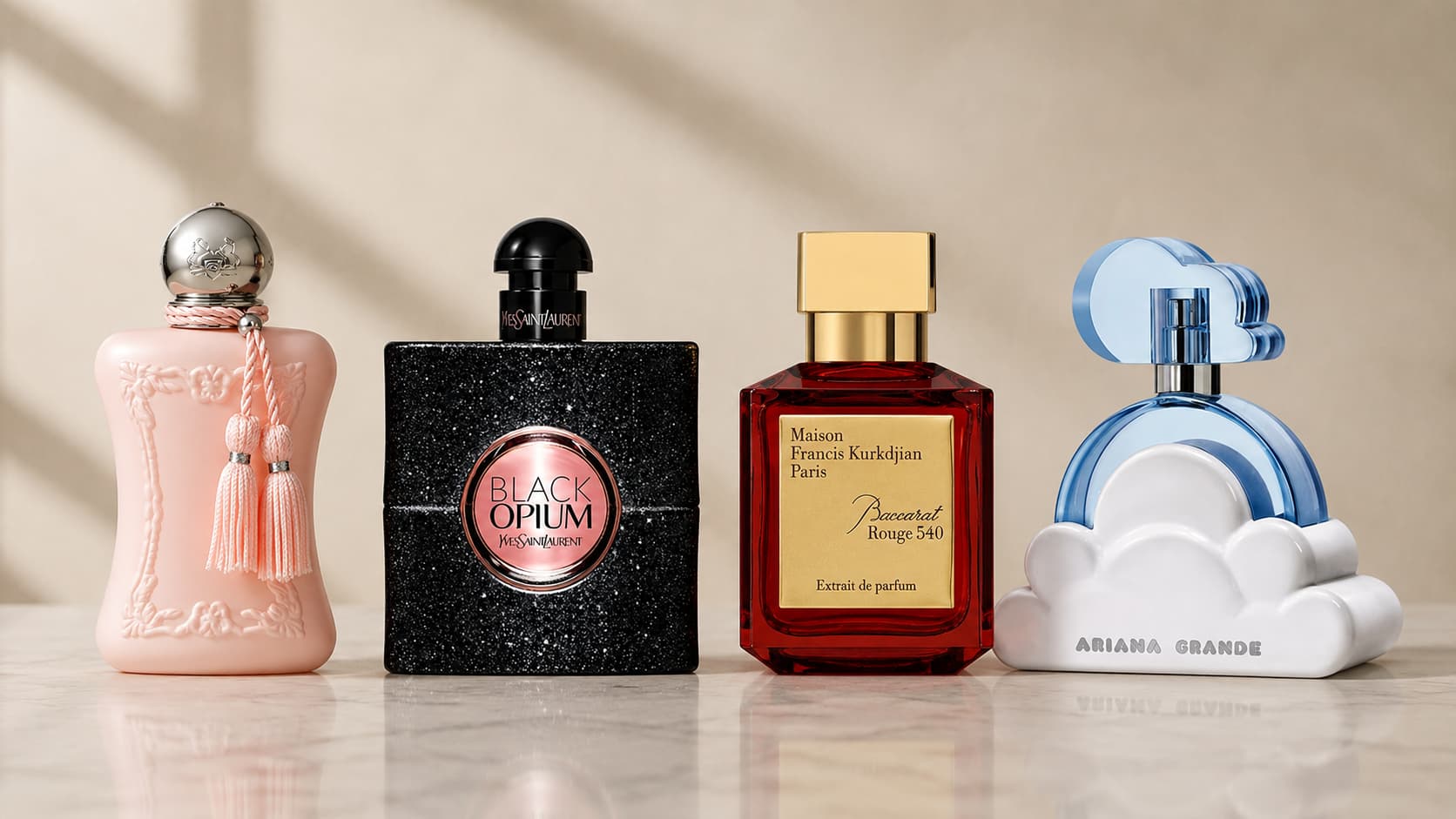
Finding a signature scent comes down to narrowing things down by scent family first, then testing properly on the skin instead of trusting a nose that’s already smelled twenty bottles in a row.
-
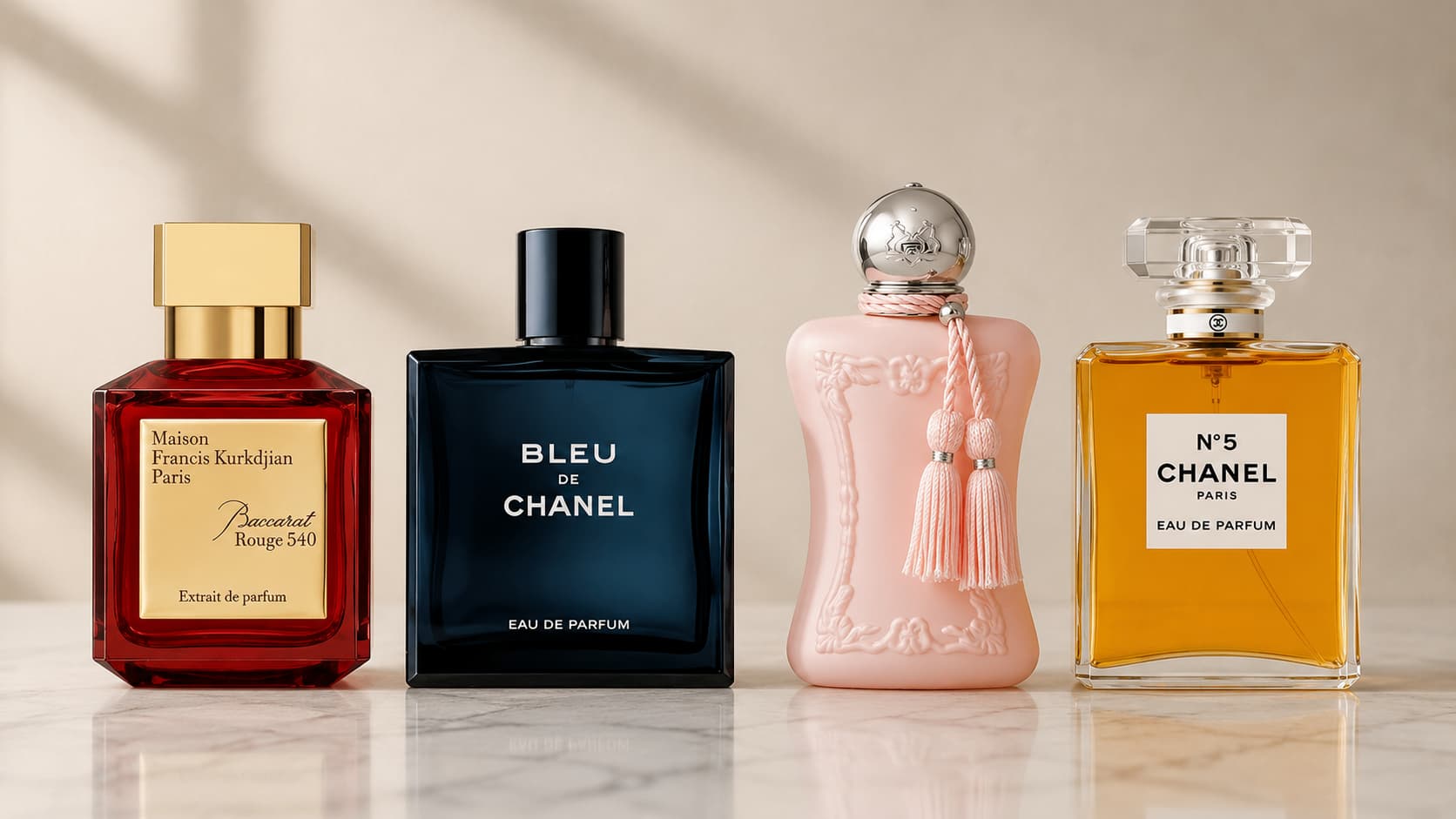
Start with scent families, not individual perfumes. Most fragrances fall into a few broad categories:
- Floral — built around flowers like rose, jasmine, or lily, often soft and romantic.
- Fresh/citrus — light, clean, and zesty, built on notes like lemon, bergamot, or grapefruit.
- Woody — warm and grounded, leaning on notes like sandalwood, cedar, or vetiver.
- Oriental (amber) — rich and warm, often built on vanilla, spice, or resin.
- Gourmand — sweet and dessert-like, think vanilla, caramel, or chocolate notes.
Smelling a handful from each family quickly reveals which direction feels right, long before falling in love with one specific bottle.
-
Test it on skin, not just a paper strip. Perfume reacts with the body’s natural oils and warmth, so the same scent can smell noticeably different on two different people. Testers on paper are useful for a first sniff, but the real test only happens on skin.
-
Wait it out. Give it at least 30 minutes to an hour before deciding. That first blast of top notes fades fast, and what’s really being judged is how it smells once the middle and base notes settle in.
-
Avoid testing more than three scents in one trip. The nose gets tired fast and starts blending everything together. Smelling coffee beans (or a sleeve of clothing) between fragrances helps reset the sense of smell.
-
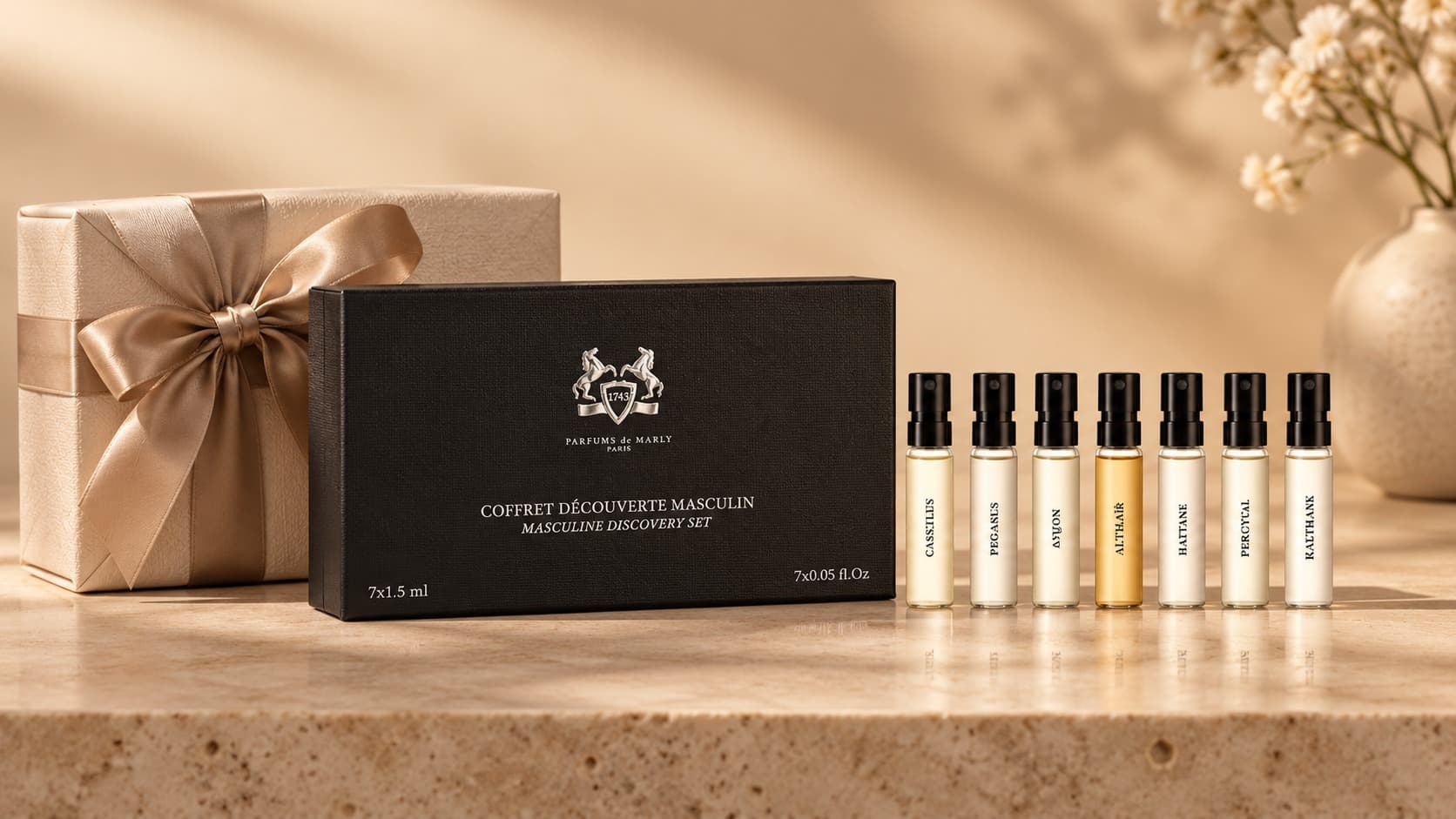
Live with it before committing. Wearing a sample for a full day — through work, errands, maybe a workout — reveals far more than a quick test in a store ever could. A scent that’s perfect for a quiet afternoon can feel completely wrong by evening.
Landing on something that keeps getting reached for without a second thought is usually the sign it’s been found.
Tips for Making a Scent Last Longer
Even the right scent can underperform if it’s applied the wrong way. Perfume develops best on pulse points — the wrists, neck, and behind the ears — because the extra body heat in those spots helps the fragrance open up and release its notes more fully. A common habit worth dropping is rubbing the wrists together after spraying; it feels natural, but the friction breaks down the top notes faster and can throw off how the fragrance is meant to unfold. Two to four sprays is usually plenty for an Eau de Parfum, spaced out rather than layered on one spot, so the scent develops evenly instead of turning into one overwhelming cloud.
Frequently Asked Questions
Do I need to wear the same perfume every single day?
No. A signature scent is about a fragrance being consistently associated with one person, but plenty of people rotate between two or three go-to scents — one for daytime, one for evenings, maybe one for warmer months. What matters is not switching so often that nothing has a chance to become recognizable.
Why does my perfume smell different than it does on my friend?
Skin’s natural oils, pH, and even diet and body temperature affect how a fragrance develops. That’s why two people can spray the exact same bottle and end up smelling noticeably different — the perfume is reacting with each person’s individual skin chemistry, not just sitting on top of it.
How long should one bottle of perfume last before it goes bad?
Most perfumes stay good for 3 to 5 years if stored properly, though this varies by formula. Heat, sunlight, and air are the main things that break fragrances down faster, so keeping a bottle in a cool, dark place — away from a bathroom shelf that gets steamy — will help it last closer to its full lifespan.
Is it true that you stop being able to smell your own perfume?
Yes, this is a real phenomenon called olfactory fatigue, or “nose blindness.” The brain gets used to a smell it’s exposed to constantly and starts tuning it out to make room for new smells. It doesn’t mean the perfume has faded — other people can usually still smell it clearly even after the wearer can’t.
Can two people wear the same signature scent?
Sure, and it happens often, especially with popular fragrances. It won’t smell identical on both people because of the skin chemistry difference mentioned above, and even if it did, a “signature” scent is really about personal consistency and how people connect it to one specific person, not about owning something no one else has ever worn.
Conclusion
A signature scent isn’t a single magic bottle waiting to be found on the first try — it’s the result of understanding how notes unfold, picking the right concentration for the way it’s actually going to be worn, and testing properly on skin instead of trusting a quick sniff off a paper strip. Once that process leads to something worth reaching for without a second thought, it starts doing its job quietly: people will catch it on someone else in passing and think of its owner before they even realize why.