
Walk into any perfume shop and you’ll see hundreds of bottles, all promising to smell amazing. It can feel impossible to know where to even start. That’s exactly why perfume experts came up with fragrance families: a simple way of sorting every scent on earth into just a few main groups based on what they actually smell like. Once you know your family, shopping for a new scent stops being a guessing game and starts being something you can actually plan.
What Are Fragrance Families?
Fragrance families are groups that perfumes get sorted into based on their main smell. Instead of hundreds of random bottles, perfumes fall into just a handful of categories like floral, woody, fresh, or oriental (also called amber).
Think of it like sorting fruit at a grocery store. You don’t need a different bin for every single apple variety — you just need one bin for apples, one for oranges, and one for berries. Perfume works the same way. A perfumer, who is basically a scientist and an artist mixed together, blends dozens of natural and man-made scents into one bottle. But no matter how many ingredients go in, the final smell usually leans strongly toward one main character. That main character is the family.
Michael Edwards, a fragrance historian and taxonomist, had spent years cataloguing perfumes for the retail industry before he introduced the Fragrance Wheel in 1992. It’s a circular chart that shows how each family connects to the ones next to it. Perfume stores, online shops, and even the people who mix perfumes still use his wheel today because it turns something as invisible as smell into something you can actually see and understand.
It helps to know that “family” and “notes” aren’t the same thing, even though people mix them up all the time. A note is a single ingredient you can smell, like vanilla or lemon, while the family is the overall vibe those notes create once they’re blended together. So a perfume can have a citrus note in its opening and still belong to the floral family overall — the family describes the big picture, not any one ingredient.
The 4 Main Types of Fragrance Families
Almost every perfume in the world fits into one of four big families: floral, woody, oriental (amber), and fresh. Each one has a totally different personality, and most people naturally gravitate toward one or two of them without even realizing it. The differences stand out clearly when compared side by side.
| Family | Smells Like | Best For |
|---|---|---|
| Floral | Fresh-cut flowers, roses, jasmine | Daytime, spring, weddings |
| Woody | Sandalwood, cedar, earthy warmth | Evenings, fall and winter |
| Oriental (Amber) | Vanilla, spices, warm resin | Cold weather, nighttime |
| Fresh | Citrus, ocean air, clean laundry | Summer, everyday wear |
Floral
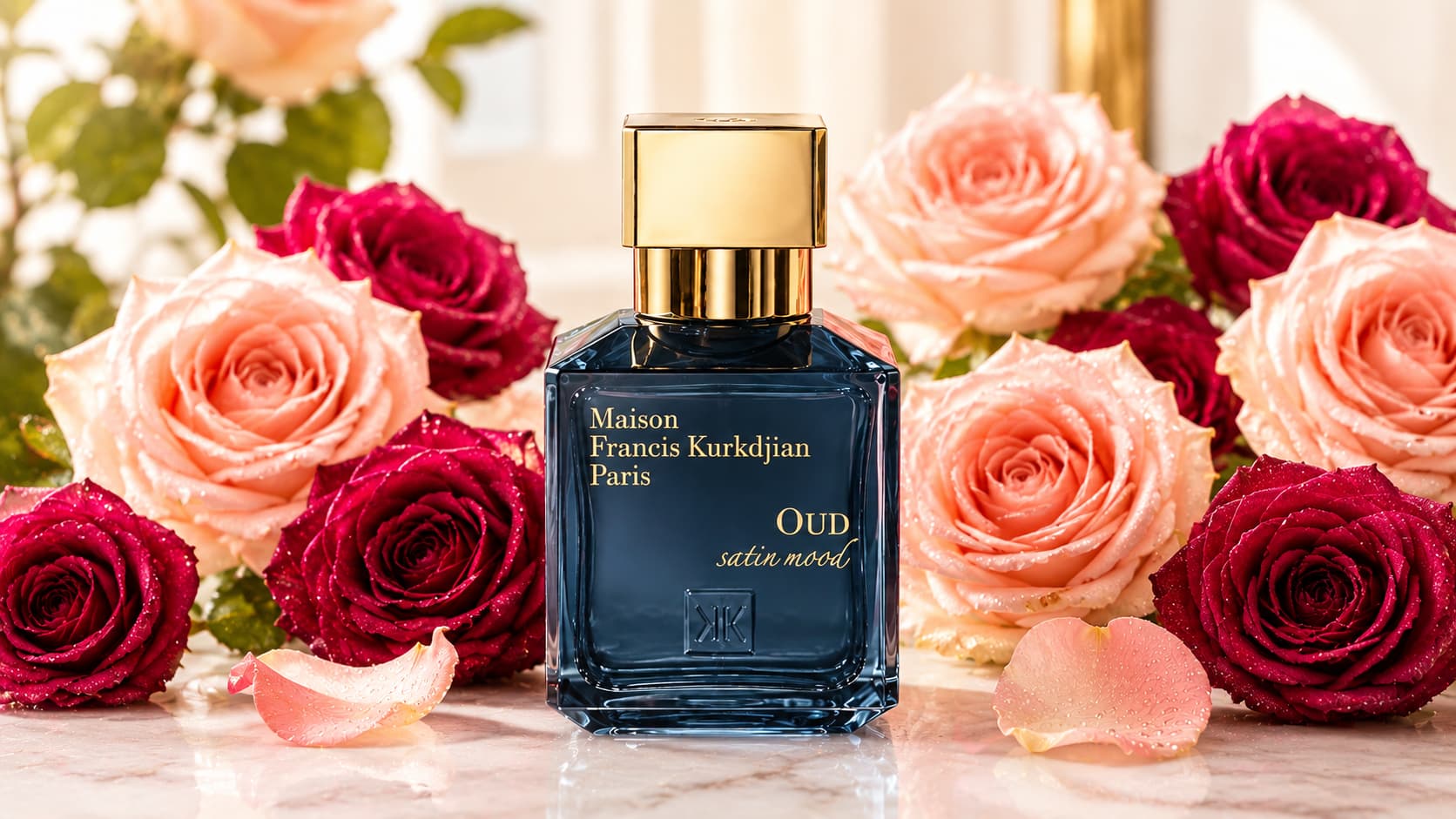
Floral fragrances smell like an actual bouquet of flowers, and they’re the largest and most popular family in the entire perfume world. Common flowers used include rose, jasmine, lily, and violet, sometimes blended together and sometimes left mostly alone so one flower can shine.
Florals tend to feel soft, romantic, and a little bit sweet, which is why they’re such a common choice for daytime wear, weddings, and spring or summer. Inside the floral family there are smaller groups too, like “soft floral,” which adds a powdery feel, “green floral,” which mixes flowers with the sharp smell of crushed leaves or stems, and “floral oriental,” which mixes flowers with warm spices for something a bit richer.
Rose and jasmine show up in floral perfumes more than almost any other ingredient, partly because they smell great on their own and partly because they blend so easily with other notes. That’s why you’ll often see them listed as the “heart” of a floral perfume, meaning they’re the note you notice most once the very first spritz fades.
Woody

Woody fragrances smell earthy, warm, and grounded, built around real materials like sandalwood, cedarwood, and patchouli. If floral smells like a flower garden, woody smells more like walking through a forest after it rains.
This family used to be marketed almost only to men, but that’s changed a lot in recent years — plenty of woody perfumes today are made for women or designed to be worn by anyone. Woody scents are popular in cooler months and evenings because their warmth feels cozy rather than overwhelming, and they tend to last a long time on skin.
The woody family also splits into smaller groups: “mossy woods” pairs woody notes with damp, green, forest-floor smells, while “dry woods” leans into sharper, smokier materials like vetiver or dry cedar. Because wood-based ingredients are naturally heavy and don’t evaporate quickly, woody perfumes are often used as the base note in fragrances from other families too, quietly supporting a floral or fresh scent from underneath.
Oriental (Amber)
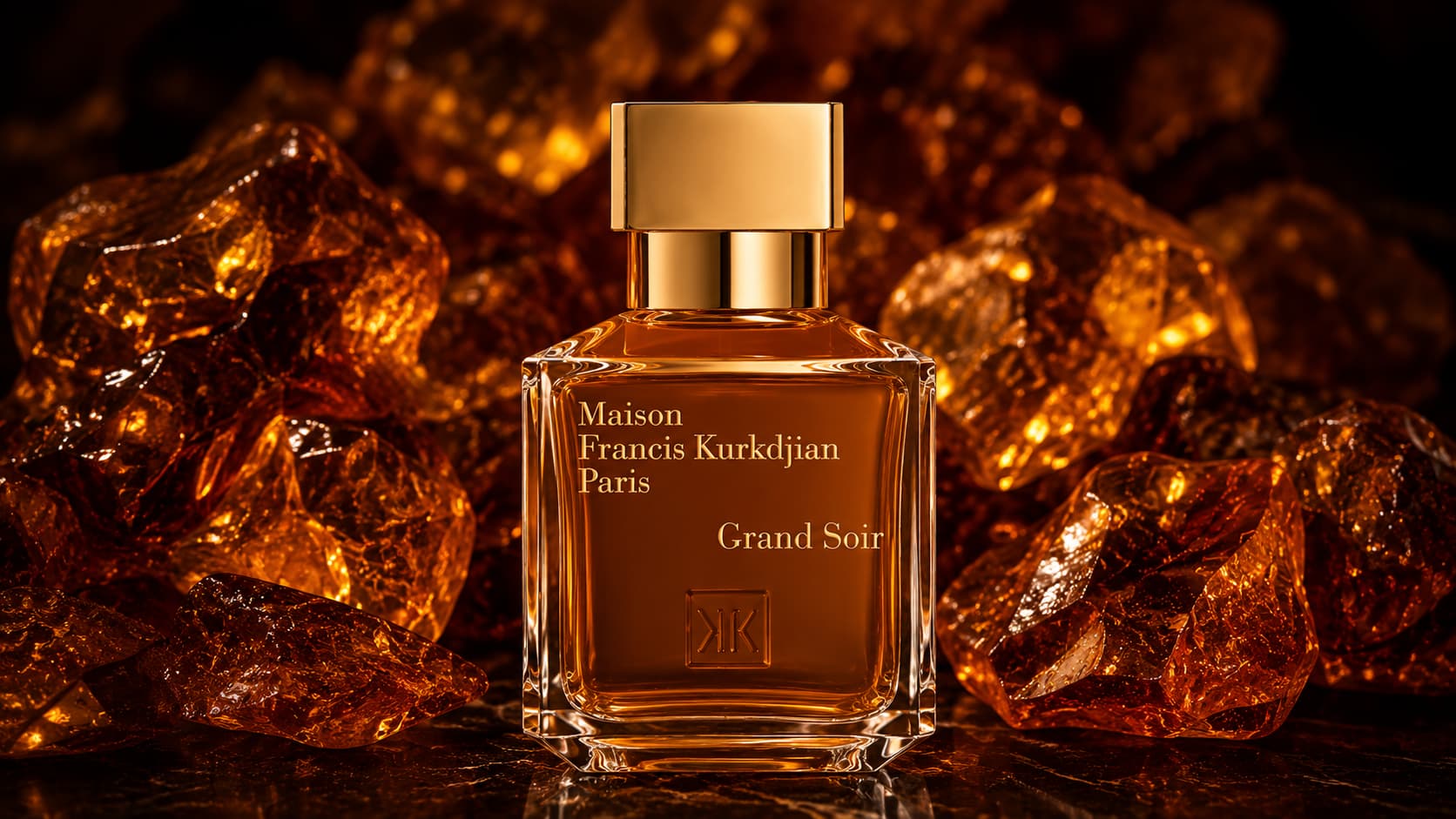
Oriental fragrances, which the industry now often calls “amber” instead, are the richest and most dramatic family. They’re built around warm, sweet ingredients like vanilla, cinnamon, and what perfumers call an amber accord — a blend of resins such as labdanum and benzoin that’s built to smell warm and glowing, despite not actually being made from real amber resin or the fossilized gemstone that shares its name.
Amber fragrances were some of the very first perfumes ever made, used thousands of years ago in religious ceremonies in places like ancient Egypt and Persia.
Because they feel so bold and cozy, oriental scents are usually saved for evening events or colder seasons, when a lighter, fresher perfume might get lost in heavy clothing or cold air.
There are lighter and heavier versions within the family too. “Soft oriental” blends florals with a gentle touch of incense and spice, making it easier to wear during the day, while “woody oriental” pushes further into earthy patchouli and sandalwood territory for something even deeper and more intense.
Fresh
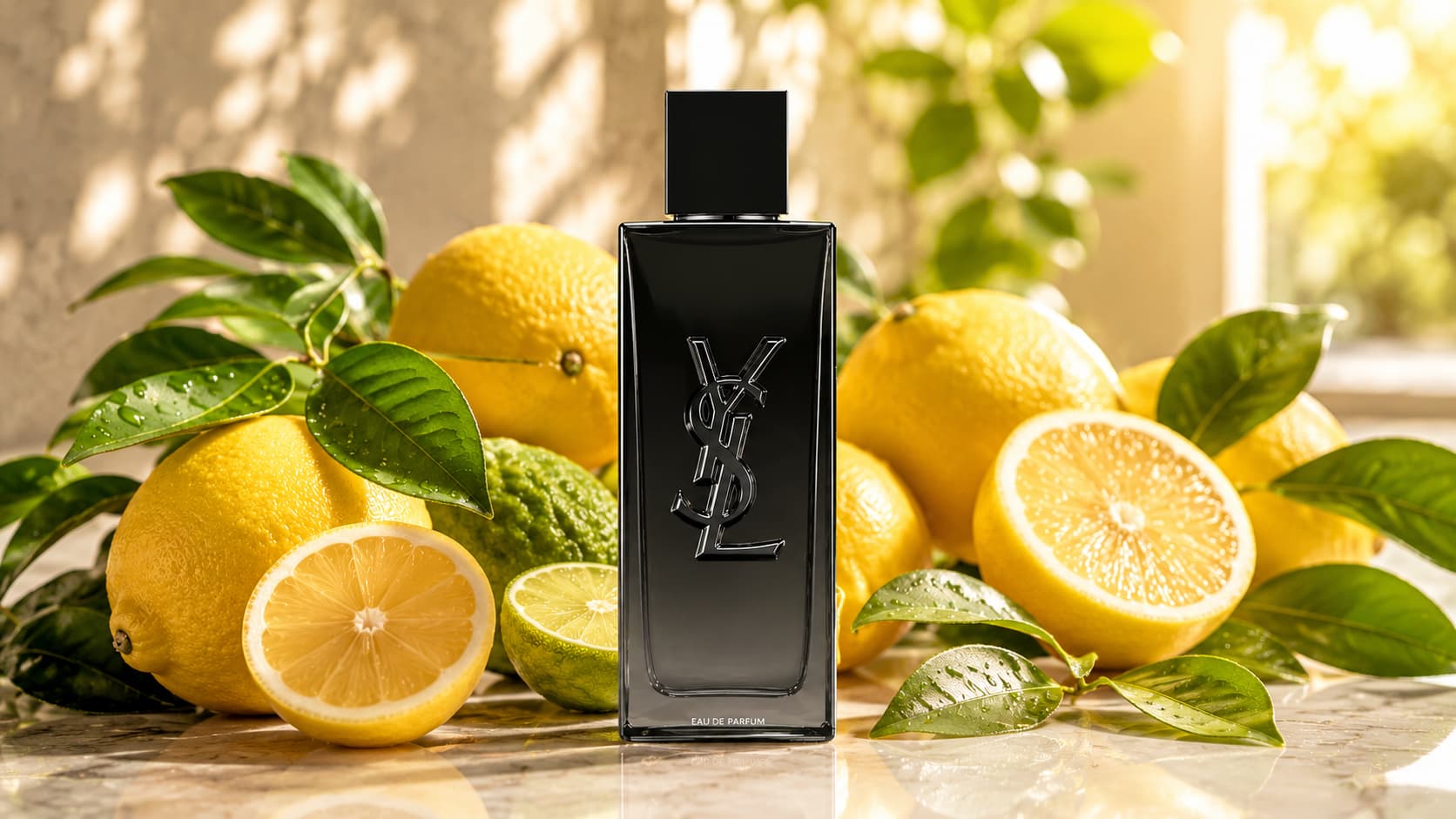
Fresh fragrances are exactly what they sound like: clean, crisp, and energizing. This family includes citrus scents like lemon and bergamot, “green” scents that smell like cut grass, and “aquatic” scents that smell like ocean air or rain.
Fresh perfumes are the easiest family to wear almost anywhere, which is why they’re so common in everyday and office-friendly fragrances. They don’t usually last as long on the skin as woody or oriental scents do, but that lighter presence is exactly what makes them so easy to reach for every single day.
Within fresh, “citrus” is the zesty, tangy end built from lemon, mandarin, or grapefruit, while “aromatic” fresh scents lean on herbs like lavender or rosemary paired with a bit of wood underneath. “Water,” sometimes called aquatic, is the newest addition to the family — it’s built to smell like sea spray or rain and became especially popular once perfumers figured out how to recreate that ocean-air smell in a lab during the 1990s.
Are There More Than Four Fragrance Families?
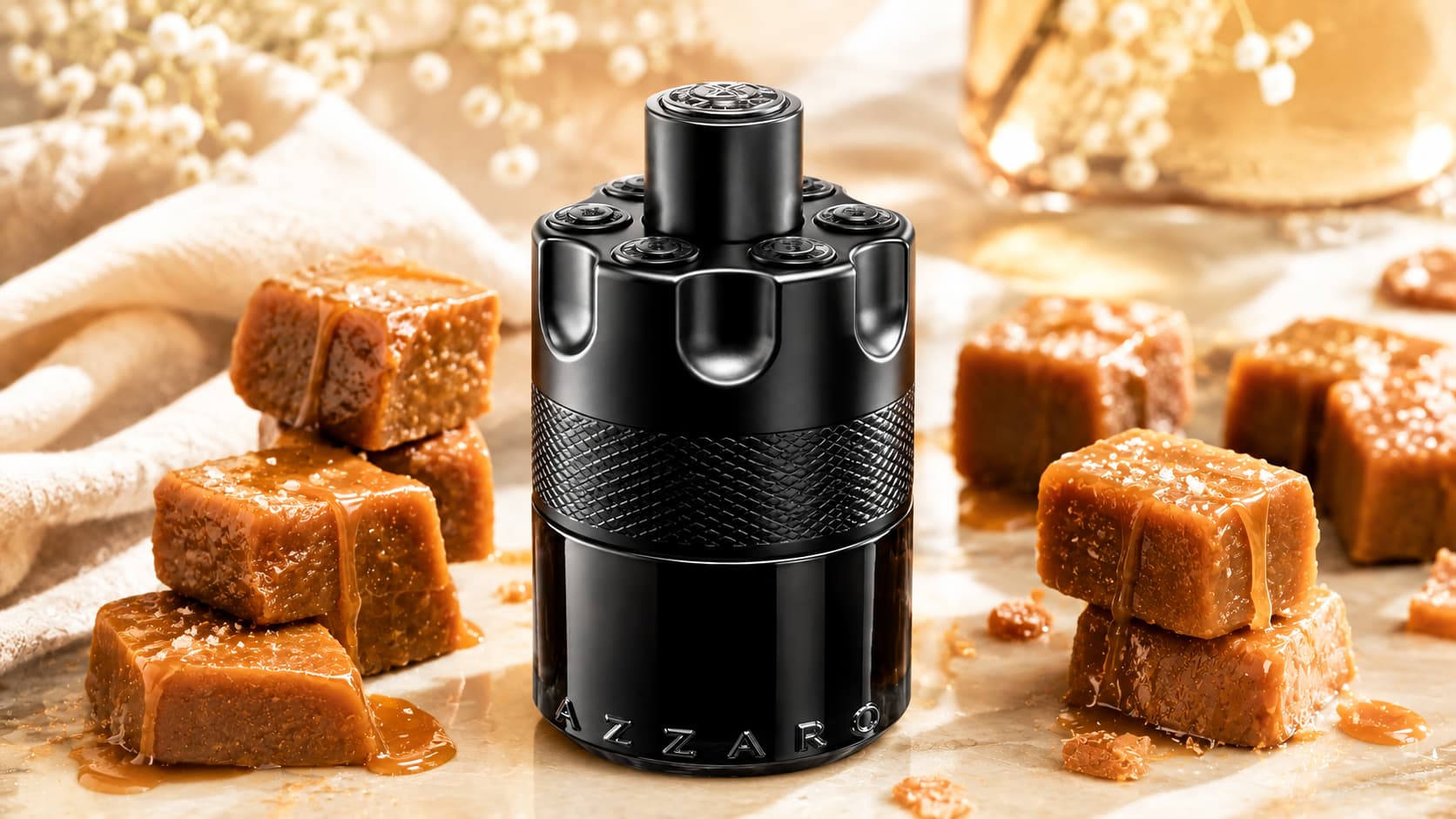
Yes — while floral, woody, oriental, and fresh cover most perfumes, three other names come up often enough that they’re worth knowing: chypre, fougère, and gourmand. Some experts count these as full families on their own, while others treat them as older, more specific styles that sit within or beside the main four.
Chypre (pronounced “sheep-ruh”) is a French word meaning Cyprus, and it describes perfumes built around a citrus opening, a warm middle, and a mossy, earthy base made from oakmoss. It’s considered one of the most sophisticated and classic styles in perfumery, though true oakmoss has become rarer in modern formulas due to allergy regulations. Fougère, French for “fern,” is built from a signature combination of lavender, oakmoss, and a hay-like ingredient called coumarin, and it’s been the foundation for most men’s colognes since a perfume called Fougère Royale launched the whole category back in 1882.
Gourmand is the newest of the three and easily the easiest to recognize, since it’s built to smell like dessert. Think vanilla, caramel, chocolate, or coffee, usually balanced out with musk or wood so the perfume doesn’t smell like straight-up sugar. None of these three replace the four main families — they’re better thought of as specialized neighborhoods within them, and you’ll usually see them layered into a floral, woody, or oriental perfume rather than standing completely alone.
Using the Fragrance Wheel to Find a Scent
The Fragrance Wheel is a circle chart that places all four families next to each other in an order that shows how closely related they are. Families sitting beside each other on the wheel usually blend together nicely, while families sitting across from each other tend to feel more like opposites.
For example, floral sits next to fresh, which is why so many perfumes combine a splash of citrus with a bouquet of flowers — the two families naturally complement each other. Woody and oriental sit next to each other too, since both lean warm and rich. This layout isn’t just decoration; it’s genuinely useful when you’re trying to figure out what you might like next based on a scent you already love.
Edwards has updated the wheel a few times since it first launched, with a notable revision in 2010 that refined how the subfamilies connect to their neighbors. That’s part of why you might see slightly different versions of the wheel depending on where you look — the four main families have stayed consistent, but the fine details around the edges keep getting sharper as perfumery evolves.
How to Pick Your Fragrance Family
The easiest way to find your family is to think back on perfumes or candles you’ve already liked and notice what they had in common. If you keep gravitating toward anything with vanilla or spice, you’re probably drawn to the oriental family. If citrus and clean laundry smells make you happy, fresh is likely your home base.
Common signs include:
- You keep buying candles labeled “sandalwood,” “cedar,” or “amber” → you probably lean woody or oriental
- You love the smell of a flower shop or fresh bouquets → you probably lean floral
- You reach for anything citrusy, oceanic, or “clean” smelling → you probably lean fresh
- You like scents that change throughout the day on your skin → look for blends that mix two families, like floral-fresh or woody-oriental
It’s also completely normal to like more than one family depending on the season or occasion. Plenty of people wear something fresh and citrusy in summer and switch to something woody or oriental once the weather turns cold.
Frequently Asked Questions
Is “oriental” still the correct term for that fragrance family?
The perfume industry has been shifting away from the word “oriental” in recent years and now often uses “amber” instead, since it more accurately describes the ingredients involved rather than a region of the world. Both terms describe the exact same family of warm, spicy, vanilla-heavy scents, so you’ll still see “oriental” used on plenty of older charts and product listings.
Can a perfume belong to more than one family?
Yes, and honestly most perfumes do. A single bottle often blends notes from two families, like a floral-woody or a fresh-floral combination, which is why fragrance charts usually include smaller “subfamilies” that sit between the four main groups.
Which fragrance family lasts the longest on skin?
Woody and oriental fragrances generally last the longest because the ingredients they’re built from, like resins, woods, and musk, are naturally heavier and evaporate more slowly. Fresh and floral fragrances tend to fade faster since citrus and light flower notes are more delicate and disappear from skin more quickly.
Do fragrance families apply to candles and home scents too?
Yes, the same four families are commonly used to describe candles, diffusers, and other home fragrances, since the underlying scent ingredients work the same way whether they’re in a bottle of perfume or a jar of wax. A candle labeled “woody” or “fresh linen” is using the exact same classification system as the perfume counter.
Is one fragrance family more “unisex” than the others?
No single family is exclusively for one gender, and that idea has faded a lot over the past couple of decades. Fresh and woody families are often marketed as unisex today, but plenty of florals and orientals are worn happily by anyone, since the family only describes the smell itself, not who’s allowed to wear it.
Conclusion
Fragrance families exist for one simple reason: to make an invisible, hard-to-describe thing like smell easier to talk about and shop for. Whether you’re drawn to the soft romance of florals, the grounded warmth of woody scents, the rich drama of oriental and amber blends, or the clean energy of fresh perfumes, knowing your family turns perfume shopping from a guessing game into something you can actually navigate with confidence. The next time you fall in love with a scent, take a second to notice which family it belongs to — it just might be the fastest way to find your next favorite bottle.