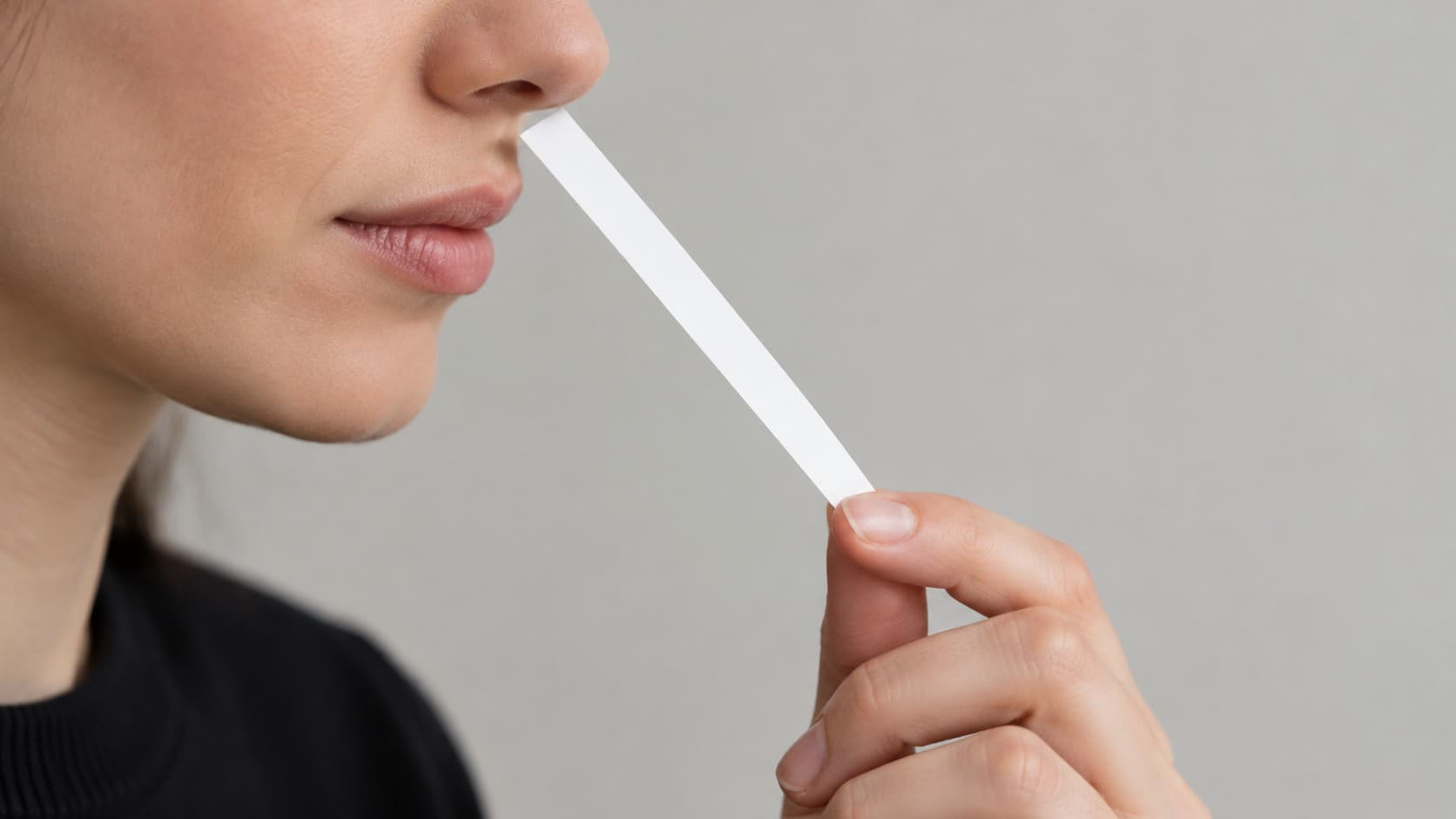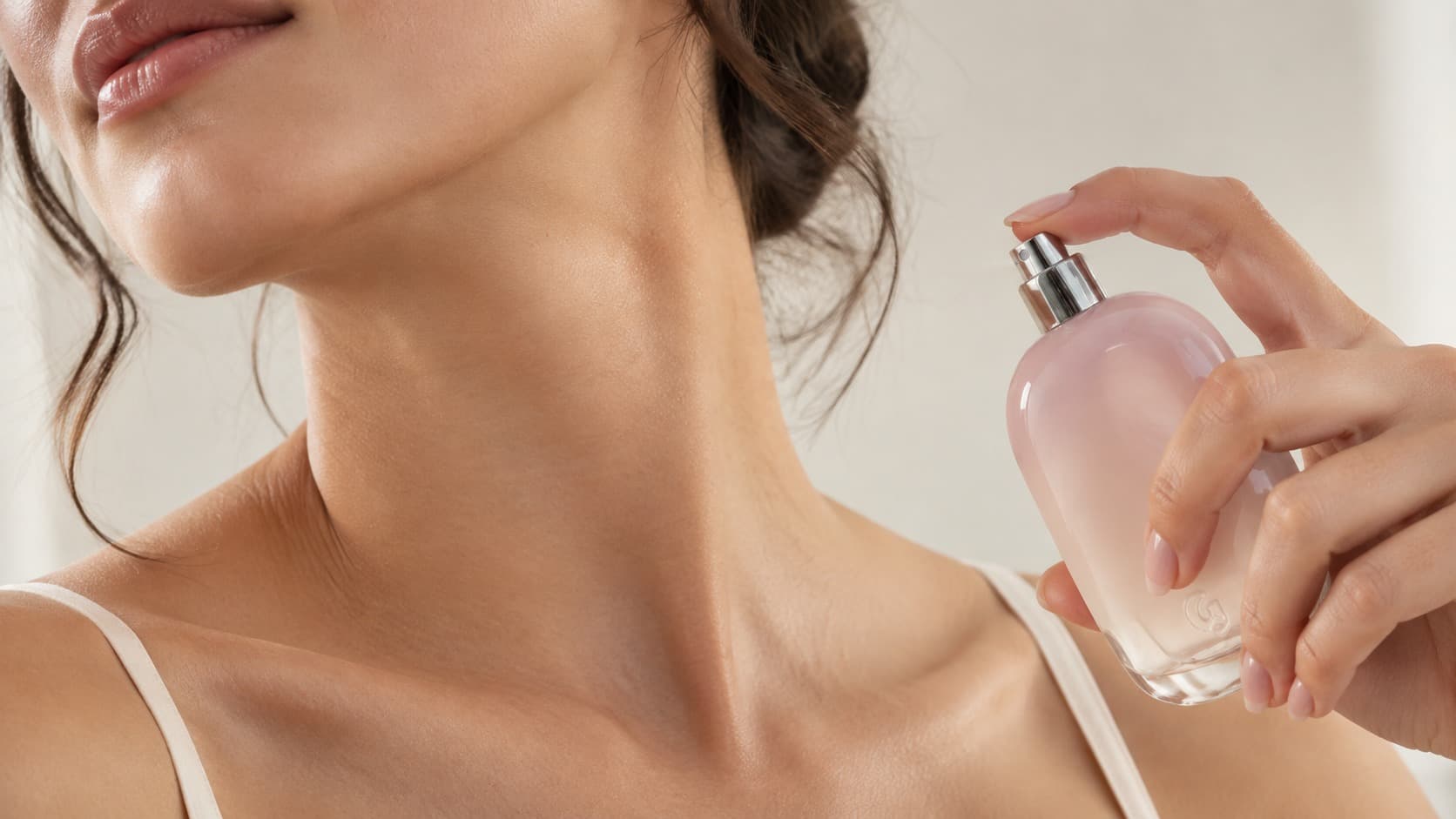
Walk past someone wearing a heavy cologne on a crowded elevator, and the smell can do more than just linger in the air. For some people, that one whiff brings on a pounding head, watery eyes, or a wave of nausea within minutes. This isn’t rare or imagined. Fragrance is one of the most commonly reported everyday triggers for headaches and migraines, and the reasons behind it involve real biology, not just a dislike of strong smells. Understanding what’s actually happening in the nose and brain explains why perfume lovers and the people around them sometimes clash over something as small as a spray of scent.
Why Do Some Fragrances Cause Headaches?
The pain usually traces back to a nerve most people have never heard of. Tucked alongside the nerves that handle smell is the trigeminal nerve, a separate pathway that also carries pain, heat, and touch sensations across the face. Scientists studying scent-triggered headaches believe certain fragrance molecules trip this pathway rather than the nerves used purely for detecting odor, so the brain ends up reading a strong scent as a threat signal instead of ordinary information. That mix-up is what produces the throbbing or pressure that follows.
This explains why the reaction often feels instant. A person doesn’t have to be allergic to a fragrance for it to bother them. The trigeminal nerve can react to volatile, strong-smelling molecules the same way it might react to something like ammonia or menthol: as a mild irritant, not a pleasant scent. For someone with a sensitive nervous system, that irritation is enough to set off real pain.
A few specific ingredient types come up again and again in reports from fragrance-sensitive communities. Aldehydes, which give many perfumes their sharp, sparkling opening notes, are one example, along with certain synthetic musks used to make a scent last longer. This doesn’t mean these ingredients are unsafe for most people. It just means they tend to be more volatile, so they release more molecules into the air, which gives the trigeminal nerve more to react to.
What Really Happens During a Fragrance Headache
Several different body systems can react to fragrance at once, which is why symptoms vary so much from person to person. Fragrance can affect people through more than one pathway at the same time, since certain compounds can irritate sensitized airways in one person while triggering a completely separate neurological response in another. That’s part of why one friend gets a stuffy nose around a candle while another gets a splitting headache and a third feels nothing at all.
A few of the main mechanisms researchers point to include:
- Blood vessel changes. Some fragrance compounds can cause blood vessels in the head to widen slightly, a process linked to migraine pain.
- Histamine release. In some people, strong scents trigger the release of histamine and other inflammatory chemicals, leading to congestion, sinus pressure, and headache.
- Long-term rewiring. In people prone to migraine, encountering strong scents again and again can gradually turn up the nervous system’s sensitivity, until even a faint trace of a smell is enough to cause a big reaction.
None of these reactions mean something is “wrong” with a person in a dramatic sense. They simply show that smell is wired much closer to the brain’s pain and emotion centers than most people realize.
This isn’t a fringe issue, either. When researchers looked at the general population, not just people who already identify as fragrance-sensitive, they found that roughly one in eight people had experienced a migraine triggered by exposure to a fragranced product. That’s a higher number than most people would guess, and it hints that plenty of unexplained headaches never get traced back to a perfume counter or a scented candle.
Fragrance Headache vs. Fragrance Allergy
A fragrance headache and a fragrance allergy are two different things, even though they can happen together. An allergy involves the immune system mistakenly treating a harmless ingredient as a threat, which can cause skin rashes, itching, or swelling on contact. A fragrance headache, on the other hand, usually comes from the nervous system reacting to the smell itself, often without any skin contact at all.
That said, the two can overlap. Someone with allergies or asthma may already have irritated, sensitive airways, which makes them more likely to also react to strong scents in the air. This is one reason people with breathing conditions are often told to avoid heavily fragranced spaces, even if they’ve never broken out in a rash from perfume.
Labels make this harder to manage than it should be. Most product packaging simply prints the word “fragrance” or “parfum,” a single line that can legally stand in for a long, undisclosed mixture of individual scent chemicals. Because fragrance formulas count as trade secrets in most places, brands generally aren’t required to spell out what’s actually inside that one word, which leaves someone with a known trigger mostly guessing at what to avoid.
Who Gets Headaches From Fragrance Most Often?
People who already get migraines are the most likely group to react to strong smells. Migraine sufferers often develop a related condition called osmophobia, where certain smells become genuinely hard to tolerate rather than just unpleasant. The American Headache Society notes that osmophobia can also make a migraine episode last longer and feel more severe once it starts. For these individuals, fragrance isn’t just annoying. It can be a genuine trigger that starts an attack.
The numbers back this up. In a study that tracked more than a hundred people with migraine, over 90% said odors set off their symptoms at some point, and perfume ranked as the single biggest culprit, ahead of everyday smells like vehicle exhaust, cigarette smoke, and cleaning sprays. Beyond migraine sufferers, a few other groups tend to be more sensitive:
| Group | Why They’re More Sensitive |
|---|---|
| People with asthma or allergies | Airways are already inflamed and reactive |
| People with chronic migraine | Nervous system is more prone to overstimulation |
| People with multiple chemical sensitivity | React to very small amounts of many chemicals |
| Pregnant individuals | Hormone shifts can heighten smell sensitivity |
| People going through menopause or thyroid changes | Hormonal changes can lower scent tolerance |
A reaction to fragrance isn’t a personality quirk or an overreaction. For a meaningful share of the population, it’s a documented physical response with a biological explanation.
Surveys on fragrance sensitivity put the scale of this in perspective. Roughly three in ten people in the U.S. report some kind of health issue, from headaches to breathing trouble, after exposure to a fragranced product. That’s a large enough share that fragrance sensitivity is worth taking seriously, whether it’s a family member, coworker, or customer walking into a scented space.
Are Natural Scents Gentler Than Synthetic Ones?
Not necessarily, and that surprises a lot of people. It’s easy to assume “natural” automatically means gentler, but essential oils can be just as concentrated and reactive as synthetic fragrance compounds. Oils like peppermint, eucalyptus, tea tree, and citrus are especially strong and show up often in reports from fragrance-sensitive communities as triggers.
Synthetic ingredients aren’t automatically the villain either. Some synthetic aroma chemicals are formulated to be gentler and more stable than their natural counterparts. What actually matters most is concentration and individual tolerance, not whether the ingredient came from a plant or a lab. A very concentrated natural oil can overwhelm the trigeminal nerve just as easily as a synthetic musk can.
The age of the bottle matters more than most people assume. Once a fragrance is opened, exposure to air and light gradually breaks down its chemical structure, whether the scent came from a plant or a lab. That breakdown process, known as oxidation, can shift a formula’s chemistry enough to make it more likely to cause irritation than it was on day one. A favorite perfume that suddenly starts causing headaches after years of trouble-free wear probably hasn’t changed on the label, but the liquid inside the bottle has.
Does Fragrance Strength or Formula Type Make a Difference?
Yes, both the concentration of the fragrance and how it’s mixed can change how likely it is to cause a reaction. Higher concentrations mean more fragrance molecules reaching the nose at once, which raises the odds of triggering a response in sensitive people. This is part of why some people tolerate a light body mist just fine but react badly to a heavily applied eau de parfum.
How the fragrance is mixed matters as well. Products built on a high-alcohol base, which is common in many eau de toilette and cologne formulas, tend to sting the nose more than oil-based versions of the same scent. This is one reason some fragrance-sensitive people do fine with a perfume oil but react badly to a spray version of that exact same fragrance.
Typical concentration ranges differ significantly across the main fragrance categories:
| Fragrance Type | Typical Fragrance Oil Concentration | Rough Wear Time |
|---|---|---|
| Eau de Cologne (EDC) | 2–5% | 2–4 hours |
| Eau de Toilette (EDT) | 5–15% | 4–6 hours |
| Eau de Parfum (EDP) | 15–20% | 6–8 hours |
| Parfum / Extrait | 20–30%+ | 8+ hours |
These ranges vary by brand, since there’s no single legal standard that separates one category from the next. Still, as a general rule, lighter categories like Eau de Cologne release fewer fragrance molecules into the air with each spray, which can make a real difference for someone who’s sensitive.
Can You Develop Fragrance Sensitivity Later in Life?
Yes, sensitivity to fragrance can develop later in life, even in someone who never reacted to perfume before. Repeated, ongoing exposure to fragranced products, from candles to laundry detergent to daily perfume, can gradually make the nervous system more reactive to those same smells. This buildup effect means a scent that felt perfectly fine for years can suddenly start causing headaches.
Life changes can speed this along, too. Rising stress levels, hormonal shifts, and general aging can all lower a person’s tolerance for strong smells. This is why some people notice new fragrance sensitivities appearing around big life transitions like pregnancy, menopause, or a stressful period at work, even without changing which products they use.
In more severe cases, this ongoing buildup can develop into a condition called multiple chemical sensitivity, or MCS. People with MCS react to very small amounts of many everyday chemicals, not just fragrance, with symptoms that can include headaches, dizziness, and fatigue. It’s a more intense version of the same underlying idea: a nervous system that has become highly reactive after repeated exposure over time.
What to Do During a Fragrance Headache
Getting away from the smell is the first and most important step. Moving to fresh air, opening a window, or stepping outside stops more fragrance molecules from reaching the nerves that are already reacting, so the sooner this happens, the sooner symptoms usually start to ease. If the fragrance landed directly on skin, washing the area with plain soap and water can help reduce ongoing irritation.
A few simple steps at home can take the edge off while the body settles down:
- Resting somewhere dark and quiet. Bright light and noise can make a fragrance-triggered headache feel worse, especially for anyone prone to migraines.
- A cool compress. A cold cloth on the forehead or the back of the neck eases head pain for many people.
- Staying hydrated. Dehydration can make any headache feel more intense, so replacing fluids is a small but useful step.
- Standard pain relief. An over-the-counter pain reliever like ibuprofen or acetaminophen can help with an occasional fragrance headache, taken according to the label.
These steps are meant for occasional relief, not ongoing management. Anyone who gets fragrance headaches often, or whose symptoms are severe, disorienting, or last more than a day, should check in with a doctor rather than relying on home remedies each time. Frequent, intense headaches deserve a real diagnosis, since fragrance may be one trigger among several worth ruling in or out.
Tips to Avoid Fragrance-Triggered Headaches
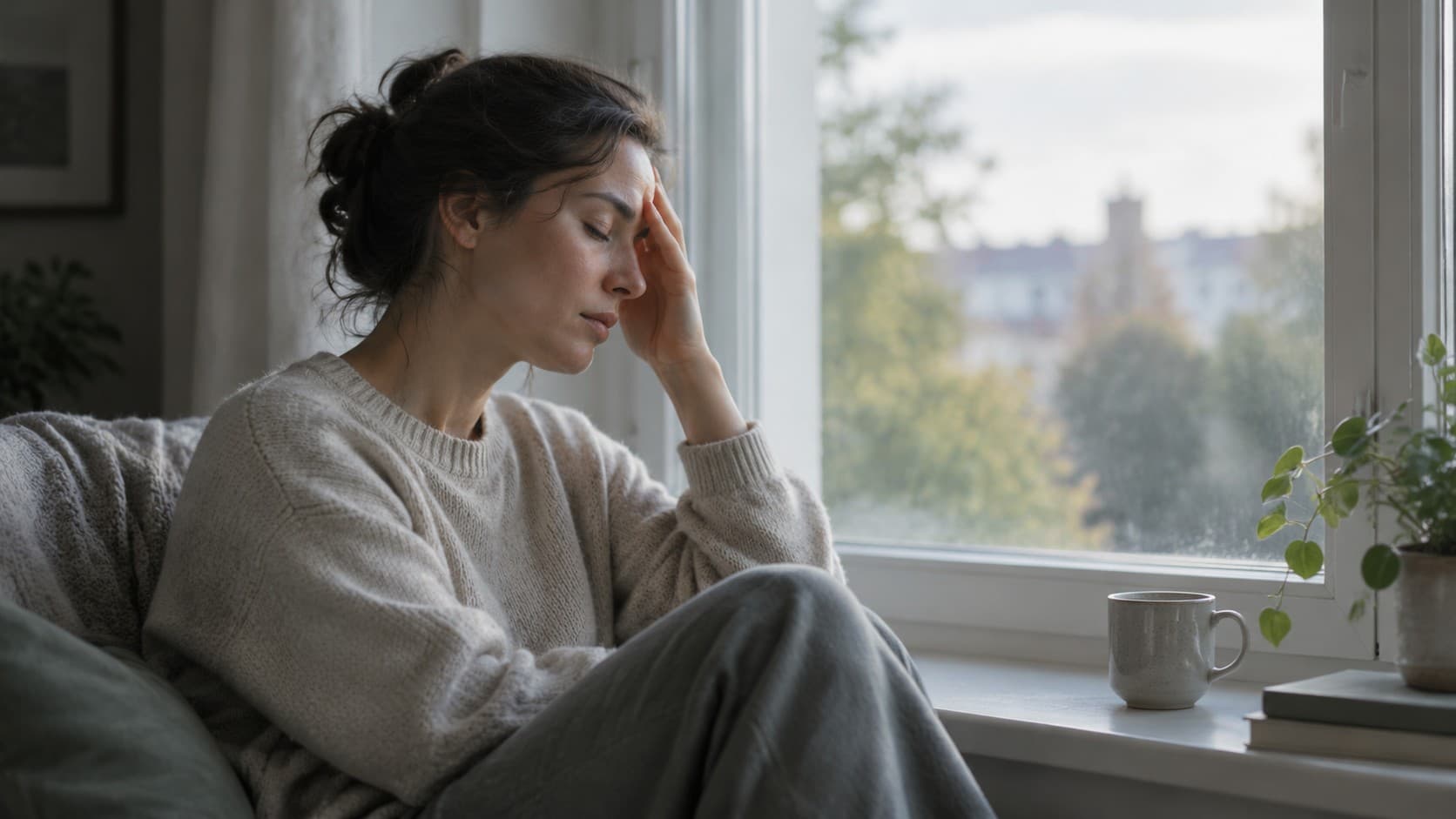
Small, practical changes make the biggest difference for people who love fragrance but don’t want the pain that sometimes comes with it. Because sensitivity is so individual, there’s no single fix that works for everyone, but a few strategies consistently help:
- Lighter application. Spraying fragrance on pulse points like the wrists, rather than saturating clothing, and choosing a lower concentration, such as an eau de toilette instead of an eau de parfum, both reduce overall exposure.
- Better ventilation. Wearing fragrance in open, airy spaces rather than small closed rooms like elevators, cars, or offices limits how concentrated the scent becomes in the air.
- Testing before committing. A small amount of a new scent, worn for a few hours before applying more, can reveal a reaction before it becomes a bigger problem, which matters especially with unfamiliar essential oil blends.
- Giving the nose regular breaks. Constant exposure to the same scent all day can build sensitivity over time, so alternating fragrances occasionally tends to help.
- Tracking personal patterns. Noting which specific scents or scent families tend to trigger symptoms is useful, since triggers are often ingredient-specific rather than universal.
It also helps to know the difference between “fragrance-free” and “unscented” on a product label. Fragrance-free generally means no fragrance ingredients were added at all. Unscented can mean a masking fragrance was added specifically to cancel out other smells, which means it still contains fragrance chemicals. For someone building a lower-irritation routine, fragrance-free is usually the safer label to look for.
For anyone who gets frequent headaches around fragrance, and especially anyone who already lives with migraines, it’s worth talking to a doctor. A healthcare professional can help figure out whether fragrance is a true trigger and suggest ways to manage it alongside other migraine care.
Frequently Asked Questions
Can perfume actually cause a migraine, or just a regular headache?
Yes, perfume can trigger a full migraine attack in people who are prone to migraines, not just a simple headache. Strong scent exposure is one of the most frequently reported migraine triggers, and for people with osmophobia, even a faint fragrance can be enough to start one.
Is it possible to be sensitive to fragrance without having any allergies?
Yes, fragrance sensitivity and allergies are separate things. Sensitivity often comes from the nervous system reacting to strong smells, while an allergy involves the immune system reacting to a specific ingredient, and a person can experience one without the other.
Are expensive perfumes less likely to cause headaches than cheaper ones?
Not necessarily. Price reflects things like ingredient rarity, brand, and packaging, not how gentle a fragrance is on the nervous system. A cheap and an expensive perfume can both be heavily concentrated or lightly concentrated, so price isn’t a reliable guide for sensitivity.
How long do fragrance-related headaches usually last?
Symptoms typically begin within minutes of exposure and can last anywhere from a few hours to a couple of days, depending on the person and the severity of the reaction. Removing the source of the smell and moving to fresh air is usually the first step toward relief.
Can someone be sensitive to one perfume but fine with another?
Absolutely. Sensitivity is often tied to specific ingredients or ingredient families rather than fragrance as a whole, which is why someone might react badly to a musky, alcohol-heavy cologne but feel completely fine wearing a light, oil-based floral scent.
The Bottom Line
Fragrance headaches are a real, biologically explainable reaction, not a matter of being overly sensitive or difficult. The trigeminal nerve, blood vessel changes, and individual factors like migraine history, hormones, and long-term exposure all play a part in why one person can wear a bold scent all day with no issue while another gets a headache from a single spray. The most useful takeaway is that concentration and ventilation matter more than whether a fragrance is labeled natural or synthetic, so anyone managing sensitivity is better off adjusting how much they apply and where they wear it, rather than assuming one type of ingredient is automatically safe.