A pair of sunglasses can look perfect in the mirror and still feel completely wrong the moment someone steps outside and starts moving around. Fit is one of those things people rarely think about until it goes wrong, whether that’s a headache creeping in after an hour at the beach or a frame sliding down the nose every time someone looks down at their phone. Getting the fit right isn’t just about comfort either, since a pair that’s too loose won’t protect the eyes properly, and a pair that’s too tight can leave marks, cause pain, and even damage the frame over time.
How Tight Should Sunglasses Feel?
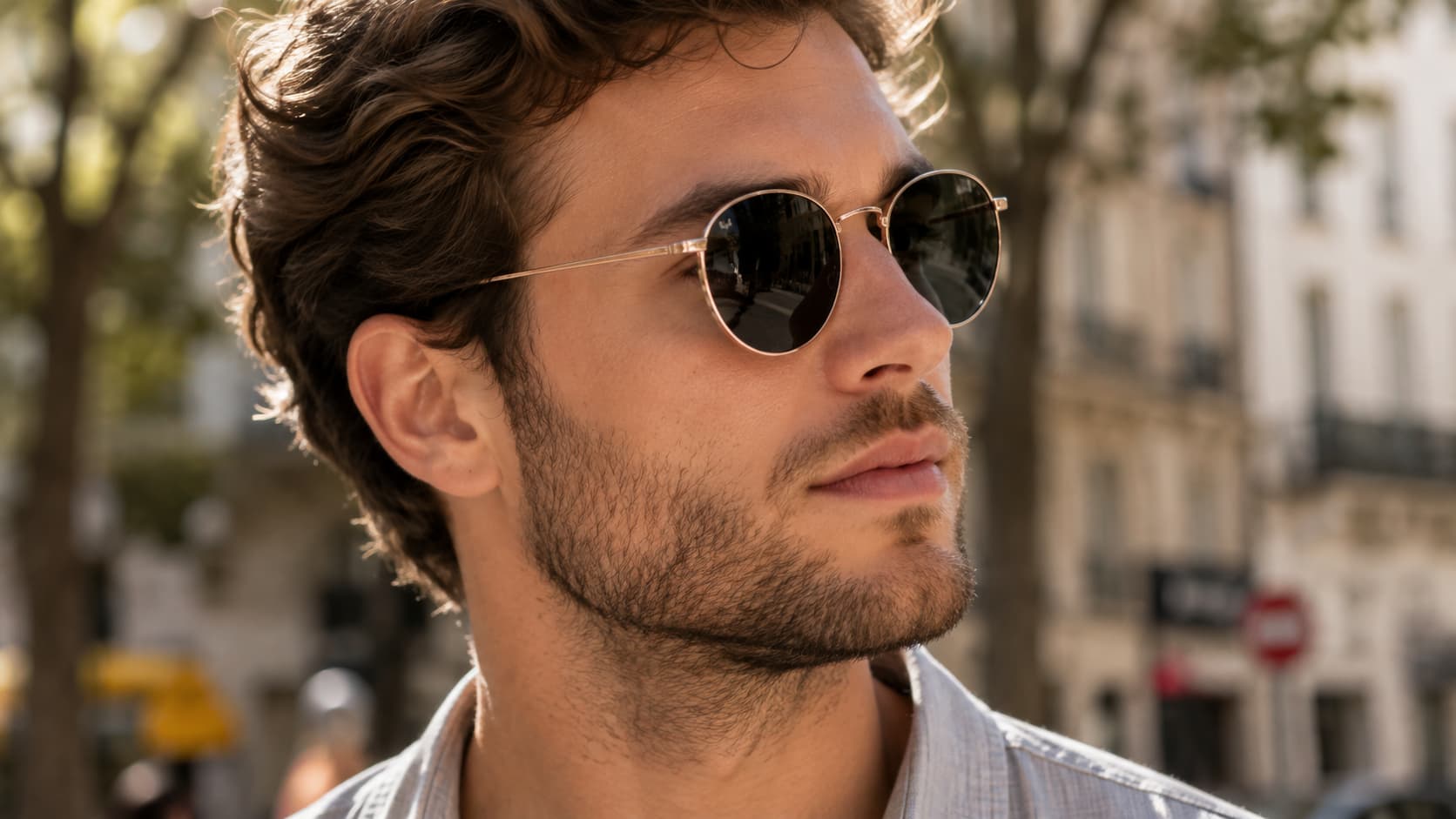
Sunglasses should feel snug but never squeeze. The frame should sit close enough to the head that it doesn’t slide down with a nod, but loose enough that there’s no steady pressure on the temples or behind the ears. A simple shake test reveals a lot: tilting the head forward and gently shaking it side to side should leave the glasses in place, without the sensation of the skull being hugged.
The comparison to a good pair of shoes holds up well. Too loose and they flop around and rub in the wrong places. Too tight and they pinch and leave marks. The sweet spot is a frame that seems to almost disappear on the face because it isn’t fighting against the wearer or sliding away.
Well-fitted sunglasses share a few consistent traits. The frame touches the temples with light, even contact rather than a pinching squeeze. The nose pads or bridge rest comfortably without digging into the sides of the nose. The arms, known as temples, reach the ears without bowing outward or curving too sharply inward. Looking down doesn’t send the glasses toward the tip of the nose.
Weight plays a bigger role in perceived tightness than most people expect. A heavier metal frame can feel snugger than a lightweight plastic one even at the exact same width, simply because more weight presses down on the same small contact points at the temples and nose. That’s why two pairs with identical measurements can feel completely different once worn.
Signs Your Sunglasses Are Too Tight
Sunglasses that are too tight usually announce themselves fairly quickly, often within the first 20 to 30 minutes of wearing them. The most common complaint is a dull headache that starts at the temples, since constant pressure there restricts blood flow and irritates nerves close to the skin.
Red marks or indentations behind the ears or on the sides of the nose are another clear indicator, particularly when they linger rather than fading within a few minutes of taking the glasses off. A pinching feeling at the temples that worsens over time, arms that seem to stretch just to reach the ears, and visible bowing in the temple pieces all point to the same underlying problem: the frame is narrower than the head needs, and it’s compensating by flexing under pressure.
Indentation marks that last more than a few minutes after removing sunglasses are a clear sign the fit is too tight and the frame needs adjusting or replacing.
Tight sunglasses aren’t just uncomfortable, they can also cause the frame to warp over time, since constant outward pressure on the hinges and temples wears down the metal or plastic faster than normal use would.
Signs Your Sunglasses Are Too Loose
A loose fit tends to be more of a slow annoyance than an immediate problem, but it causes its own issues. The most obvious sign is a frame that slides down the nose, especially during sweating, looking down, or moving quickly. Constantly pushing the glasses back up becomes a habit within minutes of putting them on.
Loose sunglasses also let more sunlight sneak in around the edges of the lenses, particularly from above and the sides, which defeats part of the purpose of wearing them in the first place. A frame that shifts with every turn of the head, or one that falls off entirely when bending down to tie a shoe, is simply too big for the face wearing it.
Where Sunglasses Should Sit on Your Face
Fit isn’t only about tightness, it’s also about placement. Three points matter most: the temples, the bridge of the nose, and the top of the ears.
How the Temples Should Fit
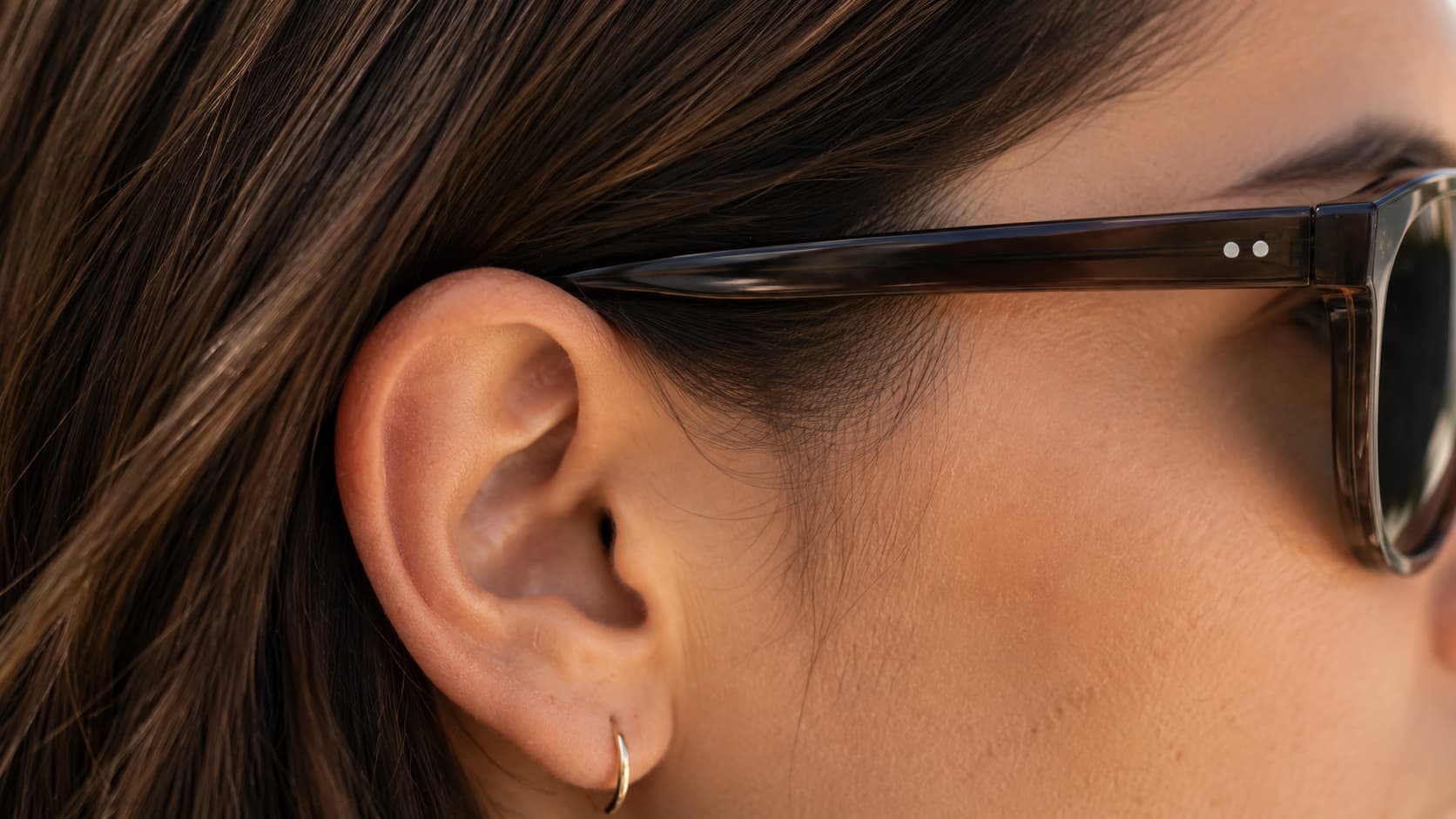
The arms of the sunglasses should run in a fairly straight line back from the frame to the ears, with just a slight curve downward at the very end where they hook over. Arms that angle out sharply or press flat against the sides of the head signal a frame that’s too narrow.
How the Bridge Should Fit
The bridge should rest on the nose without forcing a scrunched expression to hold the glasses up, and without leaving deep red lines on either side after removal. Frames with adjustable nose pads, common on metal frames, offer the most flexibility here, since the pads can be bent slightly inward or outward to change how the weight is distributed.
Checking the Fit Behind the Ears
The temple tips should curl gently behind the ears, resting there without hooking so tightly that the top of the ear gets pulled forward. Soreness behind the ears after a short time of wear usually means the arms are too short or bent too aggressively.
What Do the Numbers on Sunglasses Mean?
The inside of a temple arm usually carries three small numbers, something like 52-18-140. These aren’t random, they’re the frame’s exact measurements in millimeters: lens width, bridge width, and temple length, in that order.
| Measurement | What it tells you | Typical range |
|---|---|---|
| Lens width | Width of a single lens | 40–60 mm |
| Bridge width | Gap between the lenses, over the nose | 14–24 mm |
| Temple length | Arm length from hinge to ear tip | 120–150 mm |
Matching these three numbers to a pair that already fits well is one of the most reliable ways to predict fit when shopping online, without ever trying the glasses on first.
How to Test Sunglasses Fit Before Buying
Trying sunglasses on in a store, or checking measurements before buying online, makes a real difference. A gentle nod forward and down exposes a frame that’s too loose right away, while a side-to-side head shake reveals bouncing or shifting caused by looseness or uneven weight. Wearing the glasses for five to ten minutes and then checking the nose and temples for marks separates normal, fading pressure from a fit that’s genuinely too tight. Talking and chewing while wearing them is also worth paying attention to, since jaw movement shifts a frame more than most people assume, and a pair that moves during conversation will move throughout an ordinary day. The width of the frame against the face matters too — it shouldn’t extend past the edges of the face, nor should it squeeze the temples inward.
Trying the glasses on later in the day tends to give a more honest read on all-day comfort. Faces swell very slightly from morning to evening, so a pair that feels perfect first thing in the morning can feel a touch tighter by late afternoon.
Why Sunglasses Fit Matters Beyond Comfort
A properly fitted pair of sunglasses does more than feel nice. Fit affects how well the glasses actually protect the eyes, since gaps at the sides or top let in extra UV light and glare that the lenses are supposed to block. A frame sliding down the nose throughout the day also means looking over the top of the lenses without realizing it, which cancels out the protection entirely during those moments.
Fit also affects how long sunglasses last. Frames under constant tension from being too tight tend to develop loose hinges and stress cracks sooner, while frames that are too loose get dropped more often simply because they were never secure on the face to begin with.
Frequently Asked Questions
Should sunglasses feel tight when new?
New sunglasses, especially ones with plastic frames, can feel slightly snug at first because the material hasn’t warmed up or flexed to match the shape of the head yet. A small amount of initial tightness that eases within the first few wears is normal, but persistent pinching or red marks after several wears means the fit needs adjusting.
Can sunglasses be adjusted to fit better?
Most metal and many plastic frames can be adjusted. Metal frames with nose pads can be gently bent to sit differently, and temple arms on many frames can be reshaped slightly with heat or careful bending. An optician can usually make these adjustments in just a few minutes, often for free.
Why do sunglasses hurt behind the ears?
Pain behind the ears usually means the temple arms are too short, too tightly curved, or pressing at an angle that concentrates pressure on one small spot instead of spreading it evenly. This is one of the easiest fit issues to fix, since a slight bend adjustment to the arm often solves it.
Do face shape and size affect which sunglasses fit best?
Face shape and the distance between the temples play a big role in how a frame sits. A narrower face may find that a frame marked “medium” still feels loose, while a wider face might need a frame labeled “large” even if the style looks similar. This is why checking millimeter measurements matters more than relying on generic size labels.
Should sports sunglasses fit tighter than casual ones?
Sports and wraparound frames are designed to sit more snugly and closer to the face on purpose, so they stay put during running, cycling, or other movement. Rubberized nose pads and temple grips are built specifically to prevent slipping during sweat and motion. That extra grip would feel too tight for everyday wear, but it’s exactly what’s needed when the glasses have to survive a workout.
How long should sunglasses last before the fit changes?
With regular wear, most sunglasses hold their fit for one to two years before hinges loosen or nose pads wear down enough to change how they sit. Frequently taking them on and off with one hand, tossing them in a bag without a case, or leaving them in hot cars can speed up this wear considerably.
Conclusion
Sunglasses fit comes down to a few clear checkpoints: even, light pressure at the temples, a nose bridge that holds the frame without digging in, and ear tips that rest gently instead of hooking tightly. A quick nod-and-shake test before buying, paired with checking millimeter measurements against a pair that already fits well, takes most of the guesswork out of it. Once that balance is found, sunglasses stop being something to think about and simply become part of the day, exactly as they should be.