The ocean’s rhythmic movements have inspired artists and jewelry makers for millennia, with wave motifs appearing in adornments across countless cultures. Wave symbols in jewelry carry deep meanings related to life’s journeys, emotional states, and our connection to water. From minimalist wave bands to elaborate ocean-inspired statement pieces, these designs connect wearers to one of nature’s most powerful and mesmerizing forces while adding flowing elegance to any jewelry collection.
Understanding Wave Symbolism in Accessories
Wave symbols represent one of jewelry’s most enduring and universally meaningful motifs, appearing in adornments from ancient civilizations to contemporary designer collections. These dynamic, flowing patterns capture the essence of water’s movement, transforming a natural phenomenon into wearable art that resonates across cultural boundaries. Wave jewelry appeals to those drawn to water’s symbolic qualities—continuity amid change, strength through flexibility, and the eternal cycle of rise and fall that mirrors life’s own rhythms.
- Waves symbolize life’s natural rhythm and flow, representing both constancy and change simultaneously—the ocean remains eternal while individual waves continuously form and dissolve, making these pieces meaningful for marking life transitions or remembering one’s resilience.
- Archaeological evidence shows wave patterns in jewelry dating back to early Mediterranean, Asian and Polynesian civilizations, where water played central roles in mythology, sustenance, and transportation, establishing waves as symbols of life’s essentials long before modern interpretations.
- Unlike static symbols, wave motifs create visual movement in jewelry pieces, making them dynamic and eye-catching from multiple angles and in various lighting conditions, which explains their enduring popularity in both statement and everyday pieces.
- Wave symbols often represent emotional states in jewelry, with gentle waves suggesting calmness and tranquility while dramatic, peaked waves can symbolize passion, challenge, or life’s more turbulent moments, allowing wearers to choose designs that resonate with their personal experiences.
The enduring popularity of wave symbolism in jewelry speaks to our innate connection with water as a life-giving force and powerful natural element. Whether chosen for their aesthetic beauty, personal meaning, or cultural significance, wave-inspired pieces offer wearers a tangible connection to one of nature’s most captivating and essential phenomena, making them meaningful additions to both everyday and special occasion jewelry collections.
History of Wave Symbols
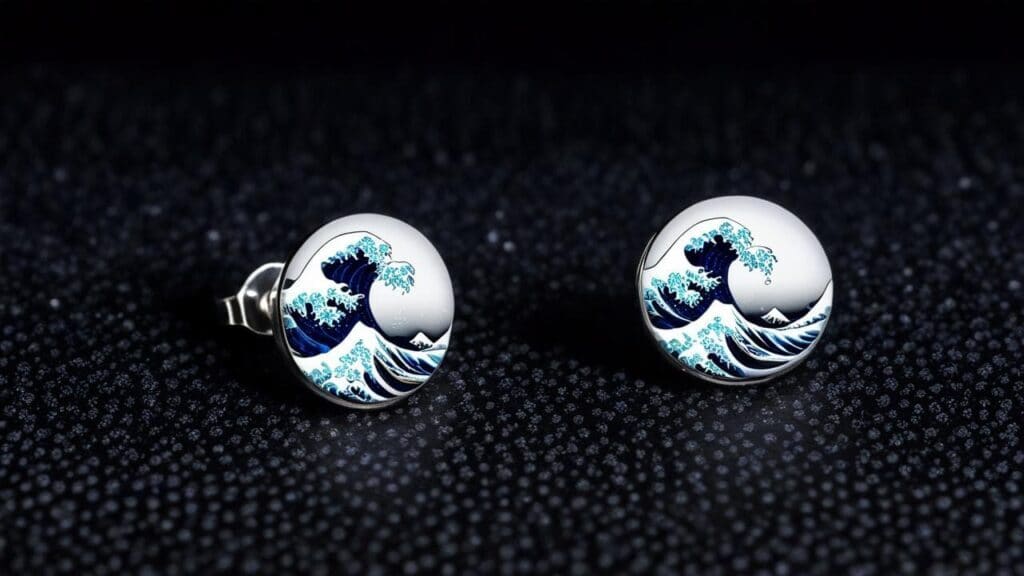
Throughout human history, waves have been immortalized in jewelry as civilizations developed alongside oceans, rivers, and lakes. These water bodies shaped not only physical survival but cultural identities, with wave patterns emerging as significant decorative elements in jewelry across diverse societies. The historical journey of wave symbolism reveals how different cultures interpreted this natural phenomenon through their unique artistic traditions and belief systems.
- Ancient Egyptian jewelry featured wave patterns representing the Nile River’s life-sustaining annual floods, with undulating gold work symbolizing the water’s rhythm and the prosperity it brought to the civilization, appearing in everything from royal adornments to amulets for common people.
- Greek artisans incorporated wave motifs known as “Greek key” or “meander” patterns into jewelry during the Classical period (5th-4th centuries BCE), representing the Mediterranean Sea’s infinity and eternal flow with geometric precision in gold, silver, and bronze pieces.
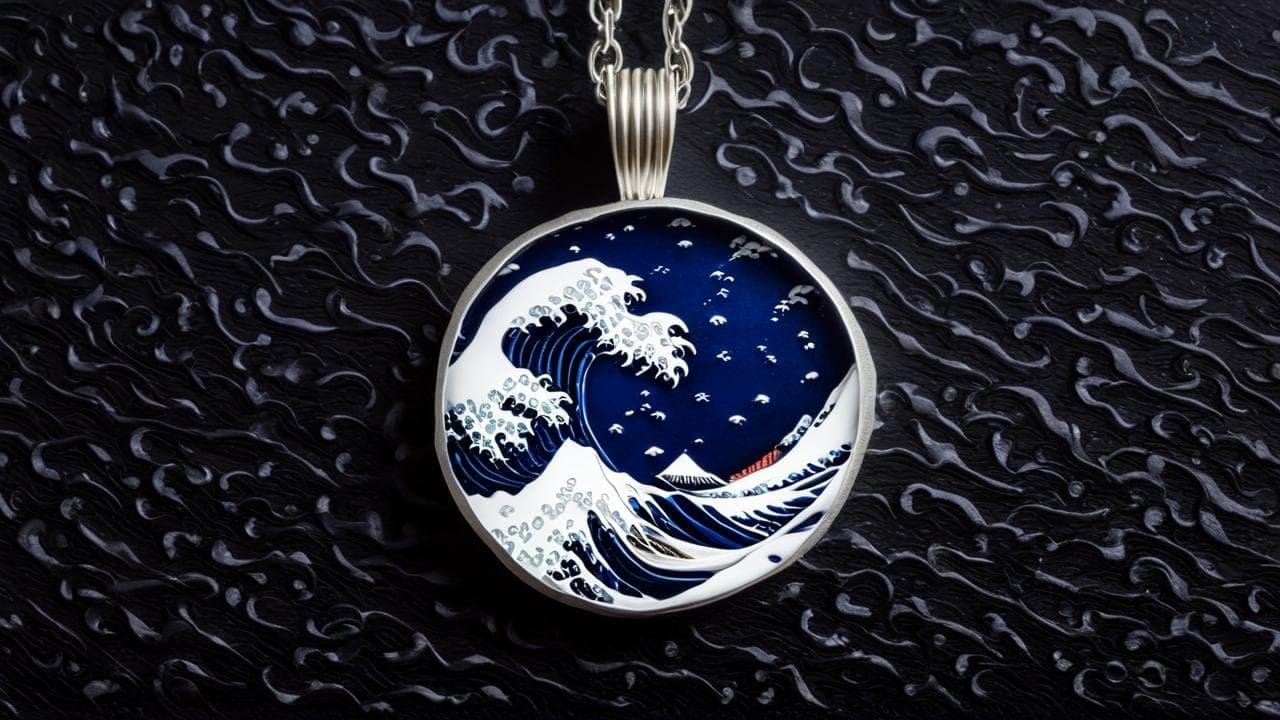
- Japanese wave designs reached their pinnacle during the Edo period (1603-1867), when artists perfected stylized wave depictions that emphasized dramatic curls and foam, culminating in the famous woodblock print “The Great Wave off Kanagawa” which continues to influence jewelry design with its distinctive aesthetic.
- Viking and Norse cultures created wave-inspired jewelry using silver and bronze, with serpentine wave patterns symbolizing sea journeys, fate, and the mythological World Serpent Jörmungandr that encircled the world in the ocean, found in archaeological discoveries throughout Scandinavia.
- Pacific Island cultures, particularly in Hawaii, Samoa, and New Zealand, developed rich traditions of wave-inspired adornments using indigenous materials like shells, volcanic stone, and carved wood, representing both spiritual connections to the ocean and practical navigation knowledge.
The historical significance of wave symbols in jewelry demonstrates how this natural phenomenon transcended mere decoration to become a carrier of cultural values, spiritual beliefs, and community identity. These ancient traditions continue to inspire contemporary jewelry designers, who often reference historical wave motifs while adapting them to modern aesthetics and materials, creating pieces that honor the past while remaining relevant to today’s wearers.
Cultural Interpretations of Wave Symbols
Across diverse cultures worldwide, wave symbols in jewelry carry profound meanings that reflect each society’s relationship with water. These interpretations range from spiritual connections to practical significance, showing how a single natural phenomenon can inspire varied symbolic traditions. Understanding these cultural meanings adds depth to wave jewelry, transforming decorative pieces into carriers of rich heritage and wisdom.
- Japanese wave symbolism encompasses multiple traditional patterns, including the seigaiha (overlapping concentric circles creating wave-like scales) that represents power and good fortune, and the iconic breaking waves depicted in ukiyo-e art that symbolize life’s impermanence and nature’s overwhelming force.
- Hawaiian culture views ocean waves as expressions of mana (spiritual energy) and kuleana (responsibility), with wave jewelry serving as reminders of humanity’s relationship with the sea and the islands’ surf traditions that blend spiritual practice with athletic prowess.
- Celtic wave symbols, often appearing as triple spirals or interlocking wave patterns, represent the three domains of earth, sea, and sky, along with the cyclic nature of life, death, and rebirth, appearing in both ancient artifacts and contemporary Celtic-inspired jewelry.
- Mediterranean cultures, particularly ancient Greece and Rome, associated waves with their sea deities like Poseidon/Neptune, with wave jewelry sometimes functioning as protective talismans for seafarers or symbols of these gods’ blessing and favor.
- In Chinese symbolism, waves are often paired with fish (particularly koi) to represent prosperity and perseverance, with wave patterns in jewelry symbolizing the obstacles one must overcome to achieve success, making these designs popular gifts for graduates or those facing challenges.
The cultural diversity of wave symbolism demonstrates how this natural phenomenon resonates across human experience, regardless of geographic location or historical period. Modern jewelry wearers can connect to these rich traditions by choosing wave designs that speak to their personal heritage or values, creating connections across time and cultures through these flowing symbols of water’s universal significance.
Common Wave Jewelry Styles & Designs
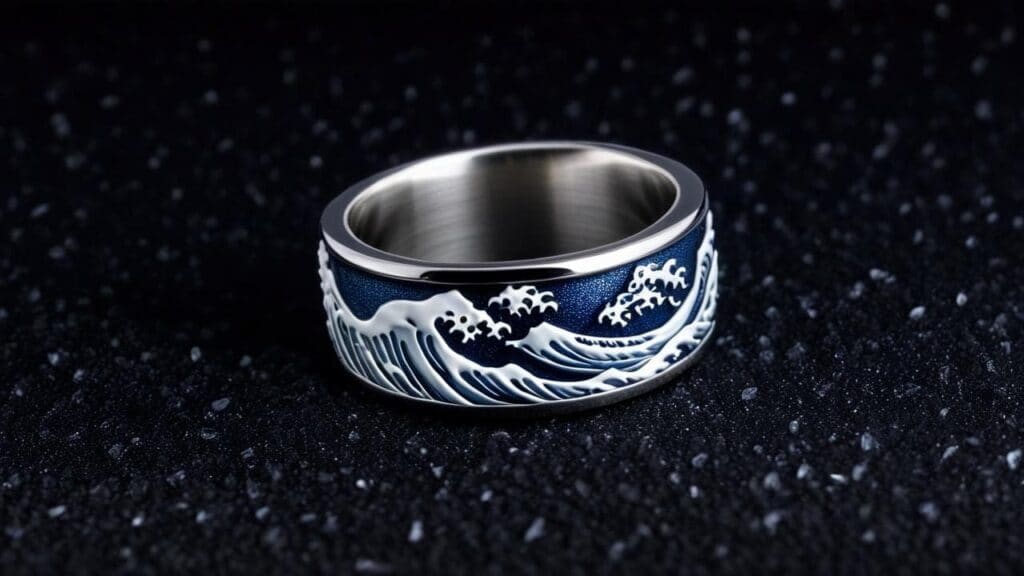
Wave-inspired jewelry encompasses a remarkable range of designs, from subtle references to bold interpretations of ocean imagery. These versatile motifs adapt beautifully to different jewelry types and materials, making wave symbols accessible across various price points and style preferences. The diversity of wave designs allows wearers to find pieces that perfectly express their personal connection to water’s symbolism.
- Minimalist wave bands and rings typically feature a single continuous wave line engraved or raised on metal surfaces, often in sterling silver or gold, providing subtle everyday pieces that reference water without overwhelming other elements of one’s style.
- Statement wave pendants include three-dimensional sculptural pieces that capture breaking waves with dramatic white caps in precious metals, sometimes incorporating blue gemstones like sapphires, aquamarines, or blue topaz to enhance the water association.
- Wave-inspired earrings range from simple curved lines suggesting gentle waves to elaborate chandelier designs with multiple tiers of undulating metal and dangling blue stones that create movement reminiscent of cascading water.
- Mixed-material wave jewelry combines metals with materials like pearls (representing sea foam), blue enamel, glass, or resin to create more literal oceanic scenes, often appearing in artisanal and contemporary designer collections.
- Abstract wave interpretations use curved lines, spirals, and flowing forms to suggest water’s movement without literal representation, allowing for artistic expression that maintains the essence of waves while creating unique, modern designs.
- Gemstone inlay techniques create wave patterns using stones like lapis lazuli, turquoise, or opal to represent water, with materials like mother-of-pearl or abalone shell adding iridescence that mimics sunlight playing across water’s surface.
The diversity of wave designs in jewelry allows these symbols to appear in pieces suitable for any occasion, personal style, or budget. From delicate wave-textured stack rings to elaborate ocean-scene statement necklaces, these designs offer wearers multiple ways to connect with water’s symbolism while expressing their unique aesthetic preferences through carefully chosen adornments that celebrate one of nature’s most captivating phenomena.
Wave Jewelry as Emotional & Spiritual Talismans
Beyond aesthetic appeal, wave jewelry often carries profound spiritual and emotional meanings for wearers. These flowing symbols represent life’s ever-changing nature and our emotional landscapes, making wave-inspired pieces particularly significant during times of transition or as reminders of personal resilience. The spiritual connections to water’s transformative properties give wave jewelry a depth that transcends mere decoration.
- Waves symbolize life’s inevitable cycles of highs and lows, with jewelry featuring this motif serving as reminders that challenging periods eventually give way to calmer times, just as rough seas eventually return to tranquility—making these pieces powerful symbols of hope during difficult circumstances.
- In meditation and mindfulness practices, wave imagery represents the fluctuating nature of thoughts and emotions, with wave jewelry sometimes serving as tangible reminders to observe mental activity without attachment, just as one might watch waves from shore without being carried away by them.
- Many spiritual traditions associate water with purification and renewal, making wave jewelry meaningful for marking fresh starts, personal transformations, or commitments to spiritual paths that involve metaphorical cleansing or rebirth.
- The ocean’s vastness connects to concepts of the subconscious mind in Jungian psychology and various spiritual traditions, with wave jewelry sometimes representing one’s willingness to explore deeper aspects of consciousness or emotional depths.
- Surf culture combines physical athleticism with spiritual connection to water, with wave jewelry often serving as talismans that represent respect for the ocean’s power and the meditative state experienced while riding waves—a practice many surfers describe in spiritual terms.
- In grief counseling and emotional healing contexts, wave imagery represents the unpredictable nature of emotional processing, with wave jewelry sometimes given as gifts to those experiencing grief as symbols of the understanding that healing comes in waves rather than linear progression.
The spiritual and emotional dimensions of wave symbolism make these jewelry pieces particularly meaningful for marking significant life events or supporting personal growth journeys. Whether chosen as daily reminders of life’s natural rhythms or as commemorative pieces for specific transformative experiences, wave jewelry connects wearers to the profound wisdom embedded in water’s eternal patterns of flow, retreat, and renewal.
How to Style Wave Jewelry
Styling wave-inspired jewelry effectively allows you to showcase these meaningful pieces while complementing your overall look. With their versatile symbolism and typically flowing designs, wave jewelry adapts beautifully to various occasions, outfits, and personal style preferences. Strategic styling choices can enhance both the visual impact and symbolic resonance of these water-inspired adornments.
- For casual beachside or summer looks, pair wave jewelry with natural materials like linen, cotton, or hemp in blues, whites, and neutrals, allowing the wave motifs to enhance the relaxed, oceanic vibe without appearing overly themed or costumey.
- Wave jewelry beautifully complements formal attire in fluid fabrics like silk or satin, particularly in blue, green, or silver tones, with the flowing lines of wave designs echoing the movement of luxurious materials while adding subtle symbolic depth to elegant ensembles.
- When layering necklaces, position wave pendants at different lengths among simpler chains or pendants, allowing the wave piece to become a focal point without competing with too many other detailed elements that might create visual confusion.
- Wave-inspired rings work particularly well in stacks, especially when combining different metals or finishes that create contrast—try pairing a textured silver wave band between smooth gold bands for a sophisticated mixed-metal look that highlights the wave pattern.
- For professional environments, choose subtle wave designs like small stud earrings with wave motifs or delicate wave-textured bracelets that add interest without overwhelming conservative attire, maintaining appropriate workplace style while expressing personal symbolism.
- Seasonal styling can emphasize different aspects of wave symbolism—lighter, more delicate wave pieces complement spring and summer looks, while weightier, more dramatic wave designs pair beautifully with fall and winter’s heavier fabrics and deeper color palettes.
- When wearing statement wave jewelry pieces, follow the “focal point rule” by keeping other accessories minimal, allowing the detailed wave design to command attention while preventing an overcrowded or chaotic overall appearance.
Thoughtful styling enhances both the beauty and meaning of wave jewelry, allowing these pieces to complement your appearance while expressing your connection to water’s powerful symbolism. Whether incorporated into everyday casual wear or reserved for special occasions, wave-inspired jewelry adds flowing elegance and symbolic depth to any wardrobe, connecting personal style to one of nature’s most captivating and universal phenomena.
How to Clean & Maintain Wave Jewelry
Proper care ensures your wave-inspired jewelry remains beautiful for years to come. The intricate details common in wave designs—like textured surfaces, curving lines, or delicate gemstone settings—often require specific maintenance approaches to preserve both appearance and structural integrity. Following appropriate care guidelines protects your investment while maintaining the symbolic beauty of these water-inspired pieces.
- Clean wave-textured metal jewelry using a soft brush (like a child’s soft toothbrush) with mild soap and warm water, gently working into crevices to remove dirt without damaging detailed wave patterns that can trap residue more easily than smooth surfaces.
- Wave jewelry featuring blue gemstones like sapphires, aquamarines, or blue topaz requires stone-specific care—most can be cleaned with mild soap and water, but ultrasonic cleaners should be avoided for stones with inclusions or treatments that could be damaged by vibration.
- Store wave jewelry pieces separately to prevent tangling or scratching, ideally in individual soft pouches or compartmentalized jewelry boxes, with particular attention to keeping delicate three-dimensional wave designs from being compressed or deformed.
- Rhodium-plated white gold wave jewelry may require periodic replating to maintain brightness, as the detailed nature of wave patterns can show wear on raised edges more quickly than simpler designs, with professional jewelers best equipped to restore the finish without damaging details.
- Wave jewelry with moving elements or articulated parts benefits from occasional professional inspection to ensure connections remain secure, particularly for pieces worn frequently or exposed to saltwater during beach activities.
- Protect wave jewelry featuring organic materials like pearls, coral, or shell from chemicals (including perfume and hairspray), extreme temperatures, and prolonged sunlight exposure, which can damage these materials’ color and structural integrity over time.
- Consider having valuable or sentimental wave jewelry professionally cleaned annually, as experts can address accumulated tarnish or buildup in intricate areas while checking for potential structural issues like loosening settings or weakening metal.
Proper care preserves both the beauty and meaning of your wave jewelry, ensuring these symbolic pieces continue to inspire and delight for generations. By establishing regular maintenance routines appropriate to your specific pieces’ materials and construction, you protect the artistic details that make wave jewelry so visually captivating while honoring the water symbolism that gives these adornments their profound significance.
Meaningful Wave Jewelry Gifts
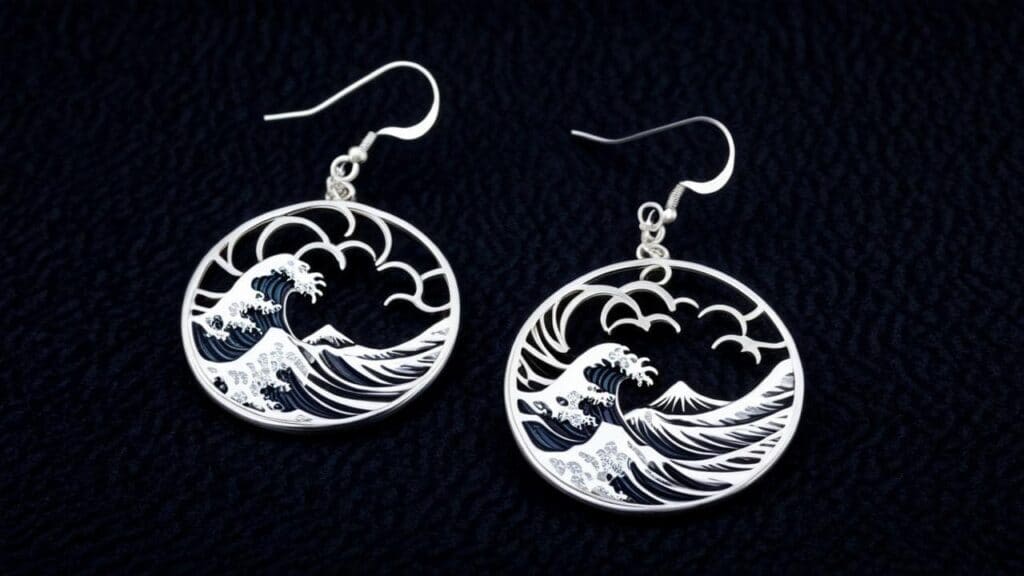
Wave-inspired jewelry makes particularly meaningful gifts for countless occasions, conveying thoughtful symbolism beyond mere decorative value. The rich associations with life’s journey, emotional resilience, and water’s transformative power make wave designs appropriate for marking significant moments or expressing deep connections between giver and recipient.
- Anniversary gifts featuring wave motifs symbolize the natural ebbs and flows of long-term relationships, acknowledging that partnerships, like oceans, experience both calm and stormy periods while remaining fundamentally constant—particularly meaningful for milestone anniversaries celebrating endurance through life’s changes.
- Graduation presents with wave designs represent the graduate’s journey through challenges toward achievement, with the implication that they’ve successfully navigated life’s “waves” while preparing for new horizons—often incorporating blue stones representing wisdom alongside the wave symbolism.
- For those experiencing grief or major life transitions, subtle wave jewelry can serve as comforting reminders that emotional healing comes in waves, not straight lines, offering gentle acknowledgment of difficult experiences while symbolizing hope for eventual calm after emotional storms.
- Beach lovers and ocean enthusiasts appreciate wave jewelry for its direct connection to their passion, with personalized pieces potentially featuring specific beaches or surf spots through customized wave patterns or coordinates engraved alongside wave motifs.
- Coming-of-age celebrations benefit from wave symbolism representing the transition from childhood to adulthood, with wave jewelry serving as meaningful keepsakes that acknowledge life’s changing tides while providing touchstones of continuity during transformation.
- Retirement gifts with wave designs can symbolize entering a new phase of life with freedom to “go with the flow,” particularly appropriate for retirees planning to travel or spend time near water during their post-career years.
- Recovery milestones for those overcoming addiction or health challenges can be marked with wave jewelry symbolizing their journey through difficult waters toward healing, with each wave representing challenges faced and conquered through persistence.
When gifting wave jewelry, consider including a note explaining the specific symbolism you find meaningful for the recipient’s circumstances, enhancing the piece’s significance beyond its obvious beauty. This personalized approach transforms decorative accessories into meaningful talismans that carry your good wishes and acknowledgment of the recipient’s unique journey, creating gifts that resonate on emotional levels while providing wearable reminders of important relationships and life moments.
Modern Wave Jewelry Trends
Contemporary jewelry design has embraced wave symbolism with fresh interpretations that blend traditional meanings with modern aesthetics and values. Today’s wave-inspired pieces often incorporate innovative materials, sustainable practices, and technological advancements while maintaining connection to water’s timeless symbolism. These evolving trends demonstrate how ancient symbols remain relevant through thoughtful reinterpretation for today’s jewelry wearers.
- Eco-conscious wave jewelry utilizes recycled metals, ethically sourced gemstones, and sustainable production practices, aligning the natural symbolism of waves with environmental responsibility—a particularly meaningful connection given growing concerns about ocean conservation.
- 3D-printing technology has revolutionized wave jewelry design, allowing for previously impossible geometries that capture water’s fluid dynamics with extraordinary precision, creating hyper-realistic or mathematically perfect wave forms in various materials.
- Kinetic wave jewelry incorporates moving elements that respond to the wearer’s movements, with articulated segments that ripple like actual waves, bringing the symbol to life through mechanical ingenuity rather than static representation.
- Mixed-media approaches combine traditional metals with unexpected materials like concrete, glass, or sustainable resins to create contemporary wave interpretations that break conventional boundaries while referencing traditional symbolism.
- Customization trends have emerged around wave jewelry commemorating specific beaches or oceanic locations, with some designers creating pieces based on the actual wave patterns of meaningful spots or incorporating sand from special beaches into resin elements.
- Minimalist geometric wave representations have gained popularity among those preferring subtle symbolism, with highly simplified wave lines creating clean, contemporary designs that reference water without literal ocean imagery.
- Technology-integrated wave jewelry has appeared in high-end designer collections, including pieces with embedded LEDs that create shimmering effects mimicking sunlight on water, or augmented reality components that connect physical jewelry to digital wave animations through smartphone apps.
Today’s wave jewelry reflects contemporary concerns about sustainability, technological possibilities, and personal relevance while honoring the symbol’s ancient meanings. These modern interpretations demonstrate how enduring symbols can evolve to speak to new generations without losing their essential significance. Whether chosen for environmental values, technological innovation, or personal meaning, modern wave jewelry connects wearers to both timeless symbolism and current design aesthetics.
Conclusion
Wave symbols in jewelry continue to captivate wearers across cultures and time periods precisely because they represent something fundamental to human experience—the beautiful duality of constancy and change. As oceans remain eternal while individual waves form and dissolve, these flowing designs remind us of life’s continuous movement and our own capacity for both stability and transformation. This paradoxical symbolism gives wave jewelry a depth that transcends mere decoration.
The versatility of wave motifs allows them to appear in everything from delicate everyday pieces to bold statement jewelry, adapting to diverse personal styles while maintaining their essential symbolic power. Whether rendered in precious metals, adorned with ocean-blue gemstones, or crafted using innovative techniques, wave jewelry offers wearers a tangible connection to water’s mesmerizing patterns and profound meanings. As we continue to be drawn to shorelines worldwide, wave symbols in jewelry allow us to carry these powerful natural phenomena with us wherever we go, serving as wearable reminders of water’s beauty, power, and wisdom.