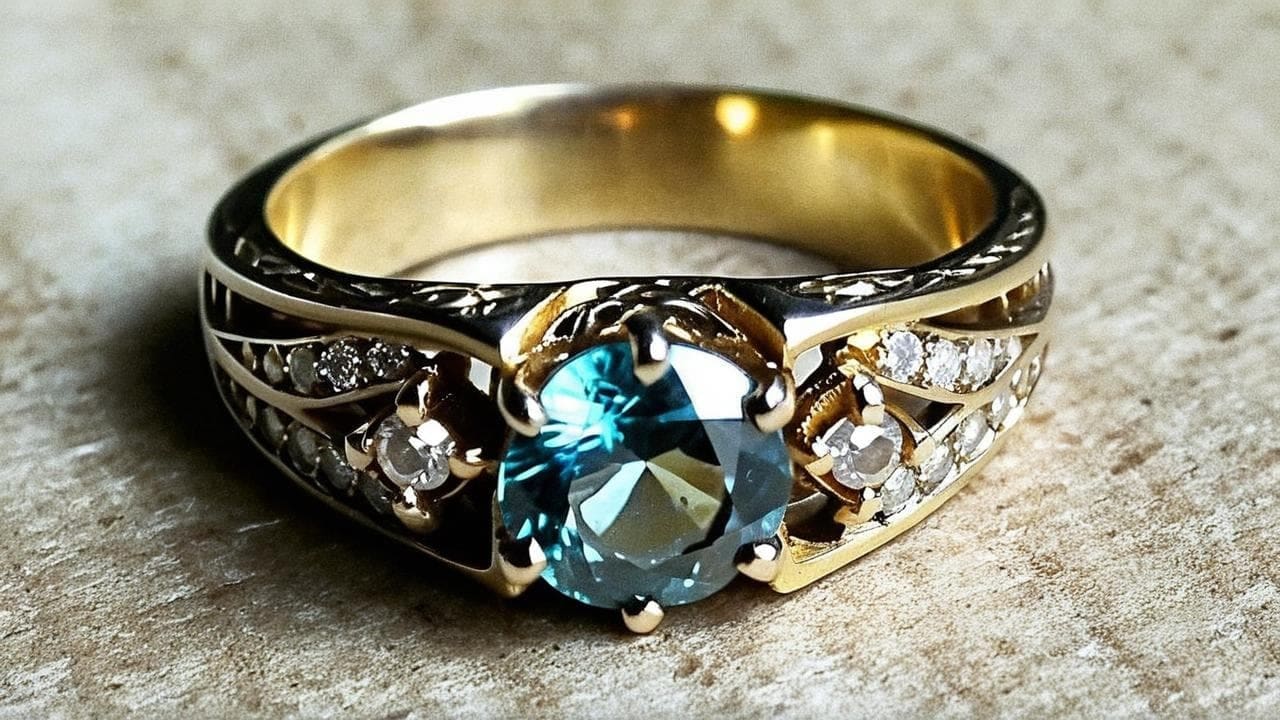
In a world filled with mass-produced accessories, bespoke jewelry stands as the ultimate expression of personal style and meaning. Bespoke jewelry refers to jewelry that is made especially for a client or customer, creating pieces that exist nowhere else in the world. Unlike anything you’ll find in a regular jewelry store, bespoke pieces are born from your imagination, crafted by skilled artisans who transform your dreams into wearable art. Whether you’re planning the perfect engagement ring, wanting to honor a family legacy, or simply desiring something that truly represents who you are, bespoke jewelry offers an unmatched opportunity to own something genuinely unique.
What Does Bespoke Jewelry Mean?
The term “bespoke” carries centuries of tradition and craftsmanship excellence, originating from a world where quality and personalization were the standard rather than the exception. Originally from the tailoring industry, “bespeak” means “to discuss; decide upon” before coming to be used as an adjective to describe something that had been “discussed in advance.” Understanding this history helps explain why bespoke jewelry represents such a special category of craftsmanship today.
- Back in the 1700s in England, when you wanted a suit made, you would “bespeak” it with a tailor - meaning you would talk about exactly what you wanted before they started making it. The customer would discuss – in advance – their specifications for the garment, and the tailor would create it, complying with those needs. This collaborative approach between craftsperson and client established the foundation for what we now call bespoke services, emphasizing the importance of detailed discussion and planning before any work begins.
- Today, the Oxford English Dictionary defines the adjective ‘bespoke’ as “a product made specially, according to the needs of an individual customer.” This definition emphasizes that bespoke items are not modifications of existing products, but entirely new creations built from the ground up to meet specific requirements and preferences of a single person.
- Applied to the jewelry world, the bespoke adjective carries out the same exclusivity flavor it had in the 18th century English tailors industry. Just like commissioning a tailored dress, a bespoke creation is highly personal and fitted to every preference and size indicated by the client. This means your jewelry piece becomes an extension of your personality and story, reflecting your individual taste in every detail from the smallest accent to the overall design philosophy.
- Every aspect of the design is entirely up to the customer’s choices: the selection of gemstones, the way they are set, the metal used, the size of the piece and any engraving or final touches applied to the final piece of jewelry. This level of control means you’re not limited by what’s available in stores or what manufacturers think will sell well to the general public.
The essence of bespoke jewelry lies in this collaborative creation process where your ideas, dreams, and personal story become the blueprint for a unique piece. It is a one-of-a-kind approach leading to the creation of a unique piece that will not be reproduced, making the customer the only person in the world owning such creation. This level of exclusivity and personalization transforms jewelry from mere accessory into meaningful heirloom, ensuring that your piece carries not just beauty, but also the story of its creation and the person who inspired it.
Bespoke vs Custom vs Ready-Made Jewelry
Understanding the differences between bespoke, custom, and ready-made jewelry is crucial for making the right choice for your needs and budget. While these terms are sometimes used interchangeably in marketing, they represent very different approaches to jewelry creation, each with distinct advantages and limitations. The key difference between bespoke and custom made jewellery is that bespoke pieces are completely unique, while custom made jewellery is simply a modification of an existing design.
- Bespoke jewelry is created entirely from scratch based on your vision and ideas. Every element of the design process starts with a blank canvas, and the jeweler works with you to bring your unique concept to life. This means no one else in the world will ever own the exact same piece, as it’s designed specifically around your preferences, story, and requirements. The process involves extensive consultation, multiple design iterations, and complete creative freedom to explore any possibility within your budget.
- Custom-made jewelry typically involves modifying existing designs to better suit your preferences. This might mean changing the gemstone in a pre-designed ring, adjusting the size of elements, switching metals, or adding personal engravings to an established pattern. While this offers more personalization than ready-made pieces, you’re still working within the constraints of an existing design framework rather than creating something entirely new.
- Ready-made jewelry is mass-produced and designed to appeal to the broadest possible market. These pieces are created in large quantities without any specific customer in mind, then sold through retail stores or online platforms. While often more affordable and immediately available, ready-made jewelry offers no personalization and you may encounter others wearing identical pieces.
- The cost implications vary significantly between these options. Ready-made jewelry typically offers the lowest upfront cost but may lack the personal meaning and uniqueness many people desire. Custom modifications usually fall in the middle price range, offering some personalization without the full investment of bespoke creation. Bespoke pieces often represent the highest initial investment but provide unmatched uniqueness and often superior craftsmanship that can result in better long-term value.
- Timeline differences are equally important to consider. Ready-made pieces are available immediately, custom modifications might take 2-4 weeks depending on complexity, while bespoke creation typically requires 4-8 weeks or more for intricate designs. Each approach serves different needs depending on your timeline, budget, and desire for uniqueness.
When choosing between these options, consider your priorities: immediate availability favors ready-made, budget consciousness might suggest custom modifications, while the desire for complete uniqueness and personal meaning points toward bespoke creation. The choice ultimately depends on how important it is to you that your jewelry tells your unique story rather than simply serving as a beautiful accessory.
How Bespoke Jewelry is Made: Step-by-Step Process
Creating bespoke jewelry is a journey that transforms abstract ideas into tangible treasures through a carefully orchestrated process involving collaboration, creativity, and skilled craftsmanship. The jewelry production process typically takes several weeks and involves multiple stages to ensure that each piece is created with precision and care. Understanding each step helps set proper expectations and allows you to fully participate in bringing your vision to life.
- The initial consultation marks the beginning of your bespoke journey, typically lasting one to two hours where you and the designer get to know each other and explore possibilities. During this meeting, you’ll discuss your ideas, inspirations, lifestyle needs, and budget parameters while the jeweler shares their expertise and creative suggestions. This consultation largely consists of you and the designer sussing each other out, as you’ll hear ideas from them and they’ll hear ideas from you, with both parties working to determine whether you want to work together and if your visions align.
- Following the consultation, the design development phase begins where initial ideas are refined into concrete proposals. The jeweler will create sketches, drawings, or digital renderings based on your discussions, often presenting multiple design options for your consideration. This stage may involve several iterations as designs are modified, refined, and perfected according to your feedback. The process ensures that every detail aligns with your vision before any physical work begins.
- Modern technology has revolutionized the design process through computer-aided design (CAD) and 3D rendering capabilities. The first stage involves creating a sketch of the design, which is then modeled using specialized software to create a 3D image that gives clients a realistic idea of what the final product will look like. This technology allows you to see exactly how your piece will appear from every angle, make adjustments with confidence, and approve the design knowing precisely what you’ll receive.
- Material selection represents a crucial decision point where you choose the metals, gemstones, and other elements that will comprise your finished piece. The jeweler will guide you through options within your budget, explaining the characteristics, durability, and aesthetic qualities of different materials. This stage often involves examining actual samples, comparing gemstone options, and understanding how different materials will work together in your specific design.
- Once the design is approved and materials selected, the actual crafting begins with creating physical prototypes or models. For complex pieces, jewelers may create wax models that provide a three-dimensional preview of your jewelry before final production. This step allows for any last-minute adjustments and ensures that proportions, fit, and overall appearance meet your expectations before precious materials are used.
- The production phase involves skilled artisans transforming your approved design into reality using traditional jewelry-making techniques combined with modern precision tools. This includes casting metals, setting gemstones by hand, intricate metalwork, and applying finishing touches that bring your piece to life. Each step requires careful attention to detail and expert craftsmanship to ensure the highest quality results.
- Quality control and final finishing ensure that every aspect of your bespoke piece meets the highest standards before completion. This includes thorough inspection of all settings, polish work, structural integrity, and overall appearance. Any necessary adjustments or refinements are made during this stage to guarantee that your finished piece exceeds expectations.
The bespoke process transforms jewelry creation from a simple transaction into a meaningful collaborative experience. By understanding each step, you can actively participate in the journey, make informed decisions, and appreciate the skill and attention that goes into creating your unique piece. This process ensures that your finished jewelry not only meets your aesthetic desires but also carries the story of its creation and the care invested in bringing your vision to life.
How Long Does Bespoke Jewelry Take to Make?
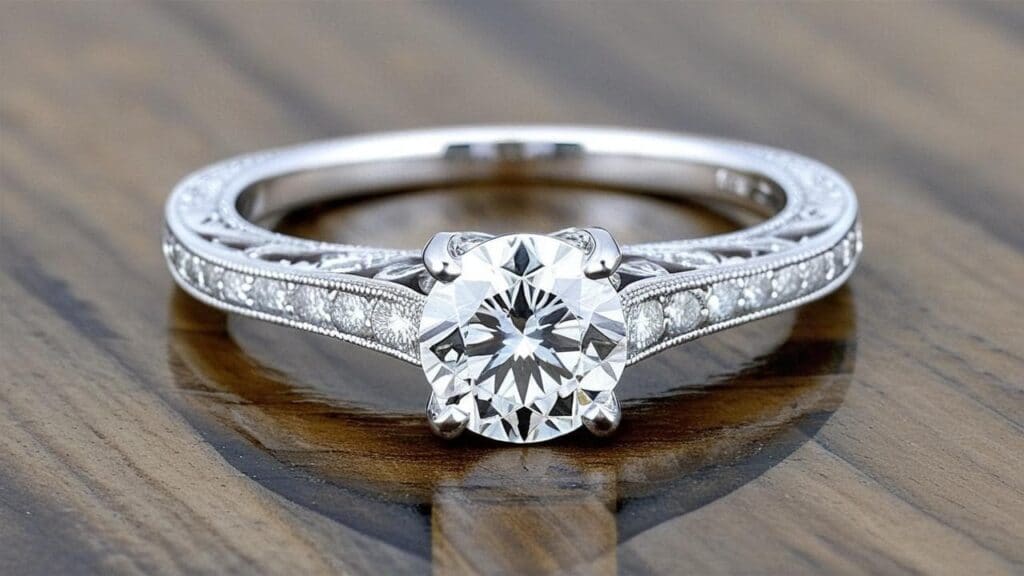
The timeline for creating bespoke jewelry depends on numerous factors, but understanding typical timeframes helps you plan accordingly and set realistic expectations for your project. The jewelry production process typically takes 4-6 weeks and involves several stages to ensure that each piece of jewelry is created with precision and care. However, this timeline can vary significantly based on design complexity, material availability, and the jeweler’s current workload.
- Standard timeline expectations range from 4-8 weeks for most bespoke pieces, with simpler designs potentially completed in the shorter timeframe while more complex creations may require additional time. Generally speaking, jewelers ask you to allow between four to six weeks to create your bespoke engagement ring, though this can extend depending on specific requirements. This timeframe includes all phases from initial design work through final completion and quality control.
- Design complexity significantly impacts production time, as intricate patterns, multiple gemstone settings, or unusual construction techniques require additional planning and execution time. Simple designs with straightforward settings and standard techniques can move through production more quickly, while elaborate pieces with hand-engraved details, complex stone arrangements, or innovative structural elements may require several additional weeks to complete properly.
- Material sourcing can affect timelines, particularly when working with rare gemstones, unusual metals, or specialty components that aren’t readily available. If your stone selection is more rare, or the design is very intricate, you may need to allow a little longer for completion. Common materials like standard gold alloys and popular gemstones are typically available immediately, while exotic materials may require special ordering with associated delays.
- The jeweler’s current workload and scheduling affects when your project can begin and how quickly it progresses through each phase. Established jewelers often have multiple projects in various stages of completion, which means your piece enters a production queue rather than receiving immediate attention. Planning ahead and booking your project early helps ensure availability during your preferred timeframe.
- Rush orders are possible but come with additional considerations and costs. When a customer requests rushed production, jewelers need to adjust their normal production process to accommodate the request, which means prioritizing the customer’s order above others, working longer hours, and even sourcing materials at a higher cost to meet the deadline. These factors can increase costs and may compromise some aspects of the normal quality control process.
- Revision and approval stages can extend timelines if multiple design iterations are required or if you need additional time to make decisions about materials or design elements. While most bespoke projects follow a straightforward approval process, complex decisions or significant design changes can add days or weeks to the overall timeline.
- Seasonal considerations may affect timing, as many jewelers experience peak demand periods around holidays, wedding seasons, and gift-giving occasions. Planning your bespoke project well in advance of these busy periods helps ensure optimal attention and timing for your piece.
Understanding these timeline factors helps you plan your bespoke jewelry project effectively and communicate your needs clearly with your chosen jeweler. When it comes to custom creating jewelry it is better to start as early as possible, however, jewelers understand that sometimes clients need their jewelry sooner and are ready to take on the challenge and adjust their process to meet your needs when absolutely necessary. The key is open communication about your timeline requirements and flexibility to work within the realities of quality craftsmanship.
How Much Does Bespoke Jewelry Cost?
The cost of bespoke jewelry involves multiple factors that work together to determine your final investment, making it important to understand how pricing works before beginning your project. The cost of bespoke jewellery is not easy to pin point, but understanding how the costs such as metal, gemstones and labour work will help you understand how much your bespoke ring, necklace or earrings will cost. Having jewelry made to your taste is very personal, so many factors play a part in the final price you will pay.
- Material costs represent one of the most significant factors affecting bespoke jewelry pricing, with the type and quality of metals and gemstones directly impacting your investment. The main metal, and the purity of that metal, is one of the key elements that is going to drive the core cost. Gold is more expensive than silver and platinum is pretty much on par with gold, but it is denser, requiring more material by weight. The higher the carat - the purer the metal - the higher the price, as 9 carat gold contains 37.5% pure gold while 18 carat contains 75% pure gold, making it significantly more expensive.
- Gemstone selection significantly influences price, especially when considering size, quality, and origin of the stones you choose. Factors like cut, clarity, color, and carat weight all affect gemstone costs, with premium stones commanding substantially higher prices than more modest alternatives. The same design can vary dramatically in price depending on materials used - a platinum ring set with a D flawless 1-carat diamond will cost considerably more than the same design made in 18-carat yellow gold set with an F, VS1, 0.50-carat diamond.
- Design complexity affects both material usage and labor requirements, with intricate patterns, multiple stone settings, or innovative construction techniques requiring additional time and expertise. Simple designs with straightforward settings can be completed more efficiently, while elaborate pieces with hand-engraved details, complex metalwork, or unusual structural elements require significantly more skilled labor hours and specialized techniques.
- Craftsmanship and labor costs reflect the expertise and time required to transform your design into reality. Bespoke pieces are often handcrafted by experienced jewelers, which involves meticulous work and higher labor input compared to mass-produced items. The artisan’s experience significantly impacts what you’ll pay to create bespoke jewelry, as master craftspeople with decades of experience command higher rates than less experienced makers, but also deliver superior quality and attention to detail.
- Technology integration can affect costs both positively and negatively, as computer-aided design (CAD) and 3D printing capabilities may add to design costs but can also improve accuracy and reduce material waste. Being able to see a 3D render of the design before production gives confidence in the investment, though this visualization service may add £200 or more to the project cost depending on complexity.
- Minimum cost thresholds exist because of the time and expertise involved in bespoke creation. Because of the time involved there’s a minimum cost for bespoke jewelry which starts at £500, which might typically be for a piece made in silver. This minimum reflects the reality that even simple bespoke pieces require significant consultation, design, and crafting time that cannot be reduced below certain levels.
- Budget flexibility is one of the advantages of bespoke jewelry, as jewelers can work within your specified budget to maximize value and create the best possible piece within your parameters. You can set a budget and customize a piece within your price range, with jewelers able to work with diamond and rare metal distributors to get the best value for your investment.
Understanding these cost factors helps you make informed decisions about your bespoke jewelry investment and communicate effectively with your jeweler about priorities and trade-offs. The key is balancing your desires with your budget while understanding that bespoke jewelry often provides better long-term value than mass-produced alternatives due to superior materials, craftsmanship, and personal significance.
Why Buy Bespoke Jewelry Instead of Store-Bought?
Bespoke jewelry offers numerous advantages that extend far beyond simple aesthetics, providing value that encompasses personal meaning, quality craftsmanship, and long-term investment potential. Investing in bespoke jewelry offers more than just luxury; it’s an expression of individuality and story, embodying cherished memories for generations. Understanding these benefits helps explain why many people choose bespoke creation despite the additional time and investment required.
- Absolute uniqueness ensures that your custom piece is something no one else has owned or worn before, making your jewelry truly one-of-a-kind in the world. When you create your own bespoke piece of jewelry, you have the freedom to choose your own materials, metals and stones to create your ideal piece that reflects your personal style and story. This level of uniqueness cannot be replicated through mass production or even limited custom modifications of existing designs.
- Personal meaning and storytelling transform your jewelry from mere accessory into meaningful symbol that carries deep emotional significance. Bespoke jewelry is more than just a piece of jewelry – it’s a statement, a memory, and a reflection of individual style that tells your personal story in a way that off-the-shelf pieces simply cannot match. Each bespoke piece has a part of the owner’s life story embedded in it, making it irreplaceable and priceless beyond its material value.
- Superior quality craftsmanship distinguishes bespoke pieces from mass-produced alternatives through attention to detail and use of premium materials. Bespoke jewelry is known for its exceptional quality craftsmanship, as you typically work with extremely skilled and experienced artisans and jewelers who have been creating bespoke jewelry for many years. They take great pride and care in creating each piece to meet your specific requirements and preferences, visible in the attention to detail, customization, and high-quality materials they use.
- Budget control and value optimization allow you to direct your investment toward the elements that matter most to you rather than paying for features you don’t want or need. One of the major advantages of choosing a bespoke piece is that you have complete control over the budget, as you can select your preferred materials, quality of gemstones, and design features that fit your budget while creating a perfect piece that matches your priorities.
- Investment value often exceeds that of mass-produced jewelry because bespoke pieces are made with superior materials and craftsmanship while carrying personal significance that enhances their worth over time. The jewelry itself is likely to appreciate in value over time due to the quality of materials and the uniqueness of the piece, making bespoke jewelry both an emotional and financial investment.
- Romantic and emotional significance makes bespoke jewelry particularly meaningful for special occasions and relationships. Although not all bespoke jewelry is bridal jewelry, a large proportion of custom pieces made for clients are engagement rings and wedding bands, as there’s something extra special about creating a ring just for your fiancée that many couples are choosing every year.
- Unlimited creative possibilities provide freedom to explore any design concept within your budget rather than being limited by what manufacturers think will sell to the general public. Creating bespoke jewelry is a whole different experience that goes beyond just “jewelry shopping,” as when you sit down to work with a jewelry designer, you have unlimited options to create your jewelry according to your vision and preferences.
- Cost-effectiveness often surprises people, as bespoke pieces are frequently less expensive than comparable pieces found in retail stores. This is because jewelry stores mark up their prices extensively to cover their costs, while working directly with a private jewelry studio on your bespoke piece often results in better value for your investment.
The benefits of bespoke jewelry extend far beyond the final product to encompass the entire experience of creation, collaboration, and personal expression. These advantages make bespoke jewelry an attractive option for anyone seeking jewelry that truly reflects their personality, values, and story while providing lasting value and meaning that can be passed down through generations.
Most Popular Types of Bespoke Jewelry
Bespoke jewelry encompasses a wide range of pieces designed to meet various personal, cultural, and ceremonial needs, with each type offering unique opportunities for customization and personal expression. While engagement rings are a popular choice, the world of bespoke jewelry extends far beyond to include custom pieces for all occasions – from wedding bands to anniversary gifts, from statement necklaces to subtle earrings. Understanding the most popular categories helps you envision possibilities for your own bespoke creation.
- Engagement rings represent the largest category of bespoke jewelry, as couples increasingly seek unique symbols of their love that reflect their personal story and style preferences. The process transforms an already significant symbol into an even more meaningful personal journey, embedding your love story into every part of the diamond and every curve of the unique engagement ring design. Modern couples often combine elements from multiple inspirations, wanting specific features like a particular halo style with a different diamond shape, specific band details, or unique metal combinations that aren’t available in pre-made options.
- Wedding bands and anniversary jewelry provide opportunities to create matching or complementary pieces that honor the ongoing journey of a relationship. These pieces often incorporate design elements from the engagement ring while adding new symbols, engravings, or gemstones that represent shared experiences, important dates, or future aspirations. Anniversary pieces frequently celebrate milestone moments with custom designs that reflect the couple’s growth and shared history.
- Memorial and heritage jewelry transforms meaningful materials into lasting tributes that honor loved ones or preserve family history. Custom pieces are often commissioned using heirloom diamonds to tell a story, incorporating stones or metals from inherited jewelry into new designs that bridge generations. This category includes pieces created from precious items belonging to deceased relatives, transforming inherited materials into wearable memories that keep loved ones close.
- Statement jewelry and artistic pieces allow for maximum creative expression, often featuring bold designs, unusual gemstone combinations, or innovative construction techniques that showcase the jeweler’s artistry. These pieces might include custom pendants that evoke particular memories, elaborate necklaces designed around rare gemstones, or sculptural earrings that serve as wearable art reflecting the owner’s personality and aesthetic preferences.
- Professional and symbolic jewelry includes custom pieces created for specific roles, achievements, or affiliations. This category encompasses custom gold badges for first responders to share with their families, professional insignia, religious symbols, or pieces celebrating personal achievements and milestones. These items often carry deep personal significance related to career, beliefs, or important life accomplishments.
- Redesigned family heirlooms represent a growing category where existing jewelry is transformed into contemporary pieces while preserving sentimental value and family history. This process might involve resetting grandmother’s diamonds into a modern ring design, transforming an old brooch into elegant earrings, or combining elements from multiple inherited pieces into a single meaningful creation that honors the past while fitting current lifestyle needs.
- Children’s and milestone jewelry includes pieces created to commemorate births, graduations, coming-of-age ceremonies, or other significant life events. These pieces often feature birthstones, engravings of important dates, or symbolic elements that capture the significance of the moment being celebrated. Such jewelry frequently becomes cherished keepsakes that mark important transitions and achievements.
The diversity of bespoke jewelry types demonstrates the versatility and personal nature of custom creation, with each category offering unique opportunities to create meaningful pieces that serve specific purposes while reflecting individual style and story. Whether celebrating love, honoring memory, marking achievements, or simply expressing personal aesthetic preferences, bespoke jewelry provides the perfect medium for creating pieces that truly matter to their owners.
Modern Technology in Bespoke Jewelry Design
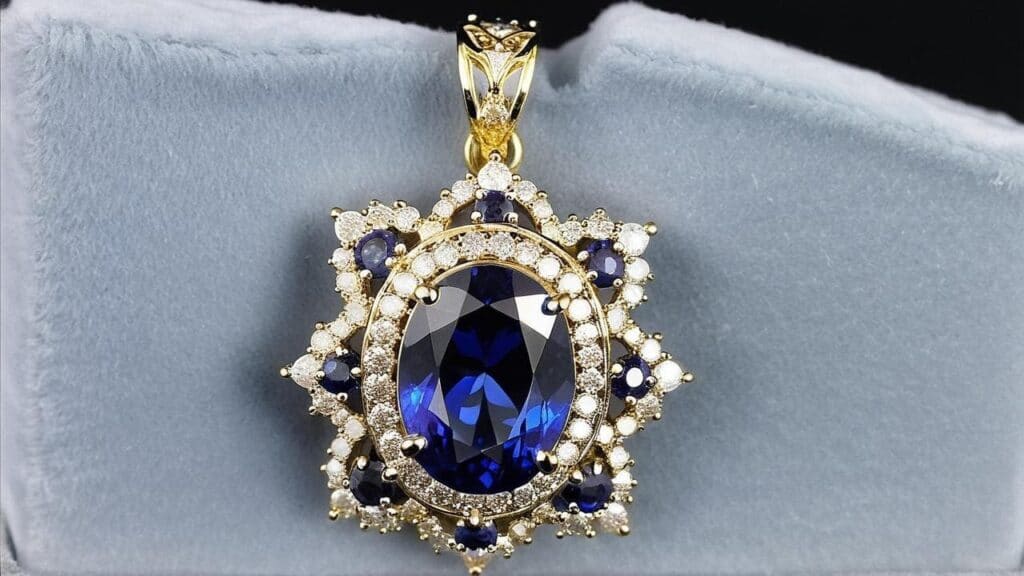
Technology has revolutionized the bespoke jewelry industry, making custom creation more accessible, accurate, and efficient while maintaining the artisanal quality that defines handcrafted pieces. Recent 3D printing technology and digital design software has enabled the jewelry manufacturing process to speed up exponentially, transforming what was once a lengthy and uncertain process into a streamlined experience with greater precision and customer involvement. This technological integration enhances rather than replaces traditional craftsmanship skills.
- Computer-Aided Design (CAD) has fundamentally changed how bespoke jewelry is conceptualized and developed, allowing jewelers to create precise digital models that can be easily modified and perfected before any physical work begins. Using 3D software like ZBrush and Rhino, a jewelry designer can create a 3D render of your jewelry within a few days, with the best part being that you as the client don’t even need to draw anything or know much about jewelry, as a highly trained designer can create something based only on an idea.
- Three-dimensional rendering provides customers with photorealistic previews of their finished pieces, eliminating much of the uncertainty that previously surrounded bespoke creation. The first stage involves creating a sketch of the design, which is then modeled using specialized software to create a 3D image that gives clients a realistic idea of what the final product will look like before any materials are committed to production.
- 3D printing technology enables the creation of precise physical prototypes and production models that ensure perfect fit and proportion before final casting. This technology allows jewelers to print wax models that serve as the foundation for traditional lost-wax casting processes, combining modern precision with time-tested jewelry-making techniques. The advent of 3D printing has introduced new possibilities for creating complex geometric designs and intricate details that would be extremely difficult or impossible to achieve through traditional hand-carving methods.
- Digital design tools provide unprecedented accuracy in calculating material requirements, costs, and structural integrity before production begins. In decades prior, it would be difficult to estimate how much your jewelry would cost before production, but today, the gold weight of the piece can easily be calculated by the rendering software, allowing for more accurate pricing and material planning.
- Virtual collaboration capabilities enable customers to participate in the design process regardless of geographic location, with jewelers able to share digital renderings, modifications, and progress updates through online platforms. This technology has made bespoke jewelry accessible to clients worldwide, breaking down traditional barriers of location and enabling collaborations that wouldn’t have been possible in the past.
- Quality assurance improvements result from the ability to test and refine designs digitally before committing resources to physical production. Customers in the past had to simply trust that their piece was going to turn out as they imagined it, without much guarantee of what the finished jewelry might look like, but today, customers have many opportunities to view digital and wax versions of the jewelry before it’s actually cast into metal.
- Production efficiency gains allow jewelers to streamline certain aspects of the creation process while maintaining the handcrafted quality that defines bespoke jewelry. While each piece is individually crafted, many technological steps can be done in batches to increase efficiency, such as 3D printing multiple wax models simultaneously, which reduces per-piece production time and costs.
- Traditional craftsmanship integration ensures that modern technology enhances rather than replaces the skilled artisanship that gives bespoke jewelry its character and quality. Jewelers often combine traditional and modern techniques to achieve the best results, using 3D printing for precise symmetry in a design, then adding hand-finished details for a personal touch that maintains the artisanal quality customers expect from bespoke pieces.
The integration of modern technology into bespoke jewelry creation has made the process more accessible, accurate, and efficient while preserving the personal touch and superior quality that define custom pieces. For these reasons, it’s never been a better time to create bespoke jewelry, as technology bridges the gap between imagination and reality while maintaining the craftsmanship traditions that make bespoke jewelry so special.
Finding the Best Custom Jewelry Maker
Selecting the right jeweler for your bespoke project is perhaps the most crucial decision in the entire process, as the artisan you choose will determine both the quality of your finished piece and the experience of creating it. Finding a jeweler who combines technical expertise with artistic vision while understanding your personal style and working within your communication preferences requires careful evaluation and consideration. The relationship between client and jeweler forms the foundation of successful bespoke creation.
- Portfolio evaluation should be your first step in assessing potential jewelers, as their previous work demonstrates both technical capabilities and artistic style. Look for diversity in their portfolio that shows ability to work with different materials, design styles, and complexity levels while maintaining consistent quality standards. Pay attention to pieces similar to what you envision for your project, but also consider their ability to adapt and create something entirely new based on your unique requirements.
- Experience and expertise assessment involves understanding the jeweler’s background, training, and specialization areas that relate to your project needs. Jewelers with decades of experience understand the materials they work with well and have become experts at what they do, having created amazing pieces over the years to prove their capabilities. You cannot fast-track or cheat your way into becoming a skilled jeweler, so experience matters significantly in achieving the results you desire.
- Communication style and collaboration approach determine how comfortable and productive your working relationship will be throughout the creation process. The initial consultation should give you a sense of whether you and your potential designer have chemistry with each other and whether the designer is enthusiastic about your project and if your ideas align somewhat. This relationship is crucial since you’ll be working together closely for several weeks or months.
- Workshop and facility assessment provides insight into the jeweler’s capabilities, equipment, and working conditions that will affect your piece’s quality. Ask about whether they complete all work in-house from start to finish, as some jewelers outsource portions of their work, which can affect quality control and timeline management. Understanding where and how your jewelry will be created helps ensure it meets your expectations for craftsmanship and attention to detail.
- Process transparency and client involvement policies vary significantly between jewelers, with some offering extensive client participation while others prefer to work more independently. Determine whether you can visit during production to see your bespoke piece in progress, as some jewelers welcome this involvement while others prefer to reveal the finished product only at completion. Choose an approach that matches your desired level of participation in the creation process.
- Pricing structure and payment policies should be clearly understood before beginning your project, including deposit requirements, payment schedules, and what happens if modifications are needed during creation. Understanding how costs are calculated and when payments are due helps avoid surprises and ensures smooth project progression. Some jewelers charge separately for design work while others include it in the overall project cost.
- Timeline management and scheduling practices affect when your project can begin and how quickly it will progress through completion. Established jewelers often have multiple projects in various stages, so understanding their current workload and scheduling practices helps set realistic expectations for your project timeline.
- Insurance, warranties, and after-care services protect your investment and provide ongoing support for your finished piece. Understand what guarantees are provided for craftsmanship, materials, and structural integrity, as well as what services are available for future maintenance, repairs, or modifications that might be needed over time.
Choosing the right bespoke jeweler requires balancing technical expertise with personal compatibility, ensuring that your chosen artisan can both execute your vision skillfully and provide an enjoyable collaborative experience. Take time to meet with potential jewelers, ask detailed questions about their process and experience, and trust your instincts about who feels like the right partner for bringing your unique jewelry vision to life.
How to Care for Bespoke Jewelry
Proper care and maintenance of bespoke jewelry ensures that your unique investment maintains its beauty, structural integrity, and value throughout years of wear and enjoyment. Since bespoke pieces often incorporate premium materials and intricate craftsmanship details that may require special attention, understanding proper care techniques helps protect your investment while preserving the piece for future generations. The care your bespoke jewelry receives directly impacts its longevity and continued beauty.
- Daily wear considerations involve understanding which activities are safe for your specific piece and which situations require removal to prevent damage. Different materials have varying levels of durability and resistance to chemicals, impact, and environmental factors that affect how and when you should wear your jewelry. Understanding the specific properties of your metals and gemstones helps you make informed decisions about when to wear your piece and when to store it safely.
- Cleaning techniques vary significantly depending on the materials in your bespoke piece, as different metals and gemstones require specific approaches to maintain their appearance without causing damage. Some gemstones can be cleaned with ultrasonic cleaners while others may be damaged by vibration or certain cleaning solutions. Your jeweler should provide specific care instructions tailored to your piece’s materials and construction.
- Storage requirements protect your bespoke jewelry from scratches, tarnishing, and other forms of damage that can occur when pieces are stored improperly or in contact with other jewelry. Proper storage involves using appropriate containers, avoiding exposure to chemicals and humidity, and ensuring that different pieces don’t come into contact with each other in ways that could cause scratching or other damage.
- Professional maintenance schedules help identify and address potential issues before they become serious problems that could compromise your jewelry’s integrity or appearance. Regular professional inspections can catch loose settings, worn prongs, or other structural issues that might not be immediately visible but could lead to gemstone loss or other damage if left unaddressed.
- Insurance considerations become particularly important for bespoke pieces, as their unique nature and potentially higher value require specific coverage that may not be adequately provided by standard homeowner’s or renter’s insurance policies. Professional appraisals document your piece’s value and characteristics for insurance purposes while also providing important documentation for future reference.
- Repair and modification services may be needed over time as your lifestyle changes or as normal wear affects your piece’s condition. Understanding your jeweler’s policies regarding future services, warranty coverage, and availability for repairs helps ensure that your bespoke piece can be properly maintained throughout its lifetime.
- Documentation and records preservation includes keeping all paperwork related to your bespoke piece, including design sketches, material specifications, care instructions, and any certificates or appraisals. This documentation becomes particularly valuable for insurance claims, future repairs, or when passing the piece to future generations who will need to understand its history and care requirements.
- Environmental protection involves understanding how different conditions affect your jewelry materials and taking appropriate precautions to minimize exposure to damaging elements. Factors like humidity, temperature extremes, chemicals in cleaning products or cosmetics, and exposure to sunlight can all affect different jewelry materials in various ways.
Proper care of bespoke jewelry represents an ongoing investment in preserving both the physical beauty and emotional significance of your unique piece. By understanding and following appropriate care practices, you ensure that your bespoke jewelry continues to reflect the craftsmanship and personal meaning that made it special while maintaining its value and beauty for years to come.
Conclusion
Bespoke jewelry represents far more than a luxury purchase – it’s an investment in personal expression, superior craftsmanship, and meaningful symbolism that transforms precious materials into treasured heirlooms. Throughout this guide, we’ve explored how bespoke creation offers unmatched uniqueness, allowing you to participate in designing pieces that reflect your individual style, story, and values in ways that mass-produced jewelry simply cannot match. The collaborative process between client and artisan creates not just beautiful jewelry, but meaningful pieces that carry the story of their creation and the personal significance that inspired them.
The decision to choose bespoke jewelry ultimately depends on your priorities regarding uniqueness, personal meaning, and long-term value versus immediate availability and lower initial cost. Modern technology has made bespoke jewelry more accessible and predictable than ever before, with digital design tools allowing you to visualize your piece before creation while maintaining the traditional craftsmanship that makes each piece special. Whether you’re planning an engagement ring that captures your unique love story, creating a memorial piece that honors family history, or simply wanting jewelry that truly represents who you are, bespoke creation provides the ideal path to owning something genuinely special that will be treasured for generations to come.