Diopside remains one of the jewelry world’s hidden treasures - a gemstone with remarkable beauty that hasn’t yet reached the mainstream recognition of emeralds or sapphires. This captivating green stone offers jewelry enthusiasts a unique combination of vivid color, interesting optical properties, and relative affordability that makes it increasingly popular among those “in the know” about gemstones. With a rich emerald-like appearance but a fraction of the cost, diopside provides an accessible entry point into the world of fine colored gemstones. Though it may not have centuries of lore behind it like some ancient gems, its rising popularity in contemporary jewelry designs speaks to its inherent beauty and appeal.
What is Diopside?
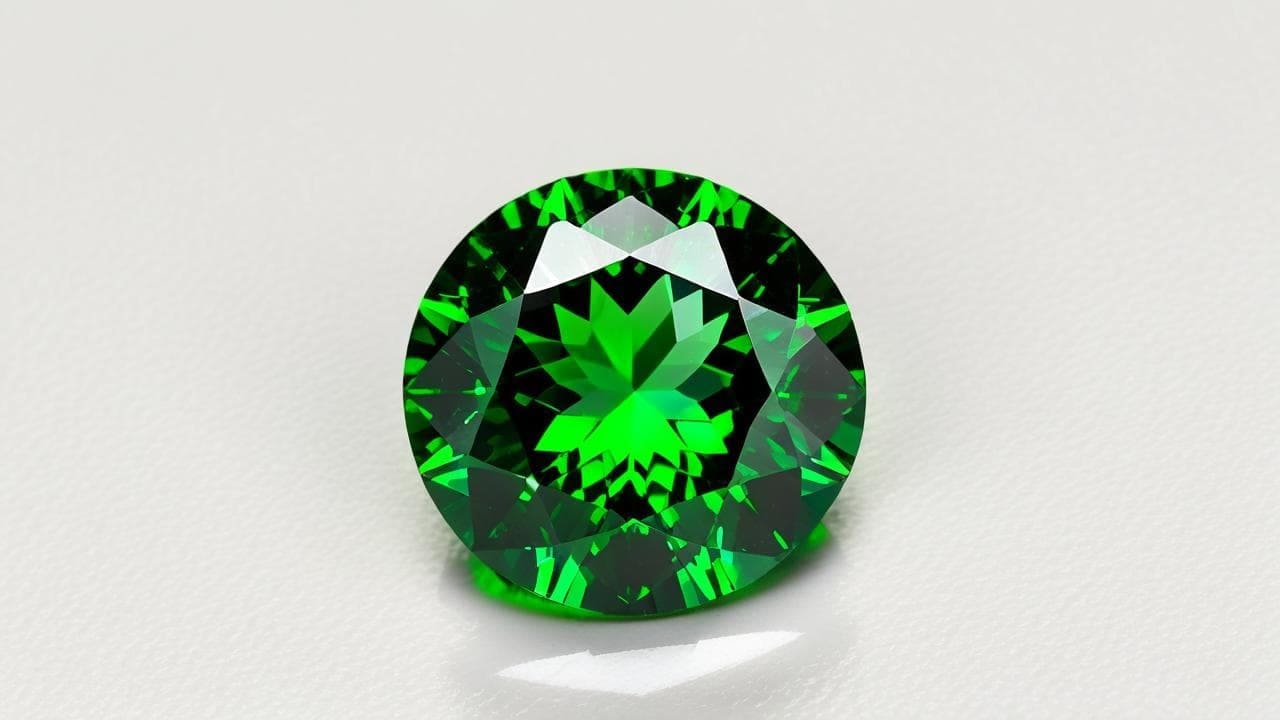
Diopside is a calcium magnesium silicate mineral belonging to the pyroxene group with the chemical formula CaMgSi₂O₆. It’s primarily known for producing beautiful green gemstones, though it can appear in several colors depending on its chemical composition and formation conditions. The most prized variety, chrome diopside, offers an intense green color that rivals emeralds in its vibrance and depth. Unlike many green stones that might appear yellowish or bluish-green, quality chrome diopside displays a pure, rich green that gemstone enthusiasts specifically seek out.
- Diopside derives its name from Greek words meaning “two kinds of vision,” referring to its pleochroic property where the gem can appear different colors when viewed from different angles - a characteristic that skilled gem cutters must account for when fashioning the stone.
- Chrome diopside, the most valuable variety, contains chromium that creates its intense green color - the same element responsible for emerald’s green hue. The best specimens come from Siberia, particularly the Inagli deposit in Russia’s Sakha Republic, where the cold climate has preserved these gems for millennia.
- While most valued for its green varieties, diopside naturally occurs in black (known as violane), yellowish-brown, blue (rare variety called violite), and even colorless forms. Each type has its own geological origin story and unique characteristics.
- Diopside forms in metamorphic environments where magnesium-rich rocks undergo temperature and pressure changes. It’s commonly found alongside minerals like garnets, calcite, and vesuvianite, with large deposits located in Russia, Finland, Madagascar, Pakistan, Canada, and the United States.
- Though formally identified as a distinct mineral only in 1800 by Brazilian mineralogist José Bonifácio de Andrada e Silva, diopside specimens have likely been used ornamentally for centuries before receiving scientific classification.
Diopside’s combination of vivid color, reasonable hardness, and relative affordability makes it an increasingly popular choice for distinctive jewelry pieces. While it doesn’t have the name recognition of emeralds, this “Russian emerald” (as it’s sometimes called) offers comparable beauty at a fraction of the cost. Though requiring somewhat more careful handling than harder gemstones, diopside rewards its wearers with a stunning green color that captures attention and admiration.
Physical Properties of Diopside
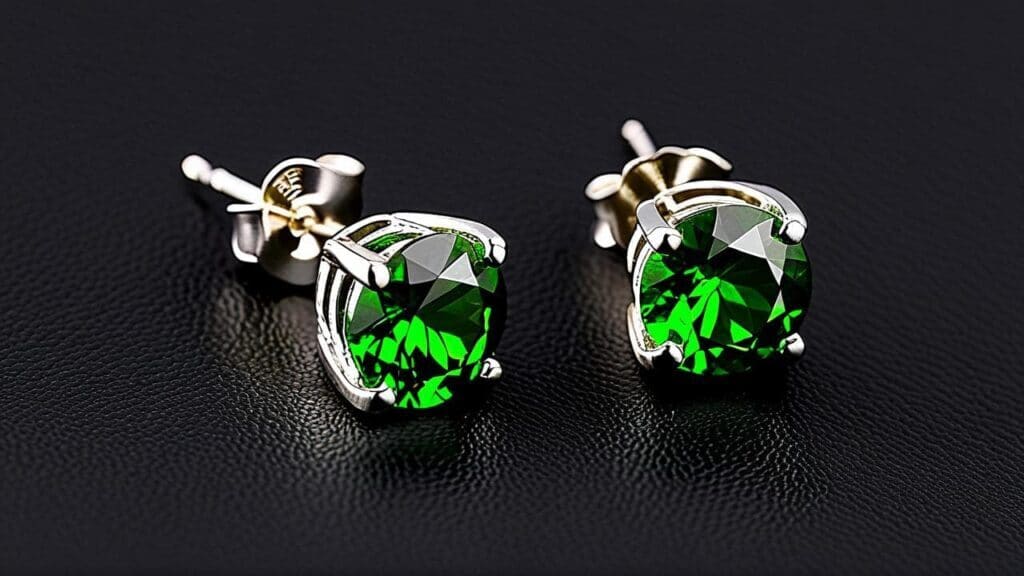
The physical characteristics of diopside determine both its beauty as a gemstone and how it can best be used in jewelry. From its distinctive color to its optical properties, these features help gemologists identify diopside and guide jewelers in creating pieces that showcase its unique qualities while accommodating its physical limitations.
- Color Range and Causes: Chrome diopside displays a rich, forest-green to emerald-green color that comes from chromium ions in its crystal structure. The intensity of color typically increases with chromium content, with the finest specimens showing deep, saturated green without appearing too dark. Other diopside varieties include black diopside (containing iron), brown diopside (containing iron and aluminum), and rare blue diopside (containing vanadium instead of chromium).
- Hardness and Wearability: With a Mohs hardness of 5.5-6.5, diopside sits in the medium range for gemstones. This makes it harder than materials like pearl (2.5-4.5) or turquoise (5-6), but considerably softer than sapphire (9) or diamond (10). This moderate hardness means diopside is durable enough for most jewelry applications but may show wear over time in rings or bracelets that experience regular impact.
- Optical Properties: Diopside has a refractive index of 1.68-1.73, giving it good brilliance when properly cut. It displays pleochroism (showing different colors when viewed from different angles), which skilled lapidaries must account for during cutting to maximize the stone’s beauty. The dispersion (fire) rating of 0.014-0.020 is moderate, meaning it shows some colorful flashes but not as dramatically as diamond (0.044) or zircon (0.039).
- Crystal Structure and Formation: Diopside has a monoclinic crystal system, typically forming short, prismatic crystals with a vitreous (glass-like) luster. It has perfect cleavage in two directions at nearly right angles, which can create challenges during cutting but also allows for interesting optical effects when properly handled by experienced lapidaries.
- Size and Clarity Characteristics: Unlike some gemstones that rarely form in large sizes, diopside crystals can grow quite large, with faceted gems over 5 carats being relatively common. However, the most intensely colored chrome diopside is typically found in smaller sizes, with stones over 3 carats becoming increasingly dark and sometimes appearing nearly black. Clarity ranges from transparent to translucent, with eye-clean specimens being preferred but some inclusion patterns accepted if they don’t significantly impact transparency.
The combination of these physical properties makes diopside a versatile gemstone that offers impressive visual appeal despite some limitations in hardness. When properly cut and set in appropriate jewelry styles that protect it from hard impacts, diopside can maintain its beauty for generations while providing a distinctive alternative to more common green gemstones.
Different Diopside Varieties and Their Features
Diopside isn’t a single uniform gemstone but rather encompasses several varieties, each with unique characteristics that appeal to different collectors and jewelry enthusiasts. Understanding these varieties helps in appreciating the diverse beauty diopside offers and making informed choices when purchasing diopside jewelry.
- Chrome Diopside: The most prized variety for jewelry, chrome diopside contains chromium that gives it an intense emerald-green color. Primarily sourced from Siberia, particularly the Inagli deposit in Russia, these gems are valued for their rich, pure green hue that rivals emeralds. Quality chrome diopside typically comes in smaller sizes (under 3 carats) as larger stones often appear too dark to showcase their beautiful color.
- Black Star Diopside: This rare variety contains needle-like inclusions of titanium oxide that, when properly cut as a cabochon, creates a four-rayed star effect (asterism). Primarily found in India, black star diopside offers a distinctive alternative to more common star sapphires while typically being more affordable.
- Tashmarine Diopside: A trade name for yellowish-green to apple-green diopside from Tashkent, Uzbekistan. This variety lacks the intense color of chrome diopside but offers a lighter, brighter green that some prefer for its versatility and ability to pair with different metals and outfit colors.
- Violane (Black Diopside): This opaque black to purple-black variety contains manganese and is sometimes used in artistic carvings or as an unusual cabochon stone. While not as popular in mainstream jewelry, its deep color has appeal for gothic and alternative jewelry designs.
- Violet Diopside (Violite): An extremely rare variety containing vanadium that displays violet-blue coloration. So uncommon that it’s primarily of interest to collectors rather than being widely available in commercial jewelry.
Each diopside variety offers unique visual characteristics and historical significance, with chrome diopside dominating the fine jewelry market due to its exceptional color. The diversity of diopside types means there’s likely a variety to match different aesthetic preferences, from the intense green of chrome diopside to the unusual stellate effects of black star diopside or the lighter tones of Tashmarine. This variety also ensures diopside remains interesting to both casual jewelry wearers and serious gemstone collectors seeking something beyond the common market offerings.
Diopside History and Where It’s Found
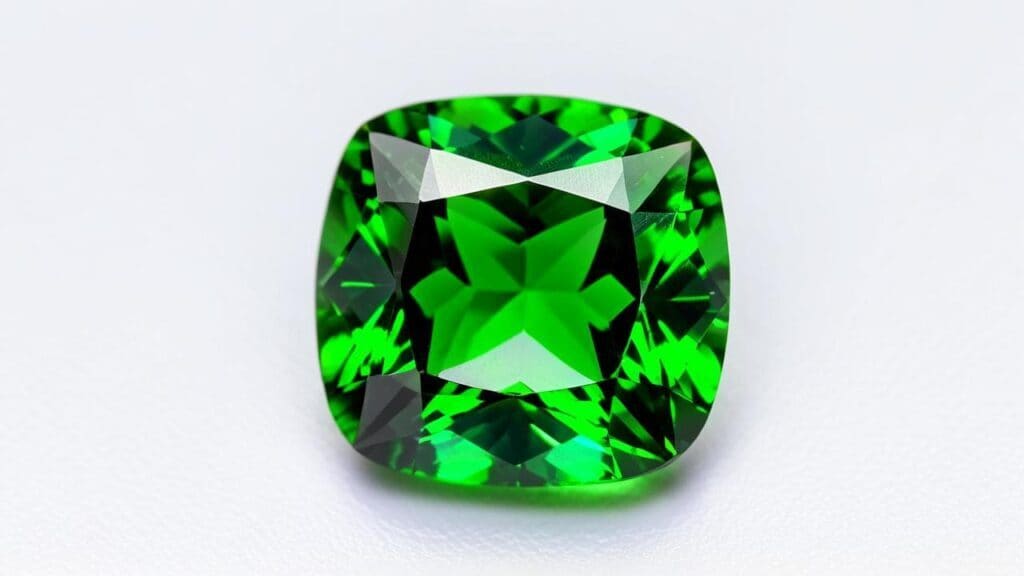
The story of diopside as a gemstone is relatively recent compared to ancient gems like emeralds or rubies, yet it has quickly carved out its own niche in the jewelry world. Its geological formation and geographical distribution have shaped both its availability and its cultural significance across different regions.
- Scientific Discovery: Diopside was first scientifically described and classified in 1800 by Brazilian mineralogist José Bonifácio de Andrada e Silva, who found specimens in the Piedmont region of Italy. While the mineral itself likely had been encountered before, its formal identification as a distinct species came relatively late in gemological history, explaining why it lacks the extensive ancient lore attached to older known gemstones.
- Siberian Origins: The most valuable jewelry-grade chrome diopside comes from the Inagli deposit in the Sakha Republic (Yakutia) of Siberia, Russia. These deposits were commercially developed in the 1980s, making chrome diopside a relatively recent entry into the fine gemstone market. The harsh Siberian climate creates exceptional conditions for the formation of the intensely colored chrome variety, leading to the nickname “Russian Emerald.”
- Global Distribution: Beyond Russia, significant diopside deposits have been found in Finland, Canada (Quebec), Madagascar, Pakistan, Afghanistan, Burma (Myanmar), the United States (especially New York State and California), Austria, Italy, and South Africa. Each location produces diopside with subtle variations in color, clarity, and crystal size.
- Commercial Development: Though known to scientists and mineral collectors throughout the 19th and early 20th centuries, diopside only gained significant commercial attention as a gemstone in the late 1980s and early 1990s. The opening of the Siberian deposits to international markets after the Soviet era helped establish chrome diopside as an affordable alternative to emeralds.
- Cultural Significance: While lacking ancient mythological associations, diopside has developed modern cultural significance, particularly in Russia where it’s considered a national treasure. In contemporary crystal healing traditions, it has gained associations with heart chakra energy, intellectual growth, and emotional balance - though these properties are modern attributions rather than historical beliefs.
The relatively recent emergence of diopside in the commercial gemstone market has meant it’s still building its reputation among consumers. However, this newness also gives it a sense of discovery and exclusivity that appeals to jewelry enthusiasts seeking something beyond traditional gems. As deposits in Russia and elsewhere continue to be developed, diopside’s place in jewelry history is still actively evolving, making it both a beautiful gemstone and an interesting study in how new gems establish themselves in the market.
How Diopside is Used in Jewelry
Diopside’s captivating green color has earned it increasing popularity in jewelry designs, though its use requires consideration of its physical properties to ensure durability. From traditional settings to contemporary designs, this gemstone offers versatility while presenting some unique considerations for jewelers and wearers alike.
- Ideal Jewelry Applications: Due to its moderate hardness (5.5-6.5 on the Mohs scale), diopside is best suited for earrings, pendants, necklaces, and occasionally rings that won’t experience daily impact or abrasion. Protective settings like bezels or partial bezels help shield the stone’s edges from chips and scratches while still showcasing its beautiful color.
- Color Advantages: Chrome diopside’s rich green rivals emerald at a significantly lower price point, making it popular for statement pieces where a large, vivid green stone is desired without the premium cost of emeralds. Its color typically appears best in stones under 3 carats, as larger pieces often become too dark to appreciate the vibrant green hue.
- Setting and Metal Pairings: The vivid green of diopside pairs beautifully with yellow gold, which enhances its warm undertones, and with white metals like platinum or white gold that create striking contrast. Rose gold settings create a contemporary look that emphasizes diopside’s natural beauty against the blush-toned metal.
- Cutting Styles: Diopside is commonly cut in mixed cuts (brilliant crown with step-cut pavilion) to maximize both color and brilliance. Oval, cushion, and round cuts are popular, while skilled lapidaries must work around diopside’s perfect cleavage in two directions that can present challenges during cutting and setting.
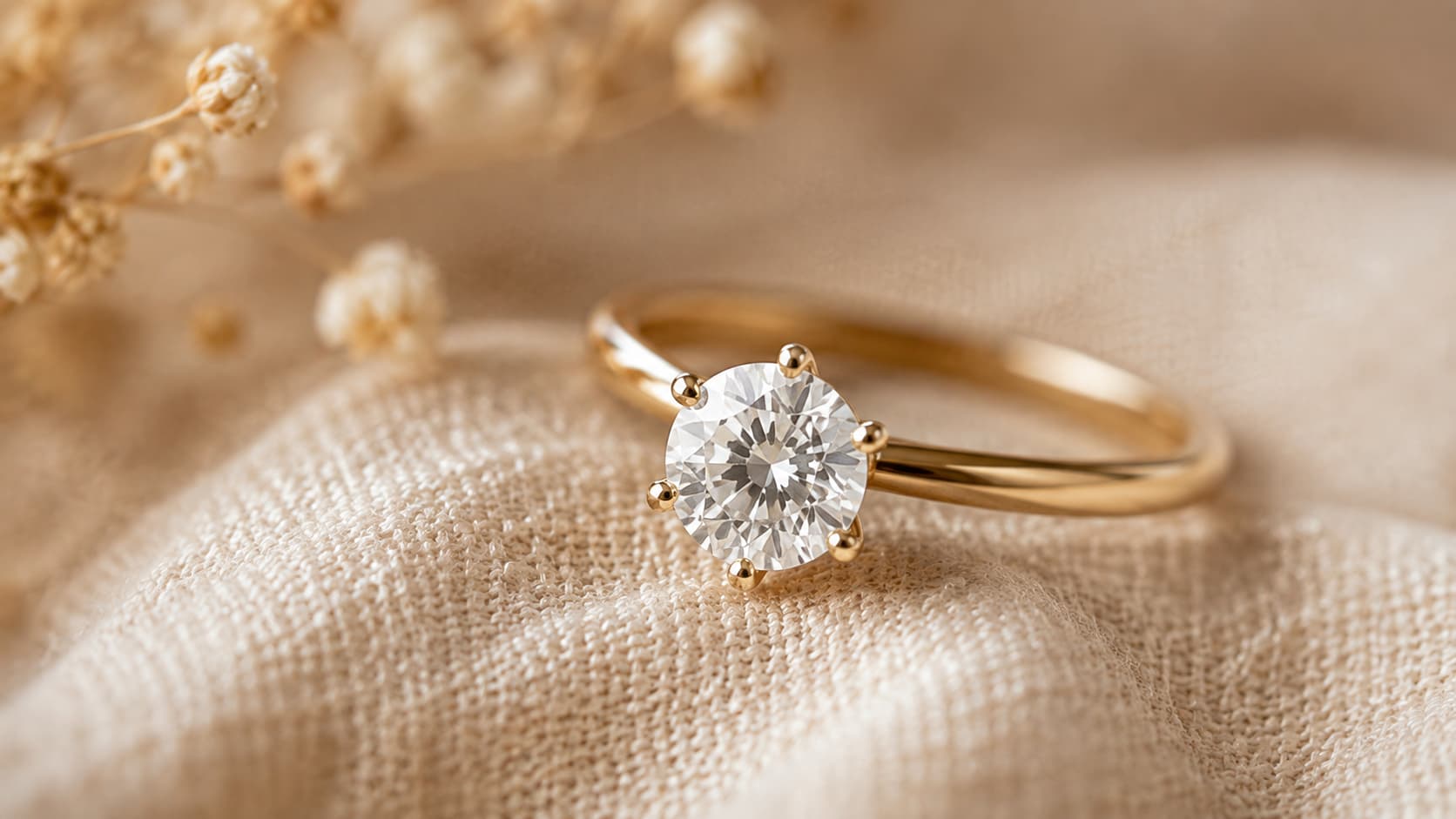
- Commercial Availability: While not as widely available as mainstream gemstones like sapphire or amethyst, diopside has become increasingly present in both fine jewelry stores and artisanal designs. It’s particularly popular in collections focusing on colored gemstones and alternative engagement rings where its unique color offers distinction from traditional choices.
Diopside offers jewelry designers and wearers a stunning green option that combines visual impact with relative affordability. Though requiring somewhat more careful handling than harder gemstones, properly set diopside jewelry rewards with a distinctive color that draws attention and compliments. Its growing popularity in contemporary jewelry designs suggests we’ll see even more creative uses of this beautiful green gemstone in coming years as more jewelry enthusiasts discover its unique appeal.
How to Clean and Care for Diopside
Proper care ensures your diopside jewelry maintains its beauty for years to come. With its moderate hardness and perfect cleavage planes, diopside requires somewhat more attentive care than diamonds or sapphires, but following some straightforward guidelines will help preserve its stunning green color and overall appearance.
- Daily Handling Precautions: Remove diopside jewelry before activities involving impact, abrasion, or exposure to chemicals. This includes household cleaning, gardening, sports, and manual labor. The stone’s moderate hardness (5.5-6.5) makes it susceptible to scratches from harder materials, while its cleavage planes can make it vulnerable to sharp impacts that might cause chipping.
- Cleaning Methods: Clean diopside jewelry using mild soap (like dishwashing liquid) in warm water with a soft brush (such as a soft toothbrush). Never use ultrasonic cleaners or steamers, as the rapid temperature changes and vibrations can potentially damage the stone by exploiting its cleavage planes or expanding any existing internal fractures.
- Storage Recommendations: Store diopside pieces separately from other jewelry to prevent scratching. Ideally, keep each piece in its own soft pouch or in a jewelry box with separated compartments. The gem’s moderate hardness means it can be scratched by harder gemstones like sapphires or diamonds if stored together.
- Environmental Considerations: Protect diopside from prolonged direct sunlight and extreme temperature changes, which can potentially fade its color over time or cause stress to the crystal structure. Avoid exposing the stone to harsh chemicals including chlorine (pools/hot tubs), household cleaners, and even some perfumes or hairsprays that may damage both the stone and its setting.
- Professional Maintenance: Have your diopside jewelry checked by a professional jeweler annually to ensure secure settings, especially for pieces worn frequently. A jeweler can identify early signs of wear like loose prongs or minor surface scratches before they develop into significant problems, and can also provide professional cleaning that safely restores the stone’s luster.
With proper care, diopside jewelry can maintain its beauty for generations. While it requires somewhat more careful handling than the hardest gemstones, this moderate level of maintenance is balanced by diopside’s more accessible price point and stunning green color. Understanding these care guidelines helps jewelry owners make informed decisions about when and how to wear their diopside pieces to maximize enjoyment while minimizing risk of damage.
Diopside Cost: Prices and Value Factors
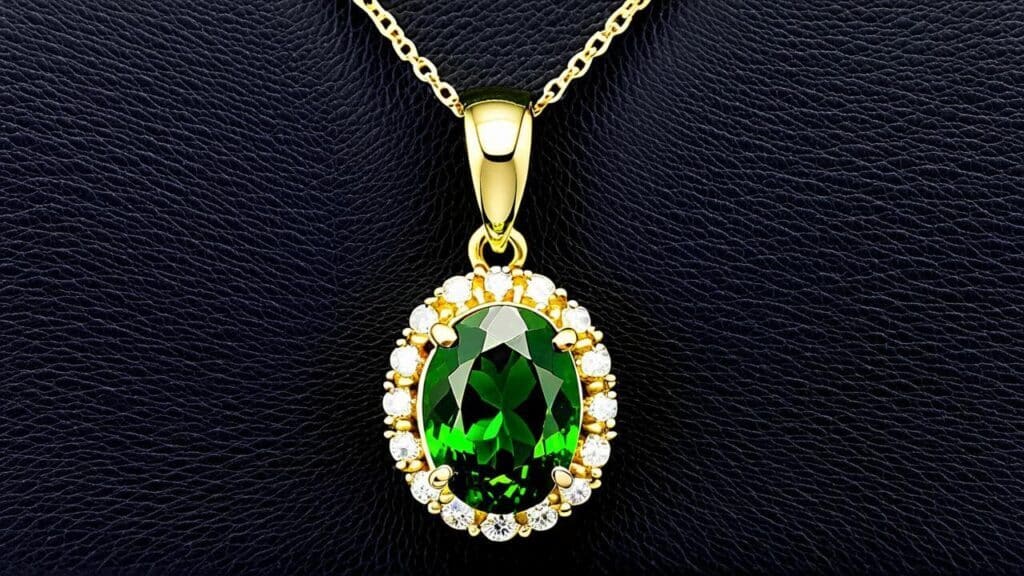
Understanding the factors that influence diopside’s value helps buyers make informed purchasing decisions and appreciate what makes certain specimens more valuable than others. While generally more affordable than emeralds, diopside still shows significant price variation based on several key factors.
- Color Quality: The most significant factor in diopside valuation is color, with rich, vibrant green chrome diopside commanding the highest prices. The ideal color is a pure, medium-to-slightly-dark green without brown or gray undertones. Too light, and the stone loses its distinctive character; too dark, and it appears nearly black, especially in artificial lighting.
- Size Considerations: Unlike many gemstones where larger stones command exponentially higher prices per carat, chrome diopside often has an optimal size range of 1-3 carats. Smaller stones may lack impact, while larger stones often become too dark to appreciate their green color. This creates an unusual pricing curve where mid-sized stones sometimes command the highest per-carat prices.
- Clarity Factors: Eye-clean specimens (those without visible inclusions to the naked eye) are preferred and priced accordingly. Some inclusion patterns are accepted if they don’t significantly impact transparency or create durability concerns. Black star diopside, with its asterism-creating inclusions, is evaluated differently as these inclusions create the desired optical effect.
- Cut Quality: Well-cut diopside that manages both to showcase the stone’s color and to navigate around its cleavage planes commands premium pricing. Expert cutting can maximize a stone’s brilliance while minimizing vulnerability to damage, making skillfully cut stones worth the additional investment.
- Market Positioning: Diopside remains more affordable than emerald despite similar coloration, with fine chrome diopside typically ranging from $50-$300 per carat depending on quality factors. This positions it as an accessible alternative for those seeking a rich green gemstone without the premium pricing of emeralds, which can cost thousands per carat for comparable color.
Diopside’s value proposition includes both its inherent beauty and its relative affordability compared to other green gemstones. While not considered a primary investment gemstone like diamond or ruby, quality diopside offers excellent value for those seeking distinctive colored stones. The relatively recent commercial development of chrome diopside deposits means the market is still evolving, potentially offering opportunities for collectors as awareness of this beautiful green gemstone continues to grow.
Metaphysical Uses of Diopside in Crystal Healing
While scientific gemology focuses on diopside’s physical characteristics, many people are interested in the stone’s reported metaphysical attributes. Though these properties lack scientific verification, they represent cultural and spiritual beliefs that have become associated with this green gemstone in recent decades.
- Heart Chakra Associations: In crystal healing traditions, diopside’s green color connects it primarily to the heart chakra, where it’s believed to promote emotional balance, compassion, and love. Practitioners often use it in meditation or wear it as jewelry when seeking to open or heal the heart center, particularly after emotional trauma or during relationship transitions.
- Intellectual and Spiritual Growth: Beyond its heart associations, diopside is sometimes linked to intellectual development and spiritual advancement. Some metaphysical practitioners suggest it helps connect the heart and mind, encouraging balanced decision-making that incorporates both emotional wisdom and rational thought rather than favoring one over the other.
- Environmental Connection: Diopside’s deep green color has led to associations with nature and environmental awareness. Some crystal enthusiasts believe it strengthens one’s connection to the natural world and promotes environmentally conscious choices and actions.
- Healing Attributions: In crystal healing frameworks, diopside has been attributed with supporting cardiovascular health, aiding emotional healing, reducing nightmares, and alleviating stress-related conditions. These claims, while meaningful to many practitioners, should be considered spiritual beliefs rather than medical advice, as they aren’t supported by scientific research.
- Astrological and Elemental Connections: Though not a traditional birthstone, diopside is sometimes associated with Virgo and Taurus zodiac signs. In elemental systems, it’s typically connected with earth and occasionally water, representing grounding, stability, and emotional fluidity.
These metaphysical associations, while not part of diopside’s geological or gemological definition, have become an important aspect of the stone’s cultural significance for many enthusiasts. Whether approached as literal energetic properties or as symbolic meanings that offer psychological focus during meditation or wear, these attributes add another dimension to diopside’s appeal beyond its physical beauty. For those interested in both the scientific and spiritual aspects of gemstones, diopside offers rich territory for exploration.
How to Identify Real Diopside
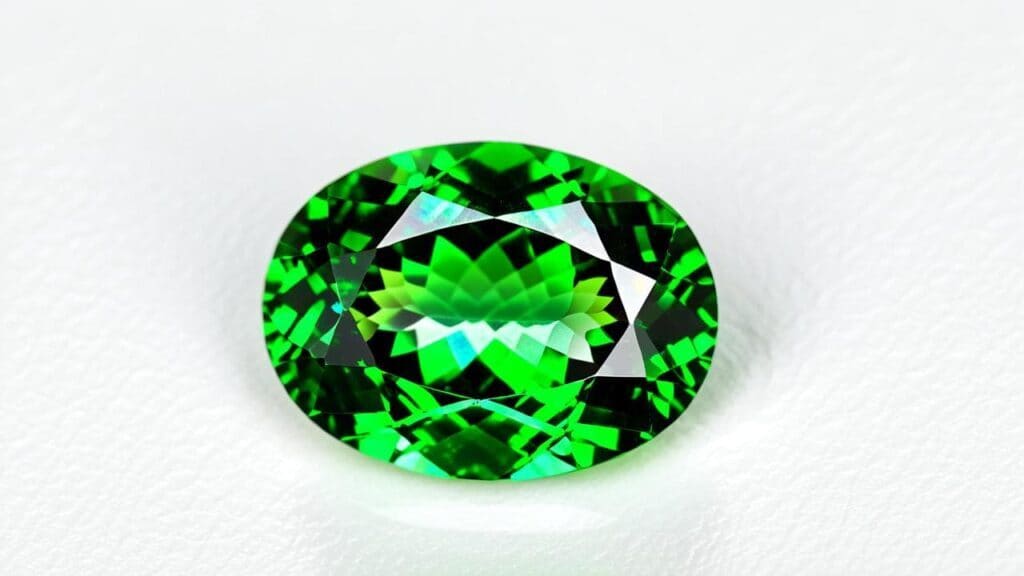
With diopside’s growing popularity, distinguishing genuine stones from imitations or synthetics becomes increasingly important. While professional gemological testing provides the most definitive identification, there are several characteristics consumers can observe to help identify authentic diopside.
- Visual Inspection: Genuine chrome diopside displays a distinctive rich green color that’s often described as “forest green” or “Russian emerald green.” The color should appear consistent throughout the stone without obvious color zoning. Under different lighting conditions, diopside may show subtle pleochroic effects (different colors when viewed from different angles) - a property synthetic materials often cannot replicate accurately.
- Refractive Effects: Diopside has a relatively high refractive index (1.68-1.73), giving it good brilliance but not the extreme fire seen in materials like cubic zirconia. The stone should show crisp, bright reflections without the excessive rainbow dispersion that might indicate a diamond simulant rather than diopside.
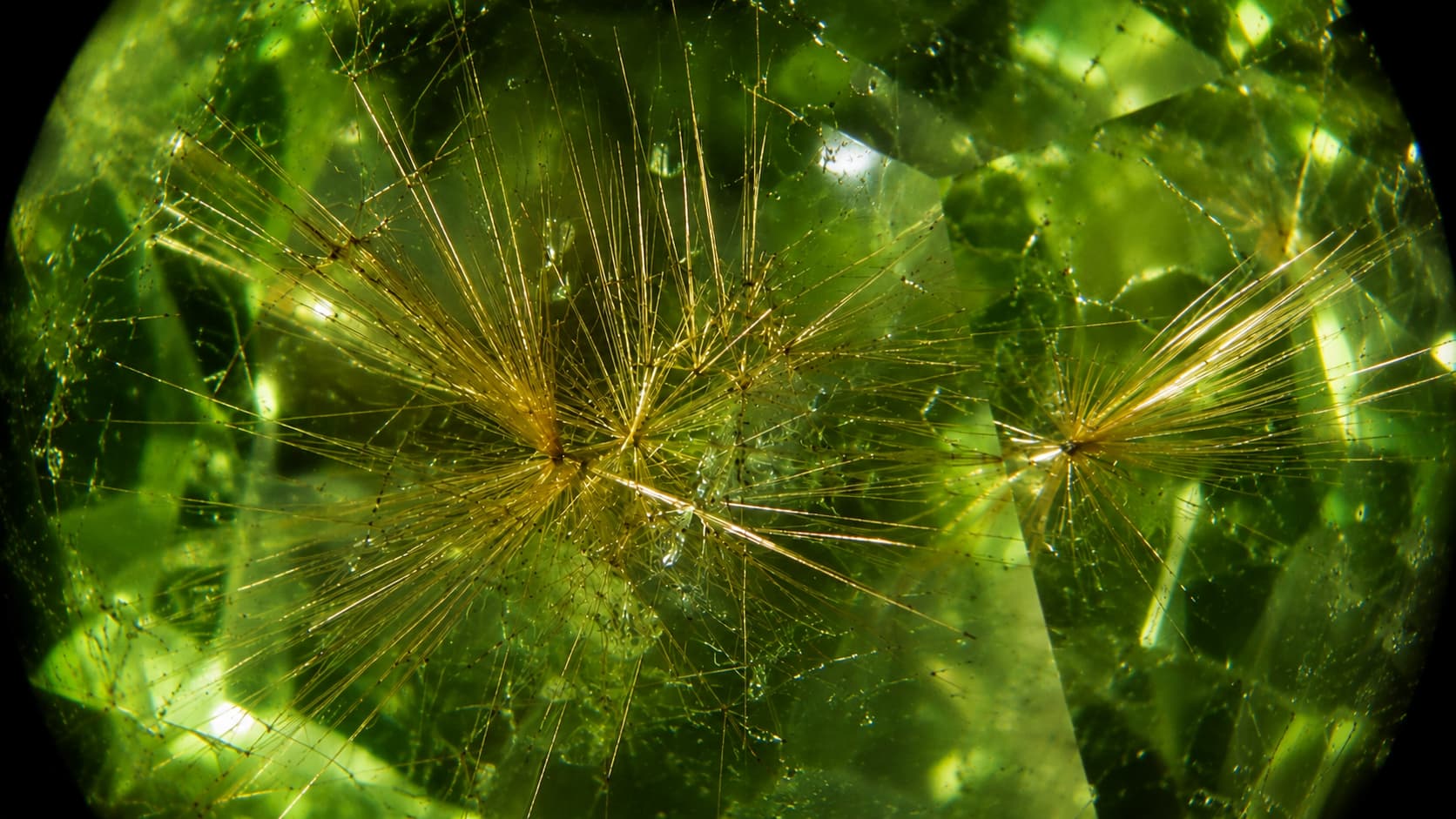
- Inclusions and Growth Patterns: Natural diopside typically contains some inclusions or growth features when examined with magnification. These might include small crystals, liquid inclusions, or growth lines that formed during the stone’s natural development. While fine jewelry-grade stones may have minimal visible inclusions, completely flawless specimens should raise suspicion about potential synthetic origin.
- Hardness Testing: With a Mohs hardness of 5.5-6.5, diopside can be scratched by a steel file or knife (approximately 6.5 on the Mohs scale) but will scratch glass (5.5). This simple test, when performed discreetly on an inconspicuous edge of an unmounted stone, can help distinguish diopside from softer or harder materials being sold as substitutes.
- Professional Verification: For significant purchases, seek verification from a qualified gemologist with proper equipment such as refractometers, spectroscopes, and microscopes. These tools can definitively identify diopside through its optical properties, refractive index, and spectrum patterns. Many reputable jewelers offer certificates of authenticity for valuable stones, providing additional assurance of proper identification.
Distinguishing real diopside requires attention to its unique combination of properties rather than relying on a single characteristic. The growing market for this beautiful green gemstone has unfortunately led to misrepresentation in some cases, making informed purchasing from reputable dealers particularly important. When combined with buying from trusted sources, these identification guidelines help ensure that the diopside jewelry you acquire is genuinely the beautiful natural gemstone it claims to be.
Conclusion
Diopside represents a fascinating intersection of beauty, value, and discovery in the gemstone world. Its rich green color rivals more famous gemstones while its more recent emergence in jewelry markets offers collectors and enthusiasts something distinctive beyond traditional choices. From its Siberian origins to its growing global popularity, diopside continues to gain appreciation among those who discover its unique charm.
While requiring some care due to its moderate hardness, properly set diopside jewelry rewards its owners with a beautiful green presence that draws attention and compliments. Whether chosen for its stunning color, its metaphysical associations, or simply as an affordable alternative to emeralds, diopside offers genuine value and beauty that makes it worth considering for any jewelry collection.
As awareness of this beautiful green gemstone continues to grow, we can expect to see more innovative diopside jewelry designs emerging. For those willing to look beyond the most famous gemstones, diopside offers a rewarding combination of visual impact, interesting properties, and relative value that makes it a worthy addition to any jewelry enthusiast’s collection.