
Have you ever woken up in the morning and found your wedding ring feels impossibly tight, only to have it spinning freely on your finger by evening? Or maybe you’ve noticed your favorite bracelet feels snug after a workout but loose when you’re relaxing at home. This puzzling phenomenon happens to almost everyone who wears jewelry regularly, and it’s completely normal. Your body goes through natural changes throughout the day that affect how your jewelry fits, from temperature fluctuations and water retention to blood flow changes and natural swelling patterns. Understanding why this happens can help you feel more confident about your jewelry choices and know when these changes are normal versus when you might need to take action.
Why Your Jewelry Fits Differently at Different Times
The simple truth is that your fingers, wrists, and other body parts change size throughout the day due to your body’s natural rhythms, and your jewelry changes along with them. Four main factors drive these predictable size fluctuations: your body temperature cycling from cool to warm, fluid retention patterns that shift as you move from lying down to being active, blood flow changes based on your activity level, and hormonal fluctuations that affect how much water your body holds onto.
- Your body temperature goes up and down - Your body is coolest in the early morning and warmest in late afternoon. When your body gets warmer, your blood vessels get bigger and your tissues expand a little, making jewelry feel tighter. When you’re cooler, everything contracts and jewelry feels looser. This is the same reason why a metal ring expands in hot weather and contracts in cold weather.
- Water builds up in your body differently throughout the day - When you lie down for hours while sleeping, fluid naturally pools in your hands and other areas, which is why many people wake up with puffy fingers. As you move around during the day, gravity helps move this fluid around your body, so the swelling goes down and jewelry feels looser as the day goes on.
- Blood flow changes when you move or stay still - When you exercise or are active, more blood flows to your hands and feet, causing them to swell temporarily. Even how you sleep or sit affects your circulation. If you sleep with your hands under your pillow or body, they might be extra swollen in the morning.
- Hormones affect how much water your body keeps - Your body’s natural hormones change throughout the day and can make you retain more or less water. Women often notice bigger changes during their monthly cycle, pregnancy, or when taking hormonal medications. Stress hormones can also make your body hold onto more water.
Recognizing these patterns as normal biological processes rather than jewelry problems can completely change how you approach wearing your favorite pieces. Most people experience the most dramatic differences between early morning (when jewelry typically feels tightest) and late evening (when it usually feels loosest), with the changes being gradual and predictable once you start paying attention to them.
Natural Body Rhythms That Affect Jewelry Fit
Every day, your body goes through an invisible but measurable cycle of expansion and contraction that directly affects how your jewelry fits. This isn’t random - it’s your body’s natural circadian rhythm at work, the same internal clock that controls your sleep patterns, hormone production, and dozens of other biological processes that keep you healthy and functioning properly.
- Your body temperature naturally cycles throughout the day - Most people’s body temperature is lowest around 4-6 AM and highest between 4-6 PM. This temperature difference can be 1-2 degrees Fahrenheit, which might not sound like much, but it’s enough to make your fingers and other body parts expand or contract noticeably. When you first wake up, your cooler body temperature means your tissues are more contracted, but as your body warms up during the day, everything expands slightly.
- Sleep position affects morning swelling - When you lie flat for 6-8 hours, gravity can’t help move fluids around your body like it does when you’re upright. This causes fluid to accumulate in your hands, face, and other areas, making them puffy when you wake up. If you sleep on your hands, under pillows, or in positions that restrict circulation, the swelling can be even more noticeable in the morning.
- Your body holds onto water differently at night - During sleep, your kidneys slow down and don’t process fluids as actively as during the day. Your body also releases different hormones at night that can cause you to retain more water. This is why many people notice their hands and fingers are puffiest first thing in the morning, making rings and bracelets feel much tighter than they did the night before.
- Daily activity gradually reduces swelling - As you start moving around, drinking water, and going about your day, your lymphatic system and circulation begin working more efficiently to move excess fluid out of your tissues. This is why jewelry typically feels progressively looser as the day goes on, with most people experiencing the loosest fit in the late evening.
- Your heart rate and blood pressure change throughout the day - Your cardiovascular system is most active during daylight hours, which affects blood flow to your extremities. Better circulation during the day helps reduce the fluid buildup that occurs overnight, contributing to the gradual loosening of jewelry as hours pass.
These natural daily rhythms explain why jewelry professionals often recommend getting sized for rings in the afternoon or early evening when your fingers are closer to their average daily size. Once you recognize these patterns in your own body, you can work with them instead of fighting against them, leading to much more comfortable jewelry wearing throughout the day.
When Jewelry Feels Tighter
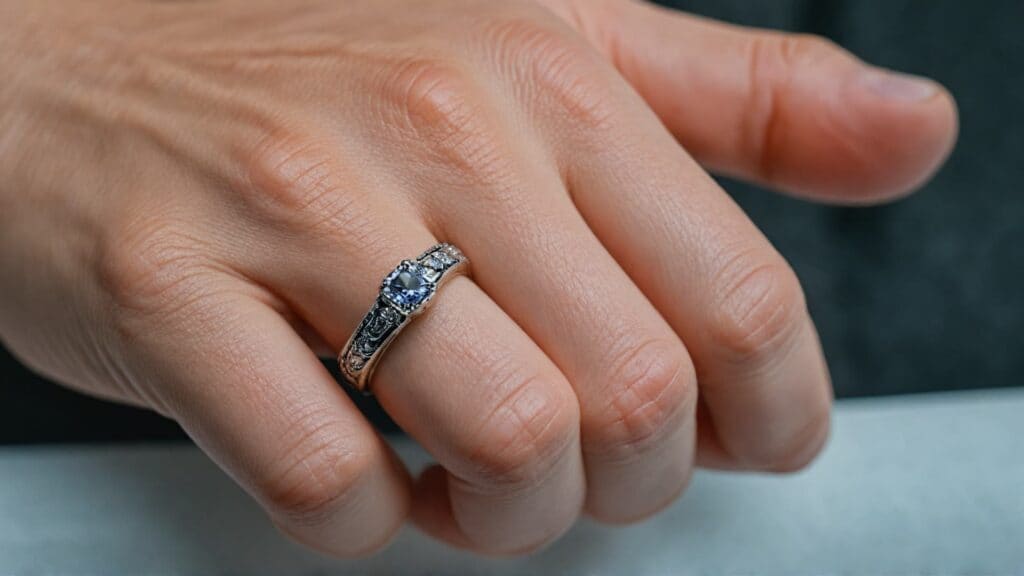
Certain times and situations predictably make your jewelry feel noticeably tighter, and recognizing these triggers helps you prepare for them rather than being caught off guard. Most of these causes create temporary swelling that resolves on its own within hours, but knowing what’s happening can save you from panic and help you respond appropriately.
- Morning swelling is the most common cause - This happens because you’ve been lying down for hours, allowing fluid to build up in your hands and fingers. Your body temperature is also at its lowest point when you wake up, but as you start moving around, your circulation increases and can cause additional temporary swelling before things settle down. Morning swelling usually goes away within 1-2 hours of being awake and active.
- Hot weather makes everything expand - When temperatures rise, both your body and your jewelry expand. Your blood vessels dilate in heat to help cool your body down, which increases blood flow to your hands and makes them swell. Metal jewelry also physically expands in heat, creating a double effect where both your finger gets bigger and your ring gets slightly smaller in its opening.
- Exercise and physical activity increase blood flow - During and immediately after exercise, your heart pumps more blood to your muscles and extremities, causing temporary swelling in your hands and feet. This effect can last 30 minutes to 2 hours after you finish exercising. Even light activities like cleaning house or gardening can cause enough increased circulation to make jewelry feel tighter.
- Eating salty foods causes water retention - Salt makes your body hold onto extra water, and this effect usually shows up 2-6 hours after eating salty meals. Foods like pizza, Chinese takeout, processed snacks, or restaurant meals often contain much more sodium than home-cooked food. The swelling from salt intake can last 12-24 hours depending on how much you consumed and how much water you drink afterward.
- Hormonal changes affect fluid retention - Women often notice their jewelry feels tighter during certain times of their menstrual cycle, particularly in the week before their period starts. Pregnancy, menopause, thyroid issues, and certain medications can also cause hormonal changes that lead to water retention and swollen fingers.
- Air travel creates unique swelling - The low air pressure and low humidity in airplane cabins can cause your body to retain water, while sitting still for long periods reduces circulation. Many people find their rings feel tight during flights and for several hours afterward. The change in air pressure can also cause your body to swell slightly, similar to how a bag of chips expands at high altitude.
Being aware of these triggers allows you to make smart decisions about when to wear certain pieces and when you might want to remove jewelry proactively. Prevention is always easier than trying to deal with uncomfortably tight or stuck jewelry after the fact, especially when you’re in a hurry or feeling stressed about the situation.
When Jewelry Feels Looser
Just as predictable factors make jewelry feel tighter, there are equally reliable situations when your jewelry will feel noticeably looser than usual. These circumstances cause your fingers and other body parts to contract or lose fluid, creating the opposite problem of jewelry that slides around or might even slip off unexpectedly.
- Cold temperatures make everything contract - When you’re cold, your blood vessels narrow to conserve body heat, reducing blood flow to your extremities and making your fingers and hands smaller. Cold weather also causes both your skin and metal jewelry to physically contract. This is why rings might feel loose during winter months or in air-conditioned environments, and why jewelry often feels looser after swimming in cold water or spending time outside in winter.
- End of day brings natural size reduction - By evening, the swelling you woke up with has typically gone down completely. Your body has had all day to process excess fluids, and gravity has helped move water away from your extremities. This is why many people notice their rings spin more freely and bracelets slide around more easily in the evening compared to earlier in the day.
- Dehydration makes fingers shrink - When you don’t drink enough water, your body starts pulling moisture from your tissues to maintain essential functions. This can make your fingers noticeably smaller, causing rings to feel loose or even slip off. Dehydration can happen from not drinking enough fluids, drinking too much alcohol, being sick with fever or vomiting, or spending time in very dry environments.
- Weight loss affects finger size - Even small amounts of weight loss can make your fingers smaller. Losing just 5-10 pounds can be enough to make rings feel noticeably looser. This happens because fingers contain fat deposits just like other parts of your body, so when you lose weight overall, your fingers lose fat too. The change might not happen immediately and can continue for weeks after weight loss.
- Long periods of inactivity reduce circulation - Sitting still for hours, whether at a desk, during travel, or while watching TV, can reduce blood flow to your hands and make them smaller. This is the opposite effect of exercise - when your heart rate is low and you’re not moving much, less blood flows to your extremities, causing them to contract slightly.
- Certain medications can reduce swelling - Diuretics (water pills), blood pressure medications, and some other prescriptions can reduce fluid retention throughout your body, including in your fingers. If you start taking new medications and notice your jewelry suddenly feels looser, this could be why. Some people also notice this effect when they reduce or stop medications that were causing swelling.
- Illness can temporarily shrink fingers - When you’re sick with a fever, cold, or stomach bug, you might become dehydrated or lose weight quickly, making your fingers smaller. Some illnesses also affect circulation or cause your body to process fluids differently, leading to temporarily loose-fitting jewelry.
Recognizing when loose-fitting jewelry is normal versus when it might signal something that needs attention helps you respond appropriately. Most loose jewelry situations resolve naturally as your body returns to its baseline state, but knowing what’s causing the change gives you confidence that everything is working as it should.
Solutions for Tight and Loose Jewelry
When your jewelry doesn’t cooperate with your body’s daily changes, having the right techniques and tools can make the difference between a minor inconvenience and a stressful situation. The key is knowing both immediate solutions for when jewelry feels wrong right now, and longer-term strategies for preventing these problems from disrupting your day.
Fast Fixes for Tight Jewelry
Tight jewelry can be uncomfortable and even concerning, especially if a ring feels completely stuck on your finger. The good news is that there are several safe methods you can try at home to either remove tight jewelry or make it more comfortable to wear until the swelling goes down.
- Use cold water to reduce swelling - Run cold water over your hands for 2-3 minutes or soak them in a bowl of cold water. The cold temperature will help constrict blood vessels and reduce swelling in your fingers. You can also hold ice cubes for 30-60 seconds, but don’t apply ice directly to your skin for too long as it can cause damage.
- Apply soap or lubricant for easier removal - Use dish soap, hand soap, or even petroleum jelly around the ring and on your finger to help it slide off more easily. Work the soap under the ring and twist it gently while pulling. Windex or other glass cleaners also work well because they’re slippery but dry quickly. Never use oil-based products on jewelry with gemstones as they can damage certain stones.
- Elevate your hands to reduce swelling - Hold your hands above your heart for 10-15 minutes to help gravity move excess fluid away from your fingers. You can do this by lying down and propping your hands on pillows, or by raising your arms above your head several times. This technique works best for swelling caused by fluid retention.
- Try the string or floss method for stuck rings - Wrap dental floss or thin string tightly around your finger starting just above the ring and working toward your fingertip. Then slide one end of the string under the ring and slowly unwind it while gently pulling the ring over the wrapped area. This compresses your finger and creates a smooth surface for the ring to slide over.
- Remove jewelry before known triggers - Take off rings and bracelets before exercising, eating very salty meals, flying, or going to bed if you know you tend to wake up swollen. Prevention is often easier than trying to remove tight jewelry after the fact.
Most tight jewelry situations resolve within a few hours as your body returns to its normal size. If these methods don’t work, or if your finger starts turning blue or feels numb, seek help from a jeweler or medical professional immediately. Never force jewelry off or use tools that might injure you or damage the piece.
Fast Fixes for Loose Jewelry
Loose jewelry can be just as frustrating as tight jewelry, especially when you’re worried about losing a valuable piece. While loose-fitting jewelry is generally less urgent than stuck jewelry, there are several temporary solutions that can help keep your pieces secure and comfortable.
- Use temporary ring guards or sizers - Clear plastic ring guards, foam ring sizers, or even small pieces of medical tape wrapped around the back of a ring can make it fit more snugly. These solutions are invisible when worn and can be easily removed when your fingers return to normal size. Ring guards cost just a few dollars and are available at most jewelry stores or online.
- Try the clear nail polish trick - Apply a thin coat of clear nail polish to the inside of a ring to make it slightly thicker and provide better grip. Let it dry completely before wearing. This method works best for rings that are just slightly too loose and can be reapplied as needed.
- Adjust how you wear your jewelry - Move rings to different fingers where they might fit better, or wear loose bracelets higher up on your wrist where your arm might be thicker. Some people find that wearing rings on their middle finger instead of ring finger provides a better fit during times when their hands are smaller.
- Use sizing beads or bars temporarily - Small metal beads or bars can be temporarily attached to the inside of a ring by a jeweler to make it fit more snugly. These can usually be removed later when your finger size returns to normal, making this a good option for temporary size changes.
Remember that loose jewelry is usually a temporary problem that will resolve itself as your body size returns to normal. However, if you’re constantly worried about losing a piece, or if the jewelry is so loose it’s uncomfortable or keeps falling off, consider having it professionally resized or adjusted for better long-term comfort and security.
Why Jewelry Fits Differently in Summer and Winter
The changing seasons create some of the most dramatic and predictable jewelry fit changes you’ll experience throughout the year. Weather patterns, temperature swings, and seasonal activities all combine to create periods when your jewelry consistently feels different for weeks or months at a time.
- Summer heat causes significant expansion - Hot weather is one of the biggest factors that makes jewelry feel tight. When temperatures rise above 80°F (27°C), your blood vessels dilate to help cool your body, increasing blood flow to your hands and causing them to swell. Additionally, the metal in your jewelry physically expands in heat, making ring openings slightly smaller. High humidity also makes your body retain more water, adding to the swelling effect. Many people need to size their rings up by half a size or more during summer months.
- Winter cold makes everything contract - Cold weather has the opposite effect, causing both your fingers and your jewelry to shrink. When temperatures drop below 60°F (15°C), your blood vessels constrict to conserve body heat, reducing blood flow to your extremities and making your fingers noticeably smaller. Metal jewelry also contracts in cold, making ring openings larger. Indoor heating can make this worse by creating very dry air that dehydrates your skin and tissues.
- Spring and fall bring unpredictable changes - These transitional seasons can be challenging because temperatures fluctuate dramatically throughout the day. You might start the morning with cold, contracted fingers and end the afternoon with warm, swollen ones. This is when having adjustable jewelry or temporary sizing solutions becomes most helpful.
- Humidity levels affect water retention - High humidity in summer can make your body retain more water, while the dry air of winter (especially with indoor heating) can dehydrate you and make your fingers smaller. Areas with very humid summers often see people struggling with tight jewelry from June through September, while desert climates might cause the opposite problem.
- Seasonal activities impact jewelry fit - Summer activities like swimming, hiking, and outdoor sports increase circulation and can cause swelling, while winter activities might involve wearing gloves that affect circulation or spending more time indoors with less activity. Vacation travel during different seasons also exposes you to climate changes that can temporarily affect jewelry fit.
- Seasonal diet changes matter - Summer barbecues, salty snacks, and increased alcohol consumption can cause more water retention, while winter comfort foods are often higher in sodium. Holiday eating patterns can also temporarily affect how your jewelry fits, with many people noticing tighter rings after holiday meals or vacation eating.
- Air conditioning and heating effects - Spending time in heavily air-conditioned buildings during summer can cause rapid temperature changes that make your jewelry feel different within minutes. Similarly, going from cold outdoor air into heated buildings during winter can cause quick expansion that makes jewelry suddenly feel tight.
Anticipating these seasonal patterns helps you make informed decisions about which jewelry to wear when, and when you might benefit from temporary sizing solutions or even professional adjustments. Many jewelry wearers find that preparing for seasonal changes is just as important as having daily strategies for size fluctuations.
Medical Conditions That Affect Jewelry Fit
While daily and seasonal changes are normal, certain life circumstances create more significant or long-lasting changes in jewelry fit that require different approaches. These situations go beyond normal fluctuations and may need medical attention, professional jewelry services, or special precautions to keep you safe and comfortable.
- Pregnancy causes progressive swelling - During pregnancy, your body produces more blood and retains more fluid to support your growing baby, which can make fingers, hands, and feet swell significantly. This swelling often starts in the second trimester and gets worse as pregnancy progresses. Many women need to remove their rings entirely by the third trimester because they become too tight to remove safely. The swelling usually goes down after delivery, but it can take several weeks or months for fingers to return to their pre-pregnancy size.
- Medical conditions affect circulation and swelling - Arthritis can cause joint swelling and deformity that makes rings difficult to remove, even when fingers aren’t particularly swollen. Thyroid problems, diabetes, heart conditions, and kidney issues can all cause fluid retention that makes jewelry feel consistently tight. If you have any of these conditions, it’s important to monitor your jewelry fit closely and work with your doctor to manage swelling.
- Medications can cause water retention - Blood pressure medications, steroids, hormone replacement therapy, some antidepressants, and diabetes medications commonly cause swelling as a side effect. Birth control pills and other hormonal medications can also increase water retention. If you start new medication and notice your jewelry suddenly feels different, this could be the cause. Don’t stop taking prescribed medications without talking to your doctor, but do mention jewelry fit changes as they might indicate medication side effects.
- Age-related changes are gradual but permanent - As you get older, your hands naturally change shape due to changes in skin elasticity, joint health, and circulation. Knuckles might become more prominent, making it harder to get rings over them even when they fit well at the base of your finger. Weight gain or loss that comes with aging can also permanently change finger size. These changes happen slowly over years, so you might not notice them until jewelry suddenly doesn’t fit the same way.
- Injury or surgery affects local swelling - Hand, wrist, or arm injuries can cause swelling that lasts for weeks or months during healing. Surgery anywhere on your body can also cause temporary fluid retention that affects jewelry fit. If you’re having any kind of surgery, many doctors recommend removing all jewelry beforehand because swelling from anesthesia and medications can make removal difficult or dangerous afterward.
- Sudden weight changes impact finger size - Rapid weight loss from illness, surgery, or extreme dieting can make fingers shrink quickly, causing rings to become loose enough to fall off. Conversely, rapid weight gain from medication, illness, or other causes can make jewelry uncomfortably tight very quickly. These changes are often more dramatic than gradual weight changes because your body doesn’t have time to adjust slowly.
- Allergic reactions cause localized swelling - If you develop an allergy to metals in your jewelry, you might notice swelling, redness, or irritation around the jewelry that makes it feel tight. This is different from normal daily swelling because it’s usually accompanied by other symptoms like itching, rash, or discoloration. Nickel allergies are particularly common and can develop suddenly even in jewelry you’ve worn for years.
Recognizing when jewelry fit changes signal something more serious than daily variations helps you respond appropriately and seek help when needed. Your safety and health always take priority over keeping jewelry on, and professional solutions are available for virtually any sizing challenge you might face.
Safe Ways to Care for Tight and Loose Jewelry
When your jewelry regularly goes through size changes, it needs special handling to prevent damage and ensure your safety. Proper care techniques become even more important when you’re frequently putting jewelry on and taking it off, or when you’re dealing with pieces that sometimes feel tight or loose.
- Learn safe removal techniques before you need them - The key to removing tight jewelry is staying calm and using gentle, steady pressure rather than force. For rings, try the “twist and pull” method: gently twist the ring back and forth while slowly pulling it toward your fingertip. If it won’t budge, stop and try lubricant or cold water rather than forcing it. For bracelets, try to slide them off over the narrowest part of your hand by compressing your thumb against your palm and working the bracelet over your knuckles slowly.
- Never force jewelry on or off - Forcing tight jewelry can cause serious injury including cuts, bruises, or even broken bones in severe cases. It can also damage the jewelry itself by bending prongs, loosening stones, or warping the metal. If jewelry feels stuck, take a break and try different techniques rather than using more force. Emergency rooms see injuries from people trying to force off stuck rings, so it’s always better to seek professional help than risk injury.
- Store jewelry properly when not wearing it - When you remove jewelry due to swelling or size changes, store it safely so it doesn’t get lost or damaged. Use a jewelry box with separate compartments, small bags, or even a simple dish designated for jewelry. Don’t just set rings on counters or nightstands where they can easily be knocked off or forgotten. Keep a consistent storage routine so you always know where your jewelry is when you’re ready to wear it again.
- Clean jewelry regularly to maintain proper fit - Buildup of soap, lotion, dirt, and oils can make jewelry feel tighter than it actually is and can also make removal more difficult. Clean your jewelry weekly with appropriate cleaners for the metal and stones. For most jewelry, warm soapy water and a soft brush work well. Regular cleaning also helps you inspect for damage like loose prongs or worn areas that might affect how the jewelry fits.
- Know when to seek professional help - If jewelry is stuck and home methods aren’t working after 30-60 minutes of gentle attempts, it’s time to visit a jeweler or even a medical professional. Jewelers have special tools and techniques for removing stuck jewelry safely. Some emergency rooms and urgent care centers also have ring removal tools. Don’t wait until your finger is purple or severely swollen - seek help as soon as you realize the jewelry isn’t coming off easily.
- Keep emergency supplies handy - Having the right supplies readily available can make jewelry removal much easier when you need it. Keep soap, petroleum jelly, or specialized ring removal lubricant in your medicine cabinet. Dental floss or thin string can be helpful for the string removal method. Ice packs or cold water access are important for reducing swelling quickly. Some people even keep ring guards or temporary sizers in their jewelry box for when their jewelry feels loose.
- Document your jewelry sizes and changes - Keep notes about when your jewelry feels different so you can identify patterns. Write down what size rings fit comfortably at different times of year, during different activities, or in different circumstances. This information can be valuable if you need professional resizing or if you’re shopping for new jewelry. Photos of how jewelry fits at different times can also be helpful references.
Taking proactive care of size-changing jewelry protects your investment and prevents emergency situations that could result in injury or damage to irreplaceable pieces. Good habits and preparation make all the difference between minor inconveniences and serious problems.
When to Get Professional Help for Stuck Jewelry
Knowing when jewelry fit issues require expert help rather than home solutions can prevent injuries, protect valuable pieces, and ensure problems get resolved safely and permanently. Some situations clearly need immediate professional attention, while others benefit from expert guidance even if they’re not urgent.
- Emergency situations requiring immediate help - If jewelry is completely stuck and your finger or other body part is turning purple, blue, or white, this is a medical emergency requiring immediate attention. Go to an emergency room, urgent care center, or call your doctor right away. Similarly, if you notice severe swelling, numbness, tingling, or loss of sensation around stuck jewelry, don’t wait - seek professional help immediately. These symptoms can indicate dangerous circulation problems that can cause permanent damage if not addressed quickly.
- When home removal methods have failed - If you’ve tried soap, cold water, elevation, and gentle removal techniques for more than an hour without success, it’s time to visit a jeweler or medical professional. Continuing to try forceful removal can cause injury and damage to both you and your jewelry. Professional jewelers have specialized tools like ring saws, lubricants, and techniques that can safely remove stuck jewelry without harm.
- Persistent swelling or sudden changes - If your jewelry consistently feels tight for more than a week without an obvious cause like hot weather, salt intake, or recent illness, this could indicate an underlying health issue that needs medical attention. Sudden, dramatic changes in how jewelry fits - especially if accompanied by other symptoms like fatigue, shortness of breath, or unusual weight gain - should be evaluated by a healthcare provider.
- Jewelry that frequently gets stuck - If you regularly struggle with rings or bracelets that become stuck, it’s worth consulting with a jeweler about resizing or design modifications. Constantly forcing jewelry on and off can damage both the pieces and your skin. A professional can evaluate whether simple resizing, adding sizing beads, or other modifications would solve the problem permanently.
- Safety concerns with valuable or irreplaceable pieces - If you’re dealing with fit issues on expensive jewelry, family heirlooms, or pieces with sentimental value, professional help is worth the cost to avoid potential damage. Emergency ring removal can sometimes damage the jewelry, especially pieces with delicate settings, thin bands, or antique construction. A jeweler can often find safer removal methods that preserve the integrity of valuable pieces.
- Skin irritation or allergic reactions - If jewelry that used to fit comfortably now causes redness, rash, itching, or swelling that seems related to the jewelry itself rather than general body swelling, you may have developed a metal allergy. A dermatologist can help diagnose metal allergies and recommend appropriate treatments or alternative jewelry materials.
- Planning for known size changes - If you’re pregnant, starting medications that cause swelling, or facing surgery, consulting with a jeweler beforehand can help you plan for temporary size changes. They can suggest when to remove jewelry, provide temporary sizing solutions, or schedule resizing appointments for after your situation stabilizes.
- Professional resizing evaluation - If your jewelry size has permanently changed due to weight loss, weight gain, aging, or medical conditions, a professional evaluation can determine the best long-term solutions. Some jewelry can be easily resized, while other pieces might need more complex modifications or might not be suitable for resizing at all. A jeweler can explain your options and help you make informed decisions.
Professional jewelers and medical providers have specialized tools, techniques, and experience that can safely resolve problems that might be dangerous to handle on your own. Seeking help early is usually less expensive and safer than waiting until a situation becomes an emergency.
Preventing Tight and Loose Jewelry Issues
The most effective approach to managing jewelry that changes size is preventing uncomfortable situations before they develop. Smart planning and awareness of your body’s patterns can help you enjoy your favorite pieces without daily struggles or worry about stuck or loose jewelry.
- Pay attention to your body’s daily patterns - Spend a week or two noticing when your jewelry feels tighter or looser, and write down what’s happening those days. Most people discover they have predictable patterns, like rings feeling tight every morning, after workouts, or during hot weather. Once you know your patterns, you can plan ahead by removing jewelry before known problem times or choosing different pieces on days when you expect swelling.
- Remove jewelry before sleep if you wake up swollen - If you consistently wake up with tight rings or bracelets, get in the habit of removing them before bed. Keep a small dish or jewelry box next to your bed so you don’t lose track of pieces you take off at night. This prevents the morning struggle of trying to remove stuck jewelry when you’re rushed or stressed about getting ready for the day.
- Stay hydrated throughout the day - Drinking enough water helps your body maintain proper fluid balance and can reduce both excessive swelling and excessive shrinking of your fingers. Aim for 8 glasses of water daily, and increase this amount if you’re exercising, in hot weather, or eating salty foods. Proper hydration helps your body process excess sodium and maintains better circulation.
- Monitor your salt intake - Since salty foods can cause swelling 2-6 hours after eating, be mindful of your sodium consumption, especially if you have important events where you want your jewelry to fit comfortably. Restaurant meals, processed foods, and takeout often contain much more salt than home-cooked meals. If you do eat something very salty, drink extra water and consider removing rings proactively.
- Choose the right time for jewelry shopping - When buying new jewelry or getting sized for rings, go shopping in the afternoon or early evening when your fingers are closer to their average daily size. Avoid getting sized first thing in the morning when you might be swollen, or late at night when you might be dehydrated. If you’re buying engagement rings or other important pieces, get sized on a day when you feel normal - not during illness, after travel, or during extreme weather.
- Keep temporary sizing solutions handy - Stock up on ring guards, sizing beads, or clear nail polish for times when your jewelry feels loose. These inexpensive solutions can save you from losing rings that suddenly feel too big. Similarly, keep soap and petroleum jelly accessible for times when jewelry feels tight and needs help coming off.
- Dress appropriately for the weather - In hot weather, consider wearing fewer rings or switching to pieces that are slightly larger than your normal size. In cold weather, you might be able to comfortably wear jewelry that normally feels tight. Some people keep different sizes of the same ring for different seasons, or choose jewelry styles that are more forgiving of size changes.
- Plan around exercise and activities - Remove rings and tight bracelets before intense workouts, swimming, or activities that might cause your hands to swell. The increased blood flow from exercise can make jewelry uncomfortably tight, and swollen fingers combined with wet conditions can make removal very difficult. Consider wearing silicone rings or no rings at all during physical activities.
- Be cautious during travel - Air travel, climate changes, and disrupted eating and sleeping patterns can all affect how your jewelry fits. Consider wearing slightly looser jewelry when traveling, or pack ring guards in case your rings feel loose at your destination. Remove jewelry before long flights to avoid swelling issues, and remember that different climates might affect your body differently than your home environment.
- Listen to your body’s signals - If jewelry starts feeling uncomfortable, address it right away rather than waiting for it to get worse. Early intervention with cold water, soap, or removal is much easier than dealing with severely stuck jewelry later. Trust your instincts - if something feels wrong or unusually tight, take action promptly.
Developing good prevention habits takes some initial effort but quickly becomes second nature, leading to much more enjoyable jewelry wearing experiences. The goal is making your jewelry work with your lifestyle rather than constantly adapting your life around your jewelry’s limitations.
Conclusion
Understanding why your jewelry feels different throughout the day can transform your relationship with your favorite pieces from frustrating to comfortable. The natural daily changes in your body temperature, fluid retention, and circulation are completely normal and affect everyone who wears jewelry regularly. By recognizing that morning swelling, temperature fluctuations, exercise, diet, and hormonal changes all play a role in how your jewelry fits, you can stop worrying that something is wrong and start planning for these predictable patterns.
The key to managing jewelry that changes size is preparation and knowing your options. Simple solutions like cold water for tight jewelry, ring guards for loose pieces, and proper removal techniques can handle most daily situations safely and effectively. More importantly, understanding when to seek professional help can prevent serious injuries and protect valuable jewelry from damage. Whether it’s a stuck ring that won’t budge, persistent swelling that might indicate health issues, or jewelry that needs professional resizing, knowing when to ask for help keeps you safe.
Most jewelry fit issues throughout the day are temporary and resolve naturally as your body returns to its baseline state. By staying hydrated, monitoring your patterns, and having the right tools and techniques ready when you need them, you can enjoy wearing your jewelry comfortably regardless of the time of day or circumstances. Remember that your health and safety always come first - no piece of jewelry is worth risking injury, and there are always professional solutions available when home remedies aren’t enough.