German watchmaking represents one of the world’s most compelling alternatives to Swiss timepieces, offering exceptional engineering quality, innovative design, and remarkable value for money. While Switzerland may dominate the luxury watch conversation, Germany has emerged as the third major watchmaking powerhouse alongside Switzerland and Japan, with a rich heritage spanning over 175 years. What makes German watches particularly attractive to modern consumers is their focus on functional design, precision engineering, and accessible pricing that doesn’t sacrifice quality for affordability. From the historic watchmaking town of Glashütte to innovative brands across the country, German manufacturers continue to prove that exceptional timepieces don’t always require a Swiss premium.
Why Choose Affordable German Watches
When exploring the world of quality timepieces beyond the traditional Swiss offerings, German watches present a compelling proposition that combines exceptional engineering with remarkable value. The German approach to watchmaking differs fundamentally from the Swiss model, prioritizing technical excellence and functional design over marketing prestige and luxury positioning. This philosophy creates unique opportunities for consumers seeking genuine quality without paying premiums typically associated with heritage brand names.
- German manufacturers focus their resources on developing superior mechanical components, innovative materials, and precision manufacturing rather than expensive marketing campaigns. This engineering-first mentality means buyers receive watches with advanced technical features like ice-hardened steel cases, specialized anti-magnetic properties, and proprietary movement enhancements at price points where Swiss competitors offer basic specifications. The result is genuine technical advancement rather than superficial luxury branding.
- German watchmakers have pioneered unique metallurgical advances specifically for timekeeping applications. They utilize German silver alloys containing copper, zinc, and nickel for movement construction, which provides superior corrosion resistance compared to standard brass components. Additionally, brands like Damasko have developed submarine-grade steel cases and specialized surface hardening treatments that dramatically exceed typical stainless steel durability standards.
- German timepieces embrace clean, minimalist aesthetics rooted in the Bauhaus movement, where every design element serves a functional purpose. This approach creates watches with exceptional legibility, timeless visual appeal, and versatility across different wearing occasions. The emphasis on clarity and simplicity ensures these designs remain relevant and attractive for decades rather than following temporary fashion trends that quickly become outdated.
- German brands typically deliver higher quality components, finishing, and features compared to similarly priced Swiss alternatives. Where Swiss manufacturers often charge premiums for heritage and prestige, German companies invest those same resources into superior movements, cases, and construction quality. This means consumers can access premium materials, in-house movements, and advanced manufacturing techniques at accessible price points.
- German watchmakers maintain openness about their production methods, component sourcing, and quality control processes. This transparency extends to detailed specifications about movement origins, case materials, and assembly procedures, allowing informed purchasing decisions. Unlike luxury brands that obscure manufacturing details, German companies proudly showcase their technical capabilities and production standards.
- German timepieces prioritize real-world usability over decorative elements, resulting in watches optimized for daily wear and professional use. Features like enhanced legibility, robust water resistance, anti-magnetic protection, and ergonomic case designs reflect genuine attention to user experience rather than superficial styling considerations. This practical focus ensures every watch component contributes to actual performance rather than mere aesthetic appeal.
The combination of technical innovation, honest pricing, and functional excellence makes German watches particularly attractive for discerning buyers seeking substance over style. These timepieces deliver mechanical sophistication and engineering advances typically reserved for much higher price categories, while maintaining the reliability and durability that defines German manufacturing standards across all industries.
Understanding German Watch Quality Standards
German watchmaking operates under rigorous quality frameworks that equal or exceed international standards, establishing benchmarks for precision, durability, and manufacturing excellence. Unlike many industries where German standards simply mirror international norms, the watchmaking sector has developed specialized testing protocols and certification processes specifically tailored to the demanding requirements of precision timekeeping. These standards encompass everything from movement accuracy to case construction, ensuring that German timepieces meet exacting performance criteria.
- The DIN 8319 standard forms the foundation of German chronometer testing, mirroring the ISO 3159 international standard while being administered through Germany’s own testing facilities. German chronometer certification occurs at the Glashütte Observatory in Saxony, where complete watches undergo fifteen-day testing protocols across five positions and three temperature ranges. This testing differs from Swiss COSC procedures by evaluating fully assembled watches rather than just movements, ensuring that case construction and dial installation don’t compromise timekeeping accuracy.
- German manufacturers employ enhanced testing procedures that often exceed basic chronometer requirements, with some brands implementing 24-day evaluation cycles that surpass standard certification protocols. Glashütte Original’s Excellence testing evaluates watches in six positions rather than the standard five, adding the “numeral 12 up” position for more comprehensive assessment. Temperature testing spans three days at 8°, 23°, and 38° Celsius, while rate stability measurements compare performance across the entire testing period.
- Specialized DIN standards address specific watch categories, with DIN 8330 establishing requirements for pilot watches that must function as backup flight instruments. This standard mandates exceptional legibility, operability with pilot gloves, and accuracy across temperature ranges from -15°C to +55°C. Testing includes centrifuge evaluation at 6G loads and comprehensive stress testing that mirrors aerospace equipment requirements, reflecting Germany’s expertise in aviation technology.
- German quality control emphasizes manufacturing precision through strict tolerance specifications and material standards that surpass typical industry practices. Component manufacturing utilizes German silver alloys with superior corrosion resistance compared to standard brass alternatives, while case construction often incorporates specialized steel treatments like ice hardening and submarine-grade materials. Surface treatments include proprietary hardening processes that achieve superior Vickers ratings compared to conventional stainless steel.
- Water resistance testing for German dive watches follows both DIN and ISO protocols, with evaluation procedures including underpressure testing at -0.2 bar followed by overpressure testing at 125% of rated depth. Additional testing includes condensation evaluation, strap attachment stress testing at 200N force, and chemical resistance assessment in saltwater solutions. These comprehensive protocols ensure reliable performance in actual diving conditions rather than just laboratory specifications.
- Movement finishing and decoration standards maintain traditional Glashütte techniques including three-quarter plates, swan-neck fine adjustment mechanisms, and hand-engraved balance cocks. Quality assessment encompasses both functional performance and aesthetic execution, with manual assembly processes requiring several hours for basic movements and up to twenty working days for complex complications. Final inspection procedures verify both mechanical performance and visual perfection before watches receive approval for delivery.
German quality standards represent a comprehensive approach to watchmaking excellence that balances traditional craftsmanship with modern engineering requirements. These rigorous protocols ensure that German timepieces deliver not only exceptional accuracy but also long-term reliability and durability that justifies their engineering reputation. The emphasis on complete watch testing rather than just movement evaluation provides consumers with confidence that every component contributes to optimal performance.
Essential Features of German Watches
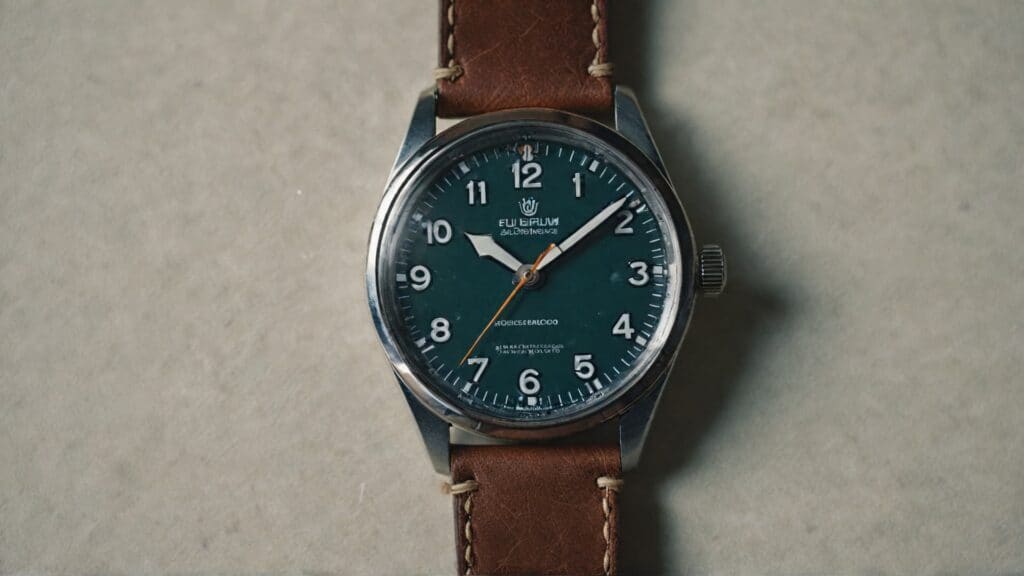
German timepieces distinguish themselves through a unique combination of design philosophy, mechanical innovation, and manufacturing characteristics that reflect the country’s broader industrial heritage. These watches embody principles that prioritize functionality over ornamentation, resulting in timepieces that excel in practical applications while maintaining enduring aesthetic appeal. The essential features that define German watchmaking stem from both historical design movements and modern engineering advances.
- German watches prominently feature Bauhaus design principles, emphasizing minimalist aesthetics where form follows function without unnecessary ornamentation. This design philosophy originated from the influential German art school founded in 1919, which promoted simplicity, geometric shapes, and the elimination of superfluous elements. Modern German timepieces maintain clean dial layouts with legible typography, thin hands, and sparse use of color accents, creating watches that remain visually relevant across decades rather than following temporary fashion trends.
- Movement selection in German watches reflects practical engineering decisions rather than marketing considerations, with manufacturers choosing calibers based on reliability and performance characteristics. Many German brands utilize proven ETA movements like the 2824-2 and 7750, often modifying these base calibers with enhanced finishing, improved regulation, or specialized features. This approach allows brands to focus resources on case construction, dial quality, and overall watch performance rather than expensive movement development that may not provide tangible user benefits.
- In-house movement development represents the pinnacle of German technical achievement, with brands like Nomos creating entirely proprietary calibers including escapement systems and balance regulation. These manufacture movements often incorporate traditional Glashütte finishing techniques such as three-quarter plates, swan-neck fine regulation, and hand-engraved balance cocks. The development process emphasizes functional innovation over decorative complexity, resulting in movements that deliver superior timekeeping performance and long-term reliability.
- Case construction utilizes advanced metallurgy and surface treatments that exceed conventional stainless steel specifications, with many German brands employing specialized steel alloys and hardening processes. Submarine steel, ice-hardened surfaces, and proprietary coating systems provide enhanced durability and scratch resistance compared to standard case materials. These technical advances reflect German industrial expertise in materials science and manufacturing precision.
- Dial design prioritizes legibility and information clarity through carefully considered typography, hand shapes, and luminous material application. German watches typically feature high-contrast color schemes, precisely positioned hour markers, and optimized hand lengths that ensure accurate time reading under various lighting conditions. The emphasis on functional readability means every dial element serves a specific purpose rather than purely decorative functions.
- Water resistance capabilities often exceed stated specifications due to rigorous testing protocols and conservative rating practices that account for real-world usage conditions. German dive watches undergo comprehensive evaluation including pressure cycling, thermal shock testing, and long-term immersion assessments that verify reliability beyond laboratory conditions. This thorough approach ensures that rated depths represent genuine working parameters rather than theoretical maximums.
- Strap and bracelet quality reflects attention to practical wearing comfort and long-term durability through premium leather selection, advanced tanning processes, and robust hardware construction. German manufacturers often source materials from traditional suppliers with decades of expertise, ensuring that straps and bracelets complement the overall watch quality rather than serving as cost-reduction areas.
The combination of these essential features creates timepieces that excel in daily use while maintaining the aesthetic restraint and technical competence that defines German industrial design. These characteristics ensure that German watches provide exceptional value through genuine functional improvements rather than superficial luxury appointments, making them particularly suitable for users who prioritize substance over style in their timepiece selection.
Top Affordable German Watch Brands
The German watch market offers exceptional opportunities for discerning buyers seeking quality timepieces without luxury brand premiums. These manufacturers have mastered the balance between technical competence, design sophistication, and accessible pricing, creating watches that deliver genuine value through superior engineering and thoughtful construction. From established heritage brands to innovative newcomers, German manufacturers consistently demonstrate that exceptional watchmaking need not require exorbitant investment.
- Nomos Glashütte represents the pinnacle of affordable luxury, offering in-house movements and exceptional finishing at prices significantly below Swiss equivalents. Founded in 1990 just after German reunification, the brand has become Germany’s largest mechanical watch manufacturer while maintaining independent ownership and vertical integration. Models like the Club Campus start at approximately $1,500 with in-house Alpha manual movements, while the flagship Tangente Neomatik featuring the proprietary DUW 3001 automatic caliber retails around $3,780. These prices provide access to manufacture movements and traditional Glashütte finishing techniques typically reserved for watches costing twice as much from Swiss competitors.
- Junghans combines historic significance with contemporary accessibility, delivering watches that honor the Max Bill design legacy at remarkably reasonable prices. The brand’s Max Bill collection features authentic Bauhaus aesthetics with hand-wound models starting around $700, automatic versions at approximately $1,100, and quartz alternatives from $500. These timepieces utilize proven ETA movements with exceptional case construction and dial quality that reflects Junghans’ heritage as once the world’s largest clock manufacturer. The company’s expertise in radio-controlled technology also provides unique value propositions unavailable from most competitors.
- Laco delivers authentic pilot watch heritage with pricing structures that accommodate various budgets while maintaining historical accuracy and functional excellence. Entry-level Flieger models like the Augsburg and Aachen series start at $410 with Japanese Miyota movements, providing genuine World War II pilot watch aesthetics at accessible prices. Higher-end offerings feature Swiss movements and artificially aged cases for collectors seeking premium materials, while the innovative Flieger Pro customization service allows extensive personalization starting from €850. This range ensures authentic aviation watch design remains available across multiple price points.
- Sinn Spezialuhren specializes in professional-grade tool watches that exceed conventional specifications through innovative materials and testing protocols. The popular 556 series delivers essential pilot watch design with advanced anti-magnetic properties and robust construction for approximately $1,500, while the renowned U1 diving watch utilizes submarine steel and Tegiment surface hardening for around $2,000. These prices provide access to specialized materials and engineering solutions typically found only in much more expensive professional instruments, making Sinn exceptional value for users requiring genuine tool watch capabilities.
- Steinhart offers Swiss-quality construction with German precision at remarkably competitive prices, delivering exceptional build quality through direct-to-consumer sales models. Ocean series dive watches start around $550 with ETA movements, solid bracelet construction, and finishing quality that rivals watches costing significantly more. While the brand initially gained recognition through homage designs, recent original models like the Triton and Apollon demonstrate creative independence while maintaining the value proposition that established their reputation. The combination of premium materials, Swiss movements, and German assembly creates compelling alternatives to luxury Swiss offerings.
- Zeppelin and Junkers provide aviation-inspired designs that honor German aeronautical heritage while maintaining extremely accessible pricing. Zeppelin models typically range from $200 to $800 depending on movement and complications, while Junkers pieces start around $187 for basic models extending to approximately $500 for chronographs. Both brands utilize reliable Miyota movements with quality case construction and distinctive designs that celebrate aviation history. These manufacturers prove that authentic German design and reliable timekeeping can be achieved without significant financial investment.
- Damasko represents cutting-edge materials engineering with pricing that reflects genuine technical innovation rather than luxury brand positioning. Entry-level DA series models start around $1,200 featuring the brand’s signature ice-hardened steel cases and specialized surface treatments that exceed conventional stainless steel durability. More advanced models with in-house movements and silicon escapement components remain competitively priced compared to equivalent Swiss offerings, providing access to genuine horological innovation at reasonable cost.
These brands collectively demonstrate that German watchmaking excellence encompasses multiple price segments while maintaining consistent quality standards and design integrity. Whether seeking entry-level mechanical watches, professional tool instruments, or manufacture movements, German manufacturers provide compelling alternatives that prioritize substance over marketing, ensuring buyers receive exceptional value regardless of budget constraints.
Best Places to Buy Affordable German Watches
Purchasing German watches requires careful consideration of retailer selection to ensure authenticity, warranty coverage, and proper after-sales support. The retail landscape for German timepieces encompasses manufacturer direct sales, authorized dealers, specialized watch retailers, and online platforms, each offering distinct advantages for different types of buyers. Understanding these retail channels helps consumers make informed decisions while securing genuine products with appropriate service coverage.
- Manufacturer Direct Sales provide the most comprehensive purchasing experience with full warranty coverage and access to complete product ranges including limited editions and exclusive models. Major German brands like Nomos Glashütte, Junghans, Sinn, and Glashütte Original operate their own online stores with international shipping capabilities and dedicated customer service teams. These direct channels often feature financing options, detailed product information, and personalized customer support that ensures buyers receive authentic timepieces with full manufacturer backing. Additionally, direct purchases frequently include special packaging, documentation, and access to brand-specific services unavailable through third-party retailers.
- Authorized Retail Networks offer widespread accessibility combined with professional sales expertise and local service capabilities across multiple markets. Established luxury retailers maintain authorization agreements with German manufacturers that guarantee authentic products, proper warranty activation, and access to official repair services. These retailers provide valuable hands-on experience, allowing customers to examine watches before purchase while benefiting from knowledgeable staff guidance. Many authorized dealers also offer trade-in programs, financing arrangements, and exclusive retailer editions unavailable elsewhere.
- Specialized German Watch Dealers focus specifically on German timepieces, providing deep expertise and curated selections that emphasize the unique characteristics of German manufacturing. These specialized retailers serve as official distributors for premium German brands, offering comprehensive product knowledge and specialized customer service. They understand German watchmaking traditions and can provide detailed technical information and personalized recommendations based on specific customer requirements, often maintaining relationships with boutique manufacturers that may have limited distribution networks.
- European Luxury Watch Retailers offer German timepieces within broader luxury collections, providing convenient access for customers seeking premium timepieces from multiple countries. These platforms provide comprehensive selections from German manufacturers alongside Swiss and Japanese alternatives, offering competitive pricing, authentication services, and international shipping while maintaining professional standards for luxury watch retail. Many feature both new and certified pre-owned options with appropriate warranty coverage and buyer protection programs.
- Regional Brick-and-Mortar Presence remains important for customers preferring in-person transactions and immediate access to products and services. Many German brands maintain boutique locations in major cities worldwide, while established jewelry stores often carry German watch collections alongside other luxury timepieces. These physical locations provide opportunities for hands-on evaluation, immediate purchase satisfaction, and local warranty service relationships that some customers prefer over online transactions.
- Online Marketplace Considerations require careful evaluation of seller credentials, return policies, and authentication procedures when purchasing German watches through secondary channels. While legitimate secondary market dealers can offer competitive pricing and access to discontinued models, buyers must verify seller authenticity, product condition, and warranty transferability. Established platforms with authentication services and buyer protection programs provide safer alternatives to individual sellers, though premium authorized dealer pricing often reflects additional value through guaranteed authenticity and comprehensive service coverage.
- International Shipping and Duties affect purchase decisions for customers buying German watches across international borders, with considerations including shipping costs, customs duties, insurance coverage, and potential warranty complications. Many manufacturers and authorized dealers provide international shipping with appropriate insurance and documentation, while some regional restrictions may limit certain models or services. Understanding these factors helps customers calculate total ownership costs and select appropriate purchasing channels.
The German watch retail environment offers multiple pathways to authentic timepieces, with the optimal choice depending on individual preferences for pricing, service, product selection, and purchasing experience. Regardless of chosen retailer, verifying authorization status and understanding warranty terms ensures customers receive genuine German watches with appropriate manufacturer support and service coverage.
German Watch Maintenance: Essential Tips
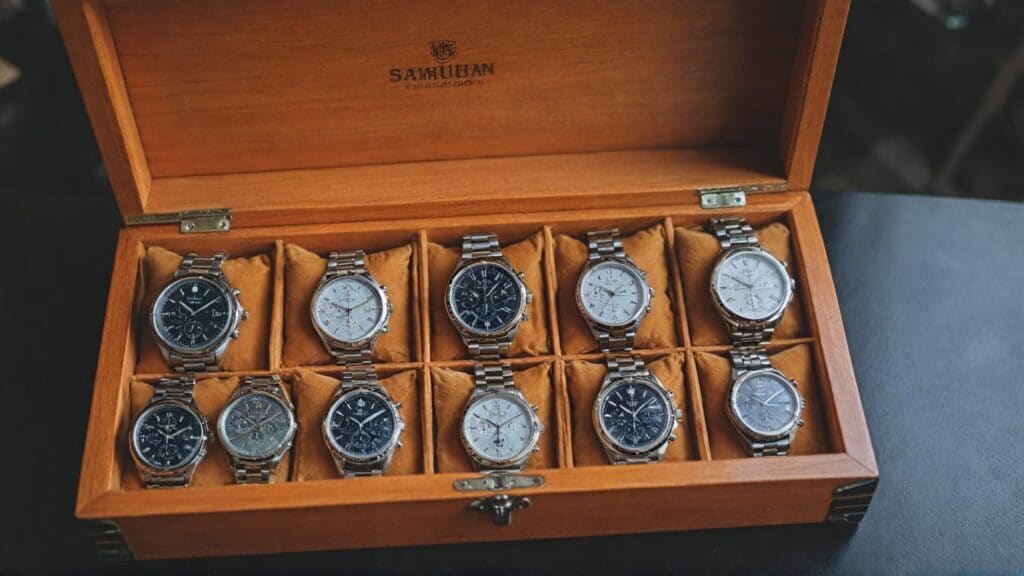
Proper maintenance ensures German watches deliver their intended performance and longevity while protecting the significant investment these quality timepieces represent. German manufacturers design their watches for durability and reliability, but like all precision mechanical instruments, they require appropriate care and periodic professional attention to maintain optimal function. Understanding maintenance requirements helps owners preserve both performance and value while avoiding costly repairs that result from neglect or improper handling.
- Service Intervals and Professional Maintenance require careful attention to manufacturer recommendations, with most German brands suggesting complete overhauls every three to five years depending on usage patterns and environmental exposure. German manufacturers like Nomos recommend comprehensive servicing after this timeframe because lubricants may evaporate and metal-on-metal contact can cause accelerated wear without proper lubrication. Unlike some manufacturers that mandate rigid service schedules, Sinn suggests letting watch condition and accuracy guide service timing, recommending professional attention when timepieces begin running significantly faster or slower than normal specifications.
- Daily Care and Handling Practices significantly impact long-term watch performance and help extend intervals between professional services through simple protective measures. Regular cleaning with soft, lint-free cloths removes accumulated dirt and oils that can affect seals and case materials, while careful handling prevents unnecessary impacts that might compromise water resistance or internal components. German watches benefit from consistent winding habits, with manual pieces requiring gentle winding until resistance is felt, avoiding excessive force that can damage mainspring mechanisms.
- Water Resistance Maintenance demands annual testing and seal replacement to ensure continued protection, as rubber gaskets deteriorate over time due to temperature fluctuations and chemical exposure. German manufacturers recommend professional water resistance verification even for watches rated to significant depths, since compromised seals can allow moisture infiltration that causes severe internal damage. Many German brands specify DIN 8310 water resistance standards and test every watch individually, but these ratings apply only to new condition with proper seal integrity.
- Environmental Considerations affect German watch performance and longevity, with extreme temperatures, magnetic fields, and chemical exposure potentially compromising accuracy and internal components. German brands like Sinn incorporate anti-magnetic technology and specialized materials to resist environmental hazards, but basic precautions including storage in stable temperature environments and avoidance of strong magnetic sources help preserve optimal function. Mechanical watches particularly benefit from consistent wearing patterns that keep automatic movements wound and lubricated through natural motion.
- Professional Service Procedures for German watches typically involve complete disassembly, cleaning, lubrication, and reassembly with testing to factory specifications across multiple positions and temperatures. Service costs vary significantly based on movement complexity, with basic three-hand models requiring approximately $90-100 for manual movements and $100-130 for automatic calibers, while complications like world time functions command higher fees around $130-200. German manufacturers often provide detailed service price lists and accept direct submissions, though authorized dealers can handle logistics and provide local support.
- Regional Service Options offer different advantages depending on location and specific brand requirements, with some German manufacturers maintaining North American service centers while others require return to Germany for specialized procedures. Brands utilizing standard ETA movements often allow service by qualified local watchmakers familiar with these calibers, potentially reducing costs and turnaround times compared to factory service. However, watches with proprietary technologies, oil-filled cases, or specialized materials may require factory attention to maintain warranty coverage and proper functionality.
- Preventive Maintenance Benefits include early detection of potential problems, replacement of worn components before failure occurs, and restoration of original performance specifications through proper regulation and calibration. German manufacturers typically guarantee their service work for one to two years, providing confidence in professional maintenance investments. Regular professional attention also maintains warranty coverage and ensures continued water resistance certification, protecting both watch function and owner investment.
- Storage and Transportation Guidelines help prevent damage during periods of non-use and when sending watches for service, with proper packaging and insurance coverage protecting against loss or damage. German manufacturers recommend specific shipping procedures including original boxes when possible and comprehensive insurance coverage that reflects true replacement value. Climate-controlled storage environments prevent seal degradation and movement deterioration that can occur in extreme conditions.
Following appropriate maintenance practices ensures German watches continue delivering the precision, reliability, and longevity that justify their engineering reputation. Professional service represents a worthwhile investment that preserves both functionality and value while preventing costly repairs that result from deferred maintenance or improper care.
Common German Watch Misconceptions
Despite their exceptional quality and impressive heritage, German watches often face misunderstandings that prevent consumers from fully appreciating their value proposition and technical capabilities. These misconceptions stem from marketing narratives, historical oversimplification, and incomplete understanding of the modern German watchmaking landscape. Addressing these myths helps potential buyers make informed decisions based on actual performance characteristics rather than outdated perceptions or industry stereotypes.
- “German watches lack the prestige of Swiss timepieces” ignores that German watchmaking actually predates Swiss industry development, with the first pocket watch attributed to German inventor Peter Henlein in the early 16th century. Modern brands like A. Lange & Söhne compete directly with Patek Philippe and Audemars Piguet, achieving comparable or superior finishing standards and technical innovation. This perception exists primarily due to Swiss marketing success and luxury brand positioning rather than actual quality differences. German manufacturers often focus resources on engineering excellence rather than expensive celebrity endorsements and marketing campaigns.
- “German means cheaper quality and construction” fundamentally misunderstands the German approach to value creation. German manufacturers typically deliver superior materials, construction quality, and technical features compared to similarly priced Swiss alternatives. Sinn utilizes submarine steel and specialized surface treatments that exceed conventional stainless steel durability, while Nomos offers in-house movements and traditional Glashütte finishing at prices where Swiss competitors provide basic ETA calibers with minimal decoration. The German focus on substance over style creates genuine value rather than artificial luxury premiums.
- “Limited style options and overly minimalist designs” reduces the entire German watch industry to simplified Bauhaus stereotypes. While German brands embrace clean, functional design principles, this encompasses diverse interpretations from Sinn’s technical tool watches to Junghans’ elegant dress pieces to Glashütte Original’s ornate complications. The Bauhaus influence represents thoughtful design restraint that ensures timeless appeal and versatility, not creative limitation. German watches offer sophisticated aesthetics that remain relevant across decades rather than following temporary fashion trends.
- “German watches are just Swiss movements in different cases” oversimplifies the complex relationships in modern watchmaking while ignoring significant German innovations. While some German brands utilize proven ETA calibers, they often extensively modify these movements with enhanced finishing, improved regulation, or specialized features. Major manufacturers like Nomos, Glashütte Original, and A. Lange & Söhne produce sophisticated in-house movements that rival or exceed Swiss alternatives in technical achievement and decorative execution. German brands also pioneered silicon escapement technology and specialized materials.
- “Historical interruptions damaged German watchmaking capabilities” fails to recognize how the post-reunification renaissance actually strengthened German watchmaking through fresh perspectives and modern approaches. The period of disruption ultimately led to a more focused, quality-driven industry that rebuilt from established traditions while embracing contemporary technology. Modern German manufacturers benefit from this clean slate approach, avoiding institutional inertia that affects some older Swiss companies while maintaining access to traditional Glashütte techniques and skilled craftspeople.
- “German brands lack innovation compared to Swiss manufacturers” contradicts extensive evidence of German technical leadership in materials science, movement development, and manufacturing processes. German companies pioneered numerous innovations including specialized steel alloys, anti-magnetic technologies, temperature resistance systems, and silicon escapement components that other manufacturers subsequently adopted. The German focus on functional innovation often produces more meaningful advances than Swiss emphasis on aesthetic complications or marketing-driven features.
- “Service and support infrastructure is inadequate outside Germany” overlooks the extensive international distribution networks that German manufacturers have developed. Major brands maintain authorized dealer networks worldwide, offer direct shipping and service options, and often provide superior customer support through direct-to-consumer approaches compared to Swiss competitors relying on third-party distribution. Many German brands also publish transparent pricing and service information, unlike some Swiss manufacturers.
- “German watches don’t hold their value like Swiss alternatives” ignores growing collector interest and market recognition of German watchmaking excellence. While German watches may not command the speculative premiums associated with certain Swiss brands, they typically offer superior value retention relative to their original pricing due to genuine quality advantages. Smaller production volumes and increasing global recognition of German technical capabilities actually support stronger long-term value prospects for well-chosen pieces.
- “Lack of heritage and tradition compared to continuous Swiss production” misrepresents both the depth of German watchmaking history and the reality of Swiss industry development, which also experienced significant disruptions and consolidations throughout the 20th century. German watchmaking traditions in centers like Glashütte and Pforzheim span centuries, with techniques and knowledge preserved through institutional memory and skilled craftspeople who maintained continuity even during difficult periods. The concentration of talent and expertise in these regions continues to support exceptional watchmaking capabilities.
Understanding these misconceptions helps consumers evaluate German watches based on actual characteristics rather than persistent myths. German timepieces offer compelling combinations of technical excellence, design sophistication, and value proposition that deserve consideration alongside more familiar Swiss alternatives. The growing international recognition of German watchmaking quality suggests these misconceptions will continue diminishing as more consumers discover the reality behind German engineering excellence.
Future of Affordable German Watches
The future of affordable German watchmaking appears increasingly promising as industry trends favor the practical engineering excellence, sustainable manufacturing approaches, and authentic value propositions that German brands have long championed. Market forecasts project steady growth for the German watch industry through 2030, with emerging consumer preferences aligning closely with traditional German strengths in functionality, durability, and honest pricing. These favorable conditions position German manufacturers to expand their global influence while maintaining the quality standards that define their reputation.
- Market Growth Projections and Economic Indicators demonstrate robust expansion potential for German watch brands, with the overall German watch market expected to reach $4.13 billion by 2033, growing at a compound annual growth rate of 4.59%. Germany currently ranks as the sixth-largest watch exporter globally with approximately $2.03 billion in annual exports, indicating strong international demand for German timepieces. This growth reflects increasing recognition of German quality and engineering excellence, particularly in luxury and technical watch segments where German manufacturers excel.
- Technological Integration and Smart Features present significant opportunities for German brands to leverage their engineering expertise in developing hybrid timepieces that combine traditional mechanical excellence with modern connectivity features. German manufacturers are uniquely positioned to create smartwatches and connected timepieces that prioritize functionality and durability over flashy marketing, appealing to consumers seeking practical technology integration. The growing smartwatch market, projected to reach $6 billion in Germany by 2035, offers expansion opportunities for brands willing to adapt their engineering focus to include digital capabilities.
- Sustainability and Ethical Manufacturing align perfectly with German industrial traditions and emerging consumer priorities, particularly among younger buyers who will comprise 75% of luxury watch purchasers by 2026. German manufacturers’ emphasis on local production, quality materials, and long-term durability naturally supports sustainability goals without requiring fundamental business model changes. The trend toward responsible consumption and ethical manufacturing practices strongly favors German brands over competitors relying on marketing-driven luxury positioning or questionable supply chain practices.
- Direct-to-Consumer Business Models continue expanding as German manufacturers leverage their transparent, honest brand positioning to build direct relationships with customers through online platforms and boutique retail concepts. This approach reduces distribution costs while maintaining better profit margins, allowing German brands to offer superior value compared to competitors burdened with extensive retail markup structures. The success of brands like Nomos with direct sales and Steinhart with online-focused distribution demonstrates the viability of these models for German watchmakers.
- Emerging Brand Development and Innovation within the German watchmaking ecosystem indicates healthy industry expansion beyond established names, with new manufacturers entering markets previously dominated by Swiss competitors. Young German brands are developing innovative approaches to traditional watchmaking challenges while maintaining cost advantages through efficient manufacturing and focused product development. This new generation of German watchmakers benefits from established supply chains, skilled workforce availability, and positive country-of-origin associations while avoiding legacy costs that burden older companies.
- Global Market Expansion Opportunities present significant growth potential as international consumers discover German watch quality and value, particularly in Asian markets where engineering reputation and authentic craftsmanship command respect. German brands benefit from positive associations with automotive and industrial excellence, creating favorable conditions for watch market penetration. The growing appreciation for functional design and technical competence over pure luxury positioning supports German brand expansion into markets previously dominated by Swiss manufacturers.
- Material Science and Manufacturing Innovation continue advancing through German research institutions and engineering companies, providing watchmakers access to cutting-edge alloys, surface treatments, and production techniques unavailable to competitors. German brands like Damasko pioneering ice-hardened steel and advanced coating technologies demonstrate ongoing innovation that creates genuine product advantages rather than marketing-driven differentiation. These technological advances support premium positioning while maintaining accessible pricing through efficient manufacturing processes.
- Generational Shift in Consumer Preferences increasingly favors authentic value, functional excellence, and transparent business practices over traditional luxury signaling, playing directly to German strengths in engineering and honest communication. Younger consumers prioritize substance over style and appreciate brands that deliver genuine technical advantages without excessive markup for heritage or celebrity endorsements. This preference shift creates opportunities for German manufacturers to expand market share by emphasizing their core competencies rather than mimicking Swiss luxury marketing approaches.
- Industry Consolidation and Partnership Opportunities may benefit German manufacturers as larger companies seek to acquire authentic, quality-focused brands with genuine technical capabilities and positive market positioning. However, the independent ownership structure of many German brands allows them to maintain quality standards and value-oriented pricing that might be compromised under corporate ownership focused primarily on margin optimization.
The convergence of favorable market trends, technological opportunities, and consumer preference shifts creates an exceptionally promising environment for German watch manufacturers. Their traditional emphasis on engineering excellence, functional design, and honest value proposition aligns perfectly with emerging industry directions, suggesting continued growth and expanding global recognition for affordable German watchmaking excellence.
Conclusion
The German watch industry represents one of modern horology’s most compelling value propositions, delivering exceptional engineering excellence, authentic design heritage, and superior quality at accessible price points. From Nomos Glashütte’s in-house movements and Bauhaus aesthetics to Sinn’s innovative materials and professional-grade construction, German manufacturers consistently demonstrate that premium watchmaking need not require Swiss premiums or luxury brand markup. These timepieces offer genuine technical advantages through advanced metallurgy, rigorous testing standards, and thoughtful design that prioritizes function over fashion, creating watches that excel in real-world applications while maintaining timeless visual appeal.
The misconceptions surrounding German watches continue diminishing as more consumers discover the reality behind the engineering excellence and value-focused approach that defines this industry. Unlike luxury brands that rely heavily on marketing and heritage premiums, German manufacturers invest their resources in superior materials, advanced manufacturing processes, and innovative solutions that provide tangible benefits to watch owners. The transparent business practices, direct-to-consumer models, and honest communication that characterize German brands create authentic relationships with customers who appreciate substance over style and genuine quality over superficial luxury positioning.
Looking forward, the future appears exceptionally bright for affordable German watchmaking as market trends increasingly favor the practical excellence, sustainable manufacturing, and authentic value that German brands have long championed. The growing appreciation for functional design, technical innovation, and honest pricing positions German manufacturers to expand their global influence while maintaining the quality standards and accessible pricing that make their timepieces so attractive. For consumers seeking exceptional watches without paying luxury premiums, German timepieces offer an unmatched combination of engineering excellence, design sophistication, and long-term value that justifies serious consideration alongside any Swiss alternative.