Millions of people experience mysterious breakouts that appear in specific patterns around their neck, ears, wrists, or fingers - areas that don’t follow typical acne patterns and don’t respond to conventional treatments. The surprising culprit behind many of these persistent skin problems is something most people wear daily without a second thought: jewelry. The combination of bacterial buildup, friction, metal allergies, and trapped moisture creates perfect conditions for breakouts that can persist for weeks or months. Even expensive jewelry can cause problems if it contains reactive metals like nickel or creates environments where bacteria thrive. The good news is that these issues are completely preventable once you understand how jewelry affects your skin and learn to make smarter choices about materials and care routines.
Why Does Jewelry Cause Skin Problems?
Jewelry creates the perfect storm for skin problems by combining bacterial growth, physical irritation, and chemical reactions. When you wear jewelry against your skin, you’re essentially creating small, enclosed environments where multiple harmful processes can occur simultaneously. The main culprits include bacterial multiplication in humid spaces, metal ions penetrating your skin and triggering immune responses, and physical friction that damages your skin’s protective barrier. These factors work together in a cascading effect, where each problem makes the others worse, leading to breakouts that can persist long after you remove the offending piece.
- Bacterial biofilm formation represents the most serious threat to skin health. When jewelry sits against skin, bacteria like Staphylococcus aureus and Propionibacterium acnes form structured communities called biofilms that are 100-1000 times more resistant to treatment than regular bacteria. These biofilms create a protective matrix that makes infections incredibly difficult to clear and can lead to chronic, recurring breakouts that persist even after removing the jewelry.
- Friction from tight-fitting jewelry triggers acne mechanica, a specific type of breakout. Unlike hormonal acne, this mechanical irritation creates small, uniform bumps that follow the exact pattern where jewelry rubs against skin. The constant rubbing disrupts hair follicles and damages the skin barrier, leading to increased oil production and trapped debris that forms inflammatory lesions.
- Metal allergic reactions cause delayed-type hypersensitivity that mimics acne symptoms. When metals like nickel release ions into your skin, they bind to skin proteins and trigger immune responses. Langerhans cells in your skin process these metal-protein complexes and present them to T-lymphocytes, creating allergen-specific memory cells. Once sensitized, your immune system will always react to that metal within 12-72 hours of contact, causing inflammation that looks very similar to acne breakouts.
- Moisture and sweat accumulation under jewelry creates ideal conditions for bacterial growth. When jewelry prevents normal air circulation, it traps perspiration and creates humid microenvironments where harmful bacteria thrive. This is especially problematic with watches, tight bracelets, and earring backs that create sealed spaces against the skin. The trapped moisture also increases the penetration of irritants and allergens into your skin.
- Occlusive effects from tight jewelry fundamentally alter skin physiology. When jewelry creates a semi-sealed environment against your skin, it increases transepidermal water loss and enhances the penetration of both irritants and allergens. This occlusion also raises the local skin temperature and pH, creating conditions that favor bacterial growth and increase the likelihood of inflammatory reactions.
- Dead skin cell buildup occurs when jewelry prevents normal shedding. Your skin naturally sheds dead cells daily, but jewelry can trap these cells against the skin surface. Combined with oils and moisture, this buildup clogs pores and creates the perfect breeding ground for acne-causing bacteria. The accumulation is particularly problematic in areas where jewelry fits snugly, like under rings or watch bands.
What makes jewelry-related breakouts particularly frustrating is how these mechanisms reinforce each other in a vicious cycle. Friction from poorly fitting jewelry damages your skin’s protective barrier, making it easier for bacteria to penetrate and establish infections. Meanwhile, trapped moisture provides the perfect environment for both bacterial growth and increased metal corrosion, which releases more irritating ions into your already compromised skin. The result is often persistent, recurring breakouts that can be mistaken for regular acne but won’t respond to typical acne treatments until you address the underlying jewelry-related causes.
Types of Skin Issues from Wearing Jewelry
Not all jewelry-related skin issues are the same, and knowing the difference can help you figure out what’s happening and how to treat it properly. Each type has its own timeline, appearance, and cause, which means they need different approaches to heal. Some reactions happen immediately when you put on jewelry, while others can take days to show up. The key is learning to spot the differences between allergic reactions, friction-based breakouts, and infections so you can take the right action quickly.
- Contact dermatitis appears as well-defined red patches that exactly match your jewelry’s contact pattern. Allergic contact dermatitis typically develops 12-72 hours after exposure and presents with intense itching, small fluid-filled bumps, and sometimes weeping or crusting. The borders are sharp and precise, unlike regular acne which tends to be more scattered. This reaction is permanent once you develop it - your immune system will always react to that specific metal.
- Irritant contact dermatitis happens much faster, usually within minutes to hours of wearing jewelry. Instead of itching, you’ll feel burning and stinging sensations. The rash edges are usually blurry rather than sharp, and the reaction depends on how much of the irritating substance touches your skin. Unlike allergic reactions, this can happen the very first time you wear a piece of jewelry if it contains enough irritating chemicals.
- Acne mechanica creates small, uniform bumps that follow friction patterns from your jewelry. These breakouts look different from hormonal acne because they’re smaller, less inflamed, and don’t have blackheads or whiteheads. They typically appear where jewelry rubs against your skin during movement, like along necklace lines or under watch bands. Even people who never had acne problems can develop this type of breakout.
- Bacterial infections show up as pustules with honey-colored crusting and discharge. The area becomes warm, tender, and may have a foul smell. These infections can spread quickly and often come with red streaking from the infection site, which is a sign you need medical attention immediately. Bacterial infections are more common with pierced jewelry or in areas where jewelry has caused open wounds.
- Fungal infections create red, scaly patches with satellite lesions around the main area. They’re most common in warm, moist areas like under tight bracelets or rings that trap moisture. The affected skin often looks soggy and macerated, and you might notice small red bumps spreading outward from the main rash. Fungal infections are particularly stubborn and can take weeks to clear even with proper treatment.
- Secondary infections can develop when any of these conditions aren’t treated properly. When your skin barrier is damaged from allergic reactions or friction, bacteria and fungi can easily invade the compromised tissue. These secondary infections often make the original problem much worse and can cause permanent scarring if not addressed quickly.
The tricky part about jewelry-related skin problems is that they can look surprisingly similar in the early stages, making it easy to misdiagnose what’s actually happening. However, paying attention to timing, sensation, and the exact pattern of your rash can give you important clues about what type of reaction you’re dealing with and whether you need professional help or can manage it at home.
Jewelry Materials That Trigger Breakouts
The metal your jewelry is made from plays a huge role in whether you’ll develop skin problems, but the jewelry industry doesn’t always make it easy to know what you’re actually buying. Some metals are notorious troublemakers that cause reactions in millions of people, while others are so safe they’re used in medical implants. The problem is that many jewelry pieces don’t clearly label their metal content, and terms like “hypoallergenic” or “surgical steel” can be misleading marketing claims rather than actual safety guarantees.
- Nickel is the biggest troublemaker in the jewelry world, affecting 8-18% of people with allergic reactions. This metal is cheap and easy to work with, so it shows up in everything from costume jewelry to white gold and even some sterling silver pieces. Nickel allergies are permanent once you develop them, and the reactions can be severe. EU regulations limit nickel release to specific levels, but many imported pieces exceed these safety limits by 25 times or more.
- Copper causes green discoloration and skin irritation, especially when it gets wet. While pure copper jewelry is relatively rare, copper alloys like brass and bronze are common in costume jewelry. When copper oxidizes from sweat or water exposure, it creates that telltale green mark on your skin and can cause burning sensations. People with copper allergies may also react to sterling silver, which contains small amounts of copper.
- Cheap alloys and costume jewelry metals are unpredictable mixtures that often contain multiple problematic substances. These pieces might contain nickel, lead, cadmium, or other metals that can cause both allergic reactions and toxic effects. The biggest problem is that you usually don’t know what’s actually in these alloys, making it impossible to predict if they’ll cause problems.
- Stainless steel quality varies dramatically depending on the specific grade used. Surgical-grade stainless steel (316L or 316LVM) is generally safe and releases minimal nickel, but lower grades like 303 or 201 can release nickel levels 25 times higher. Many jewelry pieces labeled as “stainless steel” don’t specify the grade, leaving you guessing about safety.
- Sterling silver is generally safer but not completely problem-free for everyone. Real sterling silver (marked 925) contains 92.5% silver and 7.5% other metals, usually copper. While most people tolerate sterling silver well, those with copper sensitivities can still have reactions. Silver-plated jewelry is much riskier because the plating can wear off and expose whatever base metal is underneath.
- Gold safety depends entirely on the karat rating and what other metals are mixed in. Higher karat gold (18K-24K) is generally safer because it contains more actual gold and fewer alloy metals. However, white gold often contains nickel to achieve its color, making it just as problematic as other nickel-containing jewelry. Yellow and rose gold in lower karats (10K-14K) contain more alloy metals and are more likely to cause reactions.
- Platinum represents the gold standard for jewelry safety, with 95%+ purity and exceptional inertness. This metal rarely causes allergic reactions and is so biocompatible that it’s used in medical devices. The main downside is cost - platinum jewelry is significantly more expensive than other options.
- Titanium and surgical steel offer the best balance of safety and affordability for most people. Implant-grade titanium is incredibly biocompatible and lightweight, while surgical-grade stainless steel provides good safety at reasonable prices. Both metals are used in medical applications and have extensive safety testing behind them.
The frustrating reality is that price doesn’t always correlate with safety - a $500 piece containing nickel can cause the same reaction as a $5 piece. Your best protection is learning to identify quality markings, asking specific questions about metal content, and starting with small test pieces when trying new materials. Remember that once you develop a metal allergy, it’s permanent, so investing in safe materials from the start can save you years of skin problems.
False Beliefs About Jewelry and Skin Problems
Jewelry safety is surrounded by persistent misconceptions that can lead people to make poor choices and ignore real warning signs. These myths are often spread through marketing claims, outdated information, or well-meaning but incorrect advice from friends and family. Believing these false ideas can result in painful reactions, wasted money on ineffective solutions, and even permanent skin damage when people ignore legitimate symptoms or choose inappropriate materials.
- The myth that expensive jewelry is automatically safer has no scientific basis and can lead to costly mistakes. A $500 piece containing nickel will cause identical reactions to a $5 piece with the same metal content. Price reflects factors like brand name, precious metal content, craftsmanship, and design complexity, but not necessarily hypoallergenic properties. Some luxury brands actually use nickel-containing white gold that’s more problematic than cheaper surgical steel alternatives.
- “Surgical steel” marketing claims are often misleading since this term isn’t medically regulated. Many products labeled as surgical steel contain up to 12% nickel and lack proper certification documents. Only specific grades like 316L or 316LVM with documented ASTM compliance provide reliable safety profiles. True surgical-grade steel requires mill certificates that verify exact composition and processing methods.
- The belief that higher karat gold never causes reactions ignores the reality of gold alloy composition. While 24K pure gold is hypoallergenic, 18K gold still contains 25% other metals that may include nickel, copper, or palladium. White gold specifically often contains nickel to achieve its color, making it just as problematic as other nickel-containing jewelry regardless of its high karat rating.
- Sterling silver’s reputation for safety overlooks its 7.5% copper content that causes reactions in copper-sensitive individuals. Many people assume sterling silver is completely safe because it’s a precious metal, but the copper alloy can cause green discoloration and allergic reactions. Silver-plated jewelry poses even greater risks when the plating wears off and exposes unknown base metals underneath.
- The dangerous myth that you can “build immunity” to metal allergies through continued exposure actually makes sensitization worse. Metal allergies are permanent immune system responses that intensify with repeated exposure rather than diminishing. Continuing to wear problematic metals in hopes of developing tolerance will only strengthen your allergic response and potentially expand your sensitivities to related metals.
- Green skin marks from jewelry aren’t harmless cosmetic issues but signs of metal oxidation and potential skin damage. When copper-containing metals oxidize and leave green marks, they’re actively releasing metal ions that can cause allergic sensitization and skin irritation. These marks indicate ongoing chemical reactions between your skin and the jewelry that should be taken seriously.
- The nail polish barrier myth creates false security since the protection wears off quickly and unpredictably. Clear nail polish provides only temporary protection that can wear away within hours of application, especially with hand washing or friction. Relying on nail polish as a long-term solution often leads to unexpected reactions when the barrier fails without warning.
- Believing that “only cheap jewelry causes problems” ignores the reality that problematic metals appear in all price ranges. Expensive designer pieces can contain the same nickel, copper, and other reactive metals found in costume jewelry. Some high-end brands specifically use nickel-containing alloys for their working properties, making price an unreliable indicator of skin safety.
- The myth that jewelry reactions are always immediate overlooks the 12-72 hour delay typical of allergic contact dermatitis. Many people continue wearing jewelry that’s actually causing delayed allergic reactions because they don’t connect symptoms that appear days later with pieces they wore earlier. This delayed timing often leads to misdiagnosis and continued exposure to problematic materials.
These myths persist because they often contain small grains of truth that make them seem reasonable, but the oversimplified conclusions can be harmful. The reality is that jewelry safety requires specific knowledge about materials, testing standards, and individual sensitivities rather than relying on general rules of thumb or marketing claims. When in doubt, prioritize documented safety data over assumptions or popular beliefs.
Signs Your Jewelry is Causing Skin Problems
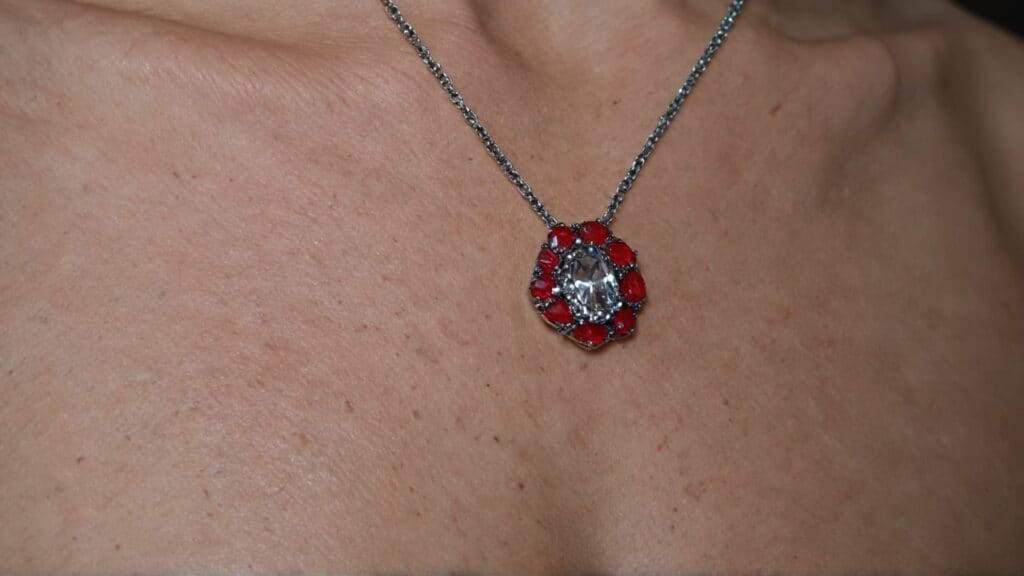
Recognizing the early warning signs of jewelry-related skin problems can save you from weeks of discomfort and potential permanent skin damage. Many people dismiss initial symptoms as minor irritation, but jewelry reactions tend to get progressively worse if you keep wearing the problematic piece. Learning to spot these signs early means you can take action before a simple irritation turns into a serious skin condition that requires medical treatment.
- Immediate symptoms include redness, itching, or burning sensations that appear within hours of putting on jewelry. If you notice any discomfort, warmth, or visual changes in your skin soon after wearing a piece, that’s your skin’s early warning system telling you something is wrong. Even mild tingling or unusual sensations should be taken seriously, especially if they occur consistently with the same piece of jewelry.
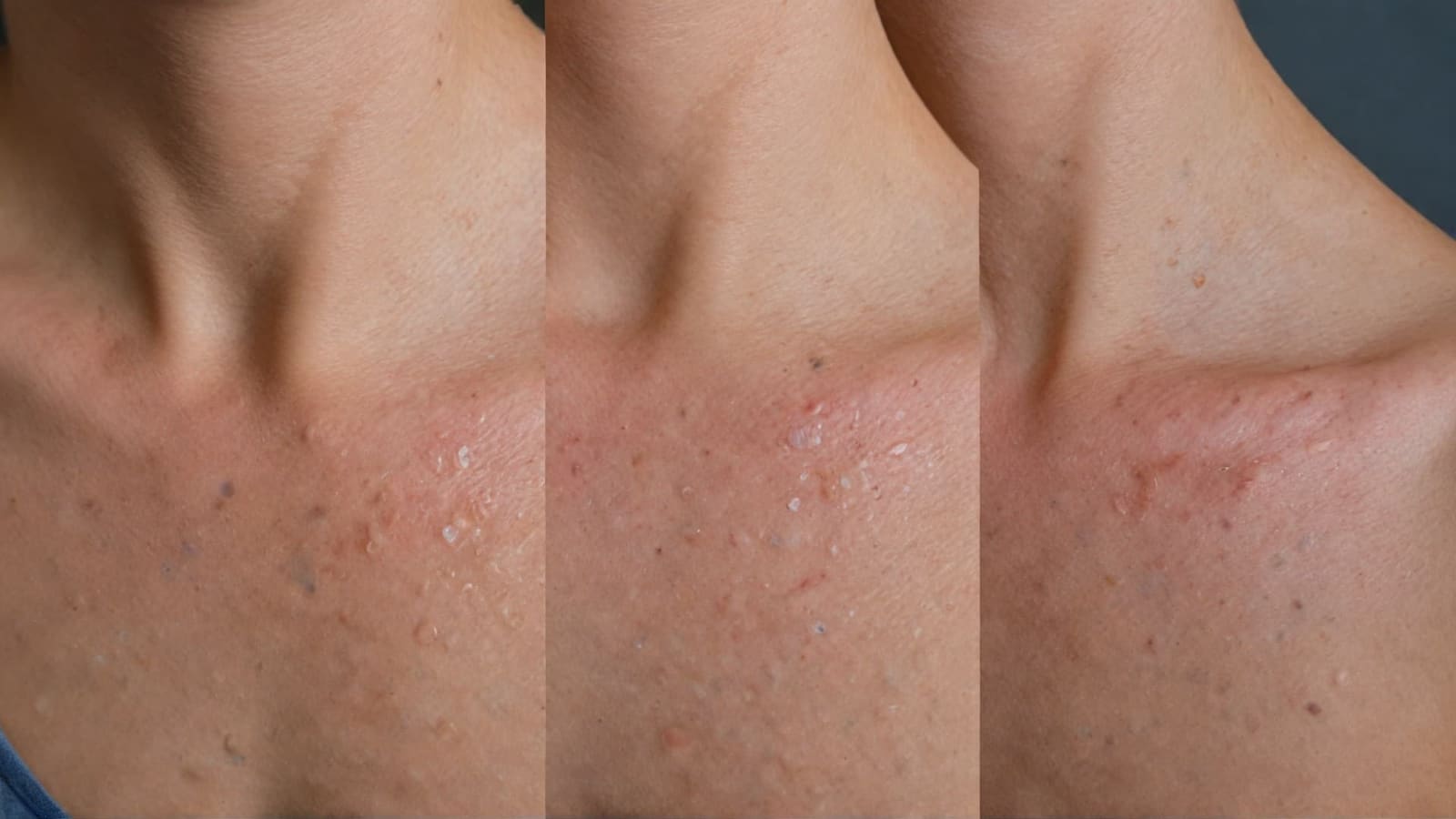
- Pattern-specific rashes that exactly match your jewelry’s shape are classic signs of contact dermatitis. Look for circular marks under rings, linear rashes along necklace chains, or rectangular patches under watch bands. These precise patterns are your biggest clue that jewelry is the culprit rather than other skin conditions. The borders of these rashes are typically sharp and well-defined, unlike other skin problems that tend to have fuzzy edges.
- Progressive symptoms that worsen over time indicate your skin sensitivity is increasing. You might notice that jewelry you’ve worn for months or years suddenly starts causing problems, or that reactions happen faster each time you wear certain pieces. This progression often means you’re developing a permanent metal allergy, so continuing to wear the jewelry will only make things worse.
- Persistent symptoms that don’t improve when you remove the jewelry suggest bacterial or fungal infections. Normal allergic reactions should start improving within 24-48 hours of removing the offending jewelry. If redness, swelling, or discomfort continues for more than a few days after removal, you may have developed a secondary infection that needs medical attention.
- Systemic symptoms like widespread itching, hives beyond the jewelry contact area, or feeling generally unwell. These signs suggest your body is having a more serious allergic reaction that’s not limited to the contact area. If you develop symptoms away from where your jewelry touches skin, or if you feel sick after wearing certain pieces, remove all jewelry immediately and consider seeking medical help.
- Warning signs of secondary bacterial infection include yellow crusting, pus formation, foul odors, and red streaking. Any time you see pus or notice a bad smell coming from irritated skin, bacteria have invaded the damaged tissue. Red streaks extending from the reaction site toward your heart are particularly dangerous and require immediate medical attention as they indicate the infection is spreading through your lymphatic system.
- Changes in how your jewelry looks or feels can indicate metal breakdown that’s releasing more irritants. Tarnishing, green discoloration, rough texture, or flaking on your jewelry means the metal is deteriorating and likely releasing more problematic substances onto your skin. Even if you haven’t had reactions before, degraded jewelry becomes much more likely to cause problems.
- Timing patterns help distinguish between different types of reactions. Allergic reactions typically show up 12-72 hours after putting on jewelry, while irritant reactions happen within minutes to hours. If you can predict when symptoms will appear based on when you wear certain pieces, that pattern helps confirm jewelry as the cause and guides treatment decisions.
The key is paying attention to your body’s signals and not dismissing them as “just a little irritation.” Jewelry-related skin problems rarely resolve on their own while you continue wearing the problematic piece, and many conditions become permanent if left untreated. Trust your instincts - if something feels wrong or looks unusual, it’s better to err on the side of caution and remove the jewelry while you figure out what’s happening.
High-Risk Areas for Jewelry-Related Acne
Different parts of your body react differently to jewelry, and some areas are much more likely to develop problems than others. This happens because of differences in skin thickness, moisture levels, movement patterns, and how well air can circulate around jewelry. Knowing which areas are most vulnerable can help you choose appropriate jewelry styles and pay extra attention to early warning signs in high-risk zones.
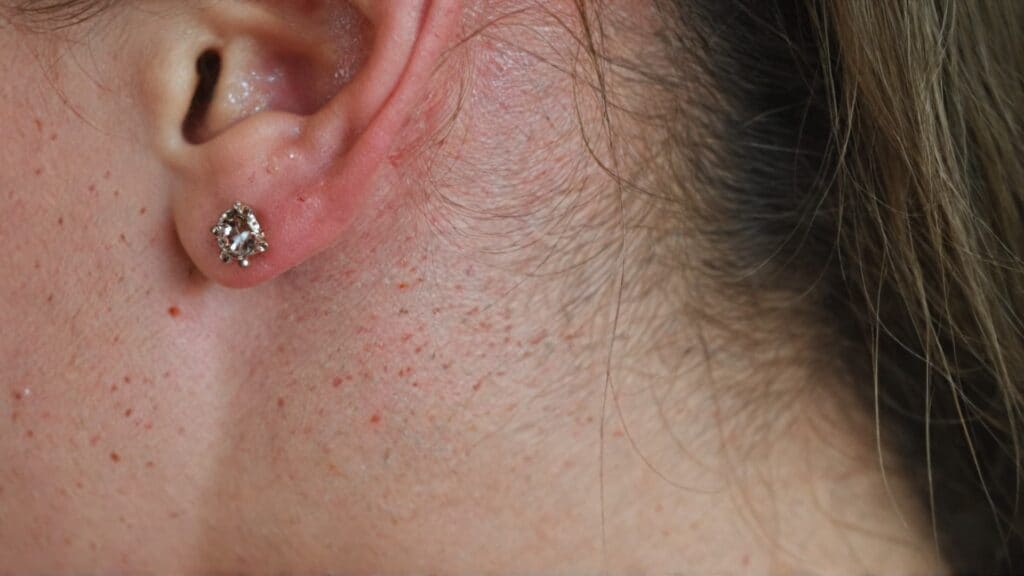
- Ears are the most problematic area because the skin is thin, highly vascularized, and pierced areas create direct pathways for irritants. Earlobe skin is much thinner than most other body areas, making it more permeable to metal ions and allergens. The space behind earring backs creates humid, enclosed environments where bacteria multiply rapidly, and the constant presence of earrings means there’s no break for the skin to recover.
- Neck areas show high vulnerability due to constant movement and natural body heat regulation. The neck is involved in thermoregulation, so it sweats more than many other areas, creating moisture that accelerates metal corrosion. Necklaces move constantly with head and body movements, creating friction and micro-abrasions that compromise the skin barrier. The natural contours of the neck also trap moisture along chain contact points.
- Wrists face unique challenges from pulse points, flexural movement, and frequent water exposure. The increased blood flow at pulse points may enhance the absorption of metal ions into your system. Constant wrist movement creates ongoing friction between watches or bracelets and skin, while frequent hand washing exposes jewelry to soaps and chemicals that speed up metal breakdown and remove protective skin oils.
- Fingers experience problems from tight-fitting rings that create occlusive, moist environments. Rings often fit snugly, creating sealed spaces that trap moisture and prevent normal air circulation. The skin under rings stays damp from washing, sweating, and daily activities, increasing its permeability to irritants. Wedding rings and daily-wear rings are particularly problematic because they’re rarely removed, giving skin no recovery time.
- Chest areas under pendants and long necklaces deal with trapped sweat and friction from clothing. Long necklaces that rest against the chest create contact points where sweat accumulates, especially during physical activity. The friction between necklaces, clothing, and skin can cause mechanical irritation, while the chest area’s involvement in temperature regulation means more sweating and moisture exposure.
- Ankle areas from anklets face challenges similar to wrists but with added complications from socks and shoes. Anklets are often forgotten and left on continuously, creating chronic moisture exposure from socks and shoes. The ankle area has less air circulation than wrists, and the combination of sweat, sock fibers, and metal contact creates ideal conditions for both allergic reactions and bacterial growth.
The pattern you’ll notice is that problems are most common in areas where jewelry fits tightly, where there’s frequent moisture exposure, or where natural body movement creates ongoing friction. These high-risk areas need extra attention when choosing jewelry materials, and you should be especially quick to remove jewelry if you notice any signs of irritation in these zones. Areas with good air circulation and minimal moisture exposure, like upper arms or calves, rarely have jewelry-related skin problems.
Best Ways to Avoid Jewelry-Related Acne
Prevention is always easier and more effective than trying to treat jewelry-related skin problems after they’ve already started. The good news is that most jewelry breakouts are completely preventable with the right approach to material selection, wearing habits, and basic care routines. Building these prevention strategies into your daily routine takes minimal effort but can save you from painful reactions and expensive medical treatments down the road.
- Choose hypoallergenic materials as your first line of defense against skin problems. Look for surgical-grade stainless steel (marked 316L or 316LVM), implant-grade titanium, platinum, or high-karat gold (18K or higher). These materials have extensive safety testing and are used in medical applications because they rarely cause allergic reactions. Avoid anything labeled simply as “hypoallergenic” without specific metal information, as this term isn’t regulated and can be misleading.
- Establish a regular cleaning routine that removes bacteria, oils, and corrosive substances from your jewelry. Clean frequently-worn pieces weekly with mild soap and warm water, using a soft toothbrush to reach crevices where bacteria hide. The most critical step is thorough drying after cleaning, as trapped moisture accelerates metal corrosion and bacterial growth. Daily-wear items like wedding rings or watches benefit from quick daily cleaning to prevent buildup.
- Practice strategic rotation to give your skin regular breaks from jewelry contact. Limit continuous wear to 24-48 hours followed by 8-12 hour jewelry-free periods, especially for tight-fitting pieces like rings and watches. This rotation prevents the continuous exposure that leads to sensitization and gives your skin time to recover from any minor irritation before it becomes a bigger problem.
- Apply protective barriers when you can’t avoid problematic materials. Clear nail polish creates a temporary barrier between metal and skin, though it needs frequent reapplication as it wears off. Specialized jewelry sealants last longer and provide more reliable protection. Silicone guards for earring backs and hypoallergenic tape for watch bands create physical barriers that prevent direct metal contact.
- Time your jewelry removal around high-risk activities that increase reaction likelihood. Remove all jewelry before exercising, swimming, showering, or applying lotions and perfumes. These activities increase moisture exposure, change your skin’s pH, or introduce chemicals that can accelerate metal corrosion. Getting into the habit of removing jewelry for these activities prevents most moisture-related problems.
- Pay attention to environmental factors that increase your risk of reactions. High humidity, hot weather, and sweaty conditions all accelerate metal ion release and bacterial growth. During summer months or in humid climates, you may need to clean jewelry more frequently, use protective barriers, or switch to more inert materials like titanium or platinum.
- Start slowly when trying new jewelry materials or styles. Wear new pieces for just 1-2 hours initially and gradually increase wearing time while monitoring for any reaction signs. This approach helps you identify problematic pieces before you’ve worn them long enough to cause significant skin damage or develop permanent sensitivities.
- Store jewelry properly to prevent degradation that makes pieces more likely to cause reactions. Keep jewelry dry, clean, and separated to prevent scratching and chemical interactions between different metals. Tarnished or corroded jewelry releases more metal ions and is much more likely to cause skin problems than well-maintained pieces.
- Learn to read quality markings and ask specific questions when buying jewelry. Look for stamps like 925 (sterling silver), 316L (surgical steel), or Ti (titanium) that indicate specific metal content. When shopping, ask specifically about nickel content, metal grades, and any surface treatments that might affect skin compatibility.
The most important thing to remember is that prevention requires consistency - these strategies only work if you make them regular habits rather than occasional practices. The small amount of extra time and attention you invest in prevention will pay off dramatically in terms of skin health and your ability to enjoy wearing jewelry without worry or discomfort.
Best Jewelry Materials to Avoid Breakouts
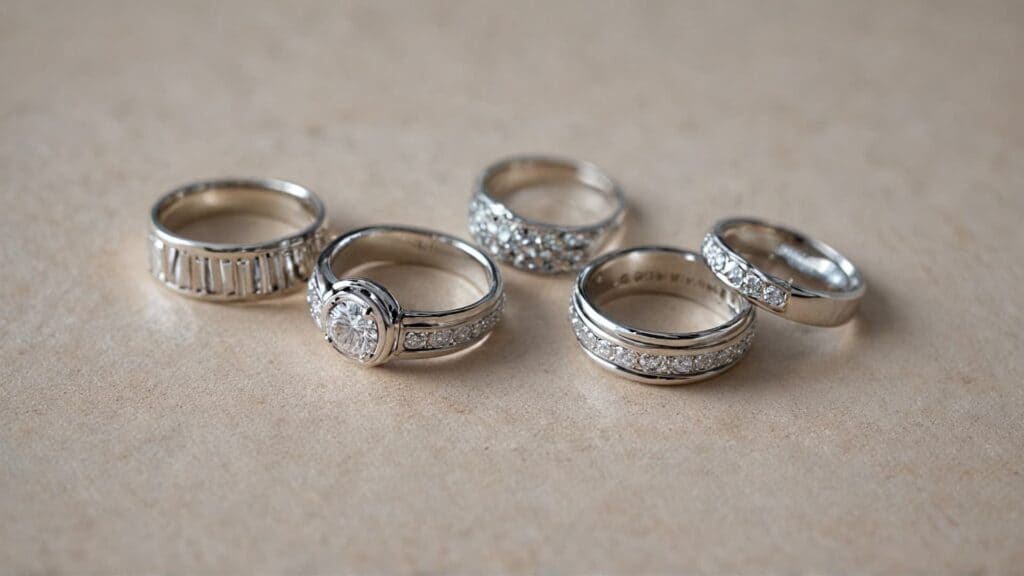
Finding jewelry that won’t cause skin problems requires looking beyond marketing claims and focusing on specific materials with proven track records for safety. The jewelry industry often uses terms like “hypoallergenic” or “nickel-free” without regulation, so these labels don’t guarantee safety. Instead, you need to understand which specific metals and grades have actual medical testing behind them and learn to identify quality markings that indicate truly safe materials.
- Surgical-grade stainless steel (316L or 316LVM) offers the best combination of safety and affordability for most people. These specific grades are used in medical implants and release only 0.02 μg/cm²/week of nickel according to standardized testing, well below levels that cause reactions. However, you must verify the exact grade marking, as lower-grade stainless steels can release nickel levels 25 times higher than surgical grades.
- Implant-grade titanium provides medical-device-level biocompatibility with lightweight comfort. Look for ASTM F-136 or F-67 compliance markings, which ensure the titanium meets strict medical standards. Titanium is naturally hypoallergenic, corrosion-resistant, and so biocompatible that it’s used in joint replacements and dental implants. The main drawbacks are higher cost and limited color options.
- Platinum represents the safest option available, with 95%+ purity and exceptional chemical inertness. Platinum jewelry rarely causes allergic reactions because the metal is so stable that it barely reacts with anything, including your skin. It’s used in medical applications and has extensive safety data, but the high cost makes it impractical for many people’s everyday jewelry needs.
- High-karat gold (18K-24K) is generally safe due to higher gold content and fewer problematic alloy metals. Pure gold (24K) is completely hypoallergenic, while 18K gold contains 75% gold and 25% other metals. However, white gold often contains nickel to achieve its color, making it just as problematic as other nickel-containing jewelry. Yellow and rose gold are typically safer choices for sensitive individuals.
- Niobium provides 100% pure elemental metal that can be anodized for color without reactive coatings. This metal is completely biocompatible and often used for people with multiple metal sensitivities. Niobium can be electrically colored through anodization, creating beautiful rainbow effects without using potentially irritating dyes or platings.
- Sterling silver (marked 925) works well for most people but contains 7.5% copper that can cause problems for some. Real sterling silver has good safety data, but the copper content can cause reactions in copper-sensitive individuals. Silver-plated jewelry is much riskier because the plating can wear off and expose unknown base metals underneath.
- Quality indicators include specific stamps, certifications, and documentation of metal content. Look for markings like 925 (sterling silver), 316L (surgical steel), Ti (titanium), or 950 (platinum). Reputable manufacturers provide certificates of authenticity that document exact metal composition and processing methods. Avoid pieces with no markings or vague quality claims.
- Price correlation with safety varies significantly across different metal types. Surgical-grade stainless steel offers excellent safety at $10-50 per piece, while platinum represents the premium option at $200-1000+ per piece. The key is understanding that price reflects factors like precious metal content and craftsmanship, not necessarily hypoallergenic properties.
- Avoid common marketing traps that don’t guarantee safety. Terms like “hypoallergenic,” “nickel-free,” or “surgical steel” without specific grade information can be misleading. Many products labeled as surgical steel actually contain significant nickel content. Similarly, “gold-filled” or “gold-plated” pieces can cause reactions when the surface coating wears off.
The investment in quality, hypoallergenic materials pays off in long-term skin health and wearing comfort. While the upfront cost may be higher, safe materials last longer, maintain their appearance better, and eliminate the ongoing costs and discomfort of treating jewelry-related skin problems. For people with established metal sensitivities, spending more on proven safe materials is always more economical than repeatedly buying cheaper pieces that cause reactions.
How to Treat Jewelry-Related Breakouts
Once you’ve developed jewelry-related skin problems, quick and appropriate treatment can prevent the condition from becoming chronic or developing into serious complications. The treatment approach depends on whether you’re dealing with an allergic reaction, bacterial infection, or mechanical irritation, but the first step is always the same - remove the offending jewelry immediately. Many people make the mistake of continuing to wear problematic pieces while trying to treat the symptoms, which only makes the condition worse and delays healing.
- Immediate removal of all suspected jewelry is the most critical first step in treatment. Even if you’re not sure which piece is causing the problem, remove everything from the affected area and nearby regions. Continuing to wear jewelry while treating skin reactions is like trying to heal a cut while repeatedly reopening it - the irritation will persist and may worsen despite your treatment efforts.
- Cool compresses provide immediate relief and help reduce inflammation in the affected area. Soak a clean cloth in cool tap water or aluminum acetate solution and apply for 15-20 minutes, 3-4 times daily. Avoid ice directly on skin, but cool temperatures help constrict blood vessels, reduce swelling, and provide numbing relief from itching and burning sensations.
- Over-the-counter hydrocortisone cream (1%) serves as first-line treatment for mild allergic reactions. Apply a thin layer 2-3 times daily for 7-10 days, but don’t use it longer than two weeks without medical supervision. Hydrocortisone reduces inflammation and itching, but it won’t help with bacterial or fungal infections, so make sure you’re treating the right type of reaction.
- Gentle cleansing with fragrance-free soap helps prevent secondary bacterial infections. Clean the affected area once daily with mild, unscented soap and lukewarm water, then pat dry gently. Avoid scrubbing or using harsh cleansers that can further damage already compromised skin. The goal is to remove bacteria and debris without causing additional irritation.
- Oral antihistamines like diphenhydramine or loratadine can help with itching and systemic allergic symptoms. While they don’t do much for localized skin reactions, antihistamines can be helpful if you’re experiencing widespread itching or if the reaction is affecting your sleep. Choose non-sedating formulas during the day if you need to remain alert.
- Prescription treatments become necessary for severe reactions or when over-the-counter options aren’t working. High-potency topical corticosteroids like clobetasol propionate can quickly control severe inflammation, while calcineurin inhibitors like tacrolimus are safer for facial use and long-term treatment. Oral corticosteroids may be needed for widespread or severe reactions.
- Antibiotic treatment is required when bacterial infections develop on top of the original jewelry reaction. Signs of bacterial infection include pus, honey-colored crusting, increased warmth and tenderness, and red streaking. Topical antibiotics like mupirocin work for minor infections, while oral antibiotics may be needed for more serious cases.
- Professional patch testing helps identify specific metal allergies for long-term management. If you have recurring reactions to multiple jewelry pieces, a dermatologist can perform patch testing to determine exactly which metals trigger your allergies. This information is invaluable for making safe jewelry choices in the future.
The timeline for healing varies depending on the severity and type of reaction, but most allergic contact dermatitis improves within 2-4 weeks of proper treatment and jewelry avoidance. However, if symptoms persist beyond this timeframe, worsen despite treatment, or if you develop signs of infection, professional medical evaluation becomes necessary. Remember that some jewelry reactions can cause permanent skin changes if left untreated, so don’t hesitate to seek help if home treatment isn’t working within a reasonable timeframe.
When to Be Extra Careful with Jewelry
Certain life stages, activities, and circumstances create unique challenges for jewelry wear that require modified approaches to prevent skin problems. Your skin’s sensitivity and needs change throughout your life, and situations like new piercings, pregnancy, or intense physical activity can dramatically increase your risk of jewelry-related reactions. Recognizing these special circumstances helps you adjust your jewelry choices and care routines to maintain skin health during vulnerable periods.
- New piercings require specific materials and extended healing protocols that differ from regular jewelry wear. Initial piercing jewelry must be surgical-grade stainless steel, implant-grade titanium, or 14K+ gold, with longer posts to accommodate healing-related swelling. Healing timelines vary from 6-8 weeks for earlobes to 6-12 months for cartilage piercings, during which jewelry changes should be completely avoided to prevent introducing bacteria or disrupting the healing process.
- Exercise and sports create acidic sweat conditions that dramatically increase metal ion release and reaction risk. Sweat with pH below 7 increases nickel leaching by up to 10 times, while salt content accelerates metal corrosion. Remove all jewelry before workouts, apply protective barriers if removal isn’t possible, and establish immediate post-exercise cleaning routines to remove corrosive sweat residue before it causes damage.
- Pregnancy hormones can trigger new sensitivities to previously tolerated metals, requiring careful monitoring and potential jewelry modifications. Many women develop their first metal allergies during pregnancy due to immune system changes and increased skin sensitivity. Pay extra attention to any new reactions during pregnancy and be prepared to switch to more inert materials like platinum or titanium if needed.
- Age-related skin changes affect jewelry tolerance, with elderly individuals experiencing up to 70% reduction in skin thickness. Thinner, more fragile skin in older adults is more susceptible to irritation and slower to heal from jewelry-related damage. Older adults also have compromised barrier function that requires more frequent moisturizing and gentler jewelry materials to prevent problems.
- Seasonal factors significantly impact reaction severity, with summer heat and humidity accelerating metal breakdown. High temperatures and moisture levels increase metal corrosion rates and bacterial growth, making reactions more likely and severe during warm months. Winter’s dry conditions can compromise skin barriers and increase allergen penetration, requiring adjusted care routines for different seasons.
- Medication effects can alter skin sensitivity and healing capacity in ways that affect jewelry tolerance. Blood thinners make skin more fragile and prone to damage from tight jewelry, while immunosuppressive medications can mask early reaction signs or delay healing. Topical medications can interact with metal jewelry to cause unexpected reactions.
- Occupational exposures to chemicals, moisture, or physical stress require specialized jewelry considerations. Healthcare workers, food service employees, and those in manufacturing may need to remove jewelry entirely during work or choose materials that can withstand frequent sanitization and chemical exposure without degrading.
- Travel considerations include climate changes, water quality differences, and limited access to medical care. Different climates can trigger reactions in previously safe jewelry, while foreign water supplies may contain minerals that accelerate metal corrosion. Pack backup hypoallergenic pieces and basic treatment supplies when traveling to areas with different environmental conditions.
- Children and teenagers have developing immune systems that may be more susceptible to metal sensitization. Early exposure to problematic metals like nickel can establish lifelong allergies, so starting children with the safest possible materials is particularly important. Their active lifestyles also mean more sweat and friction exposure that increases reaction risk.
The key to managing these special circumstances is recognizing when your normal jewelry routine needs modification and being proactive about prevention rather than waiting for problems to develop. During high-risk periods like new piercings, pregnancy, or illness, it’s better to err on the side of caution and choose the safest materials available, even if they cost more or limit your style options temporarily.
Signs You Need to Replace Your Jewelry
Knowing when to permanently retire a piece of jewelry can save you from ongoing skin problems and potential long-term health complications. Many people struggle with this decision, especially when dealing with sentimental pieces or expensive jewelry, but continuing to wear problematic items often leads to worsening reactions and permanent skin damage. Learning to recognize the clear warning signs that indicate jewelry must go helps you make these difficult decisions before minor irritation becomes a serious medical issue.
- Persistent inflammation that continues or worsens despite removing the jewelry for several weeks indicates permanent sensitization. If your skin remains red, swollen, or irritated for more than two weeks after stopping jewelry wear, you’ve likely developed a permanent metal allergy. Continuing to wear that piece will only trigger stronger reactions over time, and the sensitivity may expand to affect other jewelry containing similar metals.
- Progressive reactions that happen faster or more severely each time you wear a piece signal increasing immune system sensitization. If jewelry that once caused mild irritation after hours of wear now triggers reactions within minutes, your allergy is becoming stronger. This progression means your immune system is mounting increasingly aggressive responses, and continued exposure could lead to severe, widespread reactions.
- Blistering, oozing, or open wounds from jewelry contact require immediate and permanent discontinuation. These severe reactions indicate significant skin barrier damage that can lead to permanent scarring, secondary infections, and expanded allergic sensitivities. Once jewelry has caused open wounds, wearing it again risks introducing bacteria directly into damaged tissue.
- Signs of secondary bacterial infection mean the jewelry has created conditions for dangerous complications. Yellow crusting, pus formation, foul odors, or red streaking from jewelry sites indicate bacterial invasion that can spread throughout your body if not properly treated. Any jewelry associated with infections should be permanently avoided to prevent recurrence.
- Expanding reaction areas beyond direct jewelry contact suggest your sensitivity is generalizing to affect nearby skin. When rashes spread beyond the exact jewelry contact pattern or when you develop reactions on skin that doesn’t directly touch the jewelry, your immune system is becoming hypersensitive. This expansion often precedes the development of multiple metal allergies.
- Testing methods can help identify which specific pieces are problematic when you wear multiple items. Elimination testing involves removing all jewelry for 2-4 weeks until skin heals completely, then reintroducing pieces one at a time with 48-72 hour intervals. Patch testing applies small pieces of jewelry to inner arm skin for 48 hours to test for reactions in a controlled way.
- Professional patch testing provides definitive identification of metal allergies for informed decision-making. Dermatologists can test your sensitivity to dozens of specific metals and alloys, giving you precise information about which materials to avoid permanently. This testing is particularly valuable when you have reactions to multiple pieces or when family heirloom jewelry is involved.
- Visible jewelry degradation like tarnishing, flaking, or rough texture indicates metal breakdown that increases reaction risk. When jewelry shows signs of corrosion or wear, it’s releasing more metal ions and becoming increasingly likely to cause skin problems. Continuing to wear degraded jewelry often triggers reactions in people who previously tolerated the same piece when it was new.
- Alternative options for severely sensitive individuals include pure titanium, niobium, platinum, or non-metal materials. Medical-grade ceramics, surgical plastics, wood, glass, and silicone provide safe alternatives that allow jewelry wear without metal exposure. These materials offer surprising variety in styles and can often be custom-made to replace problematic pieces.
- Gradual reintroduction protocols should be used cautiously after healing periods, starting with minimal exposure times. If you want to test whether healing time has reduced your sensitivity, start with just 1-2 hours of wear and monitor for any reaction signs. However, remember that metal allergies are typically permanent, so any return of symptoms means permanent avoidance is necessary.
Making the decision to stop wearing jewelry can be emotionally difficult, especially with engagement rings, family heirlooms, or pieces with special meaning. However, the alternative - ongoing skin damage, potential infections, and expanding allergies - makes preservation of your health the clear priority. Many problematic pieces can be redesigned using safe materials, or the stones can be reset in hypoallergenic metals, allowing you to keep the sentimental value while protecting your skin.
Conclusion
Jewelry-related skin problems affect millions of people worldwide, but they’re largely preventable with the right knowledge and approach. The key is recognizing that these reactions stem from complex interactions between metal composition, skin physiology, and environmental factors - not just “sensitive skin” or bad luck. Whether you’re dealing with nickel allergies, bacterial infections from trapped moisture, or friction-based breakouts, the underlying mechanisms follow predictable patterns that allow for effective prevention and treatment strategies.
The most important lesson is that material selection makes all the difference in your jewelry-wearing experience. Investing in surgical-grade stainless steel, implant-grade titanium, high-karat gold, or platinum may cost more upfront, but these materials provide the safety and durability that make them more economical in the long run. Equally crucial is developing consistent care routines that include regular cleaning, strategic rotation of pieces, and immediate removal when any warning signs appear. These habits become second nature once you establish them and dramatically reduce your risk of developing persistent skin problems.
Remember that metal allergies are permanent once they develop, making prevention far more important than treatment. If you do experience jewelry-related skin problems, quick action and appropriate treatment can prevent minor irritation from becoming chronic dermatitis or serious infections. Don’t hesitate to seek professional help when home treatment isn’t working, and never ignore warning signs in hopes they’ll resolve on their own. With the right approach, almost everyone can enjoy wearing jewelry safely and comfortably throughout their lives.