Many of us step into the shower still wearing our favorite jewelry without a second thought. This seemingly harmless habit could actually be causing gradual damage to your precious pieces. Everyday shower conditions - from water minerals and chemicals to soaps and shampoos - can tarnish metals, dull gemstones, and weaken settings over time. Understanding how these elements interact with different jewelry materials is key to preserving your collection’s beauty and longevity. With the right knowledge and a few simple habits, you can protect your precious items while still enjoying both your daily shower routine and your favorite accessories.
Is It Safe to Wear Jewelry in the Shower?
No, most jewelry should not be worn in the shower. Water, soaps, and bath products can damage metals, loosen settings, and harm gemstones over time. While certain durable materials might withstand occasional exposure, removing jewelry before bathing is the safest practice for maintaining its beauty and structural integrity.
- Shower water contains minerals, chlorine and other chemicals that can gradually corrode metals, causing not just surface tarnishing but potentially weakening the structure of your jewelry, leading to broken chains, snapped prongs, or damaged clasps that could result in losing stones or entire pieces.
- Soaps, shampoos, and bath products create stubborn films on jewelry surfaces that build up over time, becoming increasingly difficult to remove and creating a breeding ground for bacteria in the tiny crevices of your jewelry—especially in intricate designs or around stone settings.
- The repeated cycle of getting jewelry wet and then drying can weaken adhesives used in some jewelry construction, potentially loosening stones or causing separation in layered pieces like gold-filled or plated items where the coating may begin to peel or flake.
- Many gemstones (especially porous ones) absorb chemicals from shower products that can permanently alter their color, clarity, or internal structure, with damage often not becoming apparent until it’s irreversible—pearls can lose their luster, opals can crack, and even harder stones can lose their brilliance.
- The habit of wearing jewelry in the shower often leads to another risky practice—leaving wet jewelry on after bathing, which extends exposure time to moisture and increases the likelihood of skin irritation, especially with rings that trap water against the skin.
While a single shower with your jewelry on won’t cause immediate catastrophic damage, the cumulative effect of daily exposure adds up quickly. The convenience of keeping jewelry on in the shower simply isn’t worth the potential damage to pieces that may hold both financial and sentimental value.
What Happens to Different Jewelry Metals in the Shower
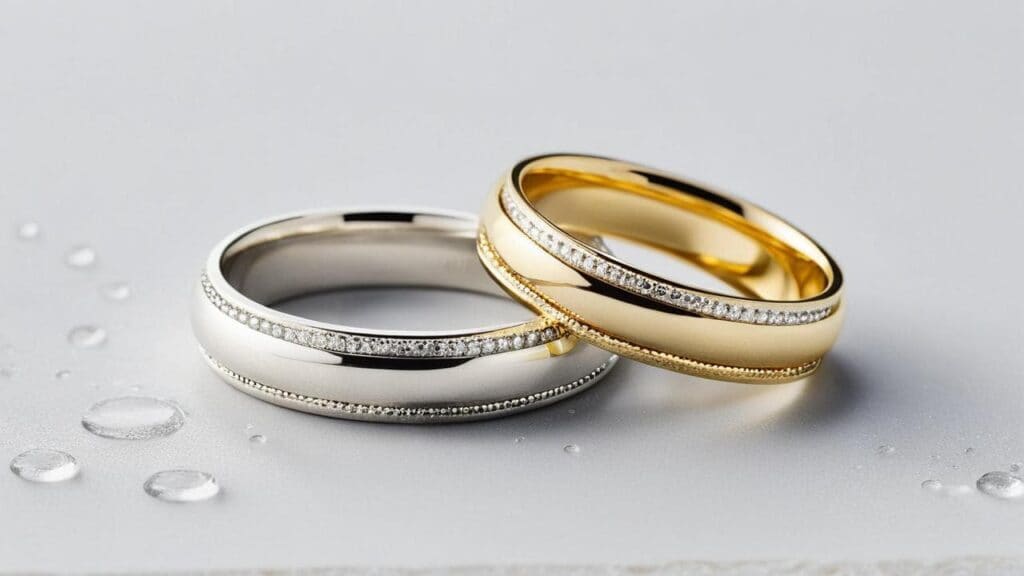
Gold, silver, platinum, and other metals each respond differently to shower conditions, with some being more resilient than others. Understanding how your specific jewelry metals interact with water and shower products can help you make informed decisions about care.
- Pure 24K gold doesn’t tarnish from water exposure alone, but its extreme softness makes it vulnerable to scratches and deformation during showering activities—and the high value of pure gold jewelry means even minimal damage can significantly impact both appearance and value, making shower wear particularly risky for these premium pieces.
- 14K-18K gold contains varying percentages of other metals that provide durability but also react with chlorine in water—potentially causing a degradation known as “stress corrosion cracking” where the metal weakens over time, potentially leading to sudden breakage with no visible warning signs, particularly in thinner pieces like chains.
- Gold-plated and gold-filled jewelry feature a thin layer of gold over base metals, and shower exposure dramatically accelerates the wear of this layer—the combination of moisture, chemicals, and friction during bathing and drying can wear through plating within months rather than years, exposing the base metal which may cause skin reactions or discoloration.
- Sterling silver tarnishes rapidly with moisture exposure, developing a black sulfide layer that becomes increasingly difficult to remove the longer it builds up—the porous nature of silver means shower products can penetrate the surface, making tarnish removal more challenging and potentially damaging the metal through aggressive cleaning attempts.
- Platinum is highly resistant to chemical damage and tarnishing, making it one of the more shower-friendly precious metals—however, its exceptional density makes it prone to scratching, and its high value means even the minor risk of loosening stones or settings during shower activities isn’t worth taking.
- Stainless steel generally handles moisture well but varies dramatically in quality—higher-grade 316L surgical stainless steel resists corrosion from water and most chemicals, while lower-quality steel may contain nickel or other metals that can leach out with repeated moisture exposure, potentially causing skin irritation or allergic reactions.
- Copper and copper alloys like brass and bronze react quickly to moisture by forming patinas (green for copper, brown or black for brass/bronze)—while some people appreciate these aged looks, the patina formation process is unpredictable in shower conditions and often results in uneven coloration rather than the attractive patinas achieved through controlled aging methods.
The precious metals in your jewelry collection represent a significant investment, both financially and emotionally. While some metals show more resilience than others, protecting all types from unnecessary moisture exposure will maintain their beauty and structural integrity for generations to come.
Which Gemstones Can Handle Shower Water
Different gemstones have varying levels of hardness, porosity, and resistance to water damage, making some far more vulnerable to shower conditions than others. Understanding your gemstone’s properties can save you from potentially irreversible damage.
- Diamonds score a perfect 10 on the Mohs hardness scale and are water-resistant, but their brilliance comes from precisely engineered facets and meticulous cleaning—shower products create films that diminish this brilliance, requiring more frequent professional cleaning, while the steam and heat from hot showers can potentially loosen settings over time as the metal expands and contracts.
- Sapphires and rubies (9 on Mohs scale) have excellent water resistance due to their crystalline structure, but many modern stones undergo treatment processes to enhance color or clarity—these treatments, particularly fracture fillings or surface diffusion, can be compromised by repeated exposure to shower chemicals, potentially causing visible damage to these otherwise durable gemstones.
- Emeralds (7.5-8 on Mohs scale) typically contain natural inclusions that jewelers call “gardens,” and most are treated with oils or resins to improve clarity—shower products, especially those containing alcohol or solvents, can gradually dissolve these treatments, making the emerald appear more cloudy over time and potentially exacerbating existing inclusions by allowing water to penetrate the stone.
- Opals (5.5-6.5 on Mohs scale) contain 5-10% water in their structure and are extremely vulnerable to moisture fluctuations—rapidly changing from hot shower water to cool air can cause “crazing” (tiny cracks that form within the stone), permanently damaging the opal’s structure and destroying its precious play-of-color effect that makes these gems so valuable.
- Pearls are formed from layers of calcium carbonate and conchiolin (a protein) and can be irreparably damaged by moisture and chemicals—the acidic nature of many shower products can actually dissolve the nacre surface, while the porous structure absorbs products that discolor the pearl from within, damages that can’t be reversed through cleaning or treatments.
- Turquoise, coral, amber, lapis lazuli, and other porous gemstones readily absorb shower chemicals that can permanently alter their color and composition—these materials are often stabilized with treatments that shower products can compromise, leading to discoloration, surface changes, or even structural instability that can cause the stone to crack or crumble over time.
- Even moderately hard stones like amethyst, topaz, and aquamarine can suffer from repeated shower exposure—tiny fissures invisible to the naked eye can allow moisture and chemicals to penetrate, potentially causing cloudiness, color changes, or weakening that becomes apparent only after significant damage has occurred.
The unique beauty of gemstones comes from their natural formation processes, but these same characteristics can make them vulnerable to everyday exposures. Protecting your gemstone jewelry from shower conditions preserves not only their monetary value but also the special meaning and memories they hold.
How Soaps and Shampoos Damage Your Jewelry
The products we use for cleansing and personal care contain chemicals specifically designed to break down oils and residues—properties that can be detrimental to your precious jewelry. Understanding these interactions can help protect your valuable pieces.
- Soaps and body washes contain surfactants (surface active agents) that work by breaking down the barrier between water and oils—these same agents can penetrate the microscopic spaces in jewelry settings, working their way under stones and into metal crevices where they’re nearly impossible to remove completely, creating buildup that dulls appearance and potentially contributes to stone loosening over time.
- Shampoos often contain stronger detergents than body washes, including sulfates like sodium lauryl sulfate (SLS) and sodium laureth sulfate (SLES)—these powerful cleansing agents can strip away intentional patinas on vintage jewelry, remove protective coatings on treated gemstones, and create micro-abrasions on softer metals that accumulate over time, destroying the polished finish.
- Conditioners, hair masks, and leave-in treatments contain silicones, oils, and waxes that create particularly problematic residues on jewelry—these products are designed to cling to surfaces and resist rinsing, meaning they attach to jewelry with tenacity, creating a sticky film that attracts dirt and can be extremely difficult to remove completely without professional cleaning methods.
- Exfoliating products with physical scrubbing agents (microbeads, sugar, salt, crushed walnut shells) can create microscopic scratches on both metals and gemstones—these tiny abrasions accumulate over time, eventually leading to a permanently cloudy appearance on gemstones and a dull, scratched look on metal surfaces that can only be restored through professional polishing that removes material from your jewelry.
- Anti-dandruff shampoos and medicated body washes often contain zinc pyrithione, selenium sulfide, or ketoconazole—these compounds can be particularly reactive with metals, especially silver and copper alloys, creating chemical reactions that accelerate tarnishing and may even cause permanent discoloration that cannot be polished away.
- Shower products with fragrances and artificial colors contain additional chemicals that can interact unpredictably with jewelry materials—synthetic fragrances in particular often contain alcohol and aldehydes that can dissolve protective treatments on gemstones and react with metal alloys, potentially causing both visible damage and weakening of structural elements.
- Hard water itself contains minerals like calcium, magnesium, and sometimes iron that leave deposits on jewelry—these minerals combine with soap to create soap scum that bonds tenaciously to jewelry surfaces, requiring acidic cleaners to remove that may themselves damage certain gemstones and metals, creating a problematic cleaning cycle.
Your shower products are essential for personal hygiene but represent a significant threat to jewelry integrity. Creating a habit of removing jewelry before bathing provides a simple solution that eliminates these risks entirely.
Warning Signs Your Jewelry Is Damaged from Showering
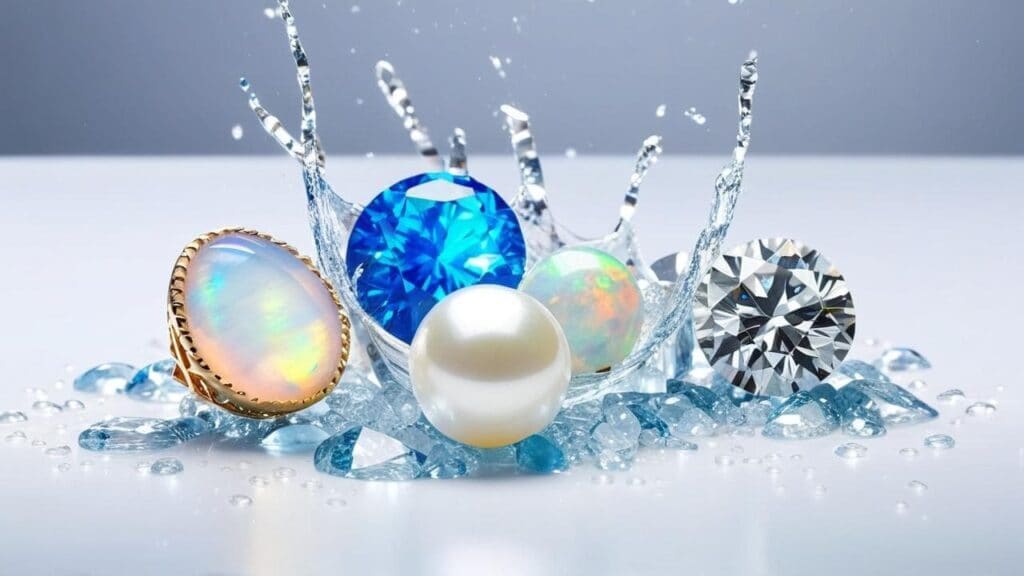
Recognizing the early indicators of shower damage allows you to intervene before serious problems develop. Regular inspection of your jewelry can help identify issues when they’re still reversible.
- Metals developing a persistent dull appearance despite regular cleaning often indicates chemical damage to the surface—this dulling effect can be accompanied by a slightly rough texture when you run your fingernail across what should be a smooth surface, suggesting microscopic pitting from chemical exposure that will eventually require professional refinishing.
- Gemstones showing diminished brilliance or clarity, especially after cleaning, suggests penetration of chemicals or moisture into the stone’s structure or treatment materials—this effect is particularly noticeable when viewing the stone under different lighting conditions, where stones that previously “lit up” now appear lifeless or cloudy regardless of how they’re positioned.
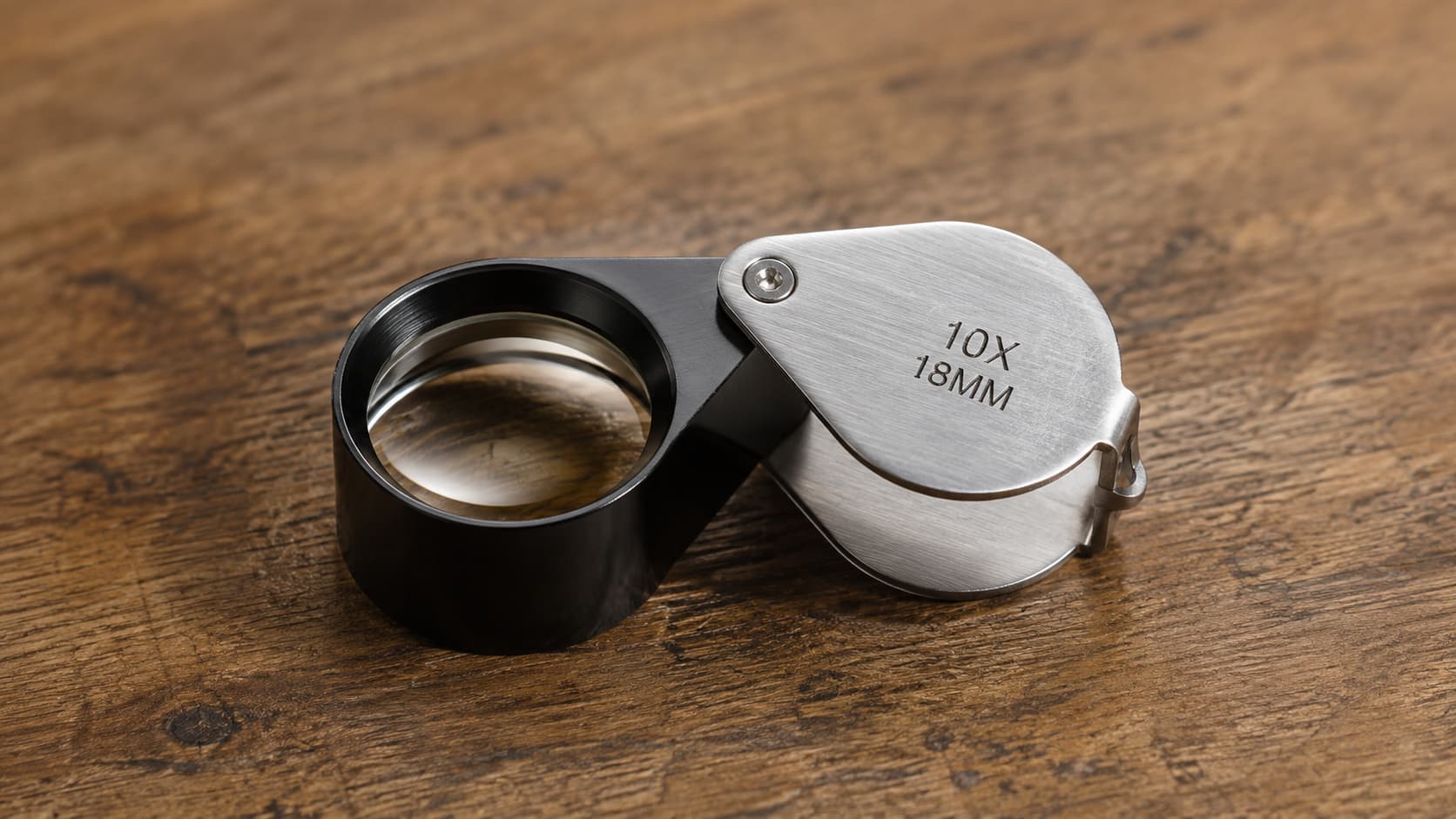
- Settings feeling rough or catching on fabric indicates metal deterioration that puts stones at risk—examine prongs and bezels closely with a magnifying glass for tiny gaps, sharp edges, or thinning metal, particularly where the setting contacts the stone, as these are warning signs of impending stone loss that require immediate professional attention.
- Unusual discoloration of metals that doesn’t respond to normal cleaning may indicate chemical damage rather than simple tarnish—look for uneven patches of discoloration, especially on gold jewelry (which should not tarnish under normal conditions), as this suggests alloy components may be reacting with shower chemicals and compromising the metal’s integrity.
- Gemstone surfaces developing a whitish haze that reappears quickly after cleaning is often caused by product buildup in microscopic surface scratches—this effect is most noticeable on transparent stones when viewed at an angle in bright light and indicates permanent surface damage that affects the stone’s optical properties and can only be corrected through professional repolishing.
- Green or black marks on skin that transfer from jewelry after shower wear signal accelerated corrosion—these marks differ from normal tarnish transfer by appearing more quickly, often immediately after a shower, and indicate actively corroding metal that may be releasing compounds that could cause skin irritation beyond simple discoloration.
- Loose or wobbly stones, even if they haven’t fallen out yet, suggest weakened settings from repeated expansion and contraction—test settings gently by touching (not pushing) stones with a soft toothpick; any movement indicates immediate attention is needed, as stones can go from slightly loose to completely lost in a single wearing.
- Changes in the way a piece wears or feels, such as a ring suddenly feeling looser or a chain kinking more easily, can indicate structural changes to the metal—these subtle alterations in performance often precede visible damage and should prompt professional inspection, as they may signal metal fatigue or weakening that could lead to breakage or loss.
Catching jewelry damage in its early stages can mean the difference between a simple professional cleaning and an expensive repair or replacement. Developing the habit of regular inspection, especially for pieces worn frequently or exposed to shower conditions, can save both money and sentimental heartache.
How to Care for Jewelry to Prevent Shower Damage
Establishing good jewelry care habits not only protects your pieces from shower damage but extends their overall lifespan and beauty. With some simple routines, you can enjoy your jewelry collection for generations to come.
- Create convenient storage solutions in your bathroom specifically for temporary jewelry removal during showering—a small, stable dish with raised edges placed well away from the sink and shower splash zone provides an immediate safe place for rings and earrings, preventing both water exposure and the risk of pieces being knocked into drains.
- Develop a consistent pre-shower routine where removing jewelry becomes as automatic as turning on the water—consistency is key to protecting your pieces, as even occasionally forgetting and showering with jewelry can cause cumulative damage, especially to porous gemstones which may absorb chemicals even from limited exposures.
- Clean your jewelry regularly using appropriate methods for each specific metal and gemstone type—gold and platinum can typically be soaked in warm water with mild dish soap and gently brushed with a soft brush, while silver benefits from specialized cloths and cleaners, and many gemstones require specific cleaning approaches to avoid damage.
- Invest in professional cleaning and inspection at least annually for valuable pieces—jewelers have ultrasonic cleaners, steam cleaners, and specialized solutions that can safely remove buildup without damaging your pieces, plus they can check for loosening stones or worn prongs before loss occurs.
- Store jewelry properly when not being worn, keeping pieces separate to prevent scratching and tangling—designated jewelry boxes with individual compartments, anti-tarnish strips or cloths for silver, and soft pouches for gemstone pieces create ideal environments that minimize exposure to moisture, air pollutants, and physical damage.
- Consider having high-value or frequently worn rings professionally checked and tightened every six months—professional jewelers can inspect prongs under magnification, reinforce weakening areas, and ensure stones remain secure, which is particularly important for engagement rings and other daily-wear pieces.
- Understand which pieces in your collection are most vulnerable to damage and treat them with appropriate care—pearls, opals, emeralds, and other delicate materials should always be “last on, first off” when dressing, avoiding not just shower exposure but also contact with perfumes, cosmetics, and excessive perspiration.
- Be particularly cautious with heirloom or vintage jewelry, which may contain materials or construction techniques that are especially vulnerable to water damage—older pieces often feature glued components, non-standardized metal alloys, or treatments that aren’t used in modern jewelry, making professional assessment of care requirements especially important.
Proper jewelry care requires minimal time investment but yields significant rewards in maintaining both the beauty and value of your collection. By incorporating these practices into your routine, you’ll ensure your precious pieces remain brilliant and structurally sound for years to come.
Jewelry Types That Won’t Get Damaged in the Shower
While most jewelry benefits from shower avoidance, there are a few exceptions that can withstand occasional or even regular shower exposure with minimal risk. Understanding these options gives you flexibility when removing jewelry isn’t practical.
- High-quality stainless steel jewelry, particularly those marked as 316L surgical grade, offers exceptional water and chemical resistance—the “L” designation indicates low carbon content that provides superior corrosion resistance, making these pieces appropriate for shower wear when necessary, though still susceptible to soap buildup that can dull their appearance over time.
- Solid platinum bands without gemstones or complex detailing can generally tolerate shower conditions well—platinum’s exceptional resistance to chemical reactions makes it more shower-friendly than most precious metals, though even platinum benefits from regular cleaning to remove soap residue and maintain its distinctive subtle luster.
- Silicone rings and accessories, designed specifically as alternatives for situations where traditional jewelry isn’t practical, are completely shower-safe—these flexible, waterproof options are ideal for active lifestyles and professions where removing jewelry for showering isn’t always convenient, providing a practical alternative that protects your fine jewelry from exposure.
- Certain high-karat gold bands with simple designs and no gemstones or crevices may withstand occasional shower exposure better than more complex pieces—smooth, solid 18K or 14K gold rings with rounded edges and no stones or engravings present fewer areas for soap to accumulate, though they will still benefit from regular cleaning and should not be considered truly “shower-proof.”
- Titanium jewelry offers exceptional corrosion resistance and durability in wet conditions—its biocompatible nature makes it unlikely to cause skin reactions even with prolonged moisture exposure, making titanium bands a practical option for those who prefer not to remove rings for showering, though any gemstone settings still require the same precautions as other jewelry.
- Ceramic jewelry made from high-quality zirconium oxide can withstand water exposure without damage to the material itself—the non-porous, scratch-resistant surface resists both chemical infiltration and soap buildup, though settings and findings attached to ceramic components may still be vulnerable to shower damage.
- Alternative materials like tungsten carbide, while exceptionally hard and seemingly impervious to damage, still aren’t ideal for regular shower wear—the metal carbide itself resists corrosion well, but the cobalt or nickel binders used in these rings can potentially react with shower chemicals and may eventually affect both the ring and potentially your skin.
- Temporary jewelry solutions like magnetic earrings, clip-on accessories, or adjustable rings offer a practical compromise—these pieces can be easily removed before showering and replaced after without the need for clasps or special tools, making them convenient options for travel or situations where managing traditional jewelry might be challenging.
While these more shower-resistant options exist, it’s worth noting that even the most durable materials benefit from occasional removal and proper cleaning. The peace of mind that comes from protecting your jewelry, combined with the minimal effort required to remove pieces before bathing, generally outweighs the convenience of shower-wear for most jewelry collections.
Conclusion
The decision to remove jewelry before showering ultimately comes down to balancing convenience against preservation of your valued pieces. Creating a consistent jewelry routine is the most effective protection strategy you can implement. Designate a safe spot for temporary jewelry storage in your bathroom to make removal before showering effortless, while incorporating quick cleaning into your getting-ready routine helps maintain sparkle and shine with minimal effort. Remember that even durable pieces can suffer from cumulative exposure over time—the minor inconvenience of removing jewelry before bathing can translate to years of additional life and beauty for your favorite accessories.
For particularly valuable or sentimental pieces, the extra seconds required for proper care are insignificant compared to the potential cost of damage or loss. By treating your jewelry with respect and understanding its specific care needs, you’ll preserve not just the monetary value but also the special memories and meanings these precious items hold. Regular professional cleanings and inspections can identify potential issues before they become serious problems, ensuring your jewelry collection remains beautiful and wearable for generations to come. With thoughtful care and proper shower habits, you can enjoy both your morning routine and your jewelry collection without compromise.