The Edwardian era represents one of jewelry history’s most refined periods, producing pieces that captured the sophisticated spirit of early 20th-century high society. Named after King Edward VII, who ruled from 1901 to 1910, this was the final jewelry period defined by a British monarch. This golden age coincided with remarkable technological advances, particularly the invention of the oxyacetylene torch in 1903, which allowed platinum to be worked for the first time. The result was an unprecedented era of delicate, lace-like creations featuring revolutionary techniques like filigree work and milgrain detailing. These pieces resembled frozen lacework adorned with the finest diamonds, pearls, and gemstones. Today, Edwardian jewelry remains highly sought after by collectors who appreciate its timeless elegance, exceptional craftsmanship, and the romantic story it tells of a bygone era of luxury and sophistication.
What is Edwardian Era Jewelry?
Edwardian jewelry (1901-1910) was the last jewelry period named after a British monarch, King Edward VII, known for delicate platinum designs with garland motifs, filigree work, and milgrain detailing. This era marked a dramatic shift from the heavy, somber mourning jewelry of the Victorian period to light, feminine, and sophisticated pieces that celebrated life and luxury. The period coincided with the Belle Époque in France, creating an international movement toward elegance and refinement.
- King Edward VII was the luxury-loving, playboy antithesis of his stern mother Queen Victoria, surrounding himself with wealthy socialites and spending his time in various social activities where jewelry played an important role. His personality and lifestyle directly influenced the jewelry trends of the era, moving away from Victorian restraint toward celebration and display of wealth.
- The invention of the oxyacetylene torch in 1903 revolutionized jewelry making by reaching the temperatures necessary to work with platinum, allowing jewelry to be made solely from this strong, white metal for the first time. This breakthrough enabled jewelers to create incredibly delicate designs that were still structurally sound and durable.
- Jewelers developed what became known as the “garland” style, borrowing the flowing lines of Art Nouveau and incorporating them into more traditional motifs, creating the distinctive Edwardian look. Flowing and floral garland motifs were so popular that the Edwardian period is sometimes called the “garland era.”
- Major jewelry houses like Cartier and Boucheron, founded in the mid-1850s, became household names among the wealthy by the beginning of the 20th century, with Cartier becoming the official jewelry supplier to King Edward VII. This royal endorsement elevated the entire industry and set new standards for luxury and innovation.
- The “new” designs of the Edwardian Era had their roots in eighteenth-century jewelry, with the Court of Versailles serving as inspiration for customers who wanted aristocratic-styled jewels. Pattern books from earlier centuries were widely available, allowing jewelers to reference and reinterpret classical designs.
The Edwardian era established many of the design principles and techniques that continue to influence fine jewelry today. Though Edwardian jewelry is full of exquisite detail, the durability of its materials and construction make most of it quite wearable today. This combination of historical significance, technical innovation, and enduring beauty makes Edwardian jewelry one of the most celebrated and collectible periods in jewelry history, representing a perfect balance between artistic expression and masterful craftsmanship.
King Edward VII and His Impact on Jewelry Design
The social and cultural transformation that occurred during Edward VII’s reign created the perfect conditions for a jewelry revolution. King Edward VII, fondly nicknamed Bertie, was the heir apparent for nearly 60 years under the stern watch of Queen Victoria, which sparked a rebellious nature in boyhood that would last a lifetime. When he finally ascended to the throne in 1901, he brought with him a desire to shake off Victorian solemnity and embrace a new era of celebration, luxury, and social freedom. This dramatic shift in royal attitude had profound effects on fashion, society, and particularly jewelry design.
- Edward was famous for being a playboy and a gambler even while he was still the Prince of Wales, and after his coronation he continued to surround himself with fast-moving, wealthy socialites, spending most of his time in various social activities. His court became the center of fashionable society, where jewelry was not just decorative but essential for social status and acceptance.
- The Industrial Revolution allowed mass production of jewelry for the first time, meaning that jewelry could easily be worn across all classes, but high society looked down on this widespread availability and instead favored handcrafted fine-artisan pieces. This rejection of machine-made items created a market for exceptional, one-of-a-kind pieces that showcased superior craftsmanship.
- The turn of the century coincided with the romantic Art Nouveau, Arts and Crafts movement and La Belle Époque, French for “the beautiful era,” with each of these movements devoted to and inspired by the beauty of nature. This cultural convergence created a perfect storm of artistic inspiration that influenced jewelry design across Europe.
- After Queen Victoria’s death, Edward saw this as an opportunity to bring something more lively to the royal court, favoring luxurious decorations and frivolity, resulting in the changing of hemlines and necklines and more romantic styles of dress. Fashion became lighter, more revealing, and more ornate, requiring jewelry that complemented these new silhouettes.
- The wealthy class continued to remain influential from the preceding Victoria era during this time, with jewelry items marked by luxury, and the period’s economic stability encouraged lavish, high-end designs. The wealthy had both the means and the social pressure to acquire increasingly elaborate and expensive jewelry pieces.
The Edwardian period represented a crucial transition point in both social history and jewelry design. Despite King Edward VII’s reign ending in 1910, Edwardian jewelry styles remained popular until after World War I, with some elements like filigree transitioning into 1920s jewelry and combining with the Art Deco movement. This era’s emphasis on luxury, craftsmanship, and beauty created a lasting legacy that continues to influence jewelry design today, establishing standards of elegance and sophistication that remain the benchmark for fine jewelry.
Why Platinum Became Popular in Edwardian Jewelry
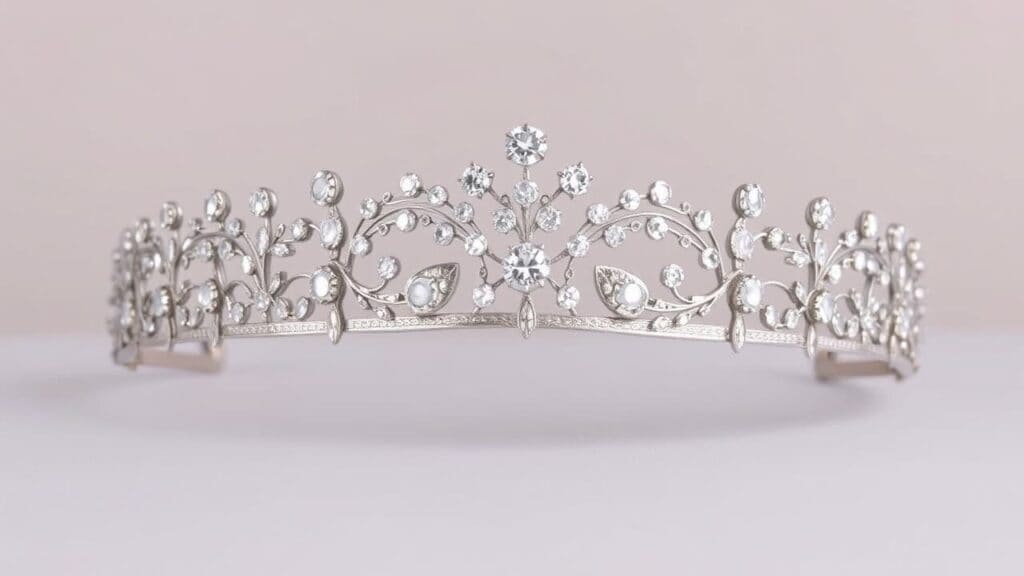
The introduction of platinum as a primary jewelry metal transformed the entire industry and made the distinctive Edwardian aesthetic possible. Before the invention of the oxyacetylene torch in 1895, platinum was backed by gold in the same manner as silver, but in 1903 this new torch technology reached the temperatures necessary to work with platinum, allowing jewelry to be made solely from platinum. This breakthrough was revolutionary because platinum’s unique properties allowed jewelers to create designs that were previously impossible, combining incredible strength with the ability to be worked into the finest, most delicate patterns.
- The strength of platinum was fully utilized and it became possible to create jewels that resembled delicate embroidery and fine, sophisticated jewels resembling diamond-encrusted lace. This strength and rigidity allowed jewelers to mount stones in minimal settings while maintaining security, creating an entirely new aesthetic of lightweight, airy designs.
- Once creating jewelry in platinum became an option, it quickly became the world’s most sought-after metal for creating jewelry, as the strength of platinum allowed for jewels mounted in white metal to be lightweight and secure. Combined with the fact that it does not tarnish, platinum became significantly more valuable and desirable than gold for fine jewelry applications.
- Platinum was the metal of choice for Edwardian jewels, and its primary gemstone partners of diamonds and pearls created a look that was especially flattering to the pastel fabrics of the Edwardian era. The “white” styles created with platinum established a new color palette in jewelry that emphasized sophistication and modernity.
- Yellow gold would be used with silver topping the setting to enhance the white appearance of the diamonds, as silver would be used to make diamonds appear white, however positioned so as not to touch skin or clothing. This technique allowed jewelers to achieve the desired white metal look even when working primarily in gold, demonstrating the importance of the platinum aesthetic.
- White gold would be attempted to be created as early as 1880, but would not be a practical metal for jewelry until approximately 1917, making platinum the only practical option for achieving the white metal look that became synonymous with Edwardian elegance and sophistication.
The platinum revolution fundamentally changed not only what was possible in jewelry design but also how people thought about luxury and style. By 1910, black and white styles were the fashion, with diamond jewelry set in platinum pinned to black ribbons and accented with onyx or black enamel. This new material enabled the creation of pieces that were simultaneously more delicate and more durable than anything that had come before, establishing platinum as the ultimate luxury metal and setting the stage for modern fine jewelry as we know it today.
Key Design Features of Edwardian Jewelry
Edwardian jewelry is distinguished by three primary decorative techniques that created its characteristic delicate, lace-like appearance. These pieces often look like intricate lacework frozen in time, with milgrain detailing where tiny metal beads are used to create borders around gemstones, adding another layer of texture and softness. The mastery of these techniques required exceptional skill and represented the pinnacle of jewelry craftsmanship, combining traditional metalworking methods with innovative approaches made possible by new tools and materials.
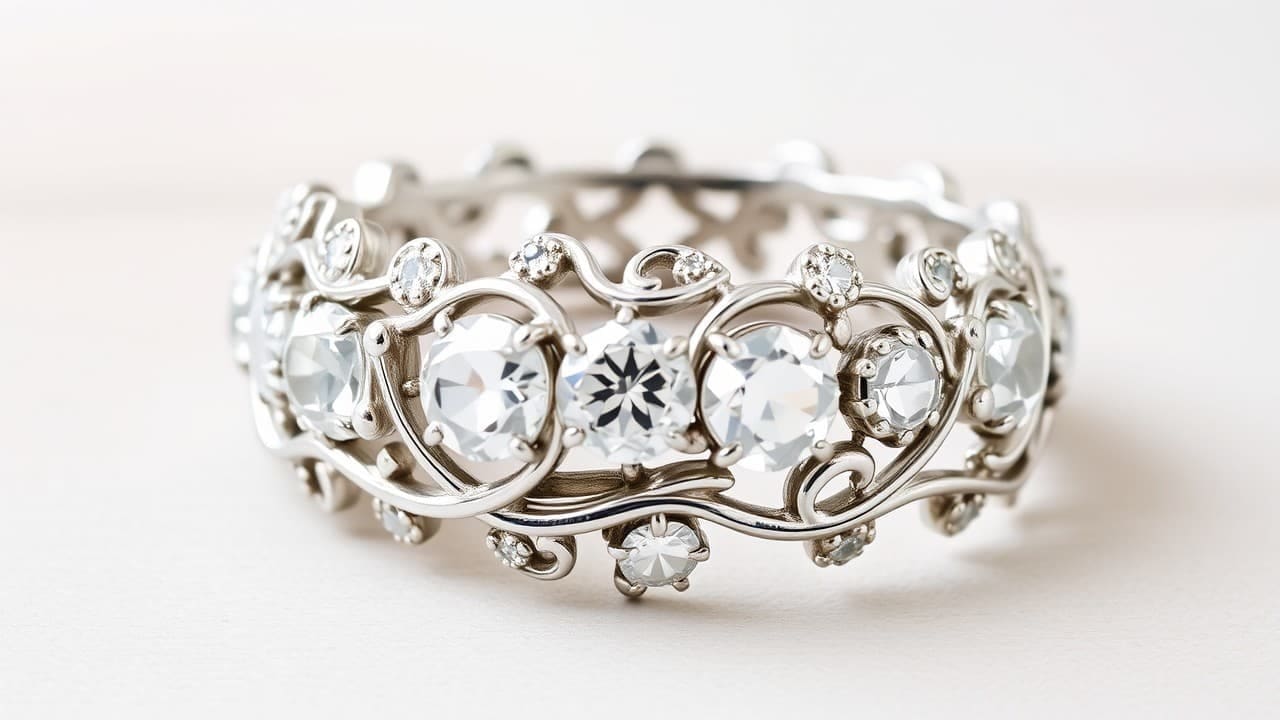
- Filigree refers to bending and coiling tiny metal wire pieces into patterns and attaching them onto a metal surface, creating decorative work of fine wire formed into delicate tracery. The name comes from the word “filum,” meaning thread, and “granum,” which means grain, describing the metal strips used for filigree construction. This technique created openwork designs that allowed light to play through the jewelry, enhancing the brilliance of gemstones.
- Milgrain is tiny metal beads, sometimes individually applied in rows along the edge of the metal, with the term coming from a French word meaning “one thousand grains.” Milgrain, a new decorative technique made possible by the use of platinum, featured borders of delicate balls and ridges surrounding a gemstone or on the sharp edges of a design to give jewelry a softer, lighter look.
- Garlands, bows, knots, tassels and lace motifs were the favorite designs for the Edwardian period, with paired hearts also being a popular motif of the early 20th century. These romantic and nature-inspired patterns reflected the era’s appreciation for beauty and elegance, moving away from the more somber Victorian designs.
- Three methods were used to achieve milgrain: handcrafting where each tiny bead is crafted by hand and individually placed and attached, using a knurling tool like a small pizza cutter, or through modern 3D computer software. The hand-crafted method was extremely time-consuming and required careful attention to detail, adding romantic sentiment to the finished pieces.
- Filigree designs come in two types: openwork with no backing where heavier wires are attached together to hold the design, and metal-supported designs that include a surface supporting the wire points. Many pieces combined both techniques, and sometimes additional materials like enamel were added between the wires for extra decoration and color.
These signature techniques created jewelry that was both technically sophisticated and visually stunning. Together, these techniques made Edwardian jewelry feel light, feminine, and incredibly detailed, establishing a new standard for luxury jewelry that emphasized craftsmanship and artistry over mere size or weight. The mastery required to execute these techniques properly meant that authentic Edwardian pieces represented hundreds of hours of skilled labor, making them true works of art that continue to captivate collectors and jewelry enthusiasts more than a century later.
Popular Gemstones in Edwardian Era Jewelry
Edwardian jewelry was characterized by a distinctive “white-on-white” aesthetic that emphasized diamonds, pearls, and platinum in sophisticated single-color designs. The period emphasized using white-on-white designs in fine jewelry, with metals such as platinum or platinum over gold used to form settings, and white or clear stones, particularly diamonds, being most common. However, the era also saw strategic use of colored gemstones that complemented rather than competed with the overall elegant palette.
- Diamonds were typically cut into old European cuts and old mine cuts during the Edwardian Era, with pieces commonly featuring many accent diamonds scattered throughout rather than relying solely on large center stones. By 1910, many diamonds were European Cut, evolving from the Old Mine Cut which had a high crown, square girdle with rounded corners, smaller table and large bottom point.
- Primary gemstones included diamonds, pearls, sapphires, emeralds, and rubies, while secondary stones featured onyx, amethyst, turquoise, opal, aquamarine, and demantoid garnet. Color stones were less common, but sapphires, rubies, peridot, and emeralds were popular features in the centers of pieces, with pearls frequently appearing in garland-style jewelry.
- Specific stones characteristic of the Edwardian period include turquoise, pale blue Montana sapphire, orange Mexican fire opal, Australian black opal, and demantoid garnet paired with small pearls or diamonds. These carefully chosen colored stones provided subtle accents without overwhelming the sophisticated white metal and diamond foundation.
- The 1910 Paris performance of Schéhérazade brought a stylistic change with distinct Oriental influence, suddenly making peacock feathers, lotus blossoms, and decorative elements studded with a rainbow of colored gems fashionable. This included amethyst, turquoise, Montana sapphires, opals, and demantoid garnets in newly designed cuts like calibré, baguette, and marquises.
- Synthetic rubies and sapphires went into commercial production just before 1900, making the Edwardian period the first time synthetic gemstones were widely used in jewelry. However, synthetic gemstones were still very expensive and difficult to produce at the time, so it wasn’t unusual to find them mounted in very fine settings along with completely natural, high value gems like diamonds and pearls.
The gemstone choices of the Edwardian era reflected both technological advances and changing aesthetic preferences. The discovery of new diamond mines made the stone more affordable and prompted the introduction of new gemstone cuts, with baguette and briolette diamonds becoming increasingly common in Edwardian jewels. This combination of traditional precious stones with innovative cuts and the strategic introduction of colored accents created a sophisticated palette that emphasized elegance and refinement while allowing for personal expression and the incorporation of meaningful symbolism in jewelry design.
Popular Edwardian Jewelry Styles and Pieces
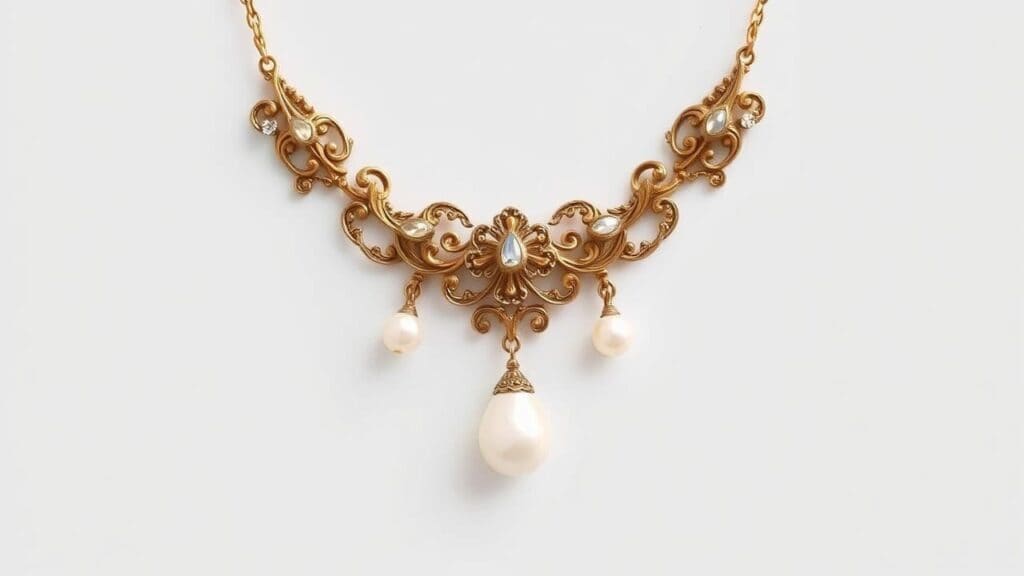
The Edwardian era produced distinct categories of jewelry, each designed to complement the fashion and social customs of the time. Around 1910 the changing necklines in women’s fashions left little room for pins and brooches thereby placing increasing importance on necklaces, while earrings began the century as simple diamond studs but were soon replaced by fragile openwork designs. The jewelry of this period was specifically created for a wealthy class that attended numerous social functions, requiring pieces that were both impressive and appropriately delicate for the era’s refined aesthetic.
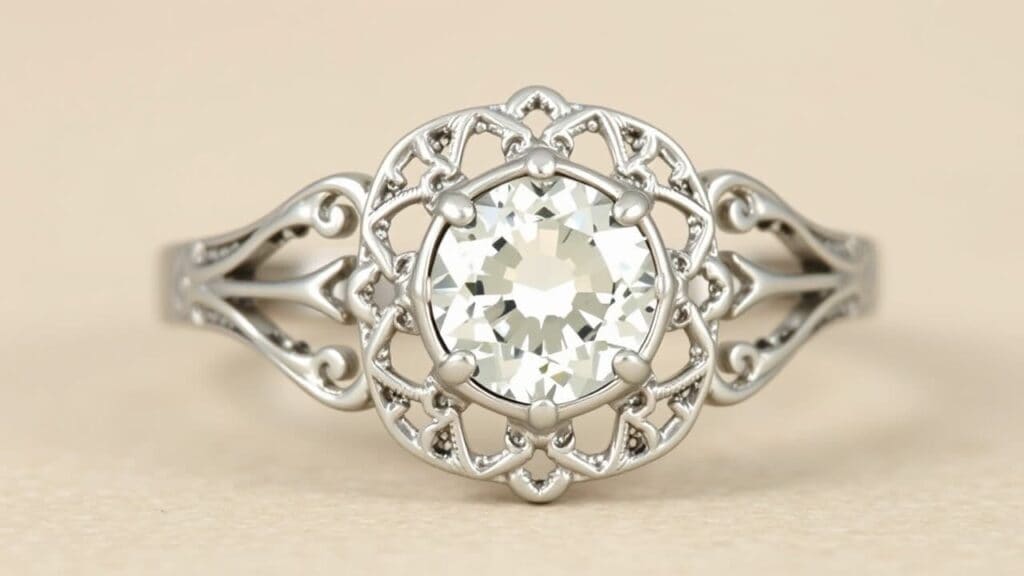
- Edwardian rings were delicate in nature, generally lightweight, feminine and most frequently set using diamonds, with designs often featuring nature-driven motifs such as flowers, vines, clovers or shamrocks. Large-scale dinner rings stretching from knuckle to knuckle with scrolls, piercing, and other details were a classic of the era, while the strength of platinum allowed center stones to sit securely in more minimal settings.
- Necklaces included Négligée styles featuring two simple drop pendants hanging from thin parallel chains at different lengths, and Lavallière necklaces featuring delicate gems suspended from pendants. Sautoirs composed of long ropes of pearls or beads completed by generously fringed tassels at either end were wrapped in multiple layers around the neck.
- Brooches commonly featured bow and garland motifs, while bracelets of the Edwardian Era were more delicate and tailored, often incorporating the same bow or garland designs. By 1910, black and white styles were the fashion, with diamond jewelry set in platinum pinned to black ribbons and accented with onyx or black enamel.
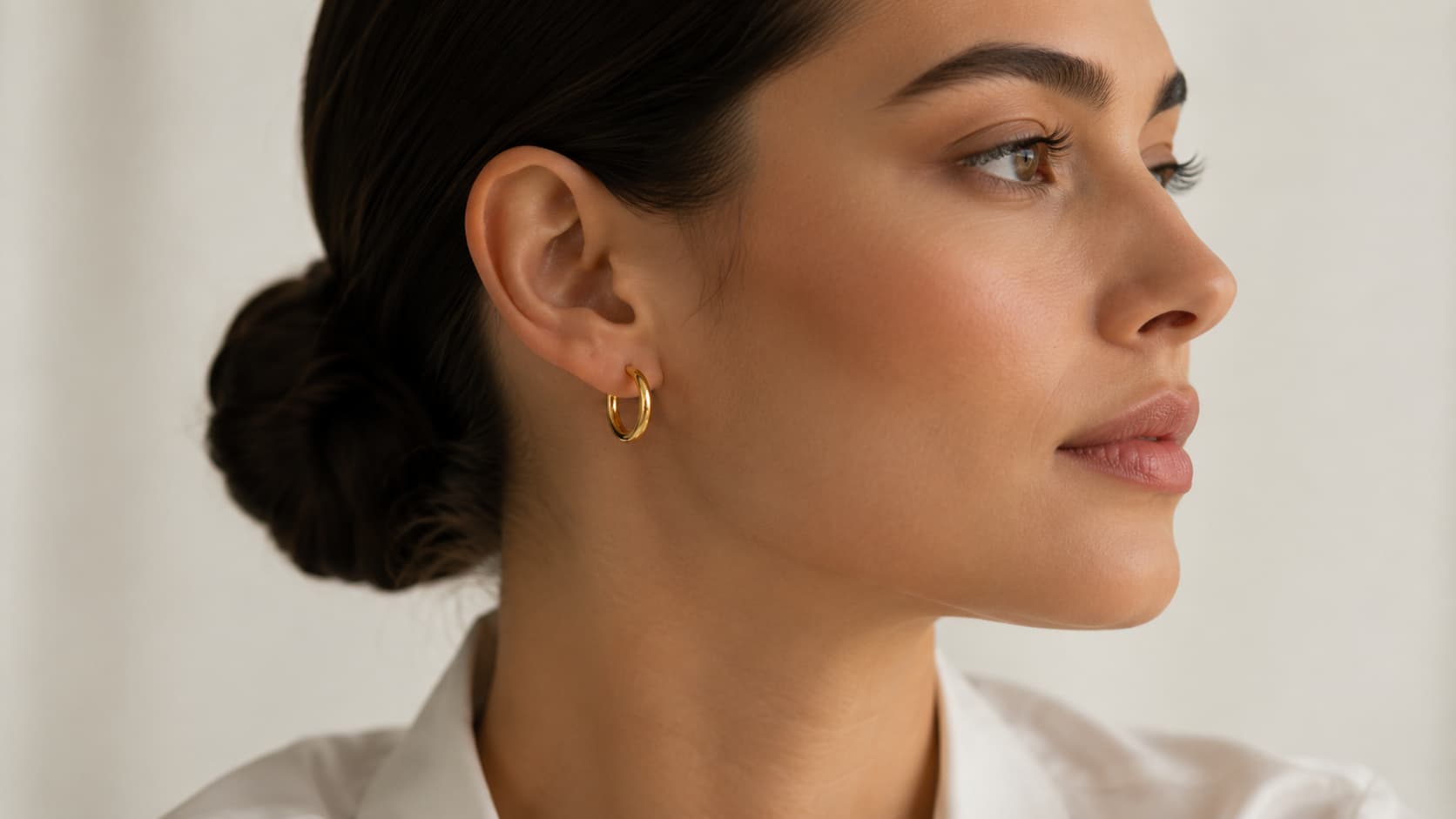
- Earrings evolved from simple diamond studs at the turn of the century to dangling varieties by 1910, featuring pearl tassels, briolette diamonds, bows and ribbons, with delicate chains set with small diamonds suspended from garland motifs. These earrings often featured airy, lacy filigree openwork that better matched the fashions of the period.
- Hair ornaments were fashion essentials for society’s elite, with the advent of platinum meaning tiaras could be decorative and intricate as well as light, while aigrettes became popular hair ornaments along with bandeaus worn across the forehead. These pieces were specifically designed for formal court presentations and society balls that were central to Edwardian social life.
The variety and sophistication of Edwardian jewelry types reflected the complex social requirements of the era. During the early 1900s, rings were so popular that several would be worn on each hand, with rings created for the wealthier, leisure class having a rich, expensive appearance though with a more understated look than previous or following jewelry periods. Each type of jewelry served specific social and fashion functions, from the dramatic dinner rings that made statements at evening events to the delicate daily pieces that complemented the refined daywear of fashionable Edwardian women.
Diamond Cuts and Settings in Edwardian Jewelry
The Edwardian period witnessed significant advances in diamond cutting technology and setting techniques that revolutionized how gemstones were presented in jewelry. Huge progress in gemstone cutting would be made during this period, with the brilliant cut introduced in the early 1800s evolving into the Old Cut Diamond and the European Cut Diamond. These technological improvements, combined with platinum’s strength, allowed for innovative setting styles that maximized the beauty and brilliance of gemstones while creating the signature delicate appearance of Edwardian jewelry.
- At the end of the 1900s, the Old Mine Cut was popular, featuring a high crown, a square girdle with rounded corners, a smaller table and a large bottom point, but by 1910, many diamonds were European Cut. However, very few diamonds cut during 1890 to 1910 would have perfectly symmetrical facets, even in the highest quality diamonds, giving these antique cuts their distinctive character and charm.
- The strength of platinum allowed center stones to sit securely in more minimal settings, surrounded by garlands or swirls of whatever the maker desired. This breakthrough meant that jewelers could reduce the amount of metal around stones, allowing more light to enter and creating the airy, delicate appearance that became synonymous with Edwardian design.
- Edwardian Era rings commonly featured many accent diamonds scattered throughout the piece, as opposed to Art Deco Era rings utilizing diamond and colored gem accents. Edwardian Era rings also would feature a diamond or colored gem center with a diamond halo, establishing design principles that continue to influence engagement ring styles today.
- The discovery of new diamond mines made the stone more affordable and prompted the introduction of new gemstone cuts, with baguette or briolette diamonds becoming common in Edwardian jewels. New cuts including calibré, baguette, and marquises, along with briolettes, breathed new life into jewelry styles when Oriental influences became popular around 1910.
- Milgrain, a new decorative technique made possible by the use of platinum, featured borders of delicate balls and ridges surrounding a gemstone or on the sharp edges of a design served to give jewelry a softer, lighter look. This technique became integral to Edwardian setting styles, softening the edges and adding texture without overwhelming the stones.
The innovations in diamond cutting and setting during the Edwardian era established many techniques that remain fundamental to fine jewelry today. Authentic pieces often have a delicate, airy look, with openwork designs that let light play through the gemstones, creating maximum brilliance and fire. These advances in both cutting technology and setting techniques, made possible by platinum’s unique properties, created a new standard for how diamonds and other gemstones could be presented, emphasizing their natural beauty while showcasing the jeweler’s technical skill and artistic vision.
How to Identify Authentic Edwardian Jewelry
Distinguishing authentic Edwardian jewelry from later reproductions requires knowledge of specific design elements, construction techniques, and historical details. Authentic Edwardian jewelry is all about the details, with fine craftsmanship including filigree work, milgrain detailing, and the use of platinum, while gemstones should be well cut and carefully set with older cuts like old mine or European cuts adding to the vintage feel. The ability to identify these authentic pieces is crucial for collectors and buyers, as the market contains many reproductions that attempt to capture the Edwardian aesthetic but lack the quality and historical authenticity of original pieces.
- Authentic pieces often have a delicate, airy look with openwork designs that let light play through the gemstones, achieved through masterful filigree work and careful stone setting that maximizes brilliance while maintaining the signature lightweight appearance of genuine Edwardian jewelry.
- Rings would not be signed unless it came from one of a few top jewelry designers, though wedding rings in England and France would have metal content marks. Many jewelry workshops marked their pieces during the Edwardian era, such as Cartier, the official jewelry supplier to King Edward VII, Tiffany & Co., and other lesser-known fine jewelers.
- Most wedding jewelry in the United States would not have metal contents stamped, as there was not a metal hallmark law passed until 1906, and today many hallmarks have disappeared with wear. This absence of clear markings can make authentication challenging but also helps distinguish period pieces from modern reproductions.
- Modern reproductions might try to mimic the style but often lack the fine details and craftsmanship of true Edwardian jewelry, with signs of machine-made components or overly bright, modern gemstones that don’t match the softer look of vintage cuts. Authentic pieces show hand-finishing details and the subtle irregularities that come from artisan craftsmanship.
- Synthetic rubies and sapphires went into commercial production just before 1900, making the Edwardian period the first time synthetic gemstones were widely used in jewelry, though they were still expensive and often mounted in fine settings with natural gems. Understanding this historical context helps authenticate pieces that might contain both natural and synthetic stones.
Authentication of Edwardian jewelry requires careful examination and often expert consultation. Consulting a reputable dealer or jeweler can help ensure you’re getting an authentic piece, as these professionals have the experience and tools necessary to identify the subtle differences between authentic period pieces and later reproductions. The investment in proper authentication is worthwhile, as authentic Edwardian jewelry not only holds its value better but also carries the historical significance and superior craftsmanship that makes these pieces truly special and collectible.
How to Care for Edwardian Jewelry
Proper care of Edwardian jewelry requires understanding both the delicate nature of the construction techniques and the specific needs of the materials used. Edwardian jewelry is delicate and needs careful handling, requiring pieces to be kept away from harsh chemicals and extreme temperatures which can damage both the metal and the gemstones. The intricate filigree work, milgrain detailing, and fine settings that make these pieces so beautiful also make them more vulnerable to damage than more robust jewelry styles, requiring specialized care approaches.
- Clean your jewelry gently with a soft cloth and store each piece separately to prevent scratching and tangling, avoiding wearing delicate pieces during activities that might damage them as the fine filigree work can be fragile. The openwork designs that characterize Edwardian jewelry can catch on clothing or other objects, potentially causing damage to the delicate metalwork.
- Milgrain is delicate and sensitive to pressure and rubbing, with the detail becoming less noticeable after a few years of constant friction. Milgrain makes jewelry harder to clean as the tiny beads can trap dirt and require more careful cleaning, necessitating gentle cleaning methods and more frequent professional maintenance.
- For platinum jewelry, no special care is required to keep it looking great - clean with mild dish soap or commercial jewelry cleaners and avoid harsh chemicals. However, the delicate construction of Edwardian platinum pieces requires more gentle handling than modern platinum jewelry due to the fine filigree and milgrain work.
- Jewelry should be the last thing you put on and the first thing you take off every day, with pearls requiring special care as perfumes, hairsprays, lotions, soap, shampoo, and even hot water can damage them over time. This is particularly important for Edwardian pieces that often combine multiple materials with different care requirements.
- Examine your ring periodically for signs of loose stones and bent or broken prongs, holding one ring at a time up to your ear and gently tapping it - if you hear any rattling or notice anything out of place, stop wearing it and seek professional repair immediately. The age of Edwardian pieces makes regular inspection even more critical.
Professional maintenance is essential for preserving Edwardian jewelry’s integrity and value. If your Edwardian jewelry needs repairs, it’s crucial to find a jeweler who specializes in vintage and antique pieces, as proper restoration can preserve the original design and materials while ensuring the piece remains wearable. A skilled restorer will understand the importance of maintaining the integrity of the piece, preserving its history and beauty for future generations. Regular professional cleaning and inspection, combined with careful daily handling, will ensure these precious pieces continue to showcase their remarkable craftsmanship and beauty for decades to come.
Current Market Values for Edwardian Jewelry
Edwardian jewelry represents both historical significance and solid investment potential, with values continuing to appreciate as these pieces become increasingly rare and sought after by collectors. Pricing for good quality, investable Edwardian jewelry generally starts at around $500 for simpler examples, with prices quickly escalating for more elaborate specimens or pieces mounted with large, valuable gemstones like diamonds, sapphires or rubies. The investment market for these pieces is driven by their combination of historical importance, exceptional craftsmanship, and the finite supply of authentic period pieces.
- Outstanding examples can easily command sums of $10,000 or more, with large, expensive gemstones like ruby, sapphire and diamonds frequently mounted in important pieces being very desirable. The presence of significant natural gemstones, particularly those with excellent provenance or unusual characteristics, can dramatically increase a piece’s investment value.
- Pearl Edwardian jewelry represents a tremendous buying opportunity due to the fact that it is perhaps the single best source of affordable natural pearls left in the market today. Large, round pearls with good luster and no damage will be the most desirable, while seed pearls, split pearls and baroque pearls are also commonly found but are significantly less desirable.
- The worth of an estate piece depends on what style is popular at whatever time the owner decides to sell, with the Art Deco period becoming fashionable again meaning jewelry from that period is worth more because there are more potential buyers. However, classic Edwardian styles like pendant necklaces and single-stone settings are more resistant to fashion fluctuations.
- It is important to avoid buying damaged, broken, bent or otherwise compromised pieces of Edwardian jewelry if future investment performance is important, as pearls should be checked for peeling, cracking or discoloration, and chipped gemstones or diamonds can be almost impossible to economically replace.
- A piece in stellar condition with all of its original clasps and gems will most likely be worth more than a piece that has been repaired, making it important to know how much of the piece is original when purchasing estate jewelry as an investment. Documentation of provenance and any restoration work significantly affects investment value.
The investment potential of Edwardian jewelry continues to strengthen as appreciation for the era’s craftsmanship grows. Antique jewelry ranging from Victorian, Georgian and Edwardian styles will only ever increase in value as they get older, making them a perfect investment in the knowledge that these items appreciate over time. Many Edwardian jewelry pieces incorporated refined metalwork and an abundance of precious stones, ensuring that even as fashions change, the intrinsic value of materials and the historical significance of superior craftsmanship will continue to support strong investment performance for well-chosen, authentic pieces in excellent condition.
How World War I Ended the Edwardian Jewelry Era
The outbreak of World War I in 1914 marked the definitive end of the Edwardian era and its associated lifestyle of luxury and leisure. For the first time in the history of the world, almost every country in the world was at war with one another, and the violence and despair that would ensue would change the mindset of people across the world and eventually lead to the creative, futuristic style of the Art Deco period. The war’s impact on jewelry production and design was immediate and profound, fundamentally altering both the industry and society’s relationship with luxury goods.
- Jewels and precious metals were sold or hidden away for protection, and many of the famous house jewelers recycled old pieces to make new ones, if they even made jewelry at all. The economic demands of war meant that precious materials were either contributed to the war effort or carefully preserved rather than being used for new luxury items.
- Jewelers across Europe gave up their trade to benefit the war effort, whether that meant making weapons or fighting on the front lines. This disruption of the skilled artisan community meant that the specialized techniques and knowledge required for Edwardian-style jewelry making were scattered or lost entirely in many regions.
- Despite King Edward VII’s reign ending in 1910, Edwardian jewelry styles remained popular until after World War I, with some elements like filigree transitioning into 1920s jewelry and combining with the Art Deco movement. The war created a clear demarcation between the old world of Edwardian elegance and the new modern aesthetic that would emerge.
- Edward’s influence on fashion could be perceived a number of years before his mother’s death, and it continued after the onset of the Great War, well after the King’s passing, but the War would change the world forever, ending the lighthearted luxury that defined the Edwardian Era. The social structures and values that supported the Edwardian lifestyle were fundamentally altered by the war’s devastation.
- These later designs generally have a more geometric look when compared to the flowing or asymmetric designs found in Edwardian jewelry, as the post-war period embraced angular, modern aesthetics that reflected the changed world and rejection of pre-war values and styles.
The transition from Edwardian to post-war jewelry design represented more than just changing fashion preferences—it reflected a fundamental shift in social values and economic realities. The delicate, labor-intensive techniques that characterized Edwardian jewelry became impractical in a world that had been transformed by industrial-scale conflict and social upheaval. While the technical innovations and aesthetic principles established during the Edwardian era continued to influence jewelry design, the era’s emphasis on leisure-class luxury and elaborate social rituals gave way to more practical, streamlined approaches that better suited the modern world emerging from the war’s aftermath.
Modern Market for Edwardian Era Jewelry
Contemporary collectors and jewelry enthusiasts continue to be drawn to Edwardian pieces for their exceptional craftsmanship, historical significance, and timeless aesthetic appeal. Edwardian jewelry remains a favorite among collectors and enthusiasts because of its timeless elegance and incredible craftsmanship. The modern appreciation for these pieces reflects both their artistic merit and their role as tangible connections to a fascinating period in history, when technological innovation merged with traditional artisanship to create jewelry of unparalleled delicacy and sophistication.
- The Art Deco period has become fashionable again, so jewelry from that period is worth more because there are more potential buyers, but some classic styles are more resistant to the ebbs and flows of fashion, like pendant necklaces or single-stone engagement ring settings. Edwardian pieces often represent these timeless design elements that transcend temporary fashion trends.
- Though Edwardian jewelry is full of exquisite detail, the durability of its materials and construction make most of it quite wearable today. This wearability factor makes Edwardian pieces particularly attractive to modern collectors who want jewelry that can be enjoyed regularly rather than simply displayed as museum pieces.
- Many antique jewelry lovers find their pieces at estate sales or inherit them from family members and may not know exactly what they’re worth. This creates opportunities for knowledgeable collectors to discover significant pieces, though it also emphasizes the importance of proper identification and authentication.
- Vintage jewelry ranging from Victorian, Georgian and Edwardian styles will only ever increase in value as they get older, making them a perfect investment in the knowledge that these items appreciate over time. The finite supply of authentic pieces ensures continued collector interest and value appreciation.
- A vintage piece that is out of fashion will rarely be worth more than the gems and metals it’s made from, but the value of vintage jewelry is also based on its rarity and condition. However, Edwardian pieces often maintain value due to their superior craftsmanship and historical importance regardless of current fashion trends.
The modern market for Edwardian jewelry reflects a sophisticated understanding of both artistic and investment value. If jewelry is being sold by an actual vintage jeweler, then this often means that it will have been well looked-after by its previous owner for many years, as well as given the right kind of cleaning treatment to get rid of any imperfections and improve its luster before it is sold on again. Today’s collectors appreciate not only the aesthetic beauty of Edwardian pieces but also their role as masterworks of jewelry craftsmanship, representing techniques and attention to detail that are rarely matched in contemporary jewelry production, making them increasingly precious as examples of a lost art form.
Conclusion
The Edwardian era stands as one of the most significant and influential periods in jewelry history, producing pieces that perfectly captured the spirit of an age defined by elegance, innovation, and refined luxury. These pieces embody the spirit and splendor of the pre-World War I golden age, representing a unique moment when technological advancement, artistic vision, and social prosperity converged to create jewelry of unprecedented delicacy and sophistication. The period’s revolutionary use of platinum, combined with masterful techniques like filigree work and milgrain detailing, established new standards for fine jewelry that continue to influence design today.
The lasting appeal of Edwardian jewelry lies not only in its exceptional beauty but also in its historical significance as the final flowering of an era of handcrafted luxury. These pieces serve as tangible links to a fascinating period when jewelry was not merely ornamental but an essential expression of social status, artistic appreciation, and personal refinement. The intricate lacework patterns, delicate garland motifs, and sophisticated white-on-white color schemes created a distinctive aesthetic that emphasized refinement over ostentation, establishing principles of elegant design that remain relevant more than a century later.
As authentic examples become increasingly rare and valuable, Edwardian jewelry continues to captivate new generations of collectors and enthusiasts who recognize these pieces as masterworks of jewelry art. The durability of materials and construction make most pieces wearable today, allowing modern jewelry lovers to experience the romance and sophistication of this golden age firsthand. Whether appreciated as investment pieces, family heirlooms, or simply objects of beauty, Edwardian jewelry represents the pinnacle of craftsmanship from an era when time, skill, and artistry were lavished on creating pieces that freeze in time the elegance of a world that ended with the Great War but whose beauty remains eternally captivating.