How to Start a Watchmaking Career: Beginner’s Guide

iscover how to start a watchmaking career with training options, skill requirements, salary expectations, and professional development steps.

We include products we think are useful for our readers. If you buy through links on this page, we may earn a small commission.

Read more

Affiliate Disclosure: This post may contain affiliate links, which means we may receive a commission if you click a link and purchase something that we have recommended. While clicking these links won't cost you any extra money, they help us keep this site up and running. We only recommend products or services that we genuinely believe will add value to our readers. Thank you for supporting us!

Transparency: We are a participant in various affiliate programs, including the Amazon Services LLC Associates Program, an affiliate advertising program designed to provide a means for us to earn fees by linking to Amazon.com and affiliated sites. Our editorial content is not influenced by affiliate partnerships, and we strive to provide honest and unbiased reviews and recommendations.

To learn more about our vetting process, please visit our Affiliate Disclosure Statement

Article Content

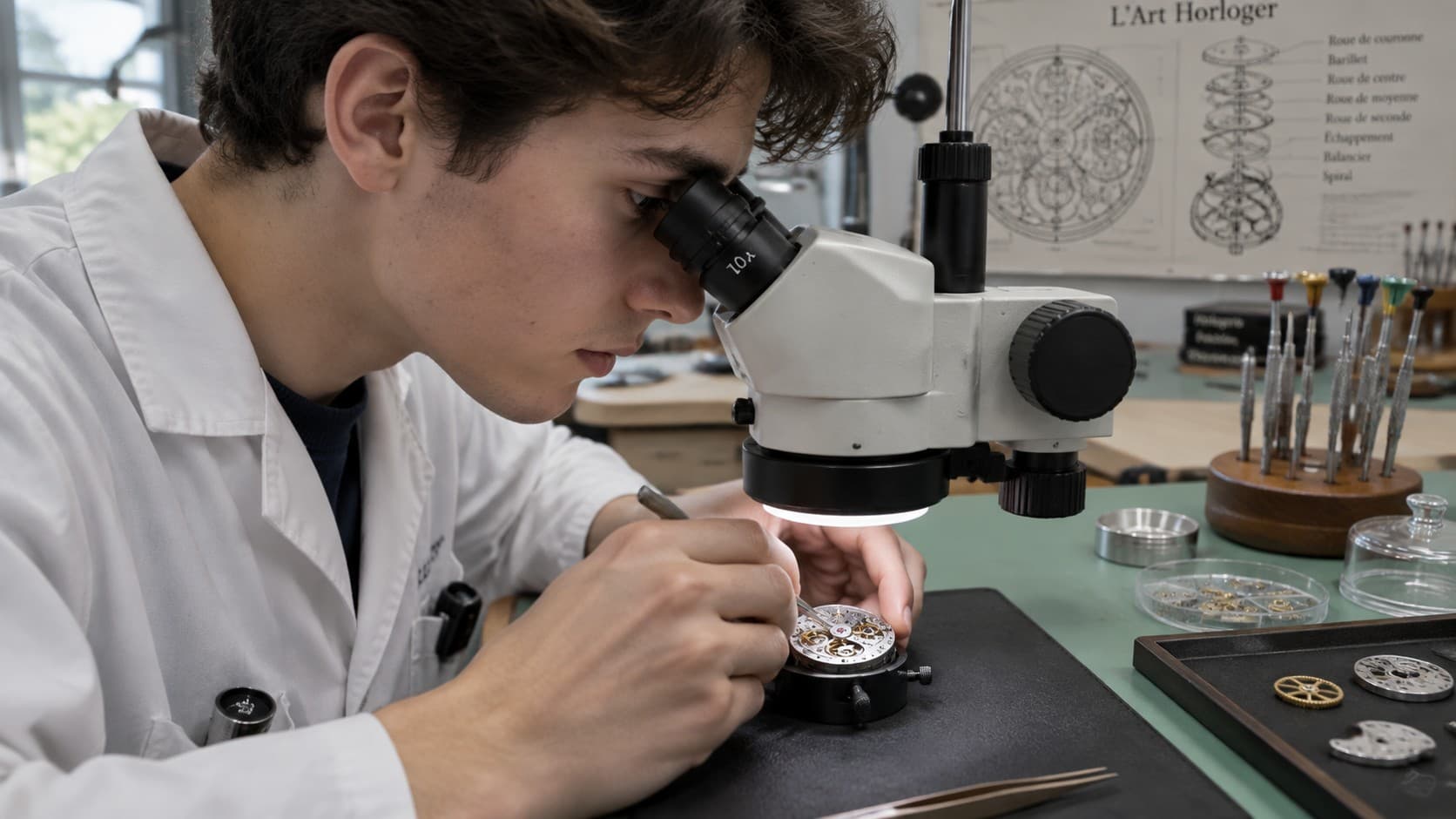
Professional watchmaker's hands carefully handling a luxury chronograph watch during repair work in modern workshop

Watchmaking is one of the world’s most precise and rewarding crafts, combining mechanical engineering, artistry, and patience into a profession that has remained largely unchanged for centuries. Despite the rise of digital technology and smartphones, the demand for skilled watchmakers continues to grow as luxury mechanical watches become more popular and vintage timepieces require expert restoration. This ancient craft offers a unique career path where you work with your hands, solve complex mechanical puzzles, and preserve pieces of history that can last for generations. Whether you’re drawn to the intricate mechanics of a Swiss movement, the satisfaction of bringing a broken timepiece back to life, or the potential for building your own business, watchmaking provides a stable and fulfilling career that combines technical skill with artistic appreciation. From understanding what watchmakers actually do to finding your first job and building a successful career, entering this fascinating field requires dedication, proper training, and a genuine passion for precision mechanics.

Watchmaker Job Description and Daily Tasks

The modern watchmaker’s role centers around restoring, maintaining, and repairing timepieces rather than building new watches from scratch, as most manufacturing today happens in automated factories. A watchmaker’s typical day involves diagnosing timing problems, performing intricate repairs on movements containing hundreds of tiny components, and ensuring each timepiece meets strict accuracy standards before returning it to customers. The profession demands exceptional focus and steady hands, as watchmakers regularly manipulate parts smaller than grains of rice while working under powerful magnification equipment. Beyond technical expertise, successful watchmakers must also communicate effectively with customers, manage repair timelines, and maintain detailed documentation for warranty and insurance purposes.

  • Movement servicing and complete overhauls – This involves completely dismantling mechanical movements into hundreds of components, cleaning each part with specialized equipment, replacing worn pieces like mainsprings and jewels, and reassembling with proper lubrication. A complete service takes 12-16 hours of work over several days and costs $300-800 depending on the watch’s complexity.
  • Diagnostic and troubleshooting work – Using timing machines and specialized equipment to identify problems like magnetization, worn parts, or contaminated oils that affect accuracy. This detective work requires experience to quickly spot issues that might have multiple possible causes.
  • Component replacement and repairs – Installing new parts from simple crowns and crystals to complex balance wheels and escapements. For vintage watches, parts often need custom fabrication or sourcing from specialty suppliers, which can take weeks or months.
  • Case work and water resistance testing – Polishing scratched cases, replacing gaskets and seals, and pressure testing watches to ensure they meet their water resistance ratings. This work combines technical skills with aesthetic judgment to restore the watch’s appearance.
  • Customer consultation and business management – Explaining repair options, providing cost estimates, managing timelines, and maintaining detailed service records. Professional watchmakers spend significant time on customer service and documentation for warranty purposes.

The work requires exceptional patience and attention to detail, as a single mistake can damage expensive timepieces worth thousands of dollars. Watchmakers must constantly update their skills as manufacturers develop new materials and technologies, making it a profession that combines traditional craftsmanship with modern innovation. The combination of technical precision, problem-solving abilities, and customer service skills makes watchmaking both challenging and rewarding for those who master its demanding requirements.

Types of Watchmaking Jobs and Career Paths

The watchmaking industry offers several distinct career paths, each with unique opportunities, challenges, and income potential that cater to different personalities and business goals. Most watchmakers eventually specialize in one primary area while maintaining skills in others, as the field rewards both depth of expertise and versatility. Understanding these different paths helps newcomers choose the right direction based on their interests, financial goals, and preferred work environment. Whether you prefer the independence of running your own business or the stability of working for established brands, watchmaking careers can provide both financial security and personal satisfaction for those who master the craft.

  • Independent Watchmaker – Operating your own repair shop allows complete control over work quality, pricing, and customer relationships, but requires strong business skills alongside technical expertise. Independent watchmakers typically earn $40,000-80,000 annually depending on location and reputation, with potential for higher income through specialization in luxury brands or vintage restoration. This path offers flexibility and creative freedom but demands skills in marketing, customer service, inventory management, and business operations beyond just watch repair.
  • Factory or Brand Watchmaker – Working directly for manufacturers like Rolex, Omega, or Patek Philippe provides stable employment, comprehensive benefits, and access to specialized training programs that can cost tens of thousands of dollars. Brand watchmakers typically earn $45,000-70,000 annually with excellent benefits, structured advancement opportunities, and the prestige of working with the world’s finest timepieces. These positions often require specific certifications and may include travel opportunities for training or customer service events.
  • Restoration Specialist – Focusing on vintage and antique timepieces requires extensive knowledge of historical movements, obsolete manufacturing techniques, and often the ability to fabricate replacement parts from scratch. Restoration specialists can command premium prices for their expertise, often charging $500-2,000 per restoration, but work tends to be irregular and requires significant investment in specialized tools and reference materials. This specialty appeals to those who enjoy historical research and solving unique mechanical puzzles.
  • Watch Repair Technician – The most common entry-level position involves routine maintenance like battery replacements, bracelet adjustments, and basic movement services under supervision of master watchmakers. Repair technicians typically start at $30,000-40,000 annually and can advance to more complex work as they gain experience and additional training. This role provides steady work and learning opportunities while building the skills necessary for advancement to higher-level positions.
  • Service Center Manager – Experienced watchmakers often transition into management roles overseeing repair operations for large retailers or manufacturers, combining technical knowledge with business management skills. These positions typically offer $60,000-90,000 annually plus benefits, involving staff training, quality control, customer relations, and workflow management. This career path suits those who enjoy leadership and want to leverage their technical expertise in a business-focused role.

The choice between these career paths often depends on personality, risk tolerance, and long-term goals, with many watchmakers changing directions as they gain experience and discover their preferences. Independent work offers the highest earning potential and creative freedom but requires business acumen and self-discipline, while employment with established companies provides security and structured learning opportunities. Regardless of the chosen path, successful watchmakers share common traits of patience, attention to detail, and a genuine passion for mechanical precision that drives continuous learning and improvement throughout their careers.

Essential Watchmaker Skills and Abilities

Becoming a successful watchmaker requires developing both technical abilities and personal qualities that allow you to work effectively with intricate mechanical systems and demanding customers. These skills range from physical coordination needed to manipulate tiny components to mental attributes like patience and problem-solving that help navigate complex repairs. While some people naturally possess certain traits that help in watchmaking, most skills can be developed through practice and proper training. Understanding which skills are most important helps aspiring watchmakers focus their development efforts and assess whether this career path suits their abilities and interests.

  • Hand-eye coordination and manual dexterity – Working with components smaller than rice grains requires exceptional fine motor control and the ability to make precise movements while viewing work through magnification. This skill develops through practice with activities like drawing, model building, or playing instruments, and continues improving throughout a watchmaker’s career. Poor coordination makes it extremely difficult to handle delicate parts without damage and can lead to costly mistakes on expensive timepieces.
  • Extreme attention to detail – Watchmakers must spot microscopic flaws, notice when components are slightly out of alignment, and catch problems that could affect timekeeping accuracy by seconds per day. This skill involves both visual acuity and the mental discipline to maintain focus during long, repetitive tasks. Developing attention to detail requires creating organized work habits, taking regular breaks to maintain concentration, and learning to slow down rather than rushing through complex procedures.
  • Patience and persistence – Complex repairs can take days or weeks to complete, especially when parts must be sourced or fabricated from scratch, and some problems require multiple attempts to solve correctly. Impatient watchmakers often make mistakes that create additional work or damage expensive components. This mental skill develops through experience and conscious effort to maintain calm under pressure, especially when dealing with frustrating mechanical problems or demanding customers.
  • Problem-solving and analytical thinking – Diagnosing timing issues, mechanical failures, or unusual symptoms requires logical thinking and the ability to systematically eliminate possible causes until finding the root problem. Experienced watchmakers develop pattern recognition that helps them quickly identify common issues, but unusual problems still require methodical troubleshooting approaches. This skill improves through education in mechanical principles and years of hands-on experience with different types of problems.
  • Customer service and communication abilities – Professional watchmakers must explain complex technical issues in simple terms, provide accurate cost estimates, manage customer expectations about repair timelines, and handle emotionally attached customers whose family heirlooms need extensive work. Poor communication skills can damage business relationships and lead to disputes over repair costs or outcomes, making this skill essential for independent watchmakers and those working in retail environments.
  • Physical stamina and vision requirements – Long hours spent hunched over a workbench under bright lights and magnification can cause eye strain, neck problems, and hand fatigue that affect work quality and career longevity. While perfect vision isn’t required, watchmakers need correctable vision and comfort working with magnifying equipment for extended periods. Maintaining good posture, taking regular breaks, and using proper lighting help prevent physical problems that could end a watchmaking career prematurely.

The combination of these skills makes watchmaking both challenging and rewarding, as mastering the craft requires years of dedicated practice and continuous learning. Successful watchmakers often describe the work as meditative and satisfying, where the development of these skills becomes part of the appeal rather than just a requirement. Those who struggle with patience, attention to detail, or hand coordination may find watchmaking frustrating and should honestly assess their abilities before committing to expensive training programs.

Watchmaking Schools and Training Programs

The path to becoming a professional watchmaker requires formal training that combines theoretical knowledge with extensive hands-on practice, as this specialized craft cannot be learned effectively through books or videos alone. There are several established routes into watchmaking, each offering different advantages in terms of cost, duration, learning style, and career preparation. Understanding these options helps aspiring watchmakers choose the approach that best fits their financial situation, learning preferences, and career goals. Most successful watchmakers combine formal education with years of additional on-the-job experience, as the field requires both foundational knowledge and practical wisdom that only comes through handling thousands of timepieces.

  • Formal watchmaking schools – Accredited institutions like the British School of Watchmaking, North Seattle College, and Nicolas G. Hayek schools offer comprehensive programs ranging from 1,800 to 3,000 hours of instruction over 1-3 years. These programs typically cost $15,000-40,000 but provide structured curriculum covering horology theory, movement mechanics, repair techniques, and business skills. Students receive internationally recognized WOSTEP certifications that are highly valued by employers, and many schools maintain job placement rates near 100% for graduates.
  • Brand-sponsored apprenticeships – Major manufacturers like Rolex, Patek Philippe, and Omega offer apprenticeship programs that combine paid on-the-job training with formal education, often lasting 3-4 years. These highly competitive programs typically accept only 8-12 students annually from hundreds of applicants, but provide guaranteed employment, specialized training on premium timepieces, and potential opportunities for advanced training in Switzerland or other manufacturing centers.
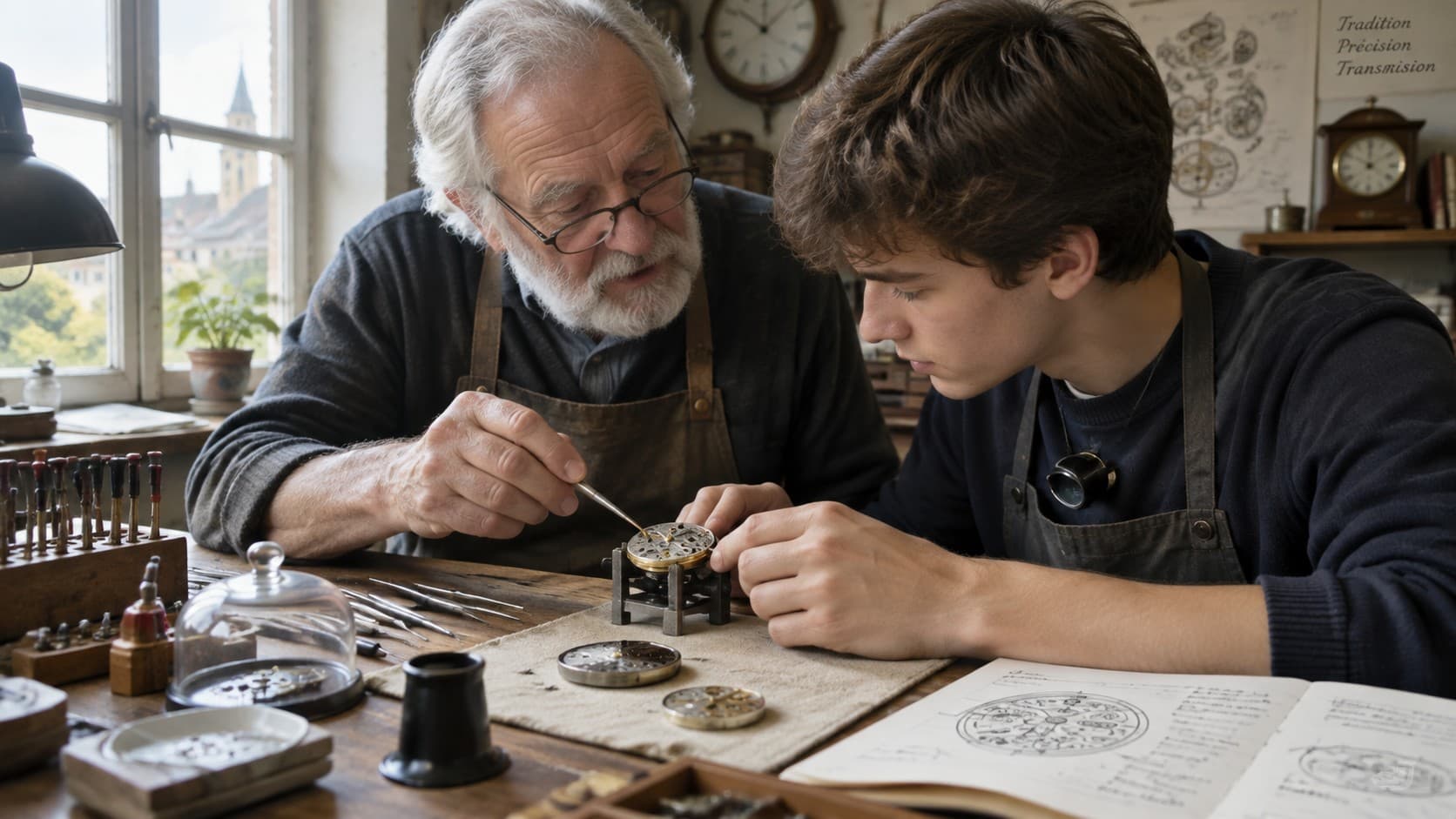
  • Traditional apprenticeships with independent watchmakers – Learning directly from experienced professionals offers personalized instruction and immediate exposure to real customer work, though finding these opportunities requires persistence and networking within the industry. Apprentices typically start with basic tasks while gradually taking on more complex work, with compensation often starting below minimum wage but increasing with skill development. Success depends heavily on the quality of instruction and the mentor’s willingness to share knowledge.
  • Online and self-directed learning – While cannot replace hands-on training, online courses and educational resources can supplement formal training and provide ongoing professional development throughout a watchmaker’s career. Platforms like the American Watchmakers-Clockmakers Institute offer short courses and certification programs for working professionals, while books and videos help beginners understand basic concepts before committing to expensive formal training.
  • Continuing education and specialization – Even experienced watchmakers regularly attend manufacturer training programs, technical seminars, and certification courses to stay current with new technologies and maintain authorization to work on specific brands. These ongoing educational requirements are often paid for by employers and represent a significant investment in professional development, with some advanced certifications requiring weeks of training and costing thousands of dollars.

The choice between these pathways often depends on individual circumstances, with younger students typically choosing formal schools while career changers may prefer apprenticeships that provide immediate income. Success in any program requires strong commitment and passion for the craft, as the technical demands and attention to detail required make watchmaking unsuitable for those without genuine interest in mechanical precision. Regardless of the chosen path, most watchmakers emphasize that formal training represents only the beginning of a lifelong learning process, with true expertise developing through years of practical experience and continuous skill development.

Watchmaking Equipments for New Students

Clean black dial watch with leather strap showing basic watchmaking fundamentals and simple timepiece design

Assembling a proper watchmaking toolkit represents a significant initial investment that can range from a few hundred dollars for basic hobby work to several thousand for professional-grade equipment. The quality of tools directly impacts both the safety of expensive timepieces and the watchmaker’s ability to perform precise work without causing damage. While it’s tempting to start with inexpensive tools, many beginners quickly discover that cheap implements break easily, don’t hold their sharpness, and can actually damage watches, making quality tools essential from the beginning. Building a complete toolkit happens gradually over years, with most watchmakers continuously adding specialized tools as they encounter new types of repairs and develop expertise in different areas.

  • Essential beginner tools ($600-800 initial investment) – A basic starting kit includes precision screwdriver sets in sizes 0.80mm to 1.40mm from brands like Bergeon or A&F, anti-magnetic tweezers in sizes #2, #3, and #5 for different handling tasks, watchmaker’s loupes or eyeglasses for magnification, case openers for both snap-back and screw-down cases, hand removal levers, movement holders, and basic cleaning supplies. These fundamental tools allow beginners to perform simple repairs and learn basic techniques without risking damage to valuable timepieces.
  • Intermediate equipment ($1,500-3,000 additional) – As skills develop, watchmakers add timing machines for accuracy testing, ultrasonic cleaners for movement parts, crystal presses for glass installation, mainspring winders, pin vises, files for part modification, and specialized oils and greases for lubrication. A quality timing machine like a basic Witschi or Multifunction Timegrapher costs $800-1,500 but is essential for professional-level work, allowing precise measurement of amplitude, beat error, and timing accuracy.
  • Professional-grade equipment ($5,000-15,000 range) – Advanced watchmakers invest in high-end timing machines with multiple functions, professional ultrasonic cleaning systems with multiple stages, lathe equipment for parts manufacturing, advanced measuring instruments, complete sets of brand-specific tools, and climate-controlled storage for sensitive components. Professional timing machines from companies like Witschi can cost $3,000-8,000 but provide the precision and diagnostic capabilities needed for complex repairs and certification work.
  • Specialized brand tools and ongoing costs – Working on specific luxury brands requires manufacturer-approved tools and equipment, with complete Rolex service kits costing $2,000-4,000 and similar investments needed for other major brands. Ongoing expenses include replacement oils and greases ($200-400 annually), tool maintenance and sharpening, spare parts inventory, and continuing education for new techniques and equipment operation.
  • Where to purchase and budget considerations – Reputable suppliers like Esslinger, Otto Frie, and Cas-Ker offer both individual tools and complete starter kits, while auction sites and used equipment dealers provide options for budget-conscious beginners. Many watchmaking schools offer tool packages to students at discounted rates, and some employers provide tools for their technicians. Building a complete professional toolkit typically takes 3-5 years and represents an investment equal to a year’s salary for many watchmakers.

The difference between quality and cheap tools becomes apparent immediately in watchmaking, where a damaged screwdriver tip can strip expensive movement screws or a poor-quality tweezer can scratch delicate components. Professional watchmakers emphasize that quality tools are not just conveniences but necessities for protecting both the timepieces being serviced and the reputation of the watchmaker. While the initial investment seems substantial, quality tools last decades with proper care and maintenance, making them essential business equipment rather than simple purchases for serious practitioners of the craft.

How to Get Watchmaking Experience as a Beginner

Starting your practical watchmaking journey requires careful planning and realistic expectations, as working with mechanical timepieces demands patience, proper preparation, and acceptance that mistakes are part of the learning process. The key to successful beginnings lies in choosing appropriate practice pieces, creating a proper workspace, and developing systematic approaches to disassembly and reassembly that build confidence gradually. Most experienced watchmakers emphasize that the transition from theoretical knowledge to hands-on work represents the most challenging phase of learning, where abstract concepts become tangible skills through repetitive practice. Understanding common beginner pitfalls helps new watchmakers avoid costly mistakes while building the muscle memory and problem-solving skills essential for professional work.

  • Finding suitable practice watches – Begin with inexpensive ETA 6498 movements or similar large, simple mechanisms that allow clear observation of components and provide forgiving learning platforms. Avoid practicing on valuable timepieces or watches with sentimental value, as beginner mistakes can cause irreparable damage that destroys both the watch and your confidence. Online suppliers like Jules Borel, Cas-Ker, and Otto Frei sell new practice movements for $50-150, while eBay offers used movements that may have existing problems but provide valuable troubleshooting experience.
  • Setting up your workspace and habits – Create a clean, well-lit, dust-free work area with white paper taped to the surface for easy part visibility and organization. Develop systematic documentation habits by photographing each disassembly step, labeling component positions, and maintaining detailed notes about screw locations and assembly sequences. Professional watchmakers emphasize that good organization prevents lost parts and reduces the stress that leads to rushed work and mistakes.
  • Starting with simple procedures – Begin with basic operations like case opening, crown removal, and simple cleaning before attempting complete movement disassembly. Practice fundamental skills like proper screwdriver use, tweezer handling, and component placement through repetitive exercises that build muscle memory and confidence. Master each step completely before moving to more complex procedures, as rushing ahead often leads to confusion and damaged components.
  • Building confidence through repetition – Treat initial practice like physical exercise by repeatedly performing the same operations until they become automatic responses rather than conscious decisions. Disassemble and reassemble the same movement multiple times, focusing on smooth, confident motions rather than speed or efficiency. Most beginners require 10-20 complete practice sessions with the same movement before developing reliable handling skills.
  • Learning from mistakes and developing problem-solving skills – Expect initial attempts to result in non-functioning movements and use these failures as learning opportunities rather than discouragement. Develop systematic diagnostic approaches by comparing before-and-after photographs, checking component alignment, and methodically reviewing each assembly step. Understanding why something went wrong builds the analytical skills necessary for complex repairs later in your career.
  • Connecting with the watchmaking community – Join online forums, local watchmaking groups, and social media communities where beginners can ask questions, share progress, and receive encouragement from experienced practitioners. Many established watchmakers willingly help newcomers who demonstrate genuine interest and respect for the craft, providing guidance that accelerates learning and prevents common mistakes.

The initial months of hands-on practice often feel overwhelming as beginners struggle with tiny components, unfamiliar tools, and the precision required for successful assembly, but persistence through this difficult phase builds the foundation for all future watchmaking skills. Most successful watchmakers recall their early practice sessions as simultaneously frustrating and exhilarating, with each small success providing motivation to continue learning despite inevitable setbacks. The investment of time and patience during this crucial learning phase determines whether beginners develop into confident practitioners or abandon the craft due to early discouragement.

Advancing Your Watchmaking Skills and Expertise

Watchmaking skill development follows a natural progression from basic mechanical operations to complex repair procedures, with each level building upon previously mastered techniques in a systematic way. Understanding this progression helps beginners set realistic expectations, avoid attempting tasks beyond their current abilities, and recognize when they’re ready to advance to more challenging work. Professional watchmakers emphasize that rushing through skill levels often leads to expensive mistakes and bad habits that are difficult to correct later. The key to successful progression lies in mastering each level completely before advancing, as gaps in fundamental skills become magnified when working on complex mechanisms or valuable timepieces.

  • Level 1: Basic battery changes and simple maintenance – Begin with quartz watch battery replacements, crown adjustments, and basic cleaning procedures that require minimal risk to expensive movements. These fundamental operations teach proper tool handling, workspace organization, and the importance of cleanliness while building confidence with actual timepieces. Master these simple procedures until they become automatic, typically requiring 20-30 successful completions before moving to more complex work.
  • Level 2: Case work and bracelet services – Progress to watch strap replacements, bracelet adjustments, crystal replacements, and case polishing that involve working around movements without directly manipulating them. These skills develop hand coordination, teach different tool applications, and provide experience with various watch case types and construction methods. Learn to identify different case back types, understand water resistance requirements, and perform pressure testing procedures that are essential for professional service.
  • Level 3: Movement disassembly and basic cleaning – Advance to complete movement disassembly, component identification, basic cleaning procedures, and reassembly of simple mechanical movements like the ETA 6498. This level teaches systematic organization, develops the ability to remember complex assembly sequences, and introduces proper cleaning techniques using solvents and ultrasonic equipment. Expect to spend 6-12 months at this level, practicing with multiple movements until disassembly and reassembly become routine procedures.
  • Level 4: Component replacement and adjustment – Learn to replace worn parts like mainsprings, balance staffs, and jewels while developing skills in timing adjustment, amplitude measurement, and beat error correction. This level requires understanding movement theory, learning to use timing machines effectively, and developing the judgment to identify when components need replacement rather than cleaning. Master techniques for sourcing parts, understanding compatibility issues, and maintaining proper documentation for warranty purposes.
  • Level 5: Complete movement servicing and complex repairs – Achieve proficiency in full service procedures including advanced cleaning, lubrication with multiple oil types, precision timing adjustment, and complex diagnostic work. This advanced level involves working on high-value timepieces, performing warranty-covered repairs, and developing expertise in specific brand requirements and procedures. Professional-level work at this stage typically requires 3-5 years of experience and ongoing education to maintain current techniques and certifications.
  • Ongoing specialization and mastery – Continue developing expertise in specific areas like vintage restoration, complication repair, case refinishing, or particular brand specializations that command premium rates. Advanced watchmakers often spend decades refining their skills, learning new techniques, and staying current with evolving technologies and materials. True mastery involves not just technical proficiency but also the business skills, customer relations, and professional judgment that distinguish competent technicians from master craftsmen.

The timeline for progressing through these levels varies significantly based on individual aptitude, practice time available, and quality of instruction, with most professional watchmakers requiring 5-10 years to achieve full competency across all skill levels. Rushing through early levels often creates knowledge gaps that limit long-term development and can lead to costly mistakes when working on valuable timepieces. Patient, systematic skill development creates the solid foundation necessary for a successful career and the confidence to handle any repair challenge that arises in professional practice.

How to Find Watchmaking Job

The watchmaking job market offers diverse opportunities for skilled professionals, from entry-level positions at retail jewelers to specialized roles with luxury manufacturers, though competition for the best positions can be intense due to the limited number of qualified candidates entering the field annually. Success in finding employment depends not only on technical skills but also on professional presentation, networking abilities, and understanding what different employers value in potential hires. The industry’s aging workforce creates ongoing opportunities for newcomers, while the growing luxury watch market and increased interest in mechanical timepieces continues to drive demand for skilled watchmakers. Building a sustainable career requires strategic planning, continuous skill development, and careful consideration of various employment options that align with personal goals and lifestyle preferences.

  • Job search strategies and where to look – Major job boards like Indeed, ZipRecruiter, and LinkedIn regularly post watchmaking positions, but the best opportunities often come through industry connections, direct contact with employers, and recommendations from instructors or experienced professionals. Target luxury retailers, authorized service centers, independent repair shops, and manufacturer facilities in major metropolitan areas where watch businesses concentrate. Many positions are never advertised publicly, making networking and direct inquiries essential for accessing the full range of available opportunities.
  • Building an impressive portfolio and resume – Document your work with high-quality before-and-after photographs, maintain detailed records of completed projects, and obtain certifications from recognized institutions like WOSTEP or brand-specific programs. Create a professional resume emphasizing technical skills, formal training, and any specialized experience with particular brands or complications. Include references from instructors, employers, or satisfied customers who can attest to your skills and work ethic, as personal recommendations carry significant weight in this relationship-based industry.
  • Networking within the industry – Attend trade shows, join professional organizations like the American Watchmakers-Clockmakers Institute, participate in online forums, and maintain relationships with classmates and instructors who can provide job leads and references. Many watchmakers find their best positions through personal connections rather than formal job applications, making relationship-building essential for career advancement. Volunteer for industry events, participate in continuing education programs, and offer assistance to established professionals who may provide mentorship and employment opportunities.
  • Understanding what employers want – Entry-level positions typically require completion of formal training, basic tool familiarity, and demonstrated ability to follow instructions carefully without requiring extensive supervision. Experienced positions demand proven track records, brand certifications, customer service skills, and the ability to work independently while maintaining quality standards. Employers value reliability, attention to detail, continuous learning attitudes, and the ability to communicate effectively with both customers and colleagues in technical and non-technical terms.
  • Starting your own business considerations – Independent watchmaking requires not only technical skills but also business licenses, insurance, accounting systems, marketing abilities, and sufficient capital to establish a workspace and purchase equipment. Successful independent watchmakers typically have several years of experience, established customer relationships, and specialized skills that command premium rates. Consider starting part-time while maintaining employment elsewhere, focusing on specific niches like vintage restoration or particular brands, and building reputation through quality work and word-of-mouth recommendations.
  • Career advancement and long-term planning – Advancement opportunities include specializing in luxury brands, becoming service managers, opening independent shops, or transitioning into teaching or technical writing roles. Continuing education through manufacturer training programs, advanced certifications, and skill development in emerging areas like smartwatch technology helps maintain competitiveness throughout a career. Many successful watchmakers combine employment with part-time independent work, gradually building their own businesses while maintaining stable income and benefits from employment.

The watchmaking industry rewards skilled professionals with stable employment, competitive wages, and the satisfaction of working with precision instruments that customers value highly, but success requires patience, persistence, and strategic career planning. Geographic flexibility often enhances opportunities, as the best positions may be concentrated in specific cities or regions where luxury retailers and service centers operate. Most importantly, maintaining high standards of workmanship and professionalism creates the reputation necessary for long-term success, whether working for others or building an independent practice.

Watchmaking Career Growth and Income Potential

Watchmaking offers competitive compensation that varies significantly based on experience level, geographic location, employer type, and specialization areas, with entry-level positions starting around $35,000-40,000 annually and experienced professionals earning $50,000-70,000 or more. The field provides multiple pathways for income growth through skill development, certifications, specialization in luxury brands, and advancement to supervisory or independent business roles. Geographic location plays a major role in salary levels, with positions in major metropolitan areas and luxury retail centers typically offering higher compensation to offset cost of living differences. Understanding these salary ranges and growth factors helps aspiring watchmakers set realistic expectations and plan career strategies that maximize earning potential over time.

  • Entry-level salary expectations ($35,000-45,000 annually) – New graduates from watchmaking programs typically start at $18-22 per hour or $35,000-45,000 annually, with variations based on location, employer size, and local market conditions. Major metropolitan areas like New York, San Francisco, and Los Angeles offer higher starting salaries ($40,000-50,000) but also have higher living costs that may offset the wage advantage. Entry-level positions often include benefits like health insurance, paid time off, and opportunities for continuing education that add significant value beyond base salary.
  • Mid-career earning potential ($45,000-65,000 annually) – Watchmakers with 3-7 years of experience and additional certifications typically earn $45,000-65,000 annually, with opportunities for overtime pay, performance bonuses, and profit-sharing in some organizations. Developing expertise in specific luxury brands, complex complications, or restoration work can command premium rates and faster advancement. Mid-career professionals often have opportunities to supervise junior staff, manage customer relationships, and take on specialized projects that enhance both skills and compensation.
  • Senior and specialized positions ($55,000-80,000+ annually) – Experienced watchmakers with 8+ years of experience, multiple certifications, and proven track records can earn $55,000-80,000 or more, particularly in supervisory roles or with high-end retailers and manufacturers. Master watchmakers specializing in complex complications, vintage restoration, or rare brands often command the highest salaries within employed positions. Some senior positions include additional compensation through commission structures, particularly in retail environments where sales performance contributes to overall earnings.
  • Independent business income potential (highly variable) – Self-employed watchmakers have unlimited earning potential but also face significant business risks and responsibilities that employed watchmakers don’t encounter. Successful independent practitioners often earn $60,000-100,000+ annually, with some specialists in luxury restoration or custom work earning significantly more. However, independent income varies greatly based on location, customer base, specialization, marketing effectiveness, and business management skills that extend far beyond technical watchmaking abilities.
  • Factors affecting compensation levels – Key salary determinants include geographic location (major cities vs. rural areas), employer type (luxury retailers vs. independent shops), brand certifications held, years of experience, and specialized skills in areas like complications or vintage work. Additional factors include local market conditions, cost of living, availability of qualified candidates, and individual performance metrics that may include productivity, customer satisfaction, and accuracy rates.
  • Career advancement opportunities and pathways – Advancement typically progresses from entry-level technician to experienced watchmaker, then to senior roles like shop supervisor, service manager, or department head positions that can pay $70,000-90,000+ annually. Some watchmakers transition into teaching positions at technical schools, manufacturer training roles, or technical writing positions that offer different compensation structures. The highest-earning watchmakers often combine employment with independent work, gradually building their own businesses while maintaining steady income and benefits.

The watchmaking profession offers stable income growth potential for dedicated professionals who continue developing their skills and building their reputations within the industry. Unlike many careers where income plateaus after reaching mid-level positions, watchmaking provides ongoing opportunities for specialization and advancement that can significantly increase earning potential throughout a career. Most importantly, salary surveys consistently show that watchmakers report high job satisfaction despite moderate income levels, suggesting that the intrinsic rewards of the craft often compensate for limitations in pure financial compensation compared to some other technical professions.

Watchmaker Job Difficulties and Solutions

The watchmaking profession presents unique physical, mental, and professional challenges that prospective practitioners must understand and prepare for throughout their careers. These challenges range from immediate physical demands of working with microscopic components to long-term considerations about industry changes and career sustainability. While many find these challenges manageable and even rewarding, success requires honest self-assessment, proper preparation, and realistic expectations about the demands of precision craftsmanship. Understanding these difficulties helps beginners make informed career decisions and develop strategies for managing the inevitable obstacles that arise in professional practice.

  • Physical demands and health considerations – Extended periods hunched over workbenches under bright lights can cause chronic neck, shoulder, and back problems that affect many long-term practitioners. Eye strain from working under magnification for hours daily can lead to vision problems and headaches, requiring regular breaks and proper lighting to minimize damage. Hand and wrist issues including repetitive stress injuries, tremors, and arthritis can end careers prematurely, making proper ergonomics and hand exercises essential for longevity. Many experienced watchmakers recommend investing in adjustable benches, proper seating, and taking frequent breaks to prevent these career-threatening physical problems.
  • Precision requirements and pressure of working with valuable items – The extreme accuracy required in watchmaking creates constant stress, as a single mistake can destroy components worth hundreds or thousands of dollars and damage professional reputation. Working on customers’ family heirlooms or expensive luxury watches adds emotional pressure beyond the financial risk, as these timepieces often have irreplaceable sentimental value. The need for absolute precision can be mentally exhausting, requiring sustained concentration for hours while maintaining steady hands and perfect attention to detail. Even experienced professionals face anxiety when working on particularly valuable or historically significant pieces.
  • Technology changes and staying current – The watchmaking industry continuously evolves with new materials, techniques, and equipment that require ongoing education and adaptation throughout a career. Modern synthetic lubricants, advanced timing machines, and new manufacturing methods demand constant learning and equipment upgrades that can be expensive for independent practitioners. Brand-specific training requirements change regularly, forcing watchmakers to attend continuing education programs to maintain their certifications and authorization to work on certain timepieces. The rise of smartwatches and hybrid technology creates uncertainty about future demand for traditional mechanical watchmaking skills.
  • Economic pressures and industry consolidation – The luxury watch market’s cyclical nature means demand for services can fluctuate significantly during economic downturns, affecting employment stability and income predictability. Large corporate service centers increasingly dominate the market, potentially reducing opportunities for independent watchmakers and small repair shops. Competition from overseas repair services and factory-refurbished movements can undercut local watchmakers’ pricing, forcing them to compete on specialization rather than general repair work. The aging customer base for traditional mechanical watches raises questions about long-term market sustainability.
  • Isolation and limited career mobility – Watchmaking can be solitary work with limited interaction with colleagues, potentially leading to professional isolation and fewer opportunities for mentorship or collaboration. Career advancement options are limited compared to other technical fields, with most growth requiring transition to management, teaching, or independent business ownership. Geographic constraints affect opportunities, as positions concentrate in major metropolitan areas, limiting options for those in smaller markets. The specialized nature of the skills makes career transitions to other fields challenging if watchmaking becomes unsuitable or unavailable.
  • Customer relations and business pressures – Dealing with demanding customers who don’t understand repair complexities, timelines, or costs creates ongoing stress that extends beyond technical work. Independent watchmakers must handle all aspects of business operations including marketing, accounting, insurance, and legal compliance in addition to technical work. Warranty issues, insurance claims, and disputes over repair costs can create legal and financial complications that require expertise beyond watchmaking skills. Managing customer expectations while maintaining quality standards under time and cost pressures requires diplomatic skills that many technically-focused practitioners find challenging.

Despite these significant challenges, many watchmakers report high job satisfaction and find the difficulties worthwhile given the intellectual stimulation, craftsmanship opportunities, and stable career prospects the field provides. Success requires careful preparation, realistic expectations, and strategies for managing both the physical demands and business aspects of the profession. Those who thrive in watchmaking often describe the challenges as part of the appeal, creating a sense of accomplishment that comes from mastering a demanding craft that few people can perform at a professional level.

How Technology Affects Watchmaking Jobs

The watch industry exists in a unique state where traditional mechanical watchmaking and modern smart technology operate in largely separate markets, with each serving distinct consumer needs and preferences rather than directly competing for the same customers. Traditional watchmaking continues to thrive in the luxury and collector segments, while smartwatches dominate the functional and health-focused markets, creating a more diverse and specialized industry landscape. Understanding this distinction helps aspiring watchmakers recognize opportunities in both sectors and plan careers that can adapt to changing market demands. The future appears to favor practitioners who understand both traditional craftsmanship and emerging technologies rather than those who focus exclusively on one approach.

  • Traditional mechanical skills remain in high demand – Despite predictions of obsolescence, mechanical watchmaking skills are more valuable than ever, as luxury brands continue expanding production and vintage watch collecting drives restoration demand. High-end manufacturers like Rolex, Patek Philippe, and Audemars Piguet report waiting lists and strong sales, indicating healthy demand for traditional craftsmanship skills. The aging population of master watchmakers creates ongoing opportunities for new practitioners who master conventional techniques and can work on heritage timepieces that require traditional restoration methods.
  • Smart technology integration in luxury watches – Leading luxury brands are incorporating smart features into traditional designs through hybrid approaches that preserve mechanical movements while adding connectivity and health monitoring capabilities. Examples like TAG Heuer Connected and Montblanc Summit series demonstrate how established watchmakers are adapting technology without abandoning their core craftsmanship values. This creates opportunities for watchmakers who understand both traditional mechanics and modern electronics, though such positions require additional training in digital systems and software troubleshooting.
  • Different market segments and customer bases – Smartwatches primarily serve consumers focused on fitness tracking, connectivity, and convenience, while traditional watches appeal to collectors, luxury consumers, and those appreciating craftsmanship and heritage. The markets rarely overlap, with smartwatch users typically purchasing devices for functionality while traditional watch buyers seek emotional connections, status symbols, or investment pieces. This segmentation means traditional watchmakers face less direct competition from smart technology than initially feared, though they must adapt to changing consumer expectations and marketing approaches.
  • Manufacturing and production differences – Traditional watchmaking emphasizes hand-assembly, individual craftsmanship, and small-scale production that creates exclusivity and maintains high margins per unit. Smartwatch production relies on mass manufacturing, automated assembly, and rapid product cycles that prioritize volume and constant updates over longevity. These fundamental differences mean traditional watchmakers work in an entirely different economic model that values skilled labor, time-intensive processes, and products designed to last decades rather than be replaced every few years.
  • Career implications and skill requirements – Modern watchmakers increasingly need hybrid skill sets that combine traditional mechanical expertise with understanding of electronics, software, and digital diagnostic equipment. Some positions now require familiarity with smartwatch servicing, though this typically involves component replacement rather than repair due to the disposable nature of electronic devices. The most successful practitioners often specialize in traditional skills while maintaining awareness of technology trends, allowing them to serve both markets without diluting their core expertise.
  • Future outlook and industry evolution – Industry experts predict continued coexistence rather than replacement, with traditional watchmaking serving luxury and collector markets while smart technology dominates mass market and functional applications. Emerging trends include AI-assisted design, sustainable materials, and enhanced customization options that may benefit both sectors. The key for new watchmakers lies in understanding which market segment aligns with their interests and career goals, then developing appropriate skills for their chosen specialization while remaining adaptable to industry changes.

The modern watch industry offers more diverse opportunities than ever before, with traditional skills remaining highly valued in their appropriate market segments while new technologies create additional career paths for those interested in hybrid approaches. Success requires understanding these market dynamics and positioning oneself appropriately rather than viewing the situation as a simple choice between old and new approaches. The most resilient careers combine deep expertise in chosen specializations with enough broad knowledge to adapt as the industry continues evolving in response to changing consumer preferences and technological capabilities.

Best Watchmaking Books and Learning Resources

The watchmaking field demands lifelong learning due to constantly evolving technologies, materials, and techniques that require practitioners to stay current throughout their careers. Successful watchmakers build comprehensive learning libraries combining traditional reference materials with modern online resources, professional development opportunities, and active participation in horological communities. Access to quality learning resources can make the difference between career stagnation and continuous professional growth, particularly for independent practitioners who lack formal workplace training programs. Understanding and utilizing these resources effectively helps watchmakers maintain their competitive edge, expand their capabilities, and adapt to changing industry demands.

  • Essential books and publications for foundational knowledge – Classic texts like George Daniels’ “Watchmaking”, Henry B. Fried’s “The Watch Repairer’s Manual” and Donald De Carle’s “Practical Watch Repairing” provide comprehensive foundations that remain relevant despite their age. Modern publications include “The Theory of Horology” for advanced technical understanding and brand-specific service manuals that are essential for authorized repair work. Trade magazines and horological journals keep practitioners informed about industry trends, new technologies, and product releases that affect their work.
  • Online learning platforms and video resources – Professional watchmaking websites offer structured learning paths from beginner to advanced levels with comprehensive course materials and expert instruction. Video resources on platforms like YouTube provide visual demonstrations of techniques, though quality varies significantly and beginners should verify information through multiple sources. Specialized horological education sites offer both free and paid content that supplements formal training with detailed technical demonstrations and theory.
  • Professional forums and online communities – Active watchmaking forums provide communities where practitioners share knowledge, troubleshoot problems, and discuss industry developments with peers worldwide. Social media groups and specialized discussion boards offer more casual environments for beginners to ask questions and share experiences with fellow enthusiasts. These communities often provide access to rare technical documents, parts sourcing information, and networking opportunities that aren’t available through formal channels.
  • Continuing education and certification programs – The American Watchmakers-Clockmakers Institute (AWCI) offers short courses, certification programs, and annual conventions that provide hands-on training and networking opportunities. Brand-specific training programs from manufacturers like Rolex, Omega, and Patek Philippe provide specialized knowledge and certification required for authorized service work. Swiss organizations offer internationally recognized certification programs that enhance career prospects and earning potential.
  • Industry publications and technical resources – Professional subscription services, horological magazines, and manufacturer technical bulletins provide ongoing education about new products, repair techniques, and industry standards. Patent databases and technical papers from watch industry organizations offer insights into cutting-edge developments and future trends. Case studies and repair documentation from professional societies help practitioners learn from others’ experiences and avoid common mistakes.
  • Hands-on learning opportunities and workshops – Local watchmaking clubs, maker spaces, and community colleges often offer workshops and hands-on learning opportunities that supplement formal education. Trade shows and regional horological society meetings provide access to new tools, techniques, and networking opportunities with industry professionals. Mentorship programs through professional organizations connect experienced practitioners with newcomers, offering personalized guidance and career development support.

The most successful watchmakers combine multiple learning resources to create comprehensive, ongoing education programs tailored to their specific needs and career goals. They maintain current subscriptions to key publications, participate actively in professional communities, and regularly attend training programs to stay current with evolving technologies and techniques. This investment in continued learning often pays dividends through enhanced capabilities, better job opportunities, and increased earning potential throughout their careers. The key is developing a systematic approach to learning that balances theoretical knowledge with practical application while maintaining connections to the broader horological community.

Successful Watchmaker Stories and Inspiration

Rolex Datejust with diamond bezel and two-tone bracelet demonstrating high-end watchmaking craftsmanship and luxury timepiece quality

The watchmaking profession has produced countless success stories of individuals who have built fulfilling careers through dedication, skill development, and passion for the craft, demonstrating that success in this field comes in many different forms. From master craftsmen who have established prestigious workshops to technical innovators who have revolutionized manufacturing processes, these stories provide inspiration and practical insights for aspiring watchmakers. Understanding different paths to success helps newcomers recognize opportunities, set realistic goals, and maintain motivation through the challenging early years of skill development. These profiles also illustrate that success in watchmaking often requires combining technical expertise with entrepreneurial skills, continuous learning, and the ability to adapt to changing market conditions.

  • Independent master craftsmen and workshop owners – Many successful watchmakers have built thriving independent businesses by specializing in vintage restoration, custom modifications, or serving specific market niches that larger companies overlook. For example, some focus exclusively on vintage Rolex restoration, commanding premium rates for their expertise while building waiting lists of collectors seeking their services. Others have established themselves as the go-to experts for specific complications or rare brands, traveling internationally to service collections and teach workshops. These success stories demonstrate how deep specialization and reputation-building can create sustainable, profitable businesses even in competitive markets.
  • Brand-affiliated master watchmakers – Career success within major manufacturers often involves progressing from entry-level technicians to master craftsmen who lead development teams, training programs, or specialized departments. Some individuals have become the recognized experts for specific brands or complications, earning international recognition and premium compensation for their expertise. These positions often include opportunities to travel for training, work on historically significant pieces, and contribute to new product development. Success in this path typically requires both exceptional technical skills and the ability to work within corporate structures while maintaining craft standards.
  • Innovators and technical pioneers – The watchmaking industry has been shaped by individuals who have pushed technical boundaries, developed new materials, or created revolutionary manufacturing processes. Some have founded their own companies to commercialize innovations, while others have worked within established firms to drive technological advancement. These success stories often involve years of research and development, patent applications, and the persistence to overcome technical challenges that others deemed impossible. Modern examples include developers of new escapement designs, advanced materials applications, and precision manufacturing techniques.
  • Educators and knowledge leaders – Many successful watchmakers have built careers around teaching, writing, and sharing their expertise with the next generation of practitioners. This includes instructors at prestigious schools, authors of definitive technical manuals, and workshop leaders who travel internationally to teach specialized techniques. These individuals often combine practical experience with academic credentials, developing curriculum and training materials that shape industry standards. Success in this area requires not only technical mastery but also communication skills and the ability to break down complex concepts for students at different skill levels.
  • Entrepreneurs and business builders – Some watchmakers have leveraged their technical knowledge to build successful businesses beyond traditional repair and manufacturing, including tool companies, parts suppliers, and service organizations. These entrepreneurs often identify market gaps or inefficiencies and create solutions that serve the broader watchmaking community. Success stories include individuals who have built multi-million dollar businesses by combining watchmaking expertise with business acumen, marketing skills, and strategic thinking. These paths often involve higher risk but also greater potential rewards than traditional employment.
  • Career changers and second-career professionals – Many successful watchmakers entered the field later in life, bringing experience from other industries that enhanced their watchmaking careers. Examples include former engineers who transitioned into precision manufacturing, retired military personnel who became specialists in chronometer restoration, and business professionals who opened successful retail operations. These stories demonstrate that watchmaking can be a viable second career option and that life experience from other fields can provide valuable perspectives and skills that enhance success in horology.

What unites these diverse success stories is a common thread of passion for the craft, commitment to continuous learning, and the willingness to adapt to changing market conditions while maintaining high standards of workmanship. Most successful watchmakers emphasize that their achievements came through years of dedicated practice, strategic skill development, and building relationships within the horological community.

Is Watchmaking Right Career for You?

Deciding whether watchmaking is the right career path requires honest self-assessment of your personality traits, interests, physical capabilities, and long-term goals, as this demanding profession is not suitable for everyone despite its appeal to watch enthusiasts. The field requires a unique combination of technical aptitude, artistic sensibility, extreme patience, and business acumen that many people find either perfectly aligned with their nature or completely incompatible with their working style. Understanding these requirements helps potential practitioners make informed decisions before investing time and money in training programs that may not lead to career satisfaction. A realistic assessment of fit prevents costly mistakes and helps identify individuals who are likely to thrive in this specialized field.

  • Key personality traits that indicate good fit – Successful watchmakers typically exhibit exceptional attention to detail, infinite patience for repetitive precision work, and genuine fascination with mechanical systems that motivates them through challenging learning periods. They tend to be perfectionists who take pride in craftsmanship, can work independently for long periods without becoming bored or distracted, and possess the persistence to solve complex problems through systematic trial and error. Those who thrive often describe feeling meditative or therapeutic when working with tiny components, suggesting an inherent compatibility with the focused, quiet nature of the work.
  • Physical and mental requirements assessment – The profession demands excellent near vision (correctable with glasses), steady hands free from tremors or coordination issues, and the physical stamina to maintain concentration while hunched over a workbench for hours daily. Mental requirements include strong spatial reasoning, excellent memory for complex assembly sequences, and the ability to remain calm under pressure when working on valuable items. Consider whether you can maintain focus on detailed work for 6-8 hours daily, handle the repetitive nature of many procedures, and cope with the stress of potentially destroying expensive timepieces through small mistakes.
  • Interest and motivation evaluation – Genuine passion for mechanical systems, appreciation for craftsmanship, and curiosity about how things work are essential motivators that sustain practitioners through difficult learning periods and challenging repairs. Those best suited typically have childhood experiences taking apart mechanical items, enjoy working with their hands, and find satisfaction in restoring broken objects to functionality. Ask yourself whether you’re drawn to the technical aspects of watchmaking or simply attracted to the idea of working with luxury items, as surface-level interest rarely sustains the commitment required for professional competence.
  • Lifestyle and career goal compatibility – Watchmaking careers often involve irregular income during training periods, potential geographic limitations to find employment, and the need for continuous learning throughout one’s career that may not appeal to those seeking predictable work environments. Consider whether you can handle the financial uncertainty of independent practice, the pressure of working on irreplaceable customer heirlooms, and the potential isolation of solitary work environments. The profession suits those who value craftsmanship over high income, prefer stable work routines, and find meaning in preserving mechanical heritage.
  • Red flags and warning signs – Individuals who struggle with fine detail work, become impatient with slow processes, or have difficulty maintaining focus for extended periods may find watchmaking frustrating rather than fulfilling. Those primarily motivated by perceived prestige, attracted mainly to luxury brands, or expecting quick financial returns are often disappointed by the realities of the profession. Warning signs include inability to complete detailed projects, preference for fast-paced work environments, or expectation that passion for watches automatically translates to aptitude for watchmaking.
  • Self-assessment questions to consider – Can you spend hours working on a single small project without becoming restless? Do you naturally notice small details others miss? Are you comfortable working alone for long periods? Can you maintain steady hands and clear vision under pressure? Do you have the financial resources to support yourself during training? Are you prepared for several years of learning before achieving professional competence? Do you find mechanical systems inherently interesting beyond their aesthetic appeal?

The most reliable indicator of watchmaking suitability is often trying the work firsthand through hobby projects, introductory courses, or volunteer opportunities before committing to formal training. Many successful watchmakers describe an immediate sense of “rightness” when first handling watch components, while those who struggle often report feeling frustrated or overwhelmed by the precision requirements. This field rewards those who are naturally suited to its demands but can be deeply unsatisfying for individuals whose skills and interests lie elsewhere, making honest self-assessment crucial before pursuing this specialized career path.

How to Start Learning Watchmaking

Starting your watchmaking journey requires a strategic approach that balances theoretical learning with practical experience, proper tool acquisition, and realistic expectations about the time and commitment required to develop professional competence. The key to success lies in taking systematic steps that build foundational knowledge and skills before advancing to more complex work, while maintaining safety and avoiding damage to expensive timepieces during the learning process. Most successful watchmakers emphasize that the beginning phase sets the tone for long-term development, making it crucial to establish good habits, proper techniques, and a structured learning approach from the very start. This initial period also helps determine whether you have the aptitude and passion necessary for long-term success in this demanding field.

  • Cultivate your interest and build foundational knowledge – Begin by exploring different watch styles, movements, and the history of horology through books, online resources, and museum collections to develop appreciation for the craft beyond simple fascination with luxury items. Study basic watch anatomy, learn fundamental terminology, and understand the differences between quartz and mechanical movements to build the vocabulary needed for further learning. Join online forums, watch communities, and local collector groups to connect with experienced practitioners who can provide guidance and share their knowledge about the field.
  • Assess your commitment and develop a learning plan – Honestly evaluate your motivation, available time, and financial resources before making significant investments in tools or training, as watchmaking requires years of dedicated practice to achieve professional competence. Set realistic short-term and long-term goals, such as completing your first movement disassembly within three months or attending a formal training program within a year. Create a structured learning schedule that balances study time, practice sessions, and skill development activities while maintaining other life responsibilities.
  • Acquire essential beginner tools and practice materials – Start with basic tools including precision screwdrivers, anti-magnetic tweezers, eye loupes, movement holders, and parts trays that cost approximately $200-400 for quality equipment that will last throughout your learning period. Purchase inexpensive practice movements like ETA 6498 or clone movements specifically for learning, avoiding valuable timepieces until you develop reliable handling skills. Set up a proper workspace with good lighting, comfortable seating, and clean, organized storage for tools and components.
  • Begin with hands-on practice and basic procedures – Start with simple disassembly and reassembly exercises using practice movements, focusing on developing steady hands, proper tool technique, and systematic organization rather than rushing to complete complex repairs. Document your work with photographs and detailed notes to track progress and create reference materials for future use. Practice fundamental skills like screw removal, component identification, and careful parts handling until these procedures become automatic responses.
  • Connect with the watchmaking community and find mentors – Attend local watchmaking society meetings, trade shows, and educational events to network with professionals and learn about opportunities in your area. Seek out experienced watchmakers who might be willing to provide guidance, answer questions, or offer informal mentorship as you develop your skills. Join online communities where beginners can ask questions, share progress, and receive feedback from more experienced practitioners.
  • Plan your formal education and career development – Research watchmaking schools, apprenticeship opportunities, and certification programs to determine which path aligns with your goals, timeline, and financial situation. Apply to formal training programs well in advance, as many have limited enrollment and competitive admission processes. Consider factors like geographic location, program length, costs, and post-graduation job placement assistance when evaluating different educational options.
  • Maintain realistic expectations and prepare for challenges – Understand that developing professional-level skills typically requires 3-5 years of dedicated practice and formal training, with ongoing learning throughout your career. Prepare mentally and financially for the difficulties of the learning process, including frustrating mistakes, broken components, and periods of slow progress. Focus on enjoying the learning process itself rather than rushing toward career goals, as patience and persistence are essential qualities for long-term success in watchmaking.

The most important first step is often the most difficult: making the commitment to begin. Many aspiring watchmakers spend months or years thinking about entering the field without taking concrete action, while others dive in too quickly without adequate preparation or realistic expectations. Success requires finding the balance between thoughtful planning and decisive action, combined with the humility to learn from mistakes and the persistence to continue through inevitable challenges. Remember that every master watchmaker started as a complete beginner, and your journey begins with that crucial first step of picking up the tools and starting to learn.

Watchmaker Career Questions and Expert Answers

Common questions about entering the watchmaking profession reflect the concerns and curiosities of those considering this specialized career path, ranging from practical matters about training and income to deeper questions about job satisfaction and future prospects. These frequently asked questions arise repeatedly in online forums, at career fairs, and during consultations with career counselors, indicating the areas where prospective watchmakers need the most guidance and reassurance. Understanding these common concerns helps provide realistic expectations and practical answers that can guide career decisions and educational planning.

  • How long does it take to become a professional watchmaker? Becoming a professional watchmaker typically takes 3-5 years total. You’ll spend 1-3 years in watchmaking school learning the fundamentals, then need another 2-3 years of hands-on experience to develop full competence. Specialized areas like vintage restoration or complex complications may require additional years of focused learning.
  • What does watchmaking school cost, and are there financial aid options? Watchmaking school costs vary dramatically from free to over $40,000. Many major watch brands like Rolex, Patek Philippe, and Omega offer completely free training programs in exchange for working with them after graduation. Community college programs typically cost $15,000-25,000, and you can apply for federal student loans, scholarships from horological organizations, and sometimes employer sponsorship.
  • Can you make a good living as a watchmaker? Yes, experienced watchmakers can earn comfortable middle-class incomes ranging from $40,000-80,000+ annually. Your earnings depend heavily on location, with major cities paying significantly more, and your specialization level. Independent watchmakers have unlimited earning potential but also bear all business risks and responsibilities.
  • Is watchmaking being replaced by smartwatches and technology? No, traditional mechanical watchmaking continues to thrive despite smartwatch popularity. Luxury mechanical watches are experiencing stronger demand than ever, and these markets serve completely different customer needs. While basic quartz watch repair has declined, high-end mechanical watch services are actually growing as more people collect expensive timepieces.
  • What are the biggest challenges in a watchmaking career? The main challenges include physical demands like eye strain and repetitive stress from detailed work, mental pressure when handling extremely valuable timepieces, and the need for continuous learning throughout your career. Independent watchmakers also need strong business and customer service skills beyond just technical abilities.
  • Do I need perfect vision and steady hands to be a watchmaker? You need good vision and steady hands, but perfect vision isn’t required since most watchmakers use magnification equipment and corrective lenses work fine. Minor hand tremors might be manageable depending on their severity, though this varies by individual. The physical demands of the work may affect career longevity as you age.
  • What’s the difference between working for a company versus being independent? Company employment offers steady income, benefits, structured training, and advancement opportunities, but limits your earning potential and creative freedom. Independent practice provides unlimited income potential and complete control over your work, but requires you to handle all business aspects, marketing, and financial management yourself.
  • Is watchmaking a good second career choice? Many successful watchmakers enter the field later in life and often bring valuable experience from previous careers. Your maturity and life experience can actually be advantages, especially for customer service and business skills. However, the learning curve remains steep regardless of age, and the physical demands might be more challenging for older students.
  • How do I know if I have what it takes to be a watchmaker? Look for signs like extreme patience with detailed work, natural attention to small details others miss, genuine fascination with mechanical systems, and comfort working alone for long periods. If you enjoyed taking apart mechanical toys as a child and find satisfaction in restoring broken objects, you might have the right temperament for watchmaking.
  • What should I do first if I’m interested in watchmaking? Start by learning about the field through books and online communities to make sure your interest goes beyond just liking watches. Try simple hands-on projects like watch battery replacement to test your aptitude. Connect with local watchmakers, attend trade shows, or take an introductory workshop before investing in expensive formal training programs.

These questions reflect the careful consideration that serious career decisions require, and honest answers help prospective watchmakers make informed choices about their futures. The key is balancing optimistic enthusiasm with realistic expectations about the challenges and rewards of this unique profession.

Conclusion

Watchmaking represents a unique career opportunity that combines traditional craftsmanship with modern precision, offering dedicated practitioners the chance to build fulfilling careers in a field that values skill, patience, and attention to detail above all else. This comprehensive guide has explored every aspect of entering the profession, from understanding daily responsibilities to navigating education options, building skills, and finding employment in a specialized but stable industry. The field continues to offer excellent opportunities for those who possess the right combination of technical aptitude, artistic sensibility, and dedication to continuous learning that characterizes successful watchmakers.

The journey to becoming a competent watchmaker requires significant commitment, typically spanning 3-5 years of formal education and on-the-job experience, along with ongoing professional development throughout one’s career. However, for those who find satisfaction in precision work, enjoy solving complex mechanical puzzles, and appreciate the intersection of art and engineering, watchmaking provides a career path that remains both economically viable and personally rewarding. The profession offers multiple pathways to success, whether through employment with prestigious manufacturers, independent practice serving collectors and enthusiasts, or specialized roles in restoration, education, or technical innovation.

For prospective watchmakers, the decision ultimately comes down to honest self-assessment of whether you have the patience, precision, and persistence required to master this demanding craft. If you’re drawn to the unique combination of technical challenge and artistic satisfaction that watchmaking offers, then this ancient craft may provide the foundation for a lifetime of meaningful work that connects you to centuries of horological tradition while contributing to its continued evolution. With proper preparation, realistic expectations, and genuine passion for the craft, watchmaking can offer both financial stability and the deep satisfaction that comes from mastering one of the world’s most precise and respected trades.

Nobbier logo

Subscribe To Our Weekly Newsletter

Get notified about new articles