Packing perfume for a trip sounds simple until a bottle gets pulled aside at the security line and tossed in the bin. Perfume is treated as a liquid by airport security, and because most fragrances contain alcohol, it also falls under separate rules about flammable substances. Understanding the difference between carry-on rules and checked-bag rules ahead of time is what keeps a favorite bottle from being confiscated at the last minute.
Can You Bring Perfume in Carry-On Luggage?
Yes, but only in small bottles. The TSA follows what is known as the 3-1-1 rule, which means any liquid in a carry-on, including perfume, must be in a container of 3.4 ounces (100 ml) or less.
The rule is not about how much perfume is actually left in the bottle. Even a nearly empty container gets judged by the size printed on the label, not the amount of liquid inside. A 4-ounce bottle with only a few sprays remaining still gets flagged and taken away at the checkpoint.
Every small liquid container, including perfume, has to fit together inside one quart-sized clear plastic bag, with one bag allowed per passenger. That bag comes out of the carry-on and goes into a bin during screening. A perfume bottle larger than 3.4 ounces cannot pass through the checkpoint, regardless of how full or empty it is.
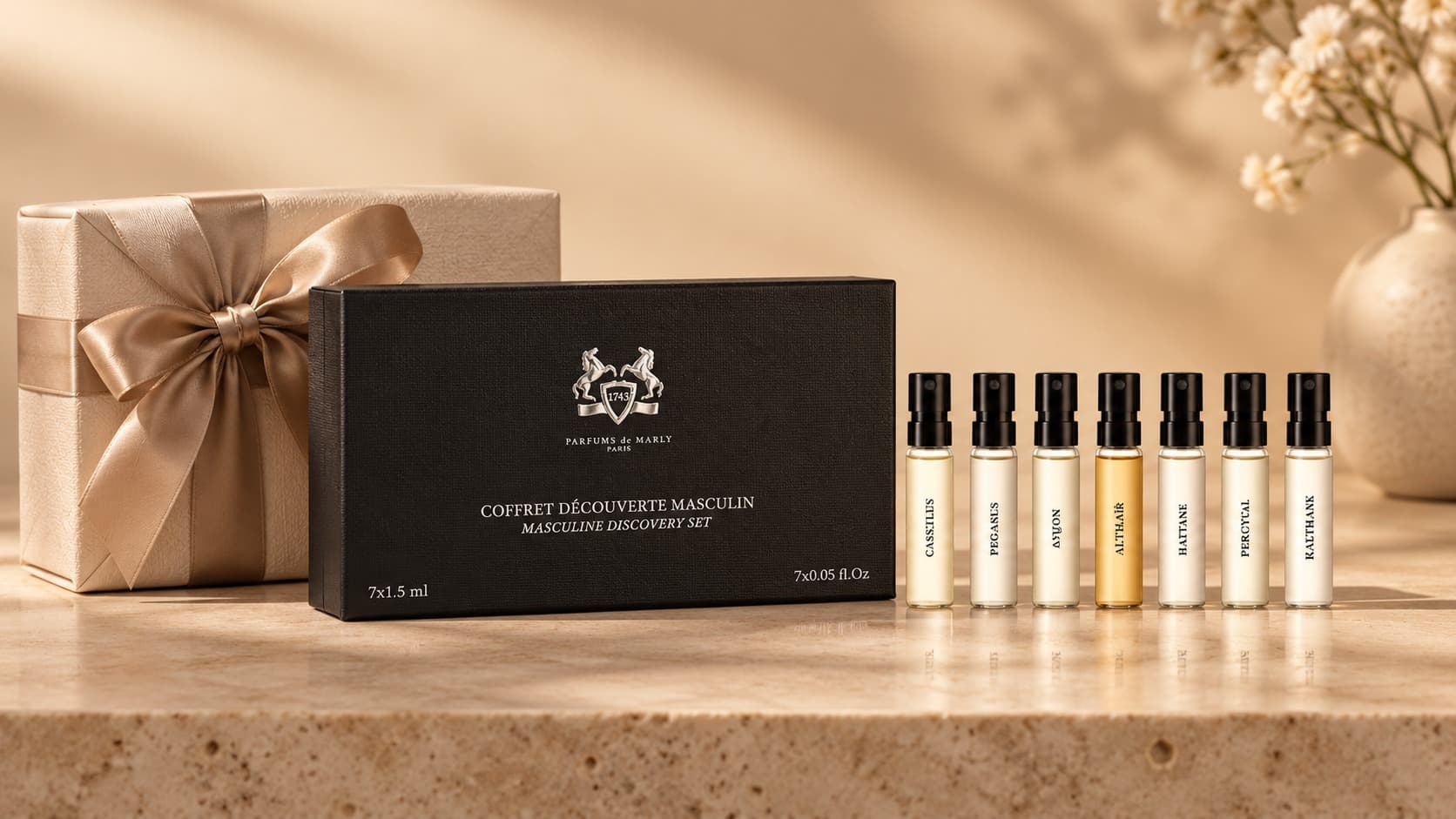
Travel atomizers solve most of this problem. Most hold around 5-10 ml, well under the limit, and refillable versions can be reused on every trip.
The rule dates back to 2006, when a plot to smuggle liquid explosives onto planes disguised as ordinary drinks was uncovered in the UK. The 100 ml limit and the quart-sized bag exist because security scanners are calibrated to spot dangerous quantities of certain liquids, and small containers keep that screening reliable.
The rule is starting to loosen at a handful of airports. Some major hubs have installed advanced 3D CT scanners that can see liquids in far more detail than older X-ray machines, and a few of these checkpoints now allow passengers to keep larger liquid containers, including perfume, in their bags. This remains the exception rather than the norm, so unless a departure airport is confirmed to have upgraded scanners, the standard 3.4-ounce limit should be assumed to apply.
How Much Perfume Can Go in Checked Luggage?
Checked luggage allows much larger perfume bottles, but airlines and international safety rules still set limits. Unlike carry-on bags, there is no 3.4-ounce cap for checked luggage, so a full-size bottle can be packed without trouble.
Perfume is classified as a flammable liquid because of the alcohol it contains, which puts it under aviation safety rules set by the International Air Transport Association (IATA). For perfume with an alcohol content between 24% and 70% by volume, the general limit is 500 ml per bottle, with a total of no more than 2 liters of perfume per passenger across all bottles combined. Most mainstream perfumes fall inside this alcohol range, which is why this rule applies to the vast majority of fragrances people travel with.
Perfume above 70% alcohol is treated as too flammable to fly and is generally not allowed at all, even in checked bags. This is rare in mainstream perfume, since most eau de parfum and eau de toilette formulas sit well below that number, though some niche or artisanal fragrances are formulated with very high alcohol concentrations and can run into this limit.
Under international dangerous goods regulations, perfume is formally classified as UN 1266, “Perfumery Products,” a Class 3 flammable liquid. That classification is exactly why the alcohol percentage and volume limits exist in the first place, even though a bottle of perfume feels nothing like a container of gasoline.
Individual airlines and the airports they fly through can add their own conditions on top of the IATA baseline, and enforcement can vary by country even when the underlying rule is the same. Perfume over 100 ml in the cabin, for instance, is only allowed everywhere under the same narrow condition: it has to be a duty-free purchase made after security, sealed in a tamper-evident bag. Because that exception is easy to misunderstand, checking an airline’s specific baggage policy before an international trip is worth the effort.
Does Solid Perfume Follow the Same Rules?
No, solid perfume completely skips the liquid restrictions. Because solid perfume is a wax or balm rather than a liquid, spray, or gel, it does not fall under the 3-1-1 rule at all.
Solid perfume can be packed in any size container, in either carry-on or checked luggage, without triggering the liquid limits. This makes it a genuinely convenient option for frequent travelers who would rather not think about ounces and quart bags every time they pack.
What Happens If Perfume Breaks the Rules?
If a perfume container is too large for carry-on, security will not allow it through the checkpoint. At that point there are generally two options: discard the bottle on the spot, or step out of the line and check it as luggage instead, assuming there is still time before the flight.
TSA staff will not weigh how much liquid is actually left inside a bottle. The rule is about container size, so a nearly empty large bottle is treated exactly the same as a full one. This trips up a lot of travelers who assume “there’s barely anything left in here” will make a difference. It will not.
How to Pack Perfume So It Does Not Break or Leak
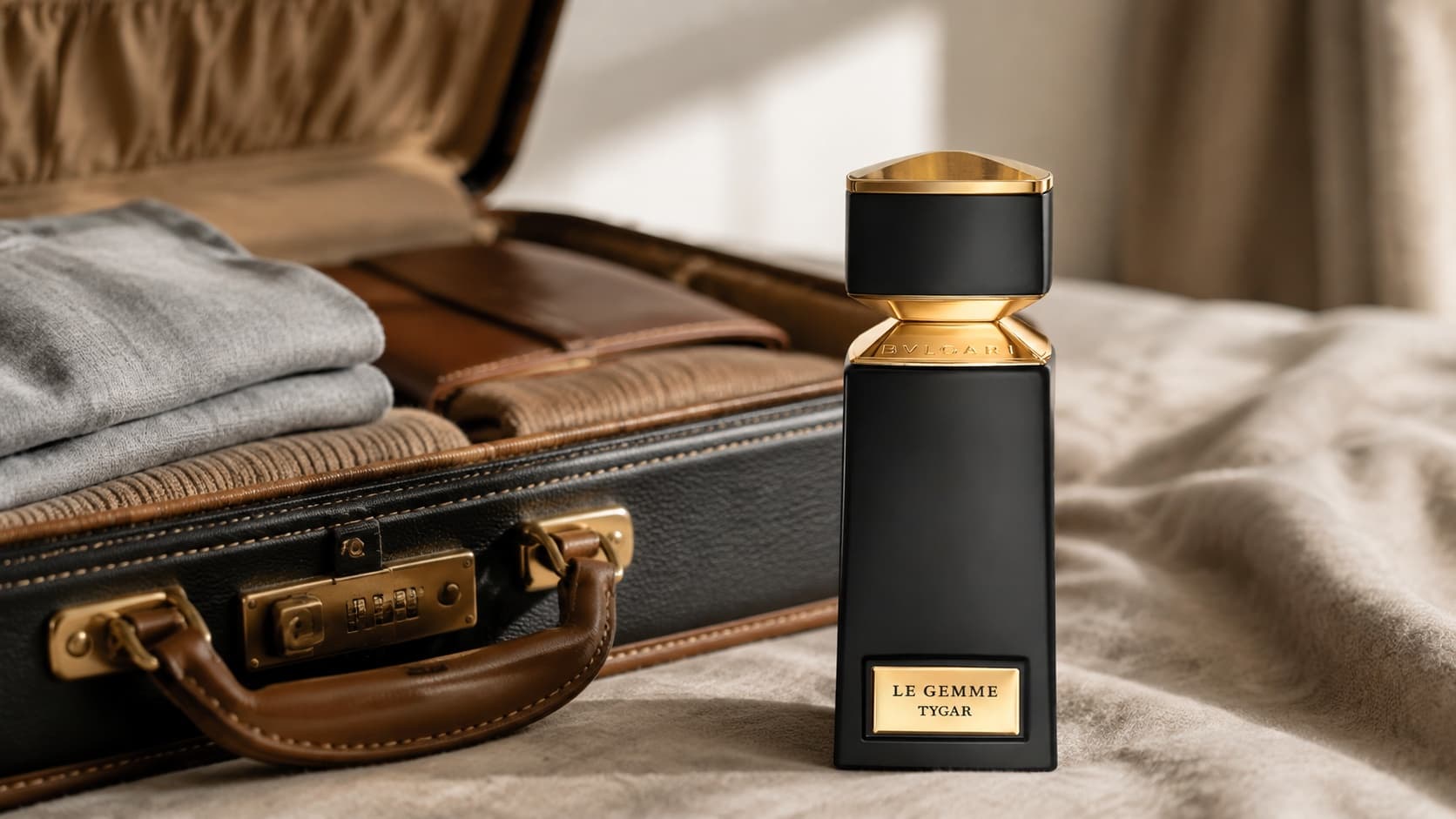
Perfume bottles are usually made of glass, and glass and hard-sided luggage do not always mix well during rough baggage handling. A little preparation goes a long way toward making sure a bottle survives the trip intact.
- Wrapping the bottle in a sock, small towel, or bubble wrap before packing protects it from impact.
- Placing the bottle inside a resealable plastic bag catches any leaking if the seal loosens.
- Packing it toward the center of the suitcase, surrounded by soft clothing, keeps it away from the hard outer wall.
- Locking or taping down the spray nozzle, on bottles with a lock feature, prevents accidental spraying from pressure changes in the cargo hold.
- Storing the bottle upright reduces pressure on the seal.
Cargo holds can get quite cold at cruising altitude and quite hot while a plane sits on a runway in summer, and both extremes affect the quality of a fragrance over time, not just the container. Repeated temperature swings can cause a scent to fade faster or shift slightly from how it originally smelled, which is another reason packing perfume near the center of a suitcase, away from the outer walls, helps.
| Situation | Where It Goes | Size Limit |
|---|---|---|
| Perfume under 3.4 oz / 100 ml | Carry-on, in the quart bag | 3.4 oz per container |
| Perfume over 3.4 oz / 100 ml | Checked luggage only | Up to 500 ml per bottle, 2 L total |
| Perfume over 70% alcohol | Generally not allowed | N/A |
| Solid perfume | Either carry-on or checked | No liquid limit applies |
What About Perfume Bought at Duty-Free?
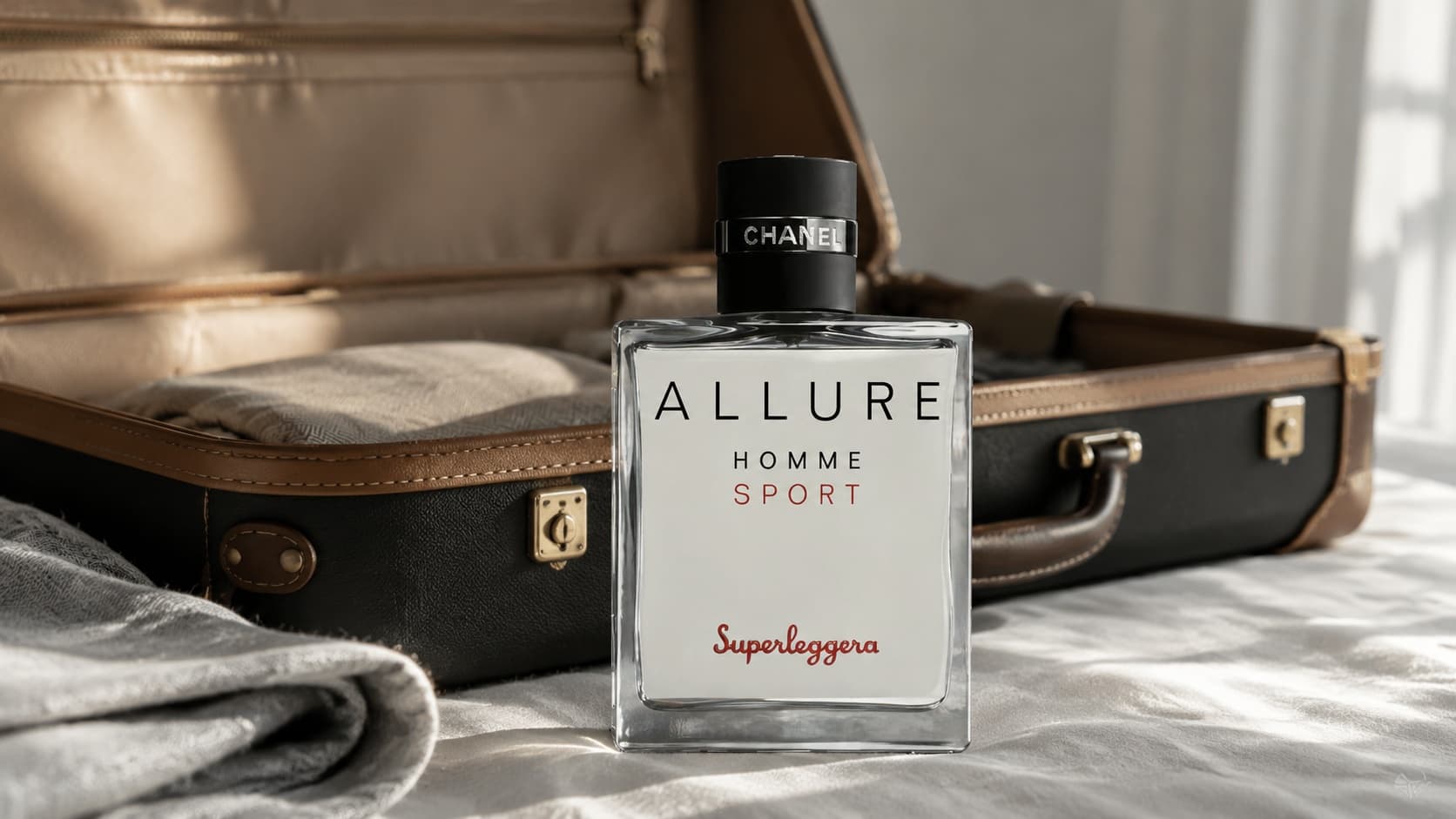
Duty-free perfume is exempt from the 100 ml carry-on limit, but only while it stays sealed in the tamper-evident bag provided at the shop. That bag has to remain closed, and the receipt generally needs to stay with it, since security staff may ask for proof of when and where it was purchased.
The exemption exists because the perfume was bought after security screening had already taken place, so it was never at risk of being switched or tampered with before boarding. Once that bag is opened, or if the receipt goes missing, the bottle can be treated as an ordinary liquid subject to the standard 100 ml rule.
The situation becomes trickier on connecting flights, especially international ones. A layover that requires a second security checkpoint means the duty-free bottle has to pass through screening again, and not every country’s checkpoint honors another country’s duty-free exemption in the same way. A full-size bottle bought duty-free in one country can be confiscated at a connecting airport in another if local rules do not recognize the tamper-evident bag as valid, which makes it worth building in extra time on layovers with a security recheck.
Frequently Asked Questions
Does perfume count as a liquid under TSA rules?
Yes. TSA defines a liquid as anything that can be poured, pumped, squeezed, or sprayed, and perfume fits that definition, so it must follow the standard 3.4-ounce carry-on limit like any other liquid.
Does a sealed gift box exempt a full-size perfume bottle from the rules?
No. Sealed retail packaging alone does not exempt perfume from the carry-on liquid limit. Only perfume purchased at duty-free after security, kept in its tamper-evident bag with the receipt, gets the exemption — a sealed gift bottle bought before the trip still needs to meet the 3.4-ounce rule for carry-on.
Can perfume explode in the cargo hold?
This is very unlikely for standard fragrance bottles. Reports of perfume “exploding” in luggage are usually linked to pressurized aerosol products or improperly sealed bottles, not typical eau de parfum or eau de toilette in a normal glass bottle.
Are perfume samples and rollerballs allowed in carry-on?
Yes, as long as each individual sample or rollerball container is 3.4 ounces or less and all of them fit together in the one quart-sized bag along with other liquids.
Do international flights follow the same rules as U.S. flights?
Most countries follow similar guidelines based on IATA’s international standards, including the 100 ml carry-on limit, but exact checked-baggage alcohol limits can vary slightly by country and airline, which makes double-checking worthwhile before an international trip.
Conclusion
Packing perfume for a flight really comes down to two factors: the size of the bottle and its alcohol content. Bottles under 3.4 ounces can travel in the cabin, larger bottles belong in checked luggage within IATA’s alcohol and volume limits, and solid perfume sidesteps the issue entirely. Careful wrapping and a quick check of an airline’s specific policy before an international trip are usually all it takes for a favorite scent to arrive at its destination in one piece.