A perfume that feels bold and loud on a hot summer afternoon can turn almost quiet by the time winter rolls around, even sprayed straight from the same bottle in the same amount. This isn’t a sign that anything has gone wrong with the fragrance. It’s a sign that fragrance itself is not a fixed, unchanging thing — it’s a mix of tiny molecules that react constantly to heat, moisture, and the warmth of skin. Once the science behind that reaction is clear, it becomes much easier to understand why a scent behaves the way it does from one season to the next.
Why Does Weather Change How Perfume Smells?
Perfume smells different because heat and moisture change how fast its scent molecules evaporate off the skin. In warm conditions, molecules move faster and rise into the air quickly, which makes a scent feel stronger right away but fade sooner. In cold conditions, those same molecules move slowly and stay close to the skin, so the scent feels quieter but lasts longer.
A useful comparison is steam rising off a hot drink versus one that’s gone cold. A hot cup sends visible wisps curling upward almost the instant it’s poured, filling the air around it within seconds. A cold cup barely releases anything at all — the same liquid, the same room, but almost nothing escapes into the air. Fragrance behaves the same way on skin: heat pushes scent molecules up and outward quickly, while cold holds them close and lets them go only gradually.
None of this is a flaw in how perfume is made — it’s basic chemistry. Fragrance oils are volatile, meaning they turn from liquid into vapor at room temperature, and heat always speeds that process up. That’s the reason a fragrance smells strongest in the first few minutes after application, while the alcohol and top notes are evaporating fast, and why it settles into something calmer once those quick-moving molecules have already dispersed.
Weather doesn’t act alone, either. Temperature and humidity do most of the work, but wind and elevation play a supporting role too. A breezy afternoon can carry scent away from the body faster than still air, dispersing it before it has much chance to build up around the wearer. Altitude is a less predictable factor — thinner air at higher elevations can influence evaporation, but the effect varies enough by fragrance and conditions that it’s hard to generalize. A fragrance isn’t unpredictable so much as it is responsive — more like a recipe that reacts to its surroundings each time it’s worn.
How Does Heat Affect Perfume?
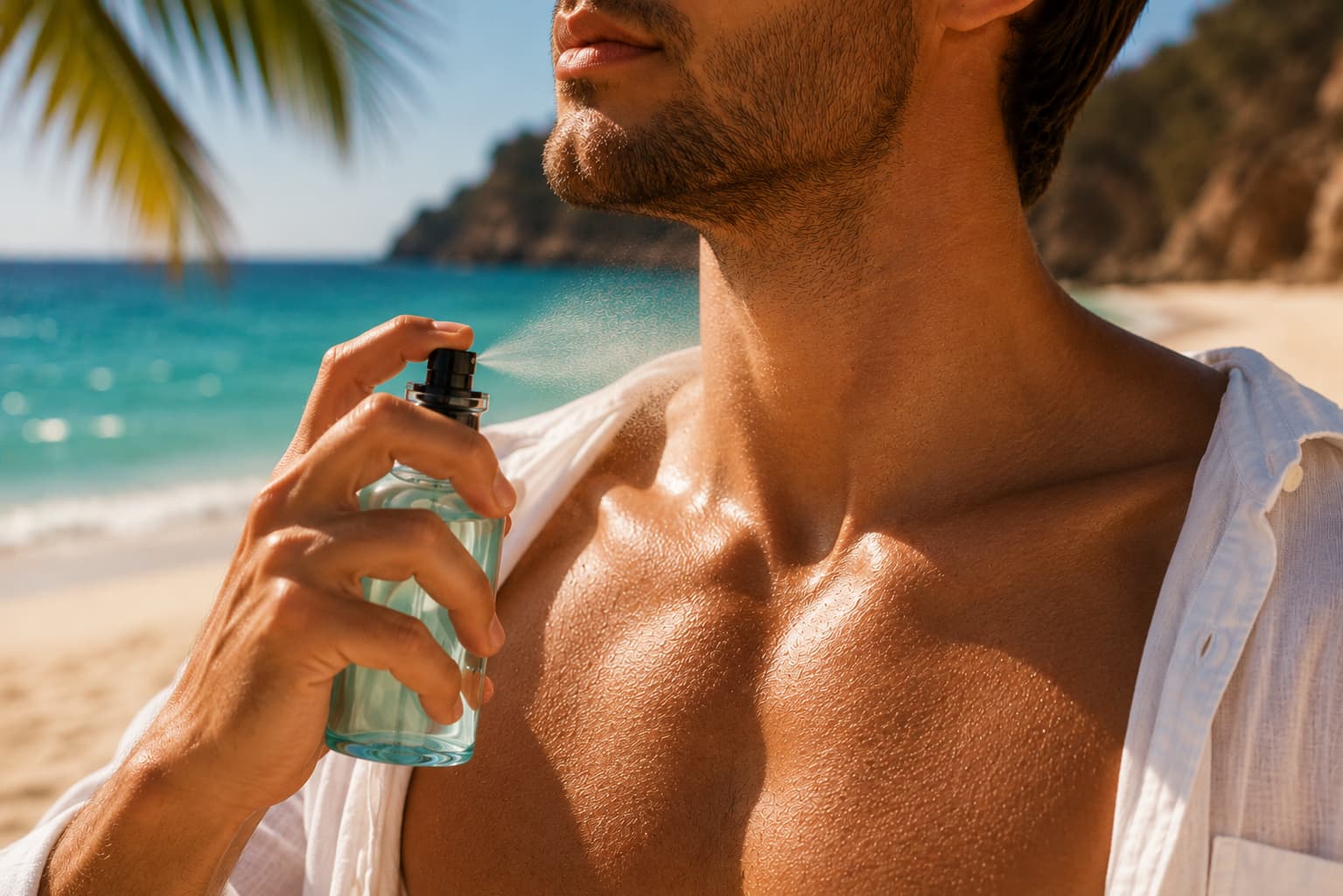
Heat speeds up evaporation, which makes a fragrance smell more intense at first but disappear faster overall. Warm skin acts almost like a small engine, pushing scent molecules into the surrounding air more quickly than cool skin does.
This is also why pulse points — the wrists, the neck, the insides of the elbows — are the classic places to apply perfume. Blood vessels run close to the skin’s surface in those spots, making them naturally a little warmer than the rest of the body. That warmth helps “activate” the fragrance and push it outward, similar to a heater warming a room. In hot weather, the entire body works this way, which is why the same fragrance can feel noticeably louder in August than it does in January.
Heat doesn’t just make scent stronger — it can also shift the balance of the fragrance itself. Every perfume is built from three layers:
- Top notes — light, sharp scents like citrus or mint that appear first
- Heart notes — the middle character of the fragrance, often floral or spicy
- Base notes — heavy, long-lasting scents like wood, musk, or vanilla that emerge last
Because top notes are the lightest and most volatile, heat burns through them fastest. That can make a fragrance smell brighter and sharper in the first few minutes of a hot day, while also compressing the whole scent arc into a much shorter window than it would take in cooler weather. A lighter application, focused on one or two pulse points rather than several, is usually enough to register in warm weather, since the surrounding heat is already amplifying every spray more than it would in cool air.
How Does Cold Weather Affect Perfume?
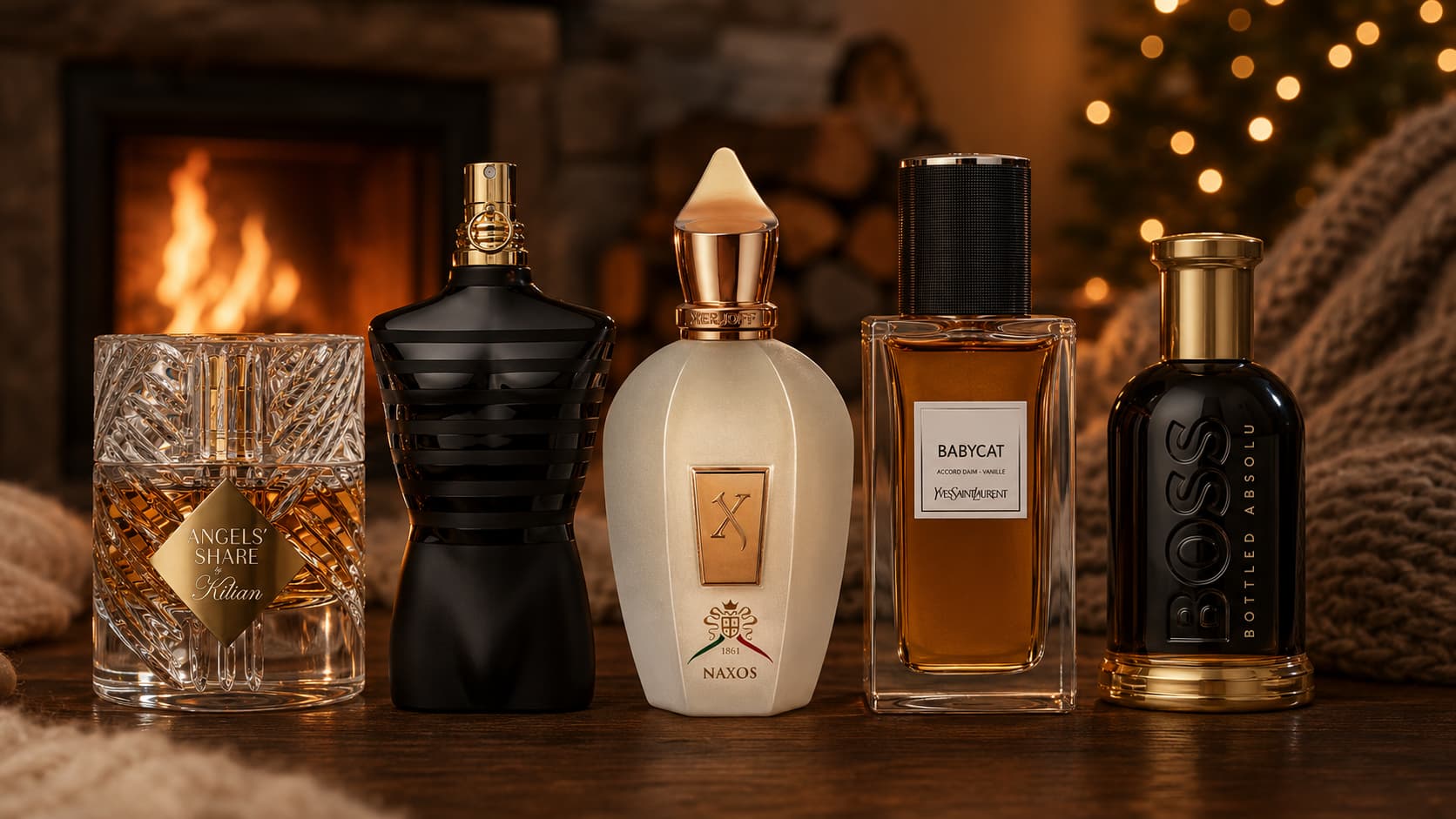
Cold weather slows evaporation, so a fragrance releases more gradually, stays closer to the skin, and generally lasts longer overall. Instead of a strong initial burst, cold air produces a slow, quiet build that unfolds across the day.
This is part of why so many “winter” fragrances lean into deep, rich ingredients like amber, sandalwood, vanilla, and spice. These heavier base notes need time and warmth to bloom, and cold air provides exactly that kind of slow-motion stage. A fragrance that feels overwhelming in July heat can feel perfectly balanced in January, simply because the cold is holding it back and letting it unfold more gently.
The trade-off is projection — how far a scent travels from the body. Cold, dense air doesn’t carry scent molecules as far as warm air does, so even a long-lasting winter fragrance may stay close rather than filling a room. That isn’t necessarily a downside; it just means cold-weather scents tend to feel more personal, noticed by people up close rather than everyone in a hallway. Applying perfume to a spot the body’s own heat can reach easily, such as the chest or inner elbows, gives the fragrance a little extra warmth to work with as it develops slowly beneath a coat or sweater.
How Does Humidity Affect Perfume?
Humidity, or moisture in the air, generally makes fragrance last longer and project more, because moist skin slows evaporation compared to dry skin. Damp air keeps molecules from escaping as quickly, so the scent tends to build and linger rather than disappear.
That sounds like a straightforward benefit, and often it is — but very high humidity can also work against a fragrance. Heavy sweating in hot, humid conditions can mix with the perfume on the skin, shifting how it smells and sometimes making it feel muddled rather than clean. In truly tropical, sticky conditions, skin can carry so much surface moisture that scent molecules have a harder time lifting off it at all, leaving some fragrances smelling duller or less defined than they would in a drier climate.
Dry air has the opposite effect, pulling moisture — and scent — off the skin faster. That’s part of why perfume can seem to fade quickly in dry winter air or a dry, desert-like climate. Keeping skin moisturized before application helps offset this, since scent molecules cling better to hydrated skin than to dry skin.
Not every ingredient reacts to humidity the same way. Delicate, musky notes tend to evaporate faster and lose some clarity in very sticky conditions, while heavier woods and resins generally hold their shape better. That’s part of why light, clean fragrances often perform more reliably in humid weather, while dense, complex compositions can start to smell blurred rather than rich.
Heat and dryness push scent out fast. Cold and moisture hold it close for longer. Extreme humidity does a bit of both — boosting projection while sometimes softening clarity.
Does Skin Temperature Affect How Perfume Smells?
Yes — the body’s own heat plays almost as large a role as the weather outside, since warmer skin evaporates fragrance faster regardless of season. Two people standing in the exact same room can experience the same perfume quite differently depending on how warm their skin naturally runs.
People who run warm, whether from body chemistry, exercise, or simply being in a heated room, tend to notice their fragrance develop and fade more quickly. People with cooler skin often get a slower, longer-lasting version of the same scent. This is part of why a single bottle can smell completely different on two people, even sprayed the exact same way. Hydration matters here too — well-moisturized skin holds onto fragrance oils better than dry skin, producing a smoother, steadier release instead of one quick burst.
Fragrances that seem to disappear within an hour or two regardless of season usually point to skin that runs warm or dry, both of which speed up evaporation. A more concentrated version, such as an eau de parfum instead of an eau de toilette, adds more fragrance oil relative to alcohol, which slows evaporation and extends wear regardless of what a particular skin type naturally does to a scent.
How Perfume Choice Should Change With the Seasons
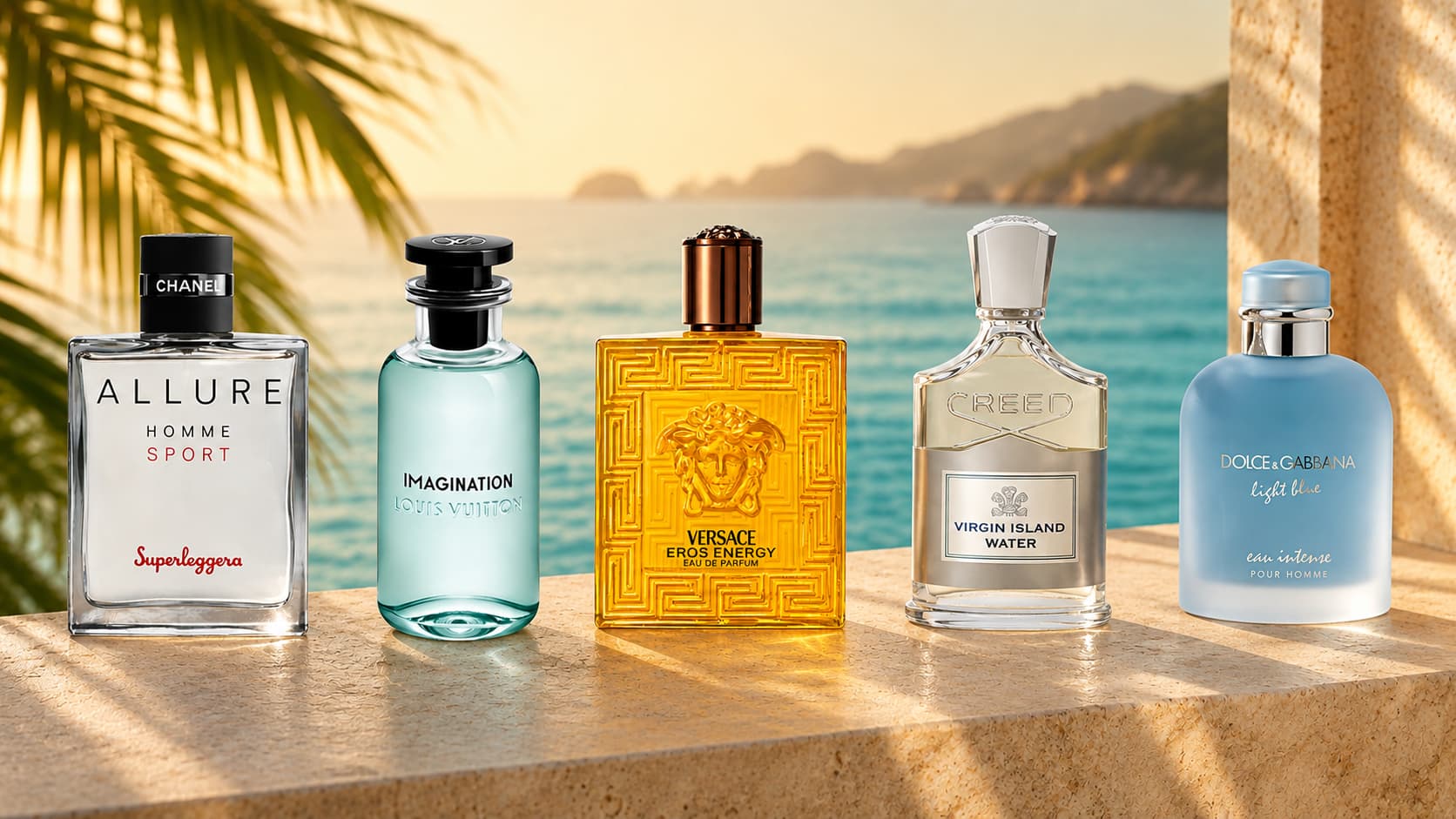
The simplest approach is lighter, fresher scents in hot weather and richer, deeper scents in cold weather, since each style is naturally suited to how heat or cold makes fragrance behave.
| Season | What’s Happening | Scent Styles That Tend to Work Well | Concentration to Lean Toward |
|---|---|---|---|
| Spring | Mild warmth, rising humidity | Floral, green, light fruity | Eau de toilette or eau de parfum |
| Summer | High heat, fast evaporation | Citrus, aquatic, light florals | Eau de toilette |
| Autumn | Cooling air, lower humidity | Spicy, woody, warm florals | Eau de parfum |
| Winter | Cold, slow evaporation | Amber, vanilla, oud, deep woods | Eau de parfum or parfum |
A heavy, oud-forward fragrance built for winter can feel overwhelming in July heat, since the same warmth that makes it feel cozy in December will push it out faster and stronger than intended. A delicate citrus scent that felt fresh in summer, on the other hand, might barely register once cold weather sets in, simply because there isn’t enough heat to help it develop and travel. Many fragrance enthusiasts eventually settle into a small rotation of scents rather than one signature bottle, so there’s always something suited to the conditions at hand.
Concentration is worth considering alongside scent style. Eau de toilette typically holds a lower percentage of fragrance oil, roughly 5 to 15 percent, making it lighter and better suited to hot weather, when heat is already boosting projection on its own. Eau de parfum and parfum sit at a higher concentration, generally 15 percent and up, giving them the staying power to push through cold, dry winter air that would otherwise mute a lighter formula. Reaching for a heavier concentration in winter and a lighter one in summer works with the weather rather than against it.
Frequently Asked Questions
Why does perfume smell stronger right after it’s sprayed?
The alcohol and lightest top notes evaporate first, and that initial burst is naturally the most noticeable part of any fragrance. As those quick-moving molecules disperse, the scent settles into its heart notes and eventually its base notes, which is why a fragrance smells different a few minutes after application than it did the moment it was sprayed.
Does perfume actually last longer in winter?
Generally, yes. Cold air slows the rate at which fragrance molecules evaporate, so a scent tends to cling to skin and clothing longer in cold weather than in heat, even though it may feel quieter overall.
Should perfume be applied differently depending on the season?
Moisturized skin holds fragrance better in any season, so applying an unscented lotion before spraying helps, especially in dry or cold conditions. In hot, humid weather, lighter application focused on a few strategic spots, like pulse points, usually works better than heavy dousing, since heat is already doing much of the projecting.
Why does the same perfume smell different on different people?
Individual skin temperature, hydration, and body chemistry all influence how fragrance molecules evaporate and interact with the skin’s natural oils. That’s why the same bottle can smell brighter on one person and softer, or slightly different, on another, even under identical weather conditions.
Can storing perfume in a hot place ruin it?
Yes. Heat and direct sunlight can break down fragrance oils over time, changing or weakening the scent even before it’s sprayed. Keeping bottles in a cool, dry place away from windows and radiators helps preserve the fragrance as it was meant to smell.
Conclusion
Weather isn’t working against fragrance — it’s part of how fragrance was always meant to be experienced. Heat and dry air push scent out fast and bright, cold air holds it close and lets it unfold slowly, and humidity can extend how far a scent travels while sometimes softening its clarity. Once skin warmth and ambient air are understood as the two forces constantly shaping a scent, picking the right fragrance for the right day becomes far easier — and a fragrance behaving differently than expected stops looking like a flaw in the bottle and starts looking like exactly what it is: chemistry responding to its surroundings.