Walk into any perfume shop and the bottles split into three very different worlds. There’s the familiar stuff sitting in every department store, the strange and expensive bottles tucked away in a quiet corner boutique, and then the cheap lookalikes sold online that promise to smell “just like” the famous one for a fraction of the price. Most people assume the difference is just the price tag, but it actually comes down to who makes the perfume, how many ingredients they’re allowed to use, and how the whole business behind the bottle works. Understanding those differences makes it a lot easier to figure out where the money is actually going with any given bottle.
What Is a Designer Perfume?
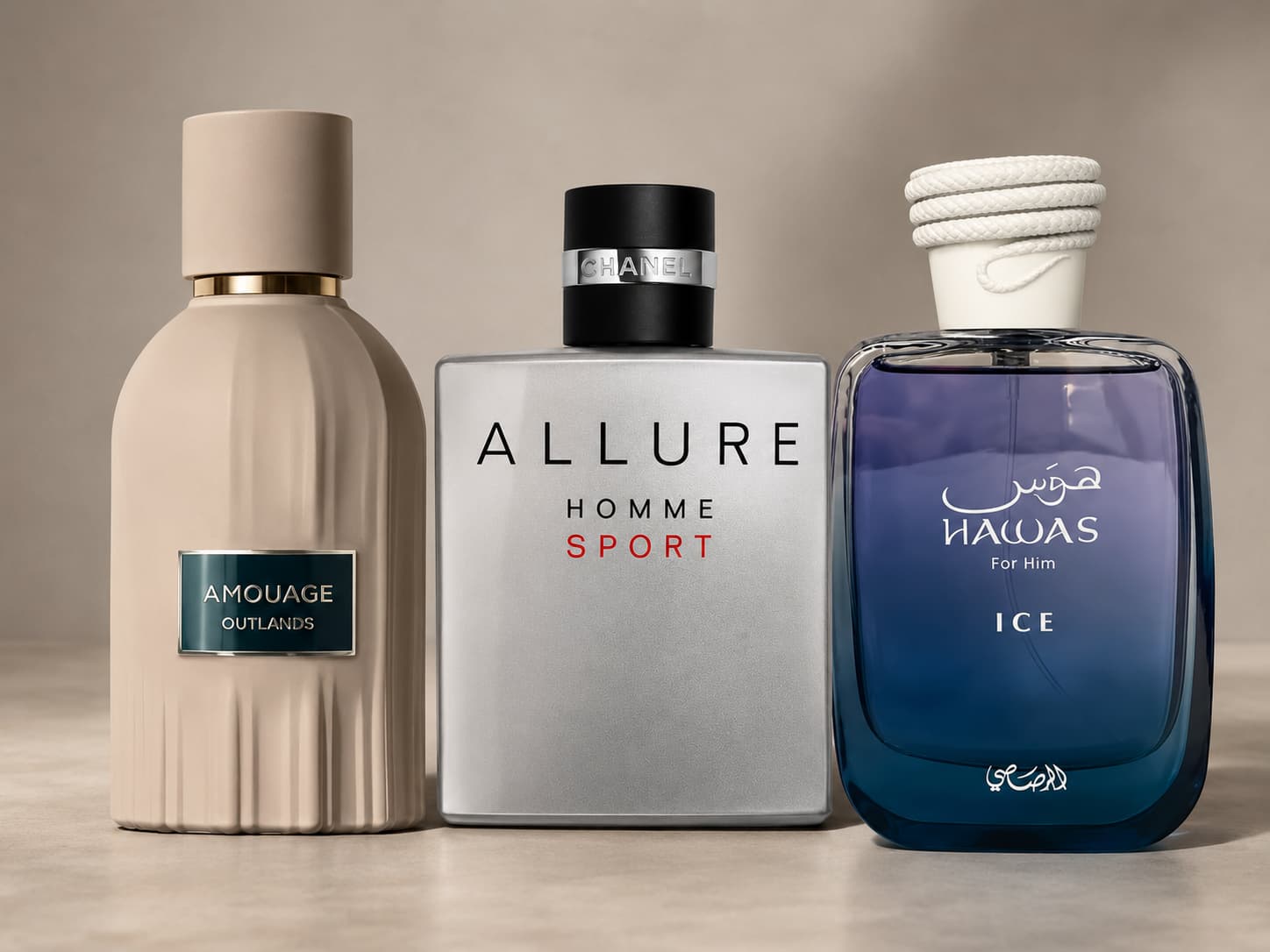
A designer perfume is a fragrance made or licensed by a well-known fashion or luxury brand, built to be sold in large quantities to as many people as possible. Think Chanel No. 5, Dior Sauvage, or Yves Saint Laurent Black Opium — names most people would recognize even if they’ve never bought perfume before.
These fragrances are rarely created entirely in-house. Most fashion houses license their name to a large fragrance and flavor company, which handles the actual formula, manufacturing, and bottling. That kind of corporate backing is what lets a single fragrance turn up on shelves worldwide within months of launch, from flagship perfume counters down to airport duty-free stands. The scent itself is usually built to please as many noses as possible, so the notes tend to stay in familiar territory — florals, citrus, and warm woods that don’t ask much of the wearer and work equally well for a Tuesday at the office or a night out.
That mass-market approach isn’t a bad thing. It’s the reason a bottle of designer perfume usually costs somewhere between $60 and $150, and why these are the bottles most likely to be sitting on a tester tray at any mall counter, ready to try before buying.
Most of the fragrances sitting on department store shelves are actually made by just a handful of companies. Firms like Coty, Puig, L’Oréal, and Inter Parfums sign long-term licensing deals with fashion houses — Coty produces Hugo Boss and Burberry fragrances, Inter Parfums handles names like Jimmy Choo and Montblanc, and Puig makes Carolina Herrera and Paco Rabanne. Chanel and Dior are two of the rare exceptions that own and run their entire fragrance business themselves, which is part of why their perfume divisions are often treated as a little more prestigious inside the industry.
What Is a Niche Perfume?
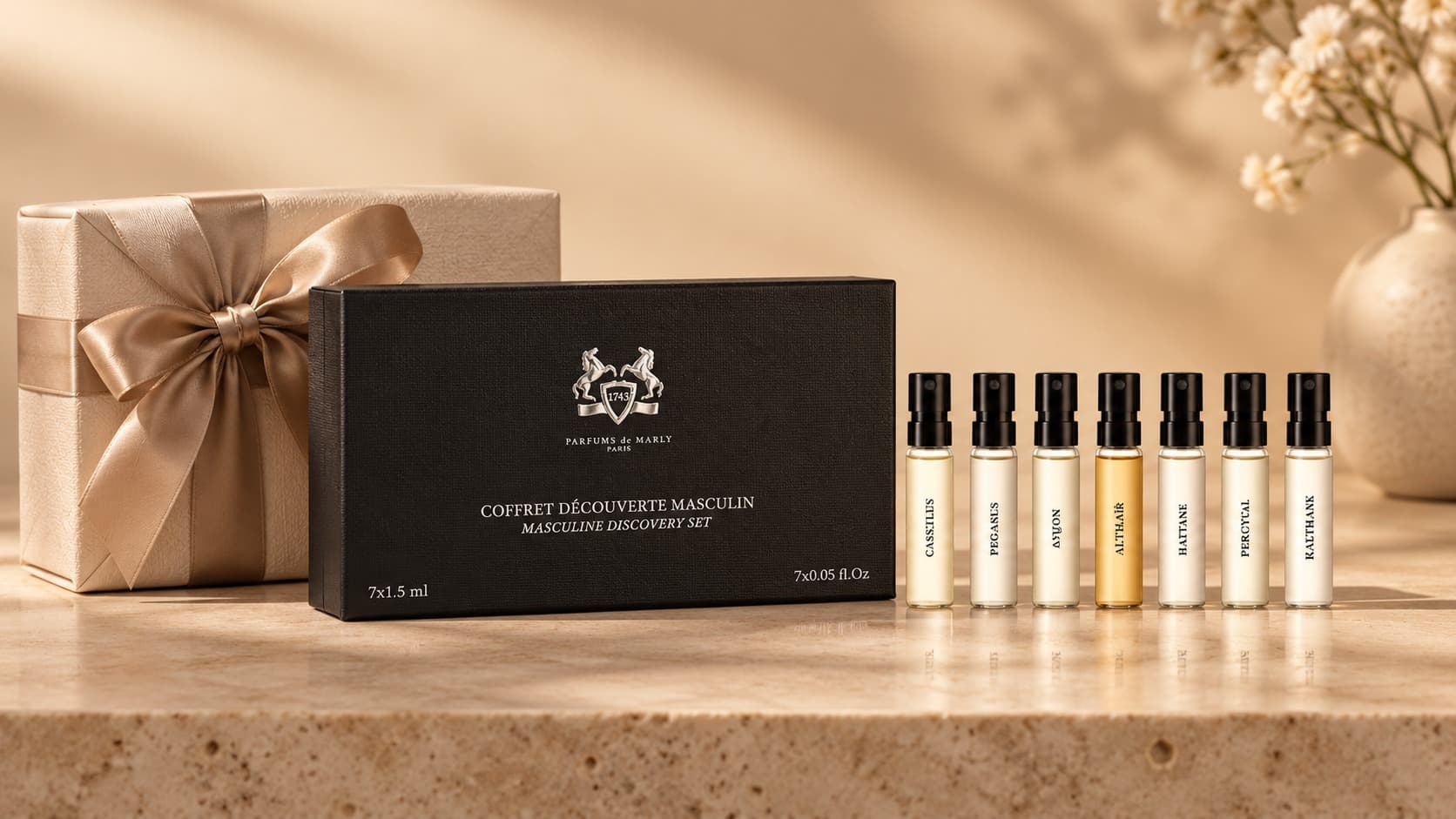
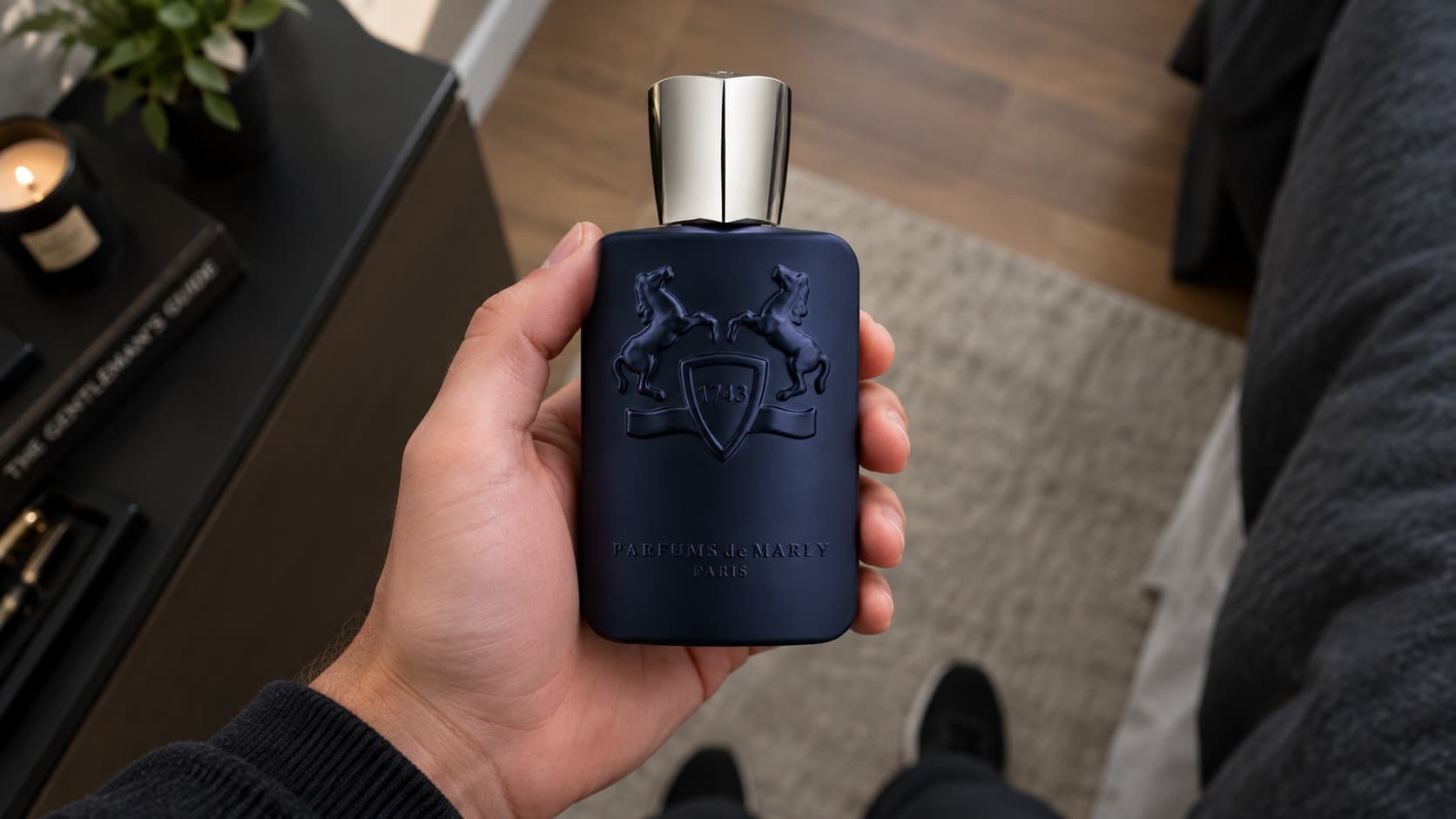
A niche perfume is a fragrance made by a smaller, independent house that prioritizes a distinct creative idea over mass appeal, often using pricier ingredients and selling through a limited number of stores. Brands like Le Labo, Creed, and Maison Francis Kurkdjian fall into this category.
Instead of a marketing department deciding what will sell best, niche perfumes are usually built around a perfumer’s personal vision — sometimes a strange one. That might mean leaning into a smoky, animalic note that a designer brand would never touch, or building an entire scent around one unusual ingredient most people have never smelled before. Because the batches are smaller and the ingredients are often costlier, prices typically land anywhere from €100 to €500 or more, and the bottles are far less likely to show up outside of specialty boutiques.
Niche isn’t automatically “better” than designer — it’s a different goal entirely. One is built to be loved by millions; the other is built to say something specific, even if that means fewer people connect with it.
The category has real roots. L’Artisan Parfumeur, founded in France in 1976, is generally credited as the first modern independent house, followed by Annick Goutal in 1980 and Serge Lutens in the early 1990s. Each one pushed back against the increasingly market-tested, focus-grouped feel of mainstream perfume by putting a single perfumer’s taste in charge instead of a marketing team. Ironically, some of the biggest niche names since then — Le Labo and Frédéric Malle among them — have been bought up by the very same large beauty conglomerates they were originally reacting against, though their formulas and small-batch approach have generally stayed intact.
What Is a Dupe Perfume?
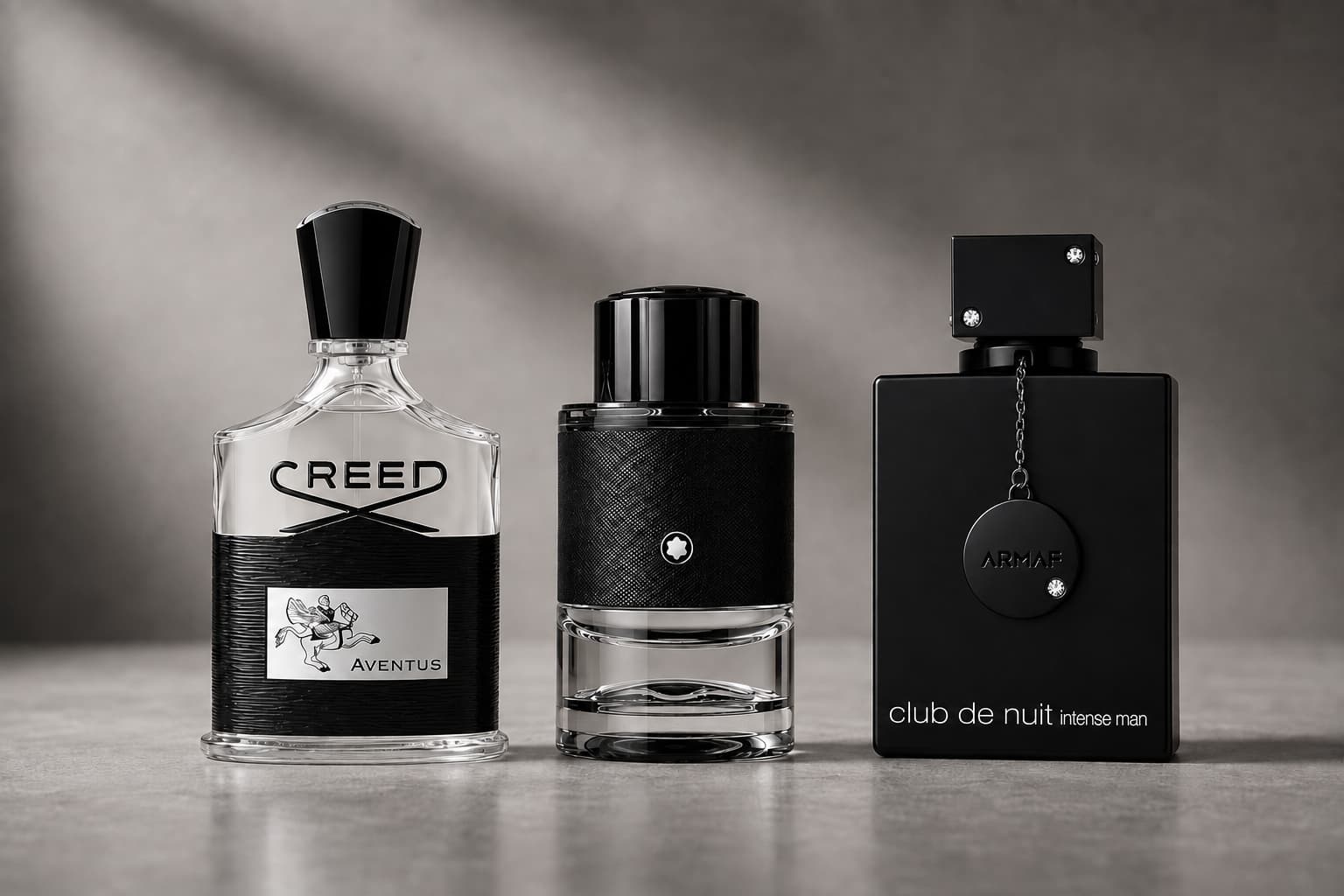
A dupe (also called a clone) is a budget fragrance made to smell as close as possible to a specific designer or niche perfume, sold under its own separate name and branding. A well-known example is a drugstore-style scent marketed as smelling like a famous $300 niche bottle, priced at a tenth of the cost.
Dupes exist because of a genuine chemistry trick: perfume houses can run an expensive original through lab equipment that breaks the scent down into its individual molecules, then rebuild something extremely close using cheaper versions of those same aromatic building blocks. Getting from that raw molecular breakdown to a finished, wearable product still takes a real perfumer’s judgment — knowing which substitutions will actually smell right on skin over several hours, not just on paper. The result usually isn’t identical — dupes often skip the rarest or most expensive ingredients — but it can smell remarkably close, especially from a few feet away.
One of the most cited examples in the fragrance world is Armaf Club de Nuit Intense Man, widely regarded as the standard clone of the far pricier Creed Aventus. It’s rarely a perfect match up close, but at speaking distance most people can’t tell the difference, which is exactly the gap dupe brands are built to exploit. Reputable dupe makers still follow the same international safety rules — set by a body called IFRA — that govern how much of any given ingredient a fragrance is allowed to contain, so a well-made dupe isn’t inherently less safe to wear than a designer or niche bottle.
Are Dupe Perfumes Legal?
Yes, dupe perfumes are legal in most places, because a scent itself cannot be trademarked or copyrighted — only the brand name, logo, and bottle design can be. Copyright and trademark law both depend on being able to fix a creation in some tangible, identifiable form, and nobody has found a reliable, objective way to record a smell the way a photograph records an image or sheet music records a melody. That legal gap is exactly why a company can build and sell its own version of a famous scent under its own name, so long as it stops there and doesn’t start copying the branding around it.
This is different from counterfeiting, which is illegal. A counterfeit tries to trick buyers into thinking they’re getting the real branded product — fake logo, fake box, sometimes even a fake barcode. A dupe never pretends to be the original; it’s when a brand starts reusing the original’s actual name or mimicking its bottle design that the law steps in. As long as a dupe brand sells its scent under its own name and doesn’t copy the packaging, it’s operating within the law.
This isn’t a loophole nobody noticed — it’s a genuine gap in how intellectual property law was built, long before anyone thought to ask whether a smell deserved the same protection as a photograph or a song. Perfume houses have tried for decades to work around that gap through other means, mostly by keeping their exact formulas as closely guarded trade secrets rather than relying on a body of law that was never really written with scent in mind.
Comparing Niche, Designer, and Dupe Perfume
| Designer | Niche | Dupe | |
|---|---|---|---|
| Made by | Fashion house (often via a licensed fragrance company) | Independent perfume house | Budget fragrance brand |
| Typical price | $60–$150 | $100–$500+ | $10–$40 |
| Where it’s sold | Department stores, pharmacies, malls, airports | Select boutiques, brand websites | Online marketplaces, discount retailers |
| Batch size | Very large | Small | Large |
| Main goal | Wide appeal, recognizable scent | Artistic, distinctive scent | Affordable version of a popular scent |
| Ingredient cost | Moderate | Often higher, more natural materials | Lower, mostly synthetic |
| Common concentration | Mostly eau de toilette / eau de parfum | Often eau de parfum or extrait de parfum | Usually eau de parfum |
How Long Does Each Type Last on Skin?
Longevity has more to do with a perfume’s concentration (how much actual fragrance oil is in the bottle) than with whether it’s designer, niche, or a dupe. Eau de toilette typically lasts 3–5 hours, eau de parfum lasts 5–8 hours, and pure parfum can last well over 8 hours, regardless of which category the brand falls into.
That said, dupes do tend to fade faster and stay closer to the skin than the originals they’re copying, mostly because they use fewer of the long-lasting, expensive aromatic compounds. Niche perfumes, on the other hand, are often formulated at a higher concentration specifically because their smaller customer base is willing to pay more for a scent that holds up all day.
Which Type Actually Makes Sense for Different Shoppers
The right pick depends on what someone actually wants out of a bottle of perfume, not which category sounds more impressive. Designer fragrances suit shoppers who want something familiar, easy to compliment, and simple to replace once it runs out. Niche fragrances earn their higher price for anyone who wants a scent that feels personal and is unlikely to be worn by someone else in the room. Dupes make the most sense for someone who already knows exactly which expensive scent they love and simply doesn’t want to keep paying full price to wear it.
None of these choices is objectively wrong. The real mistake is assuming price alone determines which one is “better” — a $40 dupe worn with confidence every day is doing its job just as well as a $400 niche bottle sitting mostly unused in a drawer.
Frequently Asked Questions
Is niche perfume always better quality than designer perfume?
Not necessarily. Many designer perfumes have achieved legendary status for their innovation and originality, and not every niche brand meets the lofty expectations people associate with the category. Quality depends on the specific perfumer and formula, not just which category the brand falls into.
Can a dupe smell exactly like the original?
Rarely exactly, but often very close. Dupe makers can identify most of the molecules in an original scent, but the closest, rarest, or most expensive ingredients are usually swapped for cheaper alternatives, which changes how the scent develops over several hours even if the first impression is nearly identical.
Why is niche perfume so much more expensive than designer perfume?
Smaller batch sizes, pricier raw ingredients, and limited distribution all add cost that gets passed on to the customer. Designer perfumes save money through massive production runs and wide retail deals, which niche houses deliberately avoid to keep their brand feeling exclusive.
Are dupe perfumes bad for your skin?
Not inherently — reputable dupe brands follow the same international fragrance safety standards (set by organizations like IFRA) as designer and niche houses. The bigger risk comes from buying from unverified sellers, since quality control varies far more between individual dupe brands than it does within well-known designer or niche companies.
Is buying a dupe the same as buying a counterfeit?
No. A dupe is sold under its own brand name and never claims to be the original product, which keeps it legal. A counterfeit copies the original brand’s name, logo, and packaging to trick buyers into thinking they’re getting the authentic bottle, which is illegal in virtually every country.
Conclusion
Choosing between niche, designer, and dupe perfume really comes down to matching the bottle to what actually matters most to the wearer: recognizability and ease with designer, originality and craft with niche, or an affordable way to keep wearing a scent already loved with a dupe. None of the three is a scam or a shortcut — they’re just three different businesses solving the same problem of putting a good smell in a bottle, at three very different price points. Once what’s actually being paid for in each category is clear, picking the right one stops being about status and starts being about which bottle is worth reaching for every morning.