A bottle of perfume sitting on a dresser is not going to last forever, even if it feels like it should. Fragrance is made mostly of oils, alcohol, and water, and all three of those ingredients slowly change the moment light, heat, or air get involved. Most people never think about this until a favorite scent suddenly smells sour, weirdly sharp, or just not like itself anymore. Understanding how perfume ages, and how to store it so it ages as slowly as possible, can prevent wasted money and stop something that has quietly gone bad from ending up on the skin.
Does Perfume Expire?
Perfume does expire, even though it doesn’t carry a strict “best by” date the way milk or bread does. It breaks down through a chemical process called oxidation, which happens when the fragrance oils inside the bottle react with oxygen in the air over time.
This is different from food spoiling because perfume usually won’t grow mold or become dangerous to smell. Instead, it slowly loses its original character. The bright, fresh top notes fade first, the balance between the notes shifts, and eventually the whole scent can turn flat, sour, or even a little like vinegar. Most fragrance houses estimate an unopened bottle stored well can last three to five years, and richer, oil-heavy perfumes can last a decade or longer when they’re never opened and kept away from heat and light.
What’s the Lifespan of an Opened Bottle?
Once a bottle is opened, most perfumes stay in good shape for one to three years, depending heavily on the type of perfume and how carefully it’s stored. Opening the bottle lets in air with every spray, and that air is what speeds up the breakdown process.
The concentration of the perfume plays a large role here. Perfumes with a higher percentage of alcohol, like eau de toilette, tend to hold up a little longer because alcohol acts as a natural preservative that slows bacterial growth and oxidation. Eau de parfum and pure parfum contain more concentrated oils and less alcohol, so while they smell richer and last longer on skin during the day, the bottle itself can be slightly more sensitive to age over the years. A two-year-old bottle isn’t automatically ruined; the process simply moves a little faster once air gets inside.
Many bottles print a rough answer to this directly on the box: a small icon of an open jar with a number and the letter “M,” such as “12M” or “36M.” This is the PAO symbol, short for Period After Opening, and it indicates roughly how many months the brand expects the fragrance to stay good once the seal is broken. Most fine fragrances carry a PAO of 12 to 36 months, and while it functions more as a general guideline than a hard cutoff, it’s a reliable reference point when a bottle’s opening date has been forgotten.
Travel sprays and decanted samples age faster for a related reason. Smaller containers hold less liquid relative to the amount of air trapped inside them, so they tend to age noticeably faster than the full-size bottle they came from. A 5ml travel atomizer open for a year typically sees more oxidation exposure, relative to its size, than the same amount of liquid still sitting inside a sealed 100ml bottle.
Does Scent Family Affect Perfume Lifespan?
The notes inside a perfume affect how fast it fades. Fragrances built around citrus, like lemon, bergamot, or grapefruit, tend to break down the fastest because citrus oils are naturally unstable and lose their brightness quickly.
Floral and fruity scents usually fall somewhere in the middle, holding their character reasonably well for a couple of years before softening. Perfumes built around woody, amber, musk, or oriental notes are generally the most stable and can smell good for the longest, since these heavier molecules resist oxidation better than lighter, sharper ones. This is one reason older, woodsy or amber-based perfumes often still smell wonderful decades later, while an old citrus cologne almost never does. Each of these groups belongs to a broader scent family, and knowing which one a favorite perfume falls into makes it easier to guess how long it will hold up.
| Scent Family | Stability | Typical Time Before Noticeable Fading |
|---|---|---|
| Citrus (bergamot, lemon, grapefruit) | Least stable | Under 1 year once opened |
| Floral & fruity | Moderate | 1–2 years once opened |
| Aquatic & green | Moderate | 1–2 years once opened |
| Woody, amber, musk, oriental | Most stable | 2–3+ years once opened |
These figures reflect how the notes typically behave once a bottle is open and exposed to air. Unopened bottles of any scent family generally hold up longer, especially when stored well.
Best Way to Store Perfume
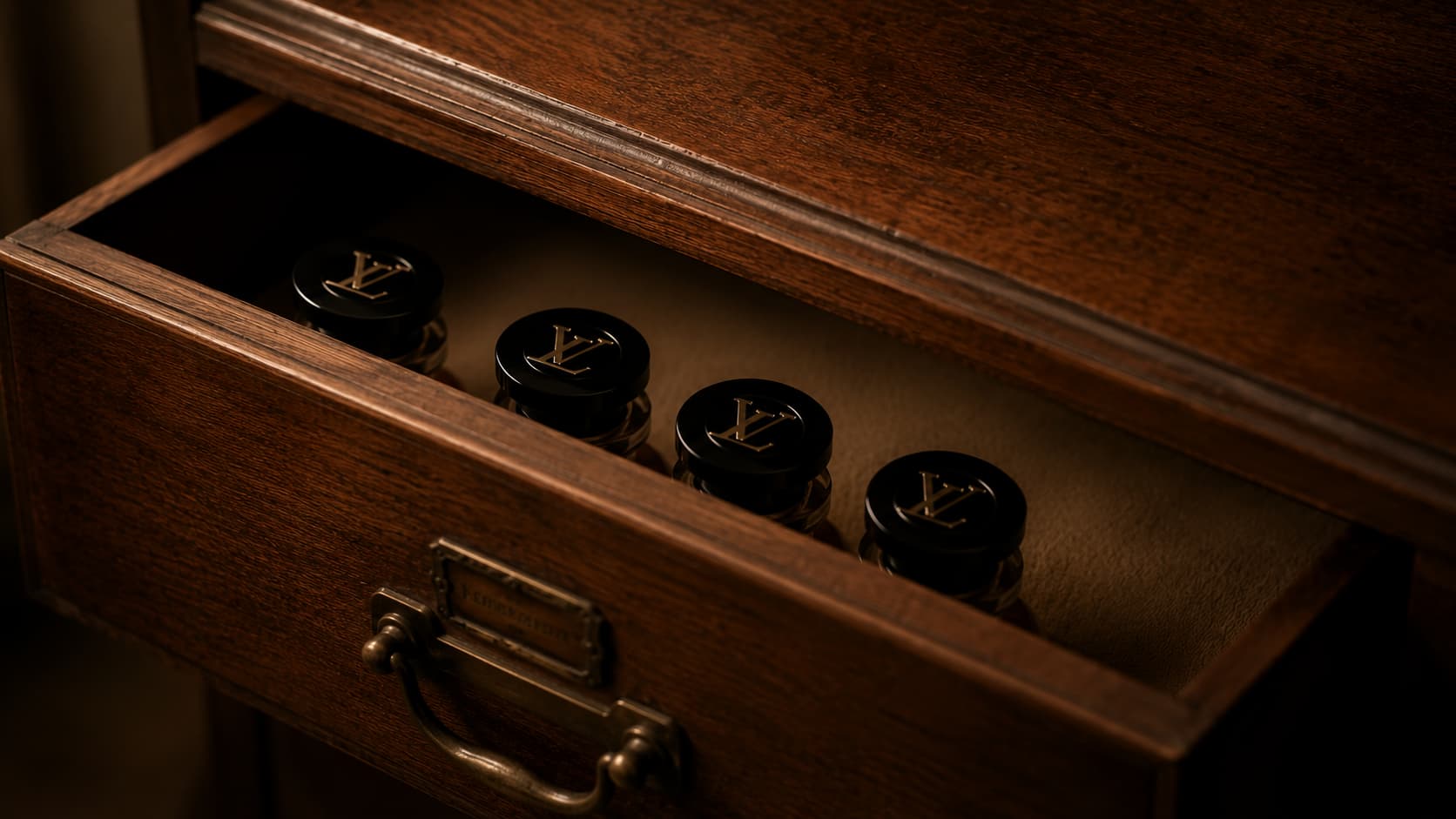
The best way to store perfume is in a cool, dark place away from direct sunlight, humidity, and large swings in temperature. That usually means a dresser drawer, a closet shelf, or a dedicated box, rather than the bathroom shelf where most bottles tend to end up.
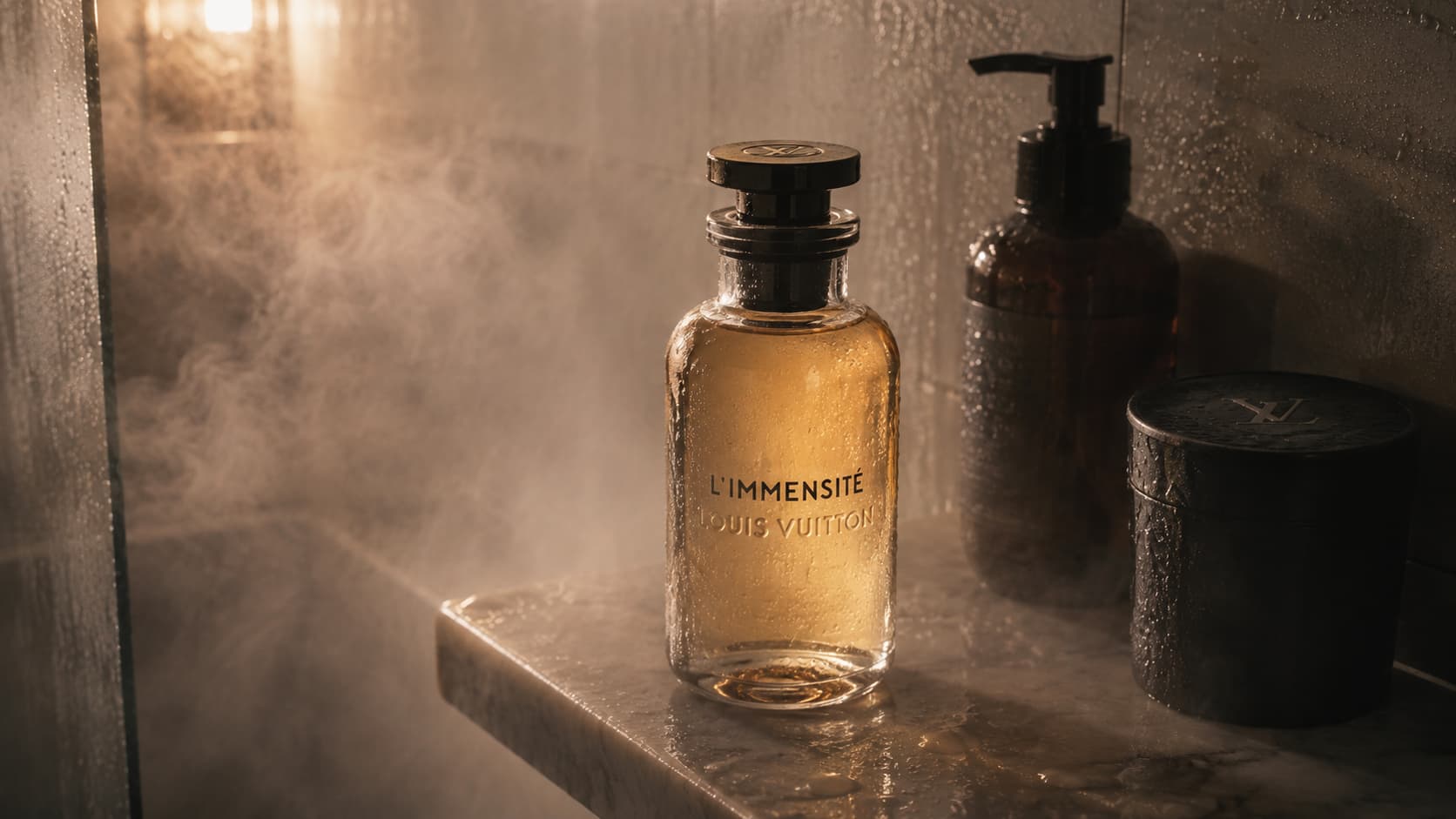
Bathrooms feel like the obvious spot since that’s where people get ready, but they’re actually one of the worst places for fragrance. Every hot shower fills the room with heat and steam, and that humidity works its way into the bottle and speeds the breakdown of the oils. Windowsills and car interiors are just as damaging, since direct sunlight and heat can cook a perfume in a matter of weeks.
A perfume kept somewhere too hot or too bright ages the same way a candle left in full sun would: slowly deforming and losing what made it good in the first place.
Room temperature, generally somewhere between 15°C and 20°C (about 60°F to 68°F), is the sweet spot for most fragrances. Bottles are also better kept standing upright rather than lying on their side, especially those with a rubber-lined cap or a dabber-style applicator, since prolonged contact between the liquid and the cap material can wear down the seal over time and let in more air than a properly closed, upright bottle would.
Should You Keep Perfume in Its Box?
Keeping perfume in its original box is a smart habit because the box blocks out light, one of the main things that damages fragrance over time. Light exposure, particularly direct sunlight or strong indoor light, can trigger chemical reactions in the oils that change both the color and the scent of the liquid inside.
Where the original packaging is long gone, a simple opaque box, a drawer, or a dark cabinet works just as well. The goal is simply to cut down on how much light reaches the glass. This matters more than most people expect, especially for lighter-colored perfumes, since discoloration is often one of the first visible signs that a fragrance is starting to age.
Should You Store Perfume in the Fridge?
A dedicated cool spot can help extend a perfume’s life, but a regular kitchen fridge isn’t recommended for most people because of the temperature swings every time the door opens. Constant movement between cold and room temperature can stress the fragrance more than keeping it at one steady, moderate temperature would.
Some serious collectors use small temperature-controlled fragrance fridges, similar to how wine collectors store bottles, and these can genuinely slow aging because they hold a steady cool temperature without fluctuation. For most collections, a closet or drawer at a consistent room temperature does the job well enough without any special equipment.
Daily Habits That Extend Perfume’s Life
The single biggest factor in extending a perfume’s life is closing the cap properly right after every spray, rather than leaving it balanced loosely on top. A cap that isn’t fully closed lets air seep in continuously between uses, and that adds up to significant extra oxidation over months of daily wear.
Shaking the bottle before spraying is also worth avoiding, even though it’s a habit many people pick up from other bottled products. Shaking perfume introduces tiny air bubbles into the liquid, and that added air contact can speed the breakdown of the fragrance oils over time. The spray mechanism draws the liquid up on its own, without any help.
Travel is another point of vulnerability. A bottle left in a hot car, a checked suitcase sitting on a sun-baked tarmac, or a gym bag for a few hours won’t ruin a fragrance instantly, but repeated exposure like this adds up faster than expected. A small opaque travel case that blocks light and cushions against heat is a better habit than carrying a full-size bottle loose in a bag.
How to Tell If Perfume Has Gone Bad
The clearest signs a perfume has expired are a changed scent, a shift in color, and a change in how the liquid looks or pours. The nose is usually the fastest and most reliable test.
Common warning signs include:
- Sour or vinegary smell — the classic sign of oxidation, usually showing up in the top notes first
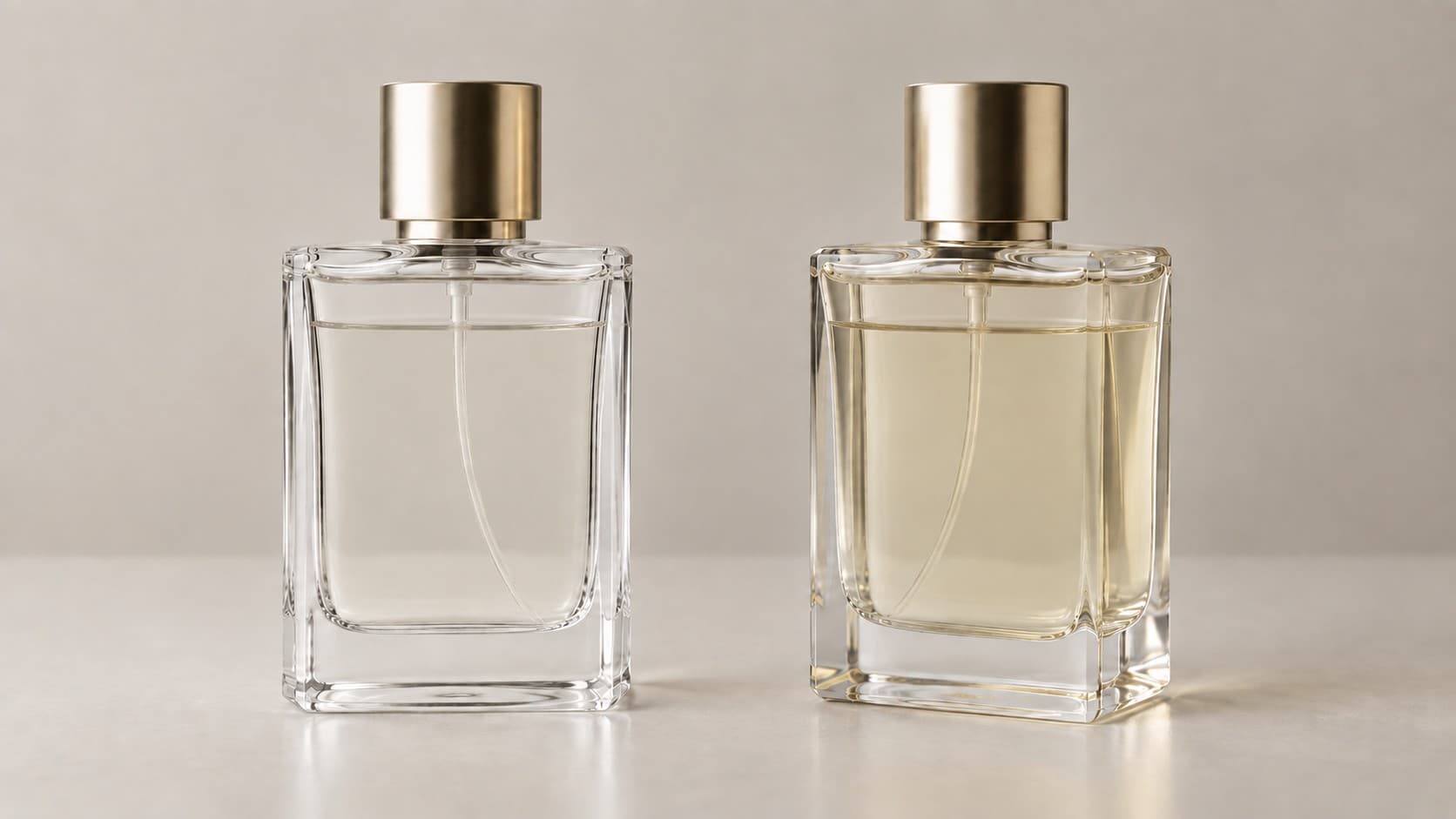
- A noticeably darker color than when the bottle was new, especially in lighter fragrances
- A musty, dusty, or “off” smell that wasn’t part of the original scent
- Cloudiness or separation in the liquid, where it no longer looks smooth and clear
- A weaker spray or a change in the mist, which can point to a damaged nozzle as much as an aged formula
One or two small changes usually mean a perfume is still fine to wear. Several of these appearing together, especially a sour smell paired with a color change, is a good sign the bottle has passed its prime and is better retired.
Testing an old bottle is easiest on a piece of paper or fabric rather than directly on skin. This allows the scent to be judged honestly without any risk of irritation, and gives the fragrance a moment to open up the way it normally would. A scent that still smells recognizably like itself after a minute or two is probably fine. One that comes across sharp, sour, or unfamiliar is better left off the skin.
Frequently Asked Questions
Can old perfume hurt the skin?
It’s unlikely to cause serious harm, but expired perfume can sometimes cause mild skin irritation or an allergic reaction because the breakdown of fragrance oils changes their chemical makeup. A perfume that smells noticeably different or sour is best patch-tested on a small area first, or avoided on skin altogether.
Does perfume expire faster once it’s half empty?
Not because of the amount left, but because a half-empty bottle has more empty air space inside it, and that extra air speeds oxidation. This is why perfume collectors sometimes decant nearly-empty bottles into smaller containers to reduce the air pocket and slow further aging.
Is it safe to use perfume past its expiration window?
In most cases yes, since perfume doesn’t become dangerous the way expired food can. The bigger issue is that it simply won’t smell the way it’s supposed to, making the real question whether the current scent is still enjoyable, not whether it’s technically safe.
Does natural or organic perfume expire faster than regular perfume?
Yes, natural and organic perfumes typically have a shorter shelf life, often around one to two years, because they skip the synthetic preservatives and stabilizers found in many mainstream fragrances. Their more delicate, plant-based ingredients break down faster once exposed to air.
How can a perfume’s production date be identified without an expiration label?
Many perfume boxes include a batch code, a short string of letters and numbers usually printed on the bottom of the box or the bottle itself, which can be checked through a brand’s customer service or an online batch-code lookup tool to estimate the manufacturing date. This is far more reliable than estimating based on how long a bottle seems to have been owned.
How should expired perfume be disposed of?
Expired perfume shouldn’t be poured down the sink or toilet, since the alcohol and concentrated oils aren’t meant to enter the water system. A household hazardous waste collection point, offered by many towns and cities for items like old cosmetics, cleaning products, and batteries, is the better option. Once a bottle is fully empty, the glass and any metal or plastic components can usually go into regular recycling after being separated, but a bottle with leftover liquid should be treated as hazardous waste rather than emptied down the drain first.
Conclusion
Perfume doesn’t need to be treated like a fragile heirloom, but it does age, and where it’s kept makes a real difference in how long it stays true to its original character. Storing bottles upright, in the dark, somewhere the temperature doesn’t swing wildly, and closing the cap tightly after every use are the habits that matter most. Done consistently, most fragrances comfortably last several years, leaving plenty of room to actually enjoy a scent instead of rationing it out of fear it will spoil too soon.