Your morning skincare routine probably feels automatic - cleanse, treat, moisturize, protect. But if you’re doing all this while wearing your favorite rings or that delicate necklace, you might be setting yourself up for problems you never saw coming. What seems like a harmless habit can actually lead to skin irritation, allergic reactions, and expensive jewelry damage. The acids in your vitamin C serum, the oils in your moisturizer, and even your gentle cleanser can interact with jewelry metals in ways that harm both your skin and your precious pieces. Professional jewelers see the results daily: dulled diamonds, tarnished settings, and customers dealing with unexpected skin reactions. The good news is that protecting yourself is simpler than you might think, and it starts with knowing when and what to remove before you begin your routine.
Which Jewelry to Remove During Skincare
Most jewelry needs to come off before skincare, but the timing depends on what you’re applying and where. The biggest risks come from trapped products against your skin and chemical reactions between skincare ingredients and metals that can cause both irritation and permanent damage. Professional dermatologists consistently rank metal jewelry among the top causes of contact dermatitis, while jewelry experts document extensive damage from routine product exposure that could have been prevented with simple removal protocols.
- All rings must come off before washing your hands or face because soap, cleansers, and treatments get trapped underneath the band where they stay in contact with your skin for hours. This creates the perfect environment for metal allergies to develop, especially with nickel-containing jewelry. Even expensive pieces aren’t immune - 14k gold contains copper that reacts with acids, and sterling silver tarnishes quickly when exposed to skincare products with low pH levels.
- Remove bracelets and watches before applying any arm, shoulder, or upper body products since creams and serums will seep under the band and create a breeding ground for bacteria. Trapped moisture combined with skincare chemicals can turn your skin green from copper reactions and cause contact dermatitis that takes weeks to heal. Watch bands made from leather or fabric materials will absorb oils permanently, leading to staining and deterioration you can’t reverse.
- Take off necklaces when using face, neck, or chest products because pendants and chains create spots where products concentrate and pool. The multiple contact points on chain necklaces make them particularly problematic since each link can trap residue that’s nearly impossible to clean out completely. Heavy pendants can press product deeper into your skin, increasing absorption of metal particles that trigger allergic reactions.
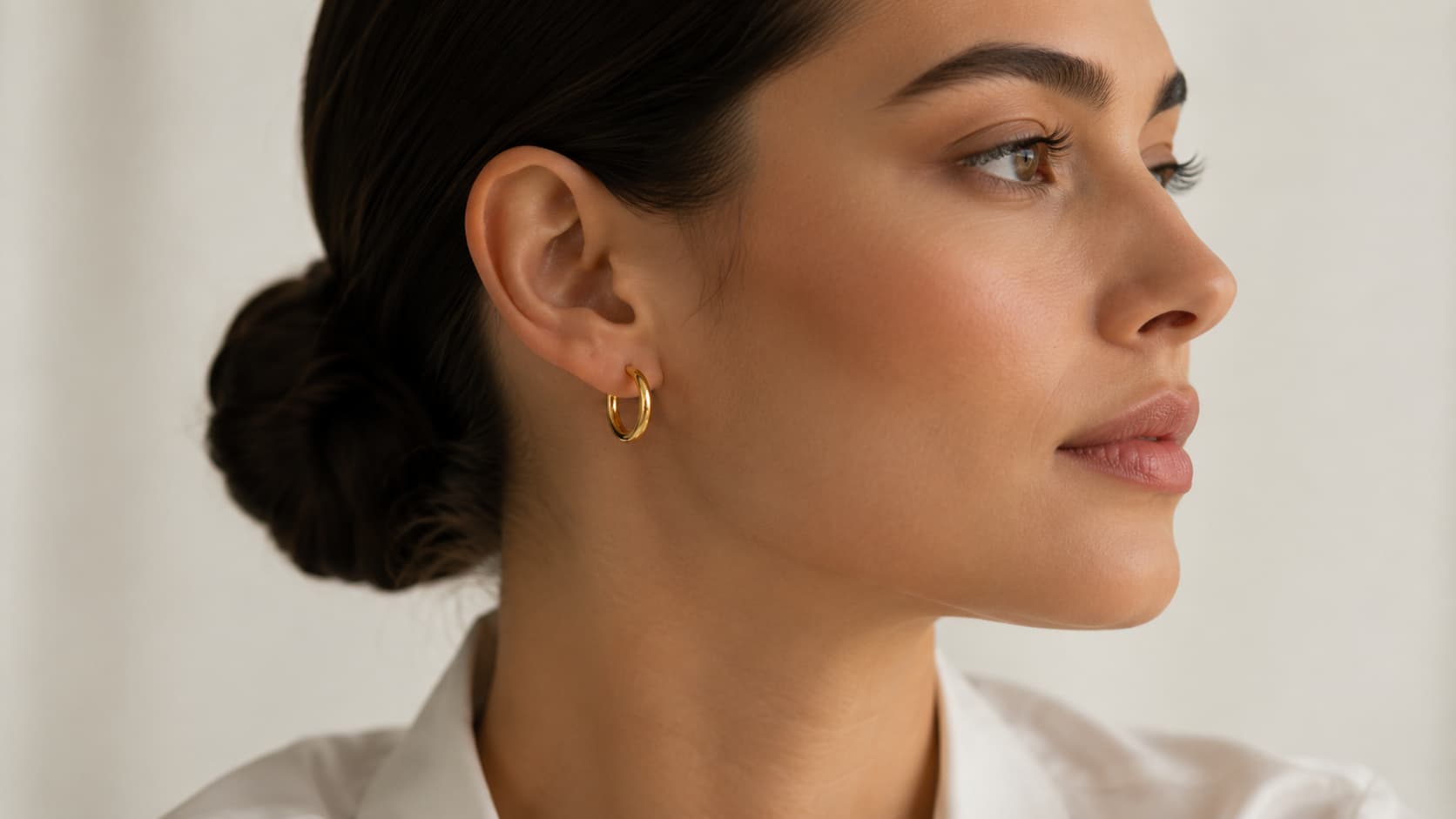
- Earrings usually stay safe during routine skincare unless you’re applying products near your ears or doing treatments that might splash. The distance from most application areas keeps them out of harm’s way. However, remove them when using hair serums, scalp treatments, or doing facial masks that extend to your hairline to avoid accidental contact with active ingredients.
- New piercings require extra caution since any skincare product contact can introduce bacteria and seriously delay healing. Keep all products away from fresh piercings for at least the first few weeks, and if you must apply something nearby, protect the area with a clean barrier first.
- Medical jewelry that can’t be removed needs special protection through careful application techniques that avoid the jewelry area entirely. If accidental contact happens, clean the area immediately with gentle soap and water to prevent product buildup that could cause skin reactions.
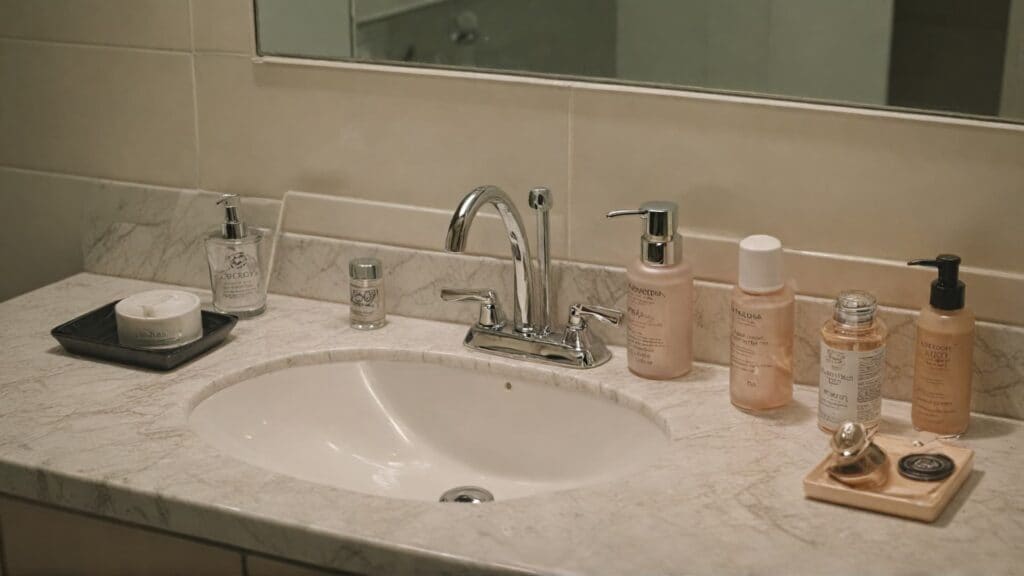
- Use small bowls or dishes right next to your sink to hold jewelry safely while you complete your routine. Choose containers with raised edges to prevent pieces from rolling away, and consider using a fine mesh strainer in the bowl to catch anything that might slip through your fingers.
The simplest rule to follow is removing anything that might come into contact with the products you’re using. Your skin will absorb skincare ingredients better without metal barriers, and your jewelry will maintain its beauty and structural integrity for years longer. This small step prevents the majority of product-related jewelry damage and skin reactions that send people to dermatologists and jewelers for expensive fixes. Think of it as a small investment in time that protects much larger investments in both your health and your jewelry collection.
Common Skincare Products That Harm Jewelry
Skincare products contain active ingredients specifically designed to change and improve your skin, but these same powerful compounds can wreak havoc on jewelry metals and gemstones. The problem isn’t just surface-level dulling that can be polished away - many skincare ingredients cause permanent chemical changes to metals that require professional repair or complete replacement. What makes this particularly frustrating is that the damage often happens gradually, so by the time you notice tarnishing, discoloration, or structural weakness, the harm has already been done and may be irreversible.
- Glycolic acid and other AHAs are powerful enough to clean industrial metals and work by breaking down bonds at the molecular level, which is exactly what happens when they contact your jewelry. At the pH levels found in skincare products (typically 3.5-4.0), these acids can dissolve the protective oxide layers on metals like silver and copper alloys, leaving them vulnerable to rapid tarnishing and corrosion that continues even after you’ve removed the product.
- Vitamin C serums require very acidic formulations to penetrate skin effectively but this same acidity forms chemical complexes with metal ions that accelerate oxidation processes. L-ascorbic acid, the most potent form of vitamin C, actually uses metals like iron and copper as catalysts for its own breakdown, creating a cycle where both the product and your jewelry deteriorate faster when in contact with each other.
- Retinoids and prescription treatments break down rapidly when exposed to metals because they’re inherently unstable compounds that react with trace amounts of iron and copper found in most jewelry alloys. This reaction not only destroys the effectiveness of your expensive skincare products but also creates reactive compounds that can cause additional damage to metal surfaces and potentially irritate your skin.
- Benzoyl peroxide acts as a strong bleaching agent that doesn’t discriminate between acne bacteria and jewelry finishes, causing permanent discoloration of metals and gemstones that professional cleaning cannot reverse. Even brief contact can cause visible lightening of gold alloys and complete removal of rhodium plating on white gold pieces.
- Moisturizers and oils create films that trap other damaging substances against jewelry surfaces while also providing the perfect environment for bacteria growth and chemical reactions to continue long after application. These films are particularly problematic because they’re designed to be long-lasting and water-resistant, making them nearly impossible to remove completely without professional ultrasonic cleaning.
- Salicylic acid maintains its corrosive properties even at higher pH levels making it one of the most consistently damaging skincare ingredients for jewelry, capable of causing visible etching on softer metals and gradual weakening of prong settings that hold gemstones in place.
- Sunscreen ingredients like avobenzone and octinoxate undergo chemical changes when exposed to light and these degradation products can cause yellow staining on metals and cloudiness in gemstones that becomes permanent over time. The titanium dioxide and zinc oxide in physical sunscreens create abrasive particles that can scratch softer metals with repeated contact.
The chemistry behind this damage is the same whether you’re dealing with a $50 fashion ring or a $5,000 engagement ring - active ingredients don’t discriminate based on price. Professional jewelers report that some of the most expensive repairs they handle come from chemical damage that could have been prevented simply by removing jewelry before skincare application. The key insight is that products formulated to create beneficial changes in living tissue often have unpredictable and harmful effects on metals and gemstones that weren’t designed to withstand repeated chemical exposure.
How Jewelry Blocks Your Skincare Results
Wearing jewelry during your skincare routine doesn’t just put your precious pieces at risk - it can actually sabotage the effectiveness of your products and create skin problems you wouldn’t have otherwise. Your jewelry acts like a barrier that prevents proper product absorption while creating pockets where bacteria, dead skin cells, and product residue accumulate throughout the day. This interference means you’re not getting the full benefits from your skincare investment, and you might be unknowingly creating conditions that lead to breakouts, irritation, and uneven results that could take weeks to resolve.
- Product buildup under rings creates a breeding ground for bacteria that can cause persistent infections and skin irritation that spreads beyond the jewelry contact area. The trapped mixture of skincare products, soap residue, dead skin cells, and moisture provides the perfect environment for harmful bacteria to multiply, leading to contact dermatitis that can take weeks to heal even after you stop wearing the jewelry.
- Uneven product application around jewelry leaves gaps in your skincare coverage that become visible over time as areas of different texture, tone, or aging patterns on your skin. The spots where rings and bracelets sit don’t receive the same level of active ingredients as surrounding skin, creating a patchwork effect that becomes more noticeable as you continue using products like retinoids or vitamin C that create visible improvements.
- Metal ions released from jewelry can neutralize active ingredients in products like vitamin C serums and AHAs, making them less effective or completely inactive in the areas where you need them most. This chemical interference means you’re essentially wasting expensive skincare products every time they come into contact with jewelry metals, reducing the overall effectiveness of your routine.
- Trapped moisture under jewelry creates the perfect conditions for fungal growth especially in areas like fingers and wrists where rings and bracelets create seal-like environments. This moisture retention can lead to persistent skin conditions that require medical treatment and may cause long-term sensitivity to wearing jewelry in those areas.
- Jewelry prevents proper exfoliation in contact areas, leading to buildup of dead skin cells that can cause rough texture, clogged pores, and a dull appearance that contrasts noticeably with properly exfoliated surrounding skin. This creates an uneven canvas that makes makeup application more difficult and reduces the overall effectiveness of your skincare routine.
- Chemical reactions between skincare ingredients and metals can create new compounds that irritate your skin in ways that neither the product nor the jewelry would cause individually. These reaction products can cause burning, stinging, or allergic responses that develop gradually over time, making it difficult to identify the cause until significant irritation has occurred.
- Jewelry creates pressure points that can drive product deeper into skin in concentrated areas, potentially causing irritation from ingredients that would be perfectly safe when applied evenly. This is particularly problematic with active ingredients like retinoids or chemical exfoliants that can cause chemical burns when concentrated in small areas under pressure.
The bottom line is that jewelry fundamentally changes how skincare products interact with your skin, and rarely for the better. Professional dermatologists frequently see patients who develop skin problems specifically in areas where jewelry interferes with their skincare routine, creating patterns of irritation that clearly outline ring and bracelet contact zones. By removing jewelry before skincare application, you ensure that products can work as intended while preventing the accumulation of debris and bacteria that leads to persistent skin problems.
Don’t Believe These Jewelry and Skincare Lies
The jewelry and skincare worlds are filled with misconceptions that can cost you money and damage your precious pieces. Many of these myths persist because they seem logical on the surface or because they’re repeated by people who haven’t experienced the consequences firsthand. The reality is that jewelry damage from skincare products follows predictable chemical principles that don’t care about price tags, brand names, or good intentions, and believing these common myths can lead to expensive mistakes that could have been easily avoided.
- “Expensive jewelry can handle anything because it’s high quality” is completely false since even platinum and 24k gold can suffer from film buildup and surface damage, while most expensive jewelry contains alloy metals that are just as vulnerable to chemical damage as cheaper pieces. The craftsmanship and materials that make jewelry expensive often include delicate settings, intricate details, and specialized finishes that are actually more susceptible to damage than simpler pieces, making protection even more critical for valuable items.
- “Natural and organic skincare products are always safe for jewelry” ignores the fact that many of the most damaging ingredients for metals come from natural sources, including citric acid from fruits, lactic acid from fermented ingredients, and various plant-based acids that can cause rapid tarnishing and corrosion. Natural doesn’t mean gentle when it comes to chemical interactions, and some organic formulations use higher concentrations of active acids than synthetic alternatives.
- “Gentle or sensitive skin formulations won’t damage jewelry” overlooks the reality that products designed for sensitive skin often rely on chemical exfoliants and low pH formulations to achieve results without physical irritation, making them potentially more damaging to metals than products that use mechanical exfoliation or neutral pH formulations.
- “Quick contact won’t cause damage” fails to recognize that some chemical reactions between skincare ingredients and metals happen almost instantaneously, with visible tarnishing possible within minutes of contact, while other types of damage accumulate over time through repeated brief exposures that seem harmless individually but create significant problems collectively.
- “Professional jewelry is designed to withstand daily wear” confuses mechanical durability with chemical resistance, since jewelry is engineered to handle physical stresses like impact and friction but not prolonged exposure to acids, oxidizing agents, and other reactive chemicals found in modern skincare formulations.
- “Rinsing immediately after contact prevents all damage” assumes that all skincare ingredients are water-soluble and easily removed, when many modern formulations are specifically designed to be long-lasting and water-resistant, making them difficult to remove completely even with thorough rinsing, while some chemical reactions happen so quickly that damage occurs before rinsing can be effective.
- “Tarnishing is just cosmetic and doesn’t affect jewelry value” underestimates how chemical damage progresses from surface discoloration to deeper structural problems that can weaken settings, damage gemstones, and require expensive restoration to maintain both appearance and integrity of valuable pieces.
- “If it doesn’t irritate my skin, it won’t hurt my jewelry” ignores the fundamental difference between biological systems that can repair and adapt to chemical exposure and inorganic materials like metals and gemstones that suffer permanent damage from the same substances that might be beneficial or harmless to living tissue.
The most dangerous aspect of these myths is that they create false confidence that leads people to take unnecessary risks with valuable jewelry. Professional jewelers consistently report that the most expensive repairs they handle come from customers who believed one of these common misconceptions and learned too late that chemical damage doesn’t discriminate based on good intentions or logical assumptions.
How Different Metals React to Skincare Products
Different metals react uniquely to skincare ingredients, which means your jewelry’s vulnerability depends entirely on what it’s made from. Pure metals like platinum and titanium offer excellent resistance, while alloys commonly used in everyday jewelry can suffer rapid and permanent damage from routine product exposure. The key to protecting your pieces is knowing which metals are most at risk and adjusting your removal habits accordingly, since even expensive jewelry often contains vulnerable alloy metals that can be damaged by ingredients you use daily.
- Sterling silver shows visible tarnishing within 24-48 hours of exposure to skincare products with pH levels below 5.0, which includes most vitamin C serums, AHAs, and many acne treatments. The 7.5% copper content in sterling silver reacts rapidly with acids and oxygen, creating black silver sulfide that requires professional polishing to remove completely. Even brief contact with retinoids can cause permanent discoloration that penetrates deep enough into the metal to resist standard cleaning methods.
- 14k and 18k gold jewelry contains 25-42% other metals including copper, silver, and nickel that make these pieces surprisingly vulnerable to chemical damage despite their high gold content. The copper component reacts with acids to create green corrosion products that can permanently stain both the jewelry and your skin, while nickel components can cause allergic reactions that worsen when combined with skincare ingredients that increase metal absorption through the skin.
- White gold requires special attention because its rhodium plating can be stripped away by prolonged exposure to acidic skincare products, revealing the yellow or gray base metal underneath and requiring expensive re-plating to restore its appearance. Benzoyl peroxide is particularly destructive to rhodium finishes, causing permanent bleaching that cannot be reversed through cleaning alone.
- Platinum offers the best resistance to chemical damage from skincare products due to its inert nature and lack of reactive alloy metals, making it the safest choice for people who frequently forget to remove jewelry during skincare routines. However, even platinum can suffer from film buildup that dulls its natural luster and requires professional cleaning to restore its appearance.
- Stainless steel and titanium provide excellent protection against most skincare ingredients, though prolonged exposure to chlorinated products and certain acids can still cause surface discoloration over time. These metals are particularly good choices for people with sensitive skin since they rarely cause allergic reactions even when combined with skincare products.
- Rose gold’s high copper content makes it extremely vulnerable to acid damage and oxidation, with some pieces showing visible green discoloration after just a few exposures to acidic skincare products. The romantic pink color comes from copper alloys that react readily with skincare acids, making this one of the most maintenance-intensive jewelry metals for people with extensive skincare routines.
- Vintage and antique jewelry often contains unusual alloy combinations that can react unpredictably to modern skincare ingredients, with some pieces containing lead, cadmium, or other metals that create unexpected chemical reactions. These pieces require extra caution since replacement or repair may be impossible if damage occurs, and the metals used may not meet current safety standards for prolonged skin contact.
- Fashion jewelry and costume pieces typically use base metals like brass, copper, or nickel with thin plating that can be completely destroyed by a single exposure to acidic skincare products. These pieces often contain high levels of nickel and other allergens that become more problematic when combined with skincare ingredients that increase absorption through the skin.
The metal composition of your jewelry determines not just its vulnerability to damage, but also its potential to cause skin reactions when combined with skincare products. Even if a piece has never caused skin irritation before, the addition of acidic skincare products can change how metals interact with your skin and potentially trigger new sensitivities that persist even after you stop wearing the jewelry.
Which Skincare Steps Require Jewelry Removal?
Not every step in your skincare routine poses the same level of risk to your jewelry, but knowing which products and application methods create the highest danger helps you prioritize when removal is absolutely essential versus when you might get away with keeping pieces on. The timing of removal within your routine can make the difference between minor dulling that professional cleaning can fix and permanent damage that requires costly repairs or complete replacement of beloved pieces.
- Face and hand cleansing demands complete jewelry removal because cleansers are specifically formulated to break down oils, makeup, and debris - the same action that strips protective coatings from jewelry and allows damaging ingredients to penetrate metal surfaces. Foaming cleansers are particularly problematic since they create bubbles that get trapped under rings and in chain links, extending contact time and allowing surfactants to work on metal surfaces long after you’ve finished washing.
- Chemical exfoliation with AHAs and BHAs requires immediate removal since these products contain the same types of acids used in industrial metal cleaning applications, capable of causing visible etching and permanent surface damage within minutes of contact. The glycolic, lactic, and salicylic acids in these products maintain their corrosive properties even at the diluted concentrations used in skincare, making them among the most dangerous ingredients for jewelry.
- Vitamin C serum application needs jewelry-free skin because the low pH required for vitamin C stability (typically 3.0-3.5) creates ideal conditions for metal corrosion, while the vitamin C itself uses metal ions as catalysts for oxidation reactions that damage both the product and your jewelry simultaneously. Even L-ascorbic acid derivatives that claim to be more stable can cause problems when they come into contact with the trace metals found in most jewelry alloys.
- Retinoid treatments pose dual risks since these products break down rapidly when exposed to metals, reducing their effectiveness while creating reactive breakdown products that can cause additional damage to jewelry surfaces. The instability of retinoids means that contact with jewelry not only wastes expensive products but can also create compounds that irritate your skin more than the original retinoid would alone.
- Moisturizer application allows for more flexibility depending on the specific formulation and where you’re applying it, though removal is still recommended for hand and neck moisturizers that come into direct contact with rings and necklaces. Oil-based moisturizers are particularly problematic since they create long-lasting films that trap other damaging substances against jewelry surfaces while providing ideal conditions for bacterial growth.
- Sunscreen application generally permits jewelry to stay on since most sunscreen formulations are less acidic than treatment products, though chemical sunscreens containing avobenzone can cause yellow staining over time, and physical sunscreens with zinc oxide or titanium dioxide can create abrasive buildup that scratches softer metals with repeated contact.
- Eye cream application usually allows jewelry to remain since these products are formulated to be gentler and are applied far from most jewelry contact points, though you should remove earrings when using products that extend to the hairline or when doing comprehensive eye treatments that might drip or spread beyond the intended area.
- Spot treatments and acne medications require complete avoidance of jewelry in the treatment area since these products often contain benzoyl peroxide, salicylic acid, or other aggressive ingredients at higher concentrations than regular skincare products, capable of causing immediate and permanent damage to metals and gemstones.
The key principle is that products with lower pH levels, higher active ingredient concentrations, or longer recommended contact times pose greater risks to jewelry and should always trigger removal. When in doubt, the safest approach is removal, since the few extra seconds it takes to remove and replace jewelry is minimal compared to the time and money required to repair or replace damaged pieces.
Cleaning Skincare Off Your Jewelry
Even with the best intentions, accidents happen - you forget to remove a ring before applying vitamin C serum, or moisturizer drips onto your necklace during your routine. The speed and method of your response can mean the difference between minor dulling that cleans off easily and permanent damage that requires professional repair. Different types of products and metals require specific emergency protocols, and knowing what to do immediately can save you hundreds of dollars in repair costs.
- Stop wearing the piece immediately and assess the situation because continued wear allows the product to work on the metal surface and penetrate deeper into porous materials, while movement and friction can spread the damage to previously unaffected areas. Remove the jewelry carefully to avoid spreading product to other pieces or embedding it further into settings and chain links where it becomes much harder to clean completely.
- Rinse thoroughly with lukewarm water within the first few minutes since most skincare products are designed to be water-resistant but haven’t had time to fully set or penetrate deeply into metal surfaces if you act quickly. Use a gentle stream rather than high pressure to avoid forcing product deeper into crevices, and continue rinsing until the water runs completely clear around all surfaces of the piece.
- Use mild dish soap for products that resist water rinsing such as oil-based moisturizers, sunscreens, or waterproof formulations that cling to surfaces, but avoid harsh detergents or cleaners that can cause additional damage to delicate metals or gemstones. Dawn or similar grease-cutting formulas work well because they’re designed to break down oils without being overly aggressive to most jewelry materials.
- Dry completely with a soft, lint-free cloth immediately after cleaning to prevent water spots and remove any remaining product residue that could cause ongoing damage, paying special attention to areas where water might pool like behind gemstone settings or in chain links. Use dabbing motions rather than wiping to avoid scratching softer metals, and make sure every surface is completely dry before storage.
- Assess for immediate damage like discoloration, film buildup, or texture changes that indicate the product has already caused chemical changes to the metal surface, taking photos if necessary to document the condition for insurance purposes or professional consultation. Look for green or black tarnishing, cloudiness on gemstones, or any changes to the surface finish that weren’t present before product contact.
- Seek professional evaluation within 24-48 hours for valuable pieces since some types of damage become progressively worse over time, and early intervention can often prevent minor damage from becoming major problems that require expensive restoration. Professional jewelers have specialized cleaning equipment and techniques that can address damage that home cleaning methods cannot handle safely.
- Avoid home remedies like baking soda, toothpaste, or commercial jewelry cleaners on pieces that have been exposed to skincare products, since these can react with product residues or cause additional damage to already compromised metal surfaces. Many popular DIY cleaning methods are too abrasive for jewelry that’s been chemically damaged and can cause irreversible harm to delicate pieces.
- Document the incident for insurance purposes if the jewelry is valuable or has sentimental significance, including photographs of any damage and records of the product that caused the problem, since some jewelry insurance policies cover chemical damage if properly documented and reported promptly.
The most critical factor in emergency jewelry cleaning is speed - the longer products remain in contact with metals and gemstones, the more likely they are to cause permanent damage that can’t be reversed through cleaning alone. Professional jewelers consistently report that pieces brought in immediately after product contact have much better outcomes than those where owners waited days or weeks before seeking help.
Special Rules for Expensive and Antique Jewelry
Every piece of jewelry presents unique challenges when it comes to skincare routines, from the wedding ring you never want to remove to delicate vintage pieces that require extra care. The design, materials, and daily wear patterns of different jewelry types determine not just how vulnerable they are to damage, but also how practical it is to remove them regularly and what special precautions you need to take to keep them safe.
- Wedding rings face the highest risk of all jewelry pieces because they’re worn constantly and come into contact with hand soaps, moisturizers, and cleaning products multiple times daily, creating a cycle of chemical exposure that gradually dulls stones and weakens metal over time. The emotional attachment to these pieces often makes people reluctant to remove them, but the constant exposure to skincare products can cause irreversible damage that’s far more costly than developing a removal habit.
- Engagement rings with delicate settings require extra caution since the prongs holding valuable gemstones can be weakened by chemical exposure, potentially leading to stone loss that’s both emotionally devastating and financially significant. The intricate metalwork in many engagement ring designs creates crevices where skincare products accumulate and cause concentrated damage that’s difficult to clean without professional intervention.
- Tennis bracelets and delicate chain jewelry pose unique removal challenges because their small clasps and intricate links make them time-consuming to remove and easy to damage during the process, leading many people to leave them on and accept the skincare damage as inevitable. However, the multiple contact points and fine metalwork in these pieces make them particularly vulnerable to product buildup that can only be removed through professional ultrasonic cleaning.
- Vintage and antique jewelry often contains older alloy formulations that react differently to modern skincare ingredients than contemporary pieces, with some containing metals like cadmium or unusual copper alloys that can cause unexpected discoloration or structural damage when exposed to today’s more potent active ingredients.
- Medical alert jewelry and religious pieces that can’t be easily removed need protection through careful product application techniques that completely avoid the jewelry area, along with immediate cleaning protocols if accidental contact occurs to prevent long-term damage or skin irritation in areas where the jewelry must continue to be worn.
- Body piercing jewelry in healing piercings creates a special situation where removal isn’t possible but skincare product contact can introduce bacteria and significantly delay healing, requiring extreme care to keep all products away from the piercing site and immediate cleaning if accidental contact occurs.
- Watches with leather or fabric bands absorb skincare products permanently leading to staining, odor, and material breakdown that can’t be reversed, while metal watch bands can trap products in their links and adjustment mechanisms where they cause corrosion and functional problems that affect the watch’s operation.
- Statement earrings and chandelier styles with multiple components create numerous surfaces and joints where skincare products can accumulate, leading to dulling and potential structural damage as products work their way into the mechanisms that hold decorative elements in place.
- Stackable rings and layered jewelry create additional complexity since the multiple contact points between pieces can trap products and create concentrated areas of chemical exposure that cause accelerated damage compared to individual pieces worn alone.
The most important consideration for any jewelry type is developing removal habits that work with your lifestyle and daily routines. Pieces that are difficult to remove daily might benefit from weekly professional cleaning to address accumulated damage, while jewelry that’s easy to remove should come off before every skincare application to prevent any product contact at all.
How to Build a Jewelry-Safe Skincare Routine
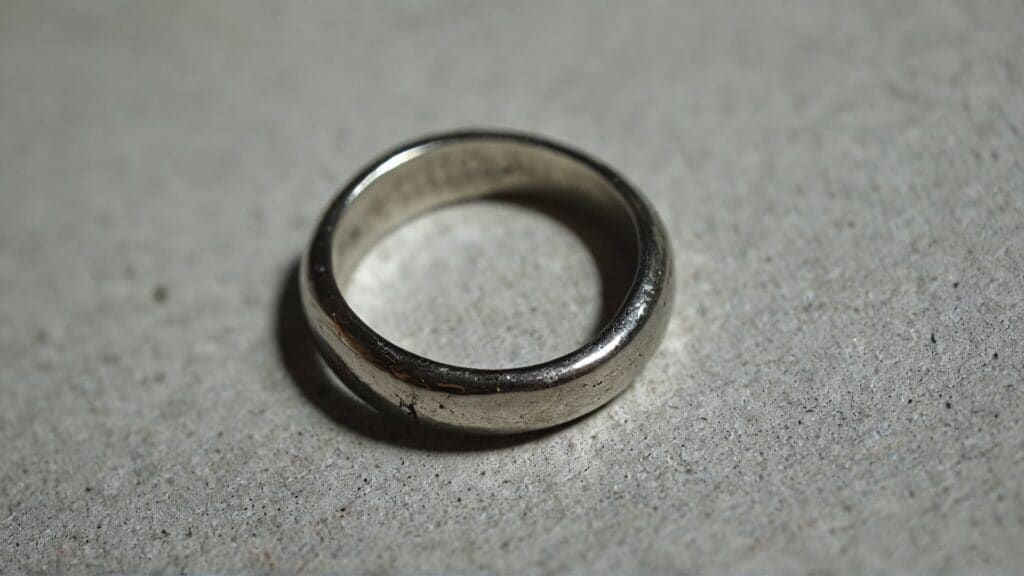
Developing a skincare routine that protects your jewelry requires more than just remembering to remove pieces - it demands strategic timing, proper storage solutions, and workflow adjustments that become second nature with practice. The goal is creating a system so seamless that jewelry protection becomes automatic, eliminating the stress of remembering each step while ensuring both your skin and precious pieces get the care they deserve. A well-designed routine actually saves time in the long run by preventing the interruptions and delays that come from dealing with damaged jewelry or skin reactions.
- Establish designated jewelry zones in your bathroom and bedroom with small dishes, jewelry trays, or magnetic containers positioned exactly where you’ll need them during your routine, making removal feel natural rather than like an extra chore. Choose containers with raised edges or compartments to prevent pieces from rolling away, and consider using different containers for different routine steps so you always know where everything belongs.
- Follow the “Last On, First Off” timing rule religiously by making jewelry the final step before leaving home and the immediate first step when beginning any beauty routine, creating clear boundaries that prevent accidental product contact. This timing also ensures you’re never rushing to remove jewelry when you’re already focused on skincare application, reducing the risk of dropping or losing pieces in your hurry.
- Build in waiting periods between product application and jewelry replacement since most skincare ingredients need 10-15 minutes to fully absorb into skin, and replacing jewelry too quickly can transfer active ingredients from your skin back onto metal surfaces. Use this waiting time for other routine activities like brushing teeth, choosing clothes, or preparing breakfast rather than seeing it as wasted time.
- Create morning and evening jewelry storage systems that account for different routine needs, with morning storage focused on quick access and security near your skincare area, while evening storage emphasizes proper long-term care with anti-tarnish materials and adequate ventilation away from bathroom humidity.
- Develop backup plans for travel and unusual circumstances such as hotel bathrooms without adequate counter space or situations where you’re doing skincare away from your normal setup, including portable jewelry containers and simplified routines that maintain protection even when your normal systems aren’t available.
- Establish weekly deep-cleaning protocols for jewelry that gets daily wear and regular exposure to hand soaps, moisturizers, and environmental pollutants, using this time to inspect pieces for early signs of damage and address any accumulated buildup before it becomes problematic. Professional jewelers recommend weekly attention for frequently worn pieces rather than waiting for annual cleanings.
- Plan product application order to minimize jewelry contact risk by doing all potentially damaging treatments first when jewelry is definitely off, followed by gentler products that pose lower risk if accidental contact occurs, and finishing with products like sunscreen that generally allow jewelry to remain on safely.
- Keep emergency cleaning supplies easily accessible including mild dish soap, soft cloths, and clean water for immediate response to accidental product contact, positioned where you can reach them quickly without having to search through cabinets while product continues working on your jewelry.
- Schedule regular routine evaluations to identify weak points where accidents commonly occur and adjust your system accordingly, since even small improvements in workflow can dramatically reduce the likelihood of costly mistakes over time.
The most successful jewelry-friendly skincare routines feel effortless because they work with your natural habits rather than against them. Professional makeup artists and skincare specialists who work with valuable jewelry daily emphasize that the key is creating systems that feel convenient and logical, making protection an automatic part of your routine rather than an extra burden to remember.
Expert Daily Care Habits for Valuable Jewelry
Professional jewelers, gemologists, and dermatologists have developed specific protocols for maintaining jewelry that regularly comes into contact with skincare products. These expert recommendations go beyond basic removal advice to address the real-world challenges of daily wear, environmental factors, and the cumulative effects of product exposure over time. The strategies professionals use for high-value pieces and sensitive clients can be adapted for any jewelry collection to prevent damage and extend the life of your favorite pieces.
- Implement daily maintenance rituals that take less than 30 seconds but provide significant protection against accumulated damage from environmental exposure and incidental product contact throughout the day. Professional jewelers recommend a quick daily wipe with a clean microfiber cloth to remove oils, residue, and potential contaminants before they have time to react with metal surfaces or penetrate into settings and chain links.
- Rotate your jewelry collection regularly to give pieces time to “rest” and recover from daily exposure to oils, moisture, and environmental contaminants that can cause gradual damage even without direct skincare product contact. This rotation also allows time for thorough cleaning and inspection of individual pieces without disrupting your daily routine or leaving you without accessories.
- Store jewelry in climate-controlled environments away from bathroom humidity and temperature fluctuations that accelerate tarnishing and corrosion processes, since moisture in the air combines with residual skincare products and environmental pollutants to create ongoing chemical reactions even when jewelry isn’t being worn.
- Use anti-tarnish storage materials including specially treated fabrics, silica gel packets, or anti-tarnish strips in jewelry boxes and storage areas, since these materials actively absorb moisture and neutralize airborne chemicals that cause gradual damage over time, extending the periods between necessary professional cleanings.
- Schedule professional inspections every six months rather than waiting for annual cleanings, since regular professional attention can identify early signs of chemical damage, loose settings, and accumulated buildup before they become expensive problems that require major restoration work.
- Keep detailed records of jewelry care and any product exposure incidents including photographs that document condition over time, since this information helps professional jewelers provide better care recommendations and can be valuable for insurance purposes if significant damage occurs.
- Invest in proper cleaning tools including soft-bristled toothbrushes for detailed cleaning, lint-free cloths that won’t scratch delicate surfaces, and mild cleaning solutions appropriate for your specific jewelry metals and gemstones, avoiding generic jewelry cleaners that may be too harsh for pieces that have been exposed to skincare products.
- Learn to recognize early warning signs of chemical damage including slight discoloration, unusual odors, or changes in surface texture that indicate ongoing chemical reactions, since catching these problems early often allows for simple professional cleaning rather than expensive restoration or re-plating.
- Establish emergency protocols for valuable pieces that accidentally contact skincare products, including immediate removal and cleaning procedures, professional contacts for urgent situations, and documentation methods for insurance purposes if significant damage occurs.
- Consider professional protective treatments such as rhodium plating for white gold pieces or protective coatings for frequently worn items that are difficult to remove daily, since these treatments can provide additional protection against chemical damage while maintaining the jewelry’s appearance and wearability.
The most important insight from jewelry professionals is that prevention costs far less than repair, and developing good habits early prevents the accumulation of damage that eventually requires expensive restoration. Professional jewelers emphasize that clients who follow consistent care protocols rarely need major repairs, while those who ignore preventive measures often face significant restoration costs that could have been avoided with simple daily attention.
Conclusion
Protecting your jewelry during skincare routines isn’t just about preserving expensive pieces - it’s about maintaining the value, beauty, and safety of items that hold personal significance while ensuring your skincare products work as intended. The evidence from dermatologists, jewelry professionals, and chemical research consistently shows that even brief contact between common skincare ingredients and jewelry metals can cause immediate damage, long-term deterioration, and skin reactions that affect both your health and your investment. The acids in vitamin C serums, the oxidizing agents in acne treatments, and even gentle moisturizers can permanently alter metal surfaces, weaken settings, and create conditions that lead to allergic reactions and structural failures.
The solution requires developing systematic habits that become as automatic as applying your skincare products themselves. Simple protocols like the “Last On, First Off” rule, designated jewelry storage areas, and proper timing between product application and jewelry replacement create protective barriers that prevent the vast majority of damage while improving skincare absorption and effectiveness. Professional jewelers consistently report that clients who follow these basic prevention strategies rarely need expensive repairs, while those who ignore the risks often face restoration costs that far exceed the time investment required for proper care protocols.
Your jewelry collection represents both financial investment and emotional connection, while your skincare routine supports your health and confidence. These two important aspects of self-care don’t have to conflict when you understand the science behind their interactions and implement proven protection strategies. By taking the small step of removing jewelry before skincare application, you ensure that both your precious pieces and your skin receive the care they deserve, preventing costly damage while maximizing the benefits of your beauty routine for years to come.