In the diverse world of gemstones, salt and pepper diamonds stand out as nature’s artistic expression of imperfection. These unique diamonds challenge the traditional notion that a perfect diamond must be completely clear and flawless. Instead, they celebrate the natural inclusions that make each stone one-of-a-kind, featuring distinctive patterns of black and white specks that resemble the seasoning they’re named after. As modern jewelry enthusiasts increasingly seek out pieces with character and story, salt and pepper diamonds have risen in popularity, offering an alternative approach to luxury that values uniqueness over conventional standards of perfection.
What Is a Salt and Pepper Diamond?
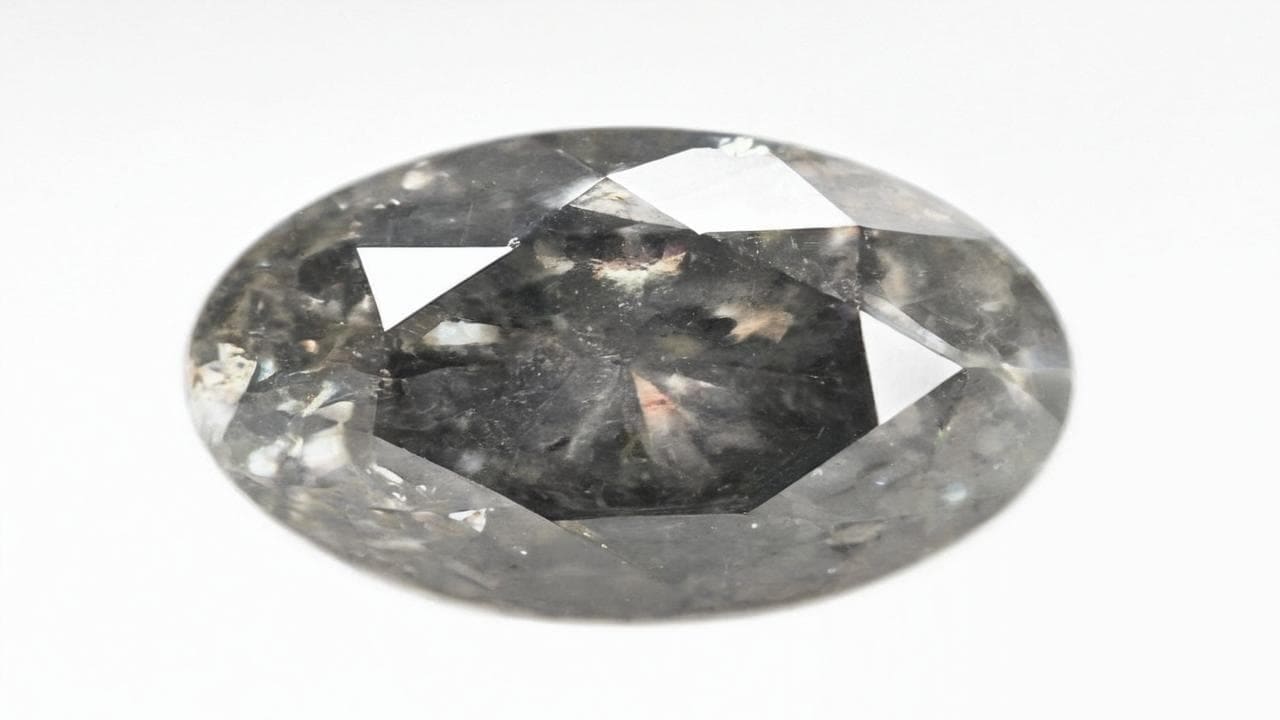
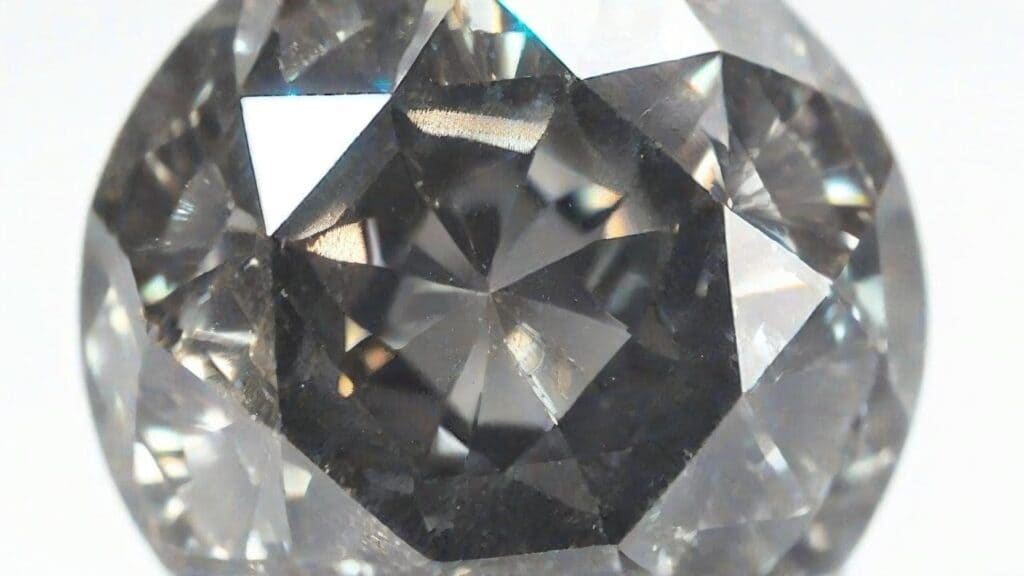
Salt and pepper diamonds are natural diamonds characterized by their visible black and white inclusions that create a speckled, galaxy-like appearance within the stone. Unlike traditional diamonds where clarity is paramount, these diamonds embrace their inclusions as their defining feature. The growing interest in these unique stones reflects a shift in preferences toward more distinctive, character-filled gemstones that tell a story and stand out from conventional jewelry options. While they’ve been mined alongside clear diamonds for centuries, they were historically considered less desirable and often used for industrial purposes rather than jewelry. Today, they’ve found their place in the spotlight as contemporary consumers embrace their distinctive aesthetic appeal.
- Salt and pepper diamonds are 100% natural diamonds with the same chemical composition of pure carbon and hardness of 10 on the Mohs scale as traditional clear diamonds. They simply contain more visible inclusions that occurred during their formation billions of years ago.
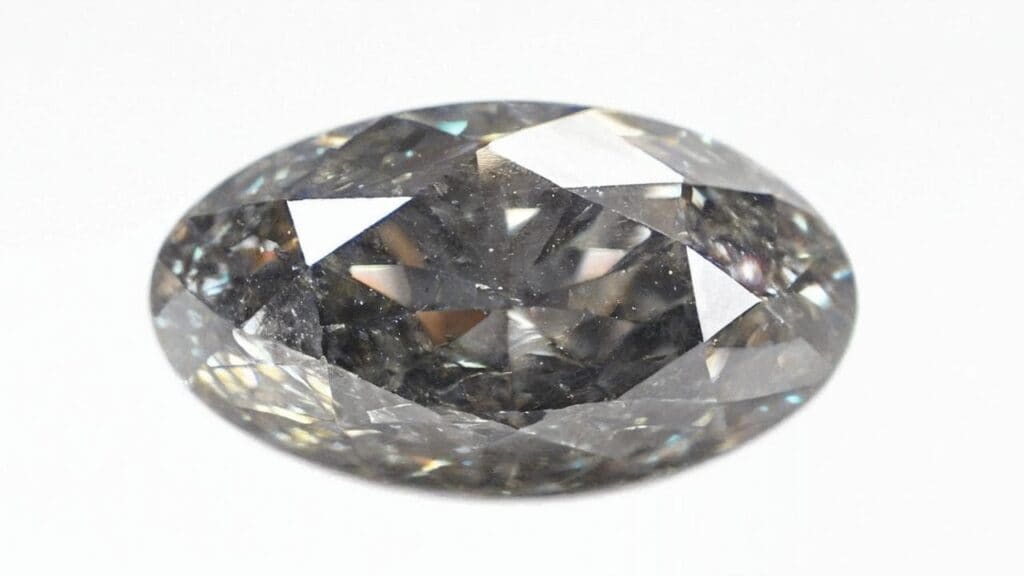
- Each stone displays a unique constellation of black carbon spots, white cloudy areas, mineral crystals, and tiny fractures, creating patterns that can resemble starry night skies, snow-covered landscapes, or abstract art. This uniqueness means no two salt and pepper diamonds are identical.
- These diamonds often feature a translucent to semi-opaque appearance, with base colors ranging from clear to smoky gray, champagne, or even slightly yellowish tints. The background color serves as a canvas that enhances the contrast of the inclusions.
- The term “inclusion” in diamonds typically refers to any internal characteristic or irregularity. In salt and pepper diamonds, these are primarily carbon spots known as the “pepper” and white crystal inclusions called the “salt,” which are actually minerals like quartz or calcite that got trapped during formation.
- Unlike traditional diamonds where value decreases with more inclusions, the value of salt and pepper diamonds is based on the aesthetic appeal of their inclusion pattern, the contrast between clear areas and inclusions, and the overall visual impact of the stone.
- While traditional diamonds are typically cut to maximize brilliance and sparkle, salt and pepper diamonds are often cut in ways that highlight their unique inclusion patterns, such as rose cuts with flat bottoms and domed tops, kite shapes, hexagons, or other non-traditional cuts.
Salt and pepper diamonds represent a fundamentally different philosophy in how we value gemstones. Rather than obsessing over flawlessness, they celebrate nature’s variations and imperfections. These diamonds appeal to those who appreciate uniqueness, sustainability, and individualism in their jewelry choices. Each stone tells its own geological story through its particular arrangement of inclusions, offering wearers a truly one-of-a-kind piece that can’t be duplicated, no matter how hard one might try.
Characteristics of Salt and Pepper Diamonds
The visual appeal of salt and pepper diamonds comes from their distinctive inclusion patterns, which create depth, character, and visual interest within each stone. Unlike traditional diamonds that are valued for their clarity and transparency, these unique gems showcase nature’s artwork through their diverse arrangements of black, white, and sometimes colored inclusions against varying background tones. The most sought-after specimens offer dramatic contrast between the clear diamond material and bold, well-distributed inclusions.
- The inclusions in salt and pepper diamonds are primarily carbon spots appearing black, white cloudy areas resembling tiny snowflakes, crystal inclusions from minerals trapped during formation, and tiny feather-like fractures. Some may also contain pinpoint inclusions or tiny spots and needle-like structures that create unique light effects.
- The density of inclusions varies dramatically between stones – some may have sparse, delicate speckling similar to a light dusting of seasoning, while others are heavily included with bold, dramatic patterns that dominate the stone. Neither is inherently better – it’s about personal preference and the specific aesthetic appeal of each unique pattern.
- While traditional diamonds are graded on the “Four Cs” including cut, color, clarity, and carat, salt and pepper diamonds have their own evaluation criteria focused on the aesthetic appeal of inclusion patterns, contrast between light and dark elements, overall visual impact, and the creativity of the cut that highlights these features.
- Many salt and pepper diamonds display intriguing optical effects not seen in clear diamonds, such as light scattering through inclusions creating a galaxy-like effect, or reflective mineral inclusions that catch light in unexpected ways. Some even contain inclusions that create natural patterns resembling landscapes, celestial objects, or abstract art.
- The background color ranges from colorless to gray, smoky brown, champagne, or yellow tints. This background tone can significantly impact the overall appearance of the stone, with some collectors preferring the stark contrast of black inclusions against a clear background, while others appreciate the depth added by a smoky or tinted backdrop.
- Unlike traditional diamonds where inclusions are hidden by strategic setting, salt and pepper diamonds are often mounted to display and celebrate their inclusions, with many designs incorporating open settings, bezel settings, or prongs specifically positioned to showcase the most interesting parts of the inclusion pattern.
The diverse characteristics of salt and pepper diamonds make them particularly appealing to those seeking jewelry that reflects individuality and breaks away from convention. These stones offer an organic, natural aesthetic that appeals to modern sensibilities and ethical considerations. Their uniqueness means each piece becomes a personal statement, with inclusion patterns as distinct as fingerprints, ensuring no one else will ever have exactly the same stone.
How Are Salt and Pepper Diamonds Formed
Salt and pepper diamonds form through the same geological processes as their clear counterparts, crystallizing under extreme heat and pressure deep within the Earth’s mantle. The key difference lies in the environment during their formation, which leads to the distinctive inclusions that define these stones. Their journey from carbon to diamond spans billions of years and includes the entrapment of various minerals and elements that create their signature speckled appearance.
- Salt and pepper diamonds form at depths of approximately 90-120 miles beneath the Earth’s surface, where temperatures reach 2000-2200°F and pressure exceeds 725,000 pounds per square inch. These extreme conditions transform carbon into diamond over periods ranging from 1 to 3.3 billion years.
- The distinctive inclusions in these diamonds occur when foreign materials are trapped during the crystallization process. Black inclusions typically form when graphite or other carbon allotropes become encased within the growing diamond. White inclusions usually result from minerals like quartz, calcite, or other crystalline substances becoming trapped in the diamond structure.
- Unlike traditional clear diamonds that formed in relatively “clean” carbon environments, salt and pepper diamonds developed in more mineral-rich surroundings, which led to the incorporation of more foreign materials. Some geologists believe rapid growth periods may have contributed to trapping more inclusions.
- Fluctuations in temperature or pressure during formation can cause micro-fractures within the diamond, which appear as feathery white inclusions. These natural stress events are part of what gives each salt and pepper diamond its unique character and appearance.
- After formation, diamonds are transported to the Earth’s surface through volcanic eruptions via kimberlite or lamproite pipes – deep volcanic conduits that bring material up from the mantle. These violent journeys can sometimes add additional inclusions or fractures to the diamonds.
- The specific mineral composition of the environment where a salt and pepper diamond forms determines what types of inclusions it will contain. This explains why diamonds from different mining regions often have characteristic inclusion patterns distinctive to that geographic area.
Understanding the formation process of salt and pepper diamonds adds to their appeal for many enthusiasts. These stones literally contain a record of Earth’s geological processes from billions of years ago, making them not just jewelry but tiny time capsules that connect wearers to the planet’s ancient history. The inclusions that traditional diamond grading would consider flaws are, in fact, windows into the extraordinary conditions and environments where these gemstones were born.
Salt and Pepper Diamonds vs. Clear Diamonds
Comparing salt and pepper diamonds to traditional clear diamonds reveals fundamental differences in aesthetics, valuation, and market positioning. While both are chemically identical as pure carbon crystals with the same physical properties, their visual appearance and the way they’re valued in the jewelry market couldn’t be more different. Understanding these distinctions helps buyers appreciate the unique appeal of salt and pepper diamonds and make informed choices about which type best suits their preferences.
- Traditional diamonds are valued primarily for clarity or lack of inclusions, with the highest grades going to completely flawless stones. In stark contrast, salt and pepper diamonds are valued specifically for their inclusions – the more aesthetically pleasing and distinctive the pattern, the more desirable the stone may be.
- The pricing structure differs significantly between the two. Traditional diamonds follow the strict “Four Cs” grading system with prices increasing exponentially for higher grades. Salt and pepper diamonds are typically more affordable, with prices based on overall aesthetic appeal, uniqueness of inclusion pattern, and cut quality rather than adherence to standardized grading.
- Light interaction varies notably between these diamond types. Traditional diamonds are cut to maximize brilliance, fire, and scintillation or the sparkle factor. Salt and pepper diamonds often display more subtle light play, with inclusions creating interesting shadow patterns and diffused glow rather than dramatic sparkle, especially in rose cuts or other flat-faceted cuts.
- The market positioning differs significantly – traditional diamonds are marketed as symbols of perfection and luxury status, while salt and pepper diamonds appeal to those seeking uniqueness, individuality, and often a more contemporary aesthetic that breaks from conventional jewelry traditions.
- Both types share the same exceptional durability with a hardness of 10 on the Mohs scale, making them equally suitable for everyday wear in rings and other jewelry. The inclusions in salt and pepper diamonds do not generally impact their structural integrity when properly cut and set.
- Traditional diamonds typically require extraction and processing of approximately 250 tons of earth to produce a single one-carat polished stone. Salt and pepper diamonds can represent a more sustainable choice as they utilize stones that might otherwise be rejected for jewelry use due to their inclusions, making better use of already-mined resources.
The growing popularity of salt and pepper diamonds reflects changing consumer values and aesthetics in the jewelry market. While traditional clear diamonds continue to dominate the conventional bridal and fine jewelry sectors, salt and pepper diamonds have carved out their own niche among those who appreciate their unique character, accessible price points, and the storytelling potential of their one-of-a-kind inclusion patterns. The choice between these diamond types ultimately comes down to personal style, budget considerations, and whether one values traditional standards of perfection or the distinctive beauty of natural imperfections.
How Much Do Salt and Pepper Diamonds Cost?
The valuation of salt and pepper diamonds follows different criteria than traditional clear diamonds, with the focus shifting from standardized grading to aesthetic qualities and visual impact. This unique approach to pricing makes these diamonds not only intriguing from a design perspective but often more accessible financially than their clear counterparts. Several key factors influence the market value of these distinctive stones.
- The most significant value factor for salt and pepper diamonds is the aesthetic appeal of the inclusion pattern – stones with visually striking, well-balanced patterns of black and white inclusions typically command higher prices than those with less appealing distribution or contrast.
- Size matters in pricing, with larger carat weights generally costing more, though the price-per-carat increase is typically less steep than with traditional diamonds. A two-carat salt and pepper diamond might cost significantly less than a one-carat flawless colorless diamond.
- The cut quality and creativity significantly impact value, with well-executed cuts that showcase the stone’s unique inclusion patterns commanding premium prices. Skilled cutters who can work with inclusions rather than around them are highly valued in this specialized market.
- Background color influences pricing, with more desirable background tones that complement the inclusions commanding higher prices. Some collectors prefer completely colorless backgrounds for maximum contrast with dark inclusions, while others value slightly smoky or champagne-tinted backgrounds that add warmth and dimension.
- Origin can affect pricing in some cases, with diamonds from certain mines known for particular aesthetic qualities or ethically sourced stones often fetching premium prices. However, this factor is generally less significant than the visual characteristics of the individual stone.
- Market trends impact pricing as salt and pepper diamonds have gained popularity, with prices gradually increasing over the past decade. However, they remain significantly more affordable than traditional high-clarity diamonds of comparable size.
The value proposition of salt and pepper diamonds extends beyond their price point to include their uniqueness and character. For many buyers, the appeal lies in acquiring a completely individual stone that no one else will ever have an exact match for, regardless of budget. This combination of visual distinctiveness, affordability relative to clear diamonds, and the opportunity to own a truly one-of-a-kind piece makes salt and pepper diamonds particularly attractive to contemporary jewelry consumers who value individuality over conventional luxury markers.
How to Style Salt and Pepper Diamond Jewelry
Salt and pepper diamonds offer extraordinary versatility in jewelry design, with their distinctive appearance lending itself to both contemporary and vintage-inspired settings. Their unique visual character allows designers to create pieces that showcase the stone’s individual personality, resulting in jewelry that makes a statement through its originality rather than just its precious materials or size. The styling options for these diamonds are as diverse as the stones themselves.
- Metal pairings significantly impact the overall look of salt and pepper diamond jewelry. White metals like platinum and white gold create a modern, stark contrast that highlights the black inclusions, while yellow or rose gold offers warmth that complements the speckled appearance and can enhance any yellowish or champagne tints in the diamond.
- Setting styles for salt and pepper diamonds often differ from traditional diamond settings. Bezel settings that wrap metal around the stone’s edge create a sleek, contemporary look while protecting the diamond. Prong settings with minimalist claws allow more light to interact with the stone and highlight its unique inclusion pattern.
- Salt and pepper diamonds excel in vintage-inspired designs, especially in rose cut forms that echo antique diamond cutting styles. Their speckled appearance pairs beautifully with milgrain details, filigree work, and other vintage design elements that celebrate craftsmanship and character over perfection.
- Mixed-metal settings create striking contrast that complements the varied tones within salt and pepper diamonds. Combinations like rose gold with black rhodium accents or yellow gold with white gold details can echo and enhance the stone’s natural contrasts.
- Complementary gemstone pairings can enhance salt and pepper diamonds in multi-stone designs. White diamonds provide brightness, black onyx deepens the dark elements, and colored stones like sapphires or emeralds add vibrant accents that draw attention to the diamond’s unique character.
- The shape and cut of salt and pepper diamonds influence their styling potential. Rose cuts with their flat bottoms and faceted domes have a vintage feel and subdued glow. Modern brilliant cuts maximize what sparkle is possible with included stones. Geometric cuts like hexagons, kites, or shields emphasize contemporary design sensibilities.
The styling flexibility of salt and pepper diamonds makes them ideal for personalized jewelry that reflects individual taste and personality. Their distinctive appearance works equally well in minimalist modern settings that let the stone’s natural character shine, or in elaborate designs where the diamond’s unique pattern becomes part of a larger artistic vision. This adaptability, combined with their one-of-a-kind nature, allows wearers to express their individuality through jewelry choices that stand apart from conventional diamond designs.
Ethical Benefits of Choosing Salt and Pepper Diamonds
The rising popularity of salt and pepper diamonds connects strongly with growing consumer interest in the ethical and environmental aspects of fine jewelry. These distinctive stones offer several potential advantages for environmentally and socially conscious buyers, though as with any natural resource, there are still important considerations to keep in mind when selecting a responsibly sourced stone.
- Salt and pepper diamonds often represent more efficient use of mined resources because they utilize stones that traditional diamond markets might reject due to their inclusions. This means more of each rough diamond can be used for jewelry rather than being relegated to industrial uses or remaining uncut.
- The mining impact can be lower relative to traditional diamonds when measured by yield of jewelry-quality stones per ton of earth processed. Since salt and pepper diamonds don’t require the same exceptional clarity, mines can produce more usable jewelry diamonds from the same extraction efforts.
- Traceability has improved in the diamond industry overall, with many salt and pepper diamond sellers now offering stones with documented origins from mines with better labor and environmental practices. Asking for certification of origin can help ensure ethical sourcing.
- The distinctive appearance of salt and pepper diamonds means they’re difficult to synthetically replicate, reducing concerns about undisclosed lab-grown substitutes that can be an issue with traditional clear diamonds. Their unique inclusion patterns serve as a natural “fingerprint” that identifies each stone.
- Price accessibility of salt and pepper diamonds can reduce pressure on mining operations to produce only the highest clarity stones, potentially allowing for less intensive and more sustainable mining practices focused on quality recovery rather than volume processing.
- Alternative sources exist for ethically minded consumers, including recycled salt and pepper diamonds recovered from estate jewelry, though these remain relatively rare due to the stones’ relatively recent popularity in fine jewelry.
For consumers concerned about the ethical and environmental impact of their jewelry purchases, salt and pepper diamonds can offer an appealing alternative to traditional clear diamonds. Their unique aesthetic celebrates natural variation rather than demanding uniformity, potentially aligning with more sustainable approaches to luxury goods. However, responsible sourcing remains important – buyers should still ask questions about origin, mining practices, and certification when selecting any diamond, including these distinctive speckled gems.
Are Salt and Pepper Diamonds Right for You?
Choosing a salt and pepper diamond involves considering both practical aspects and personal preferences. These distinctive stones offer unique aesthetic and potential value advantages, but they’re not the right choice for everyone. Understanding both their appeal and their limitations can help you decide if a salt and pepper diamond aligns with your jewelry goals and personal style.
- Consider your style preferences honestly – salt and pepper diamonds suit those who appreciate uniqueness and natural character over traditional perfection. If you’re drawn to one-of-a-kind pieces with personality rather than classic luxury markers, these diamonds will likely resonate with your aesthetic sensibilities.
- Budget considerations often favor salt and pepper diamonds, which typically cost 40-60% less than traditional diamonds of comparable size. This can allow you to purchase a larger stone or more elaborate setting within the same budget, or simply reduce your overall jewelry expenditure.
- Longevity and durability match traditional diamonds since both share the same hardness of 10 on the Mohs scale. The inclusions in salt and pepper diamonds don’t generally compromise structural integrity when properly cut, making them equally suitable for everyday wear in rings and other jewelry.
- Light performance differs significantly from traditional diamonds – salt and pepper diamonds won’t have the same brilliant sparkle as clear diamonds, instead offering a more subtle play of light and shadow through their inclusions. If maximum sparkle is your priority, these might not satisfy your expectations.
- Consider the statement you want your jewelry to make – salt and pepper diamonds often attract attention and questions due to their distinctive appearance. They can become conversation pieces that express individuality, but won’t communicate the same conventional luxury messaging as traditional diamonds.
- Compatibility with existing jewelry should be evaluated – salt and pepper diamonds have a distinctive look that may or may not complement your current collection. Consider whether you want a standout piece or something that coordinates with pieces you already own and wear regularly.
Salt and pepper diamonds appeal most strongly to individuals who value character over conventional perfection, appreciate the unique story behind each stone, and are drawn to jewelry that expresses individuality rather than conforming to traditional standards. They’re ideal for those seeking an alternative to the traditional diamond aesthetic or looking to maximize their budget without compromising on the durability and lasting value of a natural diamond. If these qualities resonate with you, a salt and pepper diamond might be the perfect choice for your next jewelry purchase or special occasion ring.
Frequently Asked Questions About Salt and Pepper Diamonds
As salt and pepper diamonds continue to gain popularity, many jewelry buyers have questions about these unique stones. Here are answers to some of the most common questions about these distinctive diamonds, providing clarity on everything from durability to investment potential.
Are salt and pepper diamonds real diamonds?
Yes, salt and pepper diamonds are 100% natural diamonds with the same chemical composition and physical properties as traditional clear diamonds. They are pure carbon that has crystallized under extreme pressure and heat deep within the Earth over billions of years.
Are salt and pepper diamonds durable enough for engagement rings?
Absolutely – they have the same hardness rating of 10 on the Mohs scale as traditional diamonds, making them excellent for everyday wear. The inclusions don’t typically affect structural integrity when properly cut and set.
How should I clean my salt and pepper diamond jewelry?
Clean them the same way as traditional diamonds – use warm water with mild dish soap and a soft toothbrush, then rinse thoroughly and pat dry with a lint-free cloth. Ultrasonic cleaners are generally safe, but avoid harsh chemicals that might damage settings or adhesives.
Do salt and pepper diamonds hold their value?
While they don’t follow the same established resale patterns as traditional diamonds, their growing popularity suggests good value retention, especially for stones with particularly appealing inclusion patterns. Their lower initial cost also means less financial risk.
How can I be sure I’m getting a fair price?
Work with reputable jewelers who specialize in alternative diamonds and can explain their pricing factors. Compare similar stones in terms of size, cut quality, and aesthetic appeal of the inclusion pattern rather than applying traditional diamond pricing expectations.
Can salt and pepper diamonds be certified like traditional diamonds?
Yes, many gemological laboratories will certify salt and pepper diamonds, though the grading criteria differ from traditional diamonds. Certifications typically focus on confirming the stone is a natural diamond and documenting its unique characteristics rather than grading clarity.
Salt and pepper diamonds represent a distinctive alternative in the fine jewelry market, offering the durability and value of natural diamonds with a unique aesthetic that celebrates natural variation rather than flawlessness. Their growing popularity reflects changing consumer preferences toward individuality, character, and more accessible luxury in fine jewelry. For many contemporary jewelry buyers, these distinctive stones perfectly balance the prestige and durability of diamonds with a more personal, unique aesthetic that stands apart from conventional diamond jewelry.
Conclusion
Salt and pepper diamonds represent a fascinating shift in how we value gemstones, celebrating nature’s variations instead of pursuing flawlessness. These unique diamonds, with their distinctive speckled appearance, offer jewelry enthusiasts the durability and prestige of diamond with a one-of-a-kind aesthetic that can’t be duplicated. Their rising popularity reflects broader trends toward individuality, authenticity, and conscious consumption in the luxury market.
For those seeking jewelry that tells a personal story, salt and pepper diamonds provide an appealing alternative to traditional clear diamonds. Their unique inclusion patterns, affordable price points, and ethical advantages make them perfect for the modern consumer who values character over convention. Whether set in vintage-inspired designs or sleek contemporary settings, these distinctive gemstones offer a perfect balance of timeless durability and individual expression for those willing to embrace diamond beauty beyond perfection.