Jewelry shopping used to mean choosing between cheap pieces that turn your skin green or expensive fine jewelry that costs a fortune. Demi-fine jewelry has changed all that by offering a smart middle option that’s become incredibly popular. These pieces use real sterling silver and genuine gold plating with semi-precious stones, so they look luxurious but won’t break your budget. Whether you’re a student, working professional, or just someone who loves nice jewelry, demi-fine gives you quality pieces you can wear every day without worrying about the cost. It’s become the fastest-growing part of the jewelry world because it finally gives people what they want - beautiful, durable jewelry that doesn’t require a huge investment.
Demi-Fine Jewelry Definition and Meaning
Demi-fine jewelry sits in the sweet spot between costume jewelry and fine jewelry, typically priced between $100 to $400. The term “demi” literally means “half” in French, which perfectly describes what this category represents - it’s essentially half-way to fine jewelry in terms of quality and materials. This innovative category emerged as brands recognized the gap between cheap costume jewelry that tarnishes quickly and expensive fine jewelry that most people couldn’t afford regularly.
- Demi-fine jewelry combines premium-quality materials like 18k gold, sterling silver, and precious or semi-precious stones with modern designs at price points that don’t break the bank. Unlike fashion jewelry that uses fake materials, demi-fine pieces contain actual precious metals and genuine stones, just constructed in a way that keeps costs reasonable while maintaining authenticity and quality standards.
- The secret lies in the balance of metals used - typically featuring a solid core of sterling silver with a thick layer of 18k gold vermeil plating. This means you get the beautiful appearance of gold jewelry without paying for a completely solid gold piece, while still enjoying the durability and hypoallergenic properties of real precious metals throughout the construction.
- For jewelry to qualify as gold vermeil, which is a common demi-fine technique, it must have a sterling silver base with at least 2.5 microns of gold plating that’s 10 karat or higher. These industry standards ensure you’re getting genuine quality with regulated thickness requirements, not just marketing hype or thin decorative coatings that wear off quickly.
- Both gold vermeil and gold filled pieces can last for years with proper care, making them ideal for creating staple necklaces and bracelets for daily wear. The thicker gold layers in demi-fine pieces mean they won’t wear off quickly like cheaper alternatives, providing lasting beauty and value over time.
- Demi-fine jewelry often features semi-precious stones like garnets, amethysts, or citrines, as well as lab-created stones that offer the beauty of precious gems without the premium price. Some pieces also incorporate genuine diamonds, though typically smaller or lower grades than you’d find in fine jewelry, making luxury accessible without compromising on authenticity.
This category has revolutionized jewelry shopping by providing genuine quality and materials while maintaining accessibility, allowing people to build meaningful collections without compromising their financial goals. Rather than forcing consumers to choose between jewelry that looks cheap or costs a fortune, demi-fine jewelry offers a third option that respects both style aspirations and financial realities.
Materials Used in Demi-Fine Jewelry
Demi-fine jewelry achieves its perfect balance of quality and affordability through carefully selected materials that offer durability without the premium price of fine jewelry. The key is using real precious metals and genuine stones, but in combinations that keep costs manageable while maintaining the luxurious look and feel people want. Understanding these materials helps you make informed purchasing decisions and set appropriate expectations for longevity and care.
- Most demi-fine pieces use 100% certified sterling silver marked as 925 as the foundation, which provides durability and a luxe feel without the hefty price tag of solid gold or platinum. Sterling silver is a precious metal itself, making it far superior to brass or copper bases used in cheaper jewelry, and it’s naturally hypoallergenic for most people, preventing the green discoloration common with fashion jewelry.
- Gold vermeil involves coating sterling silver with a thick layer of gold through electroplating, with the gold layer being 5 times thicker than standard gold plating and at least 2.5 microns thick. The gold used must be at least 10 karat, though many demi-fine brands use 14k, 18k, or even higher karat gold for better color and durability that more closely matches fine jewelry appearance.
- Gold-filled jewelry has a much thicker layer of gold over the base metal, sometimes as much as 100% thicker than vermeil, and requires at least 5% of the total weight to be gold. This construction method creates incredibly durable pieces that can last 10-30 years with proper care, making it excellent for everyday wear items like rings and bracelets that see heavy use.
- Demi-fine jewelry often features genuine gemstones like rubies and sapphires, which add color and elegance to pieces while keeping costs reasonable compared to the large, high-grade stones used in fine jewelry. Popular choices include garnets, amethysts, citrines, peridots, and turquoise that offer beauty and meaning without the premium pricing of precious gems.
- Many demi-fine pieces incorporate lab-created stones that are chemically identical to natural gems but cost significantly less while offering the same optical properties and durability. These aren’t fake stones but real gems grown in laboratories with the same crystal structure as mined stones, just without the environmental impact or premium pricing associated with earth-mined alternatives.
- Some demi-fine jewelry uses high-quality crystals like cubic zirconia or Swarovski crystals that provide brilliant sparkle and color while maintaining affordability and durability that far exceeds what you’d find in costume jewelry.
The material quality in demi-fine jewelry represents a significant step up from fashion jewelry while remaining more accessible than fine jewelry. The use of sterling silver bases ensures the pieces won’t turn your skin green or cause allergic reactions, while the thicker gold plating means the beautiful finish will last for years rather than weeks, providing genuine value for your investment.
Fine Jewelry vs Demi-Fine Comparison
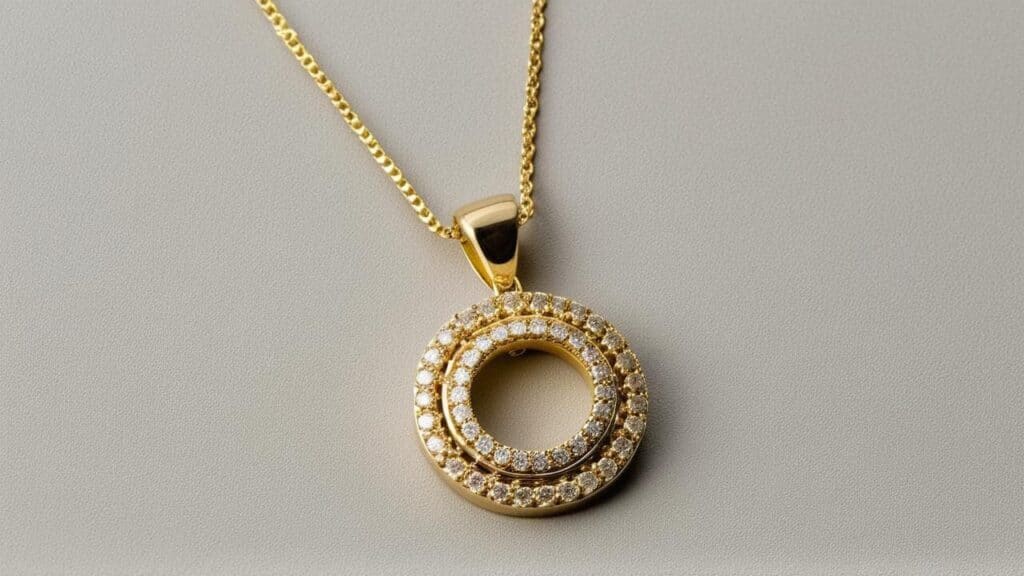
Fine jewelry represents the pinnacle of precious materials and craftsmanship, made with luxury materials like solid gold, platinum, diamonds, and precious gemstones. Understanding how demi-fine compares helps you make informed decisions about which type suits your needs, lifestyle, and budget. The differences go beyond just price points and affect everything from durability to appropriate occasions for wear.
- Fine jewelry uses solid precious metals throughout the entire piece, while demi-fine uses precious metal plating over a sterling silver base, creating a fundamental difference in construction and long-term value. A fine jewelry gold ring is solid gold all the way through, whereas a demi-fine piece has a sterling silver core with gold vermeil plating, which explains the significant price gap between categories.
- Price differences are substantial and reflect the material costs involved, with fine jewelry pieces ranging from $500 for simple items to tens of thousands for elaborate pieces with precious stones. Demi-fine jewelry typically stays within the $50-$500 range, making luxury aesthetics accessible to a much broader audience without requiring major financial planning or special occasion budgets.
- Fine jewelry offers superior longevity, being crafted with the highest quality materials that can last generations and serve as heirloom pieces passed down through families. While demi-fine jewelry is durable and can last many years with proper care, it won’t maintain its appearance indefinitely like solid gold or platinum pieces would, as the plating will eventually show wear.
- Investment value differs significantly between the two categories, with fine jewelry, particularly pieces with precious stones or made from solid gold, tending to retain or increase in value over time. Demi-fine jewelry, while offering excellent value for money, doesn’t typically appreciate in value and should be viewed as a fashion investment rather than a financial one.
- Fine jewelry often requires more careful handling and is frequently reserved for special occasions due to its high value, while demi-fine jewelry is designed for everyday wear without the anxiety that comes with wearing extremely valuable pieces. The durability and affordability of demi-fine pieces mean you can wear them daily without worrying about damage or loss affecting a major investment.
- Customization and craftsmanship levels vary between the categories, with fine jewelry often involving hand-crafted elements, custom settings, and artisanal techniques passed down through generations. Demi-fine jewelry, while still well-made, typically uses more standardized production methods to keep costs manageable while maintaining quality standards that exceed fashion jewelry.
The choice between fine and demi-fine jewelry isn’t about right or wrong but about matching your needs with the appropriate category. Fine jewelry excels for milestone pieces like engagement rings, anniversary gifts, or heirloom items you want to pass down through generations, while demi-fine jewelry shines for building a versatile everyday collection without the financial pressure that comes with fine jewelry purchases.
Demi-Fine vs Costume Jewelry Comparison
Fashion jewelry constitutes pieces not made from solid precious metals, often crafted from brass, silver-plated metals, plastic, resin, glass, wood, or other non-precious materials. The differences between demi-fine and fashion jewelry are significant and affect everything from durability to skin safety. Understanding these distinctions helps explain why demi-fine jewelry commands higher prices while delivering substantially better value over time.
- Demi-fine jewelry uses much higher quality materials and expert craftsmanship than fashion jewelry found on the high street, incorporating precious metals like 18k gold and sterling silver that are more durable than lower-grade metals used in fashion jewelry such as brass and nickel. This material difference directly impacts how long the pieces last, how they look over time, and how they affect your skin during regular wear.
- Fashion jewelry often uses 14K or lower gold plating on metals like copper and brass, combined with semi-precious stones, and can tarnish easily when exposed to water, sweat, or lotion due to the thin plating thickness. The underlying base metals can show through relatively quickly, especially on pieces that get regular wear like rings or bracelets that experience more friction and contact.
- Skin reactions represent a major difference between the categories, with fashion jewelry, particularly pieces containing nickel or other reactive metals, commonly causing green discoloration on skin or allergic reactions in sensitive individuals. Demi-fine jewelry, with its sterling silver base and thicker gold plating, is typically hypoallergenic and won’t cause these issues for most people, making it suitable for daily wear.
- Demi-fine jewelry generally lasts longer than fashion jewelry because it uses higher quality materials and construction methods, but costs less than fine jewelry, creating the perfect middle ground for consumers. While a fashion jewelry piece might last months with careful wear, demi-fine pieces can maintain their appearance for years when properly cared for, providing better long-term value.
- Demi-fine pieces are water and tarnish resistant, though not to the extent of fine jewelry, and are specifically designed for everyday wear with easy maintenance requirements that don’t interfere with normal activities. Fashion jewelry typically requires you to remove it before showering, swimming, or exercising to prevent damage, limiting its practicality for busy lifestyles.
- Price differences reflect the quality gap between categories, with fashion jewelry costing anywhere from $5 to $100, while demi-fine typically ranges from $50 to $500. However, when you calculate cost per wear over the life of the piece, demi-fine often provides better value despite the higher upfront cost due to its superior longevity and versatility.
- Care requirements vary significantly between the two categories, with fashion jewelry often unable to withstand regular cleaning methods and potentially losing its finish when exposed to soap and water. Demi-fine jewelry can handle gentle cleaning and normal daily activities without deteriorating rapidly, making it more practical for people who want attractive jewelry without constant maintenance concerns.
The fundamental difference lies in the approach to materials and construction, with fashion jewelry prioritizing trendy designs at rock-bottom prices while often sacrificing durability and skin safety. Demi-fine jewelry balances style with substance, using genuine materials and proven construction methods to create pieces that look expensive while remaining accessible and suitable for regular wear.
Is Demi-Fine Jewelry Worth It?
Demi-fine jewelry represents the fastest growing segment of the jewelry industry because it allows customers to have luxury in their jewelry boxes without devastating their bank accounts. This growth reflects real advantages that resonate with modern consumers who want quality without compromise. The benefits extend beyond just price points to encompass lifestyle, versatility, and personal confidence in ways that neither fashion nor fine jewelry can fully match.
- Demi-fine jewelry provides discerning shoppers the assurance of high-quality, luxurious pieces without the hefty price tags traditionally associated with fine jewelry, making it possible to build an impressive jewelry collection gradually. You can acquire beautiful pieces over time without waiting years to save up for individual items, making luxury accessible for everyday enjoyment rather than restricting quality jewelry to special occasions only.
- Demi-fine pieces are designed specifically for day-to-day wear, with durability and affordability making them excellent options for everyday staples without worrying about wear and tear or potential loss. Unlike fine jewelry that you might hesitate to wear regularly due to cost concerns, demi-fine pieces encourage daily enjoyment without anxiety about damage affecting a major financial investment.
- These pieces offer flexibility in designs and the most wallet-friendly solution for staying current with sparkly trends while still delivering genuine quality that looks and feels luxurious. Fashion changes rapidly, and demi-fine jewelry allows you to experiment with new styles without making major financial commitments to trends that might not last or suit your evolving taste over time.
- Demi-fine jewelry makes perfect gifts for loved ones, especially when you want to give someone a special piece without the hefty price associated with fine jewelry but with more substance than fashion pieces. The quality and presentation rival fine jewelry, but the price point makes it feasible for birthdays, holidays, or spontaneous gestures without requiring special occasion budgets or major financial planning.
- Layering and stacking opportunities become much more accessible with demi-fine pieces, making it financially feasible to build complex, personalized looks when individual pieces cost hundreds rather than thousands of dollars. You can create sophisticated layered necklace looks or curated ear parties with multiple earrings without breaking your budget, allowing for creative self-expression through jewelry styling.
- Demi-fine jewelry aligns with growing sustainability trends by using base metals and plating techniques that minimize environmental impact associated with mining precious metals while still providing authentic luxury materials. This conscientious approach appeals to consumers seeking both style and eco-friendly choices without sacrificing aesthetics or quality in their jewelry selections.
- The psychological benefits of wearing quality jewelry daily shouldn’t be underestimated, as demi-fine pieces allow you to feel polished and put-together every day while boosting confidence and personal style. There’s something empowering about wearing real gold and silver that enhances your self-presentation without the stress of wearing extremely valuable items during normal activities.
Demi-fine jewelry embraces your fashion statement and gives you options to dress up your ensemble with luxurious-looking pieces that are modern and understated enough for everyday looks. This versatility means your jewelry works harder for you, transitioning seamlessly from casual daytime activities to evening events while maximizing both style impact and cost-per-wear value over time.
What to Look for When Buying Demi-Fine Jewelry
Shopping for demi-fine jewelry requires knowing what to look for to ensure you’re getting genuine quality pieces that will last and provide good value for your investment. Understanding hallmarks, quality markers, and construction details helps you distinguish between authentic demi-fine pieces and lower-quality alternatives that might be marketed misleadingly. The key is learning to identify the specific characteristics that indicate proper materials and craftsmanship.
- Look for proper hallmarks and stamps that indicate metal purity, with sterling silver marked “925” meaning 92.5% pure silver, while gold vermeil pieces should show both the silver base marking and gold karat stamps like “14K” or “18K”. These stamps are usually found on the inside of rings, back of pendants, or clasps of necklaces and bracelets where they won’t interfere with the design but provide crucial authenticity verification.
- Maker’s marks or brand stamps identify the designer or manufacturer and can indicate higher quality and value, with reputable demi-fine brands clearly marking their pieces with their logo, name, or initials. Signed pieces from established brands typically maintain better quality standards and have better resale value than unmarked jewelry, while also providing accountability and customer service support.
- Research the brand’s reputation and read customer reviews before purchasing, ensuring the company provides clear information about their materials, construction methods, and care instructions. Look for companies that offer detailed product descriptions, including plating thickness specifications and base metal information, as transparency usually indicates confidence in their quality standards.
- Examine the construction quality by checking for smooth edges, secure settings, and properly aligned components that indicate careful manufacturing and attention to detail. Quality demi-fine pieces should feel substantial in weight due to the sterling silver base, and clasps should open and close smoothly without feeling flimsy or loose, while stone settings should be secure and professionally finished.
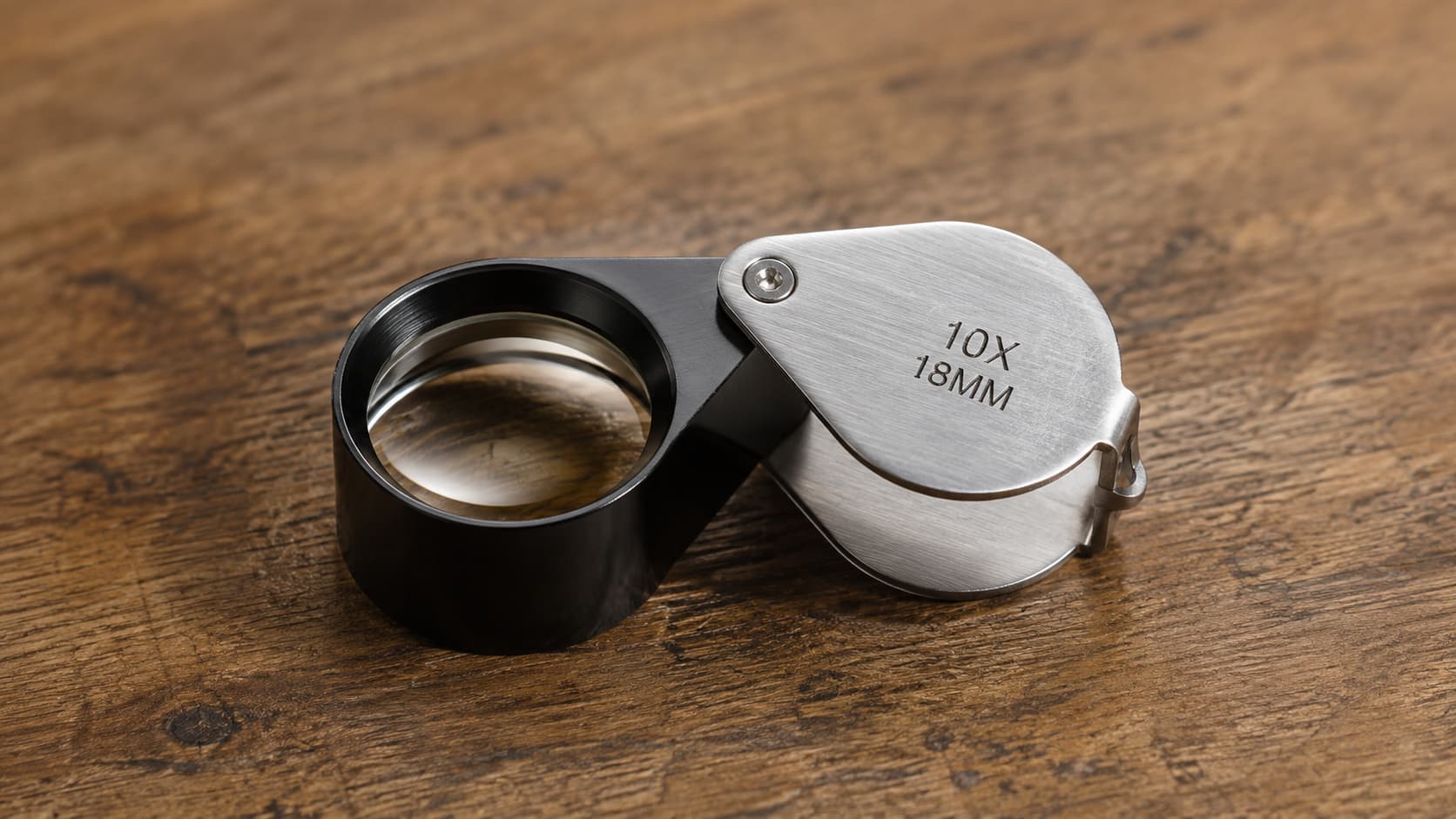
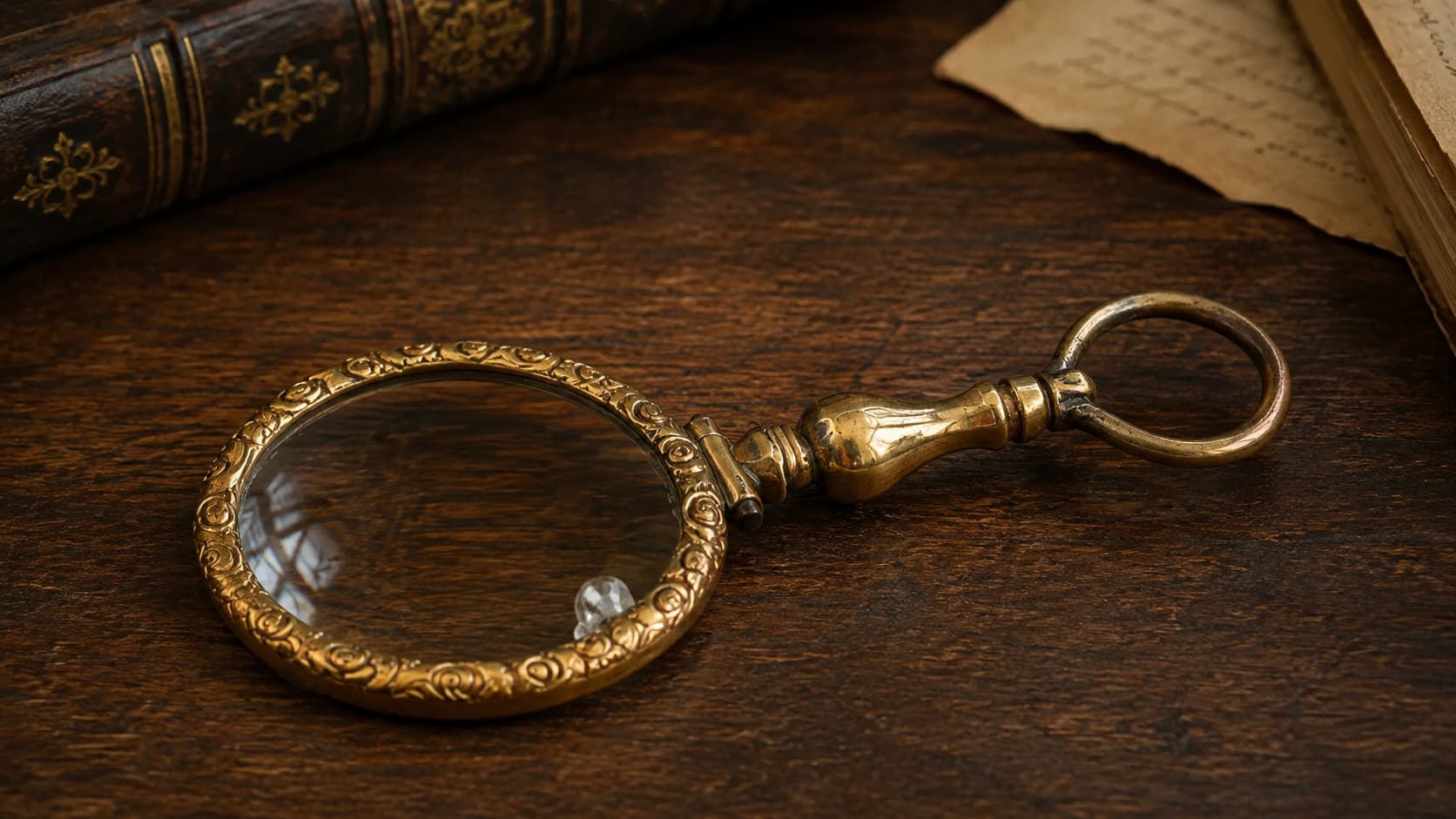
- Use a magnifying glass to examine hallmarks closely, as they are often very small and located in hidden areas of the jewelry, but should be clearly legible and properly stamped. If you can’t find any markings or the stamps are unclear, this could indicate lower quality or potentially misrepresented materials that don’t meet demi-fine standards.
- Ask about return policies and warranties when shopping online or in stores, as reputable sellers of demi-fine jewelry should offer reasonable return periods and detailed care instructions. Quality sellers stand behind their products and should be willing to provide information about expected lifespan and maintenance requirements for their pieces.
- Compare prices across multiple retailers to ensure you’re getting fair value, remembering that while demi-fine jewelry costs more than fashion jewelry, prices that seem too good to be true often indicate lower quality materials or thinner plating. Extremely low prices might mean compromised construction that won’t provide the longevity and appearance you expect from genuine demi-fine pieces.
Understanding jewelry markings and quality indicators adds assurance for buyers and serves as an indispensable tool for making informed purchasing decisions. Taking time to verify these quality markers ensures you’re investing in pieces that will maintain their appearance and value over years of wear, rather than pieces that will disappoint you after a few months of use.
How to Care for Demi-Fine Jewelry
Proper care extends the life and beauty of demi-fine jewelry significantly, allowing pieces to maintain their appearance for years rather than months with simple maintenance routines. The key to maintaining demi-fine pieces lies in gentle handling and protecting them from elements that can damage the plating or base metals. Understanding the specific needs of gold vermeil and sterling silver construction helps you develop care habits that preserve your investment.
- Remove jewelry before swimming, showering, and exercising to maintain its shine, as sweat and body oils naturally build up over time and can accelerate tarnishing or damage to plating. Water exposure, especially chlorinated water from pools or hot tubs, can permanently damage or discolor gold vermeil plating and cause sterling silver to tarnish more quickly than normal air exposure would.
- Store demi-fine jewelry in airtight containers when not in use, preferably in individual pouches or lined jewelry boxes to prevent pieces from scratching each other and to minimize exposure to moisture. Humidity in the air contributes significantly to tarnishing, so keeping pieces in sealed plastic bags or airtight boxes slows this process considerably and maintains appearance longer.
- Clean gold vermeil pieces by buffing very gently with a soft, dry 100% cotton cloth or microfiber cloth, never using chemical cleaners, soap, or water on vermeil pieces as these can strip the gold plating. The gentleness is crucial because the gold layer, while thicker than regular plating, can still be worn away by harsh cleaning methods or abrasive materials.
- For sterling silver pieces, create a solution of lukewarm water and mild dish soap, submerge the jewelry for 15-20 minutes, then use a soft-bristle brush to gently remove dirt before rinsing in cool water and patting dry. Sterling silver can handle more aggressive cleaning than vermeil because it’s solid metal rather than plated, but still requires gentle treatment to maintain its appearance.
- Apply perfumes, lotions, and cosmetics before putting on jewelry rather than after, as these products can react with metals and accelerate tarnishing or damage plating over time. The rule “jewelry should be the last thing you put on and the first thing you take off” helps minimize exposure to damaging substances that can accumulate and cause permanent discoloration.
- Avoid wearing demi-fine jewelry in hot, sunny conditions or while doing outdoor work, as heat can accelerate tarnishing processes and direct sunlight can fade gemstones over time. Temperature extremes and physical activities increase the risk of damage to both the metals and any stones, while also exposing pieces to substances that can cause premature wear.
- For storage, keep pieces in cool, dry places away from bathrooms or areas with high humidity, and consider adding chalk to storage containers to absorb excess moisture from the air. Humidity is one of the primary enemies of metal jewelry, speeding up oxidation and tarnishing processes that can permanently alter appearance and requiring more aggressive cleaning methods.
- Regular gentle cleaning prevents buildup that becomes harder to remove over time, with a quick weekly buff using a soft cloth removing oils and dust before they can cause permanent discoloration or damage to the finish.
With proper care, demi-fine jewelry can maintain its beauty for many years, though all plating will naturally fade with regular wear as a normal part of the aging process rather than a sign of poor quality. The investment in proper care habits pays off through extended jewelry life and maintained appearance, making your demi-fine pieces a worthwhile addition to your collection.
Popular Demi-Fine Jewelry Pieces
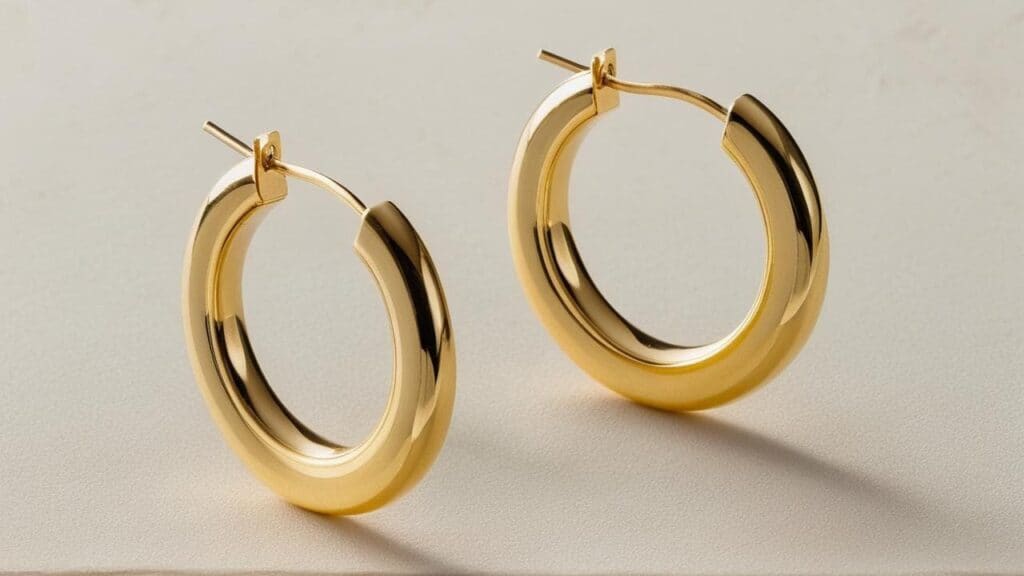
Building a demi-fine jewelry collection starts with versatile pieces that work across multiple occasions and styling scenarios while providing the foundation for more elaborate looks. Demi-fine jewelry hits the sweet spot between fine and fashion, offering modern, accessible, and often trend-led pieces that many exclusive brands now showcase alongside their fine jewelry offerings. Understanding which pieces provide the most versatility helps you build a collection strategically.
- Classic earrings paired with sleek necklaces or bracelets with stud earrings continue to dominate the fashion scene year after year, with their appeal lying in their versatility and effortless elegance that complements any outfit. These foundational pieces add sophistication without overwhelming your look and can transition seamlessly from day to night styling, making them essential building blocks for any jewelry collection.
- Diamond huggie earrings, initial necklaces, and adjustable chain pieces represent some of the most popular demi-fine starter items, as they’re designed for daily wear with protective settings and practical features. Huggie earrings offer the sparkle of diamonds in a comfortable, secure style that works for both professional and casual settings, while initial pieces add personalization without overwhelming other jewelry.
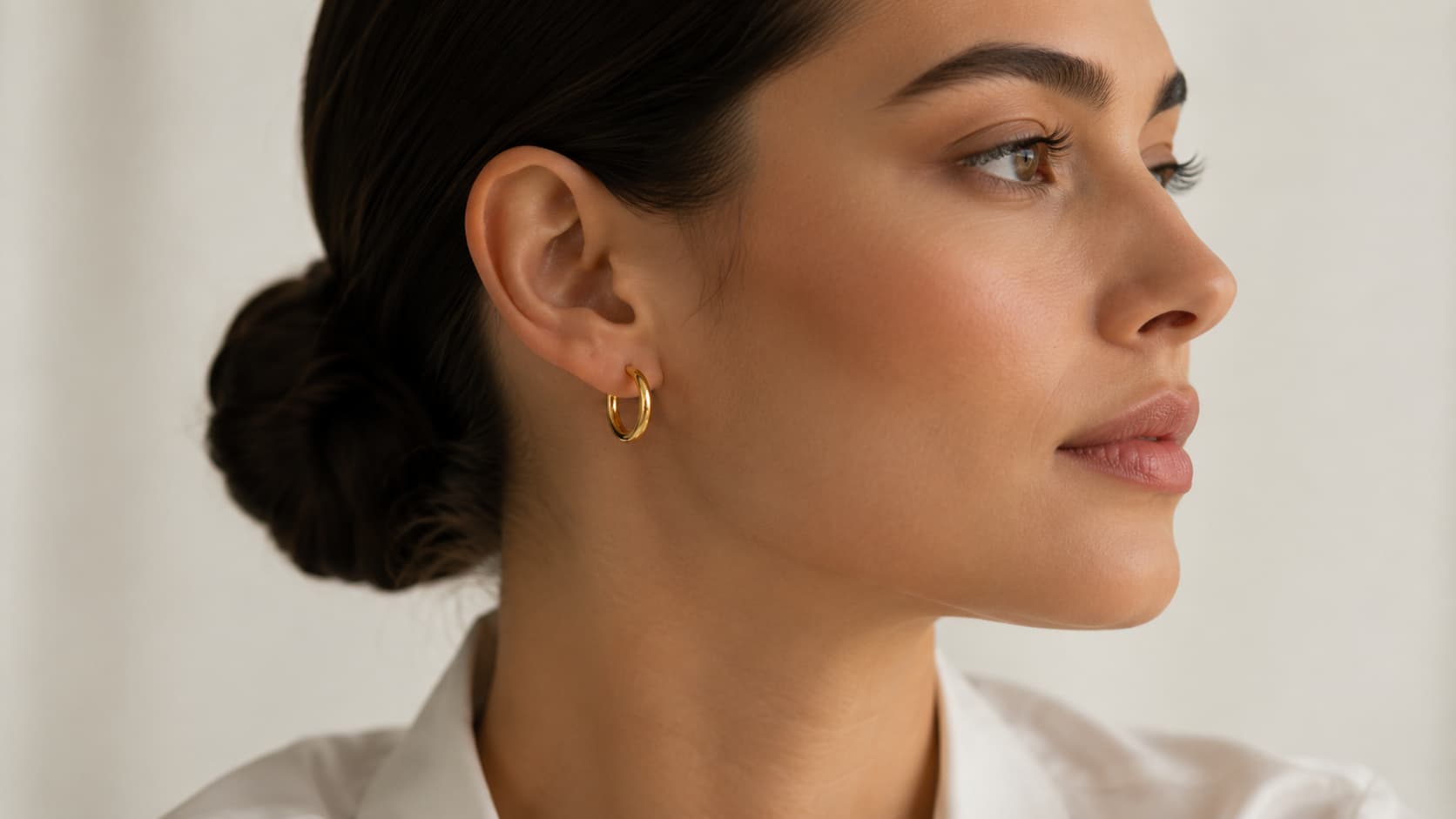
- Hoop earrings remain a style perennial with remarkable versatility, as mid-sized gold hoops work equally well with beachwear as they do with evening outfits, while tiny huggies stacked on lobes represent the modern way to wear diamonds year-round. A well-rounded collection should include various sizes from small everyday hoops to statement oversized styles that can anchor more dramatic looks.
- Chain necklaces represent one of the biggest jewelry trends in recent years and are here to stay, with rope chains, anchor links, and connecting designs heavily in style when crafted in gold or silver materials. These pieces work perfectly for layering and can be worn alone for minimalist appeal or stacked for more dramatic impact, providing versatility that justifies the investment.
- Hand-crafted talisman pieces and artful yet wearable designs featuring semi-precious stones, shells, and diamond accents have become increasingly popular for everyday styling among consumers seeking unique pieces. These items offer personality and individuality while maintaining the quality standards expected from demi-fine jewelry, allowing for self-expression within the category’s aesthetic parameters.
- Sterling silver pieces and gold vermeil items form the backbone of most demi-fine collections, offering the ideal balance of durability and shine perfect for long-term wear without the premium pricing of solid gold. These materials provide luxury aesthetics at accessible price points while maintaining hypoallergenic properties for sensitive skin, making them practical choices for daily wear.
- Ear cuffs, anklets, and body chains represent some of the most innovative demi-fine pieces for adorning the body, offering ways to achieve contemporary looks without additional piercings or permanent modifications. These trending pieces allow for creative styling and personal expression beyond traditional jewelry placement, appealing to consumers who want to experiment with new ways of wearing accessories.
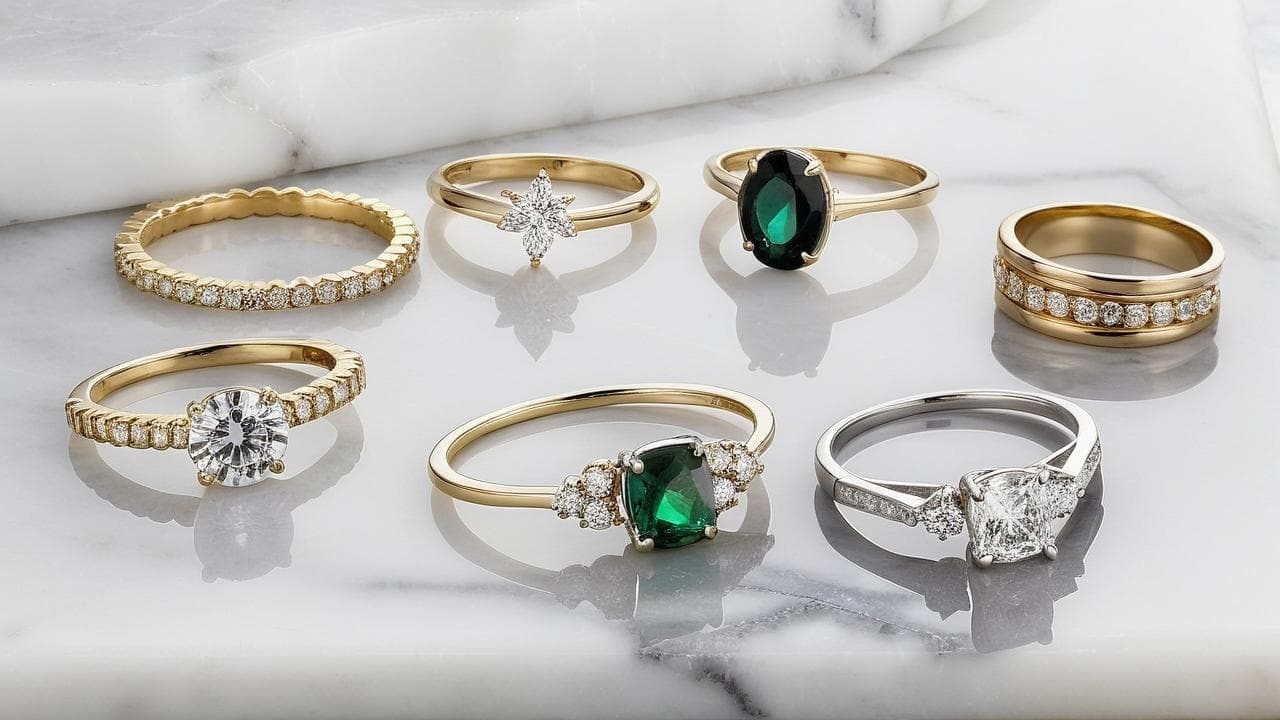
- Stackable rings and layering pieces have become essential for creating personalized looks, allowing wearers to mix metals, textures, and styles to create unique combinations that reflect individual taste and style preferences.
Demi-fine jewelry is perfect for everyday wear as it combines durability with style, allowing you to elevate your look without the high price tag associated with fine jewelry. The key to building a successful collection lies in starting with versatile basics that can be mixed, matched, and layered, then gradually adding statement pieces and trend-driven items that reflect your personal aesthetic.
Should You Buy Demi-Fine Jewelry?
When evaluating whether demi-fine jewelry represents good value, it’s essential to consider the cost-per-wear ratio, quality expectations, and how these pieces fit into your lifestyle and wardrobe needs. The answer largely depends on your priorities, budget, and jewelry-wearing habits, but for most consumers seeking quality without extreme expense, demi-fine jewelry offers compelling advantages. Understanding the value proposition helps you make informed decisions about where to invest your jewelry budget.
- The cost-per-wear analysis often favors demi-fine jewelry significantly over both fashion and fine jewelry alternatives for regular wear scenarios. A $200 demi-fine necklace worn three times per week for two years costs approximately $1.28 per wear, while a $30 fashion piece that lasts six months with the same wear frequency costs $1.15 per wear but requires replacement and may cause skin reactions.
- Quality expectations should align with the price point and construction methods used, understanding that demi-fine jewelry will show wear over time as the gold plating naturally thins. This process typically takes years rather than months, and the sterling silver base ensures the piece remains wearable and attractive even as the plating ages, unlike fashion jewelry that becomes unwearable once cheap plating wears off completely.
- For people who prefer to own fewer, higher-quality pieces rather than constantly replacing cheaper items, demi-fine jewelry offers an excellent middle ground between quantity and quality. You can build a curated collection of versatile pieces that work across multiple outfits and occasions without the financial commitment required for fine jewelry or the disappointment that comes with fashion jewelry.
- Professional and lifestyle considerations make demi-fine jewelry particularly worthwhile for certain demographics, including working professionals who need polished accessories daily, parents who want nice jewelry but can’t risk losing expensive pieces, and active individuals who need durable yet attractive options. These groups benefit from demi-fine’s balance of quality and accessibility in ways that neither fashion nor fine jewelry can match.
- The hypoallergenic properties of quality demi-fine jewelry make it worthwhile for people with sensitive skin who can’t wear fashion jewelry containing nickel or other reactive metals. The sterling silver base and thicker gold plating prevent the green discoloration and skin irritation common with cheaper alternatives, making it practical for daily wear without health concerns.
- Trend experimentation becomes more feasible with demi-fine pieces, allowing you to try new styles without major financial risk while still enjoying quality materials and construction. If you tire of a particular design or trend, you haven’t invested thousands of dollars in a piece you no longer want to wear, but you also haven’t wasted money on something that falls apart quickly.
- Gift-giving scenarios often make demi-fine jewelry the ideal choice, offering the presentation and quality perception of fine jewelry without requiring the giver to make an enormous financial commitment. Recipients appreciate receiving genuine gold and silver pieces that will last for years rather than obviously cheap alternatives that may cause skin reactions or break quickly.
Demi-fine jewelry is worth the investment when you want genuine materials, attractive design, and reasonable durability without fine jewelry prices. It’s particularly valuable for building a foundation jewelry wardrobe, experimenting with trends, or situations where loss or damage risk makes expensive fine jewelry impractical, providing authentic luxury that fits real life and budgets.
Common Demi-Fine Jewelry Misconceptions
Several misconceptions surround demi-fine jewelry that can lead to unrealistic expectations or prevent people from appreciating what this category offers. Understanding these myths helps set appropriate expectations and make informed purchasing decisions while avoiding disappointment that comes from misunderstanding the category’s purpose and capabilities. Dispelling these misconceptions allows consumers to appreciate demi-fine jewelry for what it actually provides rather than expecting it to be something it’s not designed to be.
- The myth that demi-fine jewelry is “just expensive costume jewelry” misunderstands the fundamental material differences involved in construction and quality standards. Unlike costume jewelry that uses base metals with thin decorative coatings, demi-fine pieces use sterling silver foundations with substantial gold plating that meets specific thickness standards, making the sterling silver base alone more valuable and durable than typical costume jewelry materials.
- Many people believe demi-fine jewelry won’t last long, expecting it to tarnish or wear out within months based on experiences with cheap fashion jewelry. In reality, properly made demi-fine pieces can maintain their appearance for years with appropriate care, as the gold vermeil plating used in quality demi-fine jewelry is significantly thicker than standard plating, and the sterling silver base provides long-term durability.
- The misconception that demi-fine jewelry “isn’t real jewelry” stems from unfamiliarity with modern jewelry categories and construction methods used in the industry. Demi-fine pieces contain genuine precious metals and often feature real gemstones, they’re simply constructed differently than solid gold pieces to achieve accessible pricing while maintaining quality materials and authentic luxury appearance.
- Some consumers expect demi-fine jewelry to perform identically to fine jewelry indefinitely, leading to disappointment when plating shows natural wear after years of use. This expectation is unrealistic given the significant price differential between categories, as demi-fine jewelry offers excellent value and longevity for its cost, but it’s not designed to match the permanent characteristics of solid precious metal pieces.
- The belief that “all gold plating is the same” ignores the significant quality differences between vermeil, gold-filled, and standard plating methods used in different jewelry categories. High-quality demi-fine jewelry uses specific plating techniques with regulated thickness standards that far exceed the minimal coatings found on fashion jewelry, resulting in dramatically different performance and longevity.
- Many people assume demi-fine jewelry can’t be worn in professional or formal settings because it’s not “real” fine jewelry, limiting their styling options unnecessarily. This myth prevents people from recognizing that well-made demi-fine pieces often look indistinguishable from fine jewelry and are perfectly appropriate for business, social, and formal occasions when chosen and styled appropriately.
- The misconception that demi-fine jewelry isn’t worth caring for properly leads to premature wear and disappointment with performance over time. Like any quality item, demi-fine pieces benefit from appropriate storage, cleaning, and handling practices that extend their lifespan and maintain their appearance, just as you would care for any valuable possession.
Understanding these myths helps consumers set realistic expectations for demi-fine jewelry performance and value while appreciating the category for its intended purpose. When viewed as a bridge category offering genuine materials and thoughtful construction at accessible prices, demi-fine jewelry delivers excellent value, but problems arise when people expect fine jewelry performance at demi-fine prices or assume all plated jewelry is equivalent.
Conclusion
Demi-fine jewelry has become the go-to choice for people who want nice jewelry without the crazy price tags or the disappointment of cheap pieces that fall apart. It’s honestly the best of both worlds - you get real gold, real silver, and actual gemstones, but you don’t have to save up for months or feel guilty about spending so much money. Whether you’re just starting to build a jewelry collection, need something that looks polished for work, or love trying new trends, demi-fine jewelry gives you that expensive look without the expensive price.
The most important thing is knowing what you’re getting and not expecting miracles. These pieces are made with sterling silver and thick gold plating, plus real stones, so they’ll look great for years if you take decent care of them. They’re not going to last forever like your grandmother’s solid gold necklace, but they’re also not going to turn your neck green after a week like that cute but cheap necklace from the mall. When you think about how often you’ll actually wear something and what it costs, demi-fine jewelry usually wins.
If you’re tired of having to pick between jewelry that looks obviously fake or jewelry that costs more than your rent, demi-fine jewelry is your answer. Start with some basic pieces you can wear with everything - a good chain necklace, some hoops, maybe a simple ring - and then add more fun stuff as you figure out what you like. Take care of your pieces, don’t expect them to be indestructible, and you’ll have a jewelry collection that makes you feel put-together every day without breaking the bank.