Shibuichi is a Japanese copper-silver alloy (75% copper, 25% silver) that creates stunning gray patinas impossible to achieve with other metals. Originally used to decorate samurai swords in the 1700s, this ancient metal has found new life in modern jewelry, especially wedding bands and artistic pieces. The name means “four plus one” in Japanese, referring to the traditional ratio that creates its distinctive appearance. What makes shibuichi truly special is how it develops a unique living patina that changes over time, with colors ranging from subtle grays to muted blues and greens through traditional Japanese patination techniques. Understanding shibuichi means appreciating both its rich cultural heritage and the practical considerations that come with owning this ancient yet accessible alternative to traditional precious metals.
History of Shibuichi Metal in Japan
Shibuichi began its journey in Japan’s sword-making workshops during the early 1700s, where metalworkers needed beautiful decorative materials for samurai weapons. The timing wasn’t accidental - this period marked the height of Japanese sword artistry, when peaceful times allowed craftsmen to focus on aesthetic perfection rather than just making functional blades. When Japan’s feudal system collapsed in the late 1800s and sword-carrying became illegal, these skilled artisans faced a choice: lose their craft forever or find new ways to use their ancient knowledge.
- Japanese sword makers first developed shibuichi around the early 18th century, though some pieces suggest it may have existed decades earlier. These craftsmen needed a metal that could create subtle, sophisticated colors for decorating sword parts like hand guards, handle collars, and small utility knife handles. Unlike flashy gold or bright silver, shibuichi’s muted gray tones perfectly matched the samurai aesthetic of quiet elegance and restraint. The alloy quickly became the preferred choice for high-quality sword fittings because it could achieve colors that looked natural and refined rather than showy.
- During Japan’s Edo period from 1615 to 1868, shibuichi artistry reached incredible heights as master craftsmen perfected their techniques across generations. The most famous family of metalworkers, the Goto clan, created shibuichi pieces so beautiful they became treasured heirlooms passed down through samurai families. These masters guarded their secrets carefully, teaching only their sons and most trusted apprentices the exact ratios of metals and special patination recipes. Some of their creations featured tiny carved scenes with amazing detail - entire landscapes, birds, and flowers created on surfaces smaller than a quarter.
- Regional schools of metalworking developed their own distinctive shibuichi styles throughout Japan during this golden age. The Myochin school specialized in armor decoration using shibuichi for elegant helmet ornaments and chest plate details. The Yanagawa school became famous for their nature-inspired designs, creating shibuichi sword guards with realistic depictions of flowers, insects, and seasonal scenes. Each school developed slightly different alloy recipes and patination methods, leading to unique color variations that experts can still identify today.
- The rigid social structure of feudal Japan actually helped shibuichi craftsmanship flourish by creating a wealthy customer base with refined tastes. Samurai families competed to own the most beautiful sword fittings, driving demand for increasingly sophisticated shibuichi work. The shogun’s court in Edo (modern Tokyo) became a center for the finest metalwork, where master craftsmen could charge premium prices for their most elaborate creations. This economic support allowed artisans to spend months perfecting single pieces without worrying about basic survival.
- The Meiji Restoration of 1868 nearly killed shibuichi craftsmanship when Japan modernized and banned traditional sword culture. Thousands of skilled metalworkers suddenly lost their main source of income as samurai were no longer allowed to carry swords. Many craftsmen initially struggled to adapt, but the wisest ones quickly realized they could use their skills to create decorative items for Japan’s growing middle class and curious foreign visitors. This crisis actually helped shibuichi expand beyond sword decoration into household items, jewelry, and art objects.
- Emperor Meiji’s government eventually recognized the cultural value of traditional crafts and began supporting displaced artisans in the 1880s. Official programs helped sword makers transition to creating decorative arts for export, introducing shibuichi to international markets for the first time. Japanese pavilions at world exhibitions in Paris, Chicago, and London showcased shibuichi artwork, creating international demand that helped sustain the craft through its most difficult period. This government support proved crucial for preserving techniques that might otherwise have been lost forever.
- Modern interest in shibuichi began growing in the 1960s and 1970s when Western jewelers started studying traditional Japanese metalworking. These dedicated students often spent years in Japan learning directly from elderly masters who still remembered the old techniques. They brought shibuichi knowledge back to America and Europe, where it found new life in contemporary jewelry making. Today’s artisans have combined ancient Japanese wisdom with modern tools and safety methods, making shibuichi more accessible while keeping its traditional spirit alive.
The story of shibuichi shows how traditional crafts can survive dramatic social changes by adapting to new purposes while keeping their essential character. What started as a solution for decorating warrior weapons became a bridge between ancient Japan and modern jewelry lovers worldwide. This metal carries centuries of artistic tradition in every gray-toned piece, connecting today’s wearers to the patient hands of long-ago craftsmen who perfected techniques we still use today. The fact that shibuichi not only survived but thrived after losing its original purpose proves that truly beautiful things find ways to remain relevant across different eras, especially when supported by people who appreciate both artistic excellence and historical significance.
What Does Shibuichi Mean in Japanese?
The name “shibuichi” tells you exactly what this metal is made of, but only if you can read Japanese numbers. In Japanese, “shi” means four and “bu” means parts, while “ichi” means one - so “shibuichi” literally translates to “four parts plus one part” or simply “one-quarter.” This wasn’t just a random name choice; it directly described the traditional recipe that Japanese metalworkers used for centuries to create this special alloy.
- The mathematical meaning behind shibuichi refers to the classic ratio of one part silver mixed with four parts copper, creating an alloy that’s 25% silver and 75% copper. Japanese craftsmen were incredibly precise about their measurements because even small changes in the ratio would completely change the final color after patination. This fraction-based naming system made it easy for apprentices to remember the recipe and helped ensure consistency across different workshops. The name also distinguished shibuichi from other Japanese alloys like shakudo, which had different ratios and completely different names.
- Alternative names for shibuichi reveal how Japanese artisans thought about this metal’s appearance and qualities. “Rogin” became a general term for shibuichi, especially when referring to the paler, more silvery varieties that contained higher amounts of silver. “Oborogin” meant “dull silver” and described shibuichi’s matte, non-reflective surface that looked so different from polished silver. “Shiro-shibuichi” or “white shibuichi” referred to versions with extra silver content that created lighter, almost pewter-like colors after patination.
- Regional dialects and workshop traditions created dozens of other names for shibuichi variations throughout Japan’s different provinces. Some areas called it “nezumi-iro” meaning “mouse color” because of its gray appearance, while others used “hai-iro” meaning “ash color.” These descriptive names helped customers and craftsmen communicate about exactly which shade and type of shibuichi they wanted for their projects. The variety of names also shows how widely this alloy was used across Japan, with each region developing its own terminology.
- Modern confusion about shibuichi names often comes from translation problems and marketing attempts to make the metal sound more exotic. Some sellers incorrectly call it “Japanese silver” or “samurai metal,” which misses the point that shibuichi’s beauty comes from being mostly copper, not silver. Others use terms like “ancient gray gold” which sounds impressive but isn’t historically accurate since gold wasn’t part of traditional shibuichi recipes. The best approach is to use the original Japanese name “shibuichi” and explain what it actually means.
- Scientific and technical communities have adopted “shibuichi” as the standard international term for this specific copper-silver alloy family. Metallurgy textbooks, museum catalogs, and jewelry supply companies now use “shibuichi” consistently, helping avoid the confusion that comes from translated names. This standardization has made it easier for modern artisans worldwide to communicate about techniques, recipes, and results when working with this traditional Japanese material.
The simple mathematics hidden in shibuichi’s name reflects the practical, no-nonsense approach of Japanese craftsmen who valued clear communication and reliable results. These metalworkers didn’t need fancy marketing names or mysterious terminology - they just wanted everyone to know exactly what proportions to use for consistent, beautiful results. Today, when you hear someone say “shibuichi,” you’re hearing an echo of centuries-old workshop conversations where masters taught apprentices the fundamental recipe that made this remarkable alloy possible. The name carries both technical precision and cultural heritage, making it much more meaningful than any modern marketing term could ever be.
Shibuichi Metal Composition and Ratios
Shibuichi might start with a simple recipe of three parts copper to one part silver, but Japanese metalworkers discovered that changing these proportions could create completely different colors and properties. Think of it like cooking - the basic ingredients stay the same, but adjusting the amounts gives you totally different results. Over the centuries, craftsmen experimented with dozens of different ratios, each producing unique shades and characteristics that served different artistic purposes.
- The classic shibuichi formula uses 75% copper and 25% silver, which creates the most recognizable gray patina that most people associate with this alloy. This ratio provides the perfect balance between copper’s ability to develop rich patination colors and silver’s resistance to corrosion and tarnishing. The 75-25 mix also offers good workability for hand-forging and shaping, making it the preferred choice for most sword fittings and decorative objects. Modern artisans still consider this the “true” shibuichi composition, though they’ve refined the melting and mixing processes using contemporary equipment.
- High-copper variations containing 90-95% copper and only 5-10% silver produce much darker, almost charcoal-gray patinas with deep, rich tones. These copper-heavy alloys were often used for dramatic contrast effects when combined with brighter metals like gold or regular silver in the same piece. However, the low silver content makes these variations more prone to corrosion and harder to work with, requiring extra skill and careful maintenance. Some artisans called these dark varieties “kuro-shibuichi” or black shibuichi, though true kuro-shibuichi is actually a different alloy entirely.
- High-silver shibuichi containing 40-60% silver creates much lighter, almost pewter-like colors that some craftsmen preferred for delicate decorative work. These silver-rich versions resist tarnishing better and develop more subtle color variations during patination, making them ideal for intricate carved details that might get lost with darker finishes. The extra silver content also makes the alloy more expensive but easier to work with, since silver is naturally more malleable than copper. Master craftsmen often used high-silver shibuichi for the finest details while using standard ratios for larger background areas.
- Kuro-shibuichi represents a completely different approach, combining regular shibuichi with shakudo (copper-gold alloy) and a small amount of pure gold to create deep black colors. A typical kuro-shibuichi recipe might contain about 40% regular shibuichi, 60% shakudo, and 1-3% additional gold, resulting in compositions like 9.9% silver, 87.3% copper, and 2.8% gold. This complex alloy required master-level skills to create properly and was reserved for the most prestigious projects. The black color comes from gold nanoparticles formed during the patination process, creating effects impossible to achieve with simple copper-silver alloys.
- Modern commercial shibuichi often uses slightly different ratios optimized for contemporary jewelry making and mass production techniques. Some manufacturers create 80% copper, 20% silver versions that offer better durability for everyday wear, while others experiment with 70% copper, 30% silver for easier working properties. Industrial producers sometimes add tiny amounts of other elements like zinc or tin to improve casting properties or corrosion resistance, though purists argue these additions change the fundamental character of true shibuichi.
- Quality control in shibuichi production requires incredibly precise measurements because even 2-3% changes in silver content can dramatically affect the final appearance. Traditional Japanese craftsmen used balance scales accurate to fractions of grams, while modern producers employ electronic scales and computer-controlled melting systems. The melting process itself affects the final properties - too much heat can cause silver to separate out, while insufficient mixing creates uneven color development during patination. Professional shibuichi makers often create test samples from each batch to verify color consistency before committing to finished pieces.
The incredible variety of shibuichi compositions shows how creative and experimental Japanese metalworkers were within their traditional framework. Rather than being locked into rigid formulas, they treated the basic copper-silver combination as a starting point for endless exploration and refinement. Each variation served specific artistic purposes, from dramatic dark backgrounds to subtle light accents, giving craftsmen a complete palette of metallic colors. Modern artisans continue this tradition of experimentation while respecting the fundamental principles that make shibuichi special, ensuring that this ancient alloy keeps evolving to meet contemporary needs without losing its essential character.
How Shibuichi Metal is Made
Creating shibuichi requires a careful dance between fire, metal, and chemistry that Japanese craftsmen have perfected over hundreds of years. The process starts with melting copper and silver together at extremely high temperatures, but the real magic happens during the patination stage where rokushō compound transforms the raw alloy into those gorgeous gray colors. Modern makers use updated equipment and safety methods, but they still follow the same basic steps that samurai sword decorators used centuries ago.
- The melting process begins by heating copper to its melting point of 1,083 degrees Celsius in a crucible or furnace designed to prevent contamination. Once the copper reaches a molten state, craftsmen add silver as thin sheets or small pieces, stirring carefully to ensure complete mixing without introducing air bubbles or impurities. The combined metals must stay molten long enough for the silver to distribute evenly throughout the copper, creating a homogeneous alloy. Temperature control is critical because overheating can cause the silver to separate or oxidize, ruining the entire batch.
- Traditional folding techniques borrowed from sword making help eliminate impurities and create uniform metal structure throughout the shibuichi ingot. Craftsmen heat the cooled alloy back to red-hot temperatures around 900-1000 degrees Celsius, then hammer it flat before folding it over itself repeatedly. Each fold doubles the number of layers, so eight folds create 256 layers while sixteen folds produce over 65,000 layers of alternating metal. This intensive process removes any remaining air pockets, slag, or uneven areas while creating the fine grain structure that accepts patination evenly.
- Surface preparation before patination involves careful cleaning and texturing to ensure the rokushō compound can work properly. Craftsmen file, sand, or grind the shibuichi surface to remove any oxidation, oil, or contamination that might interfere with the chemical reactions. The metal surface needs to be perfectly clean but slightly textured - too smooth and the patination won’t take evenly, too rough and it creates blotchy, uneven colors. Traditional craftsmen used natural abrasives like bamboo charcoal powder, while modern makers employ progressive grits of sandpaper ending with fine steel wool.
- The rokushō patination process transforms raw shibuichi into its characteristic gray colors through controlled chemical reactions at specific temperatures. Traditional rokushō contains ground malachite (copper carbonate mineral) mixed with other compounds, though modern versions often use copper sulfate and other chemicals for more consistent results. The shibuichi piece gets immersed in rokushō solution heated to exactly 100-102 degrees Celsius for anywhere from 10 minutes to several hours, depending on the desired color intensity. Too hot and the patination happens too fast to control, too cool and the colors won’t develop properly.
- Color development during patination depends on precise timing and temperature control that requires years of experience to master. Light gray colors appear after just 10-15 minutes of treatment, while deeper grays need 30-45 minutes or longer. The craftsman must watch constantly because the color change happens gradually at first, then accelerates rapidly near the end. Removing the piece too early leaves it pale and unfinished, while leaving it too long can create muddy brown colors or uneven patches. Master craftsmen develop an intuitive feel for exactly when each piece reaches its perfect color.
- Heat treatment and annealing steps help relieve stress in the metal and prepare it for final shaping or setting into jewelry. After patination, the shibuichi needs careful heating to specific temperatures that stabilize the surface colors without damaging the patina layer. This process also makes the metal more workable for any final adjustments or mounting procedures. Traditional craftsmen used charcoal fires with careful bellows control, while modern makers employ gas torches or electric kilns with precise temperature monitoring.
- Final finishing techniques preserve the patina while bringing out the metal’s natural beauty through careful polishing and protective treatments. Craftsmen use progressively finer abrasives to smooth the surface without removing the patination layer, often finishing with natural materials like deer antler or boxwood that polish without scratching. Some pieces receive protective wax coatings or special oil treatments that help preserve the colors and prevent unwanted tarnishing during storage or wear.
The traditional shibuichi making process shows how Japanese craftsmen turned metallurgy into an art form through patient attention to every detail. Each step requires specific knowledge passed down through generations of masters who refined these techniques through countless experiments and failures. Modern equipment has made some steps easier and safer, but the fundamental chemistry and timing remain exactly the same as they were three centuries ago. Creating beautiful shibuichi still demands the same combination of technical skill, artistic vision, and patient dedication that made the ancient masters legendary, proving that some things simply cannot be rushed or mechanized without losing their essential character.
Shibuichi Colors and Patina Effects
Shibuichi’s color journey begins with a pale copper appearance that looks nothing like its final form, then transforms through patination into an incredible range of grays that can include hints of blue, green, and brown. The magic happens when rokushō compound selectively attacks the copper while leaving the silver untouched, creating contrast that our eyes see as various shades of gray. What makes shibuichi truly special is how these colors continue evolving over time, developing unique character as the metal responds to wear, handling, and environmental exposure.
- Fresh shibuichi straight from the melting crucible appears as pale copper or gun-metal gray with a somewhat dull, matte surface that gives little hint of its potential beauty. The raw alloy often has a slightly pinkish or yellowish cast from the copper content, and the surface may show tool marks or slight irregularities from the casting process. At this stage, shibuichi looks fairly ordinary and might even be mistaken for weathered brass or bronze. The transformation only begins when craftsmen apply the ancient patination techniques that unlock the metal’s hidden colors.
- Light gray patination creates the most popular shibuichi colors, ranging from soft dove gray to medium charcoal tones that complement almost any jewelry design. These lighter grays develop after shorter patination times and lower rokushō concentrations, making them easier to achieve consistently. The surface takes on a smooth, almost velvety appearance with subtle variations that catch light beautifully without being too shiny or reflective. Light gray shibuichi works particularly well for wedding bands and everyday jewelry because the colors remain elegant without being too dramatic or attention-grabbing.
- Dark gray patination produces rich, sophisticated colors that can appear almost black in dim light but reveal complex undertones in bright illumination. These deeper grays require longer patination times and stronger rokushō solutions, with craftsmen carefully monitoring the process to avoid crossing into muddy brown territory. Dark shibuichi often shows slight blue or purple undertones that become more visible as the viewing angle changes, creating depth and interest that flat paint colors could never match. The darker varieties were traditionally favored for formal sword fittings where dignity and restraint were most important.
- Blue and green variations emerge through specific patination recipes and timing that master craftsmen guard as trade secrets. Blue-tinted shibuichi often results from slightly acidic patination baths or extended treatment times that encourage different copper oxide formations on the surface. Green tones typically appear when the patination process includes organic compounds or when the finished piece experiences specific environmental conditions over time. These colored variations are harder to achieve consistently and often command premium prices because of their rarity and striking appearance.
- Brown and bronze tones develop when patination goes too long or when the rokushō solution becomes contaminated with iron or other elements. While sometimes considered mistakes by traditional standards, many modern jewelry makers actively seek these warmer colors for pieces that need to complement gold or copper jewelry. Brown shibuichi can range from light tan shades to deep chocolate colors that provide beautiful contrast when paired with bright silver or white metals. Some contemporary artisans have perfected techniques for creating these brown variations intentionally rather than by accident.
- Patina evolution during wear creates one of shibuichi’s most appealing characteristics - the way colors continue changing and developing over months and years of use. Daily handling gradually polishes high spots while patina deepens in protected areas, creating natural highlights and shadows that enhance the metal’s texture. Skin oils, soap residue, and environmental exposure all contribute to subtle color shifts that make each piece increasingly unique over time. This living quality means that shibuichi jewelry becomes more personal and beautiful the longer it’s worn.
- Surface textures dramatically affect how shibuichi colors appear, with smooth surfaces showing more uniform grays while textured surfaces create complex plays of light and shadow. Hammered or forged textures catch patination differently in raised and recessed areas, producing natural variation that adds visual interest. Polished areas reflect more light and appear lighter, while matte areas absorb light and seem darker, allowing craftsmen to create contrast effects using surface treatment alone. Many artisans combine different textures on single pieces to maximize shibuichi’s natural color variation.
The color possibilities in shibuichi continue surprising even experienced craftsmen who think they’ve seen everything this alloy can do. Each batch of metal reacts slightly differently to patination, and environmental factors during treatment can create unexpected but beautiful results. This unpredictability might frustrate production jewelers who need identical results every time, but it delights artisans who appreciate the way traditional methods preserve an element of natural variation and surprise. The colors that emerge from properly made shibuichi possess a depth and subtlety that modern synthetic finishes simply cannot replicate, making each piece a small work of art that carries the accumulated wisdom of centuries of Japanese metalworking tradition.
Famous Shibuichi Jewelry and Art Pieces
Museums and auction houses worldwide preserve shibuichi masterpieces that show just how incredible this metal can look when crafted by true masters, with some pieces so detailed and beautiful they seem almost impossible to create by hand. These collections serve as both inspiration for contemporary artisans and proof that shibuichi can achieve artistic heights equal to any precious metal when handled with sufficient skill and patience. Studying these exceptional examples helps modern buyers recognize quality differences and appreciate the level of craftsmanship possible with traditional Japanese techniques.
- The Metropolitan Museum of Art owns a Meiji period brush holder that demonstrates shibuichi’s potential for large decorative objects beyond traditional sword fittings. This piece features intricate spider web patterns inlaid into shibuichi backgrounds, with the gray patination creating moonlight effects that seem to glow from within the metal surface. The technical achievement required to create such delicate inlay work in shibuichi shows master-level skill that few contemporary artisans can match. The piece also demonstrates how Meiji era craftsmen successfully adapted sword-making techniques for civilian decorative objects after traditional samurai culture ended.
- British Museum researchers have scientifically analyzed over 1,200 Japanese sword guards including dozens of shibuichi examples, providing valuable data about historical compositions and manufacturing methods used by different workshops. Their studies revealed that master craftsmen often used silver percentages ranging from 17% to 35% rather than the standard 25% suggested by traditional names, showing how they adjusted ratios for specific artistic effects. One exceptional tsuba in their collection features carved plovers in flight with shibuichi backgrounds that create subtle sky effects through graduated patination from light to dark gray. These analytical studies help separate authentic period pieces from later reproductions or tourist items.
- Tokyo National Museum preserves works by legendary Goto family masters whose shibuichi creations became the gold standard for quality and artistic achievement during Japan’s golden age of sword decoration. Their collection includes pieces spanning multiple generations of the same family workshop, showing how techniques evolved and improved over centuries of continuous practice. One remarkable set of sword fittings demonstrates the complete shibuichi color range from pale silver-gray to deep charcoal, all created by the same master using different patination recipes and timing. These pieces provide invaluable reference materials for contemporary artisans attempting to recreate historical effects.
- Private collectors like the Khalili Collection specialize in Japanese metalwork and own some of the finest shibuichi examples ever created, including pieces that have never been publicly displayed or photographed. These collections often focus on specific periods or workshop traditions, providing concentrated expertise about particular aspects of shibuichi development. Some private collectors work directly with museums and universities to advance research into traditional techniques while preserving exceptional pieces for future generations. Access to private collections typically requires scholarly credentials or serious collector status, but they contain treasures that expand knowledge beyond what public institutions can preserve.
- Auction records from major houses reveal market appreciation for exceptional shibuichi pieces while providing price benchmarks for collectors and insurance purposes. A 19th-century tsuba by Yanagawa Naoharu achieved over $10,000 at Bonhams, demonstrating strong international demand for documented masterworks. Auction catalogs also provide detailed condition reports and technical descriptions that help buyers learn quality assessment techniques from expert evaluators. The provenance information included with auction pieces often reveals fascinating ownership histories that connect individual objects to famous collectors or historical events.
- Contemporary museum acquisitions show growing institutional recognition of shibuichi’s artistic and cultural importance in modern jewelry and decorative arts contexts. The Renwick Gallery recently acquired several mokume gane pieces featuring shibuichi that demonstrate how traditional techniques continue evolving in contemporary hands. These acquisitions help establish shibuichi’s legitimacy as serious art material rather than just exotic curiosity, encouraging more artists to explore its possibilities. Museum collecting policies increasingly recognize traditional craft revivals as important cultural phenomena worthy of preservation and study.
- Living National Treasure artists in Japan continue creating shibuichi masterworks that extend traditional techniques while addressing contemporary aesthetic sensibilities and functional requirements. Masters like Nakagawa Mamoru specialize in hirozogan flat inlay techniques using shibuichi with over 250 custom-made chisels for different effects. These contemporary masters receive government stipends and official recognition that helps preserve traditional knowledge while encouraging continued innovation. Their current work provides bridges between historical examples and future possibilities for shibuichi development.
Seeing exceptional shibuichi work in person provides education that no amount of reading or photograph study can replace, revealing subtleties of color, texture, and craftsmanship that become apparent only through direct observation. These museum and collection experiences help develop appreciation for the incredible skill levels achieved by traditional masters while setting realistic standards for evaluating contemporary work. The best examples also inspire modern artisans and buyers to pursue excellence rather than settling for mediocre results, ensuring that shibuichi traditions continue growing stronger rather than gradually deteriorating through lowered standards or shortcuts that compromise the essential character of this remarkable Japanese contribution to world metallurgy.
Shibuichi in Modern Jewelry Making
Modern jewelry makers have discovered that shibuichi offers something no other metal can provide - authentic Japanese craftsmanship combined with affordability that makes ancient techniques accessible to everyday buyers. Today’s artisans use shibuichi primarily in mokume gane wedding bands, where its gray tones create stunning wood-grain patterns when layered with sterling silver or other metals. The popularity has grown so much that what once decorated samurai swords now graces engagement rings, pendants, and custom art pieces across America and Europe.
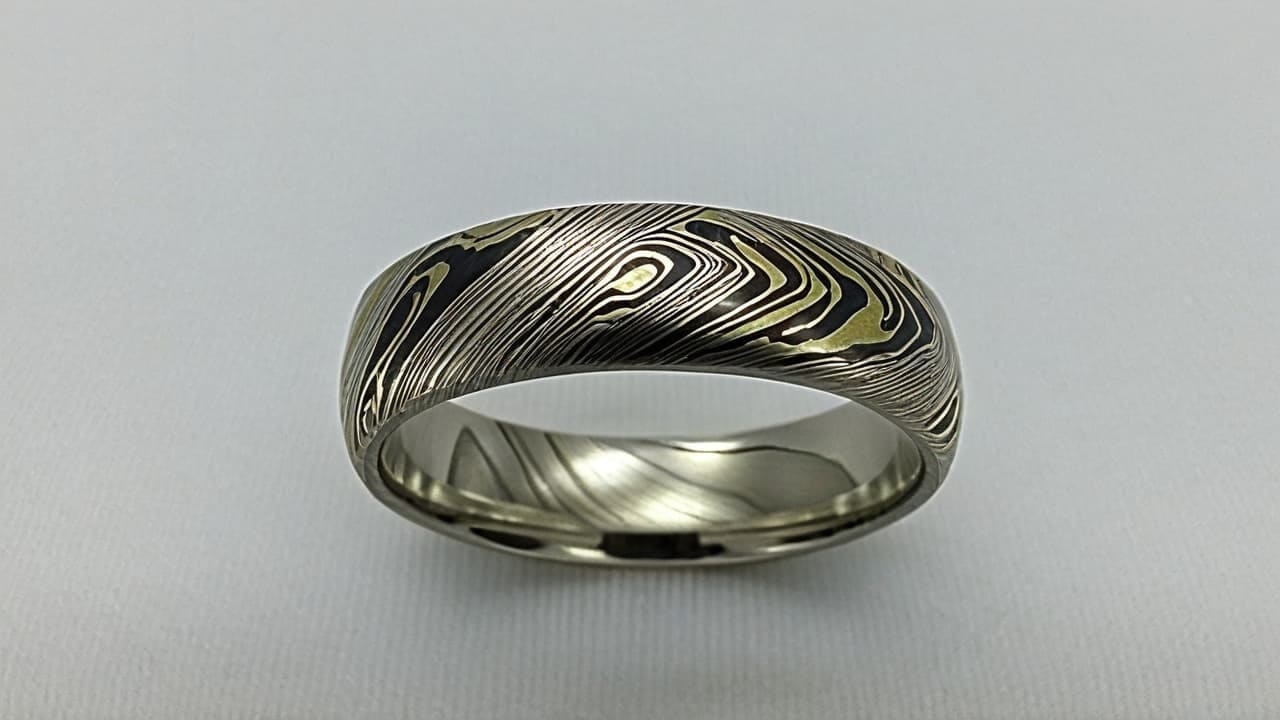
- Wedding bands represent the biggest market for shibuichi jewelry today, with couples choosing mokume gane rings that feature shibuichi layers creating organic, flowing patterns. These rings typically combine shibuichi with sterling silver or palladium to create contrasting bands that look like precious wood grain frozen in metal. Each ring develops unique patterns during the forging process, meaning no two pieces ever look exactly alike. The gray and silver combinations photograph beautifully and complement both casual and formal clothing, making them practical choices for everyday wear.
- Custom pendants and statement pieces allow artisans to showcase shibuichi’s full color range through larger surface areas that display the patination effects more dramatically. Jewelry makers often incorporate shibuichi into mixed-metal designs where its muted tones provide perfect contrast against brighter golds or polished silver elements. These larger pieces let craftsmen experiment with different textures and patination techniques that wouldn’t be visible on smaller items like rings or earrings. Many contemporary pendant designs blend traditional Japanese motifs with modern geometric shapes, creating pieces that honor shibuichi’s heritage while appealing to current fashion trends.
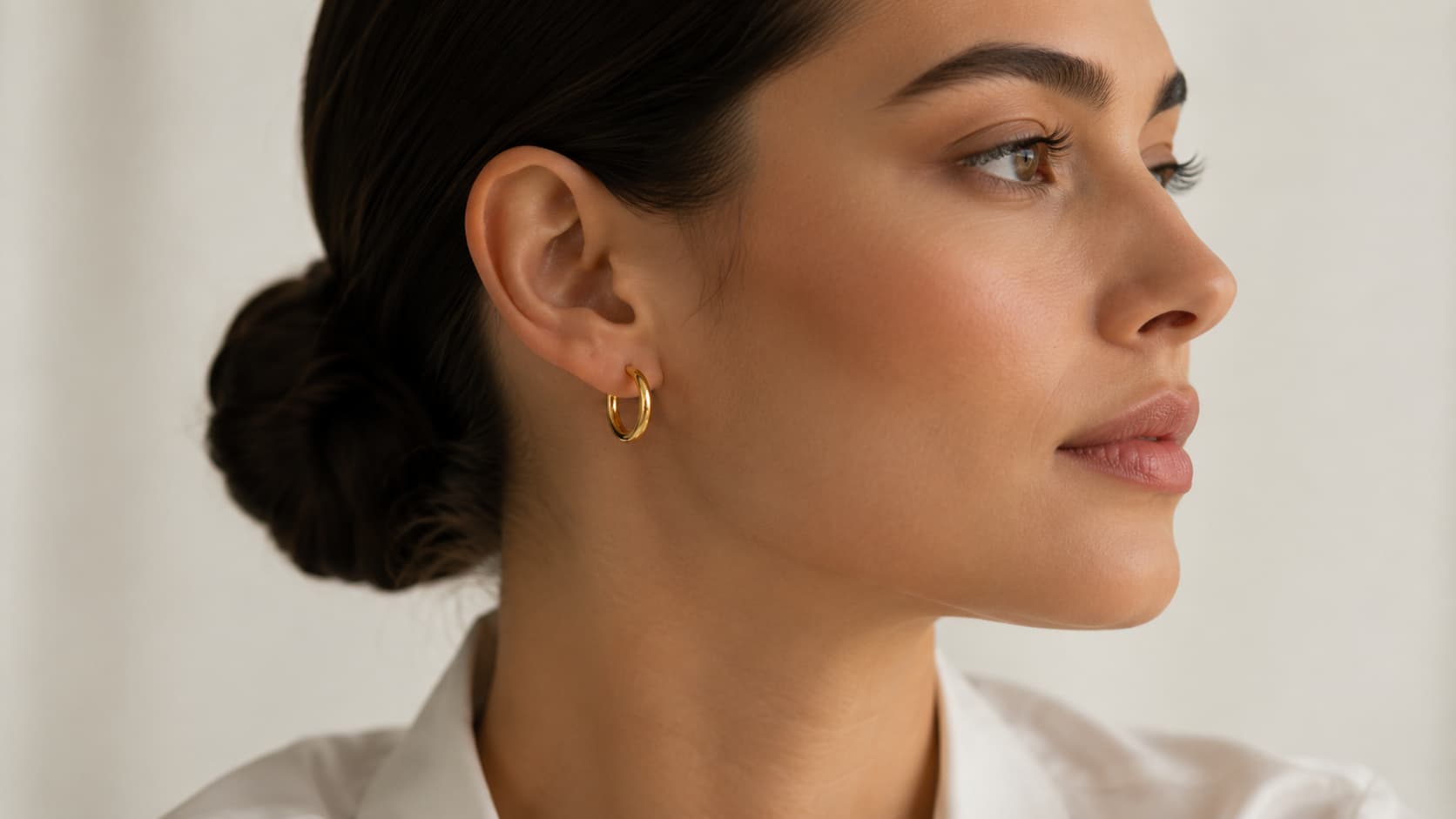
- Earrings and smaller jewelry items use shibuichi primarily as accent material rather than the main metal, since the gray colors can appear too subdued in tiny pieces. Artisans often combine small shibuichi elements with gold or bright silver to create contrast that makes the shibuichi more visible and impactful. Drop earrings with shibuichi accents work particularly well because the movement helps catch light and show off the metal’s subtle color variations. Stud earrings in pure shibuichi tend to get lost against most skin tones, so they’re less common in contemporary jewelry collections.
- Cufflinks, tie clips, and men’s accessories have become popular applications for shibuichi because the sophisticated gray colors work perfectly with business attire and formal wear. These pieces often feature minimal designs that let the metal’s natural beauty speak for itself without competing decorative elements. The matte finish typical of shibuichi patination photographs well and doesn’t create distracting reflections during business meetings or formal events. Many successful professionals choose shibuichi accessories specifically because they’re distinctive enough to be interesting but subtle enough to remain appropriate in conservative business environments.
- Art jewelry and gallery pieces push shibuichi techniques to their limits, with master craftsmen creating museum-quality works that showcase the full potential of this ancient alloy. These pieces often incorporate multiple shibuichi variations in single designs, demonstrating the complete color range from light gray to deep charcoal with blue and green accents. Gallery pieces also experiment with combining shibuichi with unconventional materials like titanium, meteorite, or precious stones that complement rather than compete with the metal’s subtle beauty. Such experimental work helps advance shibuichi techniques while maintaining connection to traditional Japanese aesthetic principles.
- Industrial and decorative applications include everything from high-end kitchen knives with shibuichi bolsters to architectural hardware for luxury homes and hotels. Knife makers particularly appreciate shibuichi because it provides beautiful contrast against steel blades while offering good corrosion resistance for functional use. Some furniture makers incorporate shibuichi elements into cabinet hardware, lamp fixtures, or decorative inlays where the gray tones complement both traditional and contemporary interior designs. These applications show how shibuichi’s versatility extends far beyond jewelry into almost any situation where beautiful, durable metal finishing is desired.
- Restoration and reproduction work keeps traditional shibuichi techniques alive while serving collectors who own antique Japanese sword fittings needing repair or replacement parts. Master craftsmen specializing in restoration must match not only the metal composition but also the specific patination colors and surface textures of pieces that may be hundreds of years old. This work requires encyclopedic knowledge of different historical periods, regional styles, and workshop traditions that produced slightly different shibuichi characteristics. Such restoration projects often become learning opportunities that help preserve traditional knowledge for future generations.
The explosion of interest in shibuichi jewelry reflects broader trends toward authentic, handcrafted items with genuine cultural significance rather than mass-produced fashion accessories. Modern buyers increasingly appreciate the story behind their jewelry, and shibuichi offers an unmatched combination of historical depth, artistic beauty, and affordable pricing that appeals to people seeking something truly special. Contemporary artisans continue pushing shibuichi in new directions while respecting its traditional roots, ensuring that this ancient Japanese alloy remains relevant and exciting for future generations of jewelry enthusiasts who value both craftsmanship and cultural heritage.
Shibuichi Advantages vs Disadvantages
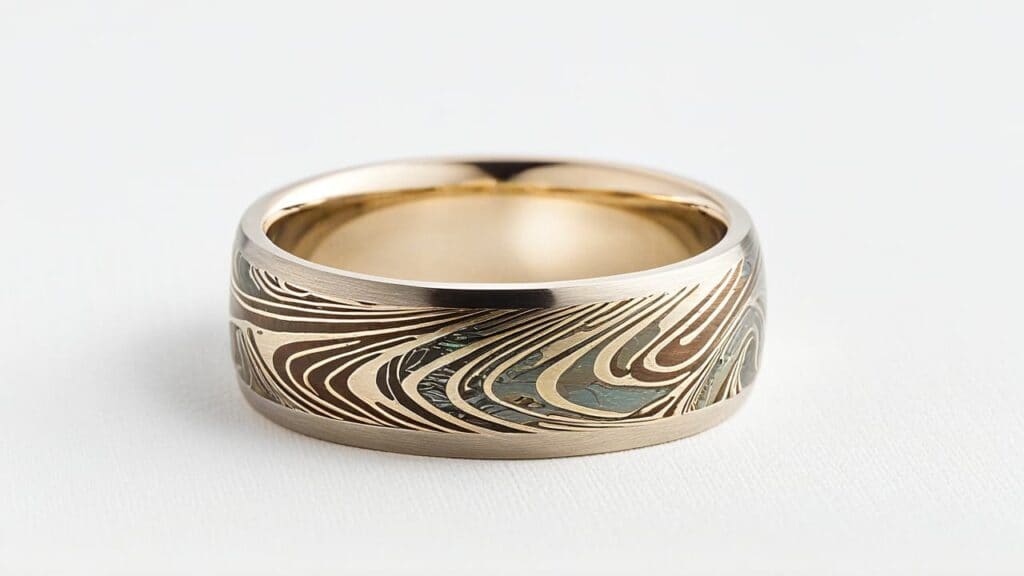
Deciding whether shibuichi belongs in your jewelry collection requires weighing the unique benefits of this ancient Japanese alloy against its practical limitations and care requirements. This isn’t a simple comparison like choosing between gold and silver, because shibuichi occupies its own special category that combines traditional craftsmanship, cultural heritage, and distinctive aesthetics with specific maintenance needs and performance characteristics. The right choice depends on your personal values, lifestyle, budget constraints, and willingness to embrace jewelry that develops character over time rather than maintaining static perfection.
The Good Things About Shibuichi
Shibuichi offers several compelling advantages that explain why this ancient alloy has found new life in contemporary jewelry markets despite competition from modern alternatives. These benefits particularly appeal to buyers seeking authentic traditional craftsmanship, distinctive aesthetics, and affordable access to genuine cultural heritage rather than mass-produced fashion accessories.
- Shibuichi costs dramatically less than gold or platinum while providing genuine precious metal content, making traditional Japanese craftsmanship accessible to moderate budgets with savings of 50-70% compared to similar designs in higher-grade metals.
- Living patina quality creates jewelry that evolves with wear, developing personal character through gradual color shifts and natural highlights that reflect each owner’s lifestyle and daily habits over months and years of use.
- Cultural authenticity connects wearers to centuries of Japanese artistic tradition, supporting artisans who preserve ancient knowledge while providing historical depth that modern alloys simply cannot match.
- Unique aesthetic possibilities through natural patination create gray spectrum colors from light pewter to deep charcoal with subtle undertones that complement virtually any wardrobe while remaining sophisticated and understated.
- Better corrosion resistance than pure copper makes shibuichi practical for regular wear while maintaining color-changing properties, with modern formulations often exceeding traditional performance through improved techniques and protective treatments.
The combination of affordability, authenticity, and aesthetic uniqueness makes shibuichi particularly attractive to buyers who appreciate traditional craftsmanship but cannot justify the expense of gold or platinum alternatives. These advantages work especially well for people who enjoy owning objects with cultural significance and don’t mind the extra attention required to maintain optimal appearance.
Things to Consider
Several important limitations and potential problems require honest consideration before committing to shibuichi jewelry, particularly for buyers expecting performance equivalent to modern precious metals. These concerns affect different people differently, but understanding them helps prevent disappointment and ensures realistic expectations about long-term ownership experience.
- Copper sensitivity affects 1-2% of the population and can develop suddenly after years of problem-free wear, causing redness, itching, swelling, or skin discoloration that makes expensive pieces completely unwearable once reactions begin.
- Structural durability concerns include potential galvanic corrosion and cracking in high-stress areas, with softer copper content leading to faster wear and limited resizing options that may damage patination or compromise integrity.
- Limited resale value compared to conventional precious metals means purchases should focus on personal enjoyment rather than investment, with specialized markets and uncertain long-term pricing affecting insurance coverage and future selling options.
- Maintenance requirements exceed modern precious metals, demanding regular cleaning, careful storage, and periodic professional attention to prevent deterioration while preserving delicate patination layers that can be permanently damaged.
- Unpredictable appearance changes through natural aging may produce colors different from original expectations, with environmental exposure or inconsistent care sometimes creating permanent alterations that require acceptance or expensive restoration attempts.
These limitations don’t necessarily disqualify shibuichi for thoughtful buyers, but they do require honest self-assessment about maintenance willingness, sensitivity risks, and realistic expectations about long-term performance. People who understand and accept these trade-offs often find shibuichi extremely rewarding, while those seeking maximum convenience or purely practical accessories might prefer more conventional alternatives.
How to Care for Shibuichi Jewelry
Caring for shibuichi jewelry requires learning a few simple habits that protect both the metal and its delicate patination, but the effort pays off with jewelry that stays beautiful for decades. The copper content makes shibuichi more reactive than pure silver or gold, so it needs slightly more attention to prevent tarnishing, corrosion, or damage to the carefully created gray colors. Good care habits become second nature quickly and help ensure your shibuichi pieces develop attractive patina rather than unwanted discoloration or structural problems.
- Daily cleaning involves gentle washing with mild dish soap and warm water using a soft-bristled toothbrush to remove oils, lotions, and everyday grime that can interfere with natural patina development. Rinse thoroughly with clean water and dry completely with a soft cloth, paying special attention to crevices or textured areas where moisture might collect. Never use harsh chemicals, bleach, or abrasive cleaners that can damage the patination layer or create permanent discoloration. The goal is removing contamination while preserving the delicate surface treatments that give shibuichi its distinctive appearance.
- Proper storage prevents accelerated tarnishing and protects shibuichi from environmental factors that can cause unwanted color changes or surface damage. Store pieces in low-humidity environments using silica gel packets or anti-tarnish strips that absorb moisture from the air. Avoid plastic bags that can trap moisture against the metal, instead using soft cloth pouches or individual compartments in jewelry boxes with anti-tarnish lining. Keep shibuichi pieces separated from other metals to prevent galvanic reactions that might cause unexpected corrosion or color changes.
- Remove shibuichi jewelry before swimming, showering, exercising, or any activities involving chemicals, chlorinated water, or excessive moisture that can accelerate corrosion processes. Pool chemicals are particularly damaging because chlorine attacks both copper and silver aggressively, potentially destroying patination and weakening the metal structure permanently. Sweat contains salts and acids that can gradually etch the surface or create uneven patination, especially during intense physical activity when perspiration levels are high. Taking jewelry off during these activities prevents most serious damage and extends the life of delicate patination finishes.
- Tarnish removal requires gentle methods that clean the metal without damaging the underlying patination layer that gives shibuichi its characteristic colors. Create a paste from baking soda and water for light cleaning, applying with a soft cloth and rubbing gently in circular motions before rinsing thoroughly. Commercial silver cleaners can work on shibuichi but should be tested on inconspicuous areas first since some formulations may affect the patination unpredictably. Avoid ultrasonic cleaners or steam cleaning that might loosen any inlaid elements or damage delicate surface treatments.
- Professional maintenance every 6-12 months helps catch potential problems early while refreshing the appearance of pieces that receive regular wear. Qualified jewelers experienced with traditional Japanese alloys can assess structural integrity, restore damaged patination, and perform any necessary repairs using appropriate techniques and materials. Professional cleaning can also remove deep tarnish or contamination that home methods cannot address safely. Ask specifically about experience with shibuichi or mokume gane when choosing professional services, since improper techniques can cause permanent damage.
- Warning signs that require immediate professional attention include visible cracks especially around stress points like ring shanks, unusual color changes that appear suddenly, skin reactions that develop during wear, or any separation between different metal layers in mokume gane pieces. Delamination in layered pieces indicates bonding failure that will only worsen with continued wear and requires expert repair or replacement. Persistent skin reactions suggest developing copper sensitivity that may require switching to different metals entirely.
- Emergency care for damaged shibuichi involves stopping wear immediately and seeking qualified repair services rather than attempting home fixes that might cause additional damage. Never use files, sandpaper, or aggressive polishing compounds on damaged areas since these can remove patination or create surface irregularities that are difficult or impossible to repair properly. Document any damage with photos for insurance purposes and avoid exposing damaged pieces to moisture or chemicals that might accelerate deterioration while waiting for professional repair.
Proper shibuichi care becomes effortless once you establish good routines, and the reward is jewelry that actually improves with age rather than simply wearing out. The patina development that occurs through careful use and maintenance creates character and beauty that new pieces cannot possess, making well-cared-for shibuichi increasingly valuable over time. Many owners find that learning to care for shibuichi properly enhances their appreciation for traditional craftsmanship and connects them more deeply to the cultural heritage embedded in these remarkable pieces. The extra attention required compared to modern metals is actually part of shibuichi’s appeal for buyers who enjoy being involved in preserving and developing the beauty of their jewelry rather than simply owning static objects.
Shibuichi Shopping Tips and Advice
Buying shibuichi jewelry requires more research and careful evaluation than purchasing conventional precious metal pieces, since the specialized nature of this alloy means fewer jewelers truly understand its properties and potential problems. Smart buyers focus on finding experienced artisans who can demonstrate their knowledge through previous work, detailed explanations of their processes, and honest discussions about both benefits and limitations. The investment in quality shibuichi from reputable sources pays off with jewelry that performs well and maintains its beauty over years of wear.
- Artisan credentials and experience matter more with shibuichi than almost any other jewelry material because improper techniques can create pieces that look beautiful initially but fail catastrophically within months or years. Look for makers who have specifically studied traditional Japanese metalworking, either through formal apprenticeships or extensive self-education with documented results. Ask to see examples of shibuichi pieces they created several years ago and how those pieces have aged with wear. Experienced artisans should be able to explain their alloy compositions, patination methods, and any modifications they’ve made to traditional techniques for modern applications.
- Exact alloy composition details help buyers know what they’re actually purchasing and what performance characteristics to expect from their shibuichi jewelry. Reputable sellers should provide precise copper and silver percentages rather than vague descriptions like “traditional shibuichi” or “authentic Japanese alloy.” Ask whether the composition follows historical ratios or uses modified formulations optimized for contemporary jewelry applications. Be wary of sellers who cannot or will not specify exact metal content, since this information affects everything from color development to corrosion resistance and potential skin reactions.
- Construction quality evaluation requires examining how well different metals bond together in mokume gane pieces and whether the patination appears even and consistent across the entire surface. Look for clean, tight joints where different metals meet, with no visible gaps, discoloration, or irregular boundaries that might indicate poor bonding. The patination should show smooth color transitions without abrupt changes, streaking, or blotchy areas that suggest rushed or improper treatment. Well-made shibuichi exhibits subtle color variation that enhances the design rather than distracting from it.
- Pattern consistency in mokume gane work reveals the skill level of the craftsman and indicates how well the piece will hold up to daily wear and handling. Examine the flow and spacing of the wood-grain patterns to ensure they appear natural and balanced rather than forced or repetitive. Quality mokume gane shows organic-looking patterns that could plausibly occur in real wood, with variations in thickness and direction that create visual interest. Avoid pieces with patterns that look too regular or mechanical, which often indicate machine assistance rather than traditional hand-forging methods.
- Price evaluation requires comparing not just the cost but the value proposition including materials, craftsmanship level, and expected lifespan of the finished piece. Quality shibuichi jewelry typically costs 30-50% less than equivalent designs in gold alloys but should still reflect the significant hand labor involved in traditional techniques. Extremely low prices often indicate corner-cutting in materials or methods that will cause problems later, while excessively high prices may not be justified unless the piece represents exceptional artistry or historical significance. Research current market prices from multiple sources before making significant purchases.
- Documentation and guarantees become especially important with shibuichi because of the specialized knowledge required for proper care and potential repair needs. Reputable sellers provide detailed care instructions, composition certificates, and clear warranty terms that specify what types of damage or wear are covered. Ask about repair services and whether the original maker will service the piece if problems develop later. Avoid sellers who provide minimal documentation or seem reluctant to discuss potential issues that might arise during ownership.
- Testing and evaluation opportunities let serious buyers assess shibuichi jewelry before committing to expensive purchases, especially for people concerned about metal sensitivities or uncertain about the aesthetic appeal. Some artisans offer small sample pieces or trial periods that allow customers to experience shibuichi properties firsthand. Others provide detailed photographs showing how similar pieces have aged over time, helping buyers set realistic expectations. Consider starting with smaller, less expensive pieces to evaluate your personal response to shibuichi before investing in major items like wedding rings.
The shibuichi market remains relatively small and specialized, which creates both opportunities and risks for buyers willing to do their homework before purchasing. The limited number of truly qualified artisans means that finding excellent shibuichi jewelry requires more effort than shopping for conventional precious metal pieces, but the rewards include owning truly unique items with authentic cultural heritage. Buyers who take time to locate reputable sources and educate themselves about quality indicators will find shibuichi jewelry that provides years of satisfaction and develops increasing beauty through proper care and appreciation. The key is approaching shibuichi purchases as investments in artistry and cultural preservation rather than simple commodity transactions, ensuring that both buyer and maker benefit from the exchange.
Shibuichi Metal vs Other Jewelry Metals
Comparing shibuichi to other metals reveals why this Japanese alloy occupies such a unique position in the jewelry world, offering characteristics that no other material can duplicate exactly. While modern alloys might surpass shibuichi in pure performance metrics like strength or corrosion resistance, none can match its combination of historical authenticity, natural color development, and accessible pricing. The choice between shibuichi and alternatives often comes down to whether buyers prioritize practical durability or cultural significance and aesthetic uniqueness.
- Shibuichi versus shakudo creates the most interesting comparison since both are traditional Japanese alloys with similar histories but completely different visual results. Shakudo contains 1-7% gold mixed with copper, creating distinctive blue-black patinas that look almost like oxidized steel, while shibuichi’s silver content produces gray tones that can include subtle blue or green hints. Shakudo generally costs more because of its gold content and tends to be more stable over time, but shibuichi offers greater color variety and works better for pieces requiring lighter, more neutral tones. Both alloys share similar cultural significance and traditional craftsmanship requirements.
- Sterling silver comparison shows how shibuichi’s copper content fundamentally changes the metal’s behavior and appearance compared to the 92.5% silver standard. Sterling silver maintains its bright, reflective appearance indefinitely with proper care, while shibuichi deliberately develops matte, subdued colors that continue evolving over time. Sterling silver tarnishes uniformly across the surface, while shibuichi develops selective patination that creates natural contrast and visual interest. Shibuichi costs less than sterling silver but requires more careful maintenance and offers less predictable long-term appearance.
- Pure copper jewelry highlights how shibuichi’s silver content dramatically improves performance while maintaining copper’s natural color-changing abilities. Pure copper develops green patina outdoors and can cause skin discoloration in sensitive individuals, while shibuichi’s silver content provides better corrosion resistance and more attractive gray tones. Copper alone is too soft for most jewelry applications and tends to wear quickly, while shibuichi’s alloy structure creates greater hardness and durability. The silver addition also improves workability during crafting, making complex techniques like mokume gane possible.
- Gold alloy comparisons reveal shibuichi’s position as an affordable alternative that offers unique aesthetics impossible to achieve with precious metals. Gold alloys maintain consistent color and resist tarnishing completely, but they cannot produce the subtle gray tones and natural patina development that make shibuichi special. Gold provides better long-term value retention and universal acceptance, while shibuichi appeals to buyers seeking distinctive appearance and cultural authenticity. The price difference is substantial - quality gold jewelry typically costs 3-5 times more than comparable shibuichi pieces.
- Modern alternative alloys like titanium, stainless steel, or specialized jewelry metals offer superior durability and hypoallergenic properties but lack shibuichi’s historical significance and natural color development. Titanium creates incredibly strong, lightweight jewelry that never tarnishes but costs more than shibuichi and requires special equipment for crafting. Stainless steel provides excellent corrosion resistance at low cost but cannot achieve shibuichi’s subtle color variations or traditional aesthetic appeal. These modern materials work well for people prioritizing pure performance, but they cannot replicate the cultural depth and natural beauty of traditional Japanese alloys.
- Platinum comparison shows the extreme ends of the jewelry metal spectrum, with platinum offering ultimate durability and prestige while shibuichi provides accessible entry into handcrafted traditional techniques. Platinum never tarnishes, rarely causes allergic reactions, and maintains its appearance indefinitely, but costs 10-15 times more than shibuichi and lacks any historical or cultural significance. Platinum works best for buyers who want maximum longevity and status, while shibuichi appeals to those who value artistry and tradition over pure luxury positioning.
- Bronze and brass alternatives share copper content with shibuichi but lack the silver component that provides corrosion resistance and distinctive gray coloration. Bronze alloys typically contain tin rather than silver, creating yellowish or brownish tones that cannot achieve shibuichi’s characteristic grays. Brass contains zinc instead of silver, producing bright yellow colors that tarnish to green rather than developing attractive patina. Both bronze and brass cost less than shibuichi but offer inferior performance and cannot access traditional Japanese patination techniques that create shibuichi’s unique beauty.
The comparison process helps buyers determine whether shibuichi matches their specific needs, lifestyle, and aesthetic preferences better than conventional alternatives. No single metal works best for every situation or every person, so the choice depends on weighing factors like budget, durability requirements, maintenance willingness, and personal taste preferences. Shibuichi occupies a special niche for buyers who want something genuinely different from mass-market jewelry options while remaining within reasonable budgets and maintenance commitments. The key is honest assessment of personal priorities rather than trying to force shibuichi into applications where other metals might serve better, ensuring satisfaction with the final choice and realistic expectations about long-term ownership experience.
Conclusion
Shibuichi represents a rare opportunity to own authentic Japanese craftsmanship at prices that won’t break your budget, but success with this ancient alloy depends on realistic expectations and genuine appreciation for traditional metalworking artistry. The decision comes down to whether you value cultural authenticity and evolving beauty over the predictable performance of conventional precious metals. People who choose shibuichi tend to be those who enjoy learning about their possessions, watching them develop character over time, and supporting artisans who preserve centuries-old techniques for modern applications.
The practical considerations cannot be ignored - shibuichi requires more care than gold or platinum, may cause reactions in copper-sensitive individuals, and offers limited resale value compared to mainstream precious metals. However, these limitations pale beside the unique benefits for buyers who appreciate what shibuichi actually provides rather than expecting it to perform like different materials entirely. The gray patination effects, cultural heritage, and affordable access to genuine handcrafted techniques create value that transcends simple monetary calculations for people who connect with traditional artistry and historical significance.
Shibuichi works best for buyers who approach it as wearable art rather than conventional jewelry, appreciating both its remarkable capabilities and inherent limitations while supporting the continued evolution of ancient Japanese metalworking traditions. If you’re drawn to the idea of owning something genuinely unique with deep cultural roots, willing to learn proper care techniques, and excited about watching your jewelry develop personality over time, shibuichi offers an unmatched combination of beauty, history, and accessibility. The key is making an informed choice based on personal values rather than external expectations, ensuring that your shibuichi experience becomes a source of long-term satisfaction and connection to one of humanity’s most sophisticated metallurgical achievements.