Jewelry developing weird smells is more common than most people realize, and it’s not just about poor hygiene. The distinctive “metallic” odor many people notice isn’t actually from the metal itself—it comes from skin oils breaking down when they contact metal ions, creating compounds that your nose can detect at incredibly low concentrations. Meanwhile, bacteria living naturally on your skin feed on proteins and oils trapped in jewelry crevices, producing byproducts that smell like cheese, sulfur, or even rotting fish. Silver jewelry faces additional challenges through tarnishing—a chemical reaction that creates black buildup and releases unpleasant odors. Understanding these processes helps explain why some people’s jewelry smells more than others, why certain metals are worse offenders, and most importantly, how to eliminate these odors effectively and prevent them from returning.
What Causes Jewelry to Smell Weird?
Jewelry develops weird smells through three main chemical and biological processes that occur when metal contacts skin, moisture, and air. These reactions happen faster than most people realize and create distinct types of odors depending on the metals involved and storage conditions. Identifying which process is causing your jewelry’s smell helps you choose the most effective cleaning approach and prevents the problem from recurring.
- Metal reactions with skin oils create that familiar “metallic” smell. When metals like copper, brass, or nickel touch your skin, they release ions that break down natural skin oils into volatile compounds your nose easily detects. This happens faster with acidic skin, during sweating, or with lower-quality jewelry containing reactive base metals. Even tiny amounts of these metals can create noticeable metallic odors within hours, which explains why costume jewelry and gold-plated pieces often smell worse than solid precious metals.
- Bacteria growth produces organic smells from cheesy to fishy. Natural skin bacteria feed on proteins, dead skin cells, and oils trapped in jewelry crevices and chain links. As bacteria multiply in warm, moist conditions, they produce waste products with distinct odors—some create cheesy smells, others produce sulfur compounds like rotten eggs, and certain species create fishy or onion-like odors. This process accelerates with jewelry worn regularly without cleaning or pieces stored in humid environments.
- Silver tarnishing releases sulfur compounds that smell like rotten eggs. Silver reacts with hydrogen sulfide in air pollution or from skin bacteria to form black silver sulfide tarnish. This chemical reaction continuously releases sulfur-containing gases creating that unmistakable rotten egg smell. The darker and more extensive the tarnish, the stronger these sulfur odors become, and sterling silver’s copper content can add metallic smells on top of the sulfur.
- Individual body chemistry dramatically affects how quickly jewelry develops odors. People with more acidic skin (pH below 4.5) experience faster metal corrosion and stronger odors, while those with excessive sweating are known as “rusters” because their sweat’s high chloride content corrodes metals much faster than average. Medications, hormonal changes, and even gender affect sweat chemistry—women typically have more acidic skin than men, and hormonal fluctuations during menstruation, pregnancy, or menopause can make jewelry smell more quickly.
- Different metals have vastly different odor potential. Pure precious metals like 24-karat gold and platinum are naturally odorless because they don’t react with skin or air, while base metals like copper, brass, and nickel are the biggest odor culprits. Fashion jewelry and gold-plated pieces smell the strongest because thin precious metal coatings wear off, exposing reactive base metals underneath that interact directly with skin and moisture.
- Poor storage conditions accelerate all odor-producing reactions. High humidity above 50% speeds up tarnishing and bacterial growth, while enclosed spaces trap odor-causing gases around jewelry. Storing different metals together creates chemical reactions that accelerate corrosion, and common storage materials like rubber bands or certain plastics release sulfur compounds that promote tarnishing and worsen existing odor problems.
These aren’t just surface-level cosmetic issues—jewelry odors indicate actual chemical changes happening to your pieces. The encouraging news is that once you know these underlying processes, you can interrupt them effectively through targeted cleaning methods and proper storage techniques. Most jewelry odors can be completely eliminated and prevented from returning when you address the root scientific causes rather than just masking the symptoms.
Types of Jewelry Smells and What They Mean
The specific type of smell your jewelry produces reveals exactly what’s happening chemically and helps you choose the right cleaning method. Each odor has distinct characteristics and causes, ranging from immediate metal reactions to long-term storage problems. Recognizing these smell signatures allows you to diagnose the issue quickly and apply the most effective solution.
- Metallic or copper-like smells indicate base metal exposure and skin reactions. This sharp, penny-like odor occurs when copper, brass, nickel, or other base metals release ions that break down skin oils into volatile compounds. The smell appears quickly—often within hours of wearing costume jewelry or gold-plated pieces where the coating has worn thin. People with acidic skin or those who sweat heavily notice this metallic smell much more intensely, and it often comes with green or black skin discoloration where the metal touches.
- Musty or moldy smells signal moisture problems and bacterial overgrowth. This damp, earthy odor develops when jewelry is stored in humid conditions like bathrooms or damp basements, or when pieces aren’t dried properly after cleaning. The smell comes from mold, mildew, and bacteria growing in chain links, settings, and crevices where moisture gets trapped. Fabric-lined jewelry boxes in humid environments are particularly prone to developing these persistent organic odors that penetrate into the metal surfaces.
- Sulfur or rotten egg smells are classic signs of silver tarnishing. This unmistakable sharp, acrid odor occurs when silver reacts with hydrogen sulfide from air pollution, skin bacteria, or sulfur-containing foods to form black silver sulfide. The smell intensifies as tarnishing progresses—lightly tarnished silver may have just a hint of sulfur, while heavily blackened pieces can smell strongly enough to be noticeable from several feet away. Sterling silver produces stronger sulfur odors than fine silver because the copper content accelerates the tarnishing process.
- Fishy or ammonia-like smells indicate serious bacterial contamination. These sharp, unpleasant organic odors result from specific bacteria species like Staphylococcus hominis producing compounds that smell like rotting fish, onions, or ammonia. This typically happens with jewelry worn frequently but cleaned rarely, especially pieces that trap sweat and oils like rings, bracelets, and earrings. The smell often persists even after basic cleaning because bacteria have colonized deep into crevices and porous surfaces.
- Sweet or fruity smells can indicate chemical reactions with cosmetics. When jewelry reacts with perfumes, lotions, hairspray, or cleaning products, it can produce unexpected sweet or chemical odors. These smells often mask underlying metal or bacterial odors initially, but as the cosmetic residues break down, they can create complex odor combinations that are difficult to identify and eliminate with standard cleaning methods.
Each smell type requires different cleaning approaches because the underlying causes are fundamentally different. Metallic smells need thorough degreasing and possibly replating, musty odors require antimicrobial treatment and moisture control, sulfur smells need specific tarnish removal techniques, and bacterial contamination often requires professional cleaning or replacement of severely affected pieces. Identifying the specific odor pattern helps you skip ineffective treatments and go straight to solutions that actually work.
How Different Metals Create Odors
Different metals create distinct odor patterns based on their chemical properties and how they react with skin, air, and moisture. Knowing which metals you’re wearing helps predict what types of smells might develop and how quickly they’ll appear. This knowledge is crucial for choosing appropriate cleaning methods and deciding whether prevention or treatment is more practical.
- Silver jewelry produces the most recognizable and persistent odors through tarnishing. Sterling silver tarnishes when exposed to hydrogen sulfide, creating black silver sulfide that releases continuous sulfur compounds with that classic rotten egg smell. The copper content in sterling silver also contributes metallic odors, especially with people who have acidic skin. Fine silver tarnishes more slowly but still produces sulfur odors, while silver-plated jewelry often smells the worst because the thin silver coating wears off quickly, exposing base metals underneath.
- Gold-plated and fashion jewelry create the strongest metallic and chemical odors. These pieces start smelling as soon as the thin gold coating wears through to expose base metals like copper, brass, nickel, or zinc underneath. The plating process itself can trap manufacturing chemicals that release odors over time, and the junction between precious metal coating and base metal creates galvanic reactions that accelerate corrosion and smell development. Lower-quality gold-filled jewelry lasts longer but eventually develops similar problems as the gold layer thins.
- Copper and brass jewelry produce distinctive metallic smells with visible skin discoloration. Pure copper creates that unmistakable penny-like metallic odor within hours of skin contact, especially when combined with moisture from sweat. The oxidation process that creates the smell also produces green copper carbonate that stains skin and clothing. Brass (copper and zinc alloy) produces similar but typically less intense odors, though the zinc component can add sharp, acrid notes to the metallic smell.
- Solid gold and platinum remain naturally odorless under normal conditions. Pure precious metals like 24-karat gold and platinum don’t react with skin oils, moisture, or air, so they shouldn’t develop odors. If high-quality gold jewelry smells, it’s usually from the alloy metals mixed in for durability—14K gold contains 58.3% gold plus copper, silver, nickel, or zinc that can create odors. White gold often contains nickel or palladium that may produce metallic smells, especially if the rhodium plating wears off.
- Stainless steel and titanium offer odor-resistant alternatives but aren’t completely immune. Surgical-grade stainless steel resists most corrosion and odor development, but lower-quality stainless steel can contain enough iron and carbon to produce metallic smells with prolonged wear. Titanium is highly biocompatible and odor-resistant, though it can still trap bacteria and organic matter in textured surfaces that create secondary odors.
The key insight is that metal purity directly correlates with odor resistance—the more pure the precious metal content, the less likely odors will develop. However, even the highest-quality metals can develop secondary odors from trapped bacteria, cosmetic residues, or environmental contamination, which means proper cleaning and storage remain important regardless of metal type. When shopping for odor-resistant jewelry, prioritize higher gold karats, platinum, or alternative metals like titanium over plated or fashion jewelry options.
How Your Body Chemistry Affects Jewelry Smells
Your individual body chemistry plays the biggest role in determining whether your jewelry develops odors and how quickly it happens. Some people can wear any jewelry without problems, while others make even high-quality pieces smell within hours. These differences come down to measurable factors in your skin chemistry, sweat composition, and hormonal status that directly affect how metals react when they contact your body.
- Skin pH is the most important factor determining jewelry odor development. Normal healthy skin ranges from pH 4.5 to 5.5 (slightly acidic), but individual variations can be significant. People with more acidic skin (pH below 4.5) experience much faster metal corrosion and ion release, making their jewelry smell more quickly and intensely. Skin pH varies by body location, gender, and age—women typically have more acidic skin than men, and skin becomes less acidic as you get older, which can actually reduce metal reactions but increase bacterial growth.
- Sweat composition varies dramatically between individuals and directly affects metal corrosion. Some people produce sweat with high chloride content that acts like a corrosive salt solution on metals, while others have sweat that’s less reactive. People with hyperhidrosis (excessive sweating) are often called “rusters” because they corrode metals much faster than average. Sweat also contains lactic acid, amino acids, and trace elements like zinc and copper that can interact with jewelry metals to create or intensify odors.
- Medications and health conditions significantly alter your sweat chemistry. Antidepressants, hormonal medications, and certain other drugs can make sweat more acidic or increase production, creating more opportunities for metal reactions. Diabetes can change sweat composition to make it more attractive to bacteria. Some medications also change the pH and electrolyte composition of sweat in ways that make jewelry tarnish faster or develop stronger odors.
- Hormonal fluctuations create predictable patterns in jewelry odor development. During menopause, declining estrogen makes sweat more acidic and increases production through hot flashes, often causing previously comfortable jewelry to suddenly start smelling. Pregnancy hormones increase metabolic rate and sweat production while changing skin chemistry. Even monthly menstrual cycles affect jewelry odors—high estrogen periods produce less reactive sweat, while low estrogen phases make sweat saltier and more corrosive to metals.
- Lifestyle factors compound individual body chemistry effects. Diet affects sweat composition—eating sulfur-rich foods like garlic and onions can make sweat more corrosive to silver, while high-sodium diets increase the salt content that corrodes most metals. Exercise intensity and frequency change both sweat volume and composition. Stress increases cortisol levels that can alter skin pH and sweat chemistry, making jewelry more likely to develop odors during stressful periods.
- Genetic factors influence long-term patterns in jewelry compatibility. Some people inherit more acidic skin types or higher sweat production that makes them perpetually incompatible with certain metals. Others have genetic variations in skin bacteria populations that make them more prone to developing organic jewelry odors. Family history often predicts jewelry odor problems—if your parents or siblings have issues with certain metals, you’re likely to experience similar problems.
The practical takeaway is that body chemistry isn’t something you can change dramatically, but you can work with it by choosing appropriate metals and adjusting your jewelry care routine. If you know you have acidic skin or heavy sweating, focus on higher-purity metals, clean jewelry more frequently, and pay extra attention to storage conditions. Many people find their jewelry compatibility changes with age, health status, or major life events, so what worked in the past may need adjustment over time.
Storage Mistakes That Make Jewelry Smell
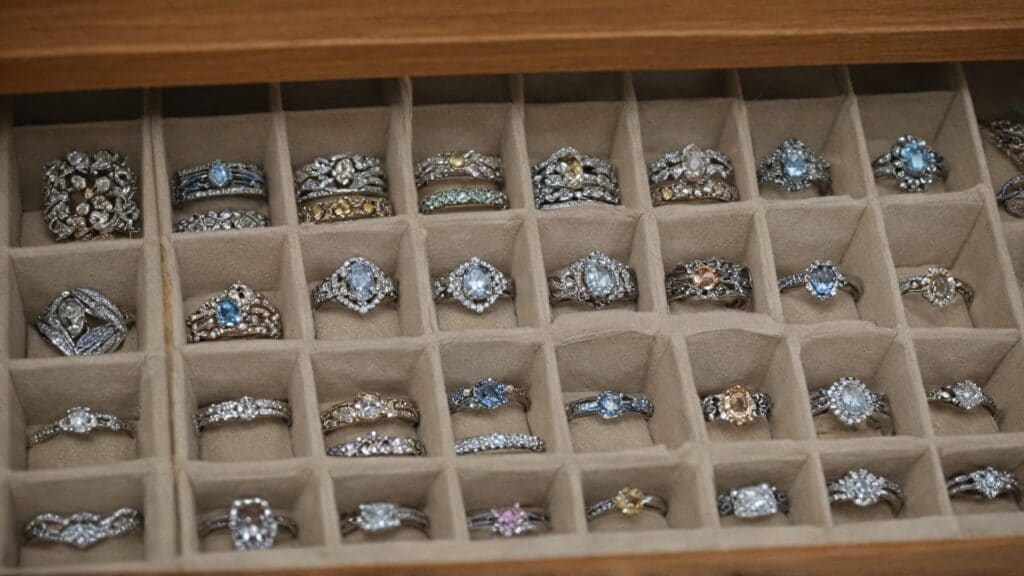
Poor storage practices are responsible for many persistent jewelry odor problems that seem impossible to eliminate. Even clean jewelry can develop terrible smells when stored incorrectly, and proper storage is often more important than cleaning frequency for preventing odor development. The environment where you keep your jewelry directly affects tarnishing rates, bacterial growth, and chemical reactions that create lasting smell problems.
- High humidity accelerates every type of jewelry odor problem. Jewelry should be stored at 40% relative humidity or lower, but many people keep pieces in bathrooms where humidity regularly exceeds 70% or in basements with poor moisture control. High humidity speeds up silver tarnishing dramatically, promotes bacterial and mold growth in jewelry crevices, and creates condensation that traps odor-causing compounds against metal surfaces. Even brief exposure to high humidity during storage can restart tarnishing processes that take weeks to eliminate.
- Mixing different metals in storage creates chemical reactions that worsen odors. When silver and gold-plated jewelry are stored together, they can accelerate each other’s tarnishing through galvanic reactions where different metals exchange ions. Copper-containing metals release ions that affect nearby silver pieces, while nickel can catalyze corrosion in other alloys. Even storing clean and tarnished pieces together allows odor-causing compounds to transfer between items, making the problem spread throughout your collection.
- Common storage materials actively contribute to jewelry deterioration and odors. Rubber bands release sulfur compounds that quickly tarnish silver and create rotten egg smells. Cardboard absorbs moisture and releases acids that corrode metals over time. Regular plastic bags trap moisture and prevent air circulation, creating perfect conditions for bacterial growth. Wood with high acid content, felt, wool, and acidic paper products all release compounds that accelerate tarnishing and odor development during storage.
- Poor ventilation allows odor-causing gases to accumulate and intensify. Storage in completely enclosed spaces without air circulation creates stagnant conditions where tarnish-causing gases like hydrogen sulfide build up to much higher concentrations than normal. This makes tarnishing happen faster and more extensively than it would in open air. Stagnant air also promotes bacterial development and prevents natural evaporation of moisture that would otherwise help keep jewelry dry and odor-free.
- Temperature fluctuations in storage areas create condensation cycles that promote odor development. Storing jewelry in areas with large temperature swings like attics, garages, or near heating vents causes repeated condensation and evaporation cycles that accelerate corrosion. These temperature changes also cause metals to expand and contract, which can crack protective coatings and allow moisture and contaminants to penetrate deeper into jewelry surfaces where they’re harder to clean out.
- Overcrowded storage prevents proper air circulation and makes cleaning difficult. When jewelry pieces are jumbled together in boxes or bags, they can’t dry properly after exposure to moisture, and cleaning becomes nearly impossible without risking damage from tangling or scratching. Pieces that touch each other can transfer tarnish, bacteria, and odor-causing compounds, making contamination spread throughout your collection even when individual pieces would otherwise stay clean.
The solution requires both immediate changes and long-term storage upgrades. Remove jewelry from humid areas immediately, separate different metals into individual storage compartments, replace problematic storage materials with anti-tarnish cloths or proper jewelry boxes, and ensure adequate ventilation around storage areas. Many people find that fixing storage problems eliminates recurring odor issues more effectively than frequent cleaning, since proper storage prevents most odor-causing processes from starting in the first place.
How to Remove Jewelry Smells Fast
Most jewelry odors can be eliminated with the right cleaning approach, but the key is matching your method to both the type of smell and the jewelry materials. Quick solutions work for recent odor development, while persistent smells may require more intensive treatment. Starting with gentle methods protects your jewelry while still achieving effective odor removal.
- Basic soap and water cleaning eliminates most fresh odors and bacterial buildup. Mix a few drops of mild dish soap in warm water, soak jewelry for 5-10 minutes, then gently scrub crevices with a soft toothbrush to remove trapped oils and bacteria. Rinse thoroughly under warm running water and pat dry immediately with a lint-free cloth. This method works for all metal types and removes the organic matter that bacteria feed on, stopping odor development at its source.
- Baking soda paste tackles moderate odors and light tarnishing effectively. Mix 3 parts baking soda with 1 part water to create a paste, apply with a soft cloth in circular motions, let sit 10-15 minutes for odor absorption, then gently scrub and rinse thoroughly. Baking soda neutralizes acids that cause metallic odors and absorbs organic compounds that create bacterial smells. Never use this method on silver-plated, gold-plated, pearls, opals, or other soft stones, as baking soda can be abrasive enough to damage delicate surfaces.
- White vinegar solutions effectively tackle tarnishing and stubborn bacterial odors. For light cleaning, mix 1 part white vinegar with 2 parts water and soak for 5-10 minutes. For heavy tarnish, create a reaction by adding 2 tablespoons baking soda to 1/2 cup vinegar, which bubbles and helps break down sulfur compounds. Never use vinegar on pearls, opals, coral, turquoise, emeralds, or porous stones, as the acid causes permanent damage. Also avoid vinegar on plated jewelry, as it can strip protective coatings.
- Rubbing alcohol provides quick sanitization and degreasing for emergency cleaning. Wipe jewelry with 70% isopropyl alcohol on a soft cloth to kill bacteria and dissolve oils that cause odors. This method works particularly well for earring posts and other pieces that touch skin directly. Alcohol evaporates quickly, making it ideal when you need to wear jewelry immediately after cleaning. It’s safe for most metals but should be avoided on porous stones and antique pieces with delicate finishes.
- Commercial jewelry cleaners offer convenience for specific metal types. Weiman Liquid Jewelry Cleaner works well for gold, platinum, and diamonds with the Good Housekeeping Seal approval. For silver specifically, Connoisseurs Premium Edition Silver Jewelry Cleaner provides professional results in 10 seconds. Always read labels carefully and test on inconspicuous areas first, as some commercial cleaners contain harsh chemicals that can damage certain stones or finishes.
- Ultrasonic cleaners provide deep cleaning for stubborn odors in durable jewelry. These devices use high-frequency vibrations to remove contaminants from crevices that hand cleaning can’t reach. Fill with appropriate cleaning solution, run for 3-5 minutes, then rinse and dry thoroughly. Never use ultrasonic cleaners on emeralds, opals, pearls, turquoise, costume jewelry, or pieces with loose stones, as the vibrations can cause permanent damage.
The most important principle is to start gentle and escalate only if needed. Many jewelry odors respond completely to simple soap and water cleaning, and using harsher methods unnecessarily can damage pieces or strip protective finishes. Always dry jewelry completely after cleaning, as trapped moisture will restart the very processes that caused odors in the first place. For valuable or antique pieces, consider professional cleaning rather than risking damage with DIY methods.
Best Cleaning Methods for Each Metal Type
Different metals require tailored cleaning approaches because what works safely on one material can permanently damage another. The chemical properties that make metals prone to specific odors also determine which cleaning methods will be effective versus potentially harmful. Using the wrong technique can strip finishes, damage stones, or even make odor problems worse.
- Silver jewelry needs specialized tarnish removal techniques that address sulfur compounds. The most effective method uses electrochemical principles: line a bowl with aluminum foil (shiny side up), add 1 tablespoon each of salt and baking soda, pour boiling water to cover jewelry, ensure pieces touch the foil, and wait 2-10 minutes until tarnish transfers to the foil. This reverses the chemical reaction that created silver sulfide, eliminating both discoloration and sulfur odors simultaneously. For daily maintenance, use silver polishing cloths, buffing in straight lines rather than circles to avoid creating scratches.
- Gold jewelry cleaning methods depend heavily on purity and construction quality. For 14K-24K solid gold, soap and water is safest, though you can also use glass cleaner (Windex) mixed 50/50 with warm water for quick cleaning that cuts through oils effectively. Pure gold doesn’t tarnish, so odors come from alloy metals or trapped contaminants that respond well to gentle degreasing. Higher karat gold (18K-24K) can handle slightly more aggressive cleaning, while lower karat pieces require more caution due to higher base metal content.
- Gold-plated jewelry requires extreme gentleness to preserve thin precious metal coatings. Never use ultrasonic cleaners, abrasive materials like baking soda, or acidic solutions that can strip plating in seconds. Use only mild soap and lukewarm water with minimal soaking time, dry immediately to prevent water spots, and use polishing cloths very sparingly since they gradually wear through plating. Once plating wears off completely, treat the piece as costume jewelry and accept that odors will likely return until replating.
- Costume and fashion jewelry need careful approaches that won’t damage unknown metal compositions. Start with dry cleaning using microfiber cloths to remove surface oils and contaminants. If water cleaning becomes necessary, use minimal exposure with slightly damp cloths only—never submerge pieces that might contain glued components or water-sensitive finishes. Baby shampoo provides gentle cleaning when soap is needed, but immediately pat dry and allow complete air drying to prevent trapped moisture from causing new odor problems.
- Stainless steel and titanium can handle more aggressive cleaning but still benefit from gentle approaches. These metals resist corrosion naturally, so odors usually come from trapped organic matter rather than metal reactions. Soap and water work well, and you can use baking soda paste for stubborn buildup without damaging the metal. Ultrasonic cleaning is generally safe for solid stainless steel and titanium pieces, but avoid it if the jewelry contains other materials or gemstones that might be damaged.
- Pearls and delicate gemstones require special consideration regardless of metal type. These organic and porous materials can be permanently damaged by acids, ultrasonic cleaning, and even gentle abrasives. Clean only with slightly damp soft cloths and mild soap if absolutely necessary. Pearls are particularly vulnerable—their nacre dissolves in acid, and they can be damaged by prolonged water exposure, heat, and chemicals found in many jewelry cleaners.
The key principle is to identify all materials in a piece before choosing cleaning methods. Mixed-material jewelry should be cleaned according to the most delicate component present. When in doubt, start with the gentlest possible approach and test on hidden areas first. Professional cleaning becomes worth the cost when dealing with valuable pieces or complex constructions where the risk of damage outweighs potential savings from DIY cleaning.
Cleaning Mistakes That Make Jewelry Smell Worse
Many well-intentioned cleaning attempts actually worsen jewelry odors or cause permanent damage that makes odor problems impossible to fix. These mistakes are surprisingly common because they seem logical or work well on other materials, but jewelry requires specific knowledge to avoid creating bigger problems than you started with.
- Using toothpaste as an abrasive cleaner scratches metals and destroys finishes permanently. Toothpaste contains silica and other abrasives that rate 3-4 on the Mohs hardness scale, making it hard enough to scratch silver, gold, and most other jewelry metals. These microscopic scratches create more surface area for tarnishing and provide crevices where bacteria can hide, actually making odor problems worse over time. Toothpaste also contains fluoride and sodium lauryl sulfate that can corrode metals chemically, and the abrasive action destroys the luster on pearls and opals permanently.
- Applying acids like lemon juice or vinegar to delicate stones causes irreversible dissolution damage. Pearls, coral, turquoise, malachite, and many other gemstones are calcium carbonate or other acid-sensitive materials that literally dissolve when exposed to citric acid or vinegar. This damage happens immediately and cannot be reversed—the stone material is chemically converted to soluble salts that wash away, leaving pitted or completely destroyed surfaces. Even brief exposure can cause significant damage that reduces value and makes pieces unwearable.
- Using boiling water creates thermal shock that cracks stones and loosens settings. Rapid temperature changes cause materials to expand and contract at different rates, creating stress fractures in gemstones that may not be immediately visible but weaken the stone permanently. Heat also softens adhesives used in glued settings and can cause prongs to expand enough to release stones. Many synthetic and treated gemstones are particularly vulnerable to thermal shock, as their internal stresses make them prone to sudden fracturing under temperature stress.
- Bleach and chlorine exposure breaks down metal alloys and causes permanent discoloration. Pool chemicals, cleaning products containing bleach, and even high-chlorine tap water can cause pitting, discoloration, and structural weakening of jewelry metals. Gold alloys are particularly vulnerable because chlorine attacks the copper and other metals used for strength, creating permanent white or black spots that cannot be polished out. This damage often appears gradually, making it difficult to connect the cause with swimming or cleaning activities.
- Improper ultrasonic cleaner use can cause catastrophic damage to vulnerable pieces. Using ultrasonic cleaners on emeralds, opals, pearls, turquoise, heavily included diamonds, or any glued settings can cause immediate and irreversible damage. The high-frequency vibrations can shatter treated stones, loosen adhesives, or exploit existing fractures to crack stones completely. Costume jewelry with plated finishes can have the coating stripped off entirely, and delicate vintage pieces can suffer joint failures that require expensive repairs.
- Over-polishing removes metal and destroys details permanently. Excessive use of polishing cloths, compounds, or mechanical polishing gradually removes metal from jewelry surfaces, wearing away engravings, maker’s marks, and fine details that cannot be restored. Each polishing session removes microscopic amounts of metal, and this damage accumulates over time until significant thickness is lost. Antique pieces are particularly vulnerable because their value often depends on original details and patina that aggressive polishing destroys completely.
- Ignoring material compatibility leads to chemical reactions that worsen problems. Using silver cleaners on gold-plated jewelry can strip the plating, while gold cleaners may not address silver tarnishing effectively. Mixing different cleaning chemicals can create unexpected reactions that damage jewelry or produce toxic fumes. Storage materials that work well for one metal type may accelerate corrosion in others, and combining incompatible materials in cleaning or storage creates new problems rather than solving existing ones.
The pattern in these mistakes is using cleaning methods appropriate for other materials without considering jewelry’s unique vulnerabilities. When in doubt, start with the gentlest possible approach and research compatibility before escalating to stronger methods. Many jewelry pieces damaged by aggressive cleaning cannot be repaired economically, making conservative approaches essential for preserving both function and value.
When to Take Smelly Jewelry to a Professional
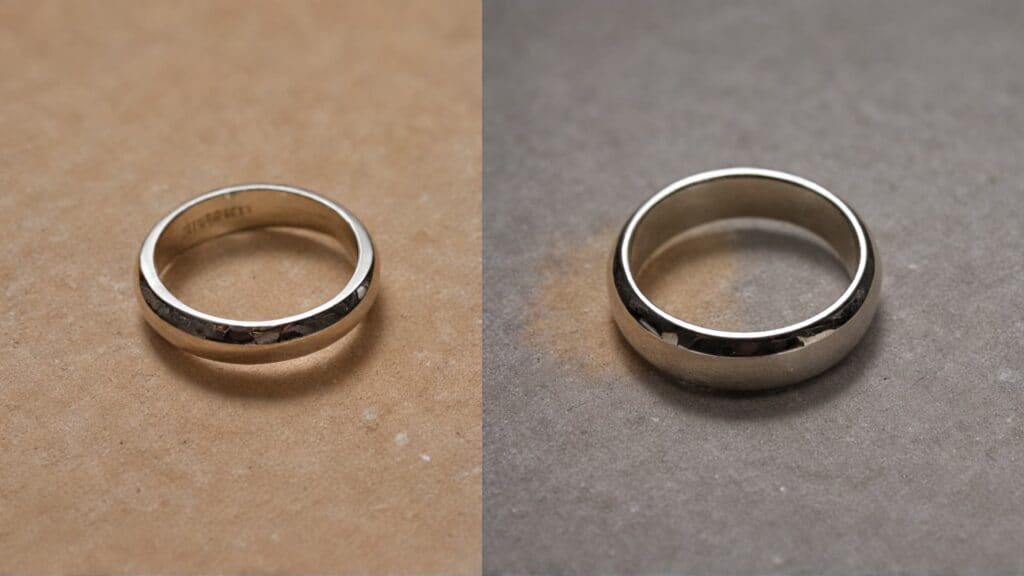
Knowing when DIY cleaning reaches its limits can save you from permanently damaging valuable pieces or wasting time on problems that require specialized equipment and expertise. Professional jewelers have tools, techniques, and experience that can solve odor problems safely when home methods fail or when the risk of damage outweighs potential savings.
- Antique and vintage jewelry always warrant professional assessment before aggressive cleaning. Pieces over 50 years old often have structural vulnerabilities, unusual construction methods, or valuable patina that aggressive DIY cleaning can destroy irreversibly. Many antique pieces contain mixed materials, delicate settings, or historical significance where the cost of professional cleaning is minimal compared to potential damage from incorrect home treatment. Professional conservators use museum-grade techniques and document work with before/after photography for truly valuable pieces.
- Valuable pieces with loose stones or damaged settings need professional attention before cleaning. Ultrasonic cleaners and even gentle scrubbing can dislodge stones from weakened settings, turning a simple cleaning into an expensive repair. Professional jewelers inspect pieces under magnification before cleaning and can identify potential problems that aren’t visible to the naked eye. They also have insurance and expertise to handle valuable items safely, while DIY cleaning voids most jewelry insurance coverage if damage occurs.
- Persistent odors that haven’t responded to appropriate DIY methods often require professional equipment. Commercial ultrasonic cleaners operate at higher frequencies and with specialized solutions that aren’t available for home use. Steam cleaning at professional temperatures and pressures can remove contaminants from crevices that home methods can’t reach. Some odor problems require chemical treatments or replating that only professionals can perform safely and effectively.
- Complex jewelry with mechanisms, multiple materials, or unusual constructions exceeds DIY capabilities. Watches, vintage brooches with moving parts, and pieces combining metals with pearls, coral, or other delicate materials need specialized knowledge to clean without damage. Professional jewelers understand how different materials react to cleaning agents and can tailor approaches to protect all components simultaneously. They also have tools to disassemble and reassemble complex pieces when necessary.
- Professional cleaning provides value through expertise and specialized equipment. Basic professional cleaning costs $20-$50 per piece and typically includes ultrasonic cleaning, steam cleaning, visual inspection for loose stones or damage, and basic polishing. Professional jewelers can identify problems early before they become expensive repairs, and they guarantee their work. They also have access to replacement parts and can perform minor repairs during cleaning that would require separate service calls otherwise.
- Replating and restoration services address fundamental odor causes that cleaning cannot fix. When gold plating has worn through completely or silver pieces have deep pitting from corrosion, surface cleaning only provides temporary relief. Professional replating costs $30-$100 but eliminates odor sources permanently by restoring protective metal layers. Rhodium plating for white gold costs $50-$75 and prevents future tarnishing for 2-3 years, making it cost-effective for frequently worn pieces.
The decision point comes down to risk versus reward—if a piece has significant monetary or sentimental value, professional cleaning costs are usually justified by the expertise and insurance protection provided. For everyday costume jewelry, DIY methods are appropriate, but when in doubt about materials, construction, or value, professional consultation prevents costly mistakes. Many jewelers offer free estimates and can advise whether professional cleaning is necessary or if DIY methods would be safe and effective.
Removing Odors from Old and Antique Jewelry
Vintage and antique jewelry requires fundamentally different approaches to odor elimination because age creates structural vulnerabilities and changes how metals and materials respond to cleaning. What works safely on modern jewelry can destroy irreplaceable historical pieces, and many traditional cleaning methods are far too aggressive for older constructions and materials.
- Age creates structural vulnerabilities that make standard cleaning dangerous. Metal fatigue from decades of wear weakens settings and joints that may look solid but can fail under cleaning stress. Solder joints from earlier eras used different alloys that become brittle over time, and prong settings may have thinned from years of polishing. Even gentle ultrasonic cleaning can cause catastrophic failure in pieces that would otherwise last for generations with proper care. Thermal shock from temperature changes during cleaning can crack stones or cause metal expansion that loosens settings permanently.
- Historical construction methods aren’t compatible with modern cleaning techniques. Many antique pieces use lead-based solders, mercury amalgams, or other materials that react unpredictably to modern cleaning chemicals. Victorian jewelry often incorporates organic materials like hair, ivory, or shell that dissolve in acidic cleaners. Early costume jewelry used celluloid, bakelite, and other plastics that become brittle and can crack or discolor when exposed to solvents or heat that modern jewelry handles easily.
- Valuable patina and original finishes add historical significance that cleaning destroys. The natural aging and oxidation on antique metals often represents decades or centuries of history that contributes to the piece’s value and authenticity. Aggressive cleaning that removes this patina can reduce value by 50% or more on collectible pieces. Original tool marks, maker’s stamps, and surface textures that identify historical periods can be polished away permanently, making pieces impossible to authenticate or date accurately.
- Conservative cleaning approaches preserve integrity while addressing odors. Use only soft brushes with mild soap and lukewarm water, avoiding prolonged soaking that can loosen adhesives or damage organic components. Dry immediately and completely with soft cloths, paying special attention to crevices where moisture can hide. For persistent odors, consider professional conservation using museum-standard techniques rather than risking damage with aggressive home methods.
- Professional conservation becomes essential for truly valuable pieces. Museum conservators use specialized solvents, controlled environments, and reversible treatments that preserve historical integrity while addressing conservation needs. They document all work with detailed photography and can provide certificates of authenticity that maintain or increase value. While expensive ($100-$500+), professional conservation protects irreplaceable pieces from well-intentioned damage that reduces value permanently.
- Storage becomes even more critical for vintage pieces with existing vulnerabilities. Use acid-free tissue paper for wrapping, maintain stricter environmental controls than modern jewelry requires, and inspect pieces regularly for signs of deterioration. Anti-tarnish products should be tested on inconspicuous areas first, as some vintage metal alloys react differently to modern preservation chemicals. Consider climate-controlled storage for extremely valuable pieces, as temperature and humidity fluctuations cause more damage to aged materials than to modern constructions.
The key principle for vintage and antique jewelry is that preservation takes priority over cleaning. A piece with minor odors but intact historical integrity is far more valuable than a heavily cleaned piece that’s lost its authenticity. When odors make pieces unwearable, professional consultation helps determine whether gentle treatment can address the problem without compromising historical value. Many collectors find that proper storage and minimal handling prevent most odor problems in vintage pieces without requiring any cleaning intervention.
Best Ways to Stop Jewelry Odors Before They Start
Prevention is far more effective and less time-consuming than treating jewelry odors after they develop. Most odor-causing chemical reactions can be interrupted before they start through proper storage, regular maintenance, and smart wearing habits. Building these practices into your routine protects your jewelry investment while keeping pieces fresh and comfortable to wear.
- Proper storage creates the foundation for odor prevention. Store jewelry in anti-tarnish materials, which contains silver particles that neutralize sulfur compounds for lifetime protection. Keep humidity below 40% using dehumidifiers or silica gel packets that can be reactivated in a 200°F oven when they become saturated. Store different metals in separate compartments to prevent galvanic reactions that accelerate tarnishing, and avoid bathrooms, kitchens, and areas with temperature fluctuations that create condensation cycles.
- Anti-tarnish products provide active protection against odor-causing reactions. Anti-Tarnish Strips work for 6-12 months in enclosed spaces—one 7”×2” strip protects about 1 cubic foot of storage space by absorbing sulfur compounds before they can react with metals. Anti-tarnish pouches and jewelry boxes lined with treated fabric offer convenient protection for individual pieces. For valuable items, consider professional treatments like rhodium plating for white gold (lasts 2-3 years) or clear protective coatings for costume jewelry.
- Establish cleaning schedules based on wear frequency to prevent buildup. Daily wear items like engagement rings and wedding bands should get a quick wipe with a soft cloth after each wear, deep cleaning at home 1-2 times monthly, and professional cleaning every 6 months. Occasional wear pieces should be cleaned before storage and inspected annually for early signs of tarnishing or damage. Regular maintenance prevents small problems from becoming major odor issues that require aggressive cleaning methods.
- Smart wearing habits dramatically reduce exposure to odor-causing compounds. Apply jewelry after, not before, lotions, perfumes, hairspray, and makeup to prevent chemical reactions with cosmetic ingredients. Remove jewelry before cleaning with household chemicals, swimming in chlorinated pools, exercising heavily, or showering, as these activities expose pieces to harsh chemicals and create ideal conditions for bacterial growth and metal corrosion.
- Choose odor-resistant metals when building your jewelry collection. Pure precious metals like platinum and higher-karat gold (18K-24K) naturally resist odor development, making them better long-term investments despite higher initial costs. Surgical-grade stainless steel and titanium offer affordable odor-resistant alternatives for casual jewelry. When buying fashion jewelry, look for pieces with thicker plating or solid metal construction rather than thin coatings that wear through quickly.
- Environmental controls in your home reduce overall tarnishing rates. Use air purifiers to remove sulfur compounds from pollution and cooking that accelerate silver tarnishing. Maintain consistent humidity levels year-round rather than allowing seasonal fluctuations that stress metal surfaces. Keep jewelry storage areas away from heat sources, direct sunlight, and areas with chemical exposure like laundry rooms or garages where cleaning product vapors can cause premature tarnishing.
The investment in prevention pays off quickly through reduced cleaning time, longer jewelry lifespan, and better wearing comfort. Most prevention strategies require minimal ongoing effort once established, and they protect your jewelry’s value while ensuring pieces always look and smell their best. Prevention is especially crucial for vintage, antique, or sentimental pieces where damage from aggressive cleaning cannot be reversed.
Emergency Fixes for Smelly Jewelry You Need to Wear
Sometimes you need to wear jewelry immediately but discover it has developed unpleasant odors. Emergency solutions provide temporary fixes that make pieces wearable while you plan proper cleaning later. These quick methods prioritize speed and safety over thorough cleaning, but they can eliminate obvious odors in just minutes.
- 30-second glass cleaner method works for most metals and removes surface oils quickly. Spray Windex or similar ammonia-based glass cleaner on a soft cloth (never directly on jewelry), wipe pieces thoroughly, then immediately dry with a clean cloth. This cuts through oils and light bacterial buildup that cause most immediate odors without requiring soaking or scrubbing. Safe for gold, platinum, and most gemstones, but avoid using on pearls, opals, or antique pieces where ammonia might cause damage.
- Hand sanitizer provides emergency silver polishing and bacterial elimination. Apply a small amount of alcohol-based hand sanitizer to a soft cloth and rub silver jewelry gently—the alcohol kills bacteria while mild abrasives in some sanitizers can remove light tarnish. Rinse quickly with water and dry immediately to prevent residue buildup. This method works only for light tarnishing and should never be used on gold-plated, pearls, or porous stones that alcohol can damage.
- Quick soap dip eliminates organic odors in under two minutes. Mix a few drops of dish soap in a small bowl of lukewarm water, dip jewelry for 30 seconds, scrub gently with a soft toothbrush if needed, rinse under running water, and pat dry immediately. This removes the bacteria and oils causing most fresh odors without requiring extended soaking that might damage delicate pieces or loose settings.
- Polishing cloth buffing removes light tarnish and metallic odors instantly. Keep pre-treated polishing cloths for emergency touch-ups—a few seconds of buffing removes surface tarnish and the volatile compounds causing sulfur odors. Work in straight lines rather than circles to avoid creating scratches, and use light pressure to preserve metal surfaces. Effective for silver, gold, and platinum, but use sparingly on plated jewelry since polishing cloths gradually wear through thin coatings.
- Toothpick and dental floss remove trapped debris from settings and crevices. Use wooden toothpicks (never metal) to gently remove visible buildup from prong settings and crevices where odor-causing bacteria hide. Unflavored dental floss can clean between chain links and remove oils from areas too small for cloths. This mechanical cleaning often eliminates odor sources immediately without requiring chemicals or water that might damage delicate pieces.
- Emergency jewelry kit items keep solutions readily available. Maintain small supplies of alcohol wipes for sanitizing posts and clasps, 2”×2” polishing cloth squares for quick tarnish removal, cotton swabs for precise cleaning of small areas, and travel-size mild soap for emergency washing. Keep extra earring backs and jump rings for quick repairs, and anti-tarnish tabs for temporary odor absorption in emergency storage situations.
- Nail polish provides temporary fixes for small cosmetic issues that contribute to odors. Clear nail polish can seal small chips in enamel that trap bacteria, or provide temporary coating for costume jewelry that’s lost its plating. This is strictly an emergency measure that should be removed and properly repaired later, but it can make pieces wearable when professional repair isn’t immediately available.
Remember that emergency fixes are temporary solutions that don’t address underlying problems causing odors. Plan proper cleaning and maintenance after emergency situations to prevent odor recurrence and avoid long-term damage from repeated quick fixes. These methods work best for fresh odor problems and may not be effective for persistent smells that require deep cleaning or professional attention.
Conclusion
Jewelry odors aren’t just cosmetic annoyances—they’re clear indicators of chemical and biological processes actively changing your pieces. Whether you’re dealing with metallic smells from base metal reactions, sulfur odors from silver tarnishing, or organic smells from bacterial growth, each type has specific causes that require targeted solutions. The encouraging news is that most jewelry odors can be completely eliminated when you understand the underlying science and choose appropriate cleaning methods for your specific metals and materials.
Prevention remains far more effective than treatment, and simple changes to your storage and wearing habits can eliminate most odor problems before they start. Controlling humidity, separating different metals, using anti-tarnish materials, and establishing regular cleaning schedules based on wear frequency protects your jewelry investment while keeping pieces comfortable to wear. Your individual body chemistry plays a huge role in how quickly odors develop, but working with your natural skin pH and sweat composition—rather than fighting against it—helps you choose metals and care routines that work for your specific situation.
The key to long-term success is matching your approach to each piece’s value, materials, and construction. Simple soap and water handles most routine cleaning needs, while specialized techniques for silver tarnishing or professional services for valuable pieces ensure you’re not risking damage for the sake of odor removal. When you understand why jewelry smells develop and know how to address each type safely and effectively, you can keep your entire collection fresh, clean, and pleasant to wear for years to come.