Wearing two fragrances at once sounds like a simple idea, but anyone who has tried it knows it can go wrong fast. One minute you smell like a fresh bouquet of flowers, and the next you smell like flowers that got left in a hot car. Layering fragrances well is less about luck and more about understanding a few basic rules of how scents behave together, and once those rules click, it becomes one of the easiest ways to make a fragrance feel like it belongs to you and no one else.
What Does It Mean to Layer Fragrances?
Layering means wearing more than one scented product at the same time so they blend together on your skin into something new. This could be two different perfumes, or it could be a scented lotion under a spray, or even a scented soap paired with a light cologne. The goal is not to smell like two separate things fighting for attention, but one combined scent that feels intentional.
People have done this for centuries without calling it “layering.” Historically, scented oils, powders, and washes were combined simply because that was normal grooming, not a trend. Today it gets more attention because most people buy one bottle of perfume and stick to it, so mixing two on purpose feels like a discovery rather than a habit.
Why Do Certain Scent Combos Clash?
Fragrances clash when their key notes fight instead of blend, which usually happens when you pair something very heavy and sweet with something very sharp and clean. Think of it like mixing foods that don’t belong on the same plate — a rich chocolate cake and a spicy pickle can both be great on their own, but together they just confuse your taste buds.
A clash also happens when both scents are trying to be the “main character.” If one perfume is loud, bold, and packed with strong ingredients like oud, amber, or heavy spices, and you pair it with another perfume that is just as loud, neither one gets to shine. Instead, your skin becomes a battlefield of competing smells that never quite settle into anything pleasant. The fix almost always comes down to picking one scent to lead and letting the other support it.
Your own skin plays a part too, which is why a combination that smells amazing on a friend can smell off on you. Skin pH, natural oil levels, and body temperature all change how fragrance molecules evaporate and which notes come through strongest, so a citrus-and-musk pairing might read bright and clean on drier skin but turn sharper or soapier on oilier skin. This is normal, and it’s exactly why testing a new combination on your own skin matters more than trusting how it sounded on paper.
Understanding Fragrance Families
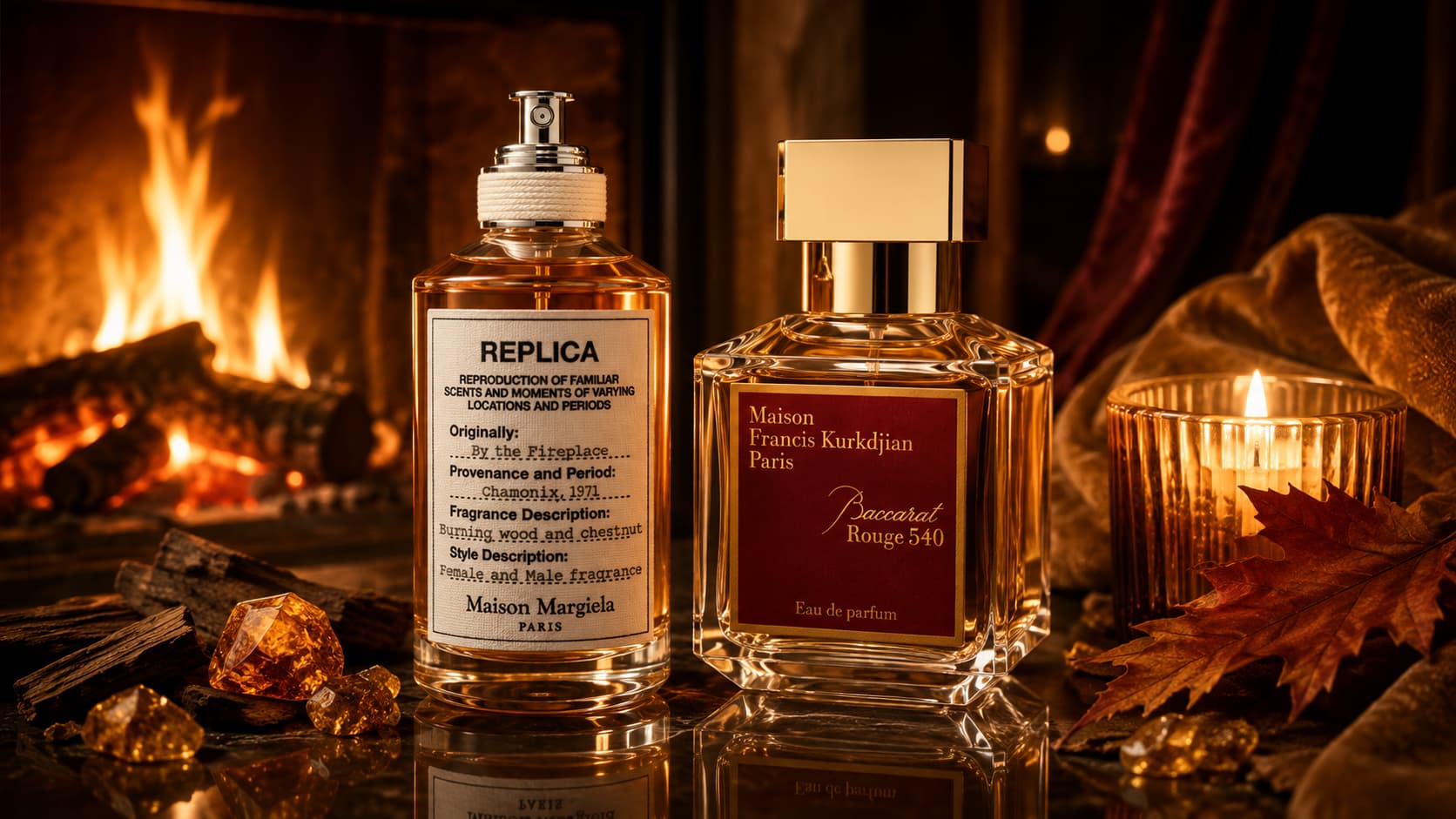
Every perfume belongs to a broader group called a fragrance family, and knowing these families is the fastest way to predict whether two scents will get along. The main families are fresh (citrus, green, and aquatic scents), floral, woody, and oriental (also called amber — warm, spicy, or sweet scents like vanilla and incense). Scents from the same family, or from neighboring families, almost always layer well together.
Perfumers actually map this out using something called the fragrance wheel, a circular diagram introduced by fragrance expert Michael Edwards in 1992, building on the fragrance classification work he’d started nearly a decade earlier. It works a lot like a color wheel: families placed next to each other share similar notes and blend smoothly, while families on opposite sides of the wheel create more contrast and need a steadier hand to combine well.
| Family | Typical notes | Mood | Layers easiest with |
|---|---|---|---|
| Fresh | Citrus, green leaves, aquatic/marine | Bright, clean, energetic | Almost every other family |
| Floral | Rose, jasmine, peony, lily | Soft, romantic, elegant | Fresh and light oriental |
| Woody | Sandalwood, cedar, vetiver, patchouli | Warm, grounded, earthy | Floral and fresh |
| Oriental / Amber | Vanilla, amber, incense, spice | Rich, sweet, cozy | Woody and soft floral |
Fresh Scents Are the Easiest to Pair
Fresh scents like citrus, aquatic, and green fragrances work as a light, clean base that rarely overwhelms anything you put on top of it. A splash of something citrusy under a floral or woody perfume tends to add brightness without changing the character of the main scent.
This is why fresh colognes are often the safest starting point for beginners experimenting with layering. They are built to be simple and clean, so they support other fragrances instead of competing with them.
Sweet and Warm Scents Take More Skill
Oriental, gourmand (think vanilla, caramel, or chocolate-like notes), and heavy woody scents are more powerful and take up more space. They can be gorgeous when layered with the right partner, like a soft musk or a light floral, but they can easily overpower anything delicate.
A good rule of thumb: if a fragrance feels intense wearing it alone, it needs a gentle partner, not another intense fragrance, when you layer it.
Does Perfume Concentration Affect Layering?
Yes — concentration decides how loud a fragrance is, completely separate from which family it belongs to, and mismatching it is one of the most common reasons a layering combo fails. Two citrus scents can be from the exact same family and still clash, simply because one is a much stronger formula than the other and drowns it out.
Concentration refers to how much actual fragrance oil is mixed into the alcohol base, and it’s usually printed right on the box.
| Type | Typical fragrance oil | What it means for layering |
|---|---|---|
| Eau de Cologne (EDC) | 2–4% | Very light, fades fast, easily overpowered by anything stronger |
| Eau de Toilette (EDT) | 5–15% | A gentle, everyday strength, good as the lighter half of a pairing |
| Eau de Parfum (EDP) | 15–20% | Noticeably stronger and longer-lasting, often works well as the base layer |
| Parfum / Extrait | 20–40% | The most concentrated and longest-lasting, meant to be used sparingly |
In practice, this means an Eau de Toilette layered under a Parfum will almost always get buried, even if the notes themselves are a perfect match. Pairing a lighter concentration with a heavier one on purpose, and applying the stronger one to the skin first, works with this natural strength difference instead of fighting it. If both fragrances are the same concentration, the note families and spray count end up doing most of the work in deciding who leads.
Which Fragrance Should You Apply First?
Always apply the heavier, stronger fragrance first, then follow with the lighter one on top. This lets the bold scent act as a base while the lighter fragrance sits above it, so both are noticeable instead of one completely burying the other.
If you are using more than just sprays, the general order is body lotion or oil first, since it helps the scent stick to your skin and last longer, then your stronger fragrance, and finally the lighter fragrance last. Waiting a minute or two between each layer gives the alcohol in the spray time to evaporate a little, so the scents settle instead of mixing while still wet.
The Right Number of Sprays for Layering
Start with one spray of each fragrance and wait at least twenty minutes before deciding if you need more. Fragrance changes a lot in the first half hour as the alcohol evaporates and the true notes come through, so judging a blend too early almost always leads to overspraying.
If one of the two scents is noticeably stronger, use less of it than the other. A common approach is one full spray of the lighter scent and just half a spray, or a light dab, of the heavier one. Treat a bold fragrance like a spice in cooking: a little bit adds character, too much takes over the whole dish.
Best Places to Apply Layered Scents
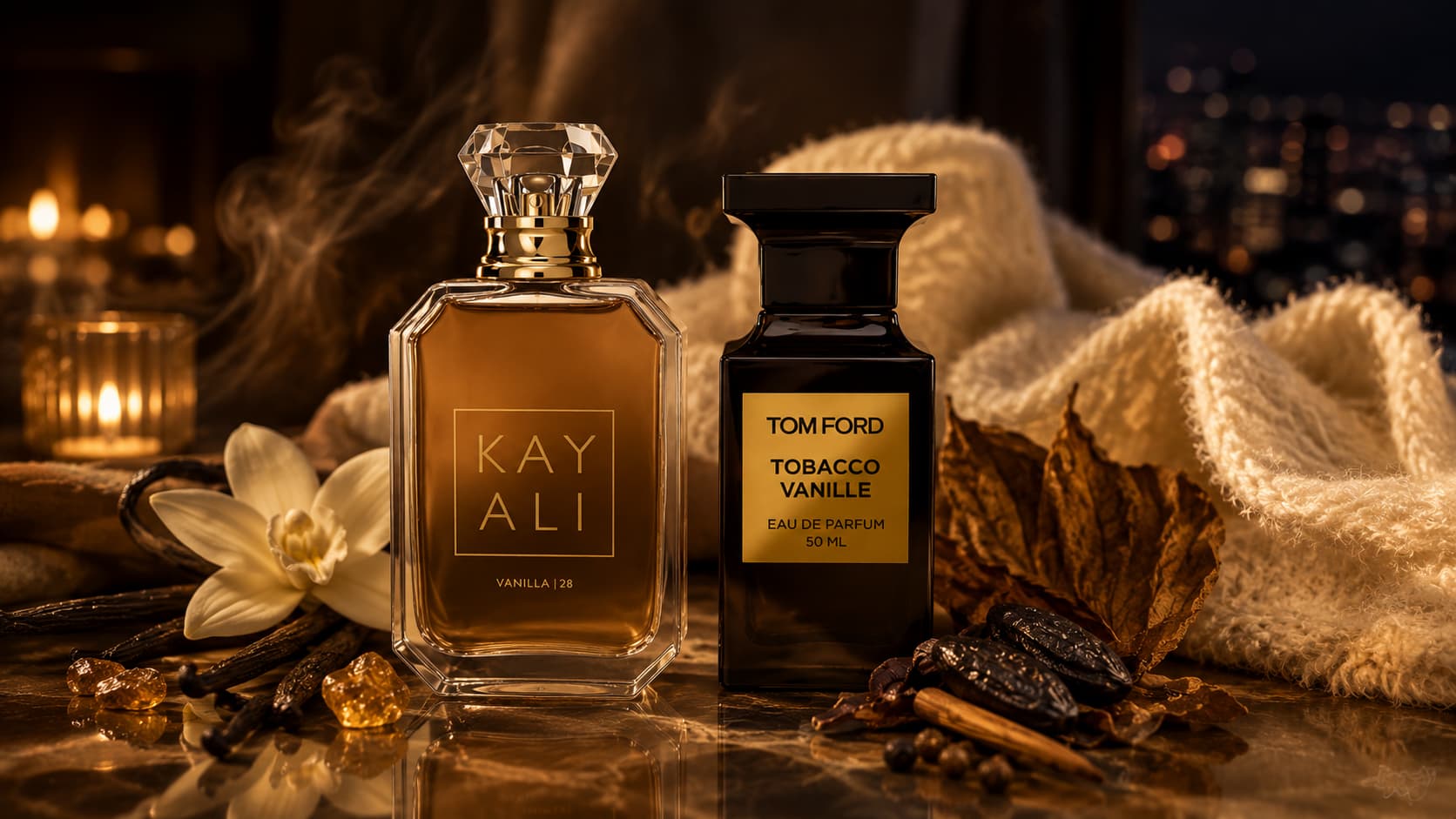
You can either stack both scents in the same spot for a fully blended aura, or apply them to different pulse points to keep them slightly more separate. Common pulse points include the wrists, the inside of the elbows, the neck, and behind the ears, since body heat in these areas helps release the scent throughout the day.
Stacking, where both fragrances go on the same spot like the neck or chest, creates one fused scent that changes as it dries. Zoning, where you put the stronger scent on your chest or neck and the lighter one on your wrists, keeps them slightly more distinct so you notice each one at different moments, like when you move your hands near your face.
Safe Fragrance Pairings to Start With
Some combinations are nearly foolproof because their notes naturally complement each other rather than compete.
| Combination | Why it works |
|---|---|
| Citrus + musk | The musk gives the citrus a longer, slightly warmer trail without covering up its brightness. |
| Vanilla or soft gourmand + floral | Adds warmth and depth to delicate flowers like rose or jasmine without drowning them. |
| Light woody + clean musk | Builds quiet depth without turning heavy or muddy. |
| Green or herbal + citrus | Keeps everything feeling fresh, sharp, and outdoorsy. |
| Soft amber + sandalwood | Two closely related warm notes that blend into one smooth, cozy scent instead of competing. |
These pairings work because the two scents sit close to each other on the fragrance wheel, so their notes already share common ground before you even apply them.
Fragrance Combinations to Avoid
Certain pairings fight so often that it’s worth knowing them before you experiment.
| Combination | Why it usually clashes |
|---|---|
| Two heavy, complex scents (like two strong oriental or oud-based fragrances) | Both compete to be the dominant note, which usually turns into an overwhelming, muddled smell. |
| Sharp aquatic + thick, syrupy gourmand | The clean, watery character and the dense sweetness pull in opposite directions. |
| Smoky, incense-heavy scent + bright, soapy floral | The smokiness tends to make the floral smell strange or stale rather than fresh. |
| Strong green notes + candy-like fruity scents | One feels sharp and bitter, the other feels sugary, and neither wins. |
| Heavy oud + sharp citrus | The citrus tries to lift the scent up while the oud pulls it down, creating a confused, unstable blend. |
If you want to try a risky pairing like this anyway, using a very small amount of the heavier scent and letting the lighter one lead can sometimes tame the clash enough to work.
Test a New Combination First
Try a new combination on your skin, or at least on a fragrance testing strip, before wearing it somewhere important. Fragrance changes as it dries, so a pairing that smells great in the first five minutes can smell completely different an hour later once the top notes fade and the base notes take over.
Give any new combination at least twenty to thirty minutes on your skin, and if possible, test it earlier in the day rather than right before you need to leave. Scented lotions, deodorants, and shampoos count too, since a coconut-scented body wash under a sharp citrus cologne can clash just as easily as two perfumes can.
Temperature changes the result as well, so a combination worth trusting should be tested in conditions close to where you’ll actually wear it. Warm skin and hot weather make fragrance molecules evaporate faster, which pushes scents to smell stronger and more concentrated, while cold weather mutes projection and can make a blend feel thinner than it did indoors. A pairing that felt perfectly balanced on a cool morning can smell much bolder by the time you’re outside on a hot afternoon.
Frequently Asked Questions
Can you layer more than two fragrances at once?
You technically can, but it gets much harder to control the result, since each added scent increases the chance that something clashes. Most fragrance experts recommend sticking to two at a time until you feel confident predicting how different notes behave together.
Does layering make a fragrance last longer?
Yes, in most cases. Adding a scented lotion or a second fragrance on top gives your skin more scented material to hold onto, and applying a stronger, longer-lasting scent as your base layer helps anchor the lighter fragrance so it doesn’t fade as quickly.
Is it okay to layer two perfumes from different brands?
Absolutely, there’s no rule that says fragrances need to come from the same brand or even the same collection. What matters is how the notes interact, not who made the bottle.
What if a layered combination smells bad after a few hours?
This usually means the base notes of the two fragrances don’t get along, even if the opening smelled fine. Wash it off, wait until your skin is neutral again, and next time try swapping which scent goes on first or reducing how much of the stronger one you use.
Should you layer fragrances every day?
There’s nothing wrong with it, but it’s worth having a few reliable combinations you already know work rather than experimenting daily. Save the riskier or more complex pairings for days when you have time to test them ahead of an event.
Conclusion
Layering fragrances comes down to a short list of habits: stick to scents from the same or neighboring families, apply the stronger one first and the lighter one on top, go easy on the number of sprays, and always give a new combination time to settle before judging it. Once those basics feel natural, mixing scents stops being a gamble and turns into one of the simplest ways to build a fragrance that’s genuinely your own.