Hand washing has become more important than ever, but if you’re wearing rings, you might wonder whether it’s safe to keep them on while you scrub. The simple answer is yes, you can wash your hands while wearing most rings, but the decision isn’t always straightforward. Different ring materials, stone types, and cleaning products can all affect whether your precious jewelry will stay beautiful and secure over time. What seems like a harmless daily routine can actually lead to costly repairs, lost stones, or damaged settings if you’re not careful about when to keep rings on versus when to remove them.
Safe vs. Dangerous Hand Washing for Rings
Most everyday hand washing falls into clear categories of safe or risky, depending on what you’re washing with and what type of ring you’re wearing. The key factors that determine safety include the type of soap or cleaner, water temperature, your ring’s materials and construction, and how often you’re washing. Knowing these distinctions helps you protect your jewelry while maintaining proper hygiene without overthinking every trip to the sink.
Safe Situations
Everyday hand washing scenarios that pose minimal risk to most rings involve gentle conditions and durable jewelry materials. These situations allow you to maintain proper hygiene without worrying about damaging your precious jewelry or creating expensive repair bills down the road. The combinations of factors that create safe washing conditions are more common than you might think, covering most typical daily hygiene routines.
- Basic hand soap with lukewarm water creates the ideal washing environment for most rings. Standard bathroom or kitchen hand soap contains mild surfactants that clean effectively without aggressive chemicals that could harm metals or stones. Lukewarm water won’t cause thermal shock to metals or make stones expand and contract in their settings.
- Simple metal bands without gemstones handle washing with exceptional durability. Plain wedding bands, simple gold rings, or platinum bands have no vulnerable stone settings, prongs, or crevices where debris can accumulate. The solid metal construction means there are fewer points of failure, and the smooth surfaces make them easy to rinse clean.
- Modern rings with secure, recently inspected settings provide confidence during washing. Contemporary ring construction uses advanced setting techniques and stronger prongs that hold stones more securely than older methods. If your ring has been professionally inspected within the past year and all prongs are tight, the risk of losing stones during gentle hand washing is minimal.
- Quick, routine hand washing minimizes exposure time and reduces risk. Brief 20-30 second hand washing sessions for basic hygiene create minimal opportunity for problems to develop. The short exposure time prevents soap from building up in ring crevices and reduces mechanical stress from scrubbing motions.
These safe scenarios represent the majority of hand washing situations that most people encounter daily. The combination of gentle products, appropriate temperatures, and reasonable exposure times creates an environment where ring damage is highly unlikely, allowing you to focus on proper hygiene without jewelry concerns. When these conditions are met, the benefits of maintaining clean hands far outweigh the minimal risks to properly constructed, well-maintained rings.
Risky Situations
Certain washing conditions and ring characteristics create scenarios where removal is the smarter choice to prevent damage or loss. These situations involve factors that can cause immediate harm to rings or create cumulative damage over time that leads to expensive repairs or irreplaceable losses. Recognizing these risk factors helps you make informed decisions about when temporary inconvenience is worth avoiding potential jewelry disasters.
- Harsh cleaning chemicals can permanently alter ring appearance and structural integrity. Bleach oxidizes many metals, potentially changing their color or weakening their structure over time. Ammonia-based cleaners can dissolve certain metal finishes and damage gemstone surfaces. Industrial hand soaps often contain abrasives or strong alkaline compounds that can etch metal surfaces.
- Very hot water creates thermal stress that can loosen stones and damage settings. Water temperatures above comfortable hand temperature cause metals to expand rapidly, potentially stretching prong settings or creating gaps around stones. When the metal cools and contracts, stones may sit differently in their settings, becoming loose or misaligned.
- Frequent hand sanitizer use introduces alcohol and chemical compounds that harm certain materials. Alcohol-based sanitizers dry out porous stones like turquoise, opal, or pearls, potentially causing them to crack or change color. The alcohol can also dissolve certain adhesives used in ring construction or react with metal plating to cause discoloration.
- Vintage and antique rings often have weakened structural elements that make washing risky. Older rings may have worn prong tips, thinned metal from decades of wear, or outdated setting techniques that don’t hold stones as securely as modern methods. The metals themselves may have developed stress fractures or weak points that aren’t visible but could fail under washing pressure.
- Delicate or soft gemstones require protection from even mild washing conditions. Pearls, opals, emeralds with fracture-filling, and other soft or treated stones can be damaged by soap residue, temperature changes, or even gentle scrubbing motions. These materials are porous or chemically sensitive in ways that make regular water exposure problematic over time.
Recognizing these risky situations helps you protect valuable jewelry while still maintaining proper hand hygiene. The few seconds it takes to remove rings in these circumstances can prevent hundreds or thousands of dollars in repair costs, not to mention the emotional value of irreplaceable pieces. When multiple risk factors combine, such as using harsh chemicals on a vintage ring with loose stones, the potential for damage increases exponentially, making ring removal not just advisable but essential for responsible jewelry ownership.
What Happens to Your Ring When You Wash Hands
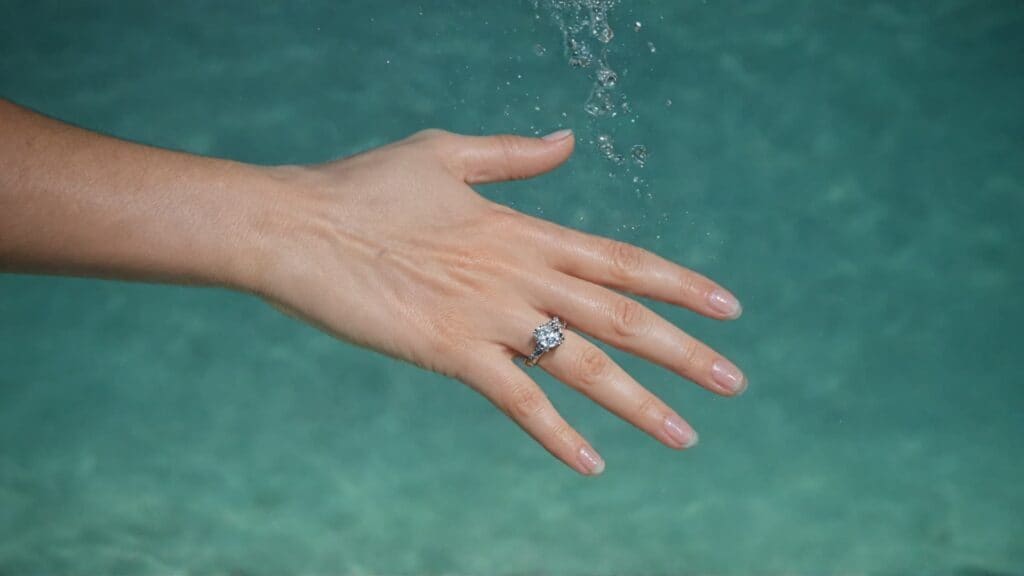
Every time you wash your hands while wearing rings, several processes occur that can affect your jewelry’s appearance, structure, and longevity. While many of these effects are minor and gradual, they accumulate over time and can lead to noticeable changes in how your rings look and feel. The specific impacts depend on your ring’s materials, the washing products you use, and how frequently you expose your jewelry to water and soap. Some effects are purely cosmetic and easily reversible, while others can cause permanent structural changes that require professional intervention. By knowing what happens during the washing process, you can better predict when your rings might need attention and take preventive measures to minimize potential problems.
- Soap residue builds up in ring crevices and behind stones over time. Even the mildest hand soaps leave microscopic residue that accumulates in the small spaces around prong settings, under bezels, and in any textured areas of your ring. This buildup creates a film that makes your ring look dull and can trap bacteria, oils, and dirt against your skin. The residue is particularly problematic behind stones where it’s difficult to reach during regular cleaning, gradually building up until it becomes visible as a cloudy or yellowish film.
- Water exposure causes different metals to react in various ways. Gold and platinum remain largely unaffected by water, but silver can develop tarnish more quickly when exposed to moisture combined with sulfur compounds found in some soaps. Water can also penetrate microscopic scratches in metal surfaces, potentially accelerating corrosion in lower-quality alloys. Some metal finishes, particularly plating or special treatments, may gradually wear away with repeated water exposure and the mild abrasion from hand washing.
- Temperature fluctuations during washing create expansion and contraction cycles. Even moderate temperature changes cause metals to expand when warm and contract when cool, creating tiny movements in ring structures. Over many cycles, this thermal stress can gradually loosen prong settings, create small gaps in stone mountings, or cause microscopic stress fractures in the metal. The effect is more pronounced when washing with hot water or moving between very different temperatures.
- Mechanical action from hand washing creates gradual wear on ring surfaces. The rubbing motion of washing hands, even gentle scrubbing, creates friction against ring surfaces that slowly wears away metal over time. This is particularly noticeable on softer metals like gold, where the constant contact can gradually smooth away fine details or create subtle changes in ring shape. Prong tips are especially vulnerable to this mechanical wear since they extend from the ring surface.
- Chemical interactions between soap ingredients and ring materials can cause subtle changes. Some soap ingredients, particularly fragrances, preservatives, or antibacterial agents, can react with certain metals or gemstones over extended exposure. These reactions might cause gradual discoloration, surface etching, or changes in stone appearance that aren’t immediately visible but become apparent over months or years of regular exposure.
The cumulative effect of these processes means that rings worn during frequent hand washing will show more wear and require more maintenance than those removed before washing. While most effects develop slowly and can be addressed through regular professional cleaning and inspection, awareness of these processes helps you make informed decisions about ring care. The good news is that most washing-related issues are preventable or easily correctable when caught early, making regular attention to your rings’ condition a worthwhile investment in their long-term beauty and structural integrity.
Best Ring Metals for Frequent Hand Washing
Not all ring materials are created equal when it comes to water exposure and hand washing. The metal composition, gemstone type, and construction method of your ring all play crucial roles in determining how well it will withstand regular washing. Some materials are virtually indestructible when exposed to soap and water, while others require careful protection to maintain their beauty and structural integrity. Modern jewelry manufacturing has produced incredibly durable options, but traditional materials and vintage pieces often need more consideration. The key is matching your washing habits to your ring’s specific characteristics, ensuring that you can maintain proper hygiene without compromising your jewelry investment over time.
Durable Options
Modern metallurgy has created ring materials that can withstand virtually any hand washing scenario without damage or degradation. These metals are engineered for durability, making them ideal choices for people who wash their hands frequently throughout the day or work in environments where hand hygiene is critical. For anyone who wants jewelry that can handle their lifestyle without constant worry or maintenance, these materials represent excellent choices for daily wear.
- Platinum stands as the most water-resistant precious metal for rings. This dense, naturally white metal doesn’t tarnish, corrode, or react with soap ingredients, making it virtually immune to washing-related damage. Platinum’s durability comes from its purity (most jewelry platinum is 90-95% pure) and its resistance to chemical reactions. Even daily exposure to harsh soaps or frequent hand sanitizer use won’t discolor or weaken platinum, though it can develop a patina over time that actually protects the underlying metal.
- 14k and 18k gold provide excellent durability for regular hand washing. These gold alloys contain enough other metals to create strength while maintaining gold’s natural resistance to corrosion and tarnishing. The higher copper content in 14k gold actually makes it harder and more scratch-resistant than pure gold, while 18k offers a good balance of durability and gold content. Both can withstand daily soap and water exposure without significant wear, though they may show scratches over time from mechanical action.
- Titanium offers exceptional strength and complete resistance to water damage. This aerospace-grade metal is lighter than gold or platinum but incredibly strong, making it ideal for people who work with their hands or wash frequently. Titanium doesn’t corrode, tarnish, or react with any common cleaning chemicals, and its hardness means it resists scratching better than traditional precious metals. The main limitation is that titanium is difficult to resize or repair, so proper initial fitting is crucial.
- Tungsten carbide provides maximum scratch resistance and water immunity. This extremely hard material is virtually scratchproof and completely unaffected by water, soap, or cleaning chemicals. Tungsten rings maintain their polish and appearance indefinitely with minimal care, making them perfect for people who want a maintenance-free option. However, tungsten’s hardness makes it brittle – while it won’t scratch, it can crack or shatter if struck hard against a solid surface.
These durable materials represent the best options for people who prioritize low-maintenance jewelry that can handle any washing situation. Their resistance to chemical and mechanical damage means you can focus on hand hygiene without worrying about jewelry care, making them particularly popular with healthcare workers, mechanics, and others whose professions require frequent hand washing.
Materials Needing Extra Care
While many ring materials can handle regular hand washing, some require more thoughtful consideration and modified care routines to maintain their appearance and structural integrity. These materials aren’t necessarily fragile, but they have specific characteristics that make them more susceptible to certain types of damage from frequent water exposure. With proper attention and occasional professional maintenance, these materials can provide years of beautiful wear even for people who wash their hands regularly.
- Sterling silver requires protection from sulfur compounds and moisture buildup. While silver itself doesn’t rust or corrode, it tarnishes when exposed to sulfur compounds found in some soaps, lotions, or environmental factors. Frequent washing can accelerate tarnishing, particularly if soap residue isn’t thoroughly rinsed away. Silver also shows water spots more readily than other metals, requiring more frequent polishing to maintain its bright appearance. The good news is that tarnish is purely surface-level and easily removed with proper cleaning.
- Lower karat gold (10k and below) contains more alloy metals that can react to washing. These golds have higher percentages of copper, nickel, or other metals that may tarnish, discolor, or cause skin reactions when frequently exposed to moisture and soap. The lower gold content also makes these alloys more prone to scratching and wear from the mechanical action of hand washing. While still durable enough for regular wear, they benefit from more careful attention to drying and occasional deep cleaning.
- Gold-plated and gold-filled jewelry can wear through with frequent washing. The thin layer of gold over base metal can gradually wear away from repeated exposure to soap and the mechanical action of hand washing. Gold-filled pieces last longer than plated ones, but both eventually show wear at contact points. Once the base metal shows through, the piece may tarnish, discolor, or cause skin reactions that weren’t present when the gold layer was intact.
- Diamonds handle water beautifully but can become cloudy from soap buildup. While diamonds themselves are completely unaffected by water or soap, their brilliant sparkle can be diminished by film buildup from hand washing. The oils and residues that accumulate on diamond surfaces reduce their light reflection, making them appear dull or cloudy. Regular cleaning easily restores their brilliance, but frequent hand washing means more frequent cleaning is needed to maintain optimal appearance.
- Soft gemstones like pearls, opals, and turquoise need protection from water exposure. These organic or porous stones can absorb water and soap, potentially causing discoloration, cracking, or structural damage over time. Pearls are particularly vulnerable since they’re made of calcium carbonate that can dissolve in acidic conditions. Opals contain water naturally, and additional moisture exposure can cause them to crack or lose their play of color. These stones are best removed before hand washing or require immediate, thorough drying afterward.
With proper care and awareness, even these more delicate materials can be worn during hand washing. The key is recognizing their specific vulnerabilities and adjusting your washing routine accordingly, whether that means using gentler soaps, ensuring thorough rinsing, or simply being more attentive to signs that your rings need professional cleaning or maintenance.
When You Must Remove Rings Before Washing
Certain washing situations present such high risks to your rings that removal becomes not just advisable but essential for protecting your jewelry investment. These scenarios involve combinations of harsh chemicals, extreme conditions, or abrasive materials that can cause immediate and often irreversible damage to even the most durable rings. While it might seem inconvenient to remove rings multiple times throughout the day, the few seconds of effort can prevent hundreds or thousands of dollars in repair costs and preserve irreplaceable sentimental pieces.
- Cleaning with bleach, ammonia, or harsh household chemicals requires immediate ring removal. These powerful chemicals can permanently discolor metals, particularly silver and lower-karat gold alloys, often creating stains that cannot be polished away. Bleach is especially damaging because it can weaken metal structures at the molecular level, making prongs brittle and prone to breaking. Ammonia-based cleaners can dissolve certain metal finishes and cause pitting on softer metals. Even brief exposure during cleaning tasks can cause damage, and the fumes alone can affect some gemstones and metal treatments.
- Using antibacterial or degreasing hand soaps creates cumulative damage over time. Heavy-duty hand soaps used in medical facilities, auto shops, or industrial settings contain strong detergents and chemicals designed to remove stubborn substances from skin. These same properties make them harmful to jewelry, gradually breaking down metal finishes, dissolving adhesives used in some ring construction, and creating buildup that’s difficult to remove. The frequent use required in these professions means the damage accumulates quickly.
- Washing dishes with degreasing agents poses multiple risks to ring integrity. Dish soap designed to cut through grease contains surfactants that can penetrate into ring crevices and behind stones, creating buildup that attracts more dirt and bacteria. The hot water typically used for dishwashing creates thermal stress, while the scrubbing action against dishes and utensils can scratch ring surfaces or catch prongs on cleaning tools. Automatic dishwasher detergents are particularly harsh and can cause severe damage if rings accidentally go through a wash cycle.
- Working with abrasive materials or rough surfaces demands ring protection. Activities like gardening, construction work, cleaning with abrasive pads, or handling sandpaper can quickly damage ring surfaces and catch prongs on rough materials. Even seemingly innocent tasks like moving boxes or assembling furniture can create situations where rings get caught, bent, or scratched. The mechanical forces involved in these activities far exceed what rings are designed to handle during normal wear.
- Swimming in chlorinated pools or hot tubs requires ring removal for chemical safety. Chlorine is highly reactive with many metals and can cause permanent discoloration, particularly in silver and some gold alloys. Pool chemicals can also react with gemstone treatments, causing stones to become cloudy or change color. Hot tub chemicals are often more concentrated and combined with heat, creating an even more damaging environment for jewelry.
- Applying lotions, sunscreens, or skincare products while wearing rings traps chemicals against metal and stones. These products can react with metals over time, causing discoloration or buildup that’s difficult to remove. Many skincare ingredients can also dull gemstone surfaces or react with stone treatments. The products get trapped in ring settings and continue affecting the jewelry long after application, making thorough removal necessary before applying these substances.
The habit of removing rings before these activities becomes second nature with practice and can save you from experiencing the heartbreak of damaged or lost jewelry. Many people find it helpful to designate a specific, safe location near their sink or workspace where rings can be temporarily stored during risky activities. The peace of mind that comes from knowing your rings are protected allows you to focus fully on the task at hand, whether that’s deep cleaning your home, working on a project, or maintaining proper hygiene in a demanding profession.
Best Way to Wash Hands While Wearing Rings
When you’ve determined it’s safe to keep your rings on during hand washing, following the right technique can minimize any potential risks while ensuring effective cleaning. The goal is to clean your hands thoroughly without subjecting your rings to unnecessary stress, chemical exposure, or conditions that could cause damage over time. Proper technique involves more than just being gentle – it requires attention to water temperature, soap selection, washing duration, and drying methods that protect both your health and your jewelry. The right approach allows you to maintain excellent hand hygiene while extending your rings’ lifespan and keeping them looking their best.
- Choose mild, ring-friendly soaps without harsh additives or strong fragrances. Basic hand soaps with simple ingredient lists pose the least risk to jewelry materials. Avoid antibacterial soaps with triclosan or other chemical additives, heavily fragranced soaps that may contain reactive compounds, and moisturizing soaps that can leave residue buildup on rings. Castile soap, basic glycerin soaps, or simple liquid hand soaps work well because they clean effectively without aggressive chemicals that could react with metals or gemstones over time.
- Use lukewarm water that feels comfortable to your bare skin. Water temperature should never exceed what feels pleasantly warm to your hands, as higher temperatures create thermal stress that can loosen stone settings or cause metals to expand and contract rapidly. Cold water is perfectly safe for rings but may not clean as effectively, while hot water poses unnecessary risks for minimal cleaning benefit. The ideal temperature range allows soap to work effectively while keeping your rings in their stable, room-temperature state.
- Apply gentle scrubbing motions that avoid catching prongs or settings on anything. Use smooth, circular motions rather than aggressive back-and-forth scrubbing that could catch ring elements on towels, clothing, or other surfaces. Pay attention to how your rings move during washing – if they’re spinning freely or feeling loose, be extra gentle to avoid having them slip off. Focus cleaning efforts on your hands rather than scrubbing the rings themselves, since hand soap and water movement will clean ring surfaces adequately without direct scrubbing.
- Limit washing time to 20-30 seconds to minimize exposure while ensuring cleanliness. This duration provides adequate time for soap to break down oils and bacteria on your hands without prolonged exposure that could allow soap buildup in ring crevices. Longer washing times don’t significantly improve cleaning effectiveness but do increase the opportunity for soap residue to accumulate and for thermal or chemical effects to impact your rings. The standard recommended hand washing duration for health purposes aligns well with safe jewelry practices.
- Rinse thoroughly to remove all soap residue from both hands and rings. Incomplete rinsing leaves soap film that can build up over time, making rings look dull and creating an environment where bacteria can thrive. Pay special attention to areas around prong settings, behind stones, and in any textured areas of your rings where soap can hide. Use flowing water rather than standing water to ensure complete removal of soap residue, and continue rinsing until your hands feel completely clean and soap-free.
- Dry hands and rings completely using clean, soft towels or air drying. Thorough drying prevents water spots on ring surfaces and eliminates moisture that could contribute to tarnishing in silver rings or cause issues with porous gemstones. Pat rather than rub to avoid catching ring elements on towel fibers, and ensure that water doesn’t remain trapped behind stones or in ring settings. If using paper towels, choose lint-free varieties that won’t leave residue on ring surfaces.
Following these safe washing practices becomes automatic with repetition and provides the best balance between maintaining hand hygiene and protecting your rings. The techniques work for both quick routine hand washing and more thorough cleaning when needed, adapting to different situations while maintaining consistent protection for your jewelry. When these methods become habit, you can wash your hands confidently without constantly worrying about potential ring damage.
Warning Signs of Ring Damage from Hand Washing
Regular hand washing, even when done safely, can gradually affect your rings in ways that aren’t immediately obvious but can lead to serious problems if left unaddressed. Learning to recognize the early warning signs of washing-related damage allows you to take corrective action before minor issues become expensive repairs or irreversible losses. Most washing damage develops slowly over weeks or months, making it easy to miss unless you know what to look for and check your rings regularly.
- Soap scum buildup that doesn’t come off with normal rinsing indicates deep cleaning is needed. When you notice a cloudy, yellowish, or grayish film on your ring that persists after washing and drying, soap residue has accumulated in microscopic crevices and behind stone settings. This buildup not only makes your ring look dull but creates an environment where bacteria and additional dirt can stick more easily. If gentle brushing with a soft toothbrush and warm soapy water doesn’t remove the buildup, professional ultrasonic cleaning may be necessary.
- Stones that feel loose or move slightly when touched require immediate attention. Even tiny amounts of movement in stones that should be completely secure indicate that prong settings have loosened, possibly due to thermal expansion and contraction from hand washing or gradual wear from soap exposure. You might notice this as a subtle shifting feeling when you press gently on the stone, or the stone may make tiny clicking sounds when tapped with a fingernail.
- Skin irritation, redness, or itching under rings suggests trapped moisture or debris. If you develop skin problems specifically in areas where rings sit, moisture and soap residue may be getting trapped against your skin, creating an environment for bacterial growth or allergic reactions. This is particularly common with rings that have complex settings or textured surfaces where water and soap can hide.
- Metal surfaces that look dull, scratched, or discolored show cumulative wear effects. While some surface wear is normal with daily ring wearing, accelerated dulling or discoloration can indicate that your washing routine is too harsh or that soap residue is affecting the metal finish. Silver rings may show increased tarnishing, gold rings might develop a matte appearance, and plated rings may begin showing base metal through worn areas.
- Prongs that appear worn, bent, or shorter than they used to be need professional inspection. Prong tips naturally wear down over time, but frequent hand washing with soap can accelerate this process through chemical and mechanical action. Worn prongs may appear rounded instead of pointed, bent out of their original position, or noticeably shorter than when the ring was new.
- Changes in how your ring fits, particularly if it seems looser than before, could indicate structural issues. Rings that suddenly feel loose may have experienced metal fatigue, microscopic stress fractures, or shape changes from repeated thermal cycling during hand washing. While finger size can fluctuate due to weather or weight changes, a ring that consistently feels different should be checked for structural integrity.
Catching these warning signs early almost always results in simpler, less expensive solutions than waiting until problems become severe. Regular monthly inspection of your rings in good lighting can help you spot these issues before they progress, and many jewelers offer complimentary quick inspections that can identify potential problems during routine visits. The few minutes spent checking your rings each month can save you from the heartbreak and expense of losing stones or needing major repairs down the road.
Special Ring Care Considerations for Hand Washing
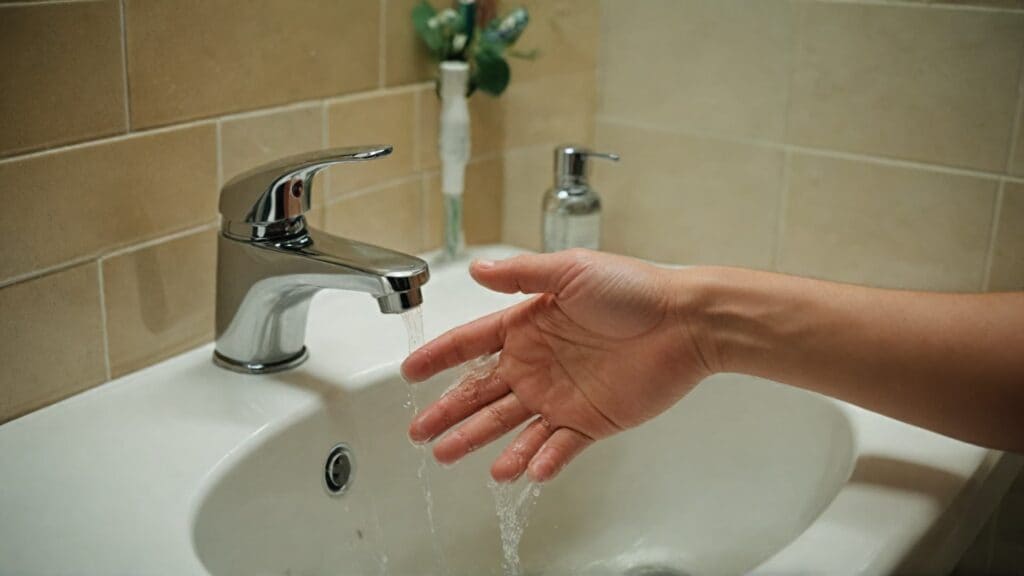
Certain rings and situations require extra thought when deciding whether to wash hands while wearing them. These special circumstances involve factors beyond basic material considerations, including the ring’s monetary or sentimental value, specific professional requirements, or individual health needs. The stakes are often higher in these situations because the rings involved may be irreplaceable, extremely valuable, or subject to strict workplace regulations that could affect your employment or safety.
- Engagement rings with expensive diamonds or gemstones deserve extra protection during washing. These rings often represent significant financial investments and irreplaceable sentimental value, making any risk of damage particularly costly. The elaborate settings common in engagement rings create more places for soap buildup and provide more opportunities for prongs to catch on towels or other materials during washing. Many engagement rings also feature multiple stones or intricate metalwork that requires more careful attention during cleaning and drying.
- Vintage and antique rings often have weakened structures that make them more vulnerable. Rings that are decades or centuries old may have worn prongs, thinned metal from years of wear, or construction techniques that don’t meet modern security standards. The metals in vintage pieces may also have developed stress fractures or weak points that aren’t visible but could fail under the mechanical stress of hand washing. Additionally, vintage rings may contain materials or treatments that are no longer used and could react poorly to modern soaps.
- Healthcare workers face strict hygiene requirements that may prohibit ring wearing. Many hospitals and medical facilities have policies requiring the removal of all jewelry during patient care to prevent harboring bacteria and ensure proper hand sanitization. Even when rings are allowed, the frequent use of strong antibacterial soaps and alcohol-based sanitizers can damage jewelry materials over time. Healthcare workers must balance personal expression with professional requirements and patient safety.
- Food service employees must follow health department regulations about jewelry. Most jurisdictions have specific rules about what jewelry can be worn while handling food, often limiting workers to plain wedding bands without stones or decorative elements. These regulations exist because elaborate rings can harbor bacteria in hard-to-clean areas and pose contamination risks. The frequent hand washing required in food service can also accelerate wear on rings that are allowed.
- People with skin conditions or allergies need to consider how trapped moisture affects their health. Individuals with eczema, contact dermatitis, or other skin sensitivities may find that rings trap moisture and soap residue against their skin, worsening their condition. Some people develop allergies to metals that only become problematic when moisture is trapped under rings for extended periods. In these cases, ring removal during washing becomes a health necessity rather than just jewelry protection.
- Individuals taking medications that affect circulation or cause hand swelling should be cautious. Certain medications can cause fluid retention that makes fingers swell, potentially making rings difficult to remove if problems develop during washing. People with circulation issues may not feel if a ring becomes caught or twisted during washing, increasing the risk of injury or ring damage.
These special considerations often require developing personalized routines that balance the various factors involved. Many people in high-risk professions choose to wear simple, durable rings that can withstand frequent removal and cleaning, while saving more elaborate pieces for times when they won’t be exposed to harsh conditions. The key is recognizing when your situation involves factors beyond normal ring care and adjusting your approach accordingly.
Common Ring Care Mistakes During Hand Washing
Even people who know the basics of safe ring care often make simple errors that can damage their jewelry over time. These mistakes typically develop from habits that seem harmless in the moment but create cumulative problems that become apparent only after weeks or months of repeated exposure. Many of these errors stem from misconceptions about what rings can handle or from simply not thinking about the long-term effects of daily routines. Avoiding these common pitfalls can significantly extend your rings’ lifespan and prevent expensive repairs that could have been easily prevented with better awareness.
- Using harsh antibacterial soaps or sanitizers regularly without considering ring materials. Many people assume that if a product is safe for their hands, it’s automatically safe for their rings, but this isn’t always true. Antibacterial soaps often contain triclosan or other chemicals that can react with certain metals over time, causing discoloration or surface damage. Alcohol-based hand sanitizers can dry out porous stones, dissolve certain adhesives used in ring construction, and cause buildup in ring crevices that’s difficult to remove. The frequent use required in medical or food service settings makes these effects accumulate quickly.
- Ignoring loose stone warning signs until stones actually fall out. The subtle movement or slight looseness that indicates a stone is becoming unstable often gets dismissed as imagination or considered “not that bad yet.” People frequently put off addressing loose prongs or settings until the stone actually falls out, at which point the repair becomes more expensive and the stone may be lost entirely. Professional tightening of loose settings is relatively inexpensive and quick, but replacing lost stones can cost hundreds or thousands of dollars.
- Not drying rings properly after washing, allowing moisture to remain trapped. Many people shake their hands dry or wipe them quickly without paying attention to whether water remains behind stones, in settings, or between ring and skin. This trapped moisture can lead to bacterial growth, skin irritation, accelerated tarnishing in silver rings, and gradual degradation of certain stone treatments. Proper drying takes just a few extra seconds but prevents many common ring-related problems.
- Assuming all rings are equally durable and treating them the same way. People often develop washing routines based on their most durable ring and apply the same approach to all their jewelry without considering material differences. A routine that works perfectly for a simple platinum band might be too harsh for a vintage ring with delicate stones or a silver piece prone to tarnishing. Each ring’s care requirements should be based on its specific materials and construction.
- Forgetting to remove rings before using cleaning products, then trying to clean them afterward. Many people remember ring safety only after they’ve already exposed their jewelry to harsh chemicals, then attempt to “fix” the damage with immediate cleaning. Once bleach, ammonia, or other harsh chemicals have contacted ring materials, the damage is often irreversible, and immediate cleaning rarely helps. Prevention through removal is far more effective than attempting damage control after exposure.
- Wearing damaged rings during washing instead of getting them repaired first. Continuing to wear rings with loose stones, worn prongs, or other structural issues during hand washing greatly increases the risk of complete failure. The mechanical stress and thermal changes involved in washing can be the final straw for already weakened ring elements. Getting repairs done before continuing regular wear is much safer and often less expensive than emergency repairs after complete failure.
Learning to recognize and avoid these common mistakes often requires changing established habits, which can take time and conscious effort. The investment in developing better ring care practices pays off through reduced repair costs, longer-lasting jewelry, and peace of mind knowing that your rings are being properly protected. Most of these mistakes are easily correctable once you’re aware of them, and the improved care becomes automatic with practice.
Conclusion
The decision to wash your hands while wearing rings ultimately comes down to balancing hygiene needs with jewelry protection, and the right choice depends on your specific rings and washing conditions. Most durable rings made from platinum, gold, or modern metals can safely handle regular hand washing with mild soap and lukewarm water, while delicate vintage pieces, soft gemstones, or rings with loose settings require more careful consideration. The key is developing awareness of your rings’ materials and condition, then matching your hand washing routine to their specific needs rather than assuming all jewelry can handle the same treatment.
Establishing good habits around ring care during hand washing prevents most common problems and extends your jewelry’s lifespan significantly. Simple practices like using gentle soaps, avoiding harsh chemicals, drying thoroughly, and recognizing warning signs early can save you from expensive repairs and irreplaceable losses. When in doubt about whether a washing situation is safe for your rings, the few seconds it takes to remove them is always worthwhile insurance against potential damage.
The most important thing to remember is that proper hand hygiene should never be compromised for jewelry concerns, but with the right knowledge and habits, you can maintain both excellent hygiene and beautiful rings for years to come. Regular inspection of your rings, professional maintenance when needed, and thoughtful daily care create the perfect balance between protecting your health and preserving your precious jewelry investment.